
Argentina
Snakes in Argentina
150+ snake species have been recorded in Argentina, 23 venomous.
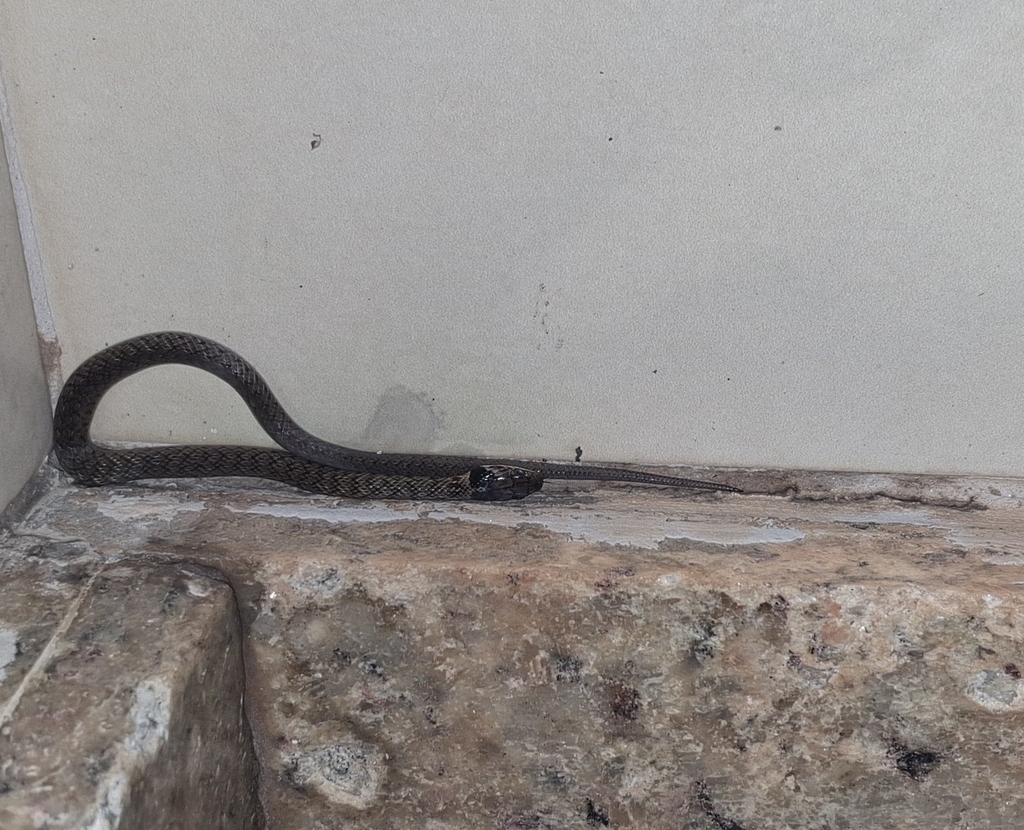
Snakes of Argentina
Argentina has 150+ snake species recorded in our database, of which 26 are venomous. The great majority of the country's snakes are non-venomous, a pattern that holds true almost everywhere snakes are found. Argentina is one of the longest countries on Earth, stretching from the subtropical north near Bolivia and Paraguay down to the cold, windswept tip of Patagonia, and this enormous range of latitude and elevation is the engine behind its snake diversity.
The richest snake habitats sit in the warm north and northeast. The Gran Chaco, a vast dry forest and scrubland, and the humid Atlantic forest of Misiones near the Iguazu falls together hold most of the country's species. Moving south and west, the landscape shifts to the Pampas grasslands, the arid Monte and Patagonian steppe, and the high Andes. Snake numbers drop sharply as the climate cools and dries, and the far south of Patagonia has very few species. Wetlands, river systems like the Parana, rocky hillsides, and farmland all support their own snake communities.
The medically important venomous snakes of Argentina fall into three groups. Pit vipers are the most significant. These include the lanceheads of the genus Bothrops, often called yarara locally, which are responsible for the majority of serious snakebites in the country, and the South American rattlesnake, Crotalus durissus, found mainly in the north and known for its venom that can affect nerves and muscle. The third group is the coral snakes of the genus Micrurus, brightly banded elapids with potent neurotoxic venom, though they are reclusive and bite far less often. Argentina has no cobras, no mambas, and no sea snakes, as those groups do not occur in the Americas.
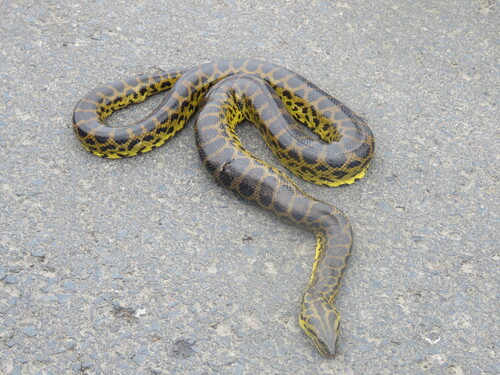
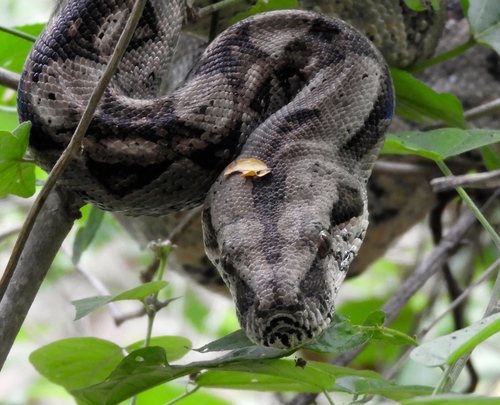
The non-venomous majority is large and varied. Argentina is home to constrictors including boas, most famously the yellow anaconda of the northern wetlands, a relative of the giant green anaconda, and the Argentine boa constrictor. Many smaller colubrid snakes hunt frogs, lizards, rodents, and other small prey across grasslands, forests, and gardens. Most of these animals are shy, harmless to people, and easy to mistake for something dangerous, which is why so many are killed needlessly.
Snakes earn their place in Argentina's ecosystems. By preying heavily on rats, mice, and other rodents, they help control populations of animals that damage crops, contaminate stored grain, and spread disease. A healthy snake population is a sign of a functioning landscape, and removing snakes tends to make rodent problems worse, not better. Both venomous and non-venomous species play this role, which is one reason killing snakes on sight is usually a mistake.
On safety, the honest picture is reassuring but not careless. Most snakes you encounter in Argentina are harmless, and snakes generally avoid people and bite only when cornered or handled. The main medical threat comes from the Bothrops lanceheads, with rattlesnake and coral snake bites being less common but also serious. No wild snake should ever be picked up or handled, including ones you believe are harmless, because identification mistakes happen and the cost of being wrong is high. A venomous snakebite is a medical emergency treated with antivenom and proper hospital care, so the right response is to get the person to professional medical help immediately. In the United States contact Poison Control at 1-800-222-1222, and anywhere else call your local emergency services.
Snakes in Argentina: FAQ
- Are there venomous snakes in Argentina?
- Yes. 23 venomous snake species have verified records in Argentina, including Urutu Lancehead, Patagonia Lancehead, Painted Lancehead, Neotropical Rattlesnake. Most snakes in Argentina, however, are harmless.
- How many snake species live in Argentina?
- 150+ snake species have verified records in Argentina, of which 23 are venomous.
- What is the most commonly seen snake in Argentina?
- The Yellow-bellied Liophis is the most frequently reported snake in Argentina, based on verified wildlife observations.
- What should I do if I see a venomous snake in Argentina?
- Keep your distance and do not try to catch or kill it. Most bites happen when people handle or corner a snake. If someone is bitten, contact local emergency services or poison control immediately.
Venomous snakes in Argentina
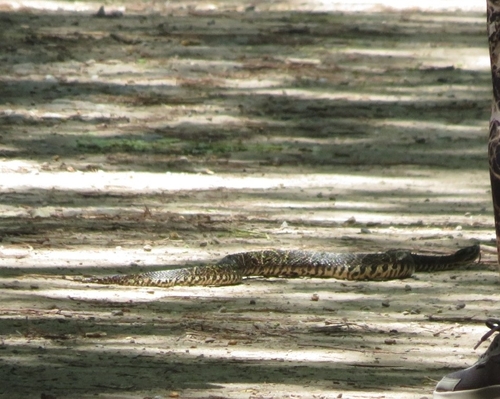
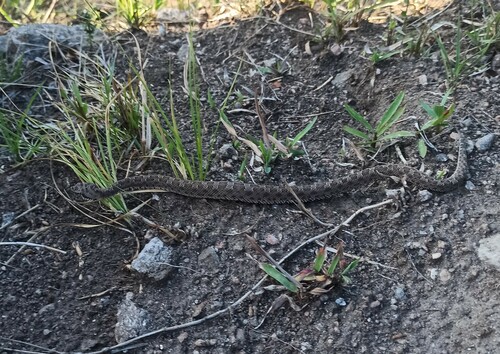
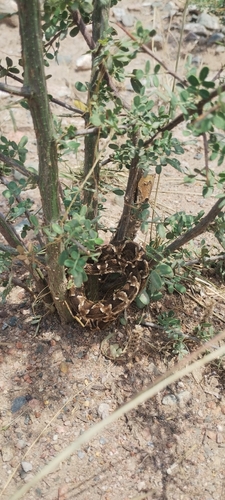
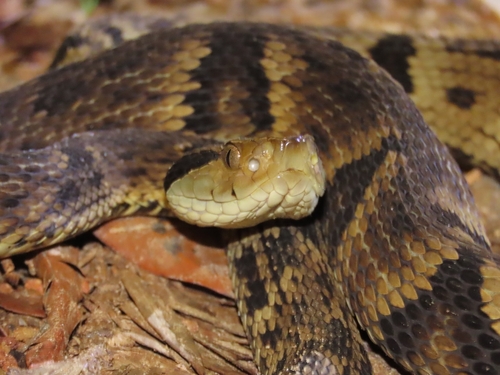
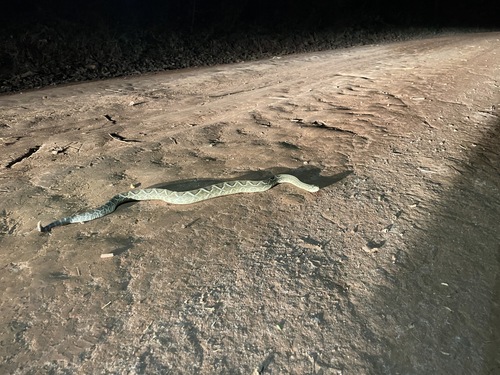 Neotropical RattlesnakeCrotalus durissusVenomous
Heavy body, broad triangular head, vertical (cat-like) pupils, and a segmented keratin rattle at the tail tip.
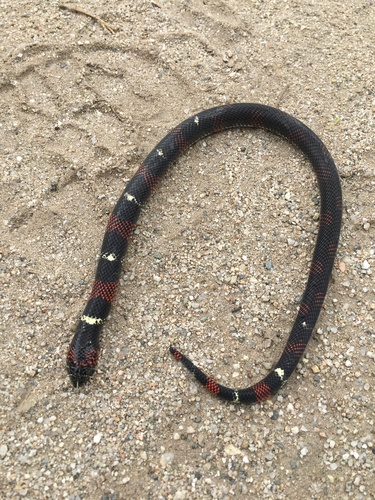
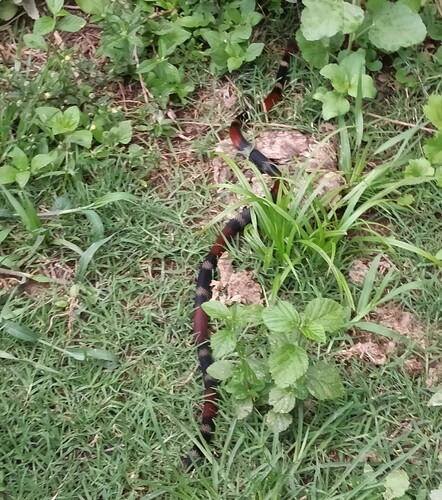 Argentinian CoralsnakeMicrurus pyrrhocryptusVenomous
Rings of red, yellow, and black where red touches yellow; small rounded head and round pupils.
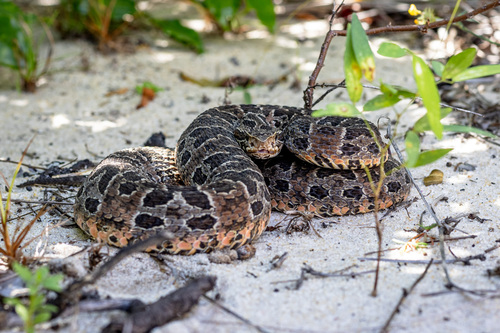
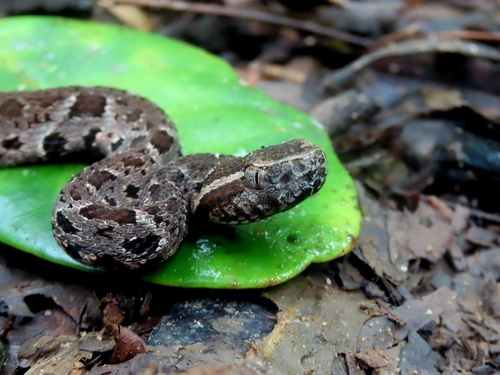
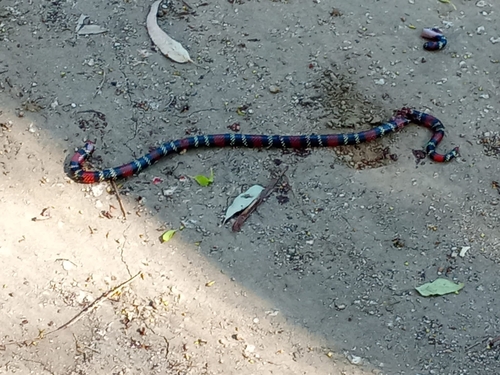 Uruguayan CoralsnakeMicrurus altirostrisVenomous
Rings of red, yellow, and black where red touches yellow; small rounded head and round pupils.
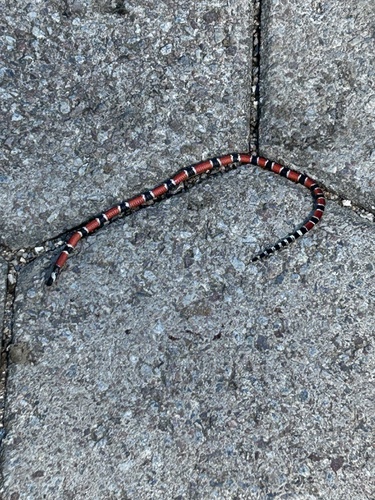 Painted CoralsnakeMicrurus corallinusVenomous
Rings of red, yellow, and black where red touches yellow; small rounded head and round pupils.
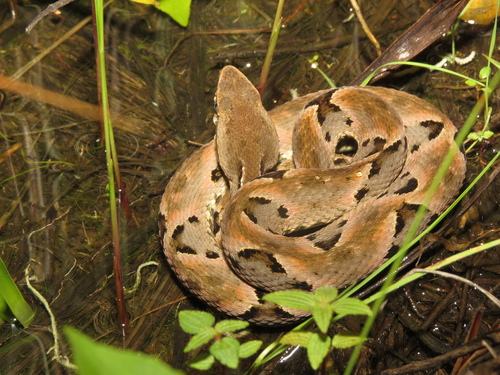
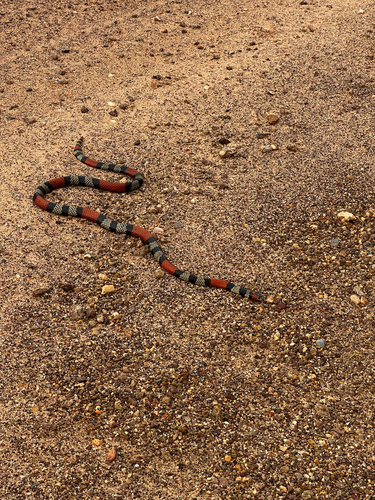 Southern CoralsnakeMicrurus frontalisVenomous
Rings of red, yellow, and black where red touches yellow; small rounded head and round pupils.
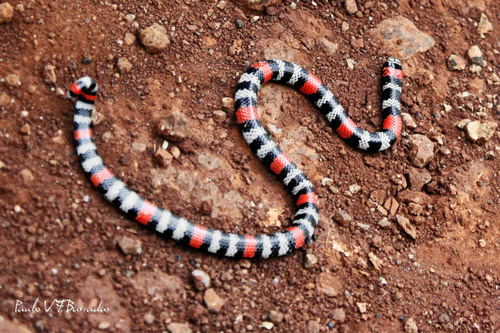 Mesopotamian CoralsnakeMicrurus baliocoryphusVenomous
Rings of red, yellow, and black where red touches yellow; small rounded head and round pupils.
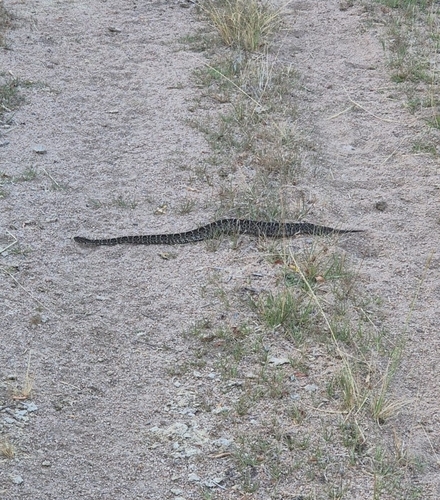
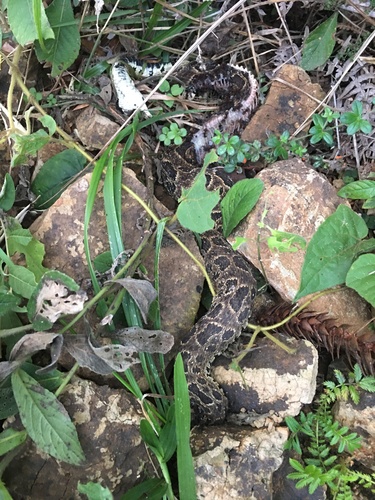
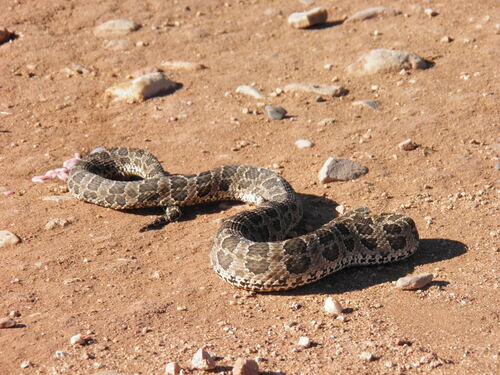
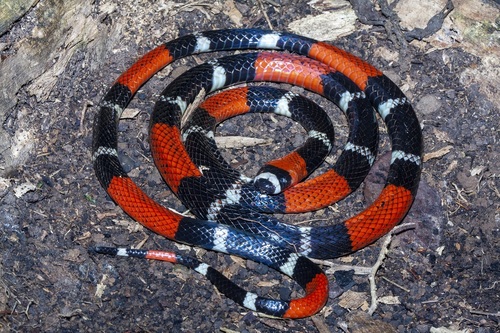 Ribbon CoralsnakeMicrurus lemniscatusVenomous
Rings of red, yellow, and black where red touches yellow; small rounded head and round pupils.
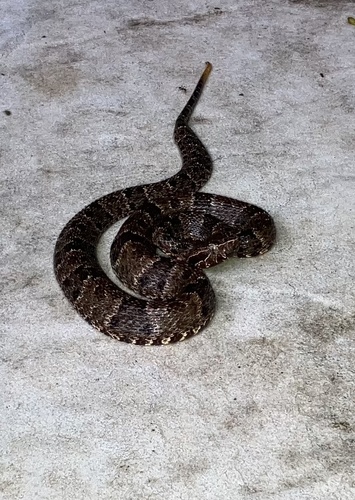
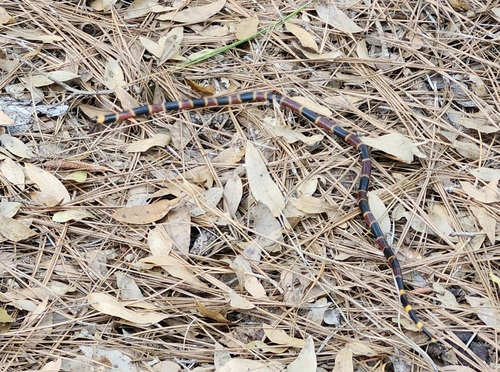 Eastern CoralsnakeMicrurus fulviusVenomous
Rings of red, yellow, and black where red touches yellow; small rounded head and round pupils.
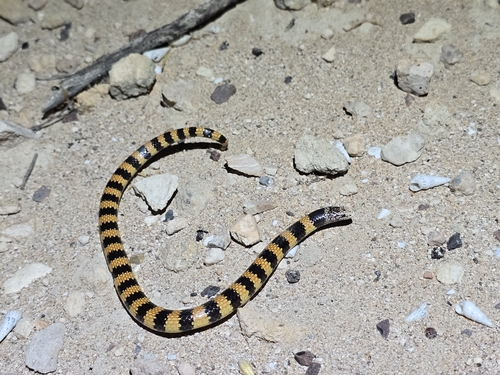
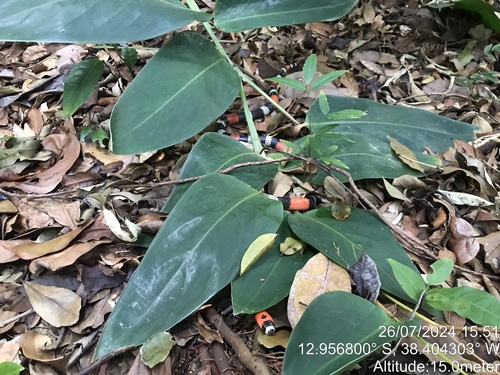 Caatinga CoralsnakeMicrurus ibibobocaVenomous
Rings of red, yellow, and black where red touches yellow; small rounded head and round pupils.
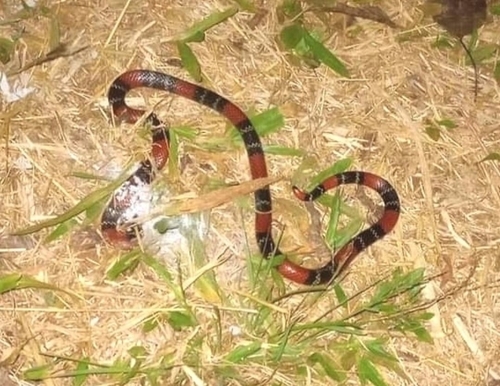 Silvia's CoralsnakeMicrurus silviaeVenomous
Rings of red, yellow, and black where red touches yellow; small rounded head and round pupils.
Every snake recorded in Argentina
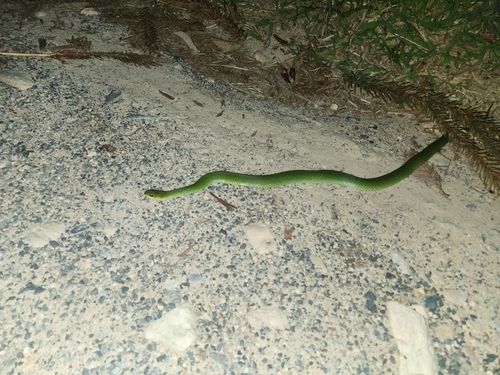
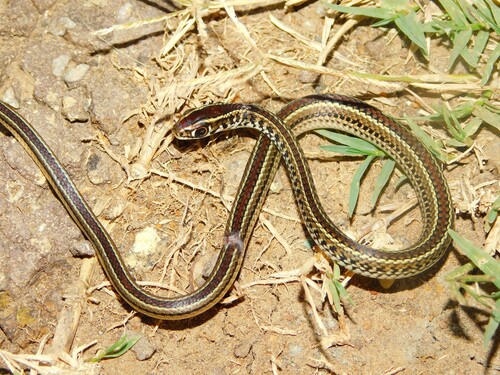
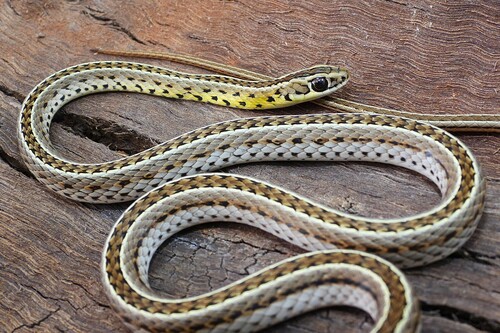
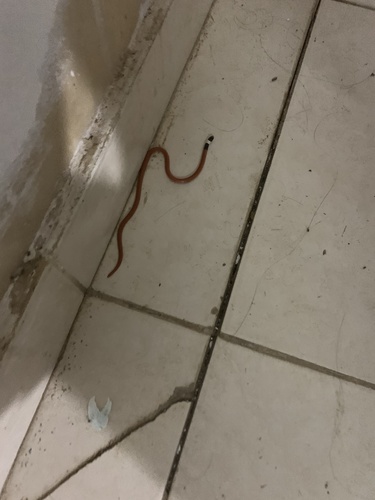
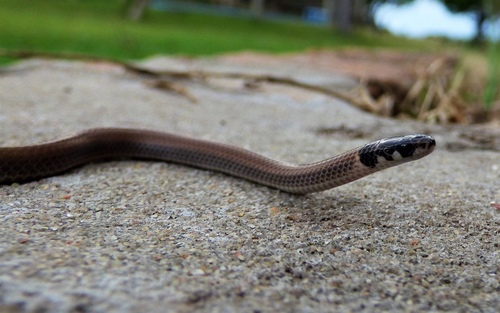
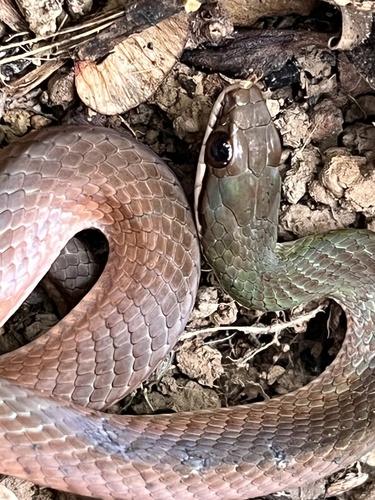
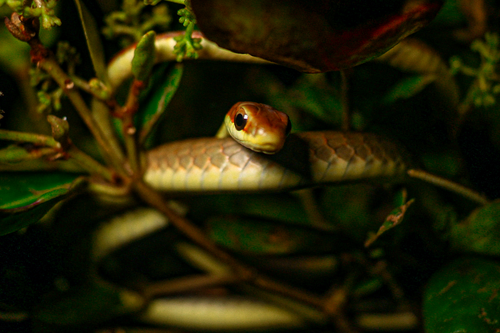
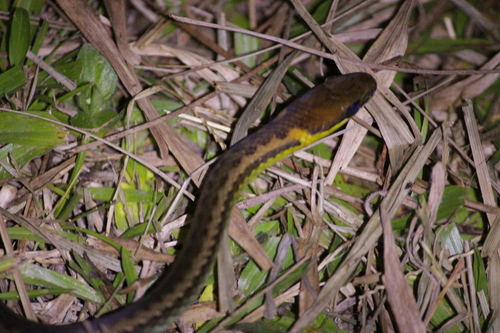
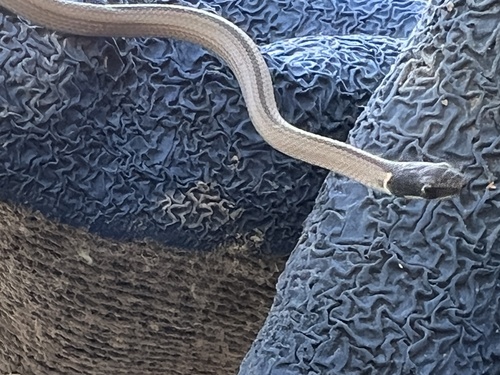
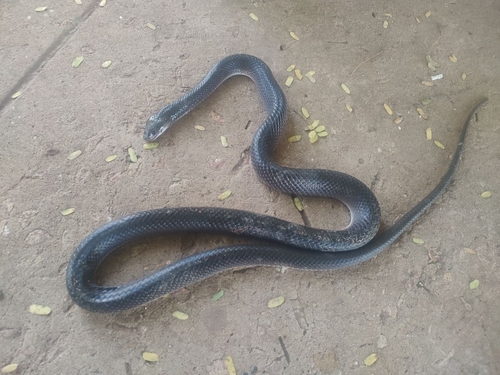
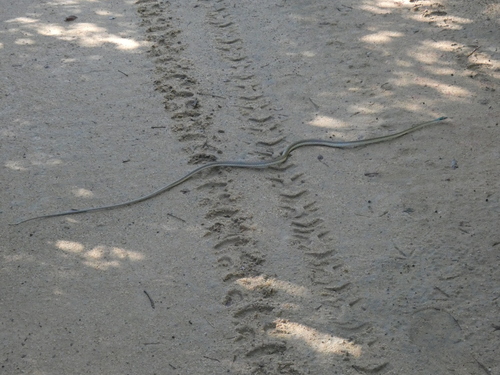
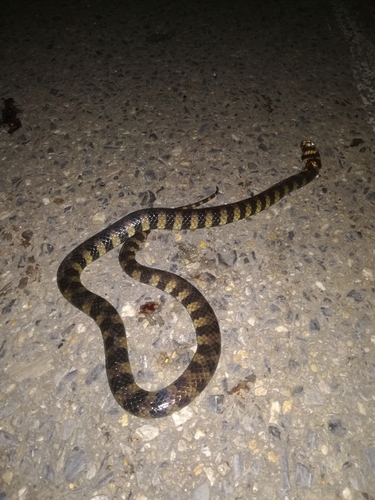
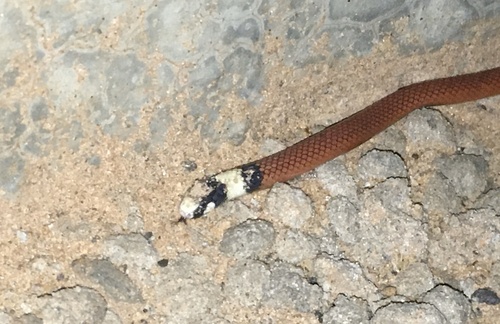
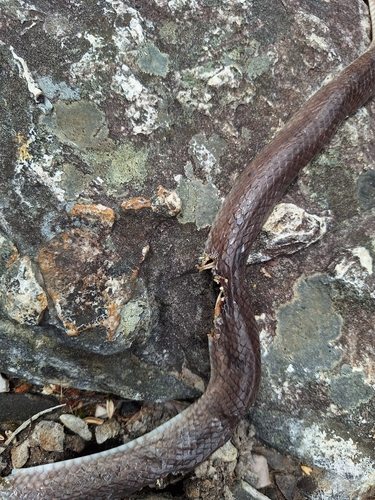
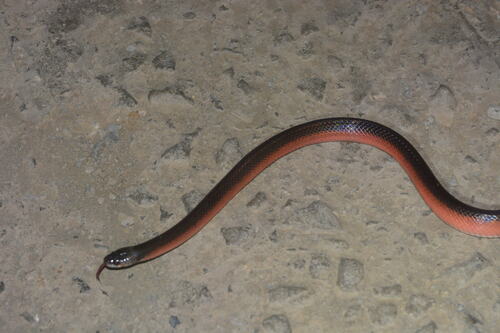
150+ species across 10 families, grouped by family. Venomous flagged.
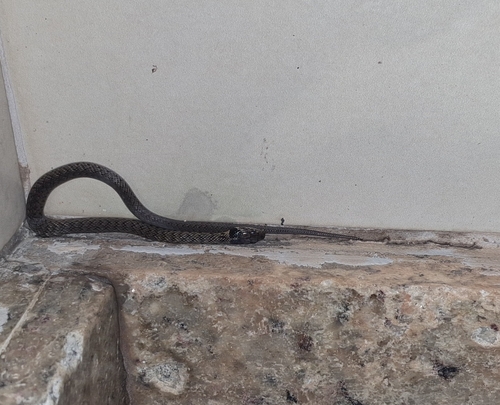
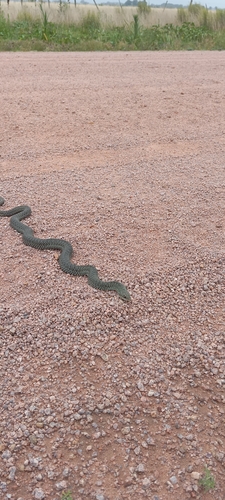
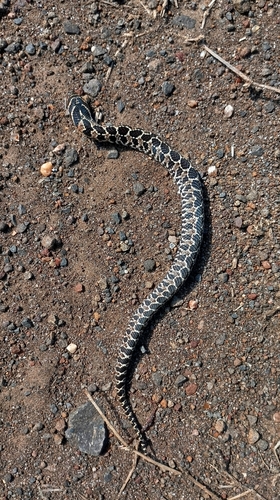
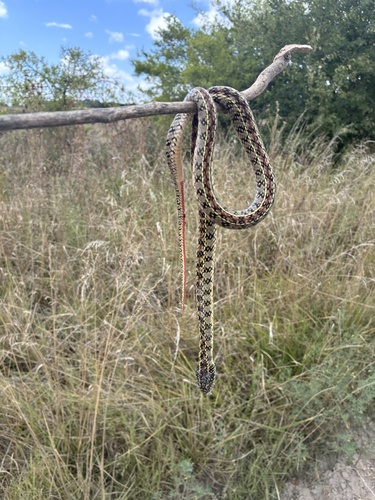
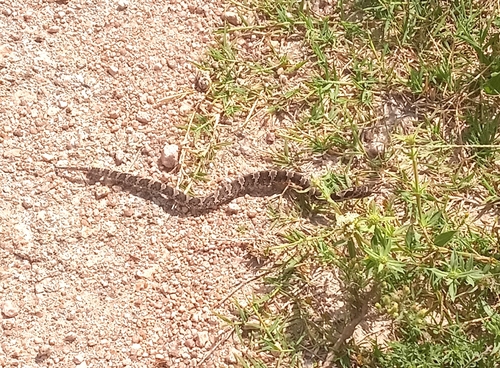
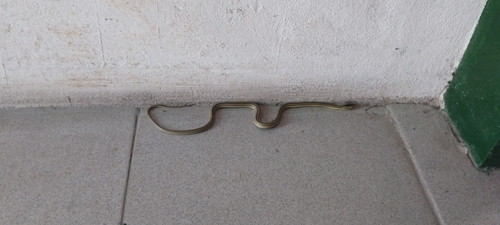
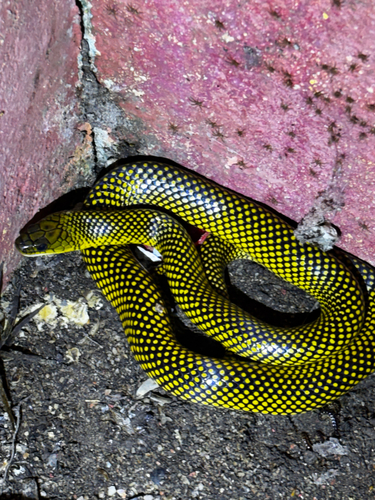
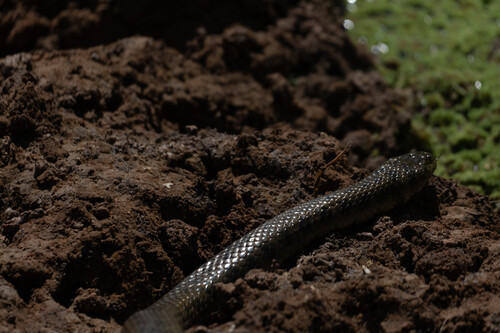
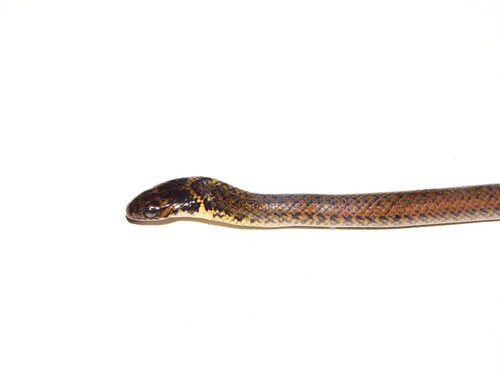
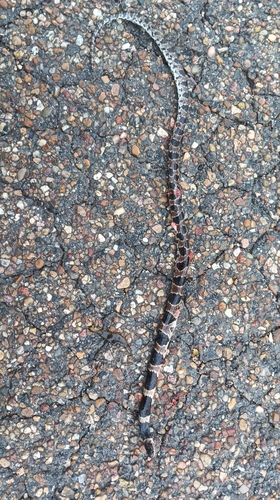
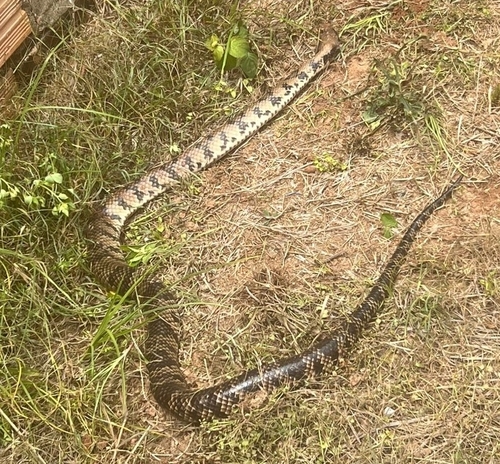
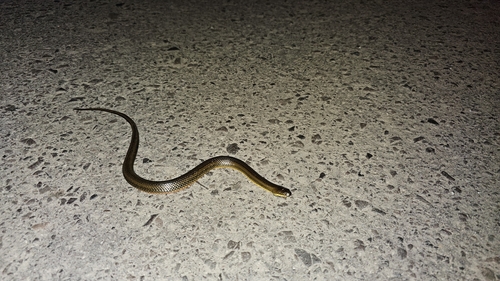
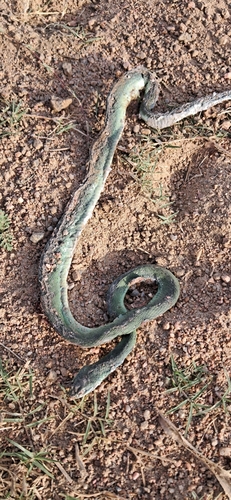
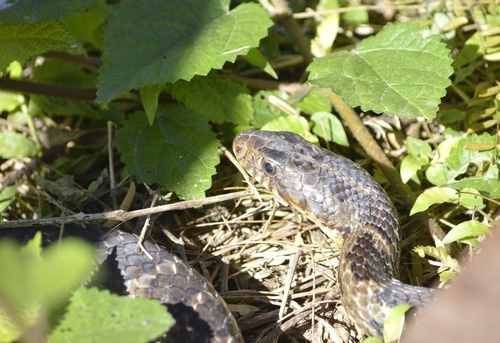
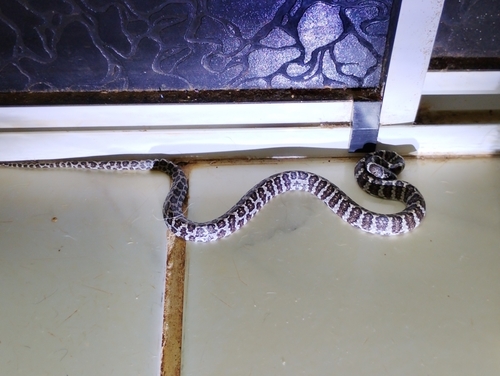
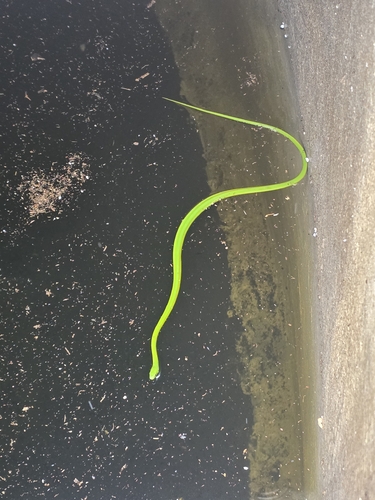
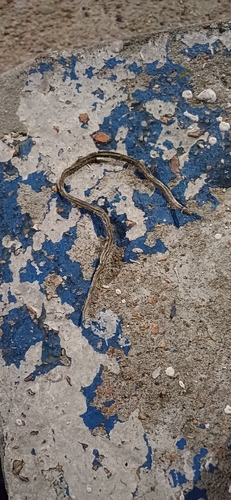
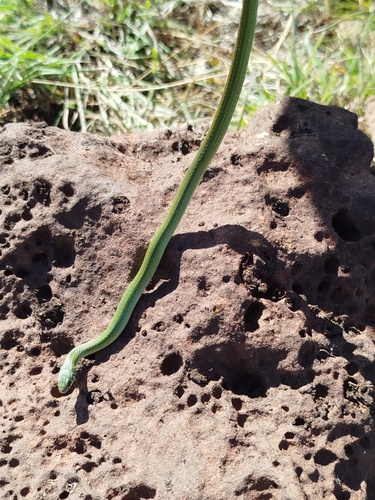
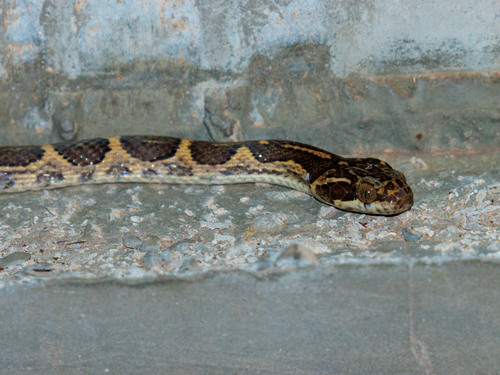
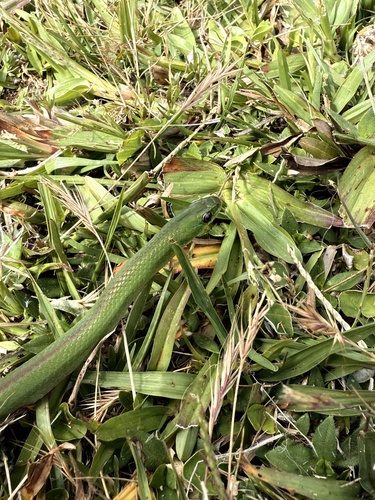
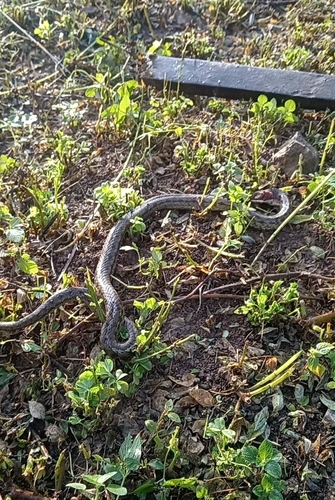
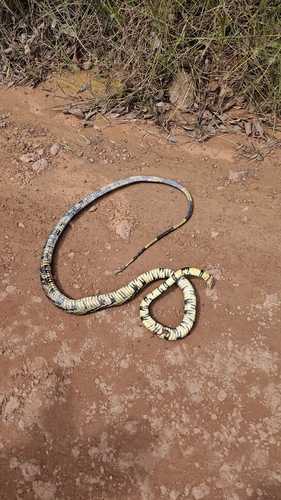
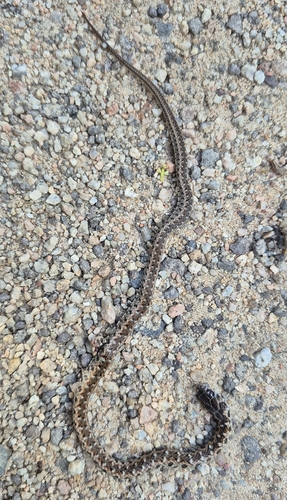
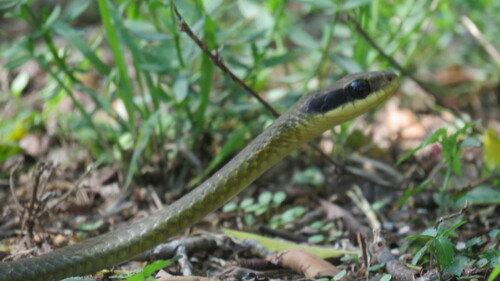
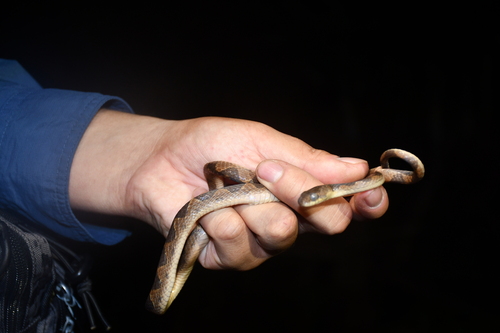
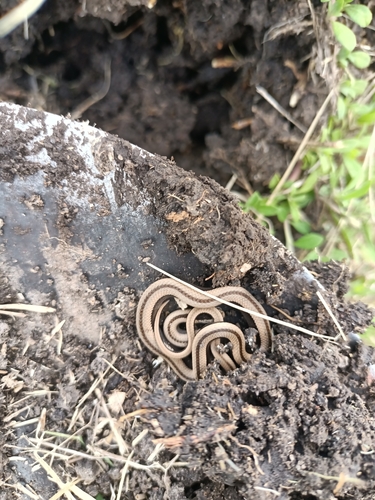
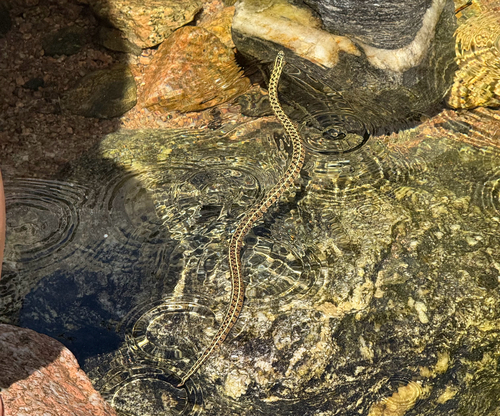
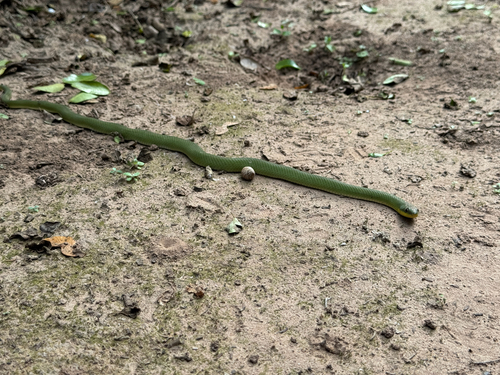
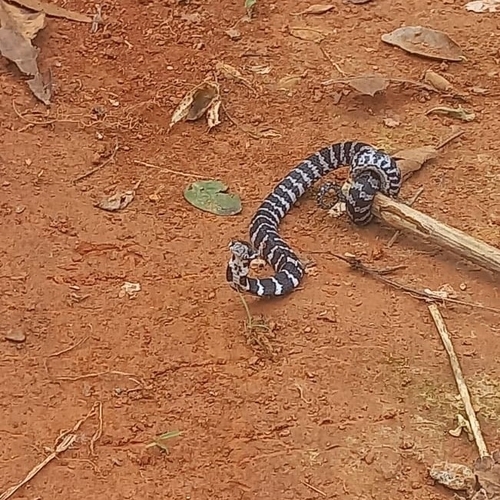
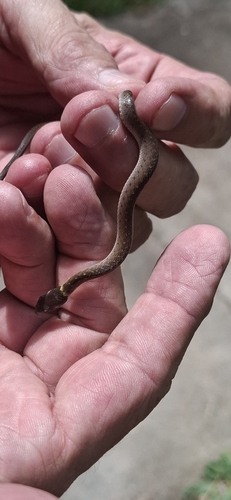
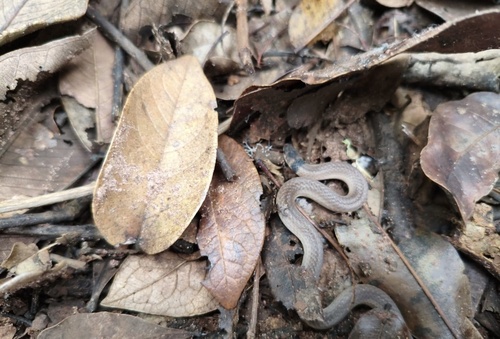
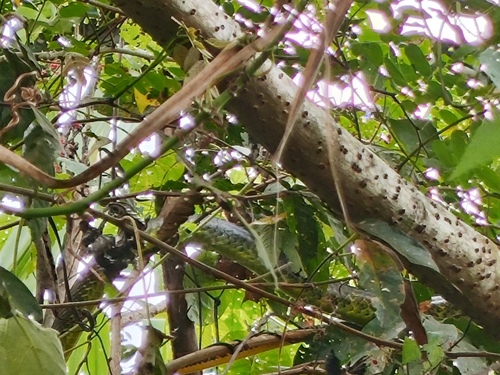
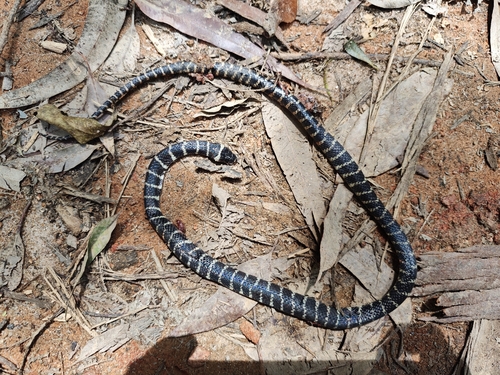
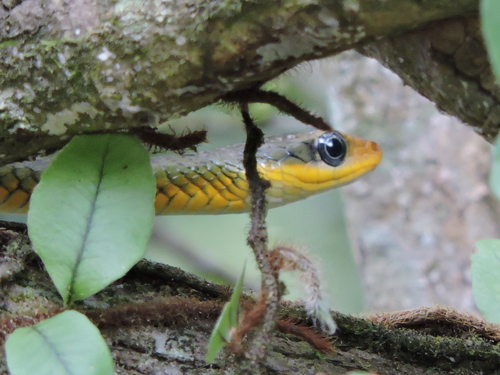
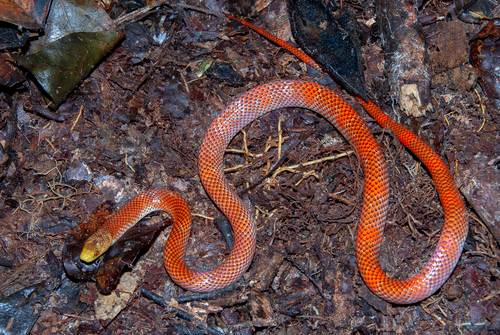
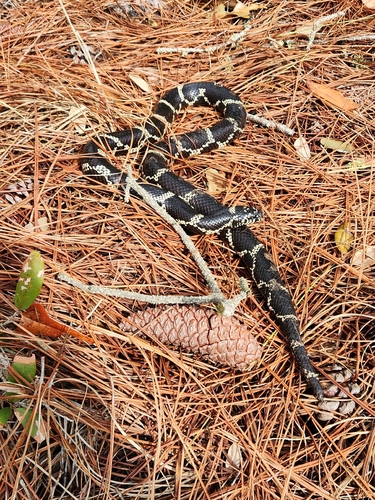
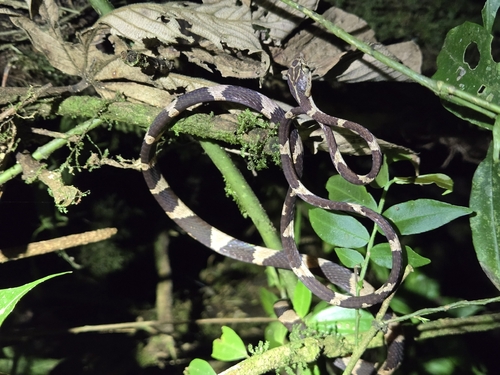
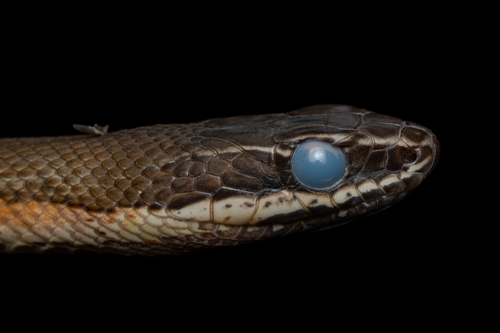
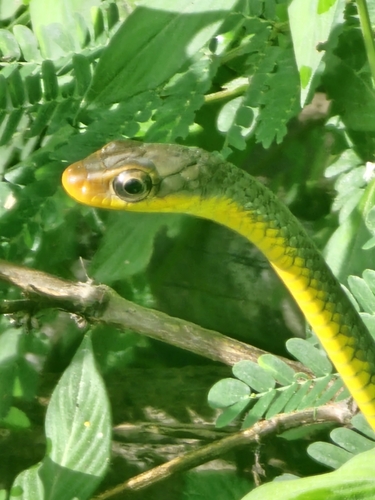
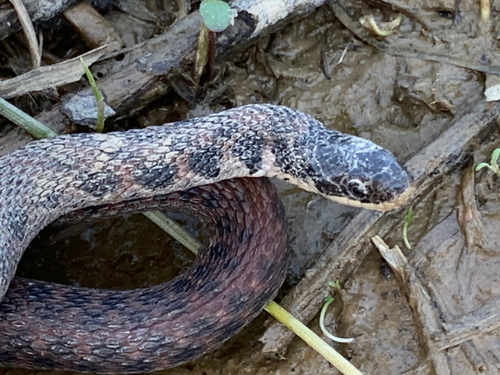
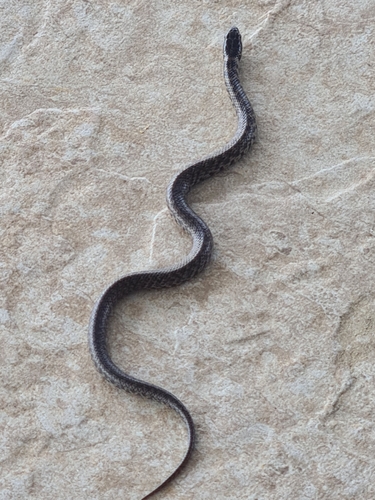
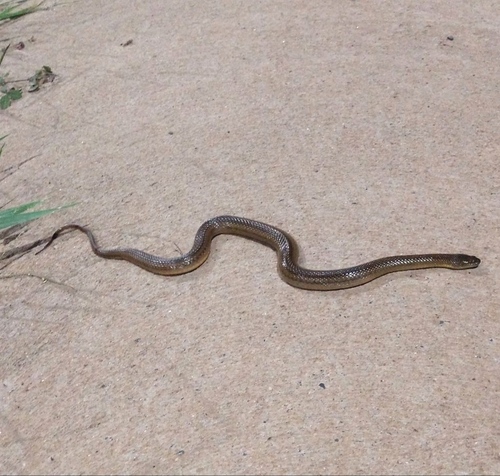
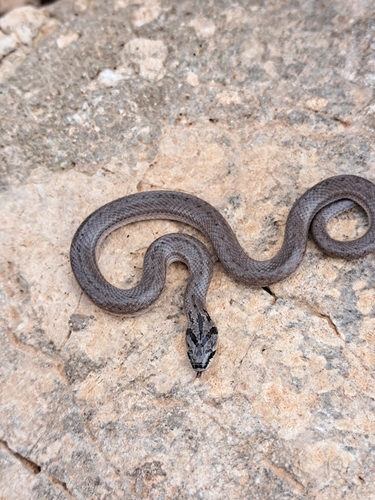
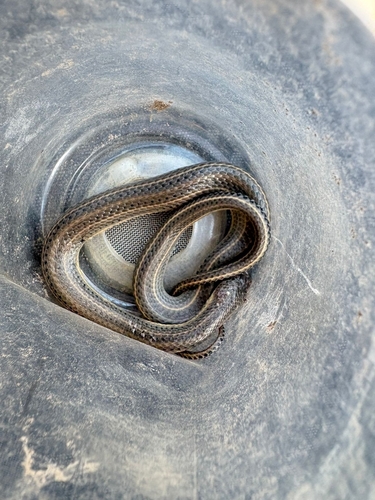
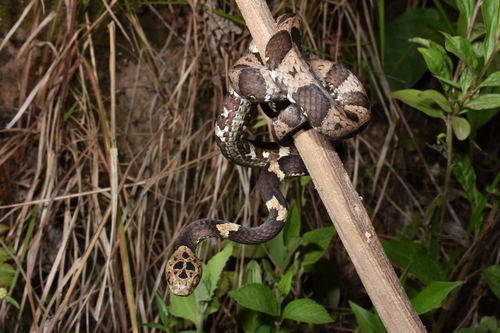
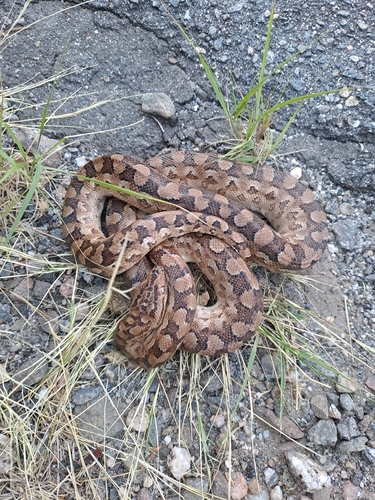
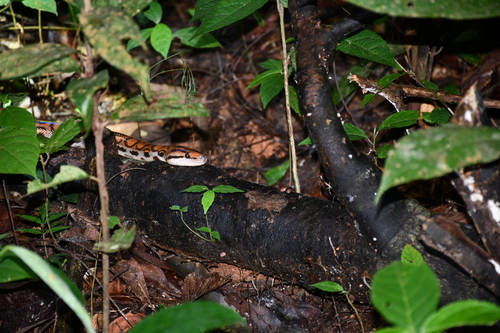
Colubridae (112)
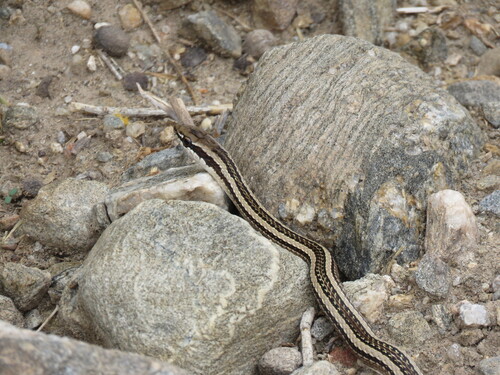
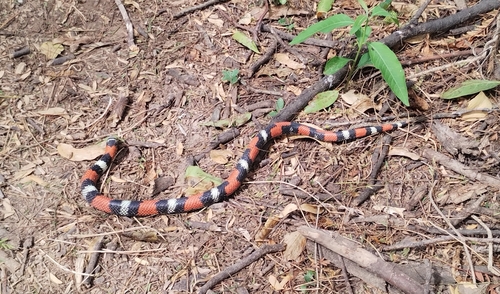
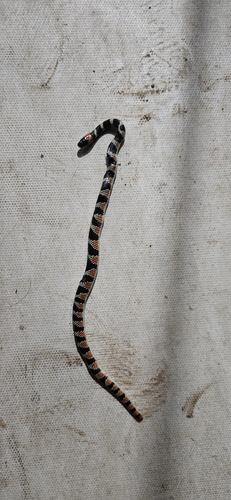
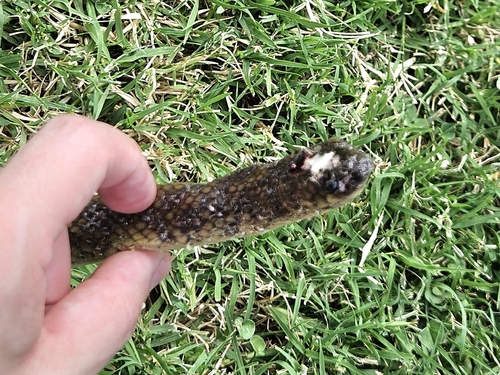
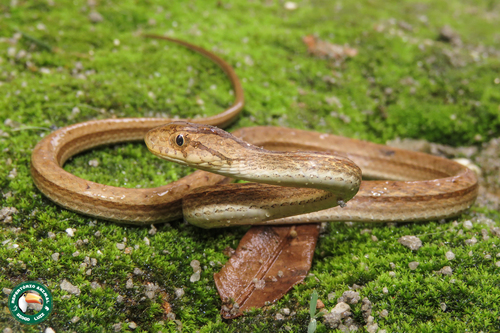
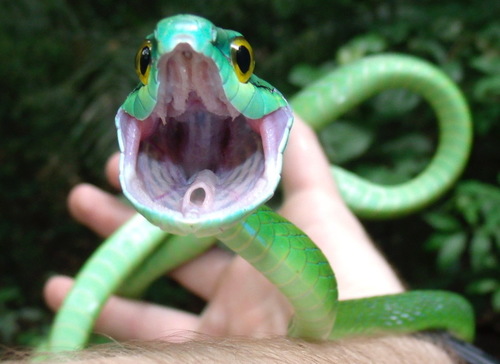
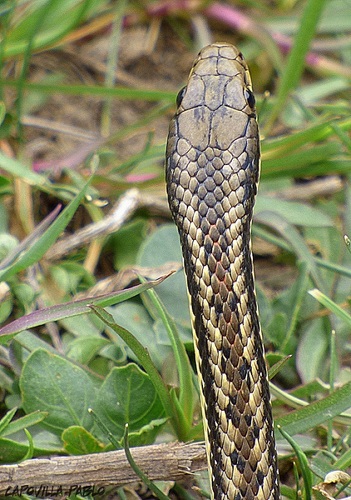

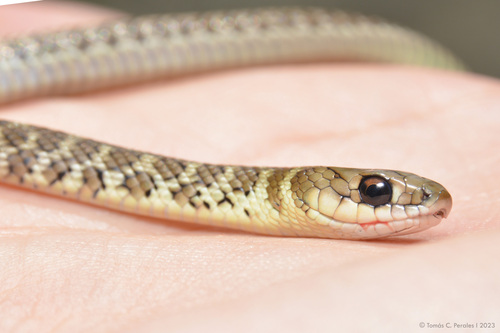
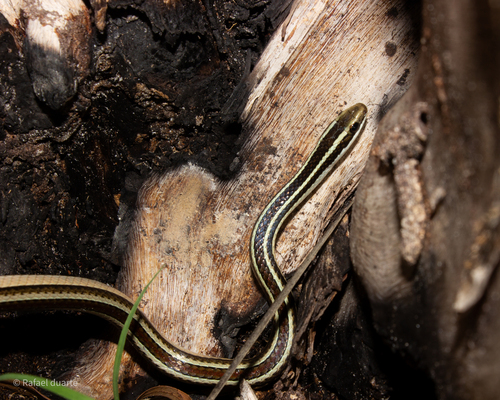
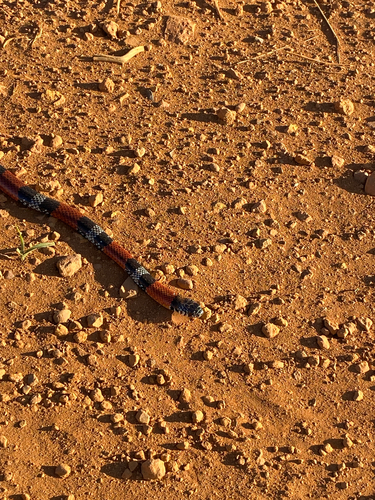
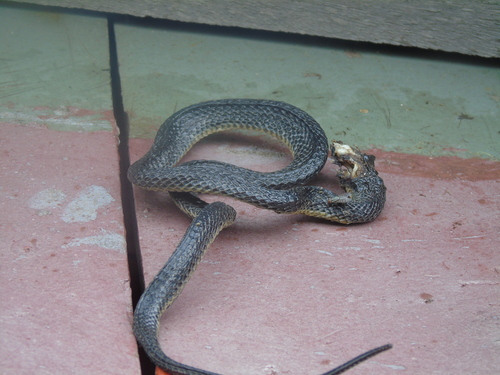
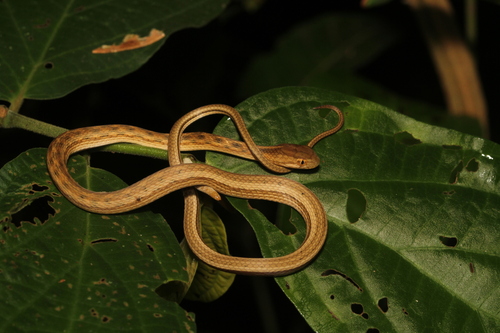
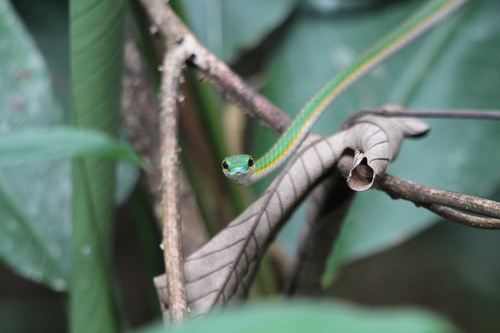
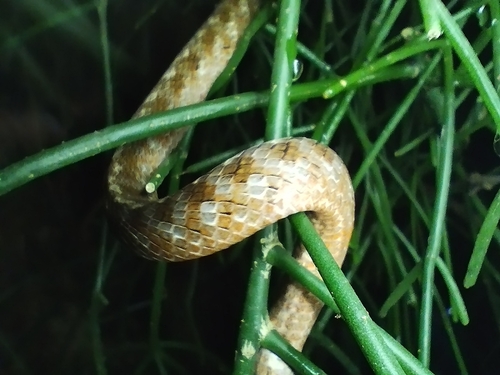
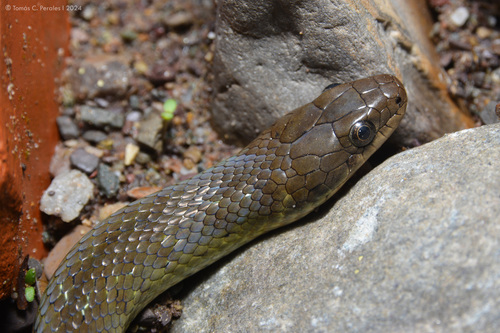
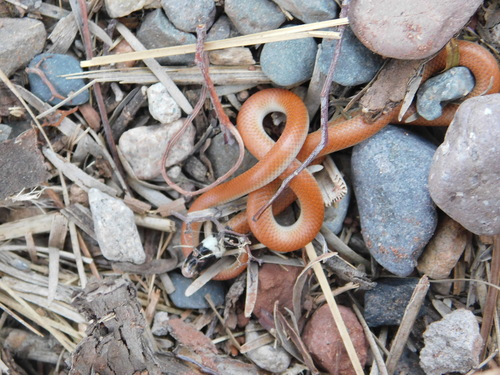
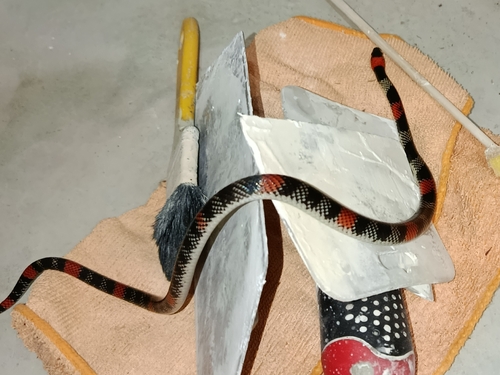
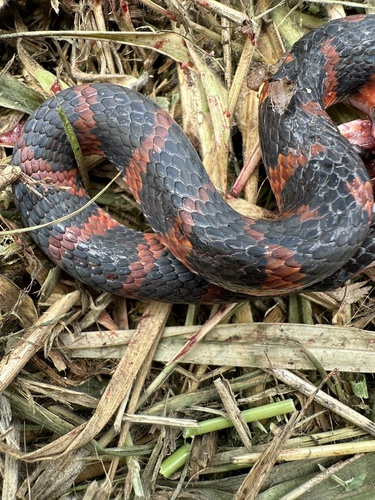
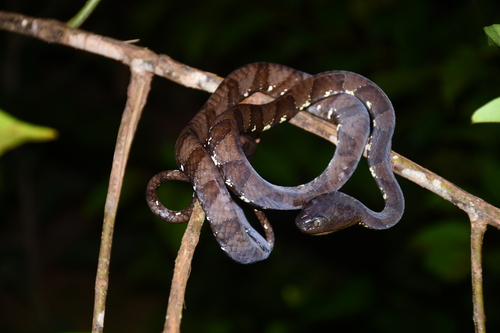
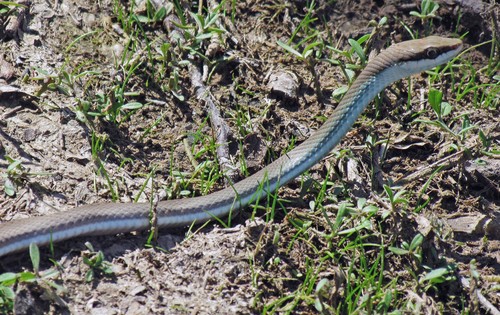
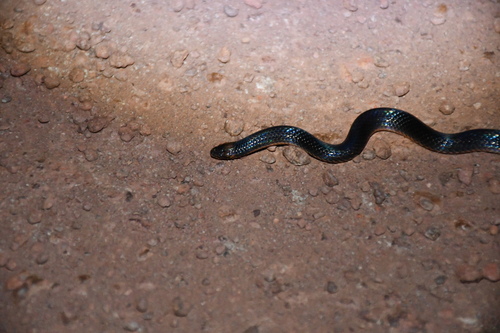
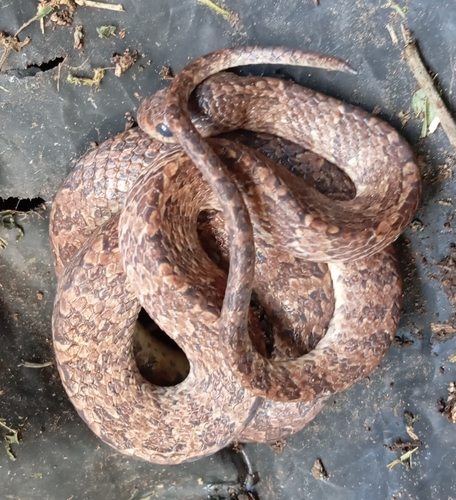
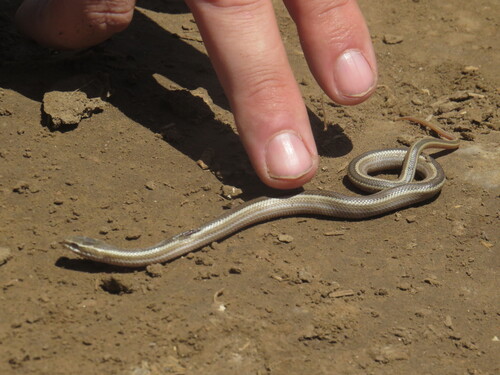
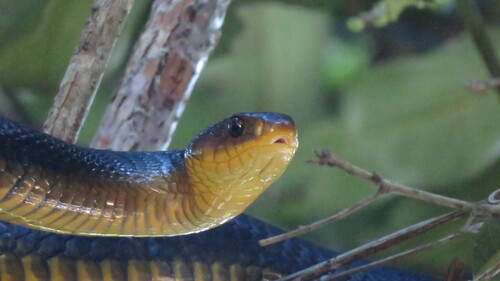
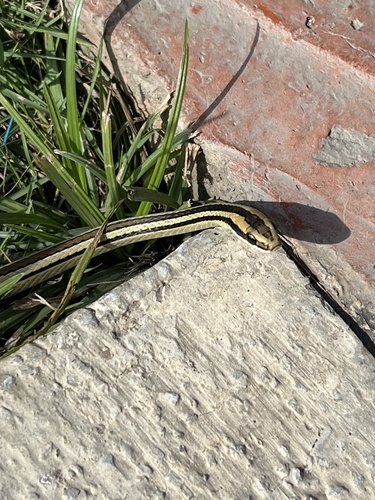
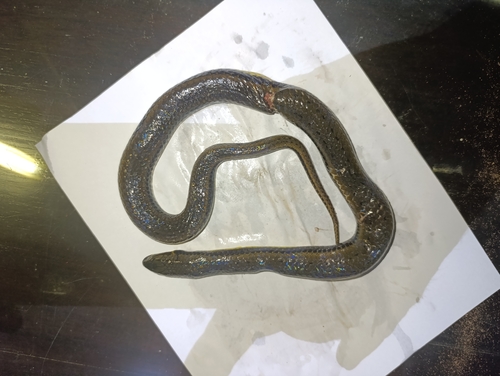
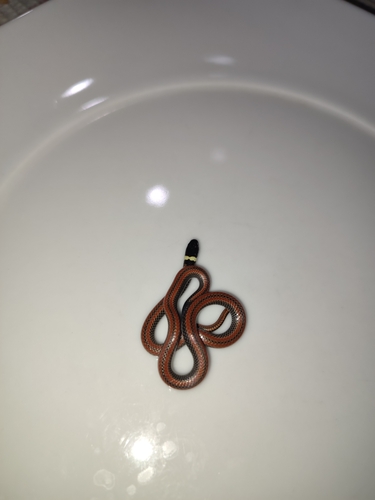
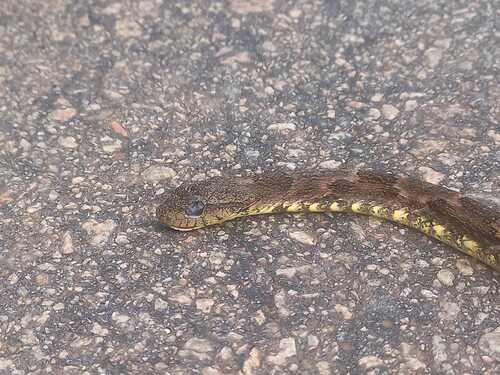
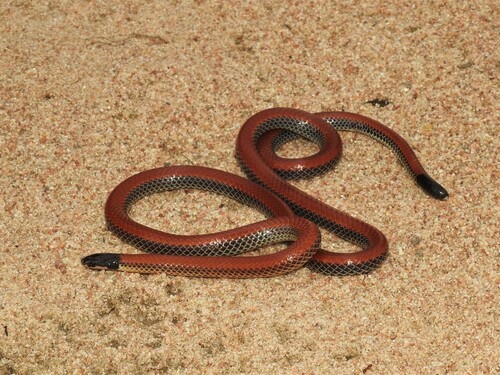
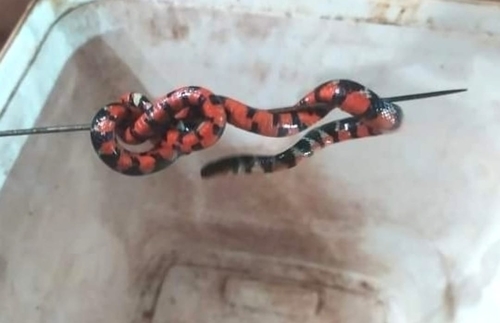
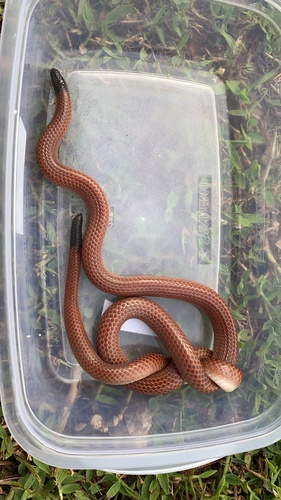
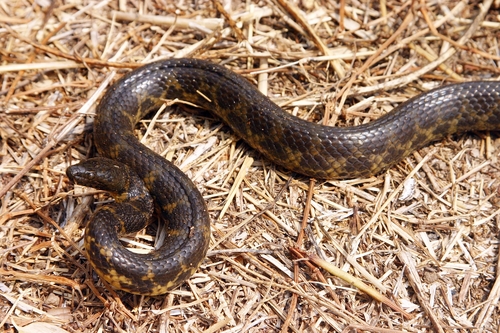
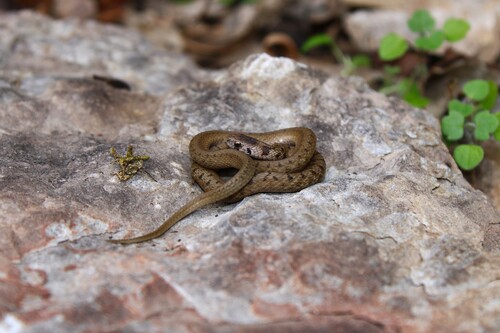
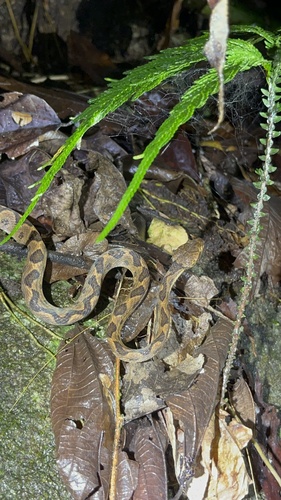
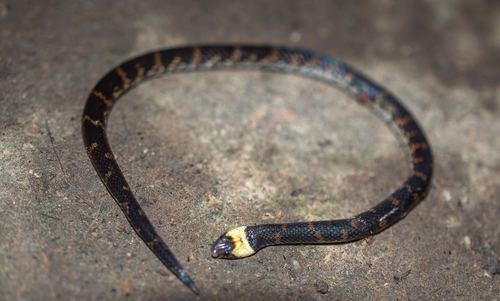
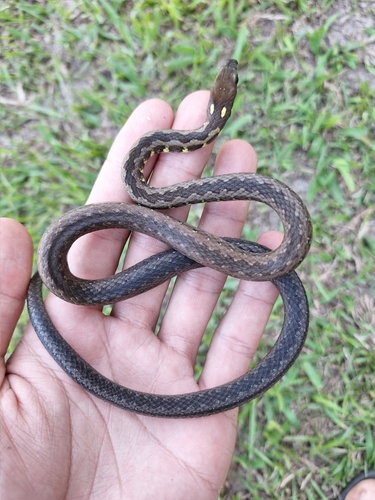
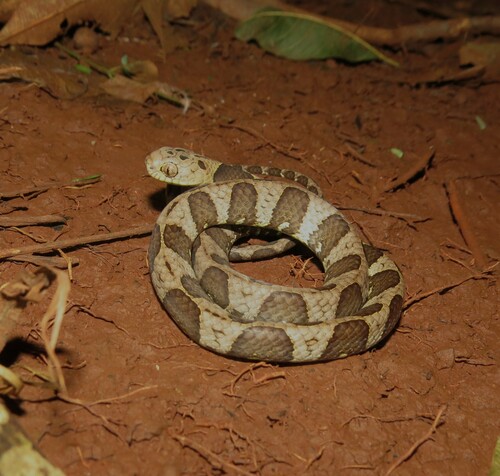
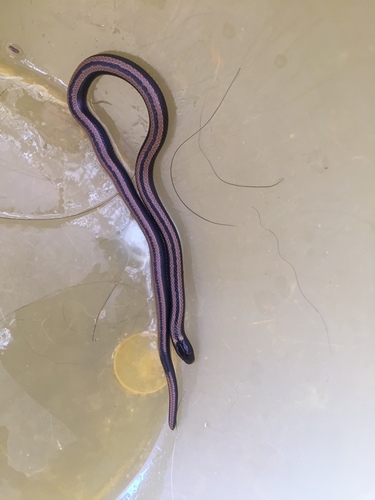
Viperidae (13)
Elapidae (10)
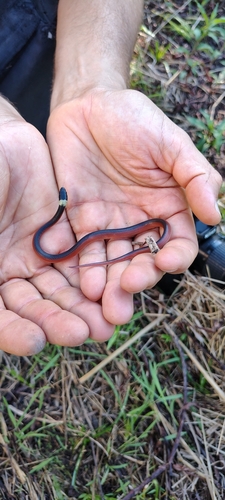
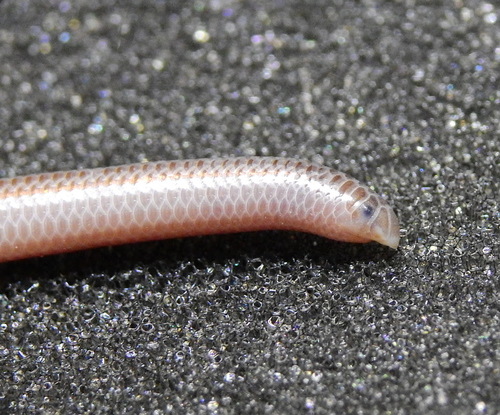
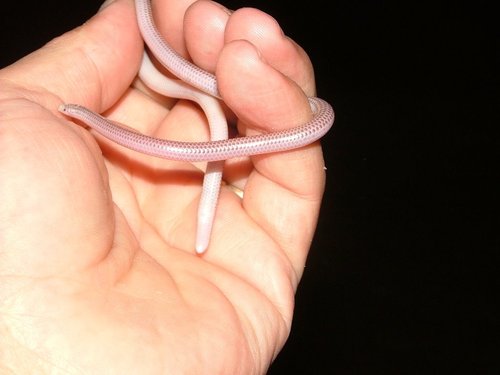
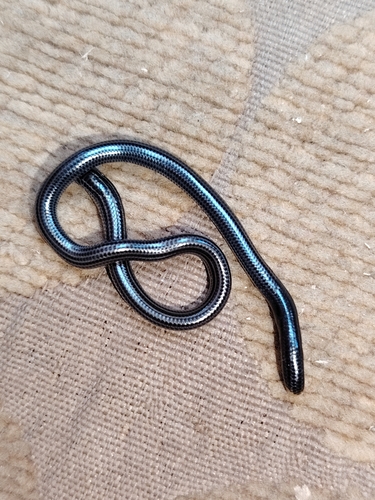
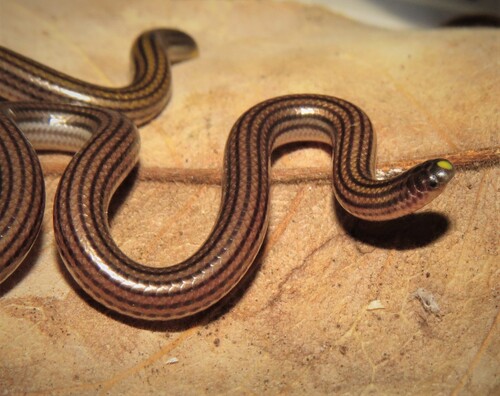
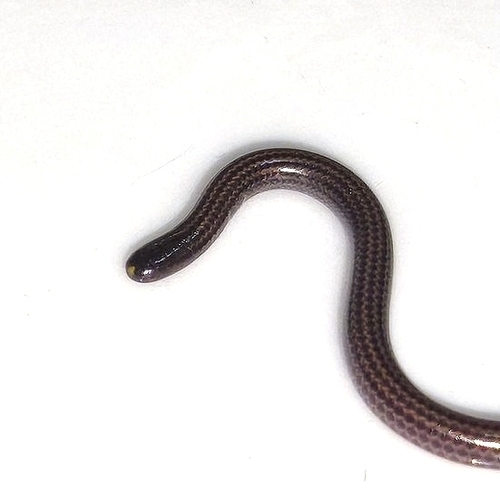
Leptotyphlopidae (8)
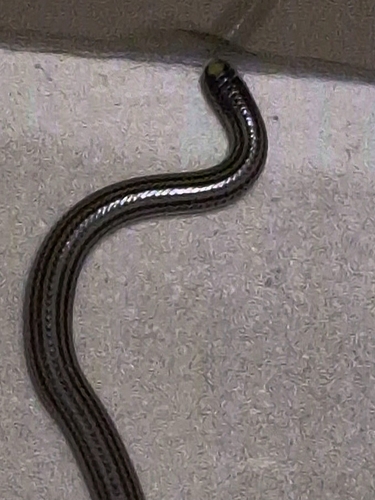
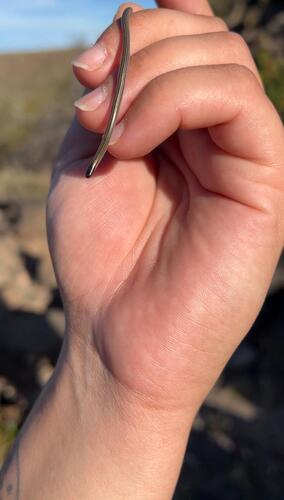
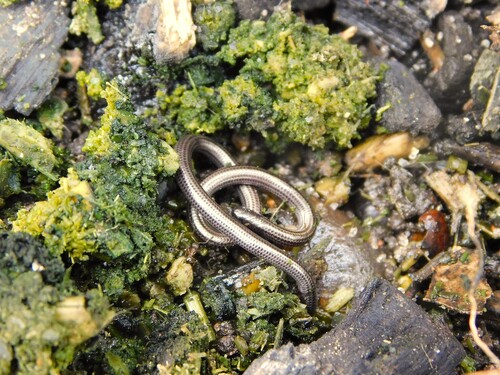
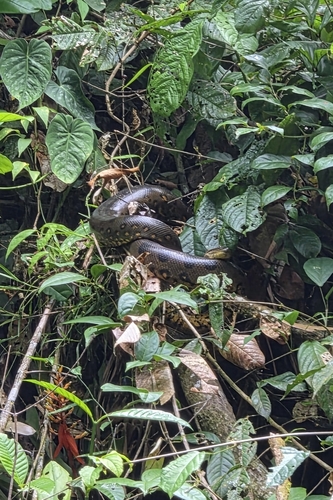
Boidae (7)

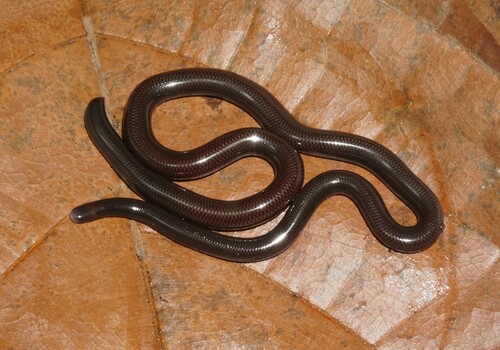
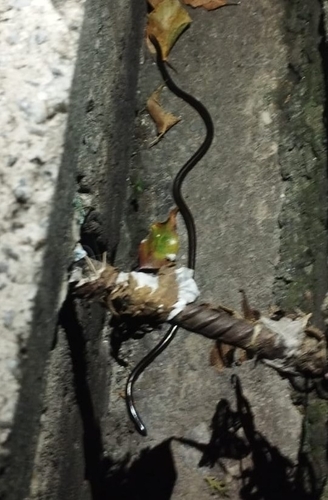
Typhlopidae (2)
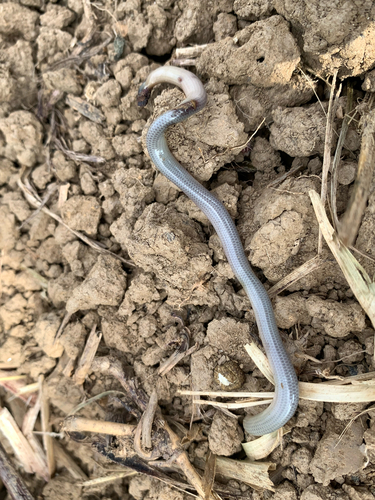
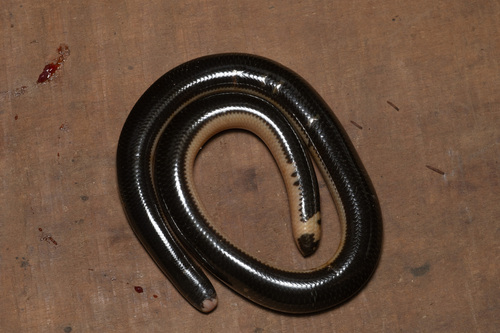
Tropidophiidae (2)
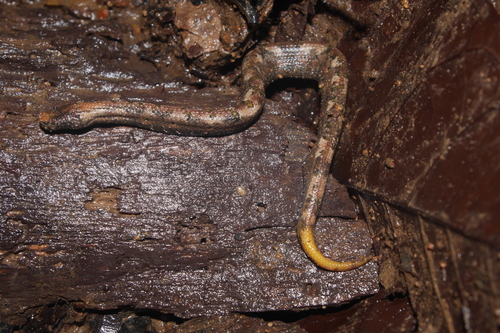
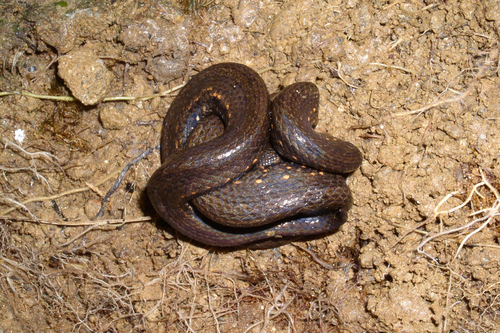
Dipsadidae (1)
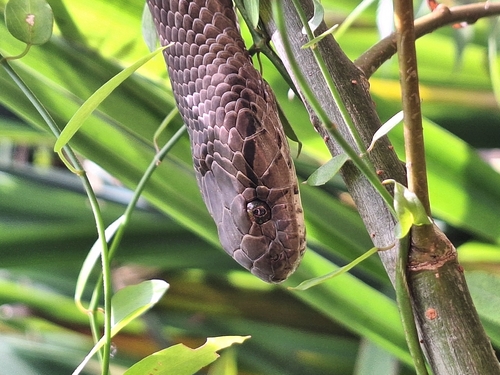
Aniliidae (1)
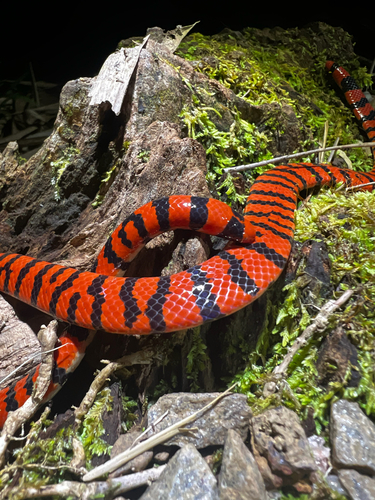
Compiled from verified GBIF & iNaturalist observations. "How often seen" reflects how frequently a snake is reported here, not how dangerous it is. Informational only.
Keep learning
- Are Snakes Dangerous? The Real Risk, in PerspectiveMost snakes are harmless and avoid people. Here is the honest picture of snakebite risk worldwide and how to lower your own.
- Snakebite First Aid: What to Do (and What Never to Do)A clear, CDC-based guide to snakebite first aid: the steps that help, the popular myths that hurt, and how to tell a serious bite from a minor one.
- Venomous vs Nonvenomous: How to Tell the DifferenceThe folk rules for telling venomous snakes apart, where each one fails, and why location-based identification beats guessing by sight.
- What to Do If You Find a SnakeFound a snake at home or on a trail? Here is how to stay calm, give it space, identify it safely, and know when to call a professional.