
Nicaragua
Snakes in Nicaragua
125+ snake species have been recorded in Nicaragua, 23 venomous.
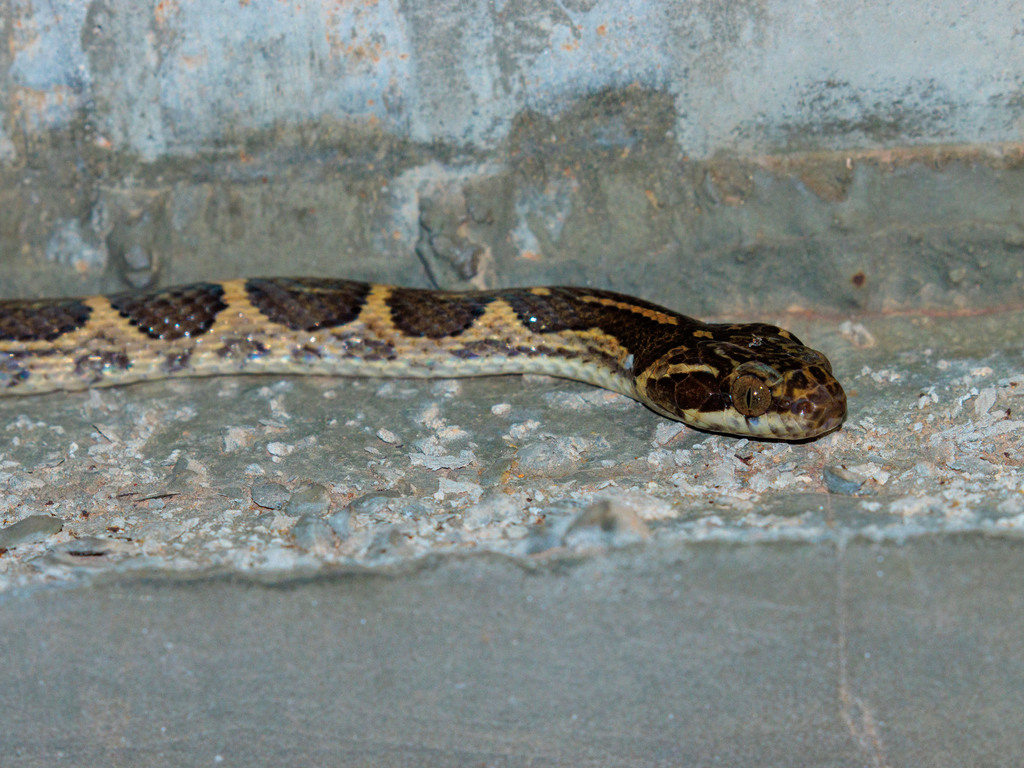
Snakes of Nicaragua
Nicaragua has 125+ snake species recorded in our database, 23 of them venomous. The great majority of species are non-venomous. This makes the country one of the richer corners of Central America for snakes, a diversity that reflects its position on the land bridge between two continents and its wide range of natural environments.
That diversity is driven by geography and habitat. Nicaragua spans Pacific dry forest, the central highlands, two large lakes, and the broad, wet Caribbean lowlands and rainforest of the Mosquito Coast. Elevation runs from sea level to volcanic peaks and cloud forest. Each of these zones supports different snake communities, from arboreal species in the humid eastern forests to ground-dwelling snakes in drier western scrub and farmland, so the total species count stacks up across many distinct settings rather than in any single one.
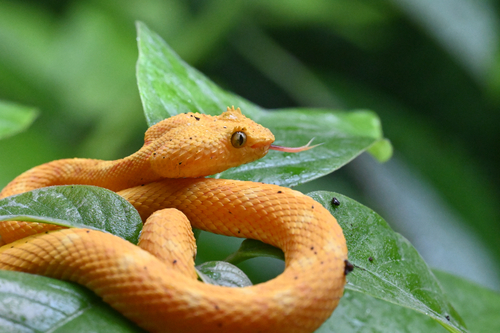
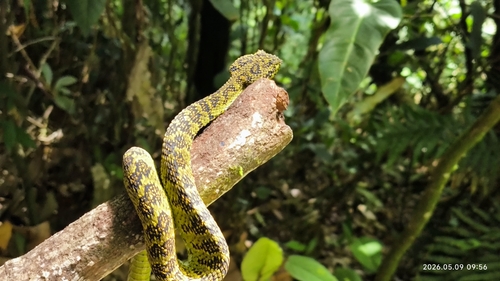
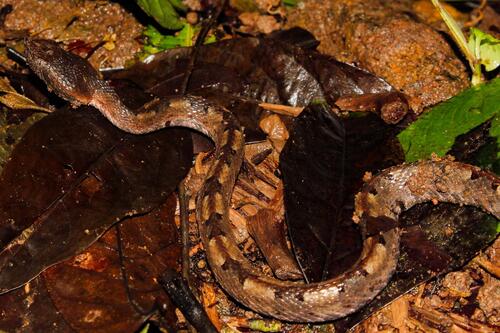
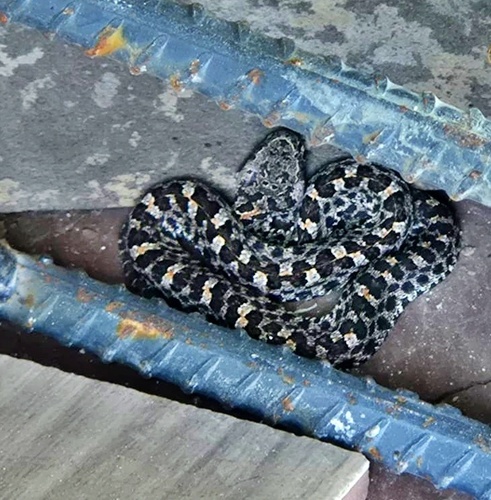
The medically important venomous snakes in Nicaragua fall into a few well-established groups. Pit vipers are the main concern, led by the fer-de-lance and related lanceheads (Bothrops and allied genera), which are widespread in lowland and agricultural areas and account for most serious bites in the region. The bushmaster, the largest pit viper in the Americas, lives in undisturbed Caribbean rainforest. Palm pit vipers and the eyelash viper are tree-dwelling pit vipers found in humid forest. Coral snakes (Micrurus) are present as well, brightly banded elapids with potent venom but secretive habits. Along the Pacific coast the venomous yellow-bellied sea snake occurs in the open ocean. There are no cobras, mambas, or true rattlesnakes of the temperate kind in Nicaragua; those groups belong to other parts of the world.
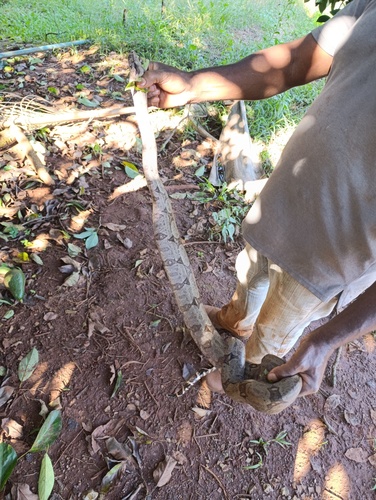
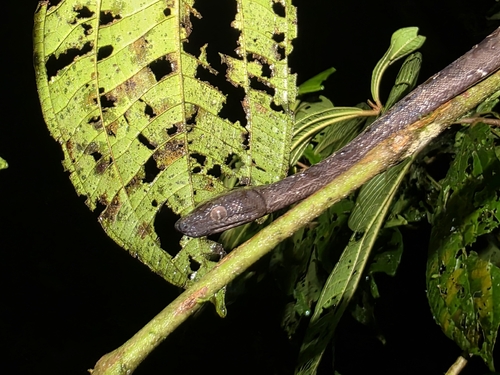
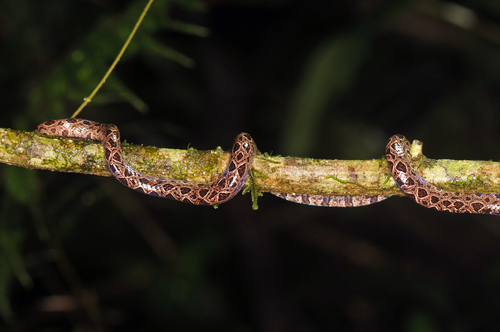
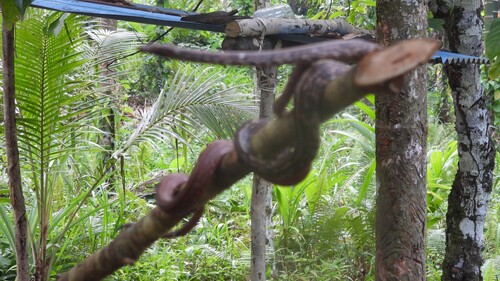
The large non-venomous majority is what most people actually encounter. Colubrid snakes dominate the fauna: rat snakes, racers, indigo snakes, cat-eyed snakes, vine snakes, and many others fill forests, fields, and waterways. Boa constrictors are among the most famous snakes of the country, large, powerful, non-venomous constrictors that are common and widely recognized. These species are far more numerous than the venomous ones and form the bulk of the 139 recorded here.
Snakes earn their place in these ecosystems. Rodent-eating species help control rats and mice around farms, homes, and grain stores, reducing crop loss and the spread of rodent-borne disease. Other snakes prey on insects, frogs, lizards, and even other snakes, including venomous ones, keeping those populations in balance. A landscape with healthy snake populations is generally a landscape with fewer pest problems.
For safety, keep the risk in proportion. Most of Nicaragua's snakes are harmless to people, and the single most important medical threat is the fer-de-lance and its relatives among the pit vipers. The correct response to any venomous snakebite is rapid transport to a hospital for professional evaluation and antivenom; that medical care is the treatment, not anything done in the field. Never attempt to handle, capture, or kill a wild snake, venomous or not, since most bites happen when people try to interact with them. If a bite occurs, contact local emergency services immediately, or in the United States reach Poison Control at 1-800-222-1222.
Snakes in Nicaragua: FAQ
- Are there venomous snakes in Nicaragua?
- Yes. 23 venomous snake species have verified records in Nicaragua, including Central American Coralsnake, Terciopelo, Central American Eyelash-Viper, Highland Eyelash-Pitviper. Most snakes in Nicaragua, however, are harmless.
- How many snake species live in Nicaragua?
- 125+ snake species have verified records in Nicaragua, of which 23 are venomous.
- What is the most commonly seen snake in Nicaragua?
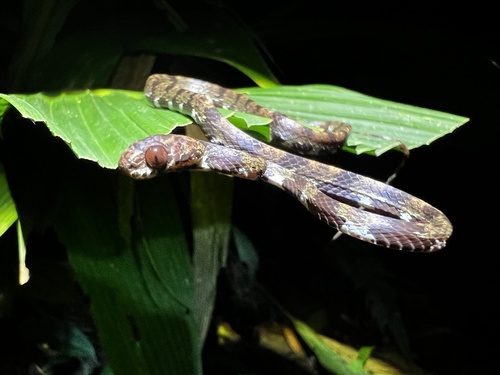
- The Paraiba Cat-eyed Snake is the most frequently reported snake in Nicaragua, based on verified wildlife observations.
- What should I do if I see a venomous snake in Nicaragua?
- Keep your distance and do not try to catch or kill it. Most bites happen when people handle or corner a snake. If someone is bitten, contact local emergency services or poison control immediately.
Venomous snakes in Nicaragua
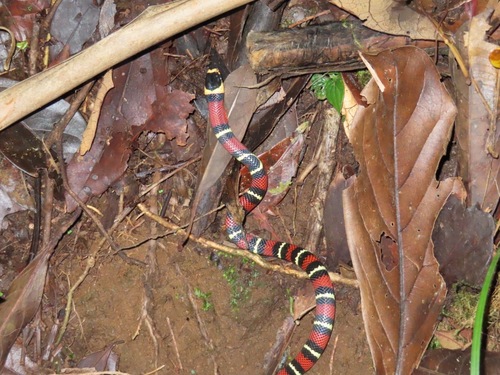
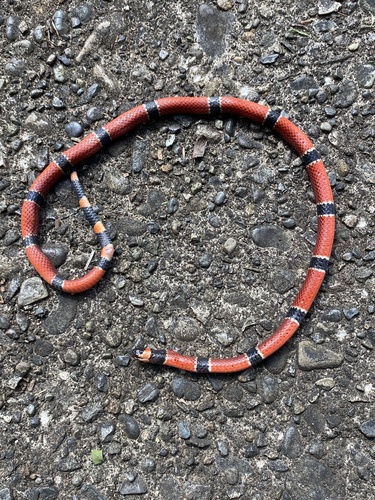 Central American CoralsnakeMicrurus nigrocinctusVenomous
Rings of red, yellow, and black where red touches yellow; small rounded head and round pupils.
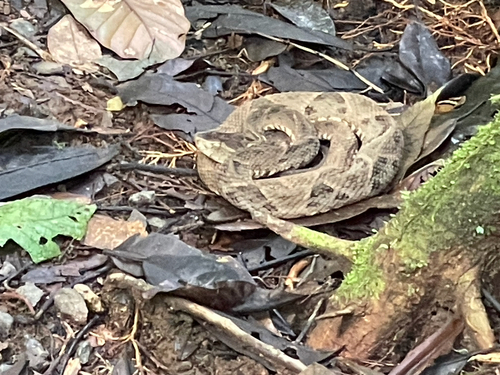
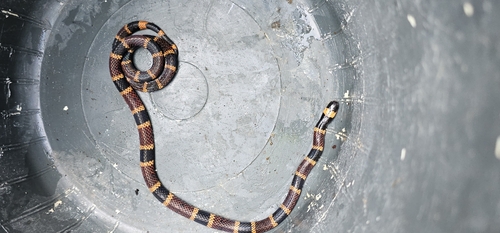 Allen's CoralsnakeMicrurus alleniVenomous
Rings of red, yellow, and black where red touches yellow; small rounded head and round pupils.
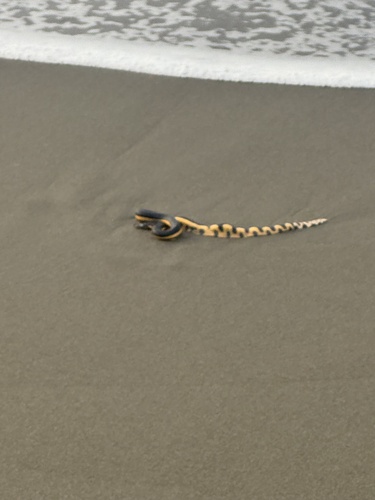
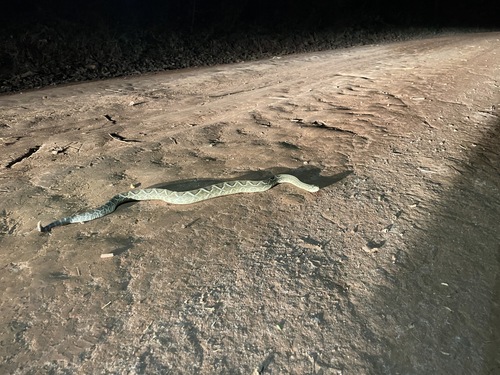 Neotropical RattlesnakeCrotalus durissusVenomous
Heavy body, broad triangular head, vertical (cat-like) pupils, and a segmented keratin rattle at the tail tip.
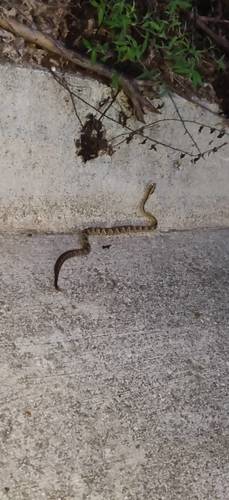 Central American RattlesnakeCrotalus simusVenomous
Heavy body, broad triangular head, vertical (cat-like) pupils, and a segmented keratin rattle at the tail tip.
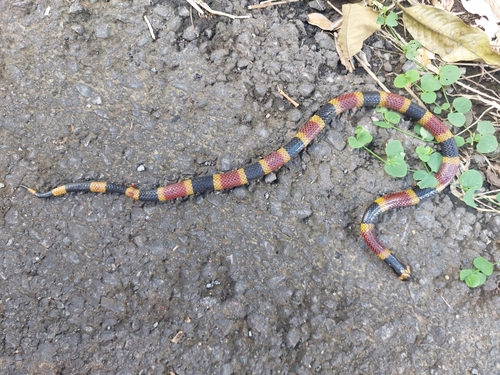 Costa Rican CoralsnakeMicrurus mosquitensisVenomous
Rings of red, yellow, and black where red touches yellow; small rounded head and round pupils.
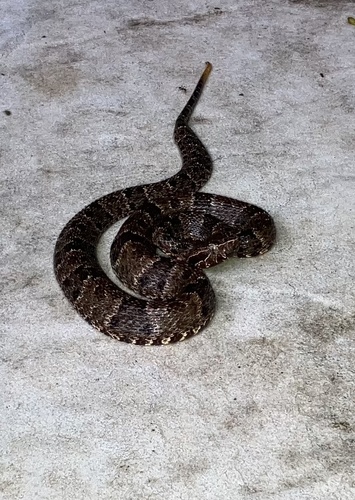
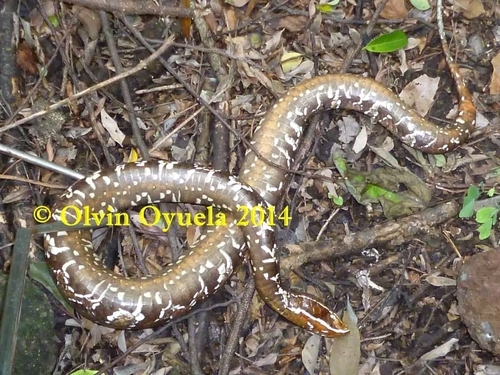 Southern CantilAgkistrodon howardgloydiVenomous
Heavy body, triangular head, vertical pupils, and a heat-sensing pit between each eye and nostril.
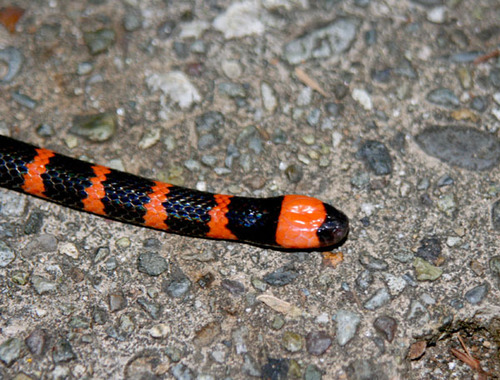 Many-banded CoralsnakeMicrurus multifasciatusVenomous
Rings of red, yellow, and black where red touches yellow; small rounded head and round pupils.
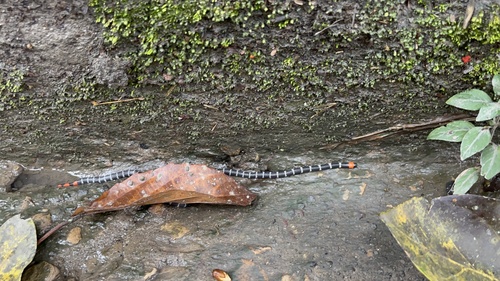 Redtail CoralsnakeMicrurus mipartitusVenomous
Rings of red, yellow, and black where red touches yellow; small rounded head and round pupils.
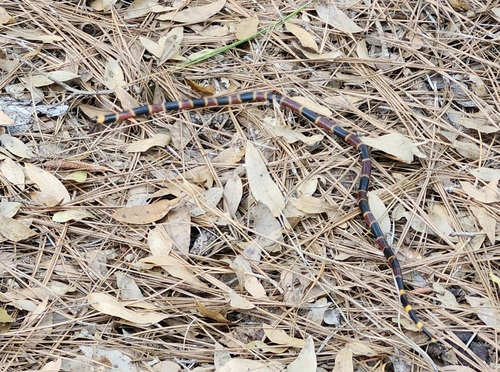 Eastern CoralsnakeMicrurus fulviusVenomous
Rings of red, yellow, and black where red touches yellow; small rounded head and round pupils.
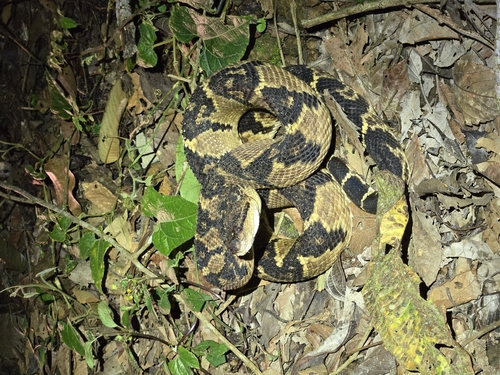
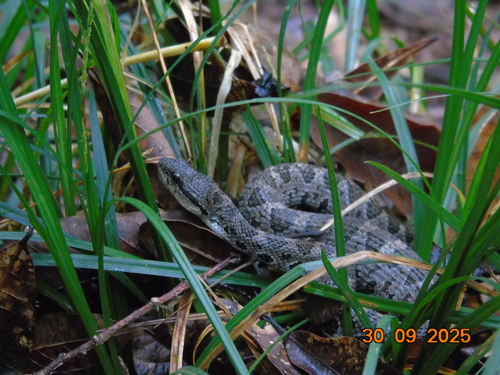
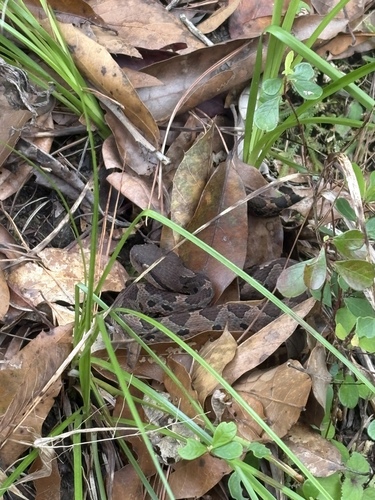
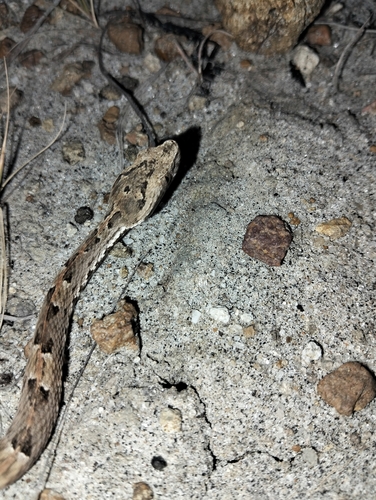
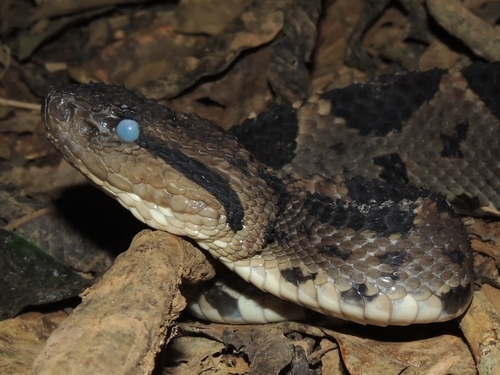
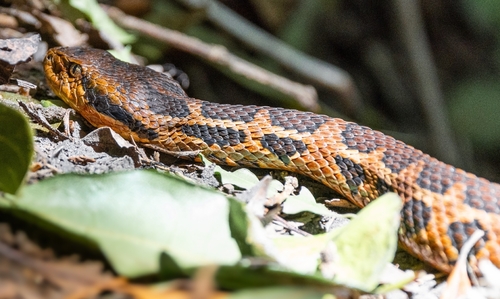
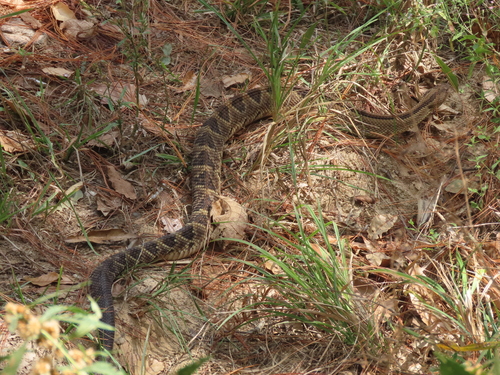 Tehuantepec Isthmus Neotropical RattlesnakeCrotalus ehecatlVenomous
Heavy body, broad triangular head, vertical (cat-like) pupils, and a segmented keratin rattle at the tail tip.
Every snake recorded in Nicaragua
125+ species across 8 families, grouped by family. Venomous flagged.
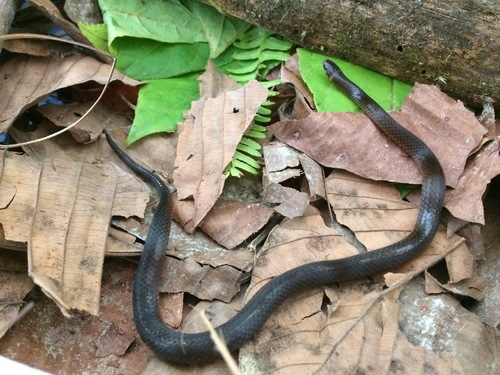
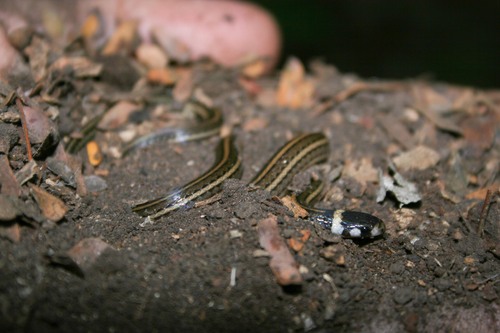
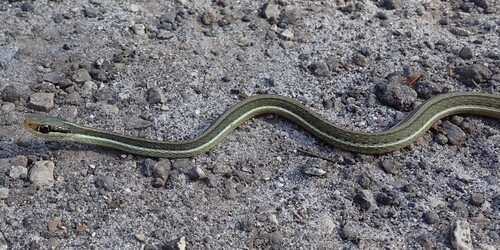
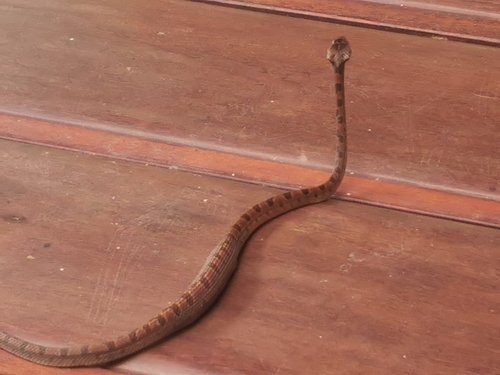
Colubridae (102)
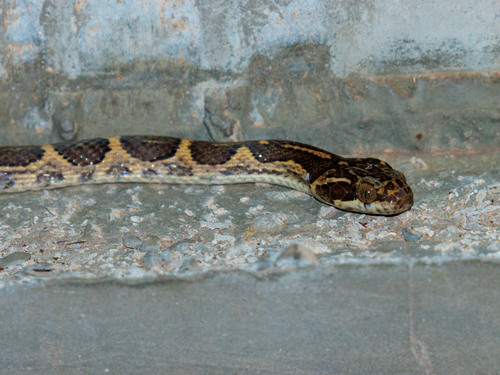
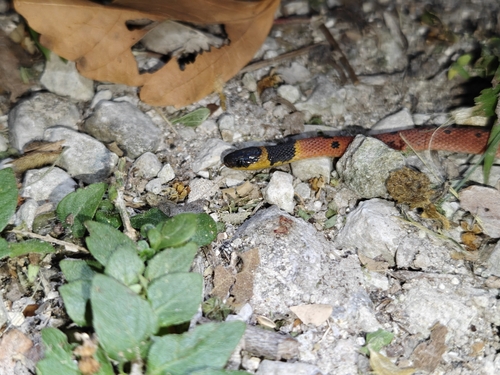
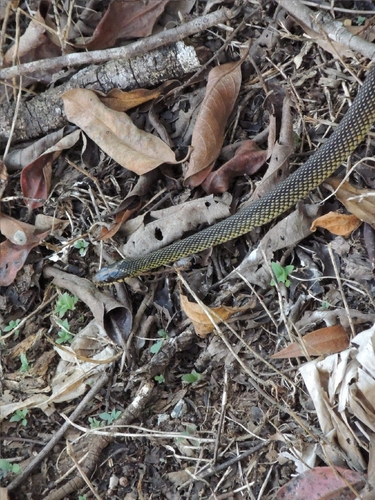
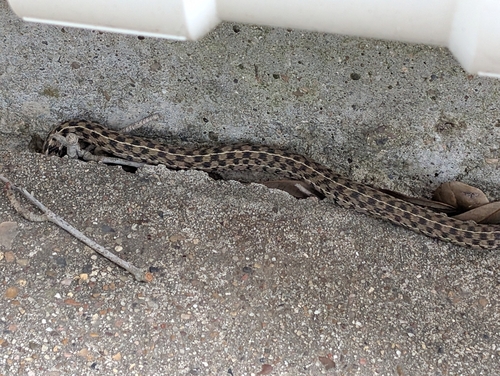
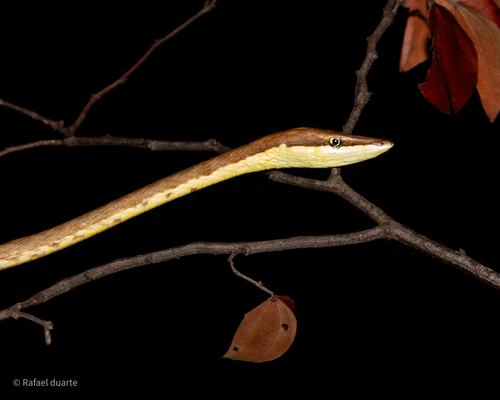
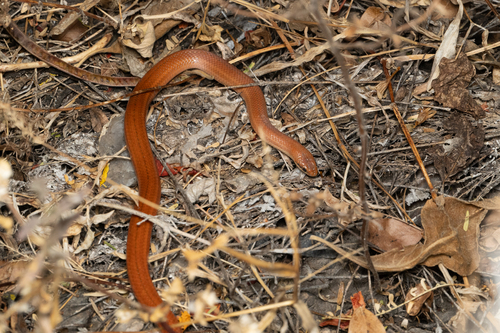
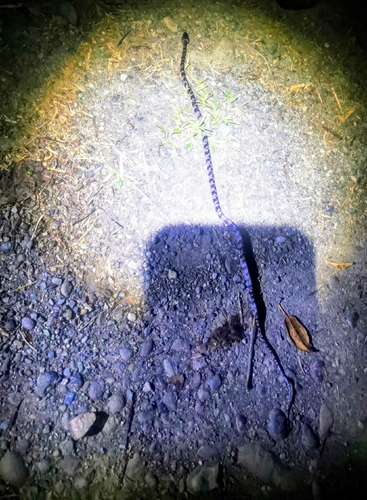
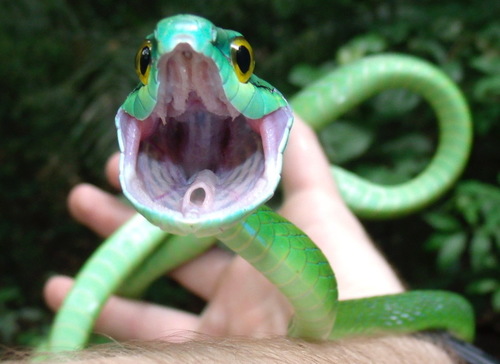
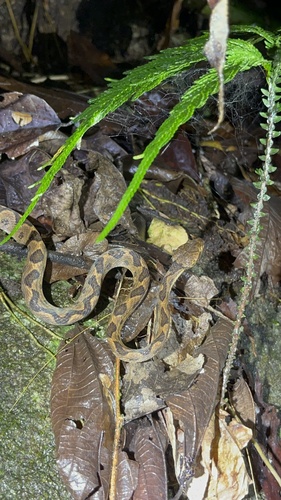
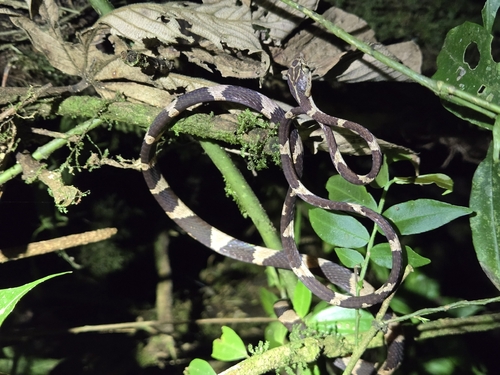
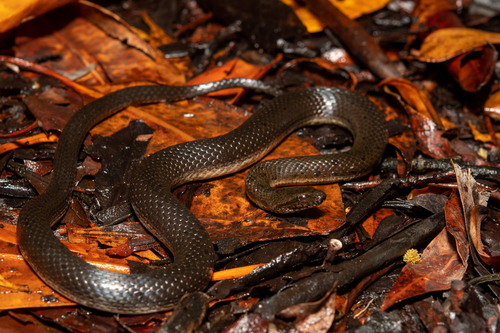
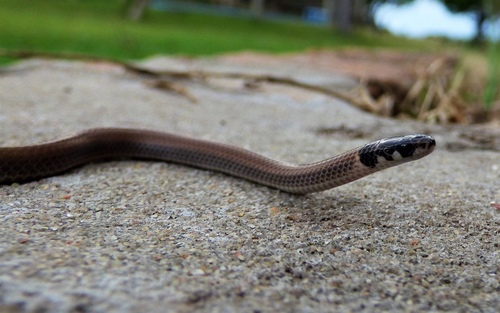
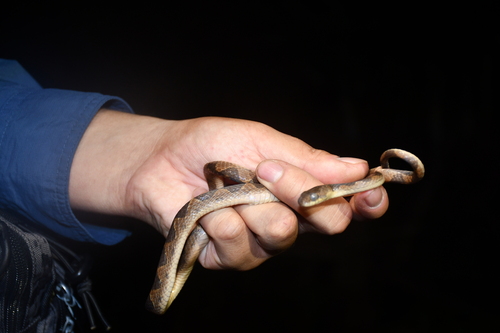
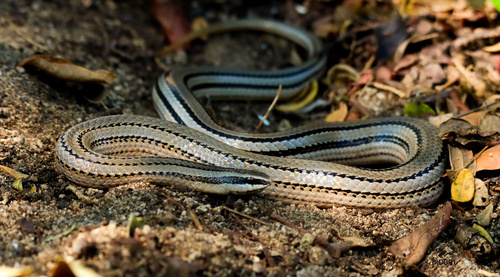
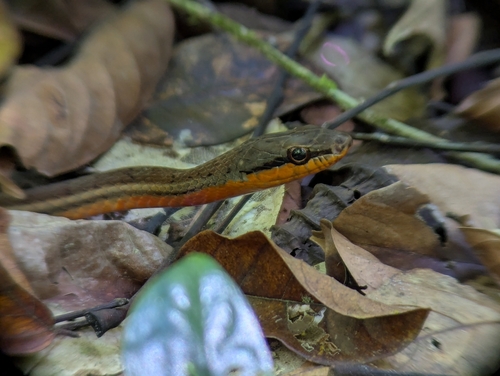
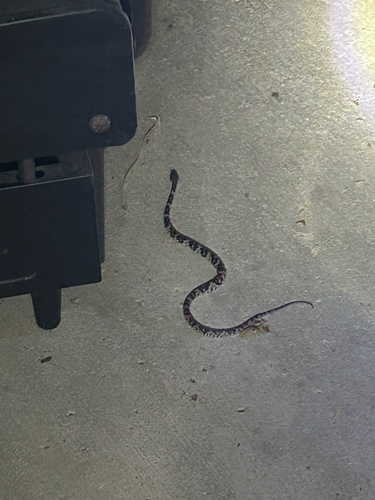
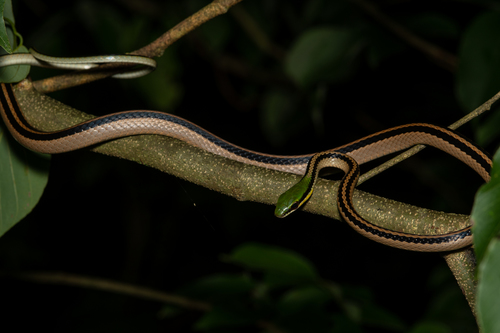
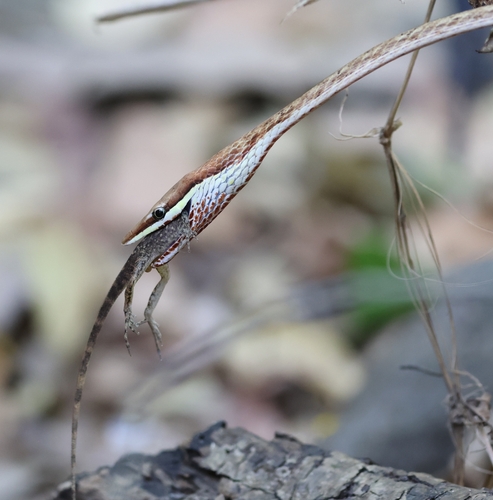
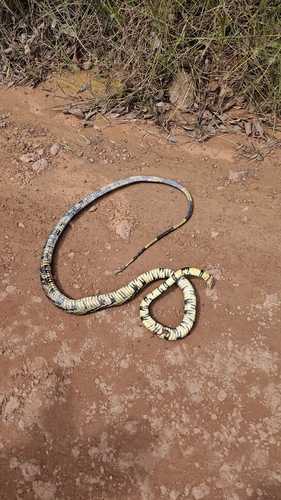
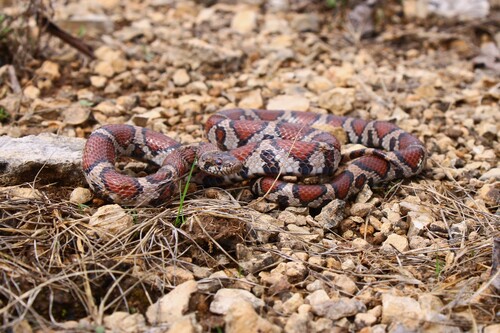
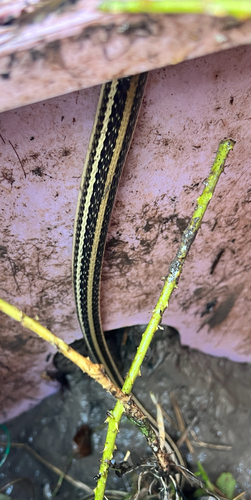
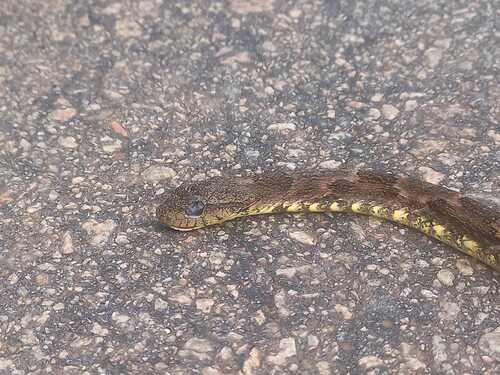
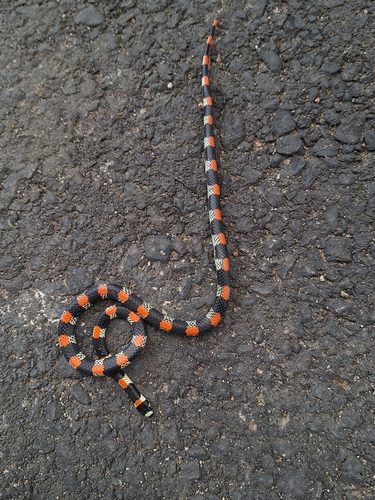
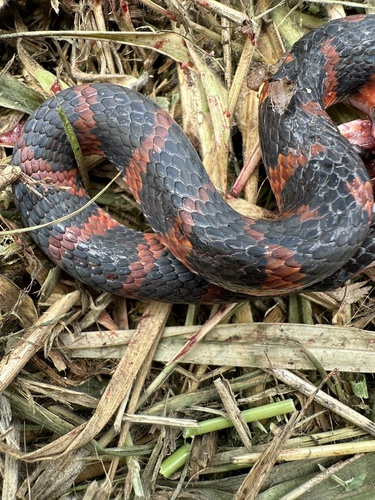
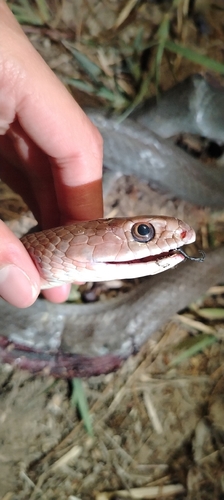
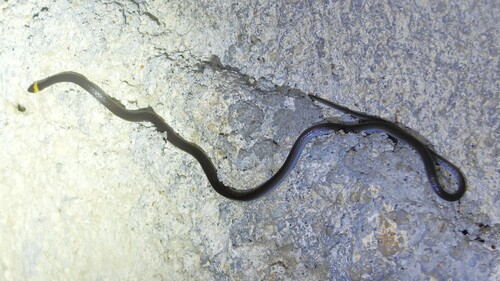
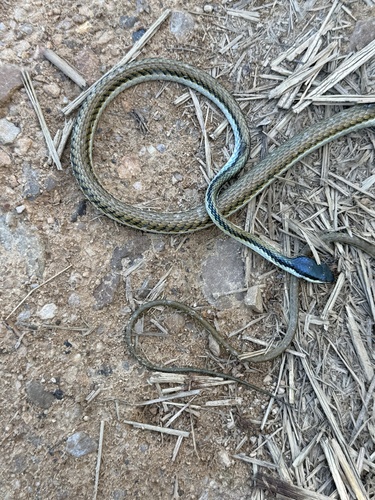
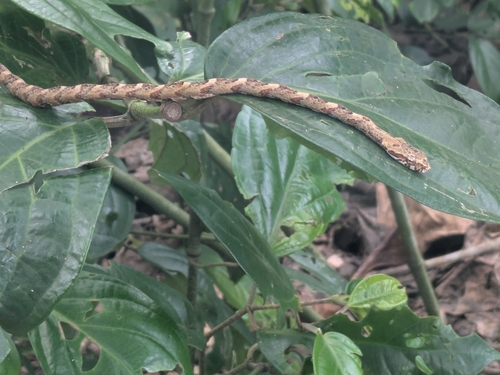
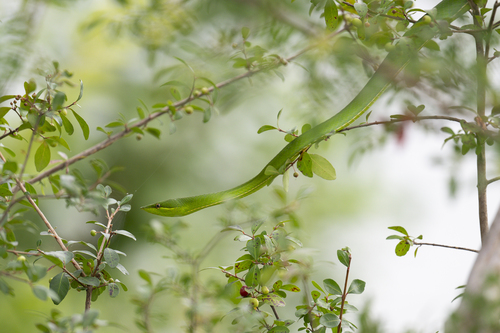
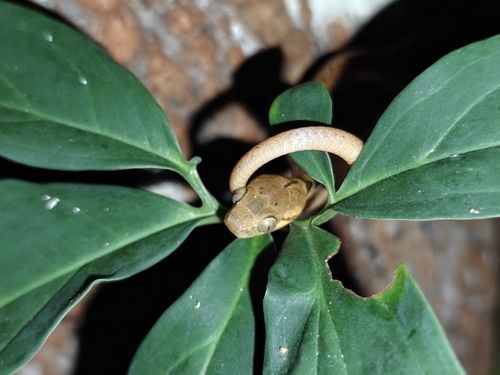
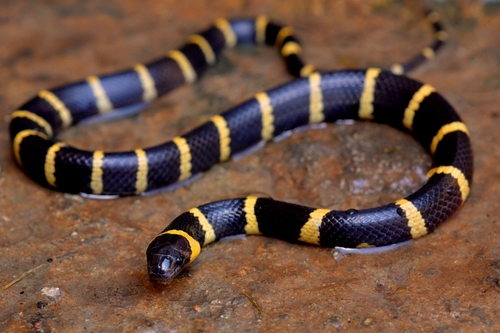
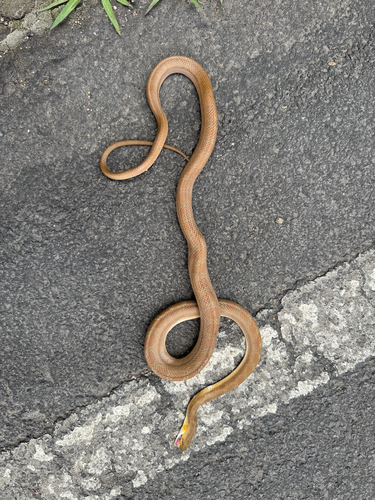
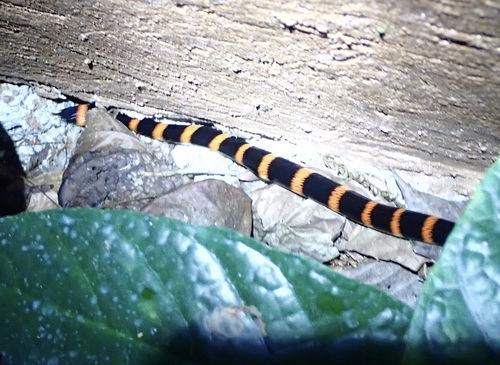
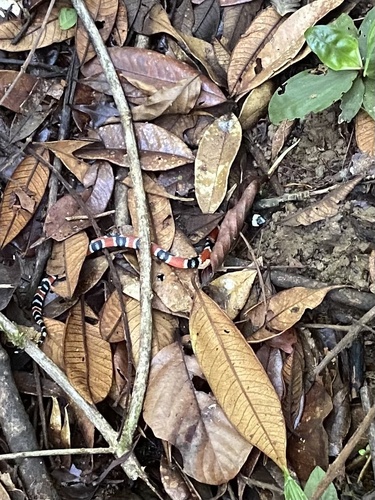
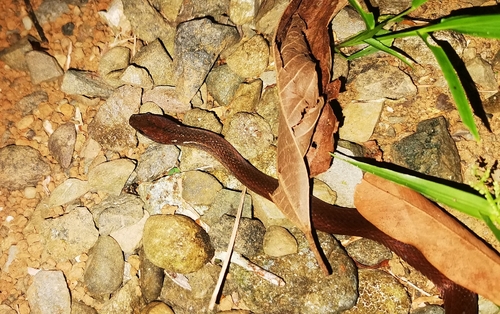
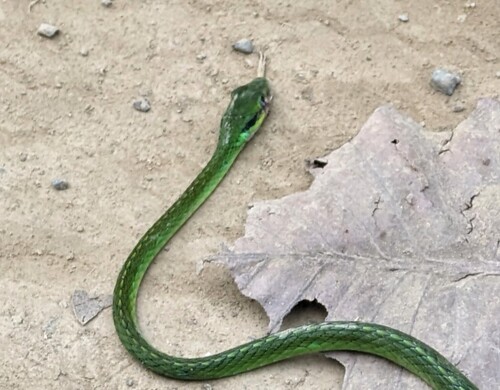
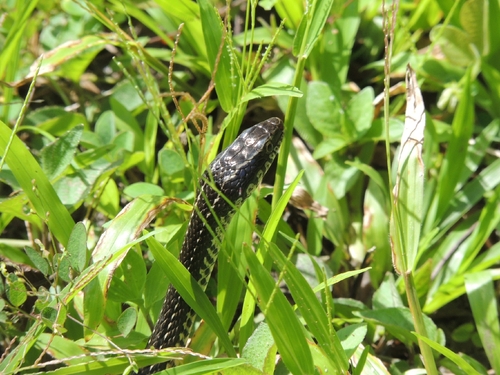
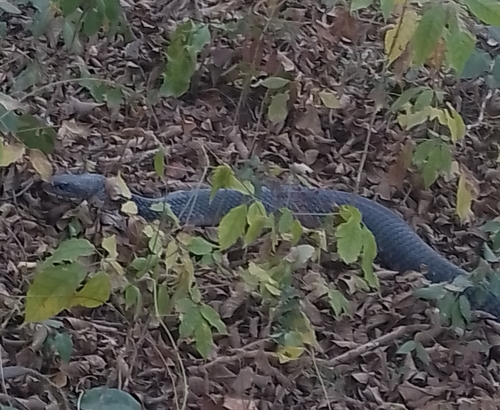
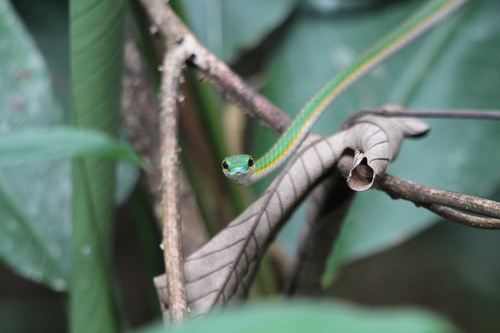
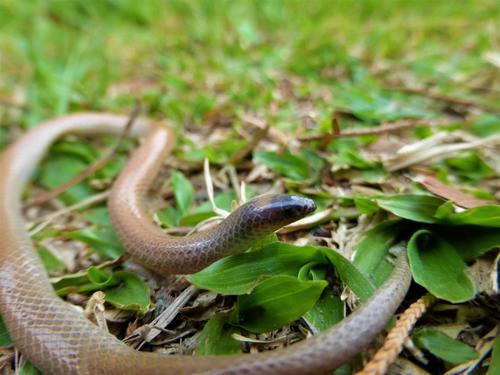
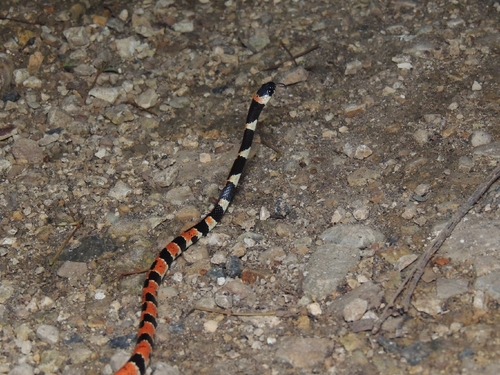
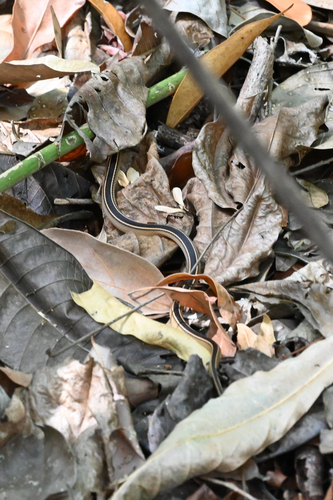
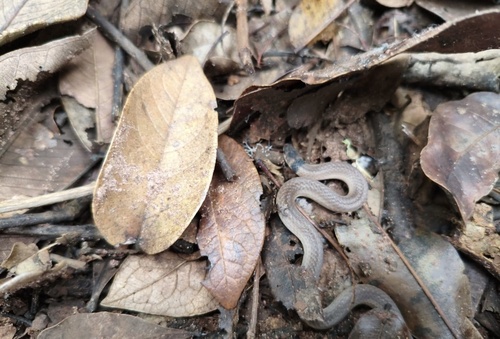
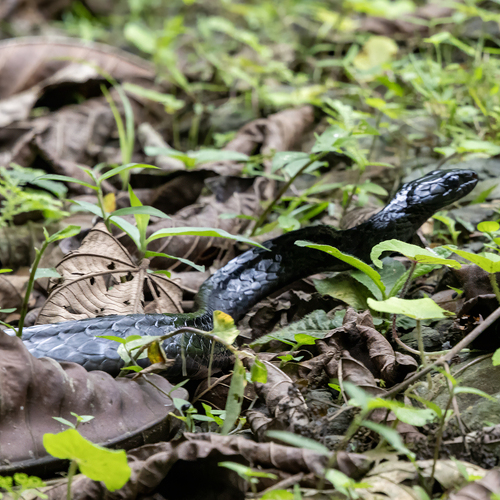
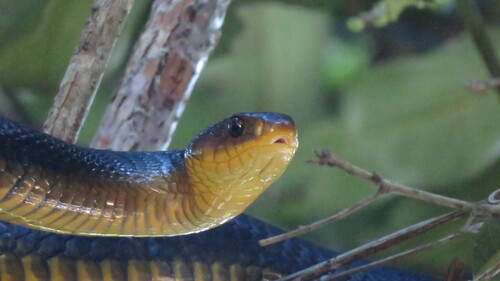
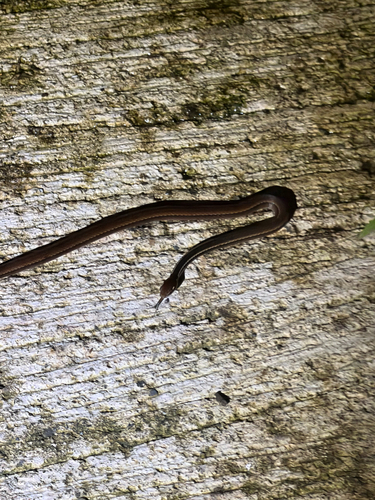
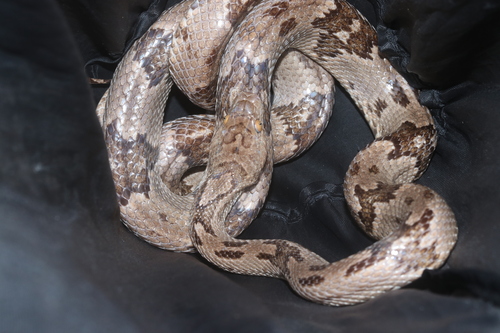
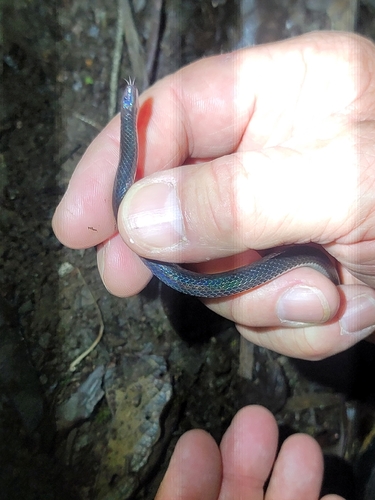
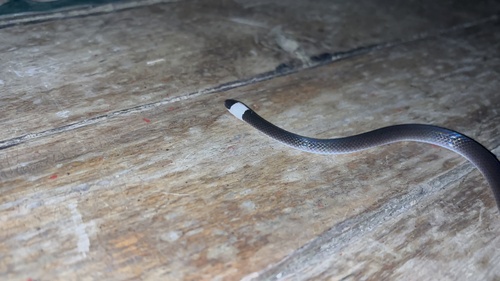
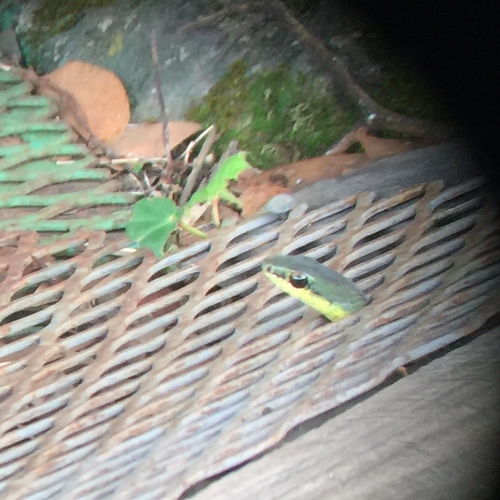
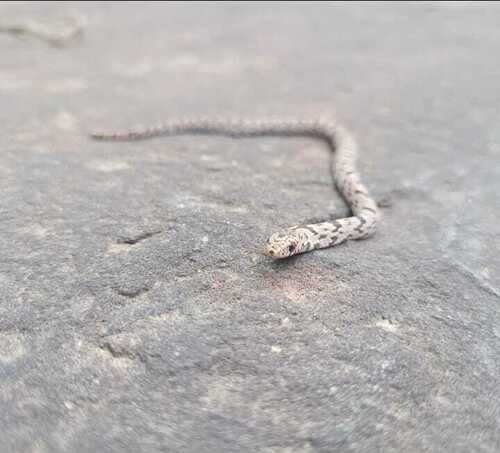
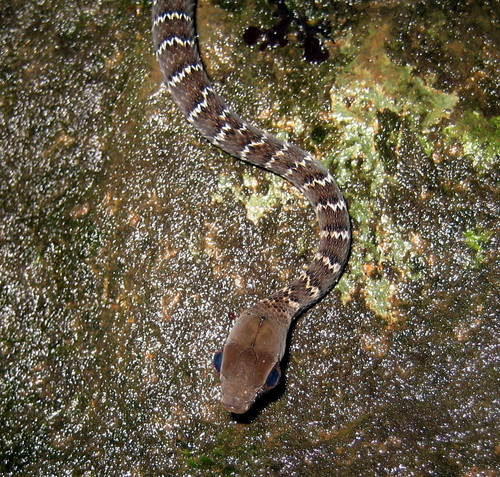
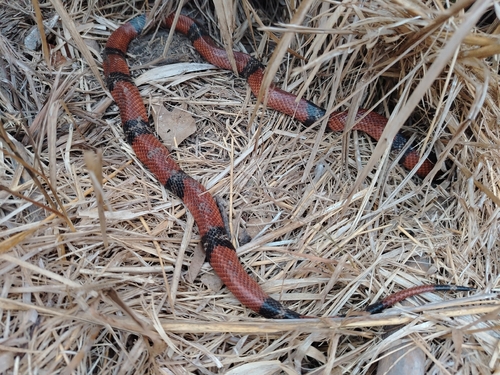
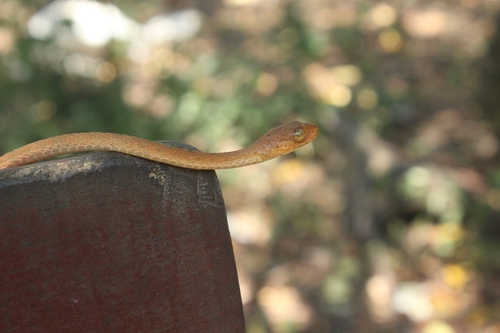
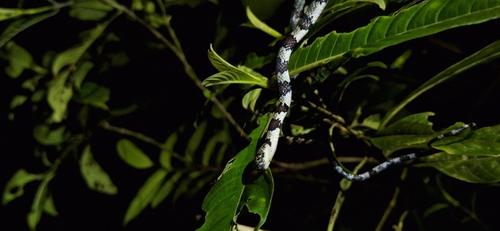
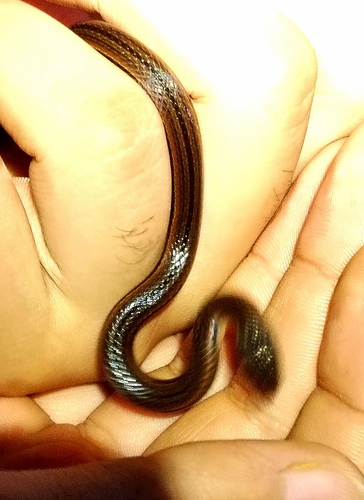
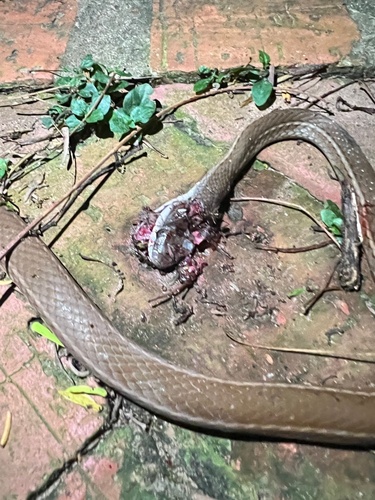
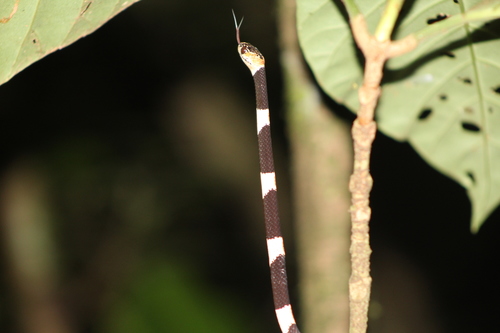
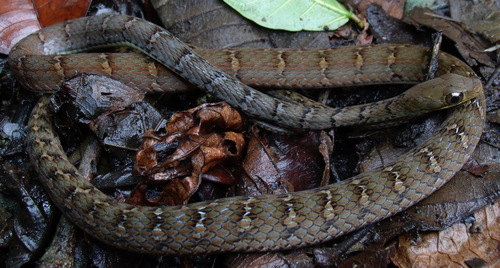
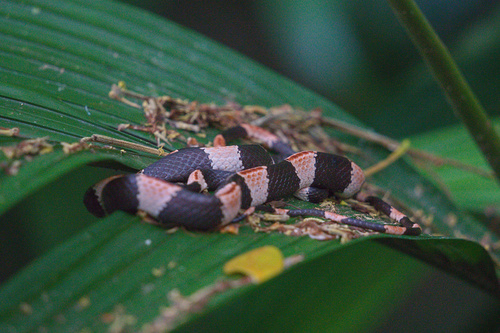
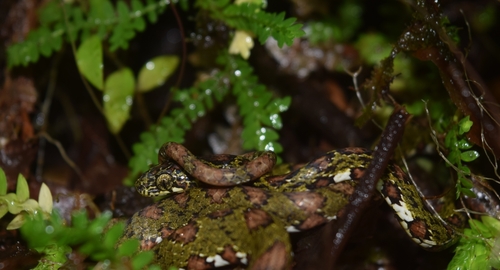
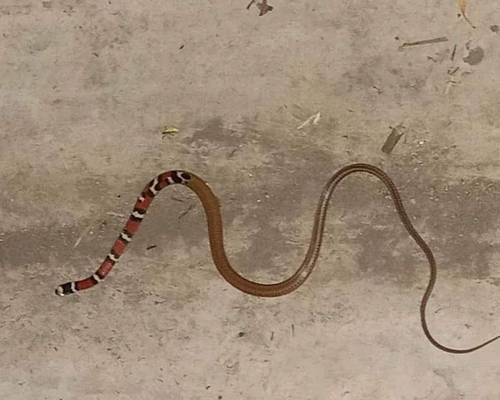
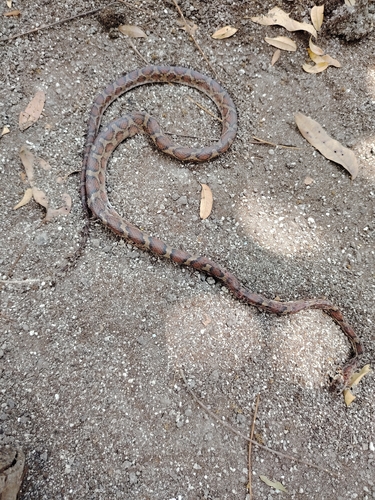
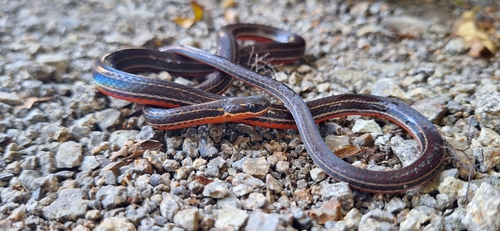

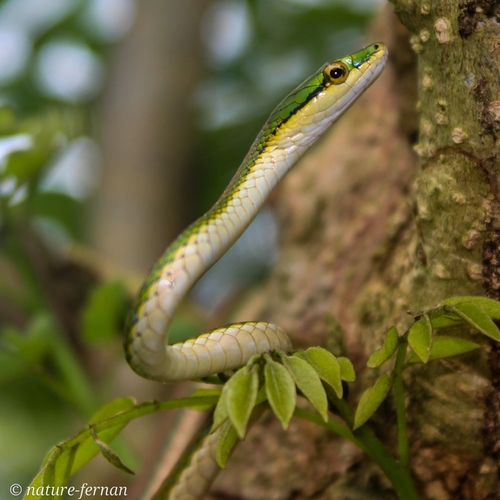
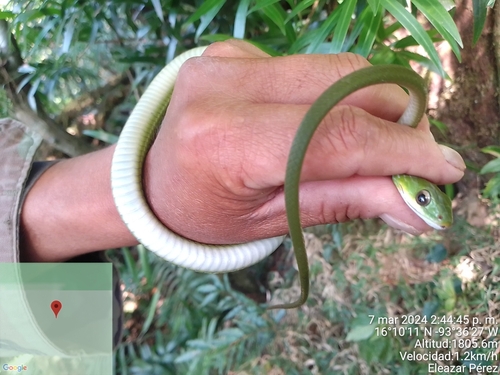
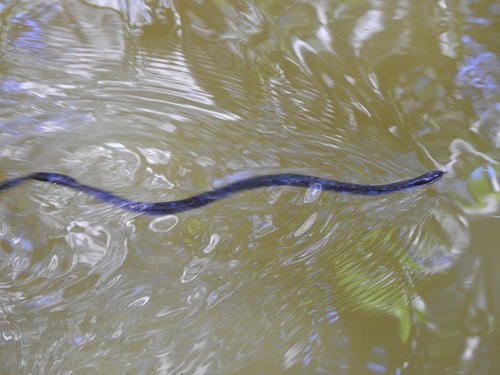
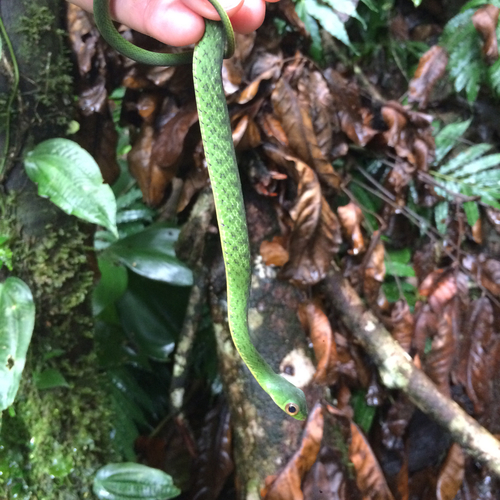

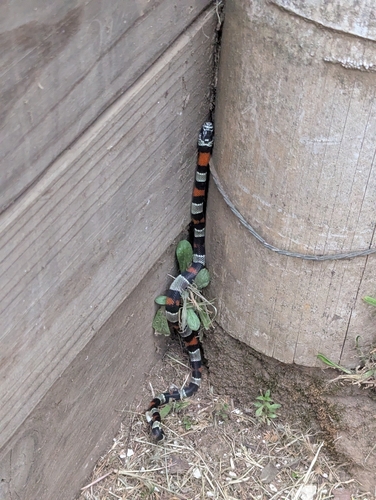
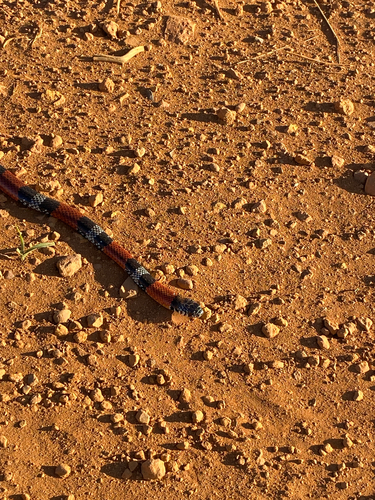
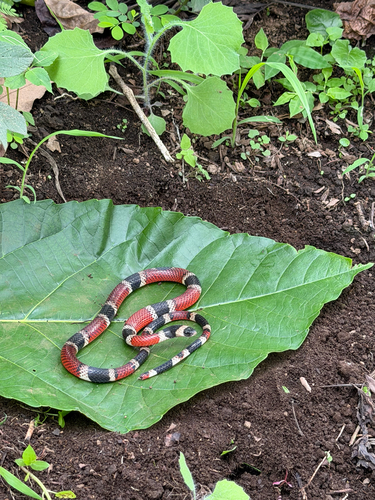
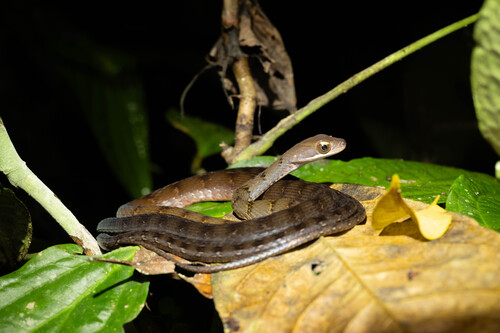
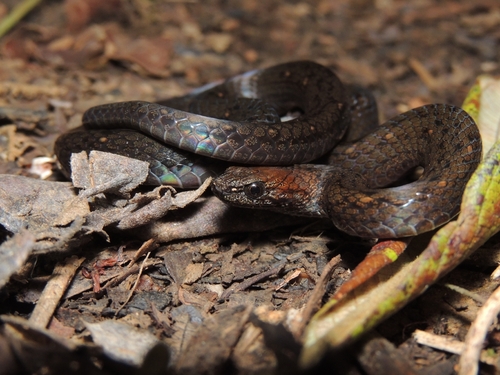
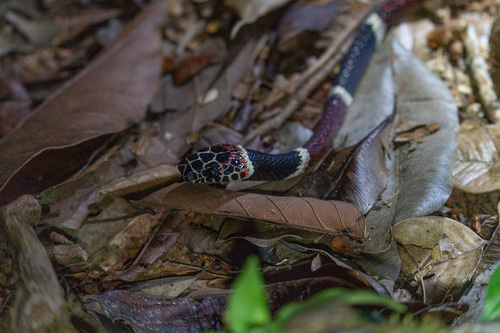
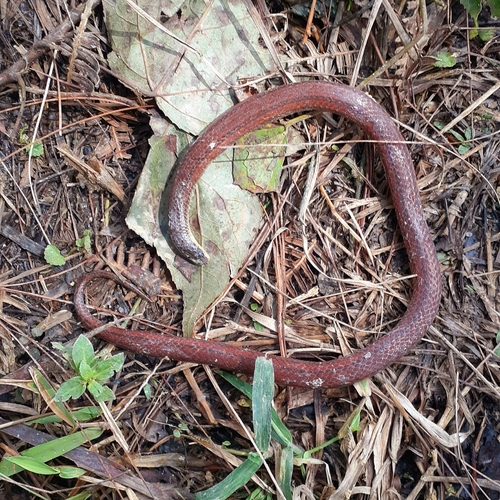
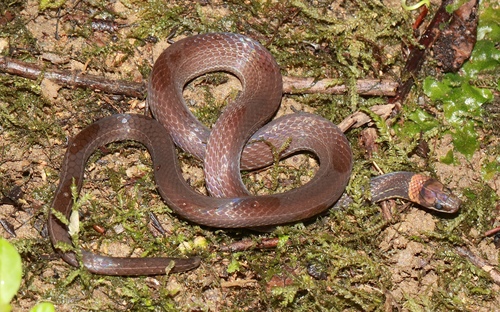
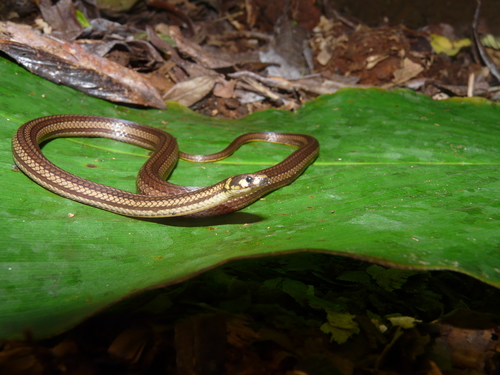
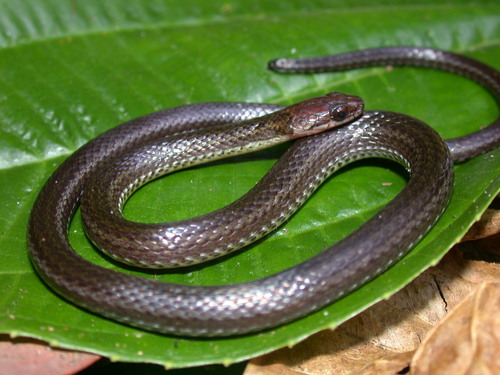
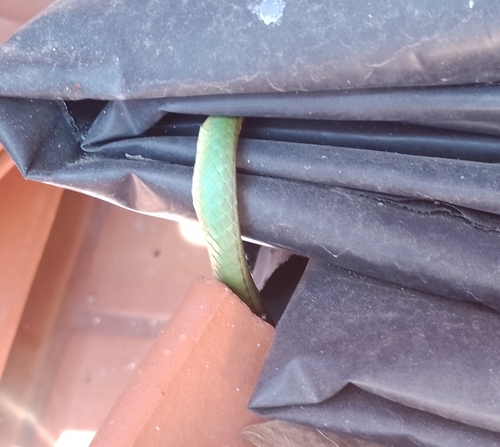
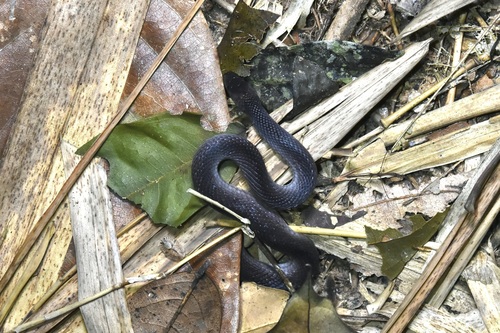
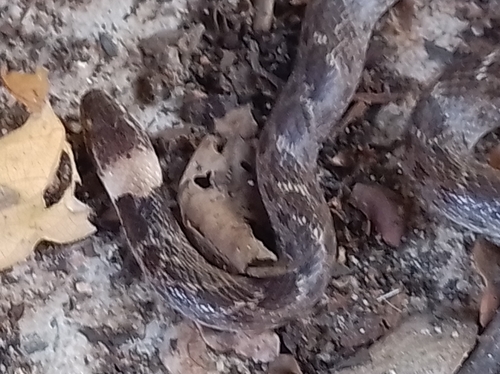
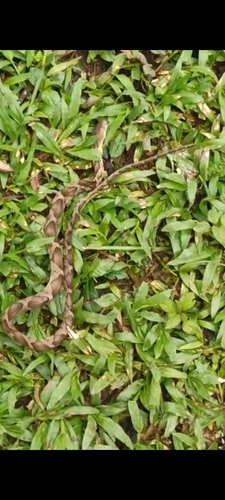
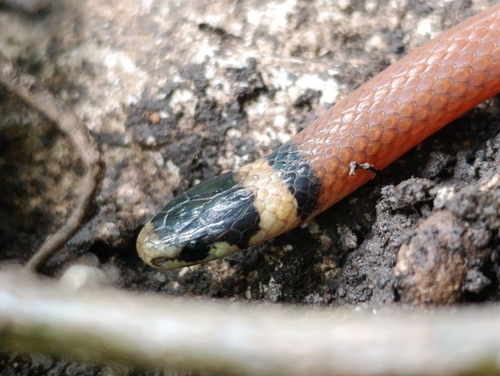
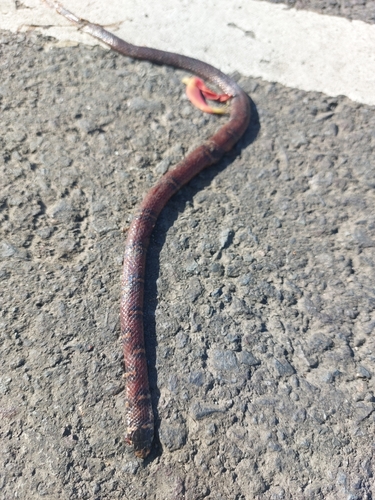
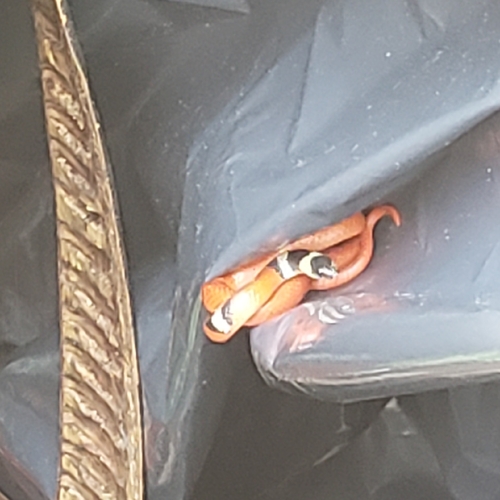
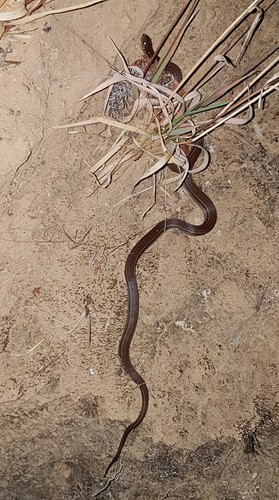
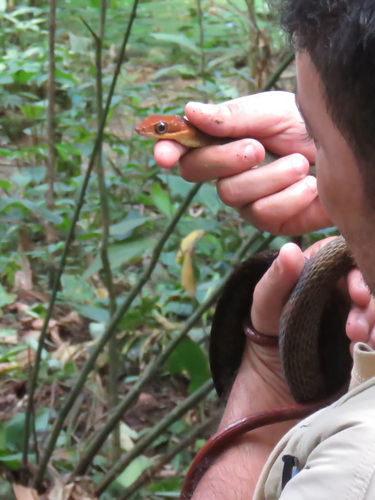
Viperidae (16)
Boidae (7)
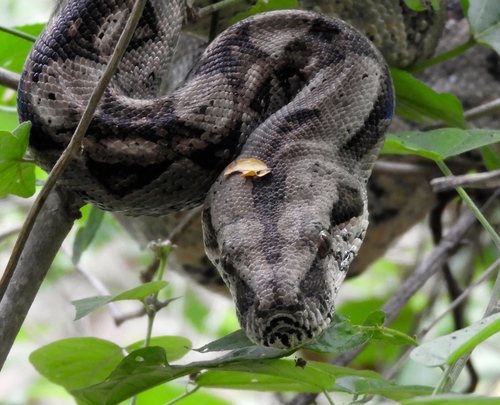
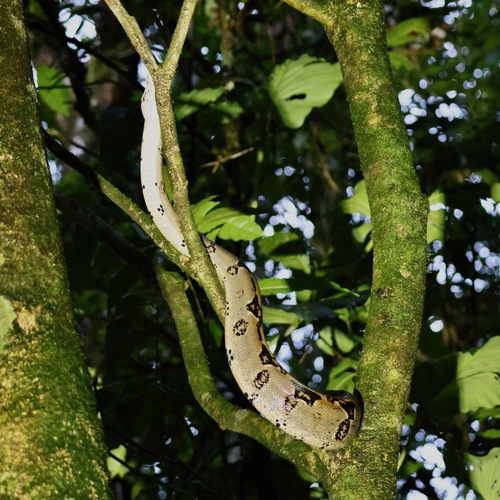
Elapidae (7)
Leptotyphlopidae (3)
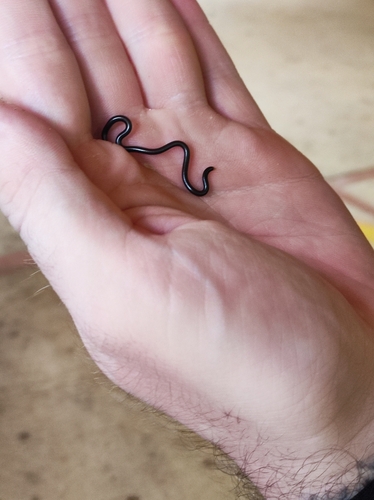
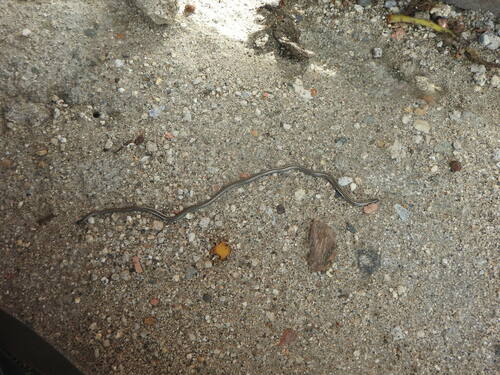
Typhlopidae (2)
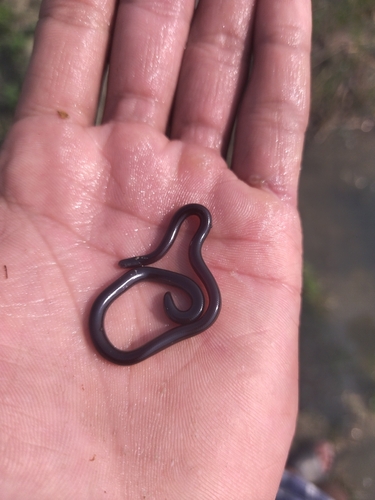
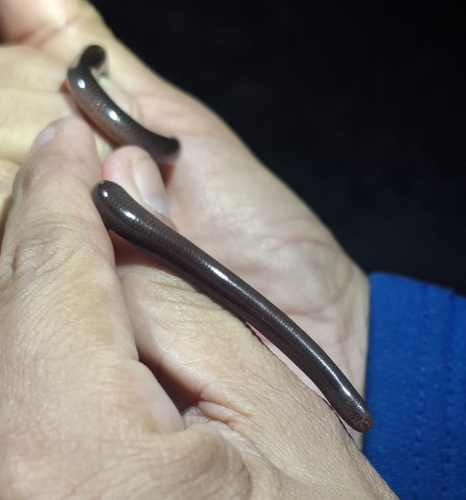
Loxocemidae (1)
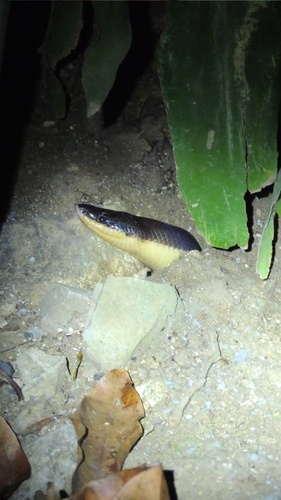
Anomalepididae (1)
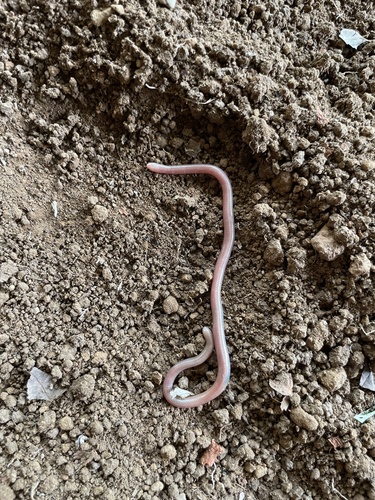
Compiled from verified GBIF & iNaturalist observations. "How often seen" reflects how frequently a snake is reported here, not how dangerous it is. Informational only.
Keep learning
- Are Snakes Dangerous? The Real Risk, in PerspectiveMost snakes are harmless and avoid people. Here is the honest picture of snakebite risk worldwide and how to lower your own.
- Snakebite First Aid: What to Do (and What Never to Do)A clear, CDC-based guide to snakebite first aid: the steps that help, the popular myths that hurt, and how to tell a serious bite from a minor one.
- Venomous vs Nonvenomous: How to Tell the DifferenceThe folk rules for telling venomous snakes apart, where each one fails, and why location-based identification beats guessing by sight.
- What to Do If You Find a SnakeFound a snake at home or on a trail? Here is how to stay calm, give it space, identify it safely, and know when to call a professional.