
Iran
Snakes in Iran
75+ snake species have been recorded in Iran, 30 venomous.
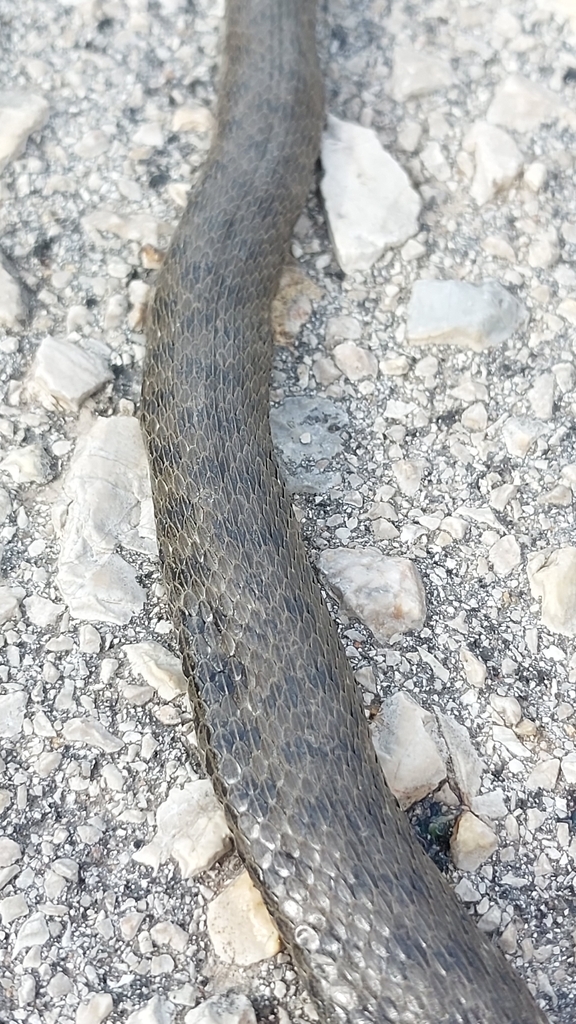
Snakes of Iran
Iran (Islamic Republic of) has 75+ snake species recorded in our database, 30 of them venomous. The great majority of species are non-venomous, but the country's position at the meeting point of three biogeographic realms gives it a venomous fauna that is unusually rich for its latitude, which is why both the total and the venomous count run higher than many travelers expect.
Iran's snake diversity is driven by extreme variation in geography and climate. The Alborz Mountains in the north shelter humid Caspian forests, the Zagros range runs down the western and southwestern spine, and between them sit the vast arid interior plateaus and the salt deserts of the Dasht-e Kavir and Dasht-e Lut. To the south lie the hot coastal lowlands along the Persian Gulf and the Gulf of Oman. Each of these zones, from cold montane meadows to sand desert to mangrove coast, supports its own assemblage of snakes, and species adapted to one rarely occur in the others.
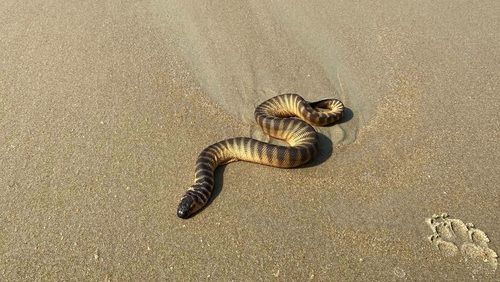
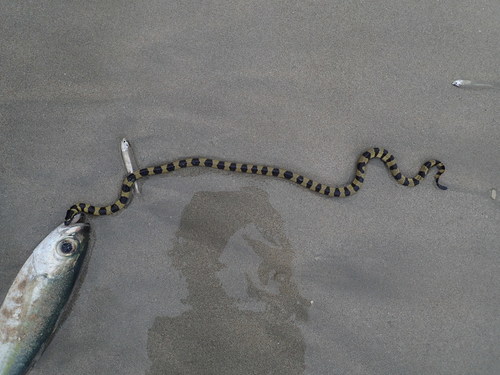
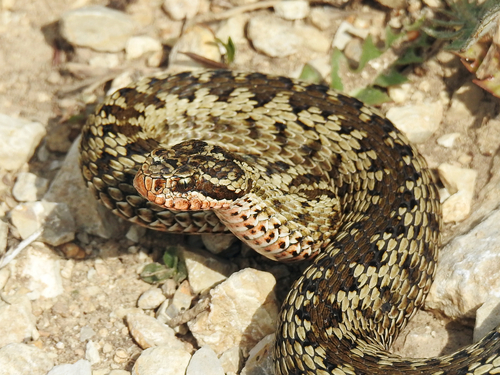
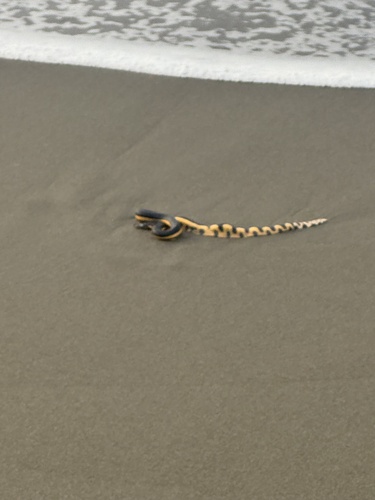
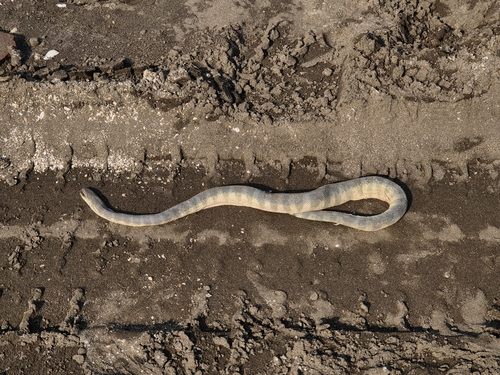
The medically important venomous snakes of Iran fall into a few well established groups. True vipers and pit-less vipers of the family Viperidae are the dominant threat: blunt-nosed vipers of the genus Macrovipera, saw-scaled vipers of the genus Echis whose bites are a serious concern in arid and southern regions, mountain vipers of the genus Montivipera in the Zagros and northwestern highlands, and desert horned and sand vipers of the genus Cerastes and Pseudocerastes. Elapids are represented chiefly by the desert black snake or Persian false cobra group and by true cobras of the genus Naja in the southeast near the Pakistan border. Along the Persian Gulf and Gulf of Oman coasts, venomous sea snakes of the family Elapidae occur in the warm shallow waters. Iran has no mambas, no coral snakes, and no rattlesnakes, all of which are New World or African groups.
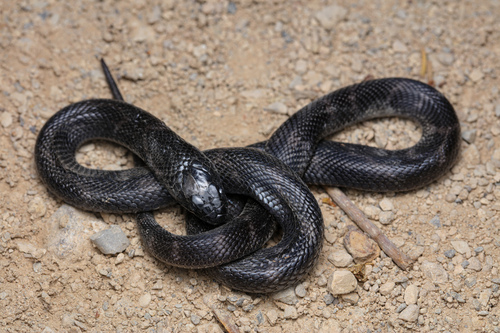
The large non-venomous majority covers the everyday snakes most people in Iran actually encounter. Colubrids dominate this group: whip snakes and racers of the genus Platyceps and Dolichophis, dwarf and rat snakes, the diadem snake, cat snakes, and various sand and dwarf-snake species suited to the deserts. Sand boas of the genus Eryx burrow through loose desert soils, and small blind snakes of the worm-snake group live unseen in the ground. These harmless species are the snakes that keep the countryside in balance and far outnumber the dangerous ones in most habitats.
Snakes earn their place in Iran's ecosystems by controlling rodents and other small pests. A single snake can remove large numbers of mice, rats, and gerbils over a season, which protects stored grain, reduces crop loss, and limits the rodent populations that carry disease. Both venomous and non-venomous species feed heavily on these animals, so the snake fauna provides real and ongoing value to farms, villages, and natural areas across the country.
For safety, the honest picture is that most snakes in Iran are harmless and most bites come from people trying to catch, kill, or handle a snake rather than from snakes seeking out humans. The main medical threats are the vipers, especially saw-scaled vipers, along with cobras in the southeast and sea snakes along the southern coasts. A venomous bite is a medical emergency, and the established treatment is professional hospital care with the correct antivenom, not any home remedy. Never assume a wild snake is harmless and never attempt to handle one. If a bite occurs, get to emergency medical care immediately; in the United States you can also reach Poison Control at 1-800-222-1222, and elsewhere contact local emergency services.
Snakes in Iran: FAQ
- Are there venomous snakes in Iran?
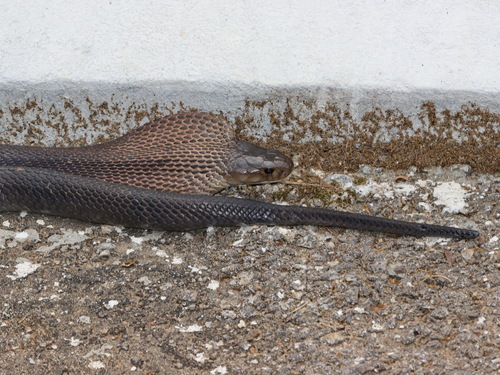
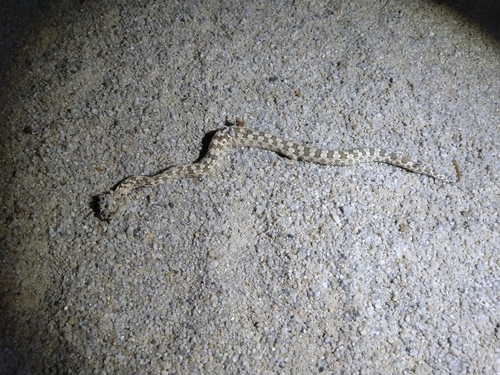
- Yes. 30 venomous snake species have verified records in Iran, including Saw-scaled Viper, Gloydius variegatus, Latifi's Viper, Brown Banded Cobra. Most snakes in Iran, however, are harmless.
- How many snake species live in Iran?
- 75+ snake species have verified records in Iran, of which 30 are venomous.
- What is the most commonly seen snake in Iran?
- The Tessellated Water Snake is the most frequently reported snake in Iran, based on verified wildlife observations.
- What should I do if I see a venomous snake in Iran?
- Keep your distance and do not try to catch or kill it. Most bites happen when people handle or corner a snake. If someone is bitten, contact local emergency services or poison control immediately.
Venomous snakes in Iran
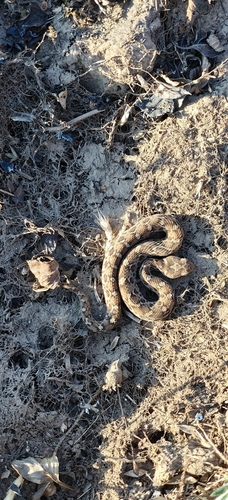
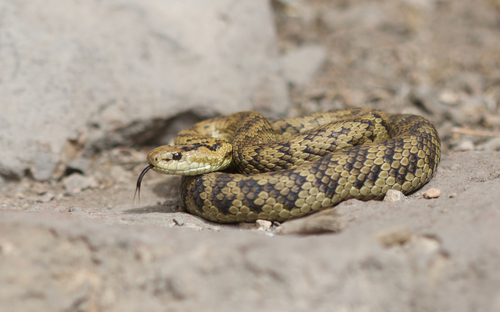
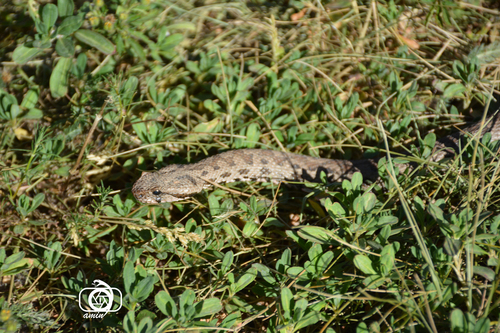

- No photo
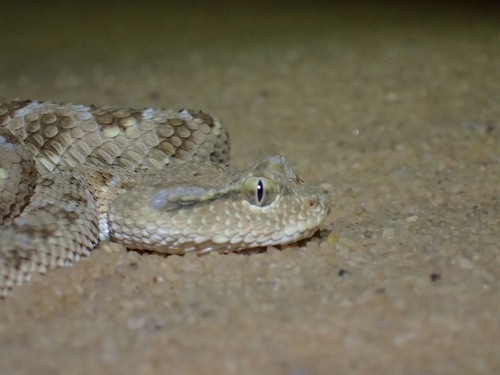
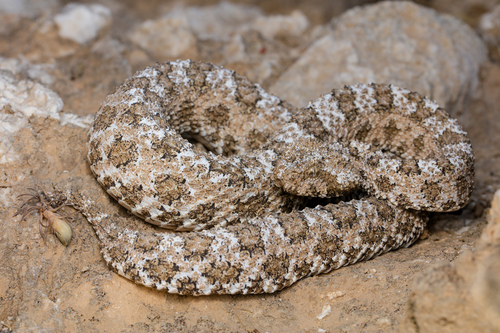
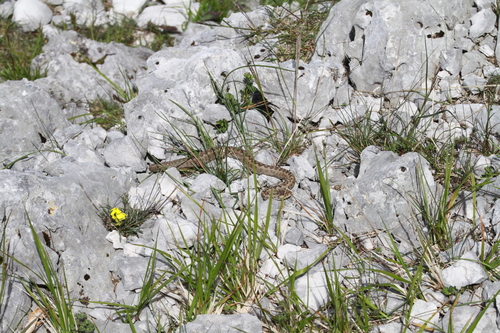
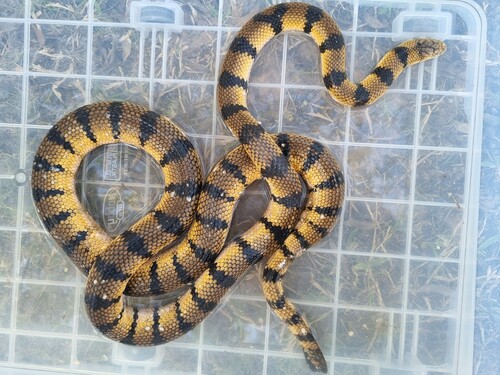
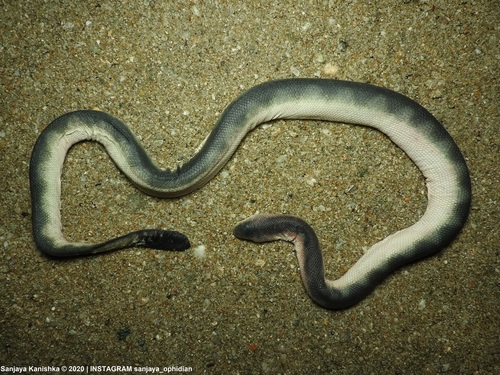
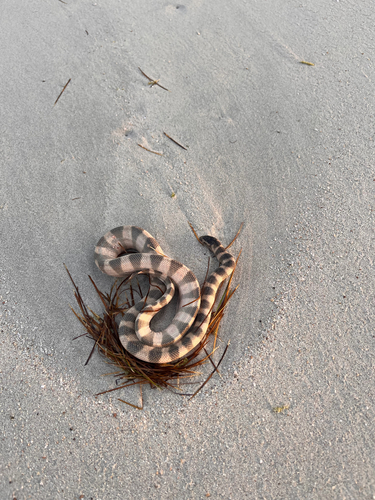
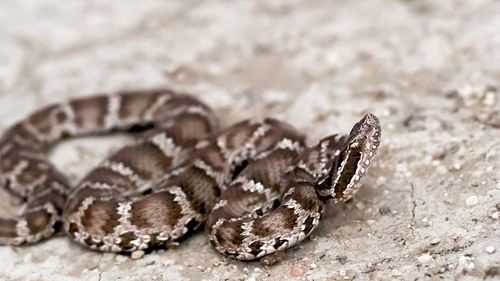
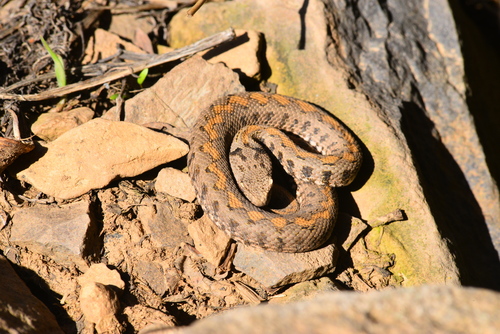
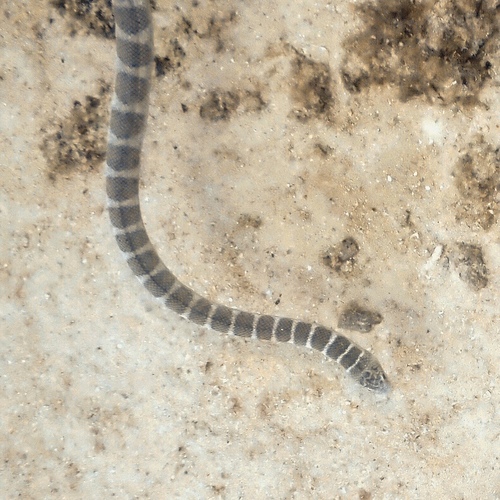
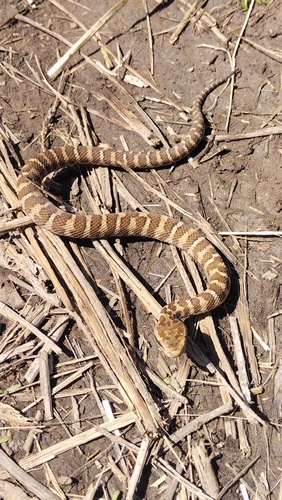
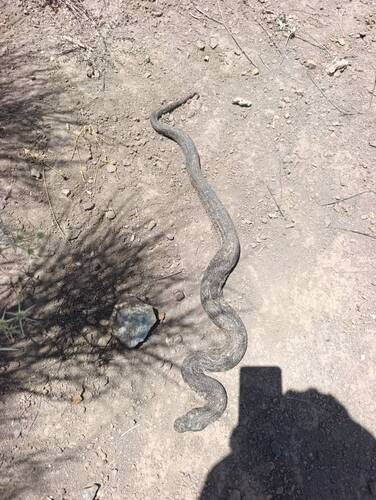
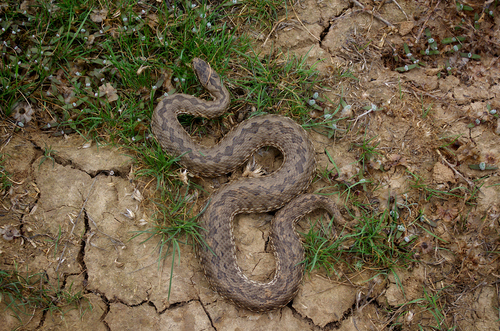
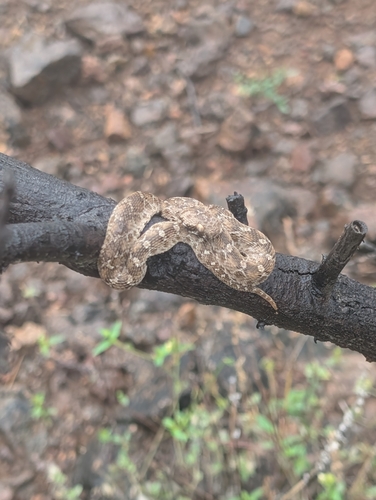
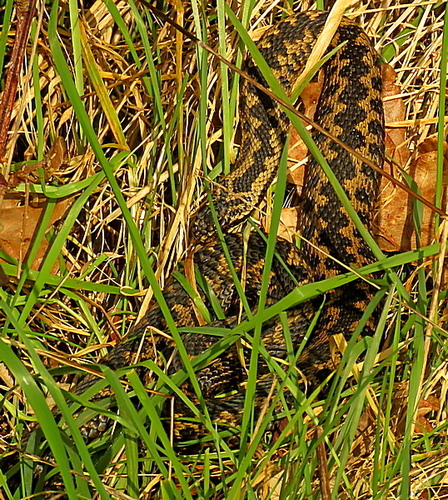
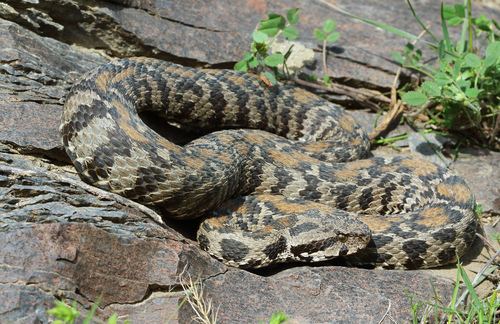
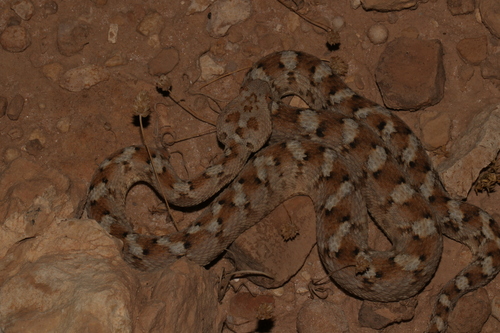
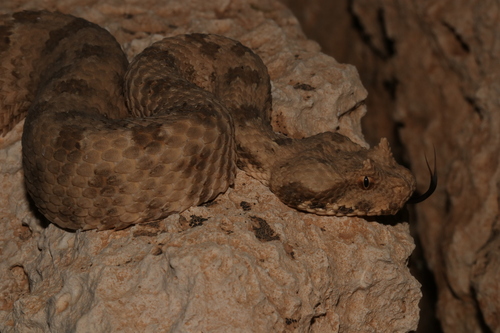
Every snake recorded in Iran
75+ species across 9 families, grouped by family. Venomous flagged.
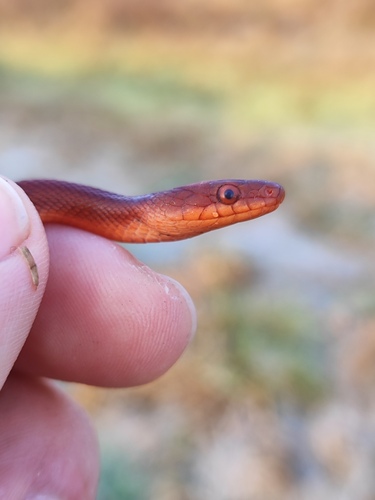
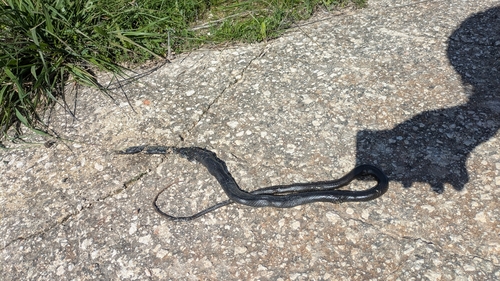
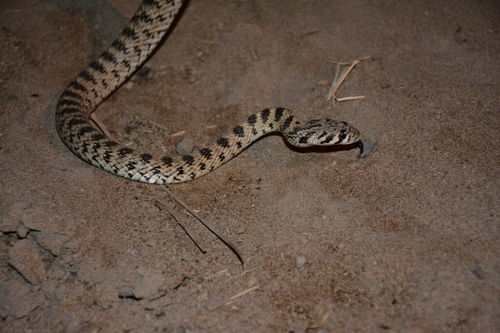
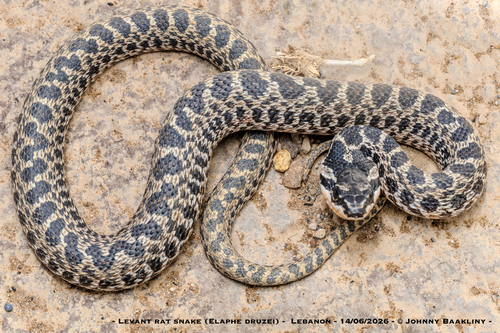
Colubridae (40)
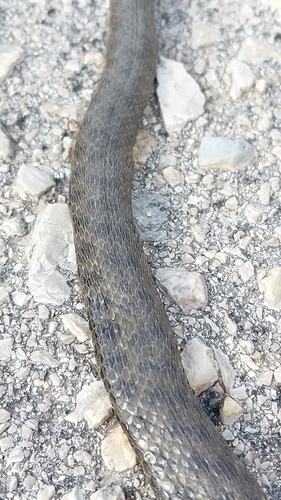
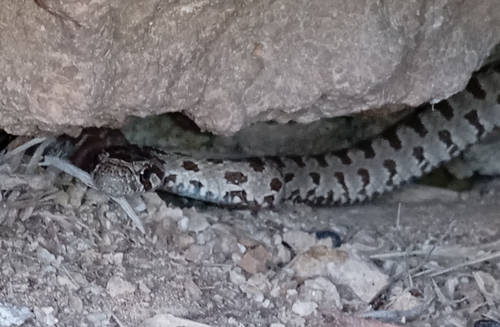
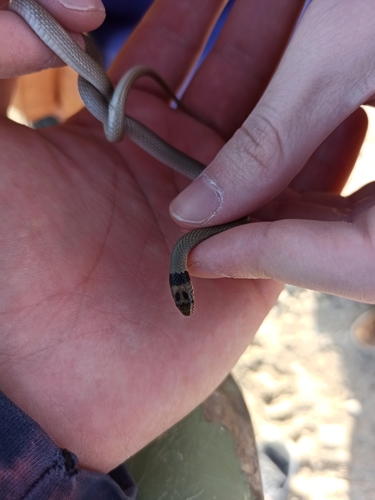
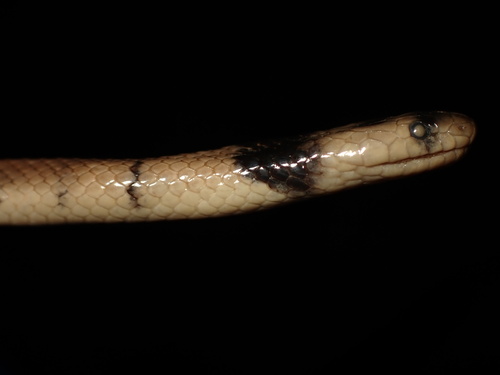
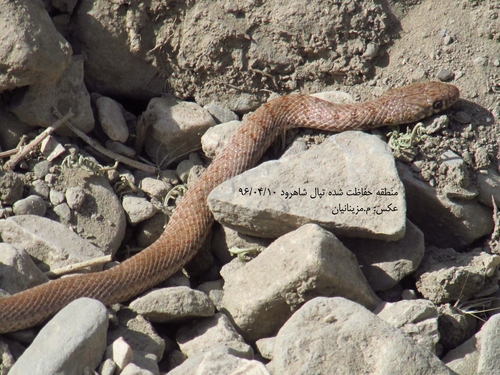
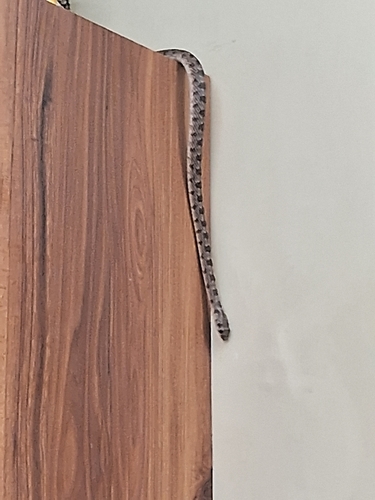
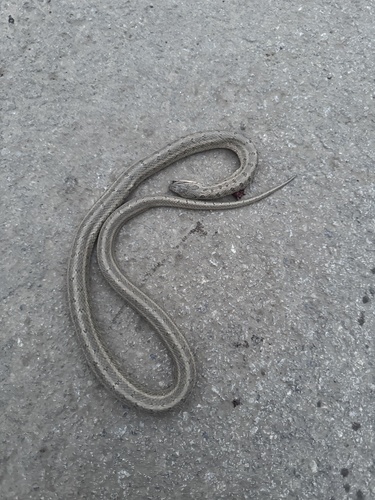
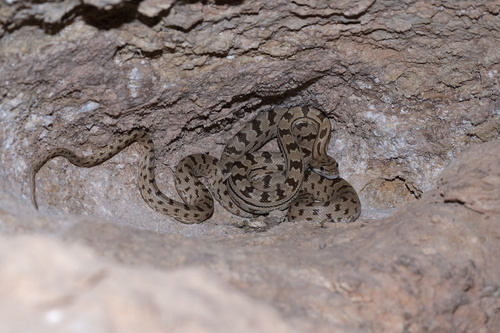

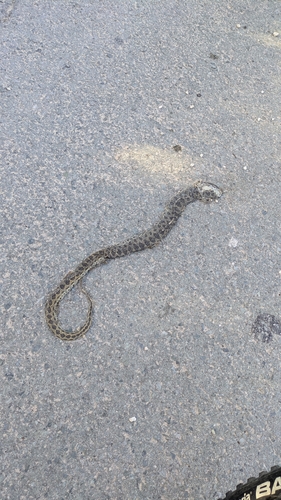
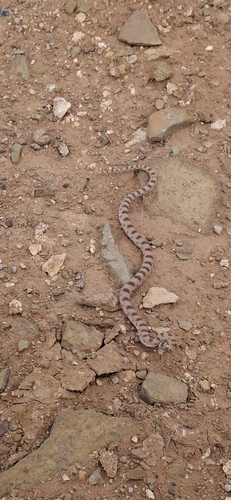
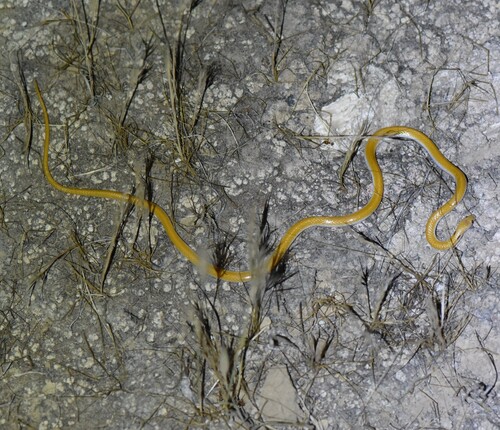
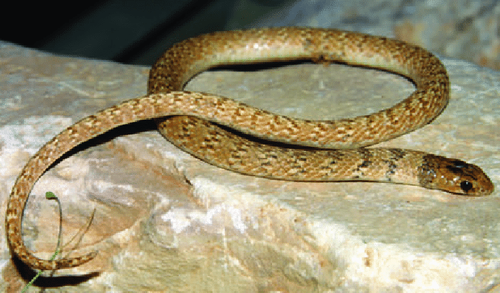

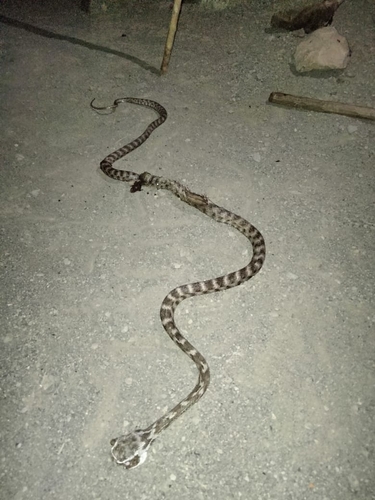
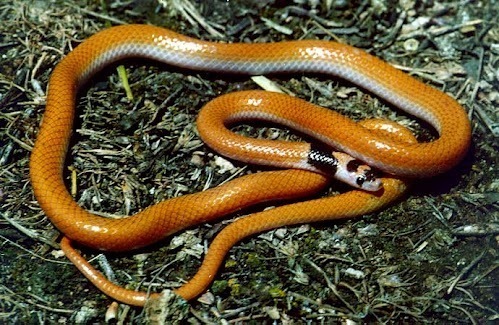
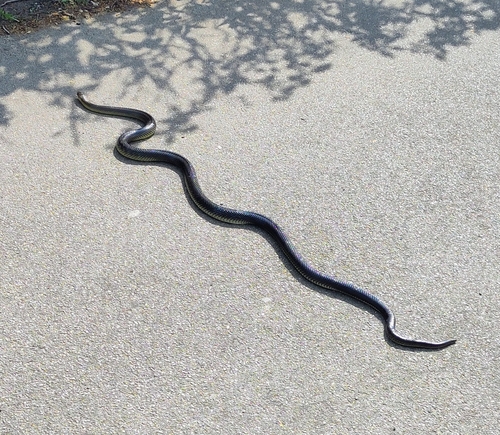
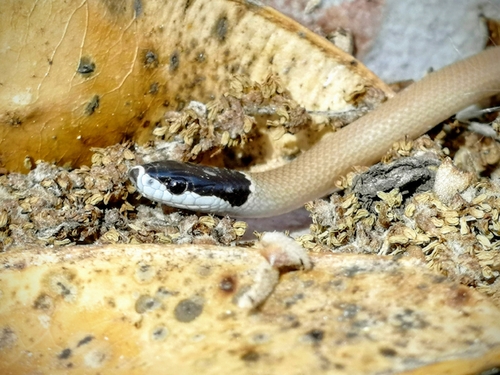
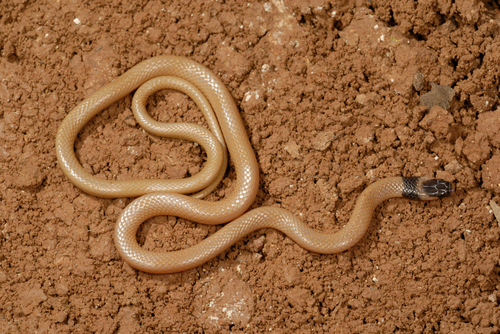
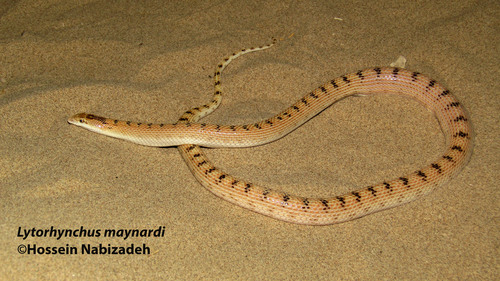
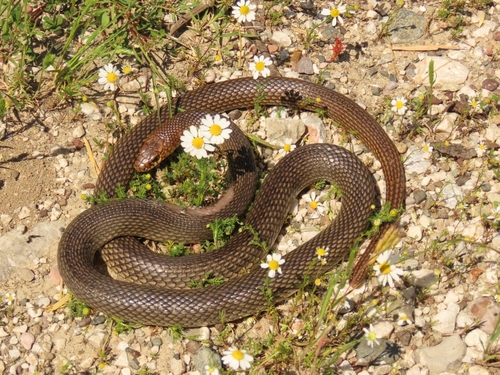
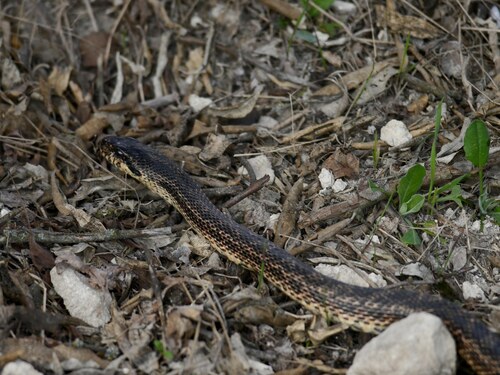
Viperidae (18)
Elapidae (12)
Boidae (6)
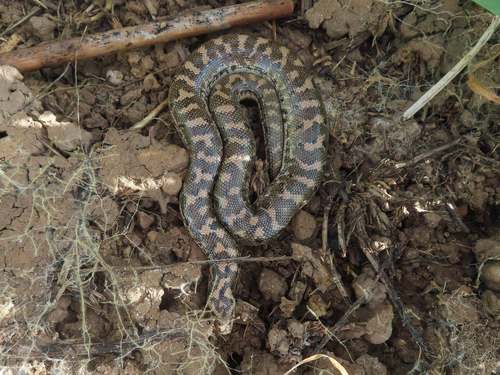
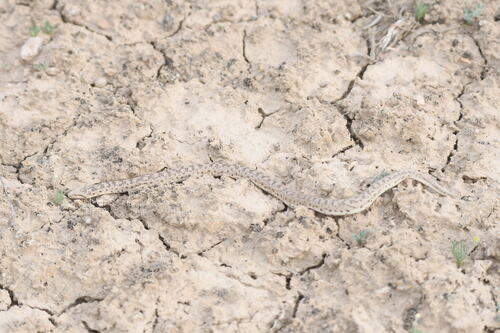
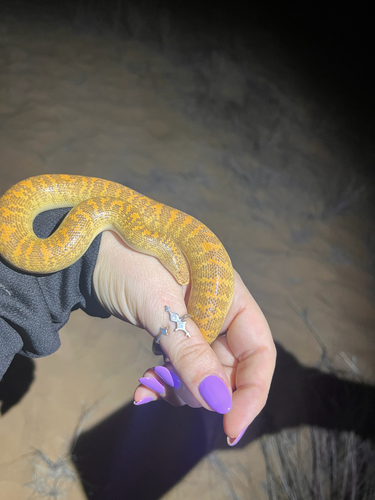
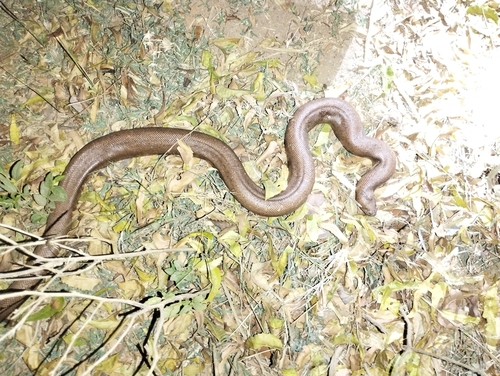
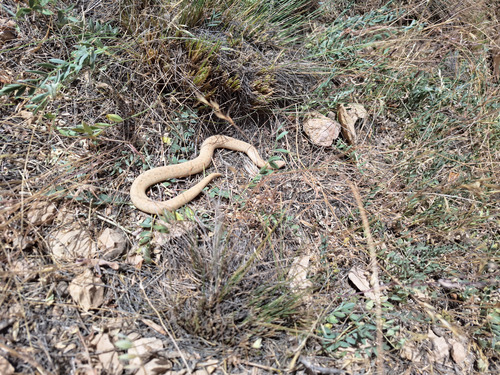
Psammophiidae (5)
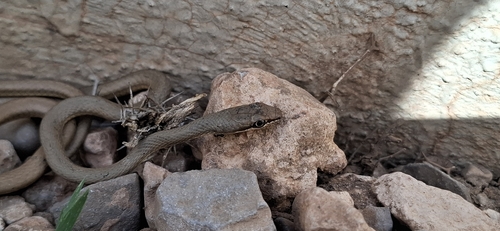
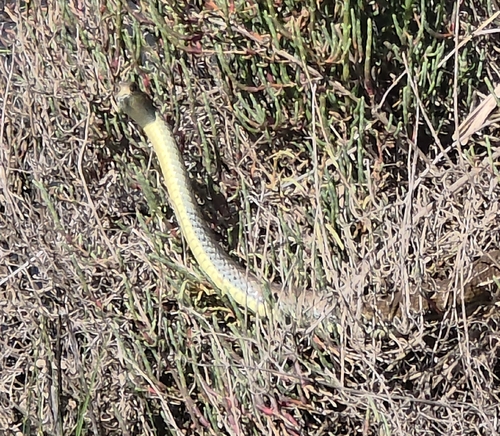
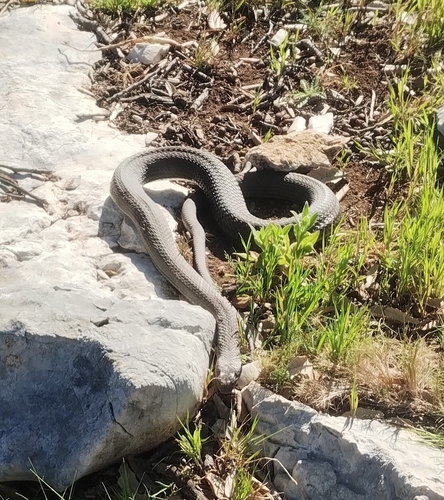
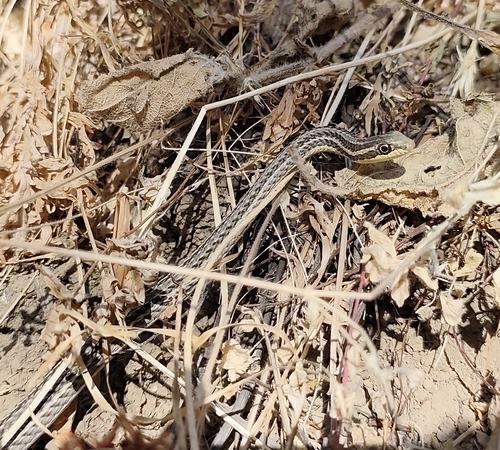
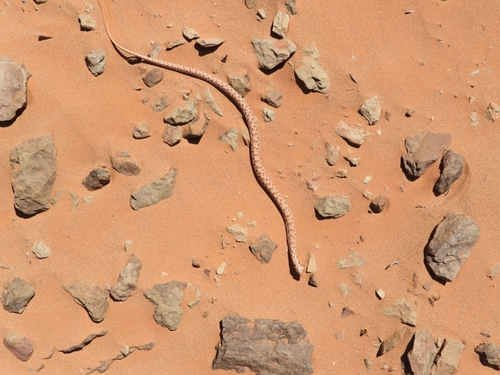
Leptotyphlopidae (3)
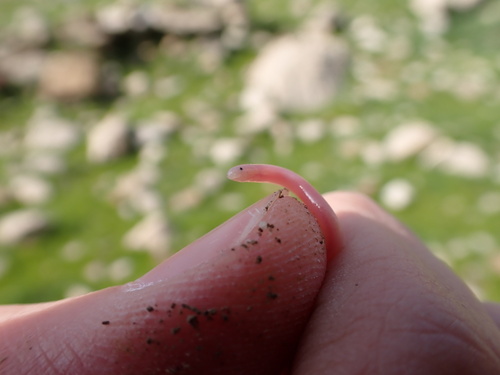
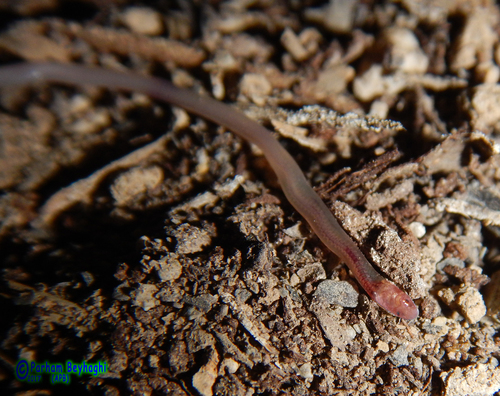
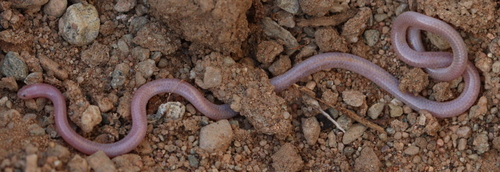
Typhlopidae (2)
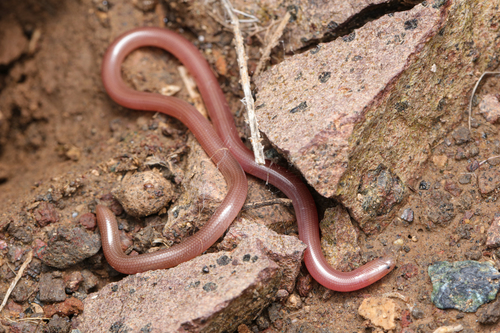
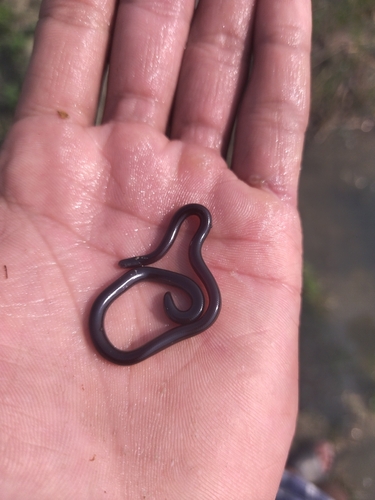
Homalopsidae (1)

Compiled from verified GBIF & iNaturalist observations. "How often seen" reflects how frequently a snake is reported here, not how dangerous it is. Informational only.
Keep learning
- Are Snakes Dangerous? The Real Risk, in PerspectiveMost snakes are harmless and avoid people. Here is the honest picture of snakebite risk worldwide and how to lower your own.
- Snakebite First Aid: What to Do (and What Never to Do)A clear, CDC-based guide to snakebite first aid: the steps that help, the popular myths that hurt, and how to tell a serious bite from a minor one.
- Venomous vs Nonvenomous: How to Tell the DifferenceThe folk rules for telling venomous snakes apart, where each one fails, and why location-based identification beats guessing by sight.
- What to Do If You Find a SnakeFound a snake at home or on a trail? Here is how to stay calm, give it space, identify it safely, and know when to call a professional.