
Denmark
Snakes in Denmark
30+ snake species have been recorded in Denmark, 1 venomous.
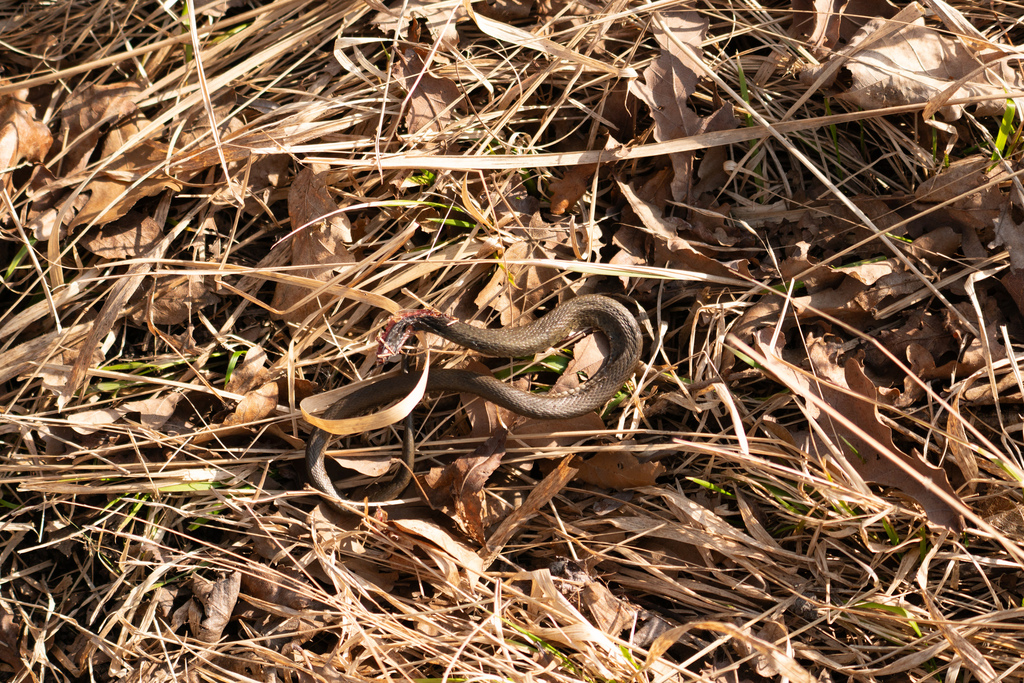
Snakes of Denmark
Denmark has 30+ snake species recorded in our database, only 1 of which is venomous. The great majority of species here are non-venomous, which makes the country's snake fauna far more benign than its reputation might suggest. For a northern European nation with a cool, maritime climate, the recorded diversity reflects both resident species and the wider regional picture captured in our catalog.
Denmark's geography shapes which snakes thrive here. The country is low-lying and shaped by the sea, with a long coastline, the Jutland peninsula, and hundreds of islands. Habitats range from heathland, sandy dunes, and open grassland to deciduous woodland, wetlands, bogs, and the margins of lakes and streams. Snakes favor warm, sheltered ground where they can bask, hunt, and find cover. Sunny forest edges, dry heaths, and wetland borders concentrate the most activity, while damp meadows and reed beds support species that hunt amphibians and fish.
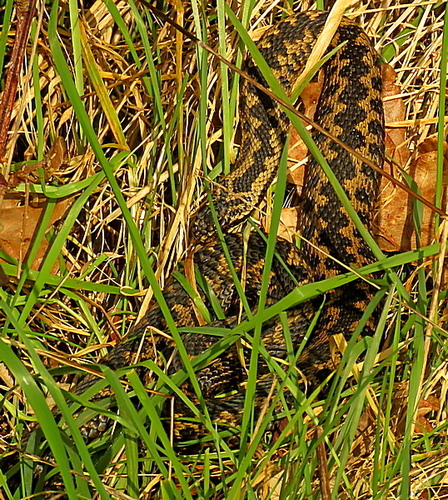
The medically important venomous snakes in Denmark belong to the viper group, specifically the true vipers (family Viperidae). This is the only venomous group of concern in the country. Denmark does not have cobras, mambas, kraits, sea snakes, coral snakes, or rattlesnakes occurring in the wild. The adder, a small viper, is the species responsible for venomous bites in this part of Europe. Its venom can cause pain, swelling, and in some cases more serious reactions, so any suspected viper bite should be treated as a medical matter rather than something to manage at home.
The large non-venomous majority is the real story of Denmark's snakes. The grass snake is the most familiar harmless species, often seen near water and known for hunting frogs and other amphibians. Such snakes are strong swimmers and are widely encountered around ponds, ditches, and wet meadows. These non-venomous snakes pose no venom threat to people and are a normal, healthy part of the Danish countryside.
Snakes deliver real ecological value. As mid-level predators they control populations of rodents, including mice and rats that damage crops and spread disease, and they help keep amphibian and invertebrate numbers in balance. A landscape with a healthy snake population is usually a sign of a functioning ecosystem. Removing or killing snakes tends to backfire by allowing pest species to multiply, so coexistence is the practical and ecological choice.
On safety, the honest framing is simple. Most snakes you might encounter in Denmark are harmless, and the main medical threat comes from the viper group, the adder. Never handle a wild snake, and never assume a wild venomous snake is safe to pick up or move, even if it appears calm. The correct response to a venomous bite is professional medical treatment: antivenom and hospital care administered by clinicians. If a bite occurs, seek emergency care immediately by contacting local emergency services, or in the United States call Poison Control at 1-800-222-1222. Do not rely on improvised first aid in place of getting to a hospital.
Snakes in Denmark: FAQ
- Are there venomous snakes in Denmark?
- Yes. 1 venomous snake species has verified records in Denmark, including Adder. Most snakes in Denmark, however, are harmless.
- How many snake species live in Denmark?
- 30+ snake species have verified records in Denmark, of which 1 is venomous.
- What is the most commonly seen snake in Denmark?
- The Grass Snake is the most frequently reported snake in Denmark, based on verified wildlife observations.
- What should I do if I see a venomous snake in Denmark?
- Keep your distance and do not try to catch or kill it. Most bites happen when people handle or corner a snake. If someone is bitten, contact local emergency services or poison control immediately.
Venomous snakes in Denmark
Every snake recorded in Denmark
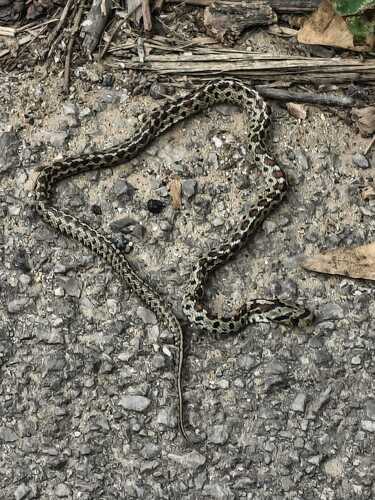
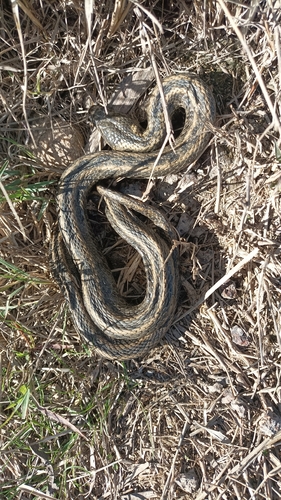
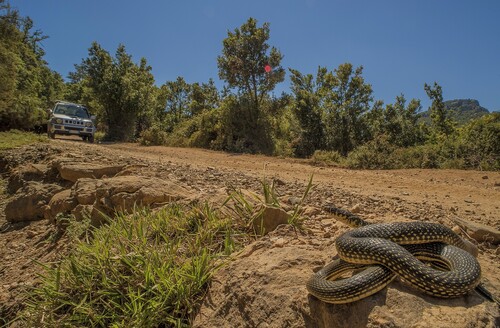
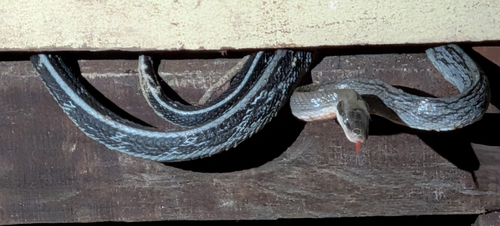
30+ species across 5 families, grouped by family. Venomous flagged.
Colubridae (27)
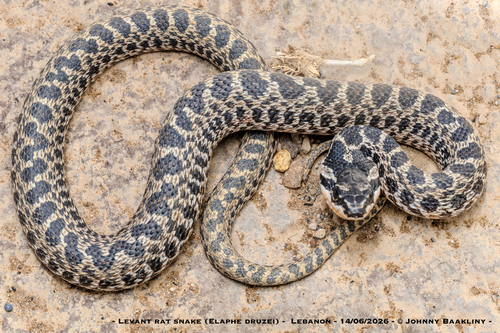
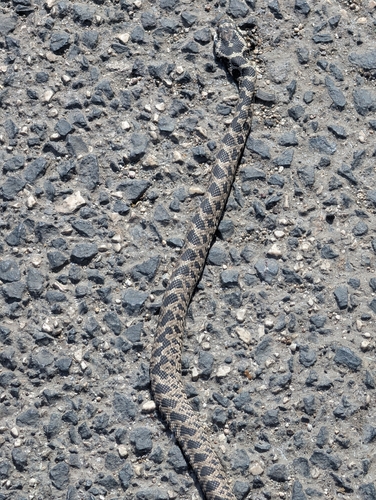
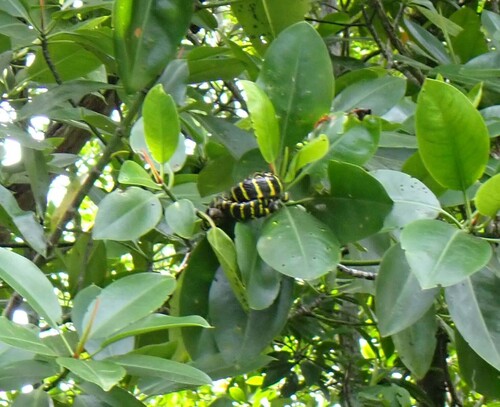
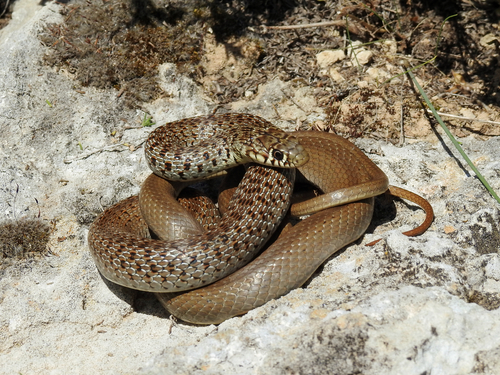
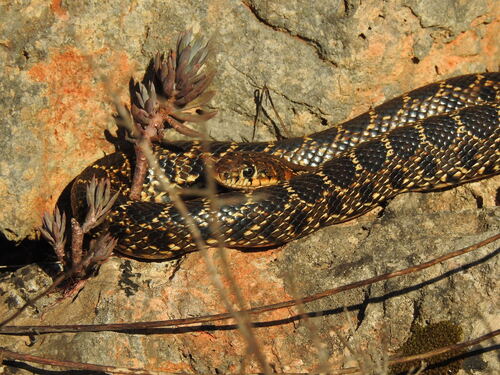
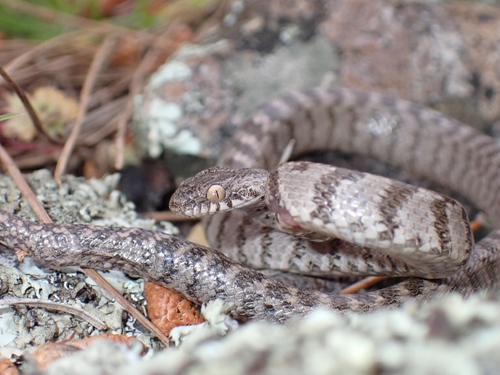
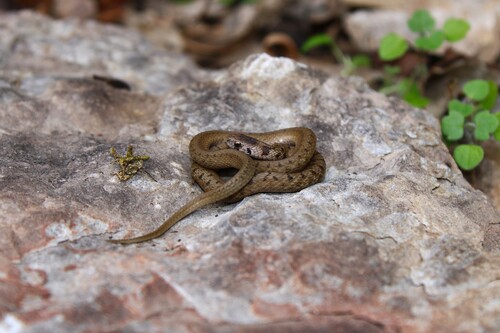
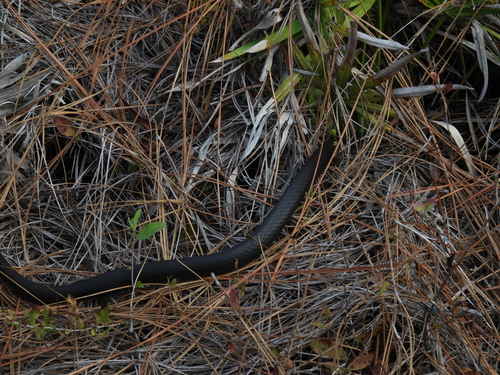
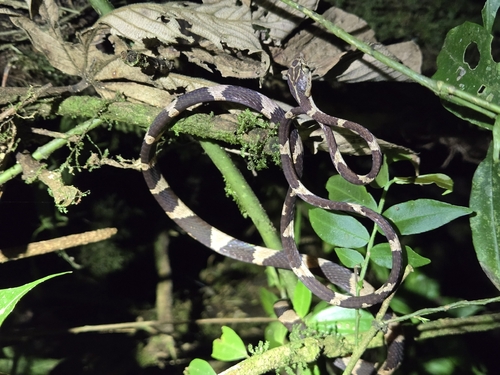
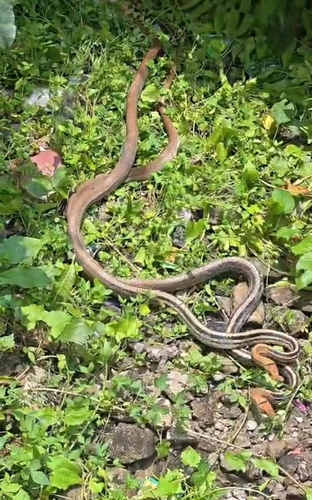
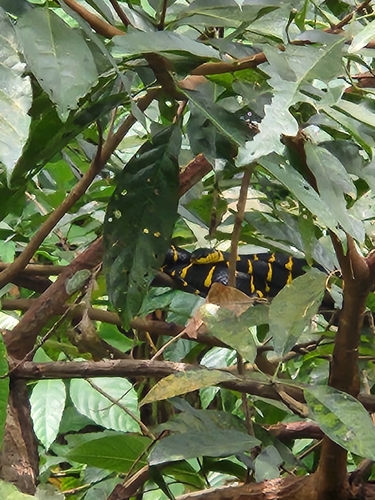
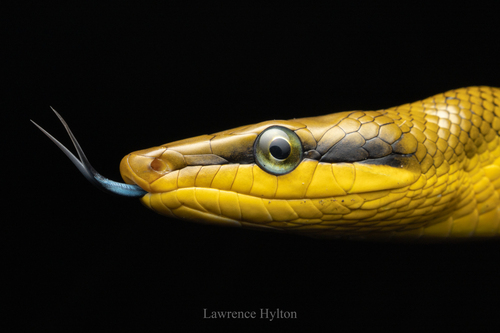
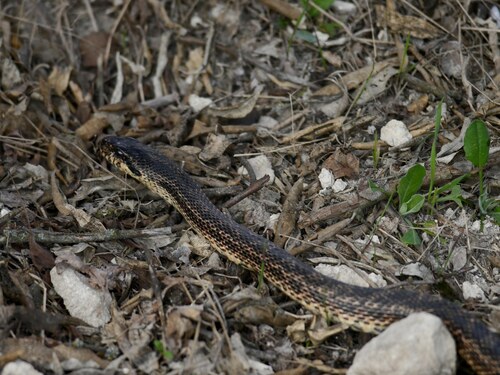
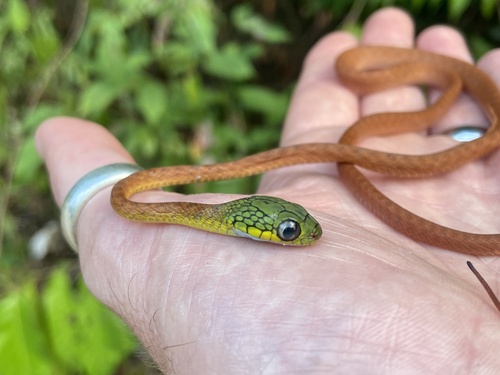
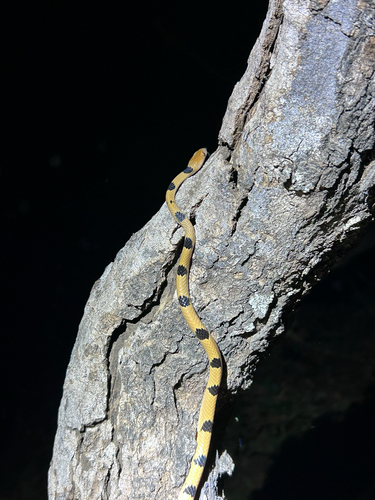
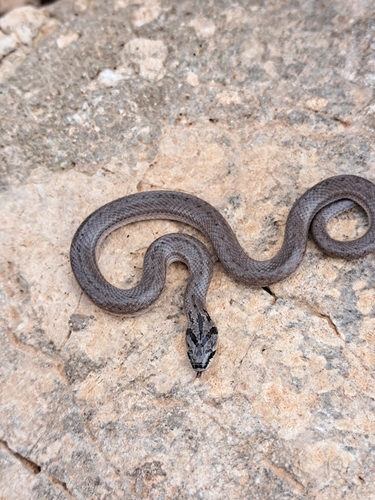
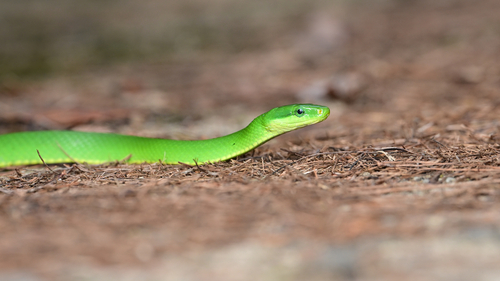
Psammophiidae (2)
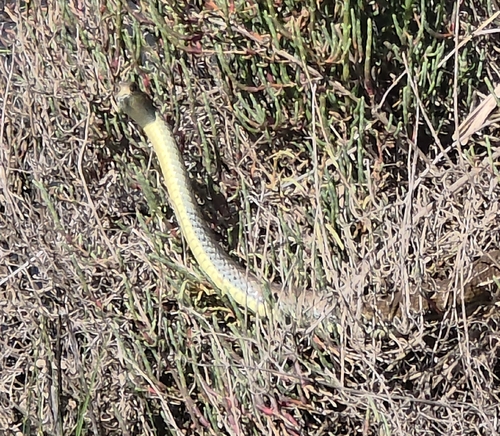
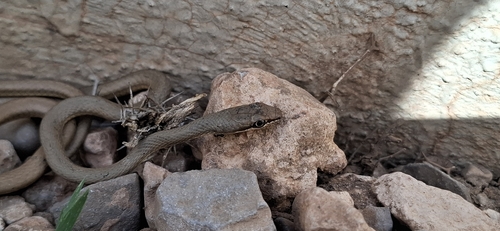
Viperidae (1)
Pythonidae (1)
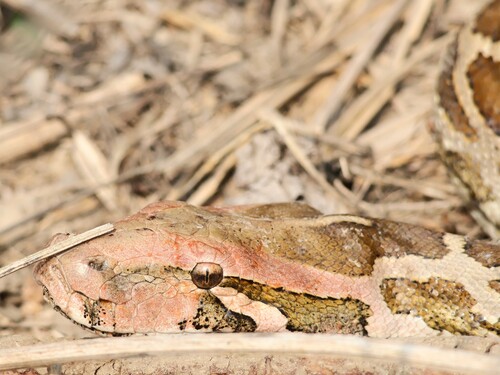
Boidae (1)
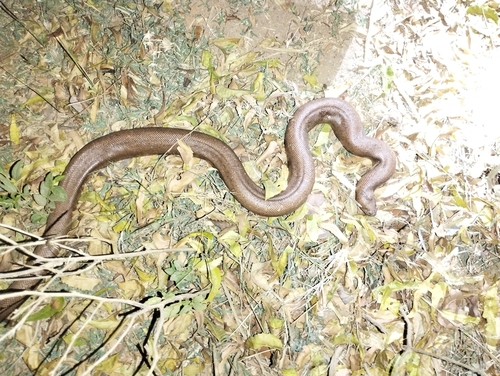
Compiled from verified GBIF & iNaturalist observations. "How often seen" reflects how frequently a snake is reported here, not how dangerous it is. Informational only.
Keep learning
- Are Snakes Dangerous? The Real Risk, in PerspectiveMost snakes are harmless and avoid people. Here is the honest picture of snakebite risk worldwide and how to lower your own.
- Snakebite First Aid: What to Do (and What Never to Do)A clear, CDC-based guide to snakebite first aid: the steps that help, the popular myths that hurt, and how to tell a serious bite from a minor one.
- Venomous vs Nonvenomous: How to Tell the DifferenceThe folk rules for telling venomous snakes apart, where each one fails, and why location-based identification beats guessing by sight.
- What to Do If You Find a SnakeFound a snake at home or on a trail? Here is how to stay calm, give it space, identify it safely, and know when to call a professional.