
Russia
Snakes in Russia
50+ snake species have been recorded in Russia, 18 venomous.
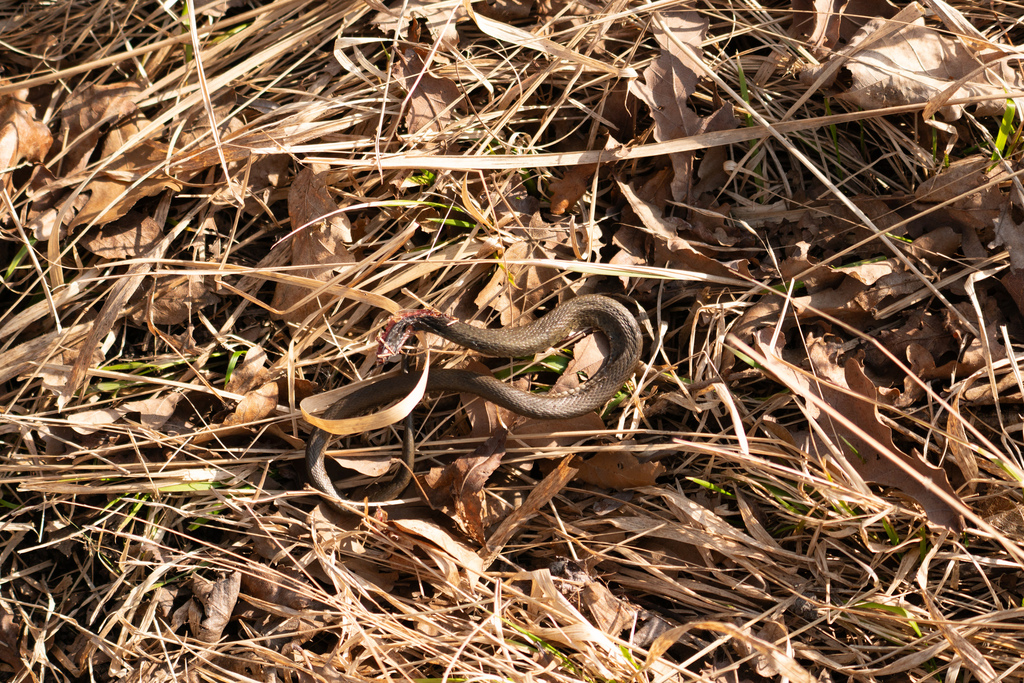
Snakes of Russia
The Russian Federation has 50+ snake species recorded in our database, of which 19 are venomous. The great majority of species are non-venomous, and most snakes a person encounters in Russia pose no medical threat at all. Even so, the country spans an enormous range of climates and terrain, so the snake fauna is varied and worth understanding rather than fearing.
Russia is the largest country on Earth, and its snakes reflect that geographic spread. From the warm steppes and semi-deserts of the south, through the dense forests and river valleys of European Russia, to the Caucasus mountains, the Volga basin, the Ural foothills, and the vast taiga and grasslands of Siberia and the Far East, each region supports its own mix of species. Warmth, sunlight, water, and prey availability drive this diversity, so snake variety is highest in the southern and southwestern regions and thins out toward the cold north and high latitudes where few reptiles can survive.
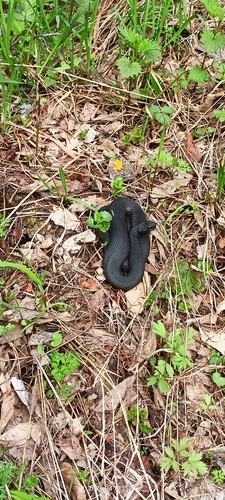
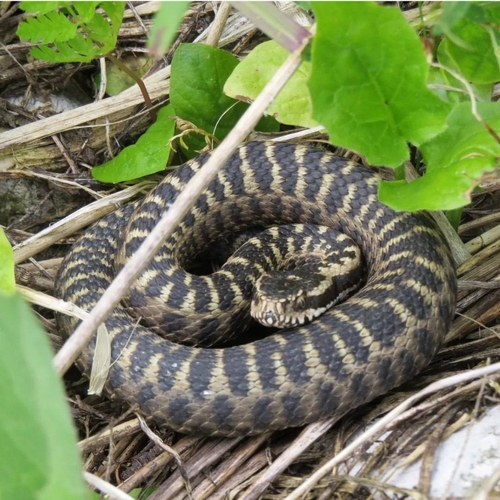
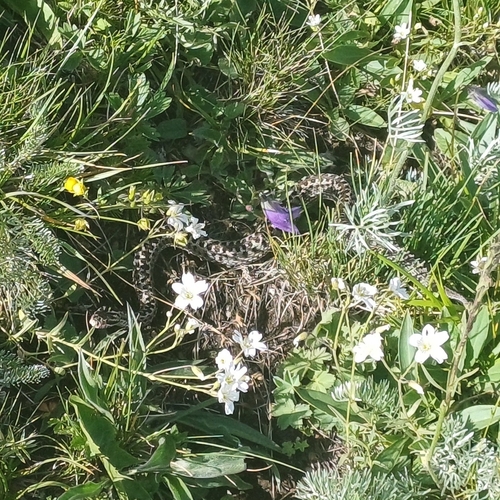
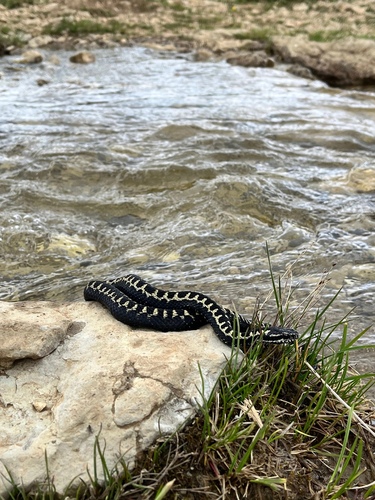
The medically important venomous snakes in Russia belong almost entirely to the viper family, and within it the true vipers and the pit vipers. True vipers such as the common European adder and related Vipera species occur across much of the country, while pit vipers of the genus Gloydius (the mamushka or halys-type pit vipers) are found across Siberia and the Far East. These are the snakes responsible for most serious bites. Russia does not have native cobras of the African or Asian map-pack type in the way southern Asia does, nor mambas, coral snakes, or rattlesnakes, which are New World and African groups. The viper groups are the real concern, and bites, while rarely fatal with proper care, can cause significant tissue damage, swelling, and systemic effects.
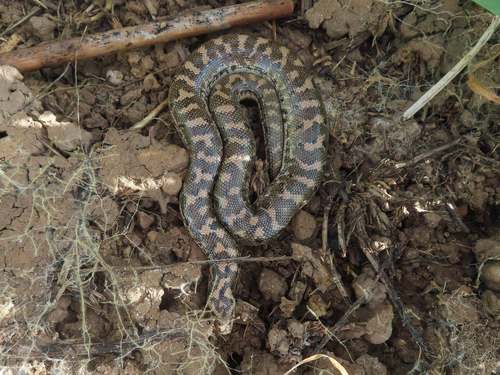
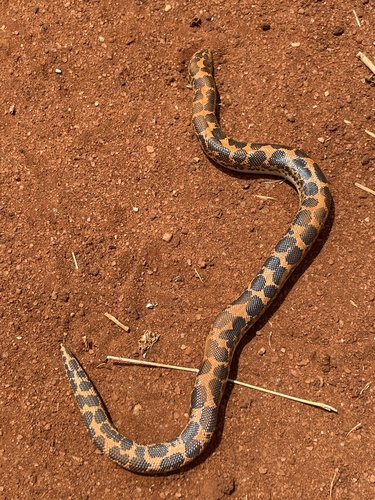
The large non-venomous majority makes up the everyday snake life people actually see. Grass snakes and dice snakes are common around water and damp meadows across European Russia, recognized and largely tolerated for generations. Various rat snakes, racers, and the smooth snake add to the count, along with sand boas in the southern dry country, which are small constrictors rather than venomous animals. These snakes are shy, fast to flee, and harmless to humans.
Snakes carry real ecological value. As predators of rodents, they help keep mice, rats, and voles in check, which protects stored grain and farmland and reduces the spread of rodent-borne disease. A healthy snake population is a sign of a functioning landscape, and the non-venomous majority does this work quietly and at no cost to people.
On safety, the honest framing is simple. Most snakes in Russia are harmless, and the main medical threat comes from the viper and pit viper groups. Never handle a wild venomous snake under any circumstances, and do not assume any wild snake is safe to pick up. If a bite occurs, the correct response is professional medical care: antivenom and hospital treatment are what resolve serious envenomation, not home remedies. Seek emergency services immediately. In the United States you can also call Poison Control at 1-800-222-1222, and elsewhere contact your local emergency number without delay.
Snakes in Russia: FAQ
- Are there venomous snakes in Russia?
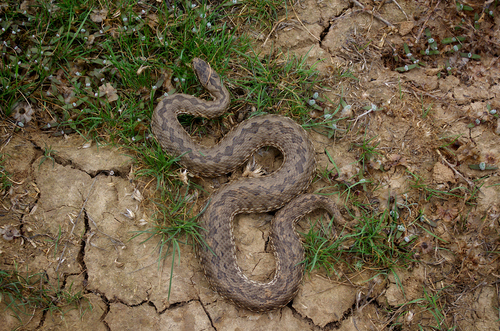
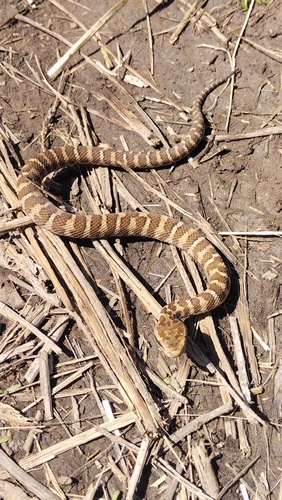
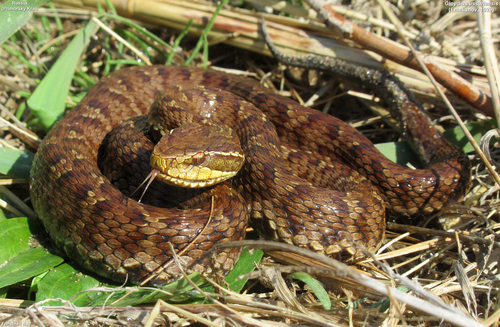
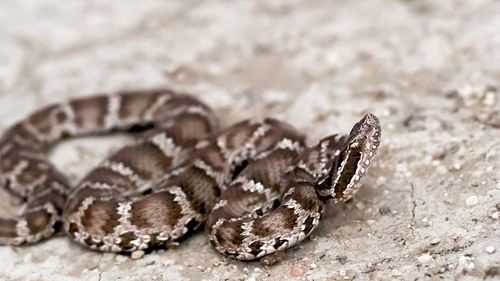
- Yes. 18 venomous snake species have verified records in Russia, including Adder, Gloydius variegatus, Steppe Viper, Central Asian Pitviper. Most snakes in Russia, however, are harmless.
- How many snake species live in Russia?
- 50+ snake species have verified records in Russia, of which 18 are venomous.
- What is the most commonly seen snake in Russia?
- The Grass Snake is the most frequently reported snake in Russia, based on verified wildlife observations.
- What should I do if I see a venomous snake in Russia?
- Keep your distance and do not try to catch or kill it. Most bites happen when people handle or corner a snake. If someone is bitten, contact local emergency services or poison control immediately.
Venomous snakes in Russia
Every snake recorded in Russia
50+ species across 5 families, grouped by family. Venomous flagged.
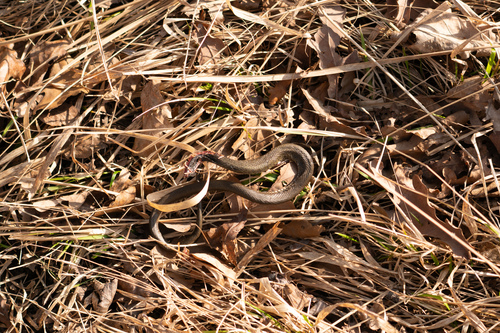
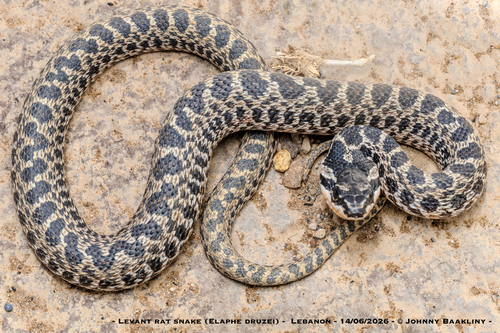
Colubridae (33)
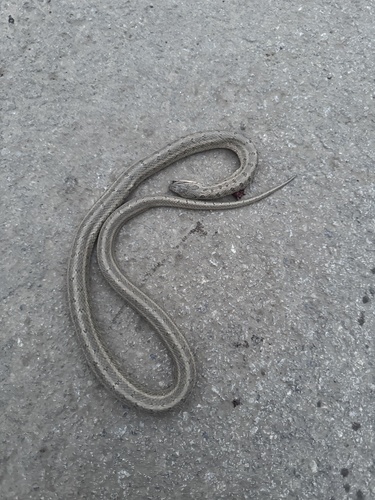
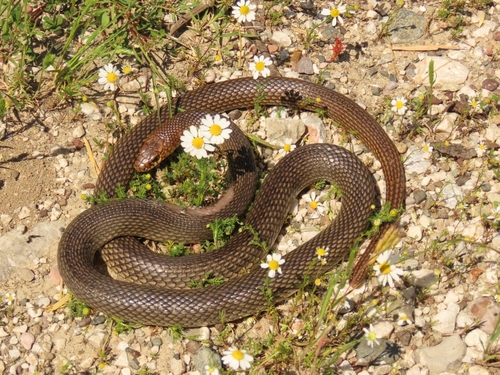
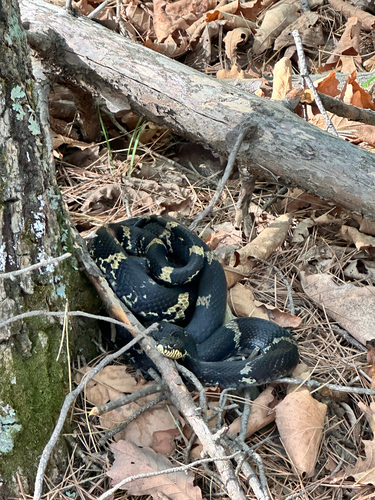
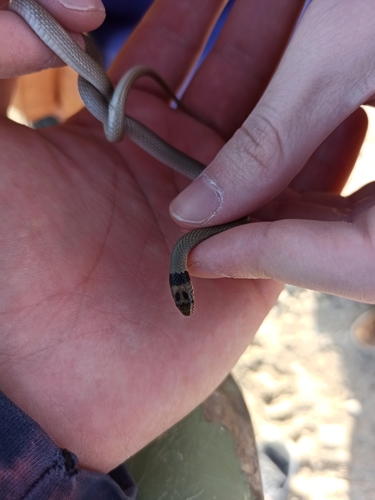
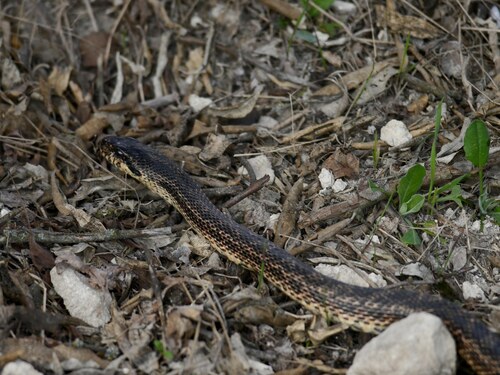
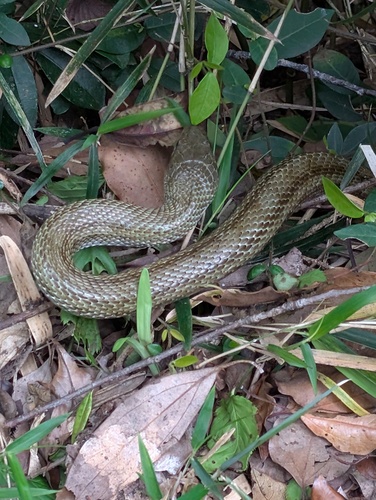
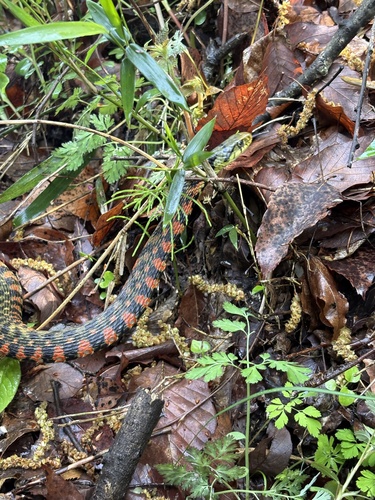
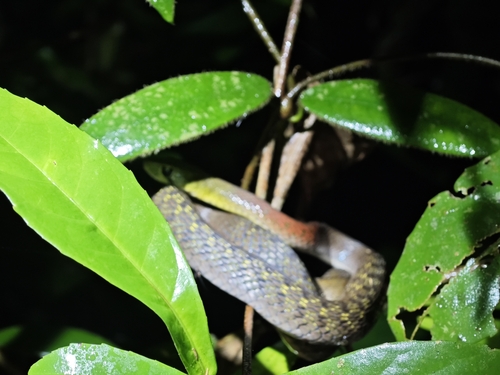
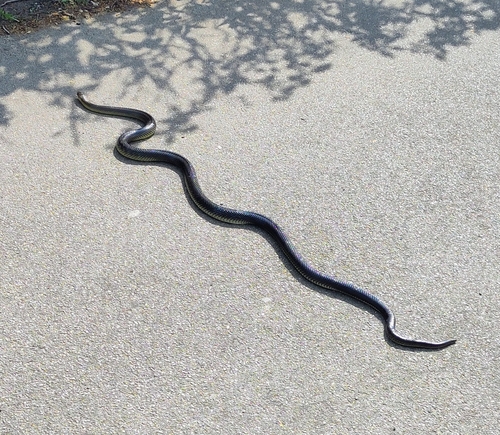
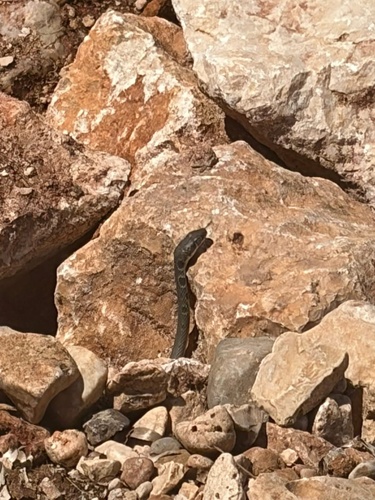
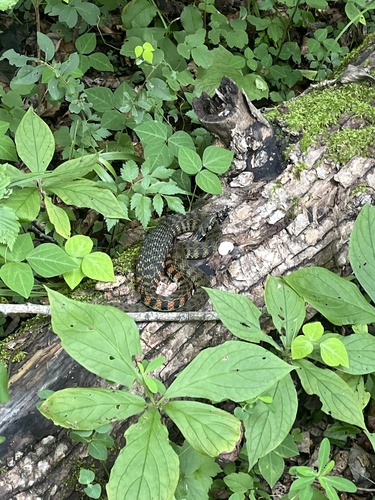
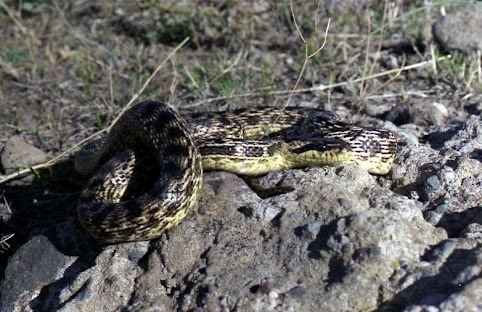
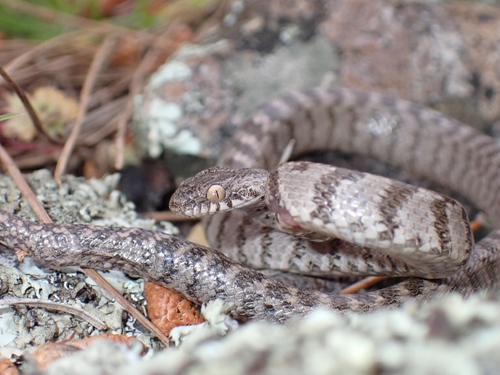
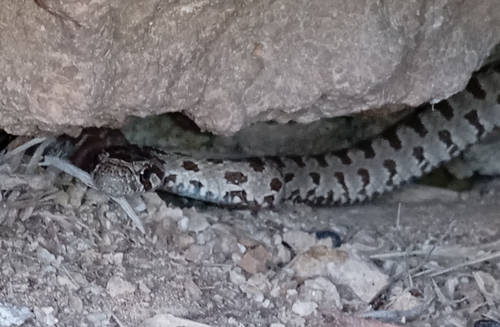
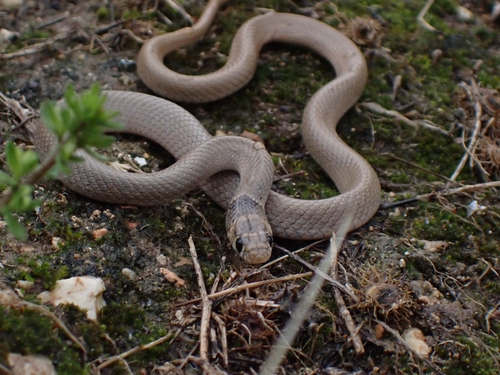
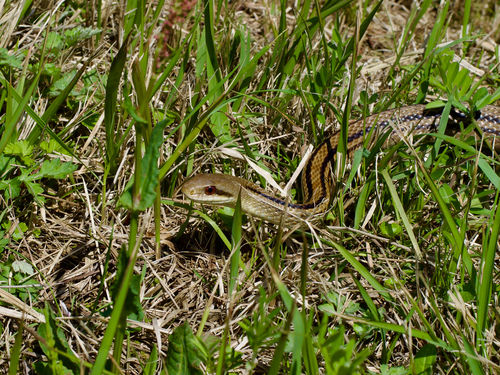
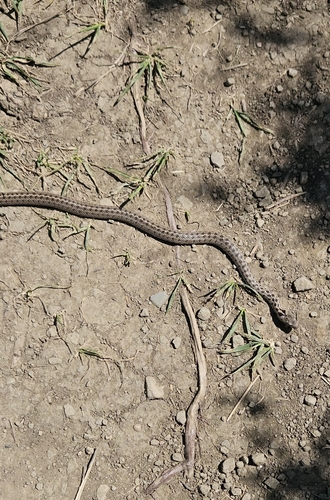
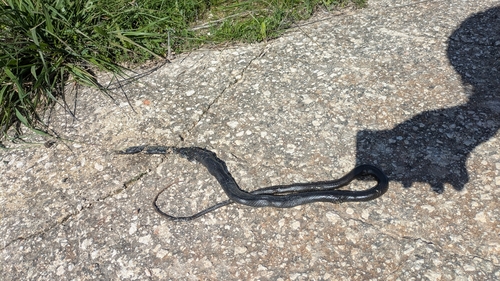
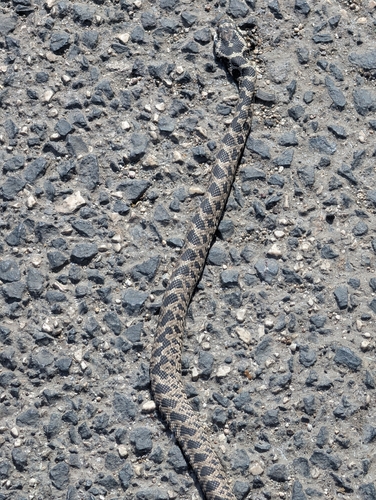
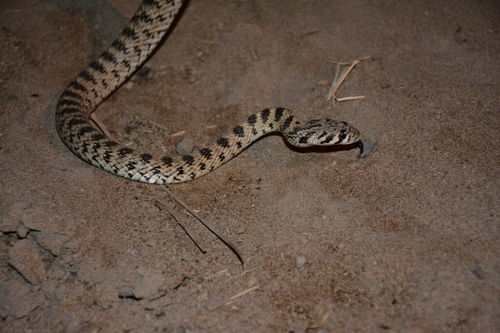
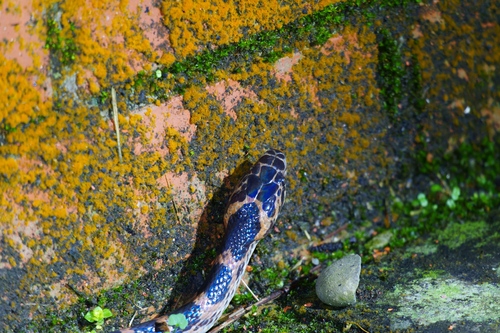
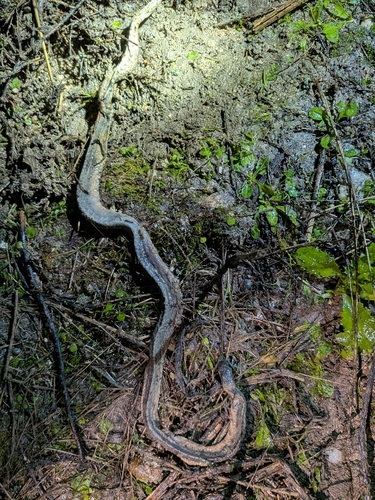
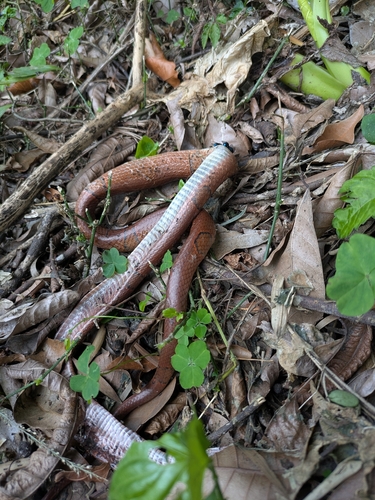
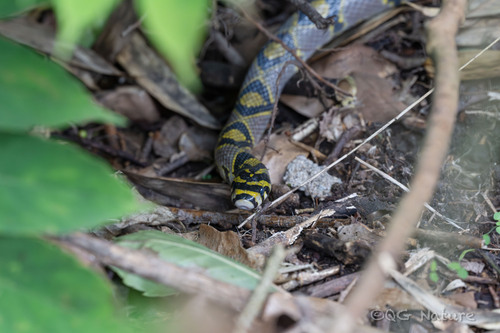
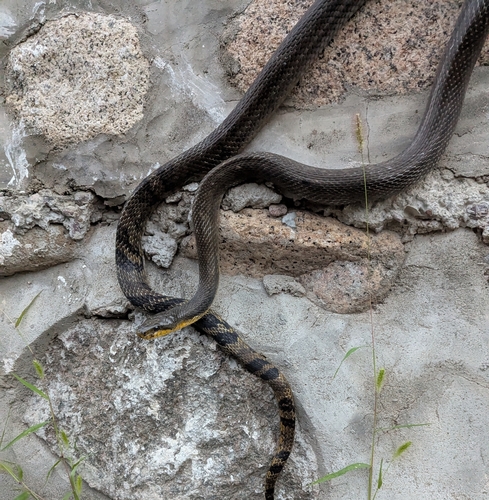
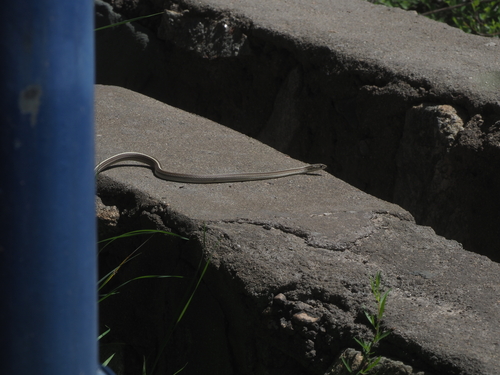
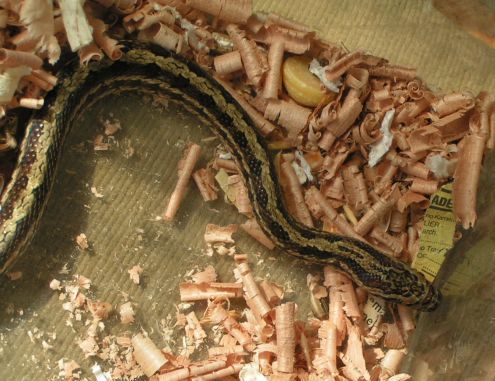
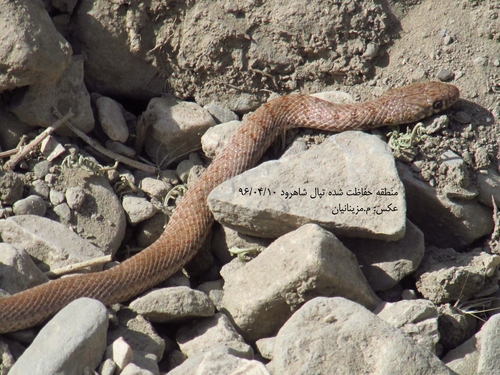
Viperidae (15)
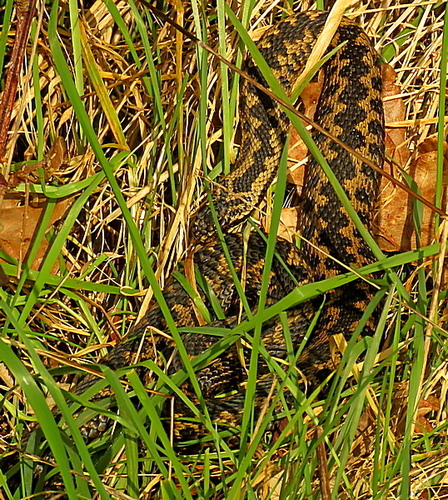
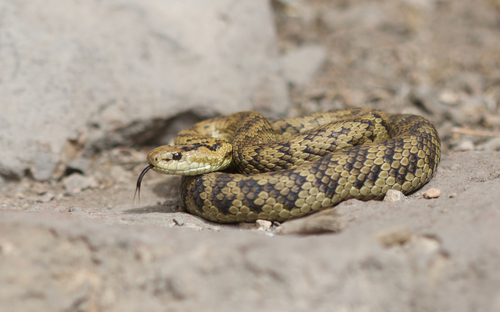
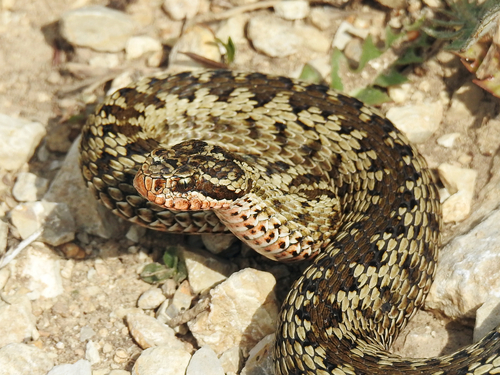
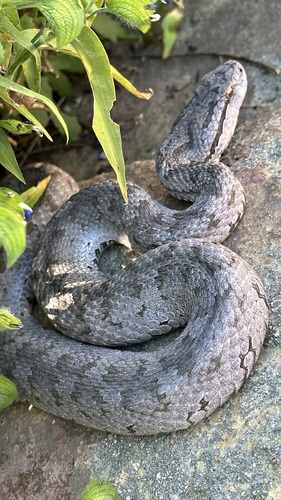
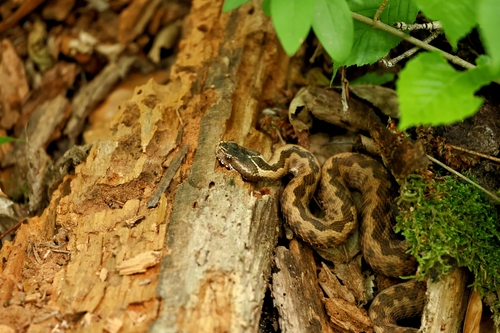
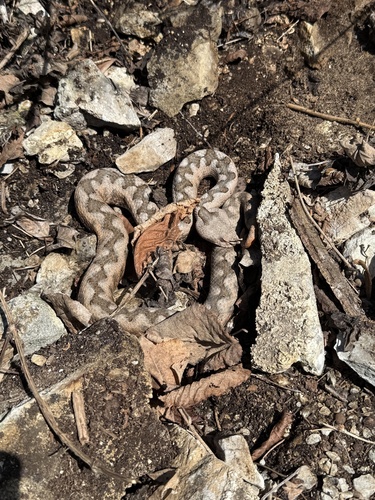
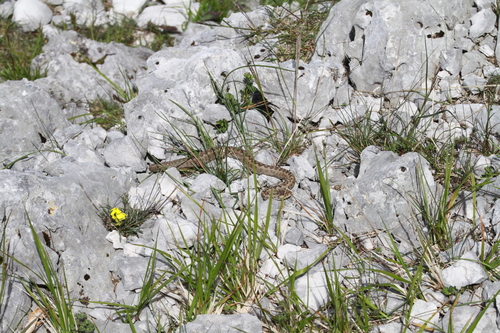
Psammophiidae (4)
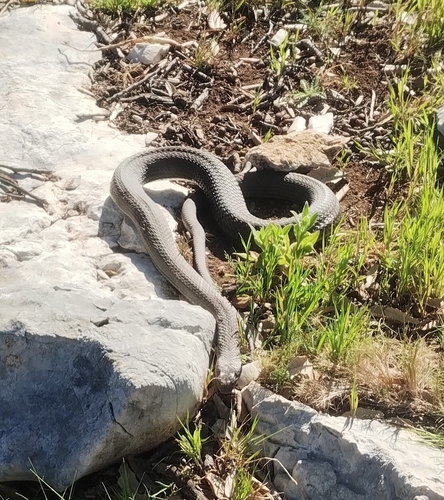
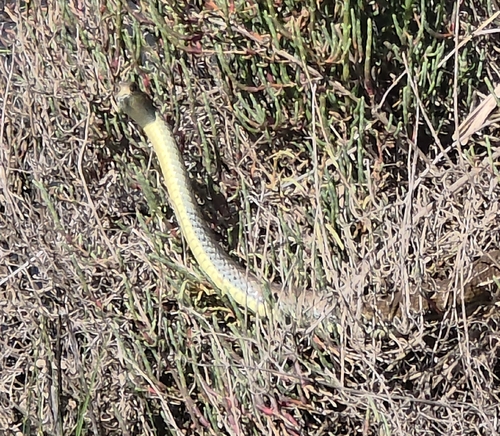
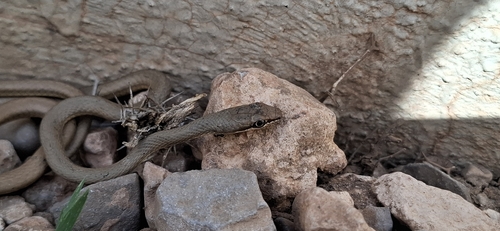
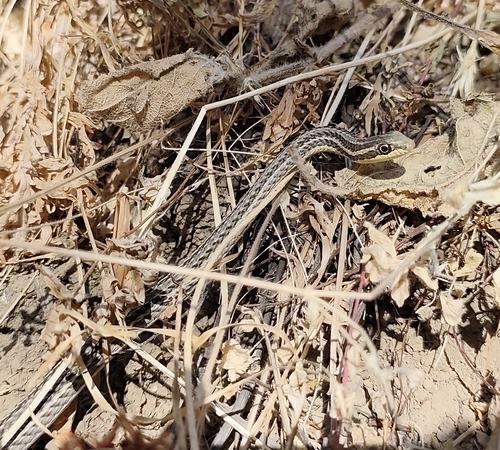
Boidae (3)
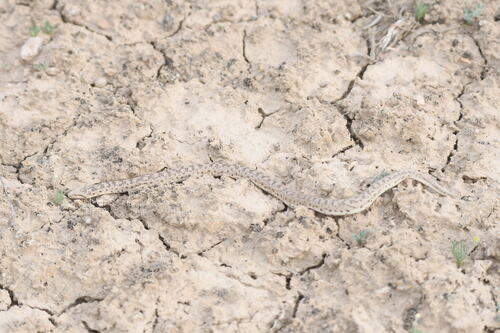
Typhlopidae (1)
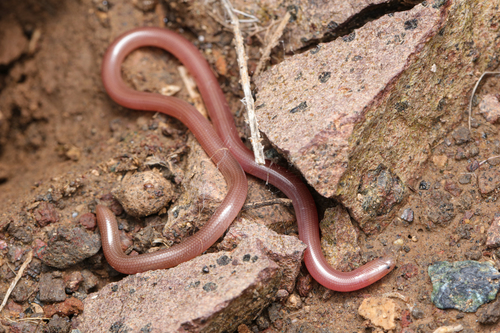
Compiled from verified GBIF & iNaturalist observations. "How often seen" reflects how frequently a snake is reported here, not how dangerous it is. Informational only.
Keep learning
- Are Snakes Dangerous? The Real Risk, in PerspectiveMost snakes are harmless and avoid people. Here is the honest picture of snakebite risk worldwide and how to lower your own.
- Snakebite First Aid: What to Do (and What Never to Do)A clear, CDC-based guide to snakebite first aid: the steps that help, the popular myths that hurt, and how to tell a serious bite from a minor one.
- Venomous vs Nonvenomous: How to Tell the DifferenceThe folk rules for telling venomous snakes apart, where each one fails, and why location-based identification beats guessing by sight.
- What to Do If You Find a SnakeFound a snake at home or on a trail? Here is how to stay calm, give it space, identify it safely, and know when to call a professional.