
Viperidae
Caucasian Viper
VenomousVipera kaznakovi
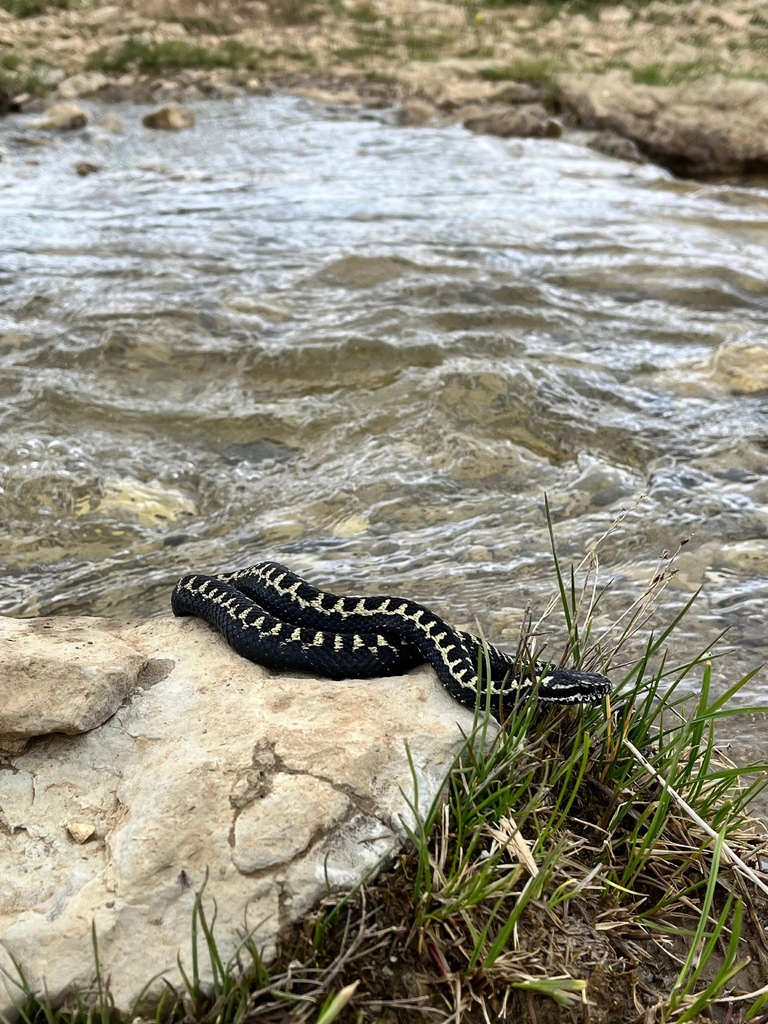
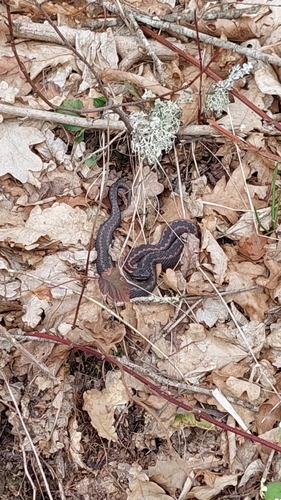
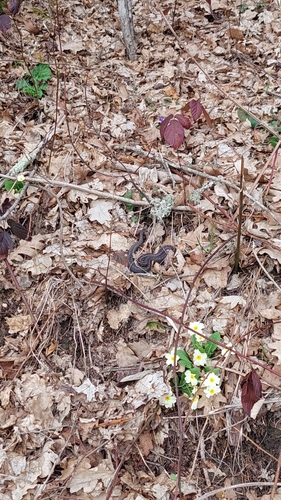
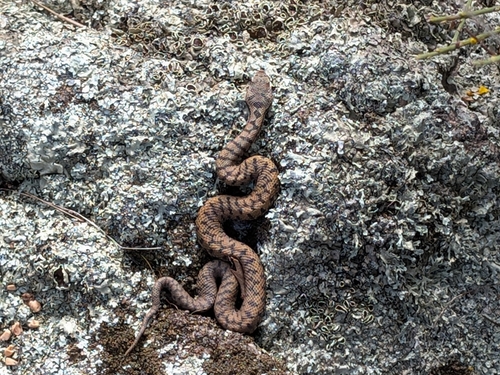
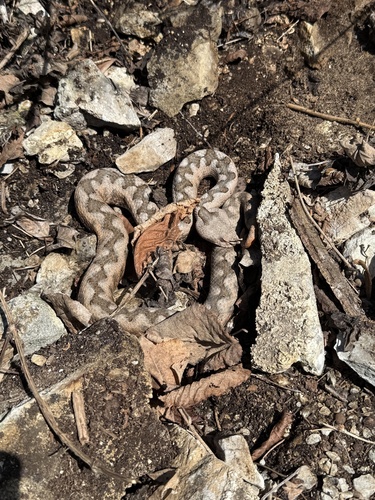
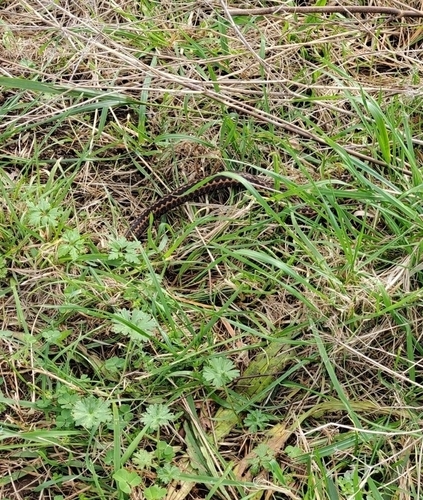
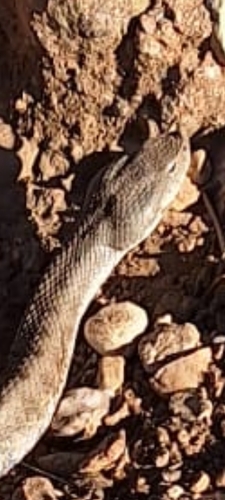
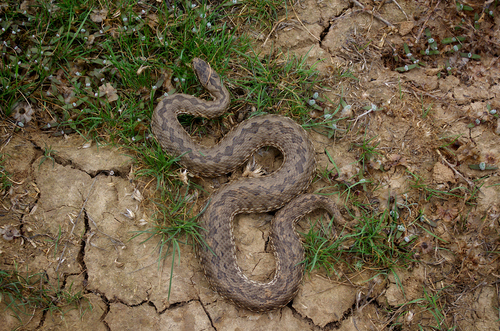
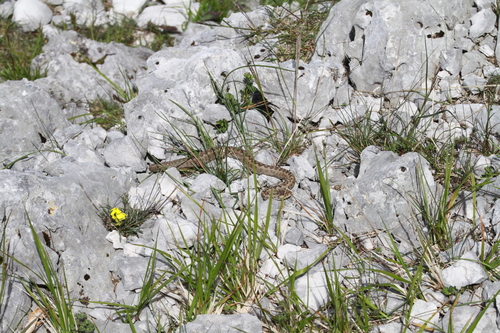
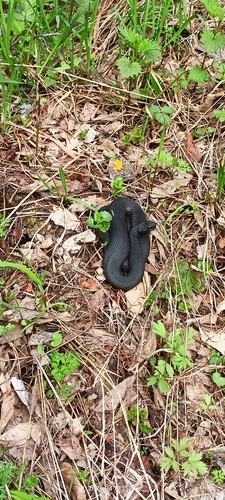
3 photographs of the Caucasian Viper. © Илья Руденко.
The Caucasian Viper (Vipera kaznakovi) is a venomous snake in the Viperidae family, recorded in 3 countries.
If you are bitten
This is a venomous snake. Treat any bite as a medical emergency: stay calm, keep the bitten limb still and roughly level with the heart, remove rings and tight clothing, and get to emergency care immediately. Do not apply a tourniquet, cut the wound, apply ice, or try to suck out venom. Call your local emergency number or poison center.
- Family
- Viperidae
- Danger
- high
About the Caucasian Viper
Vipera kaznakovi, also known as the Caucasus viper, Kaznakow's viper, Kaznakov's viper, and by other common names, is a species of venomous snake in the subfamily Viperinae of the family Viperidae. The species is native to Turkey, Georgia, and Russia. There are no subspecies that are recognized as being valid.
Etymology
The specific name, kaznakovi, is in honor of Russian naturalist Aleksandr Nikolaevich Kaznakov.
Description
V. kaznakovi is a stoutly built species, of which the males are usually shorter and more slender than the females. Adults may reach a maximum total length (including tail) of 65 to 70 cm (26 to 28 in), but are usually less. Orlov and Tuniyev examined 39 specimens. Of the 23 males examined, the largest measured 47.5 cm (18.7 in) total length; while of the 16 females, the largest was 60 cm (24 in) total length.
Common names
Common names for V. kaznakovi include the Caucasus viper, Kaznakow's viper, Kaznakov's viper, and the Caucasus adder. In Laz it is called ǩantxa, in Turkish Hopa engereği.
Geographic range
V. kaznakovi is found in northeastern Turkey, Georgia, and Russia (eastern Black Sea coast).
The type locality is "Tsebel'da, Sukhumi District," according to the English translation of Nikolsky (1909). Orlov and Tuniyev (1990) interpret this as "Tsebelda, the vicinity of Sukhumi [on the east coast of the Black Sea], Abkhazia, the Caucasus [Georgia]".
Habitat and ecology
V. kaznakovi inhabits the forested slopes of mountains, the beds of wet ravines, and post-forested clearings. It has been recorded from azalea and scumpea-Cornelian cherry groves; mixed-subtropical forests with an evergreen underwood; chestnut groves; beech, willow, and alder woods; and from polydominant forests near river terraces and on large growing-over scree. At the upper limit of its altitudinal distribution this snake reaches the coniferous forests zone, but is not found deep in this forest type. It has been recorded from the ecotone of beech-fir forest and motley grass. It may also be found in areas of tea cultivation (Baran and Atatur, 1998).
On the Black Sea coast it emerges from hibernation in March, but at altitudes of 600–800 m (2,000–2,600 ft) above sea level it emerges in the second half of April or the beginning of May. It reproduces from the end of March up to the middle of May. Hibernation begins at the start of November for coastal populations, and at the end of September or the beginning of October for highland populations. The young appear at the end of August or the beginning of September.
Conservation status
The species V. kaznakovi is classified as Endangered (EN) according to the IUCN Red List of Threatened Species with the following criteria: A1cd+2 cd (v2.3, 1994). This indicates that the species is not critically endangered, but is facing a very high risk of extinction in the wild in the near future. This is due to an observed, estimated, inferred or suspected reduction in population of at least 50% over the last 10 years or three generations, whichever is the longer, based on a decline in area of occupancy, extent of occurrence and/or quality of habitat, as well as actual or potential levels of exploitation. For the same reasons, a reduction in the population of at least 50% is also projected or suspected to be met within the next 10 years or three generations, whichever is the longer. Year assessed: 1996.
Adapted from Wikipedia, available under CC BY-SA.
Local and regional names
The Caucasian Viper is known by these names across the regions where it lives:
- English
- Caucasus Viper, Magnificent viper
- French
- Vipere du Caucase, Vipère du Caucase
- German
- Kaukasus-Otter, Kaukasusotter
- Russian
- Gadyuka Kaznakova, Kavkazskaya Gadyuka, Великолепная гадюка, Кавказская гадюка, или Гадюка Казнакова
- Turkish
- Kafkas Engereği, Siyah engerek
Frequently asked: Caucasian Viper
- Is the Caucasian Viper venomous?
- Yes. The Caucasian Viper (Vipera kaznakovi) is venomous and belongs to the Viperidae family (viper). Its bite is considered high risk to people. Treat any bite as a medical emergency.
- Is the Caucasian Viper poisonous?
- Snakes are venomous, not poisonous. "Poisonous" means harmful to eat or touch; "venomous" means injecting toxins through a bite. The Caucasian Viper is venomous, delivering venom through a bite.
- Is the Caucasian Viper dangerous?
- This is a venomous snake. Treat any bite as a medical emergency: stay calm, keep the bitten limb still and roughly level with the heart, remove rings and tight clothing, and get to emergency care immediately. Do not apply a tourniquet, cut the wound, apply ice, or try to suck out venom. Call your local emergency number or poison center.
- Where does the Caucasian Viper live?
- The Caucasian Viper has verified records in 3 countries, including Türkiye, Georgia, Russian Federation. See the distribution section below for its full range.
- Why is it called the Caucasian Viper?
- The specific name, kaznakovi, is in honor of Russian naturalist Aleksandr Nikolaevich Kaznakov.
If you are bitten by the Caucasian Viper
Do
- Get away from the snake and stay calm. Most bites worsen when people panic or try again to handle the snake.
- Call 911 or Poison Control (1-800-222-1222) right away. Antivenom works best when given early.
- Note the time of the bite and, from a safe distance, the snake's color and pattern, a phone photo is enough. Do not chase it.
- Keep the bitten limb still and at roughly heart level. Sit or lie down and limit movement.
- Remove rings, watches, and tight clothing near the bite before swelling starts.
- Gently wash the bite with soap and water and cover it with a clean, dry dressing.
Do not
- Do not cut the wound or try to suck out the venom.
- Do not apply a tourniquet or ice.
- Do not drink alcohol or caffeine.
- Do not take aspirin or ibuprofen, they can worsen bleeding. Acetaminophen is safer for pain.
- Do not try to catch or kill the snake. A dead snake can still bite by reflex.
First-aid guidance adapted from the U.S. Centers for Disease Control and Prevention (CDC NIOSH), Venomous Snakes. Educational only; always follow the instructions of emergency responders.
Where it is found
More Viperidae snakes
Classification
How scientists group this snake, from the broadest category down to the exact species. Each step narrows to its closest relatives.
Keep learning
- Are Snakes Dangerous? The Real Risk, in PerspectiveMost snakes are harmless and avoid people. Here is the honest picture of snakebite risk worldwide and how to lower your own.
- Snakebite First Aid: What to Do (and What Never to Do)A clear, CDC-based guide to snakebite first aid: the steps that help, the popular myths that hurt, and how to tell a serious bite from a minor one.
- Venomous vs Nonvenomous: How to Tell the DifferenceThe folk rules for telling venomous snakes apart, where each one fails, and why location-based identification beats guessing by sight.
- What to Do If You Find a SnakeFound a snake at home or on a trail? Here is how to stay calm, give it space, identify it safely, and know when to call a professional.
Distribution from GBIF & iNaturalist. Venom status per CDC. Background: Wikipedia. Informational only. Never handle a snake to identify it.