
Paraguay
Snakes in Paraguay
125+ snake species have been recorded in Paraguay, 22 venomous.
Snakes of Paraguay
Paraguay has 125+ snake species recorded in our database, 24 of them venomous. The great majority of species are non-venomous, which means most snakes a person encounters in the country pose no medical threat at all. Paraguay sits at the meeting point of several major South American ecological zones, and that overlap is the main reason its snake fauna is so varied. A small, landlocked country produces an outsized list of species because it stitches together very different landscapes.
The country splits into two broad halves divided by the Paraguay River. To the east lies the Atlantic Forest belt and humid subtropical lowlands, with rivers, gallery forest, and farmland. To the west sits the Gran Chaco, a vast dry-to-seasonal plain of thorn scrub, palm savanna, and seasonal wetlands. Each of these settings supports a different community of snakes, from forest tree snakes and water snakes in the humid east to ground-dwelling and burrowing species adapted to the arid Chaco. The wetlands of the Pantanal fringe in the northeast add yet another habitat. This spread of forest, savanna, river, and dry scrub is what drives the diversity reflected in the species count.
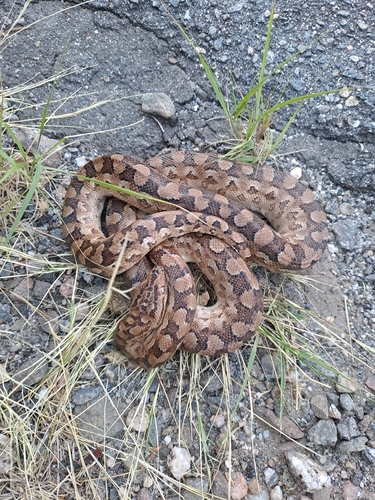
The medically important venomous snakes of Paraguay fall into two groups. The first is the pit vipers, which carry the most significant risk. These include lanceheads of the genus Bothrops, which are widespread, well camouflaged in leaf litter and grass, and responsible for most serious bites in the region. The Chaco and surrounding plains are also home to the South American rattlesnake (Cascabel), a true rattlesnake whose venom can affect the nervous system. The bushmaster, the largest pit viper of the Americas, occurs in forested areas as well. The second group is the coral snakes of the genus Micrurus, brightly banded elytroid relatives of cobras with potent neurotoxic venom. Coral snakes are reclusive and bite rarely, but they are genuinely dangerous. Paraguay is landlocked, so there are no sea snakes, and there are no cobras or mambas in the Americas.
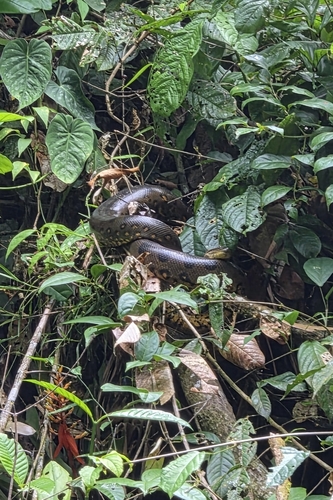
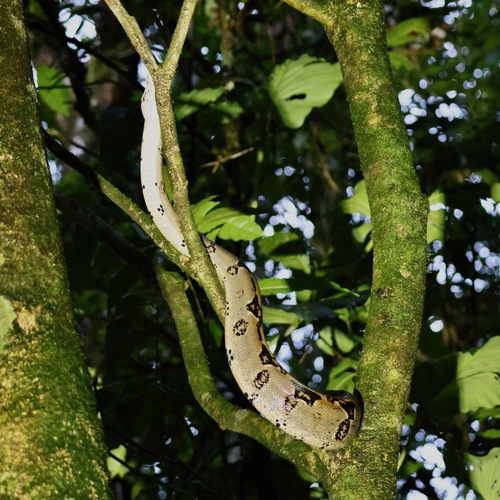
The large non-venomous majority is what most people actually meet. Paraguay is home to many harmless and ecologically important snakes, including the yellow anaconda, a heavy aquatic constrictor of the Chaco wetlands and river systems, and various boas such as the rainbow boa and the Argentine boa. Colubrid snakes make up the bulk of the list, including racers, water snakes, and the false coral snakes that mimic the warning colors of the true corals without the dangerous venom. These constrictors and colubrids are central to the country's wild image and are far more common than the venomous minority.
Snakes earn their place in Paraguay's landscapes. Rodent-eating species help control mice and rats around farms, grain stores, and homes, reducing crop loss and the spread of rodent-borne disease. Larger constrictors and the many smaller hunters keep populations of pests and other small animals in balance. A healthy snake population is a sign of a working ecosystem, and removing snakes tends to make rodent problems worse, not better. They are part of the natural pest control that supports both wild habitats and agriculture.
On safety, the honest framing is this. Most snakes in Paraguay are harmless, and the main medical threat comes from the pit vipers, especially the lanceheads of the genus Bothrops, with coral snakes a serious but uncommon danger. A venomous snakebite is a medical emergency. The treatment is professional hospital care and antivenom, given by trained staff who can identify the snake group and manage the patient. Do not attempt to handle, capture, or kill a wild snake, and never assume a wild snake is safe to pick up, since identification mistakes are easy and even non-aggressive species will bite when cornered. If a bite occurs, get to emergency medical care as fast as possible. In the United States call Poison Control at 1-800-222-1222, and anywhere else contact local emergency services without delay.
Snakes in Paraguay: FAQ
- Are there venomous snakes in Paraguay?
- Yes. 22 venomous snake species have verified records in Paraguay, including Jararaca Pintada, Neotropical Rattlesnake, Urutu Lancehead, Painted Lancehead. Most snakes in Paraguay, however, are harmless.
- How many snake species live in Paraguay?
- 125+ snake species have verified records in Paraguay, of which 22 are venomous.
- What is the most commonly seen snake in Paraguay?
- The Yellow-bellied Liophis is the most frequently reported snake in Paraguay, based on verified wildlife observations.
- What should I do if I see a venomous snake in Paraguay?
- Keep your distance and do not try to catch or kill it. Most bites happen when people handle or corner a snake. If someone is bitten, contact local emergency services or poison control immediately.
Venomous snakes in Paraguay
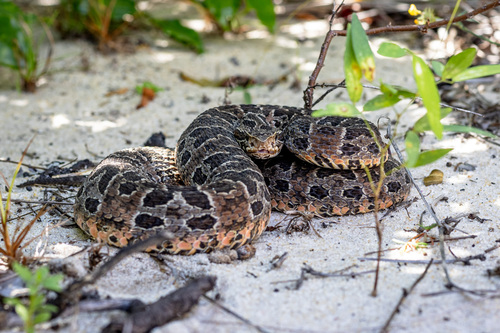
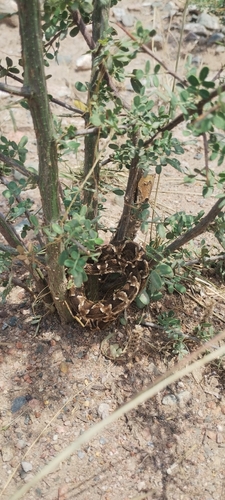
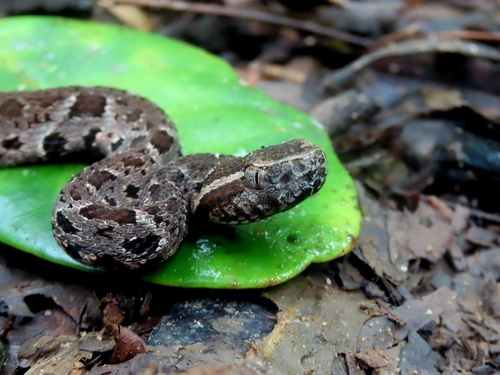
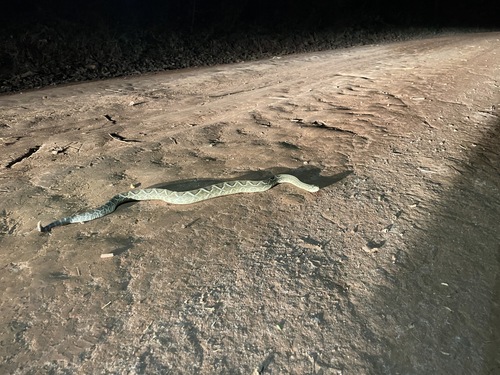 Neotropical RattlesnakeCrotalus durissusVenomous
Heavy body, broad triangular head, vertical (cat-like) pupils, and a segmented keratin rattle at the tail tip.
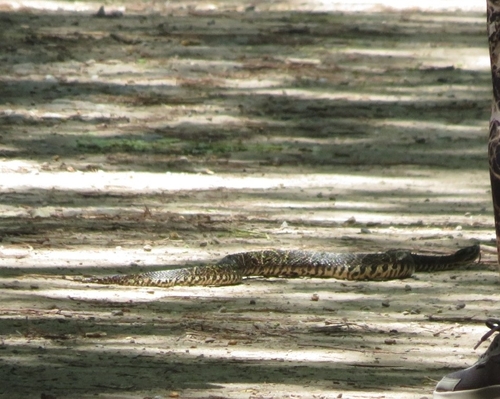
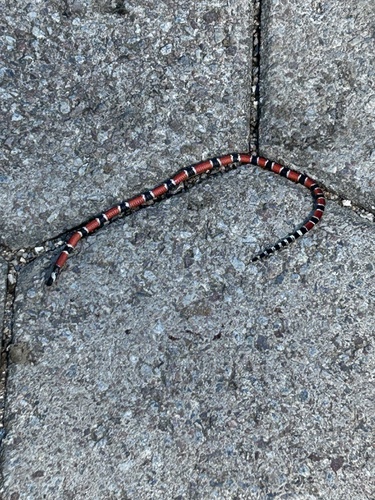 Painted CoralsnakeMicrurus corallinusVenomous
Rings of red, yellow, and black where red touches yellow; small rounded head and round pupils.
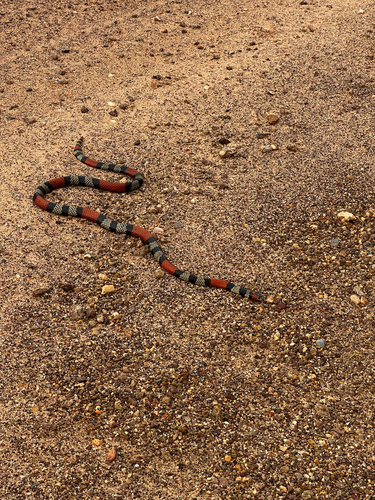 Southern CoralsnakeMicrurus frontalisVenomous
Rings of red, yellow, and black where red touches yellow; small rounded head and round pupils.
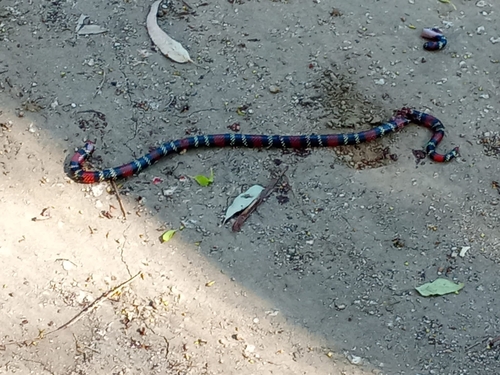 Uruguayan CoralsnakeMicrurus altirostrisVenomous
Rings of red, yellow, and black where red touches yellow; small rounded head and round pupils.
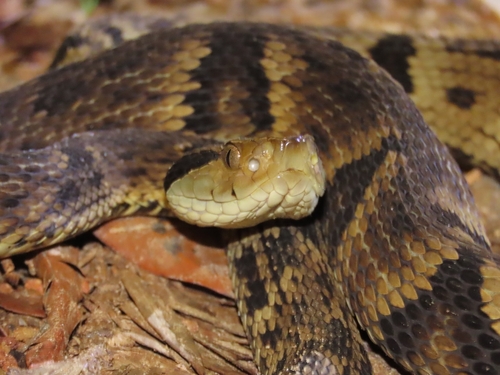
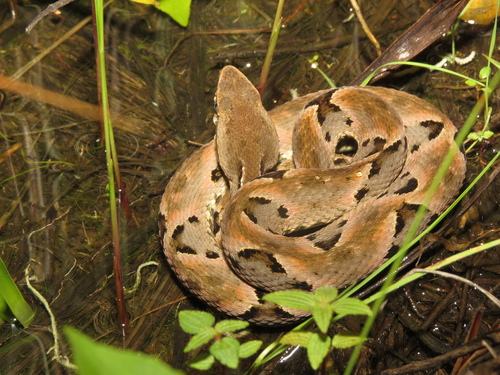
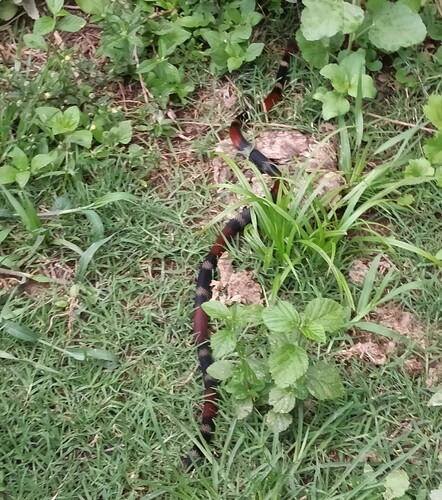 Argentinian CoralsnakeMicrurus pyrrhocryptusVenomous
Rings of red, yellow, and black where red touches yellow; small rounded head and round pupils.
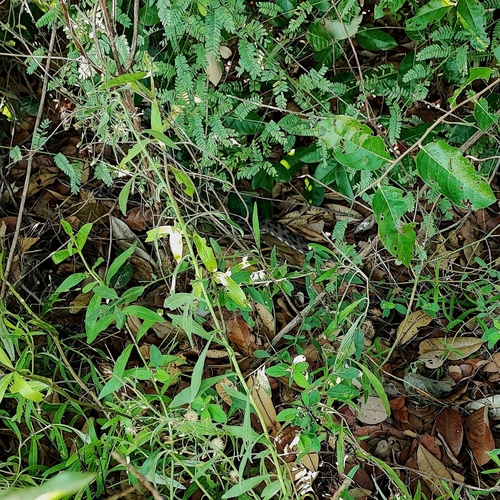
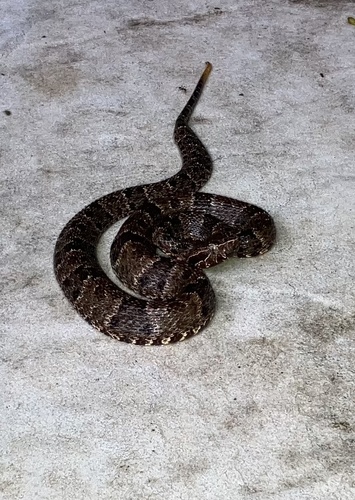
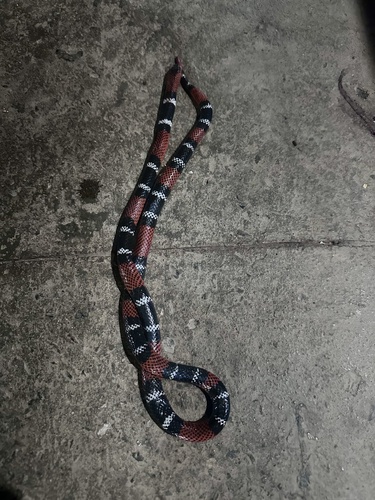 Argentinean CoralsnakeMicrurus tricolorVenomous
Rings of red, yellow, and black where red touches yellow; small rounded head and round pupils.
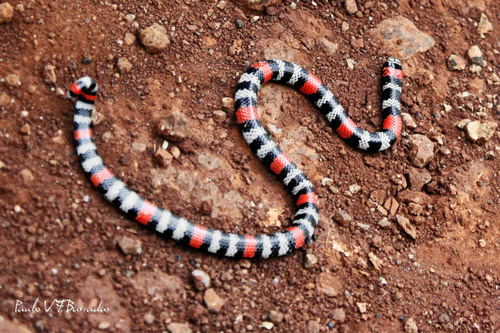 Mesopotamian CoralsnakeMicrurus baliocoryphusVenomous
Rings of red, yellow, and black where red touches yellow; small rounded head and round pupils.
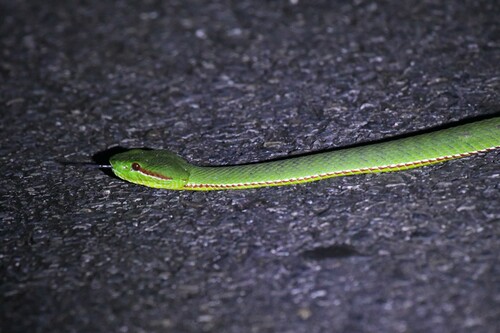
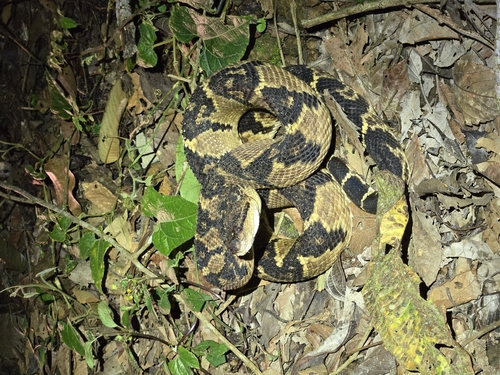
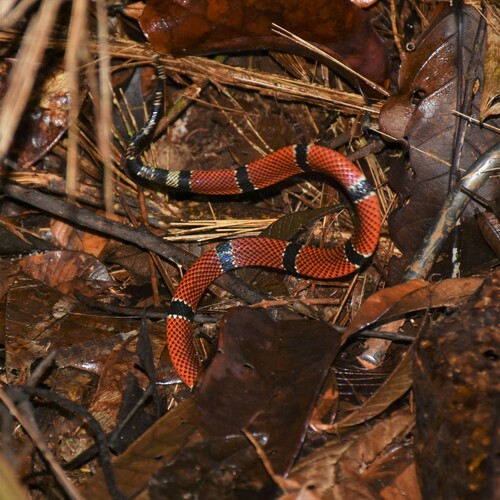 Transandean Capuchin CoralsnakeMicrurus dumeriliiVenomous
Rings of red, yellow, and black where red touches yellow; small rounded head and round pupils.
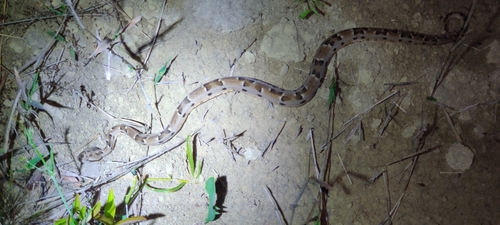
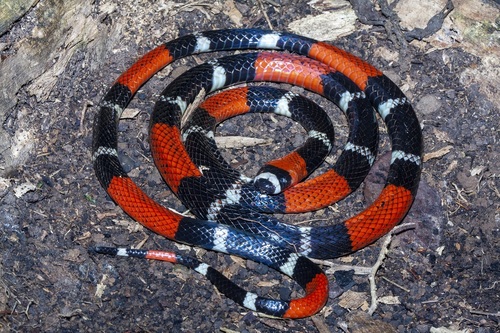 Ribbon CoralsnakeMicrurus lemniscatusVenomous
Rings of red, yellow, and black where red touches yellow; small rounded head and round pupils.
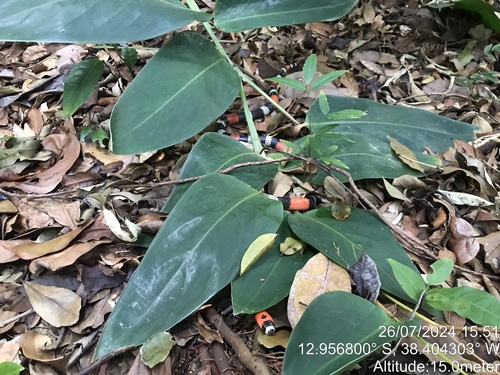 Caatinga CoralsnakeMicrurus ibibobocaVenomous
Rings of red, yellow, and black where red touches yellow; small rounded head and round pupils.
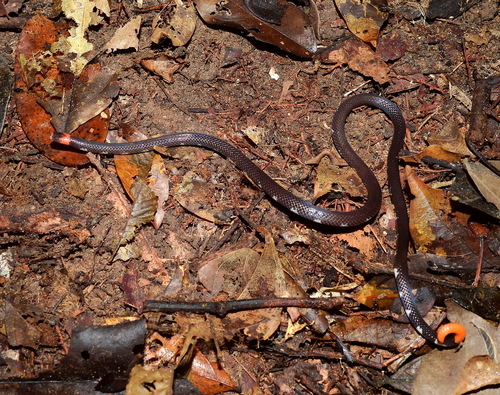 Guyana Blackback CoralsnakeMicrurus collarisVenomous
Rings of red, yellow, and black where red touches yellow; small rounded head and round pupils.
Every snake recorded in Paraguay
125+ species across 8 families, grouped by family. Venomous flagged.
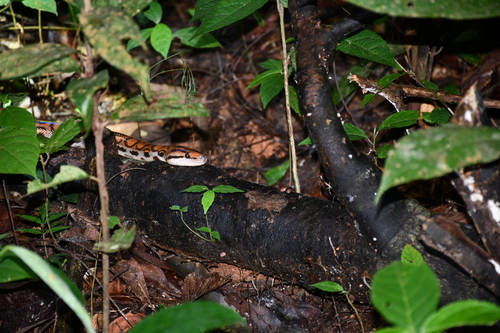
Colubridae (96)
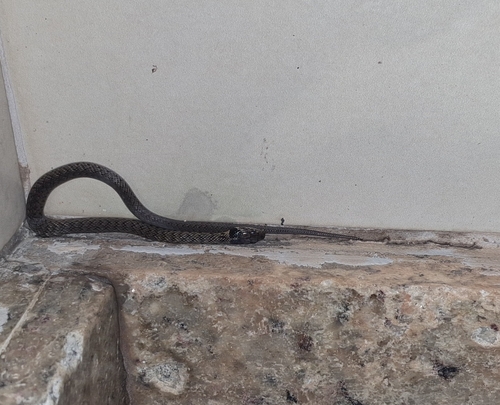
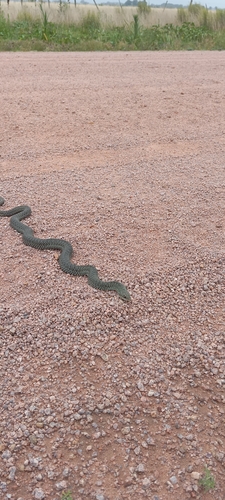
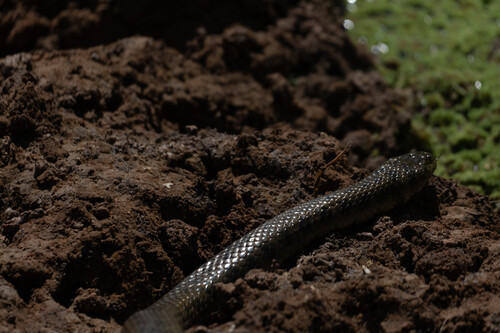
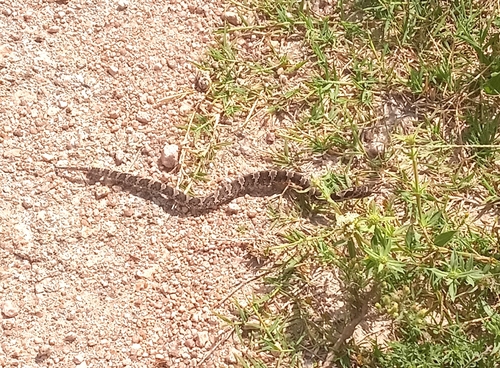
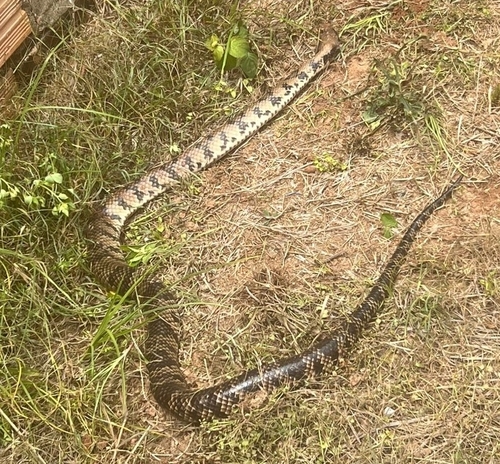
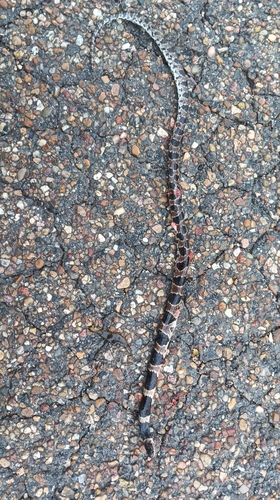
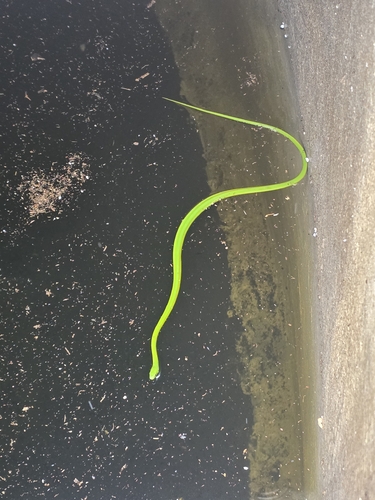
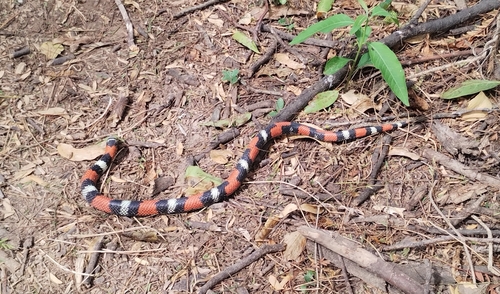
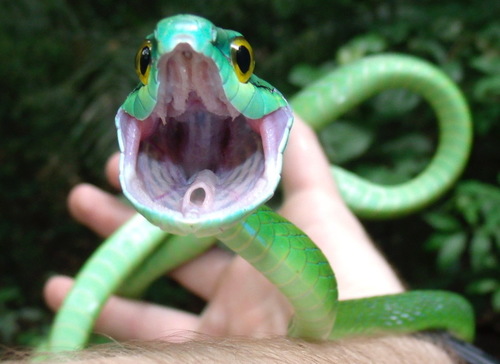
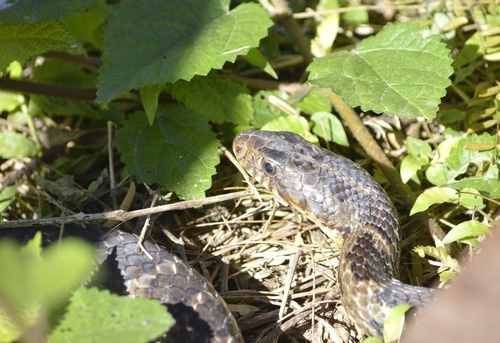
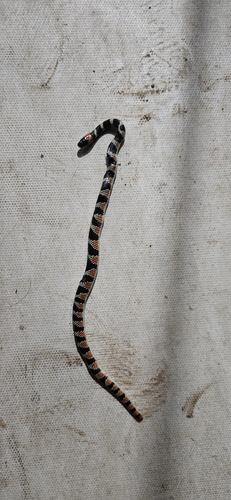
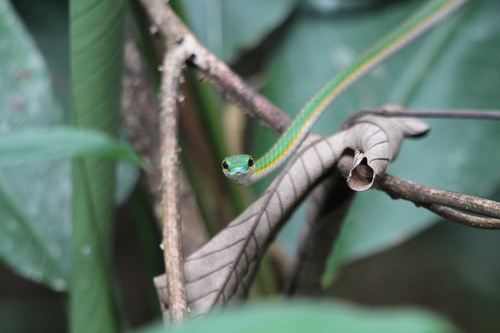
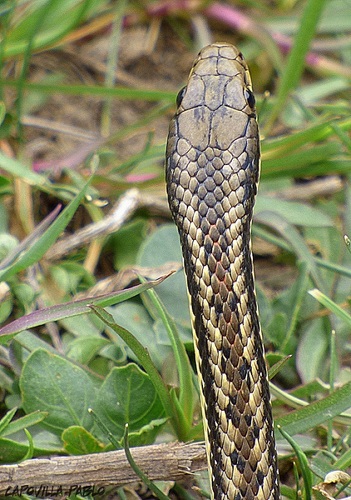
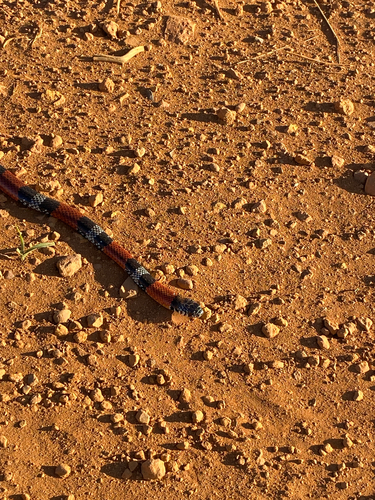
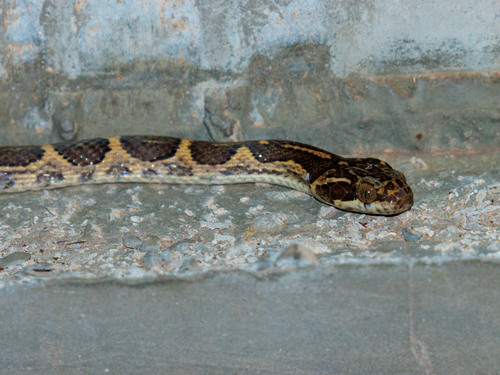
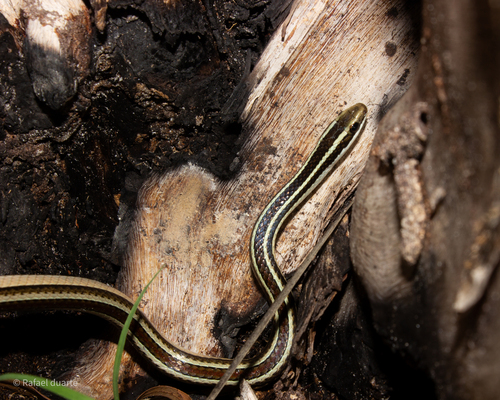
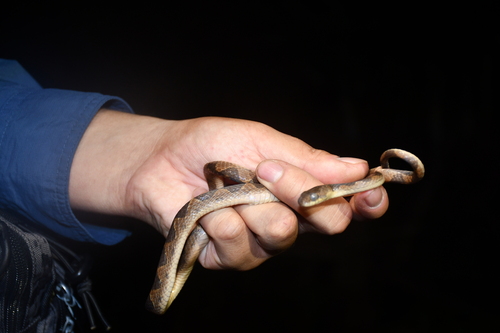
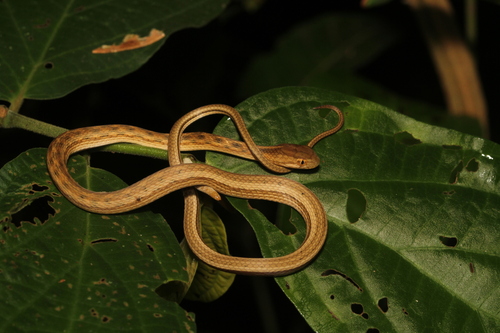
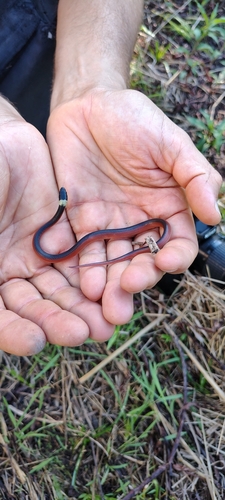
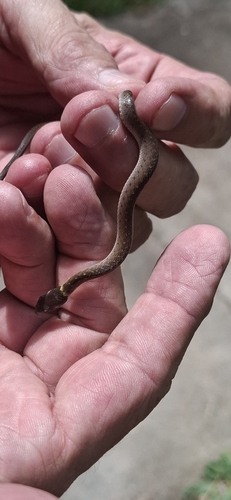
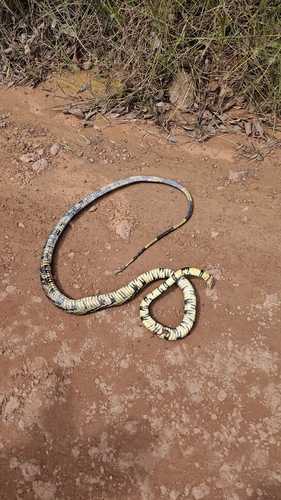
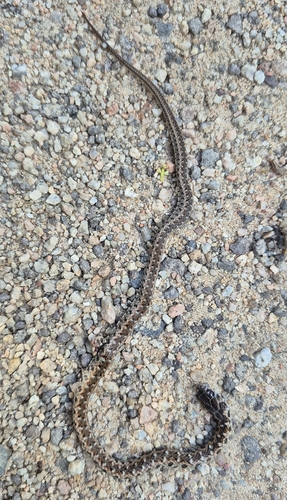
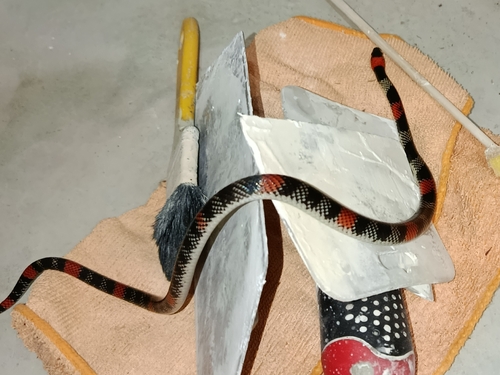
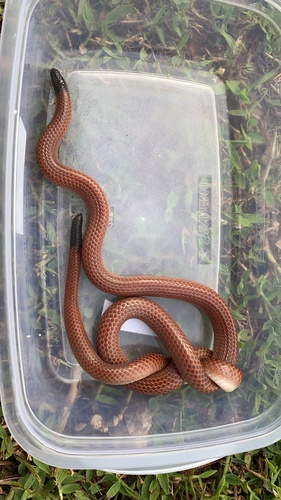
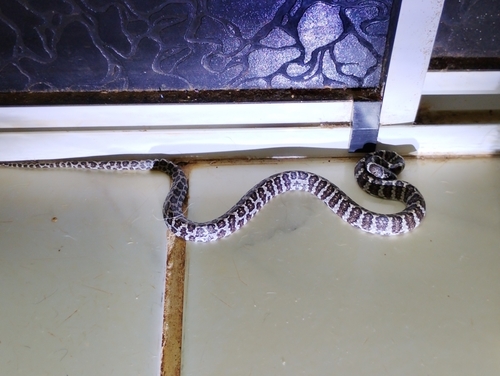
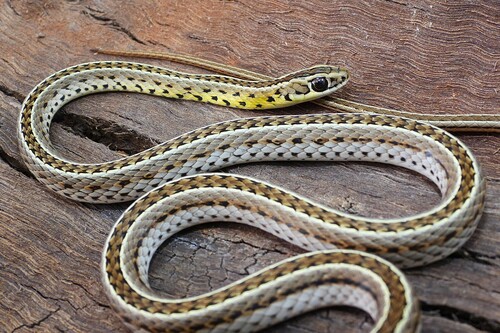
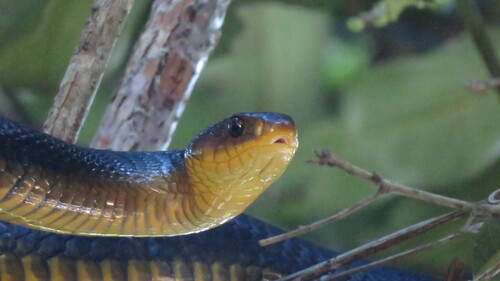
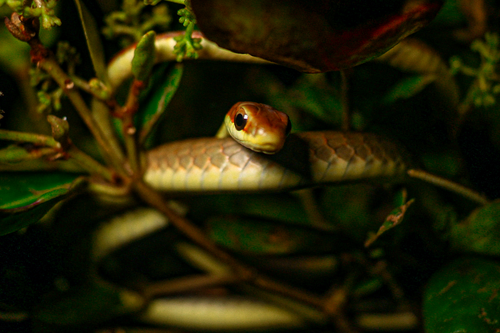
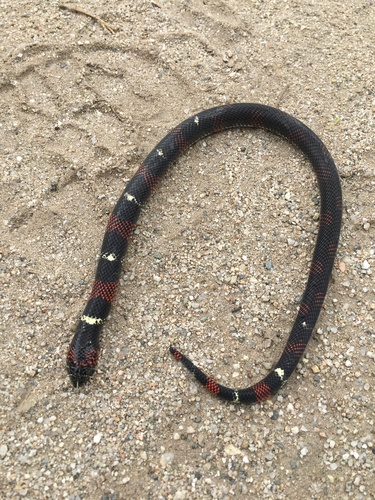
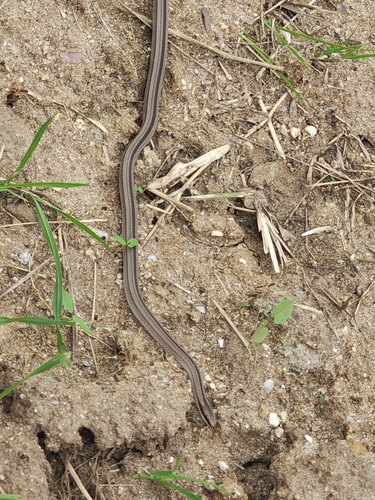
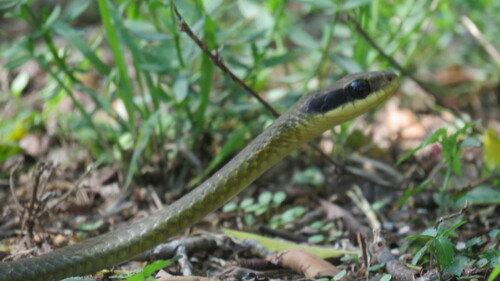
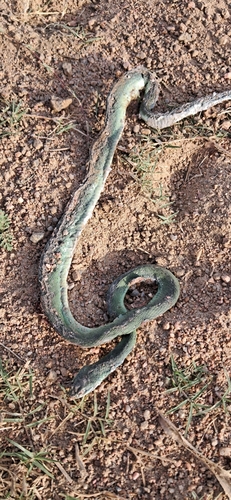
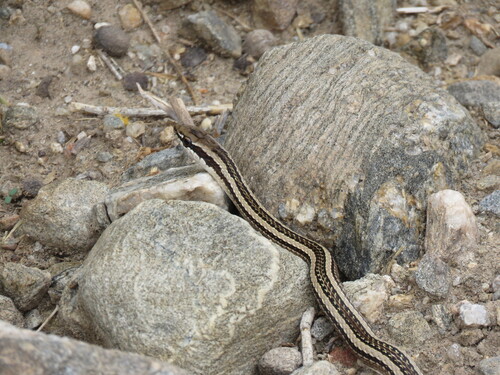
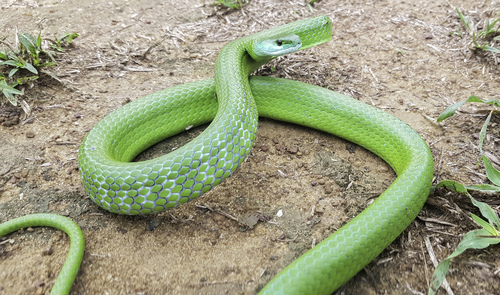
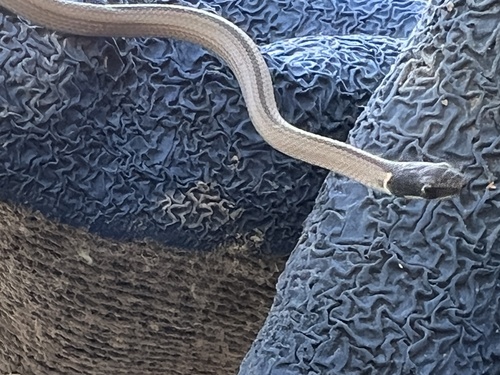
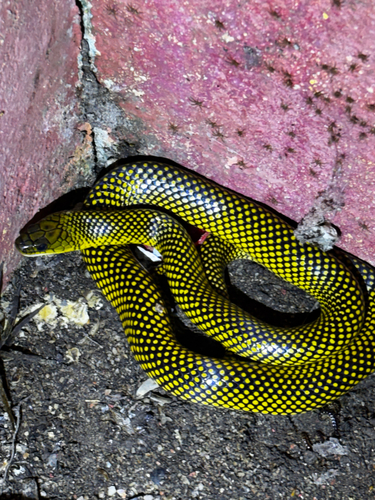
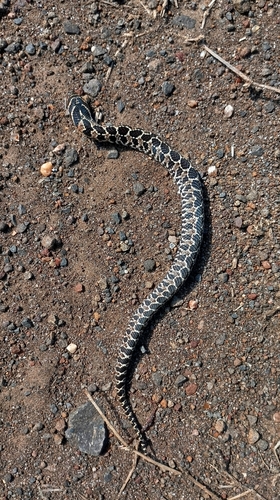
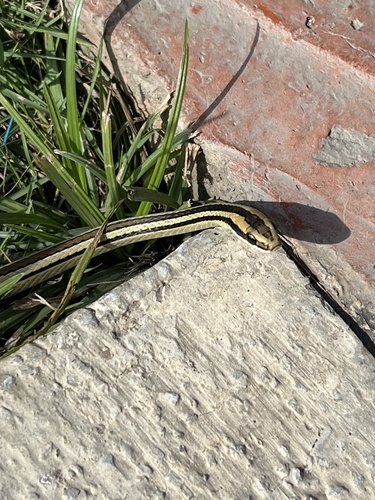
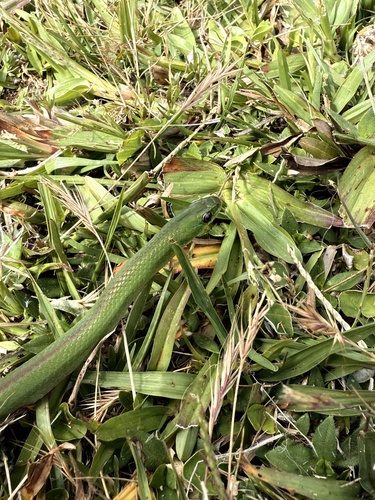
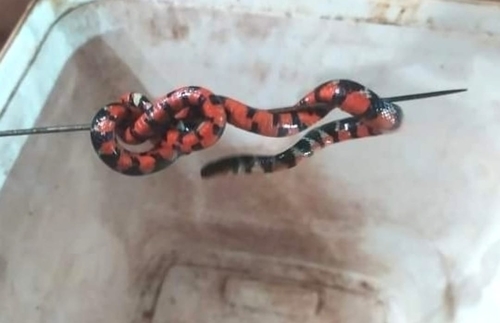
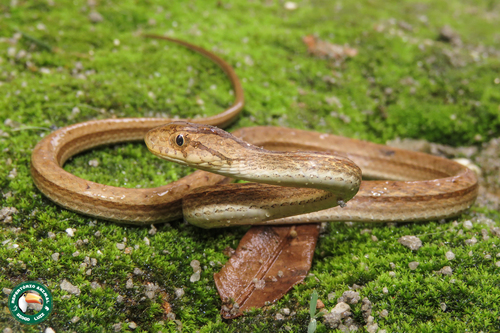
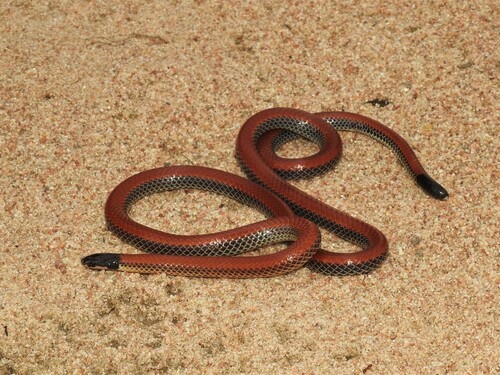
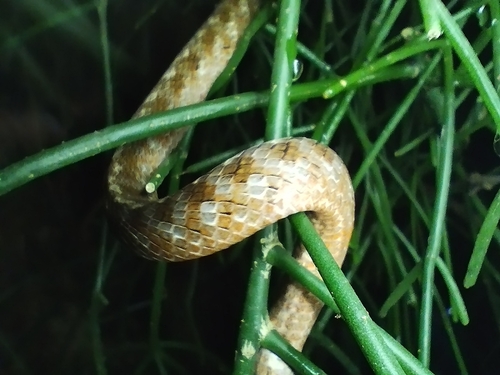
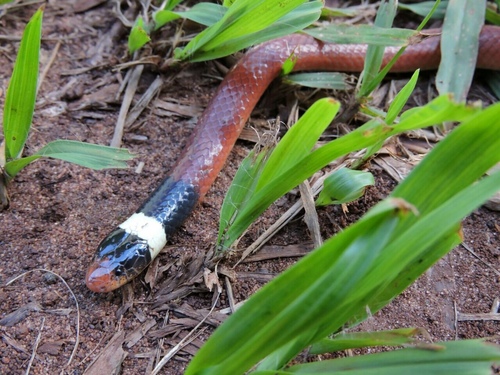
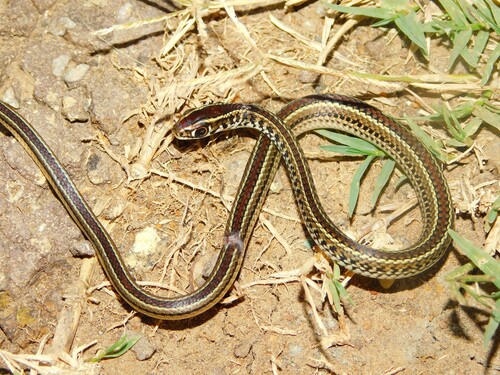
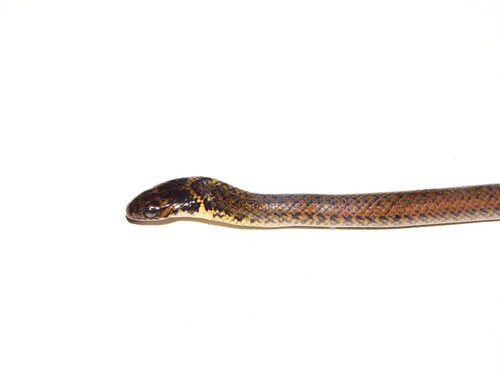
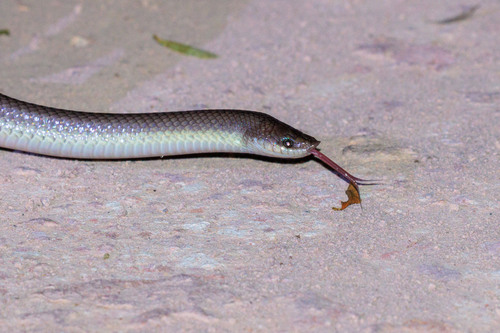
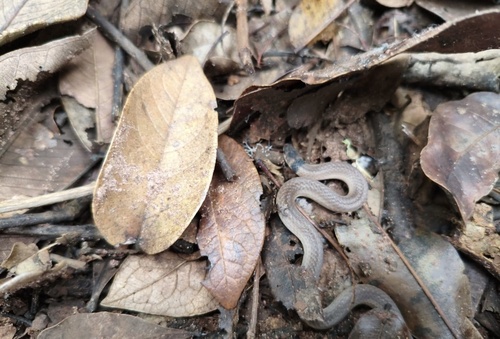
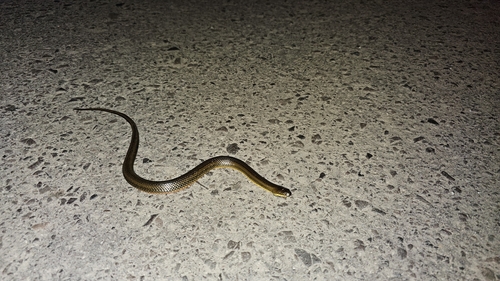

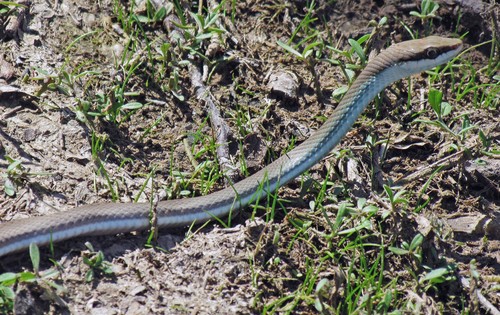
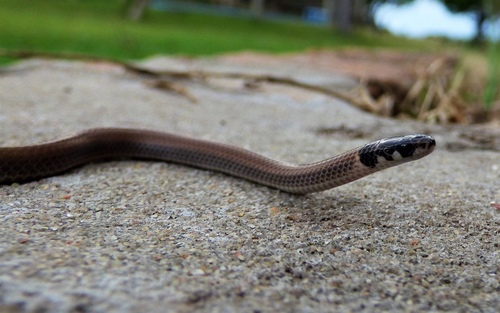
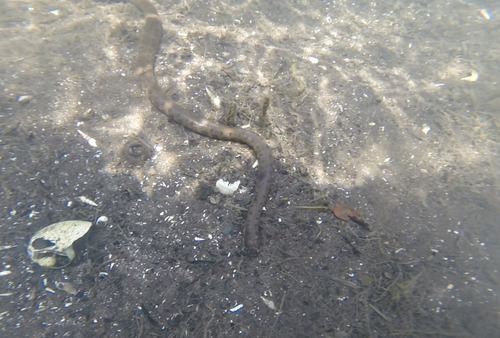
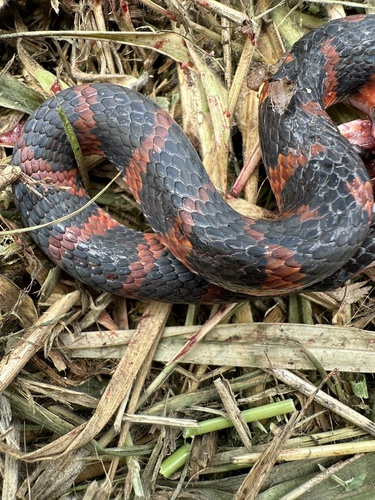
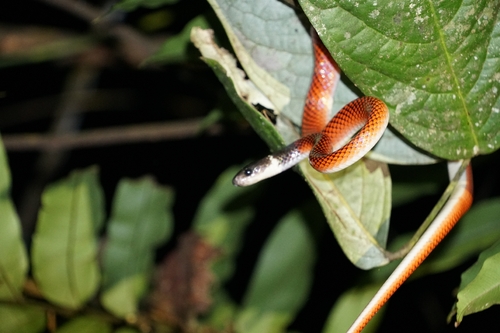
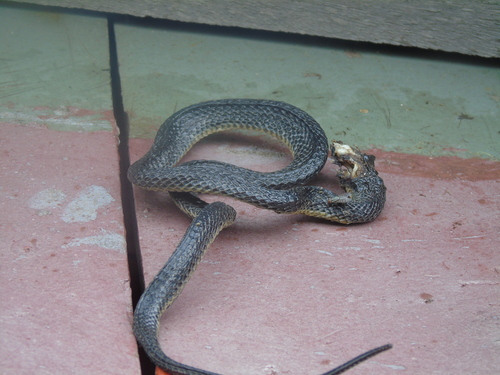
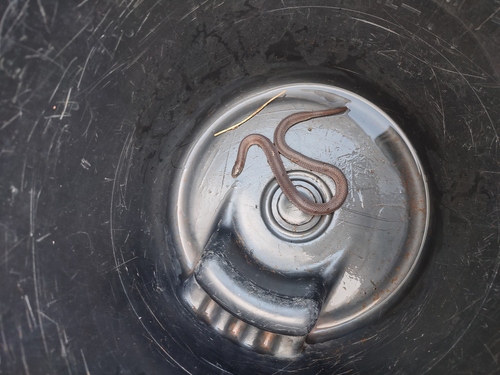
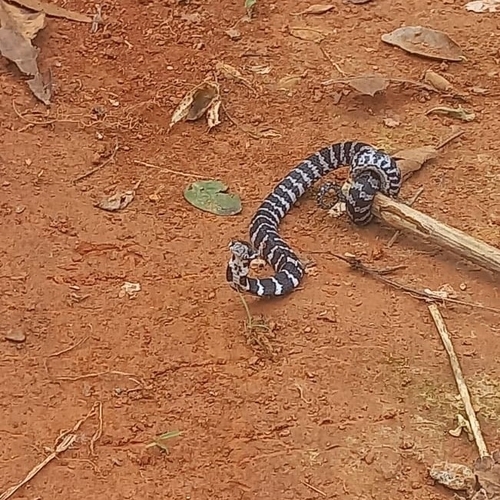
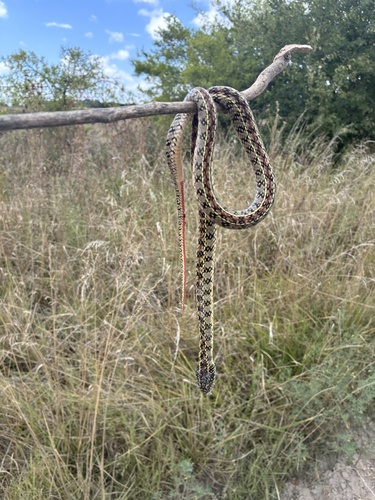
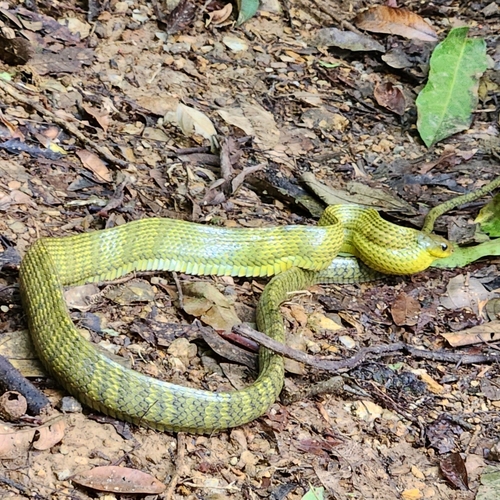
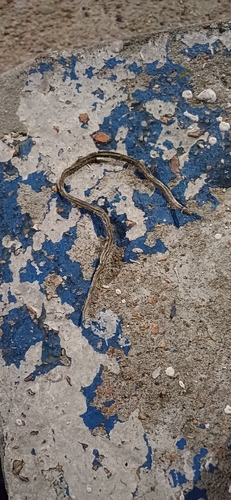
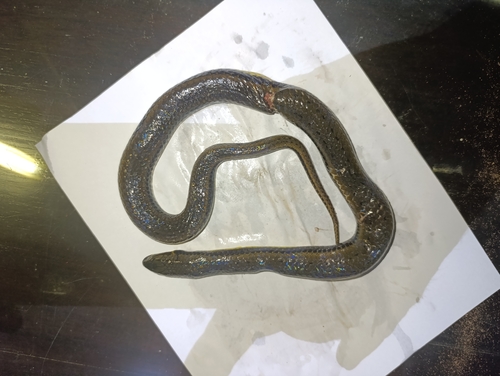
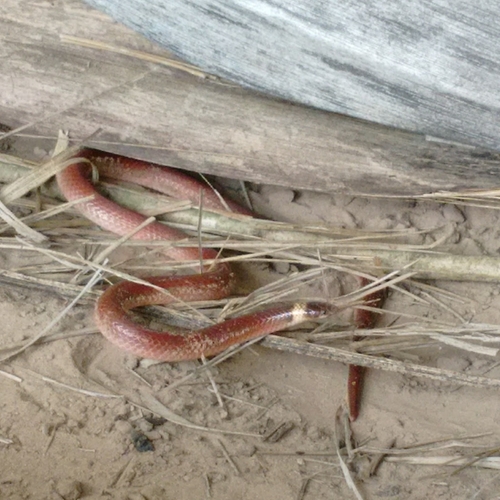
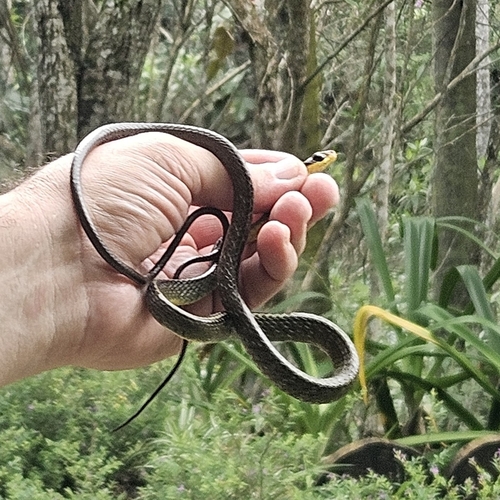
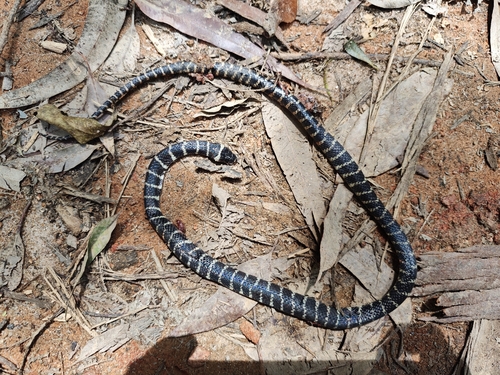
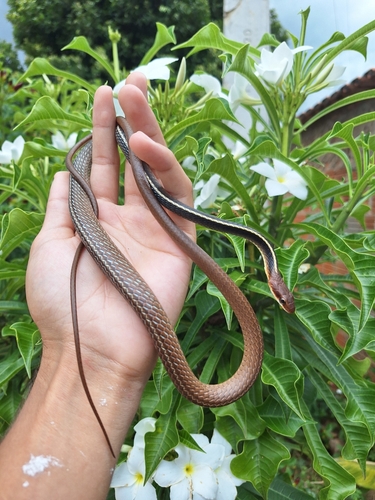
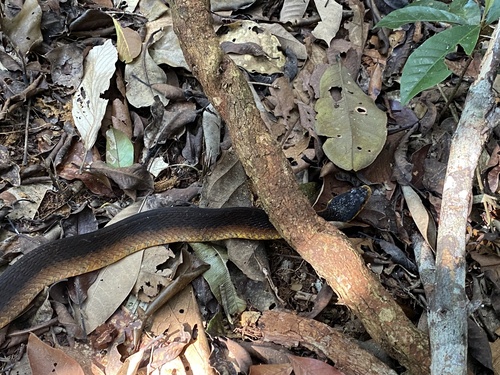
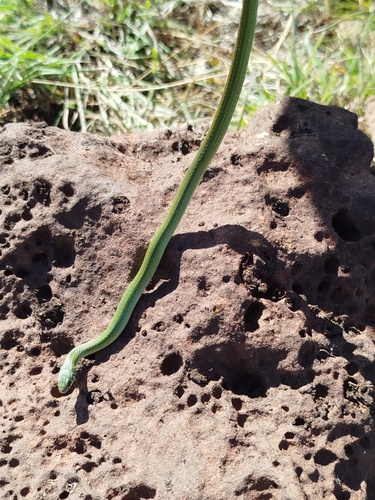
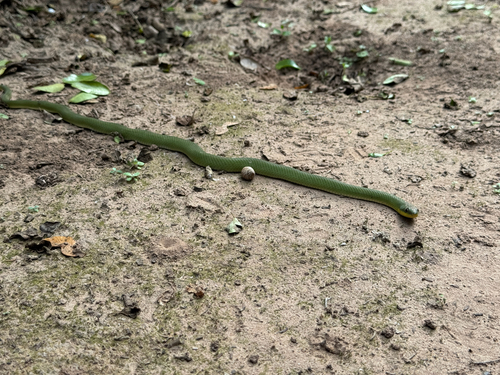
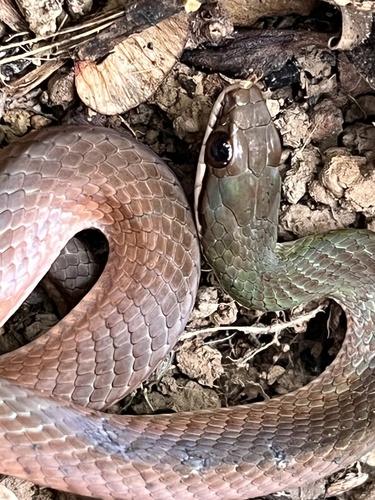
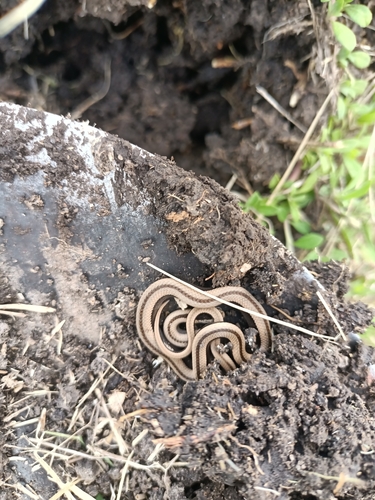
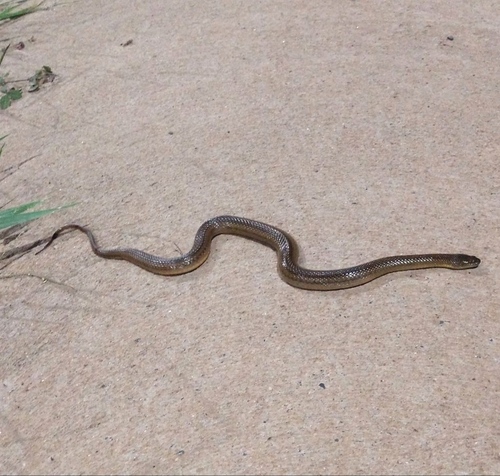
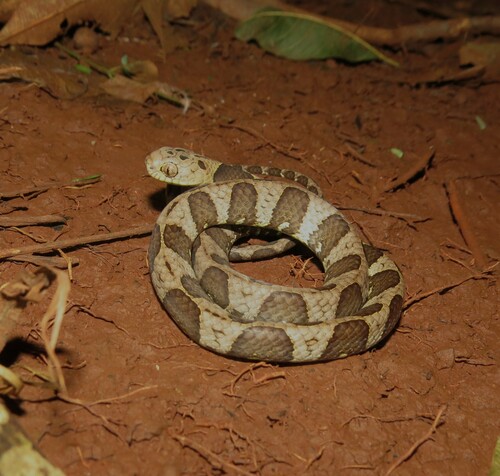
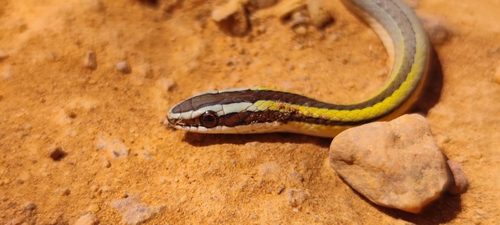
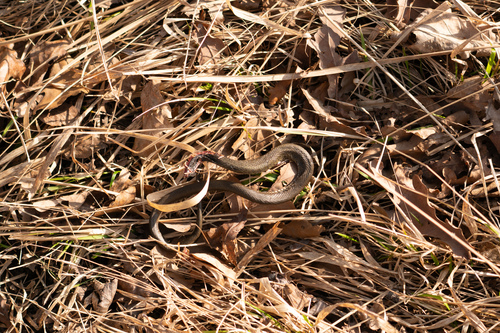
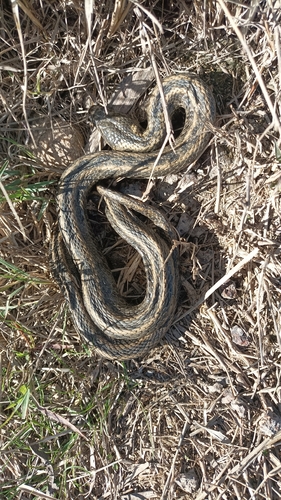
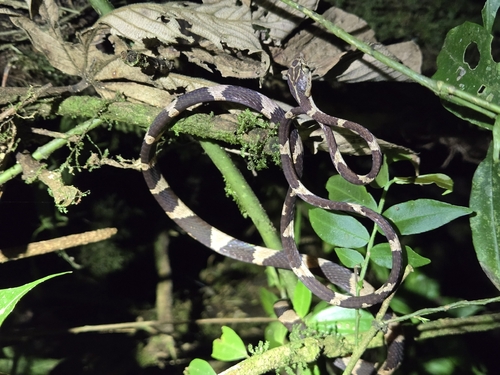
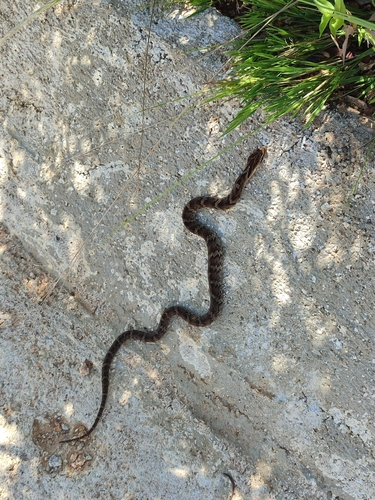
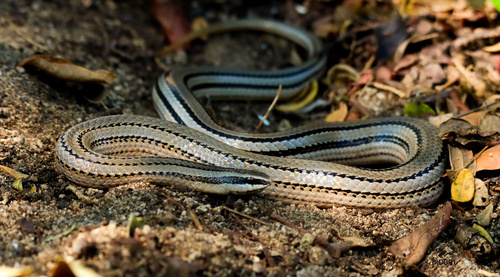
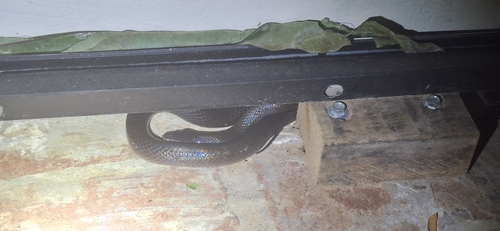
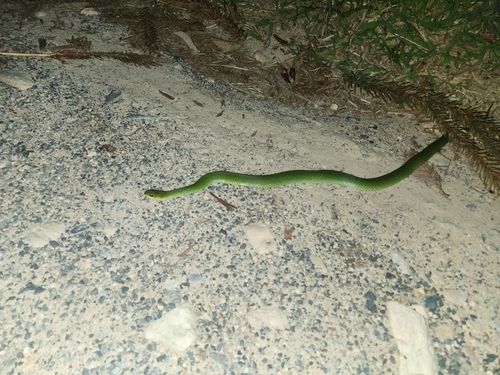
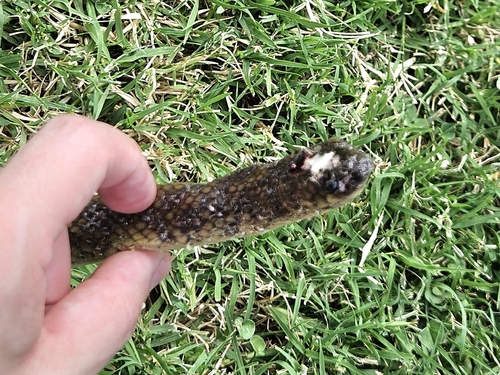
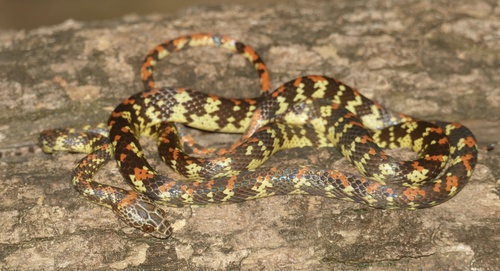
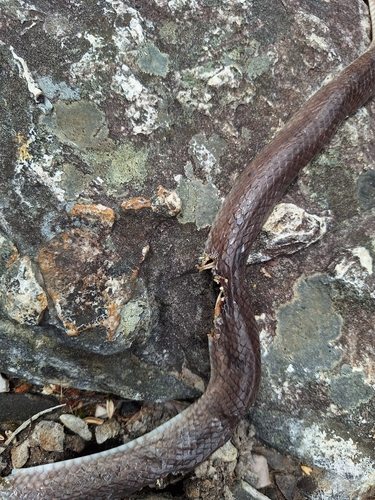
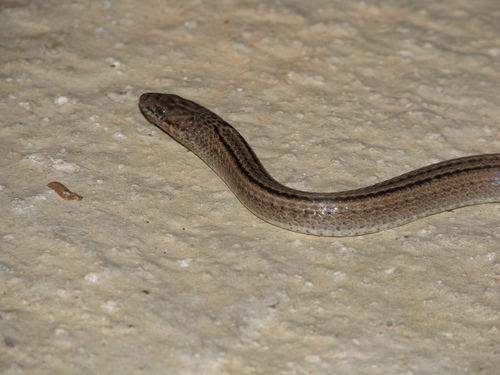
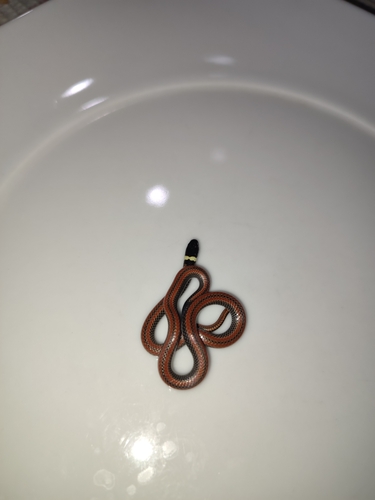
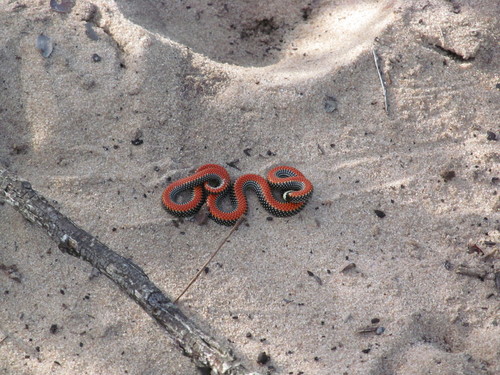
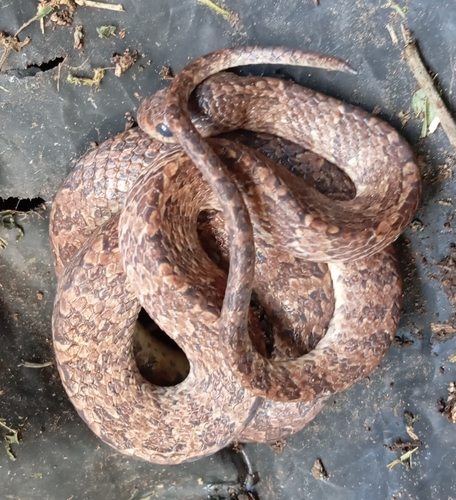
Viperidae (12)
Elapidae (10)
Boidae (7)
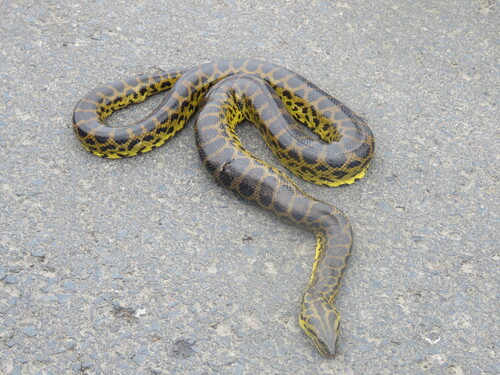
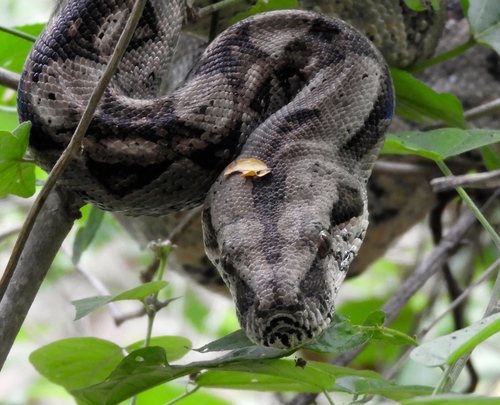
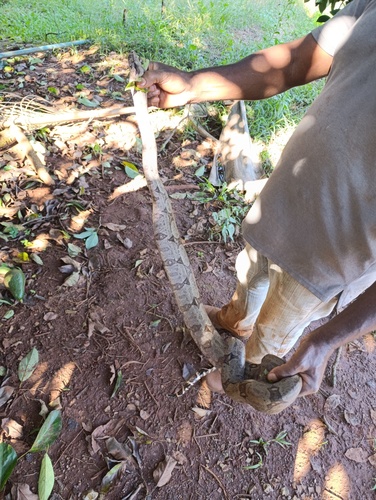
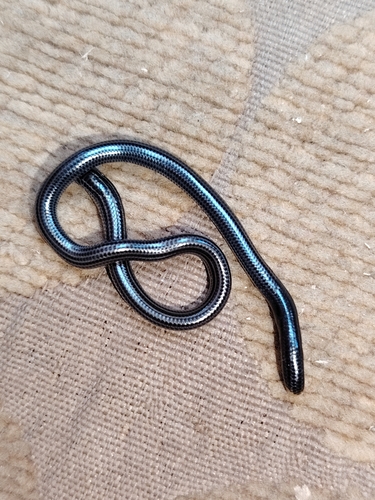
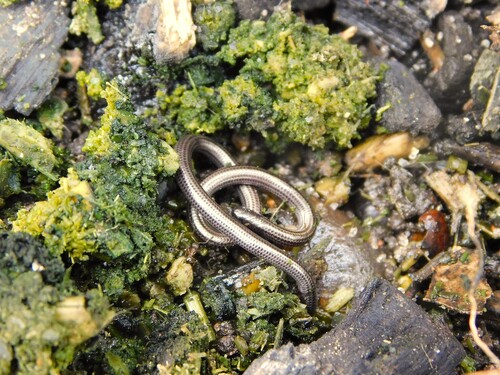
Leptotyphlopidae (7)
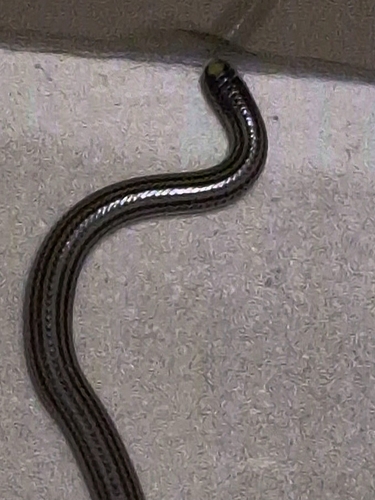
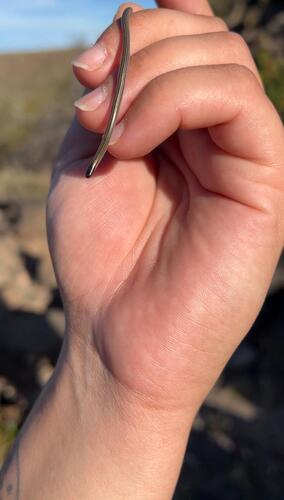
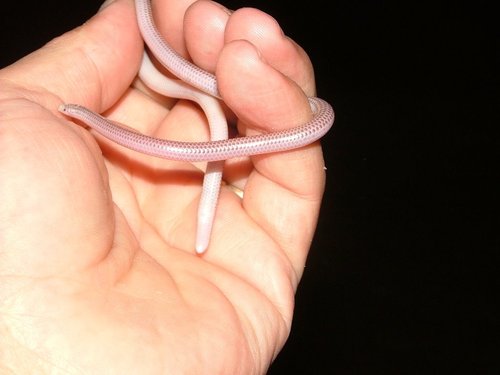
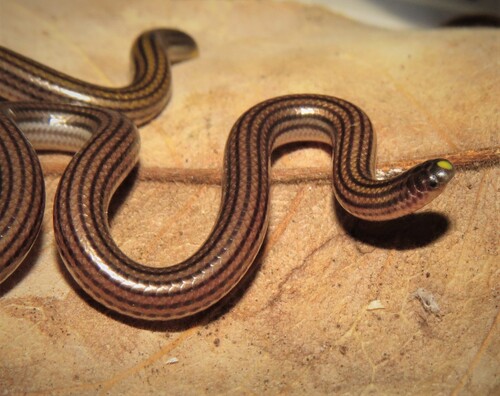
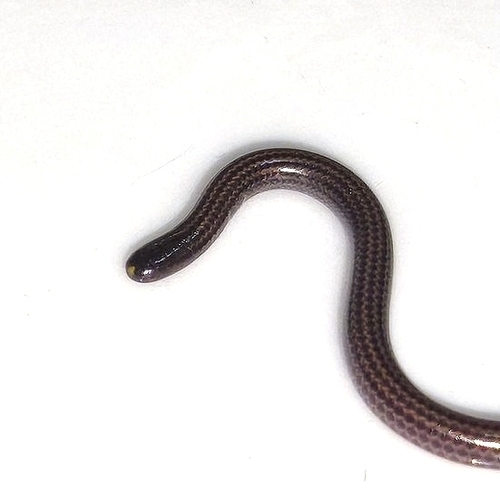
Typhlopidae (2)
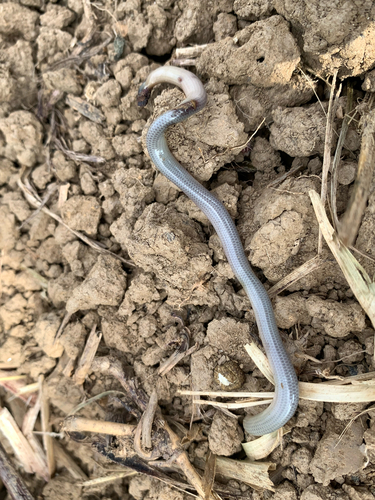
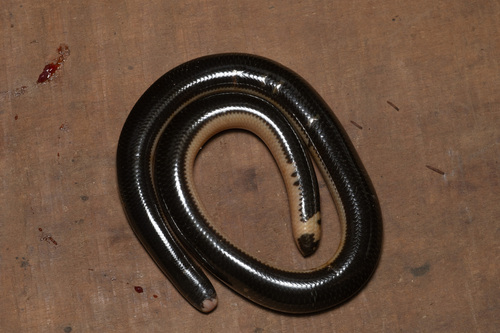
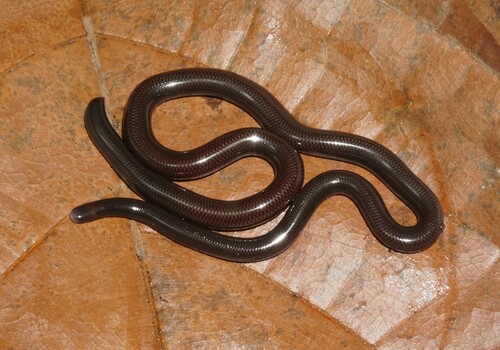
Dipsadidae (1)
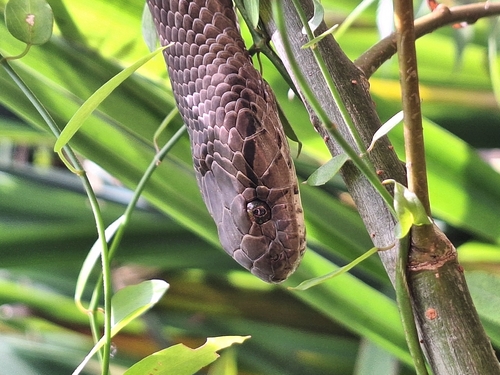
Compiled from verified GBIF & iNaturalist observations. "How often seen" reflects how frequently a snake is reported here, not how dangerous it is. Informational only.
Keep learning
- Are Snakes Dangerous? The Real Risk, in PerspectiveMost snakes are harmless and avoid people. Here is the honest picture of snakebite risk worldwide and how to lower your own.
- Snakebite First Aid: What to Do (and What Never to Do)A clear, CDC-based guide to snakebite first aid: the steps that help, the popular myths that hurt, and how to tell a serious bite from a minor one.
- Venomous vs Nonvenomous: How to Tell the DifferenceThe folk rules for telling venomous snakes apart, where each one fails, and why location-based identification beats guessing by sight.
- What to Do If You Find a SnakeFound a snake at home or on a trail? Here is how to stay calm, give it space, identify it safely, and know when to call a professional.