
Trinidad and Tobago
Snakes in Trinidad and Tobago
75+ snake species have been recorded in Trinidad and Tobago, 10 venomous.
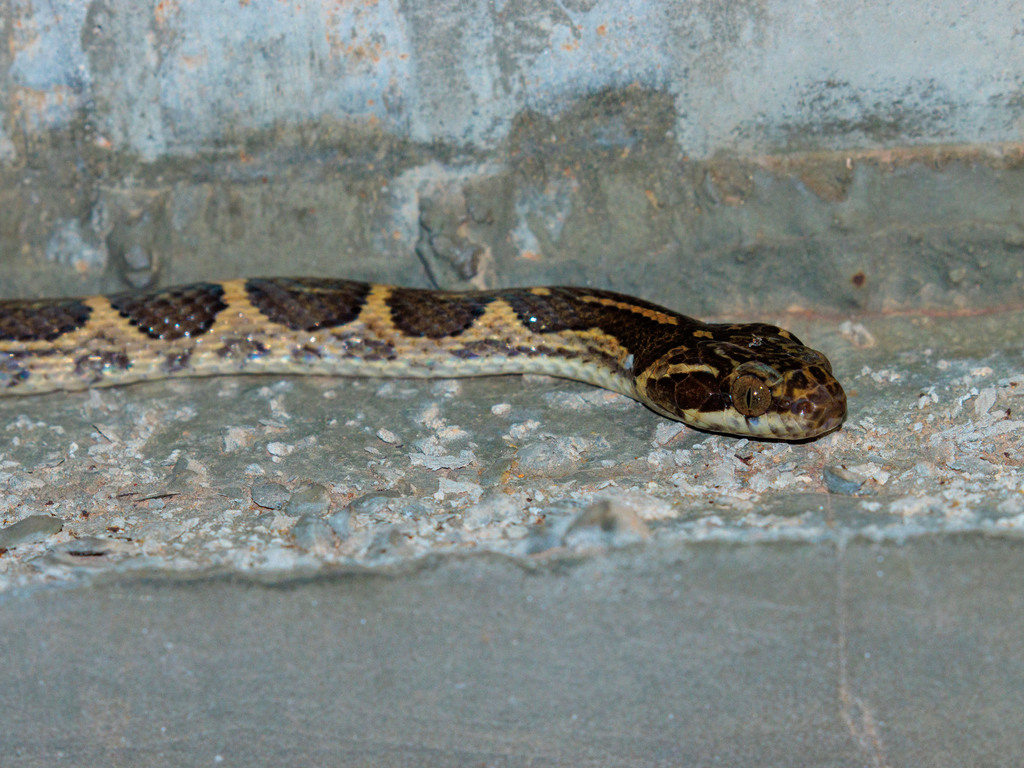
Snakes of Trinidad and Tobago
Trinidad and Tobago has 75+ snake species recorded in our database, of which 11 are venomous. The great majority of species are non-venomous, so any random encounter with a snake on these islands is far more likely to involve a harmless species than a dangerous one. Because Trinidad sat connected to the South American mainland during recent geological history, its snake fauna is essentially continental in character rather than a depleted oceanic-island fauna, which is why the diversity here is so high for two relatively small islands.
That diversity is driven by a wide range of habitats packed into a compact area. Trinidad ranges from rainforest in the Northern Range mountains to lowland savanna, freshwater swamps, mangroves, agricultural land, and coastal scrub, while Tobago adds its own forested ridges and shoreline. Different snakes specialize in different layers of these systems. Some are arboreal hunters of the forest canopy, some are leaf-litter and ground dwellers, some are burrowers, and others are tied to water in rivers, swamps, and along the coast. This patchwork of wet and dry, high and low, forested and open ground gives many species their own niche and keeps overall numbers high.
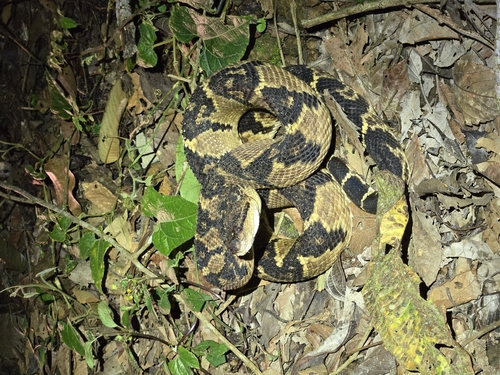
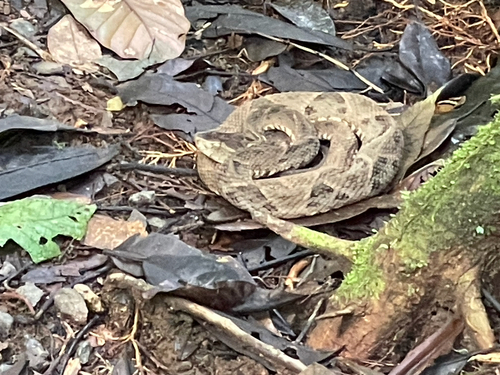
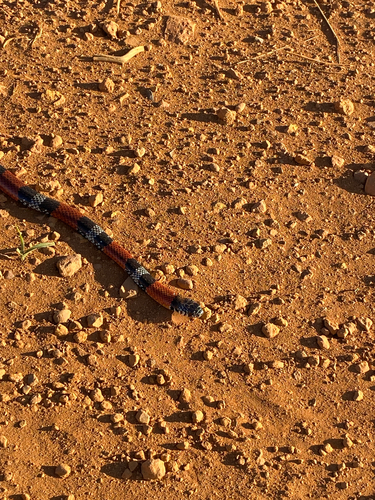
The medically important venomous snakes in Trinidad and Tobago fall into two main groups. The first and most significant is the pit vipers, represented chiefly by the lancehead vipers of the genus Bothrops, the type of snake locally associated with serious bites. These are heavy-bodied, ground-dwelling ambush predators whose venom can cause severe tissue damage and bleeding, and they account for the bites that matter most for human health. The second group is the coral snakes, elapids with potent neurotoxic venom but small mouths and a secretive, retiring habit, so bites from them are uncommon. Sea snakes are not an established part of the fauna here in the way pit vipers and coral snakes are, and there are no cobras, mambas, or rattlesnakes native to these islands.
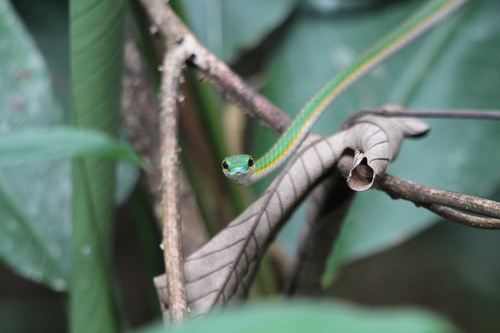
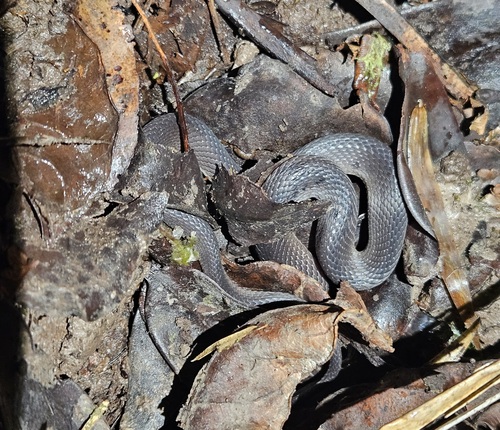
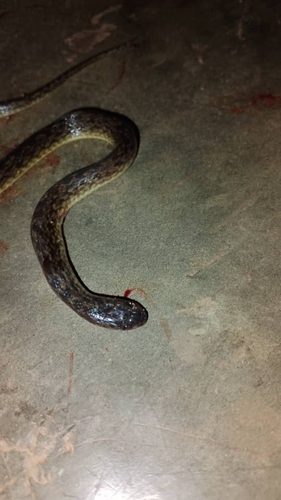
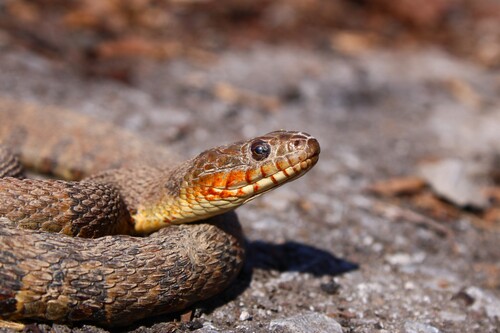
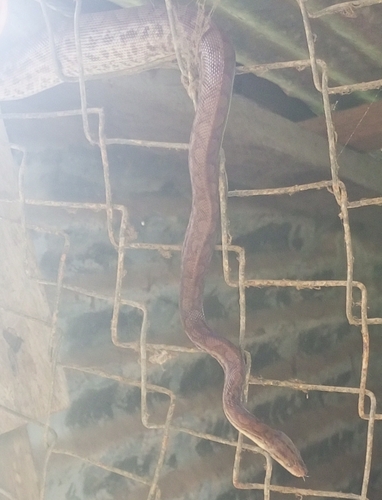
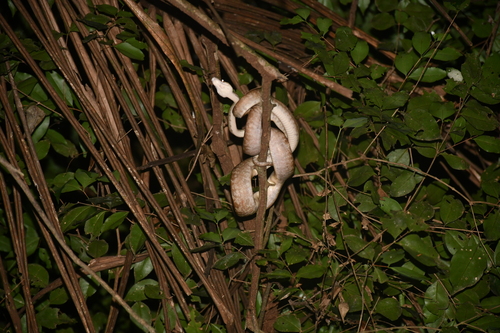
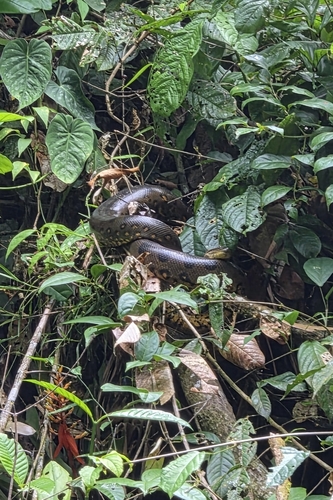
The non-venomous majority is what most people actually meet. It includes boas such as the large and well-known boa constrictor, called the macajuel locally, along with the tree-dwelling Cook's tree boa, plus a broad assortment of colubrid snakes: racers, ratsnakes, vine snakes, water snakes, and the parrot snakes that move through the foliage. These are the snakes commonly seen in gardens, on trails, near homes, and around water. None of them produce venom dangerous to people, and several are strikingly colored or notably large, which is why they are among the most recognized wildlife on the islands.
Snakes are valuable to the ecology and to people directly. Rodent-eating species like the boas, racers, and ratsnakes are a natural and continuous form of pest control, holding down populations of rats and mice that would otherwise damage crops, contaminate stored food, and spread disease around homes and farms. Other species help regulate frogs, lizards, and insects, and snakes in turn feed birds of prey and other predators. Removing them tends to make rodent problems worse, so a healthy snake population is generally a sign of a working local ecosystem.
On safety, the honest framing is that most snakes here are harmless and the real medical threat comes from the pit vipers, with coral snakes a much rarer concern. No wild snake should ever be handled or picked up, including ones you believe are harmless, because identification mistakes are easy and even non-venomous snakes can bite. The correct response to a venomous snakebite is professional medical care: antivenom and treatment at a hospital are what actually save lives and limbs. If a bite occurs, treat it as an emergency and get the person to medical care immediately by contacting local emergency services, or in the United States contact Poison Control at 1-800-222-1222. Do not rely on home remedies or field treatments in place of hospital care.
Snakes in Trinidad and Tobago: FAQ
- Are there venomous snakes in Trinidad and Tobago?
- Yes. 10 venomous snake species have verified records in Trinidad and Tobago, including Common Lancehead, Trinidad Northern Coralsnake, Trinidad Ribbon Coral Snake, South American Bushmaster. Most snakes in Trinidad and Tobago, however, are harmless.
- How many snake species live in Trinidad and Tobago?
- 75+ snake species have verified records in Trinidad and Tobago, of which 10 are venomous.
- What is the most commonly seen snake in Trinidad and Tobago?
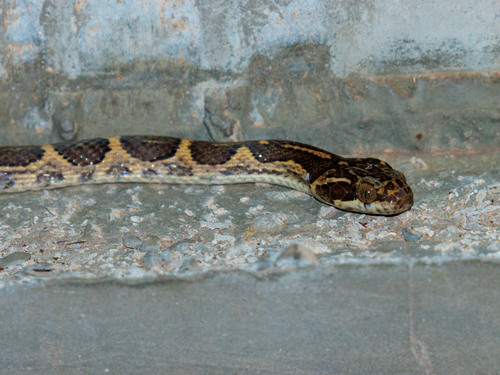
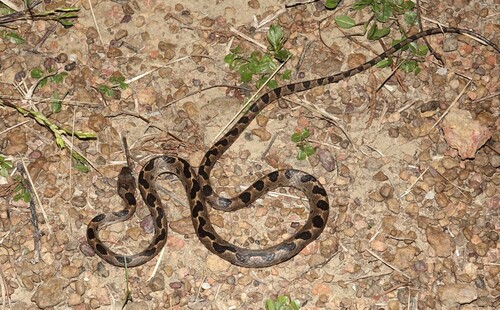
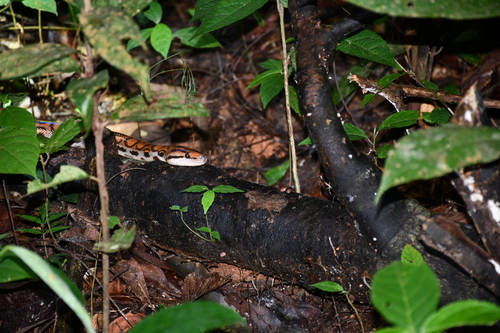
- The Paraiba Cat-eyed Snake is the most frequently reported snake in Trinidad and Tobago, based on verified wildlife observations.
- What should I do if I see a venomous snake in Trinidad and Tobago?
- Keep your distance and do not try to catch or kill it. Most bites happen when people handle or corner a snake. If someone is bitten, contact local emergency services or poison control immediately.
Venomous snakes in Trinidad and Tobago
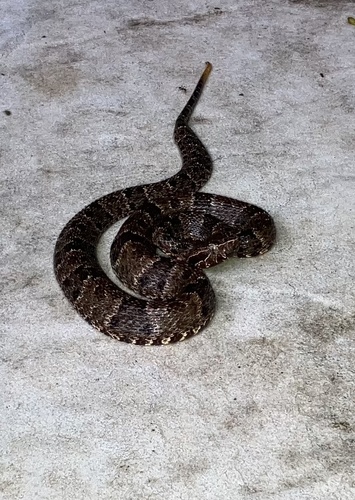
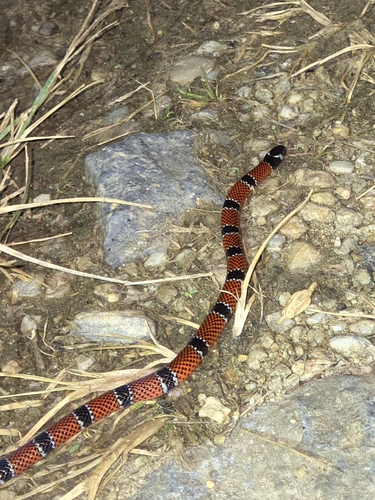 Trinidad Northern CoralsnakeMicrurus circinalisVenomous
Rings of red, yellow, and black where red touches yellow; small rounded head and round pupils.
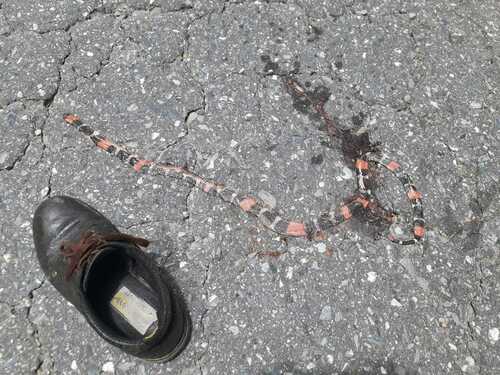 Trinidad Ribbon Coral SnakeMicrurus diutiusVenomous
Rings of red, yellow, and black where red touches yellow; small rounded head and round pupils.
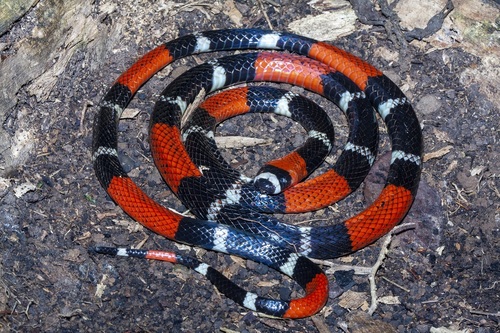 Ribbon CoralsnakeMicrurus lemniscatusVenomous
Rings of red, yellow, and black where red touches yellow; small rounded head and round pupils.
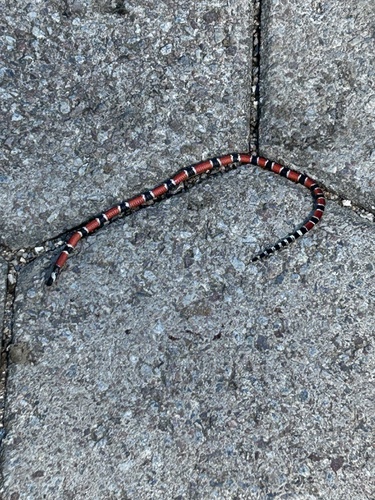 Painted CoralsnakeMicrurus corallinusVenomous
Rings of red, yellow, and black where red touches yellow; small rounded head and round pupils.
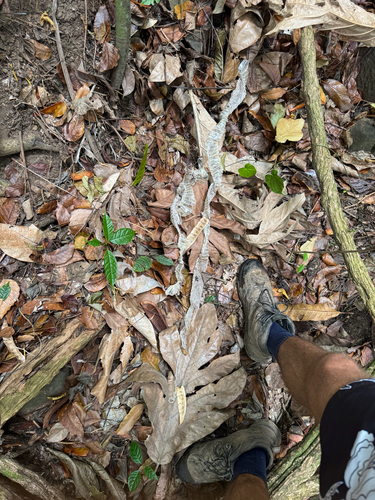
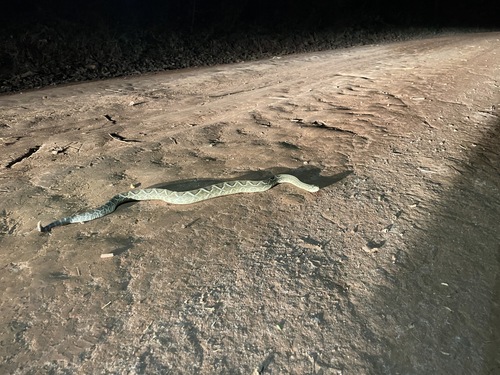 Neotropical RattlesnakeCrotalus durissusVenomous
Heavy body, broad triangular head, vertical (cat-like) pupils, and a segmented keratin rattle at the tail tip.
 Pygmy CoralsnakeMicrurus dissoleucusVenomous
Rings of red, yellow, and black where red touches yellow; small rounded head and round pupils.
Every snake recorded in Trinidad and Tobago
75+ species across 7 families, grouped by family. Venomous flagged.
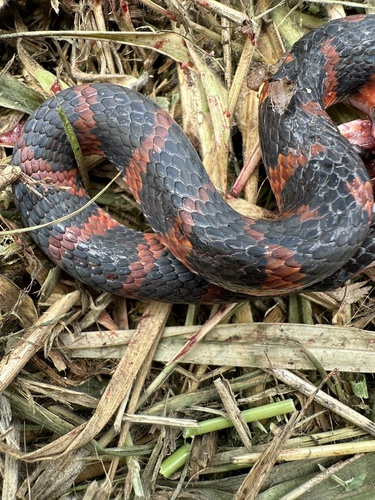
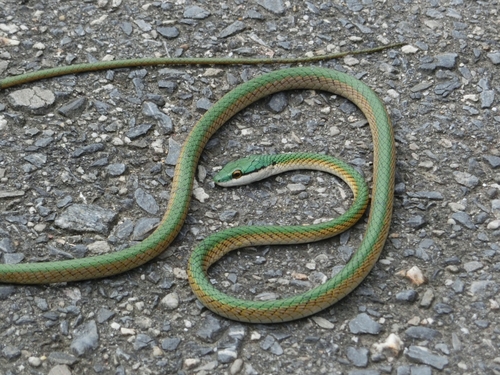
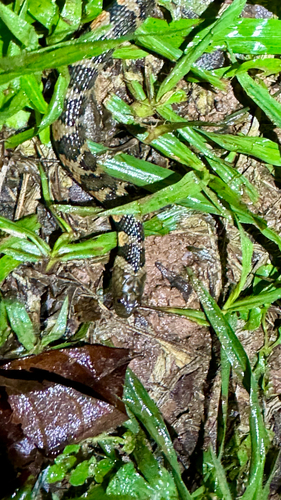
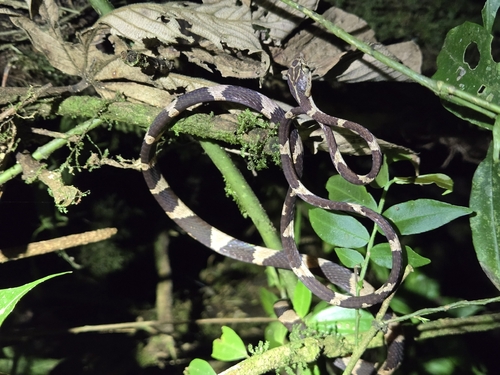
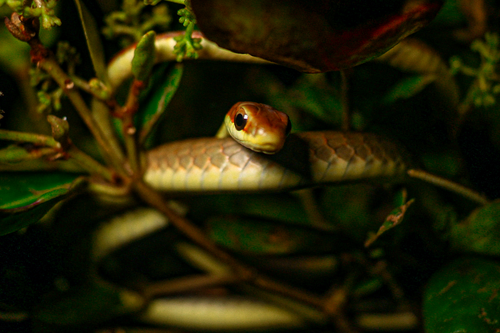
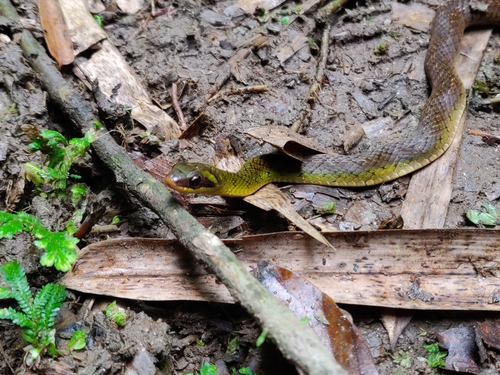
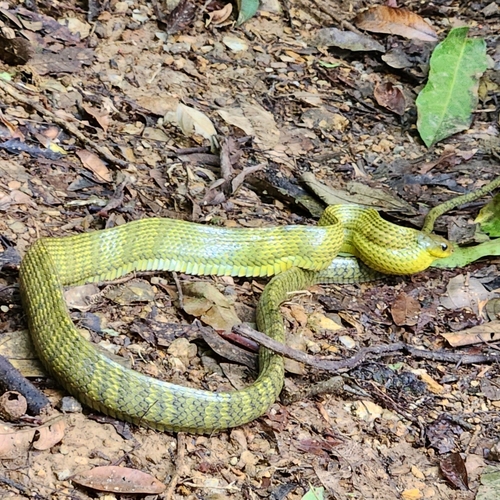
Colubridae (61)
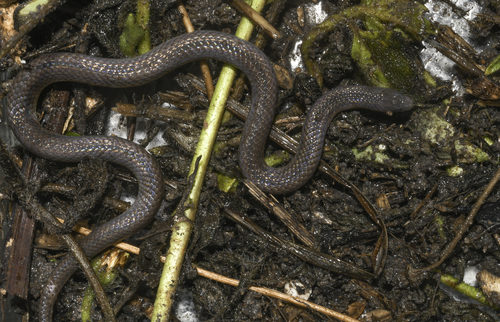
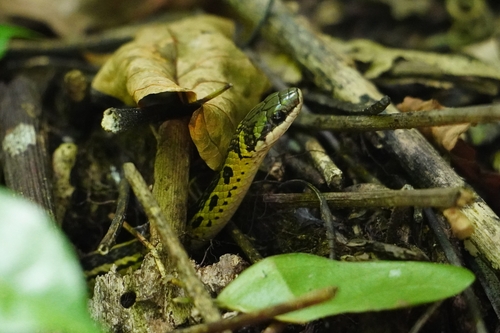
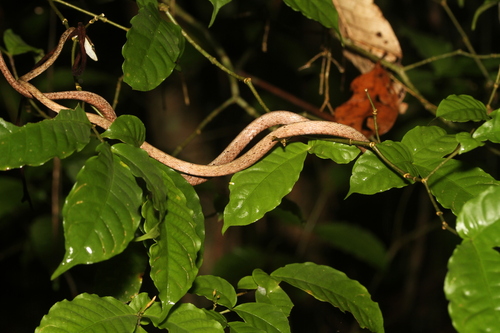
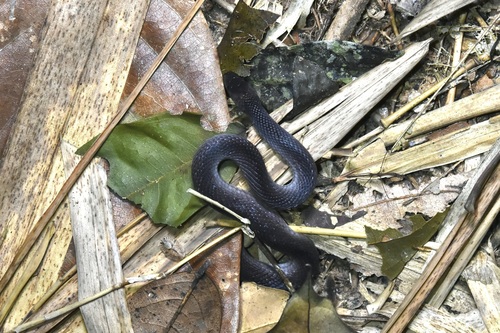
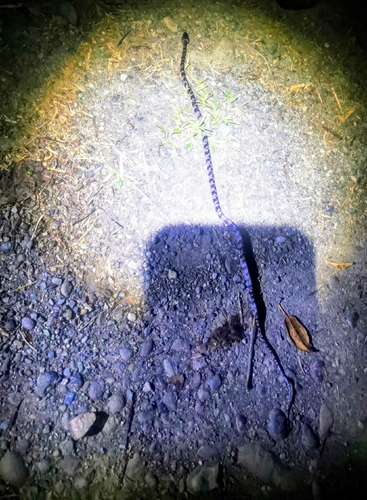
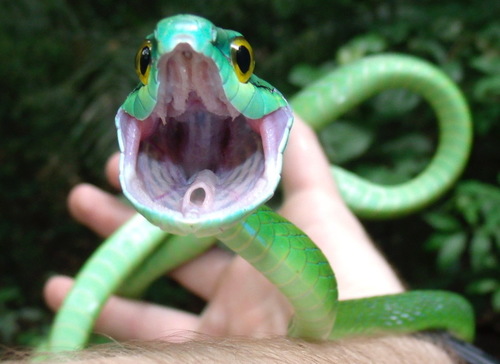
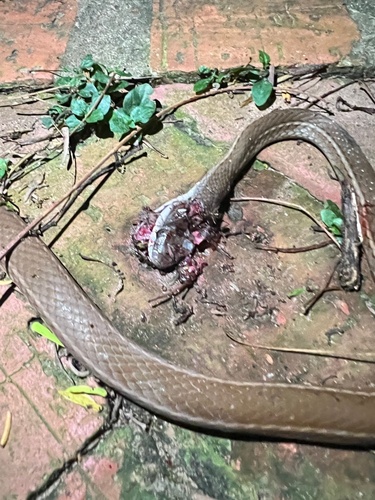
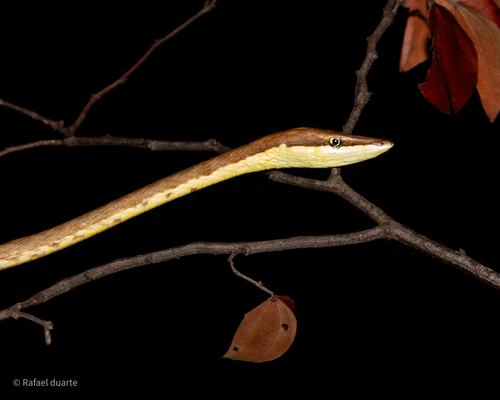
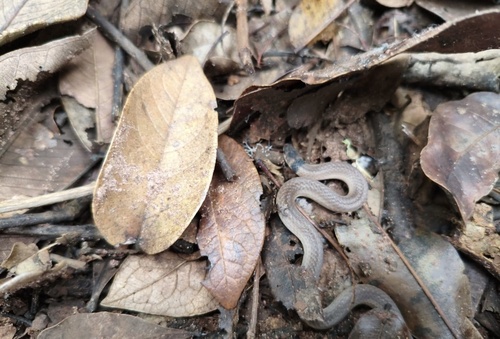
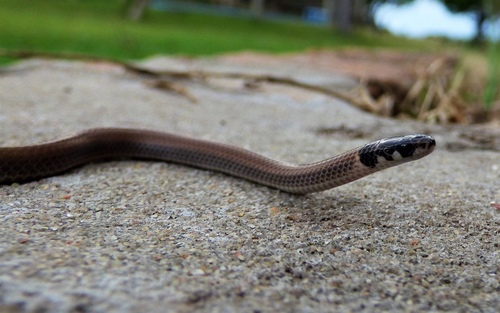
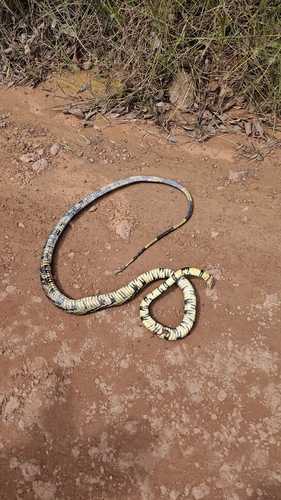
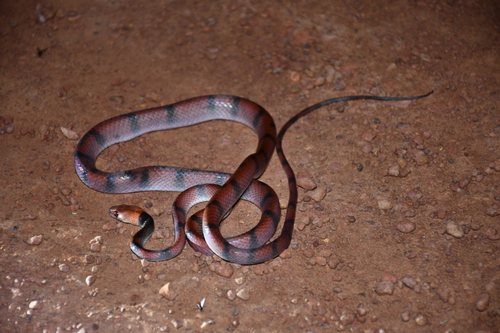
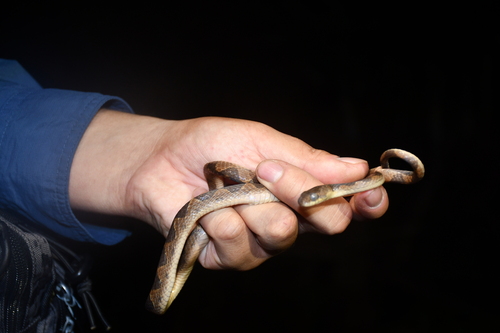
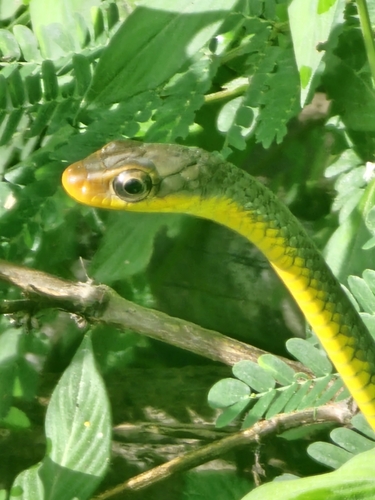
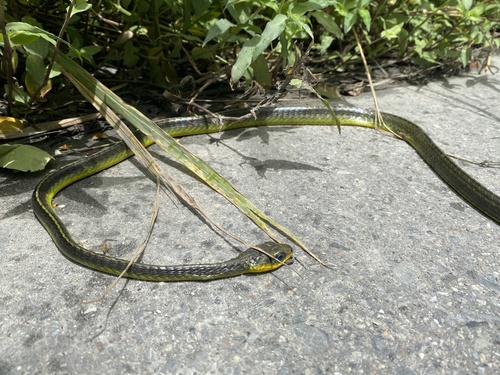
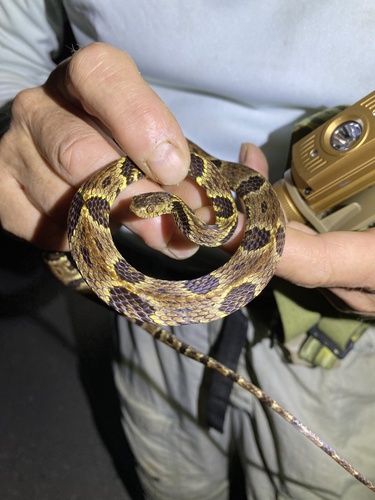
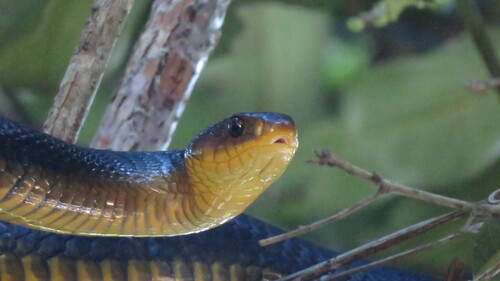
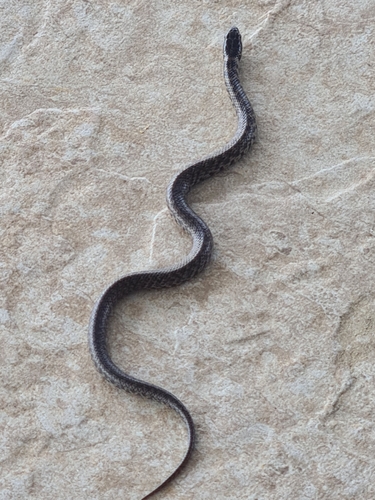
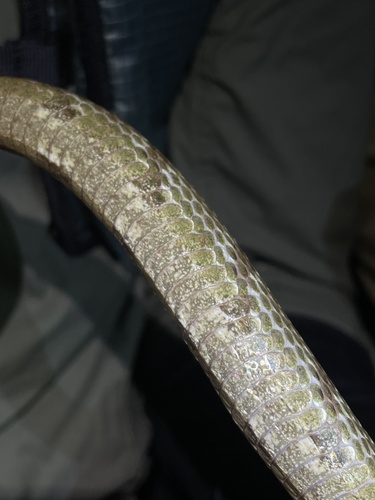
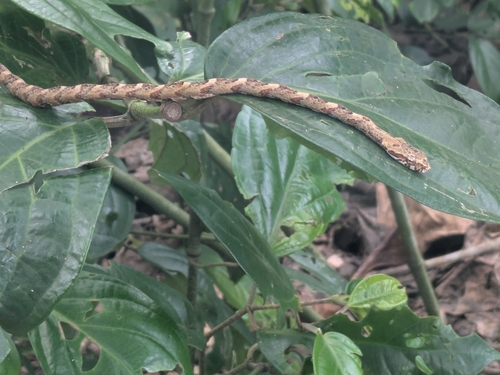
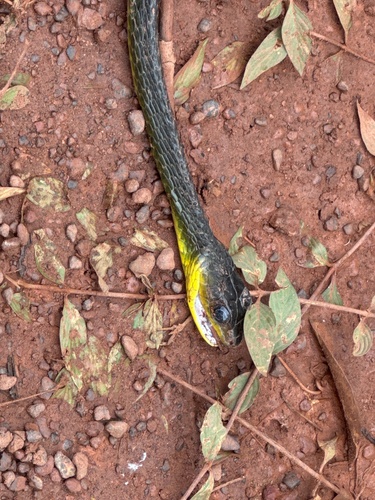

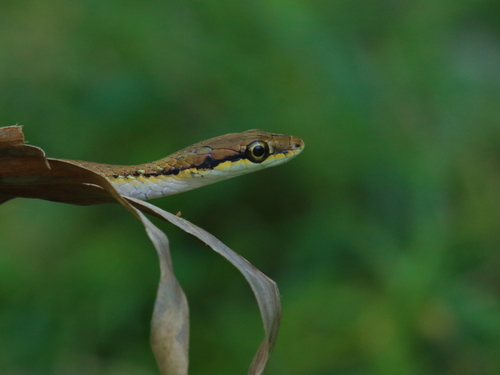
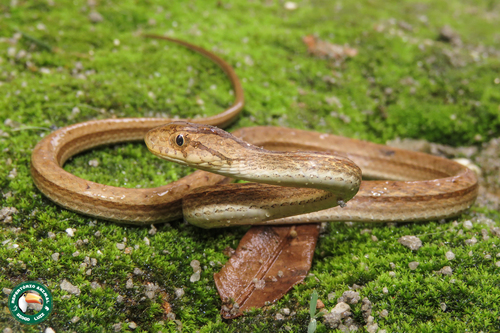
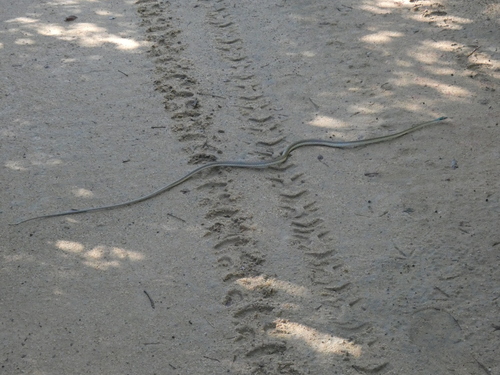
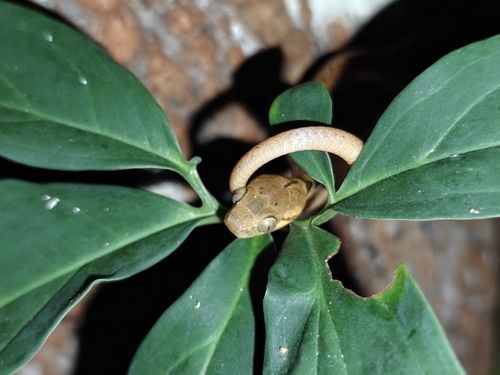
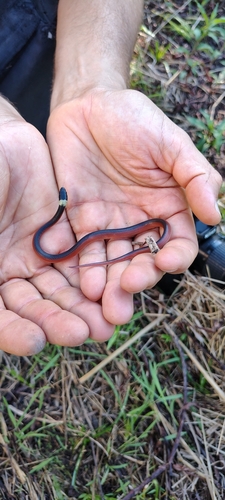
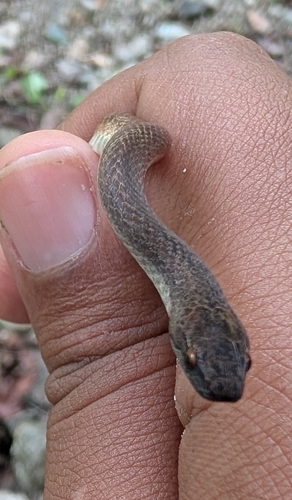
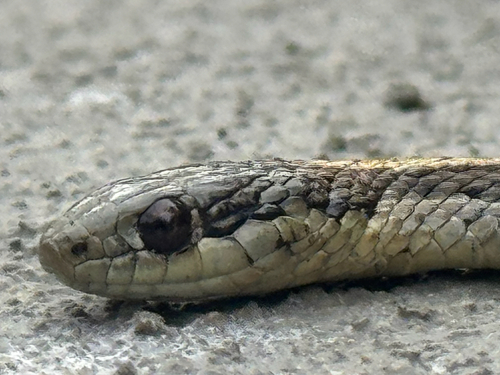
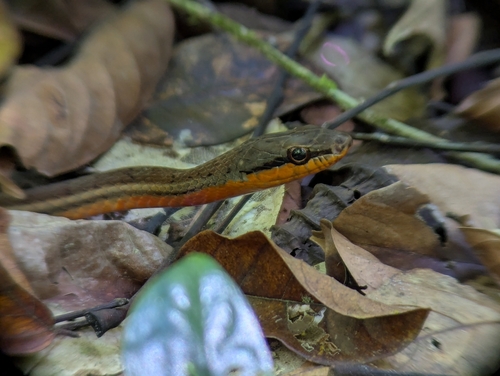
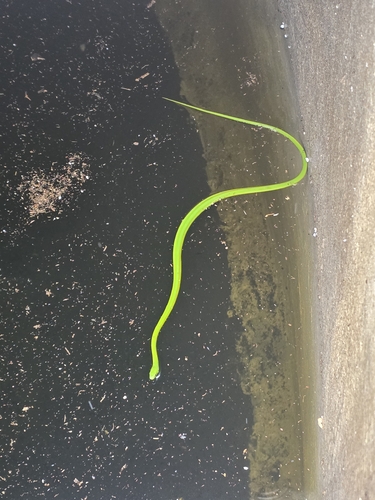
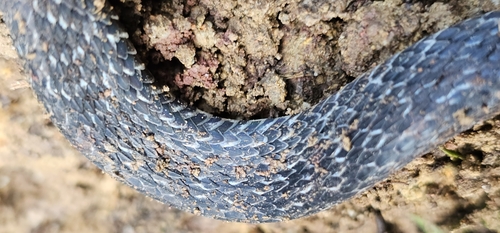
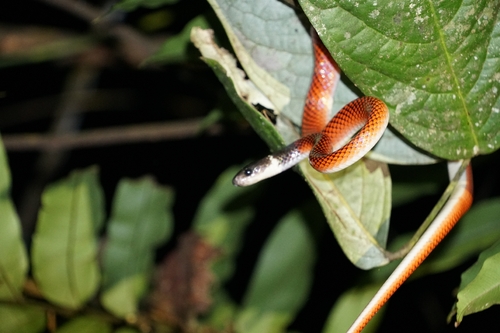
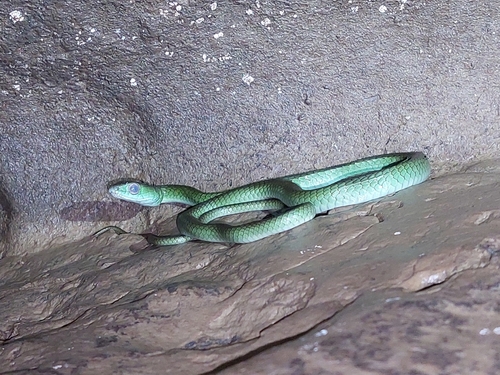
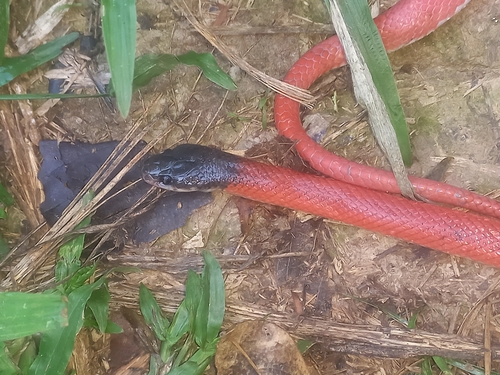

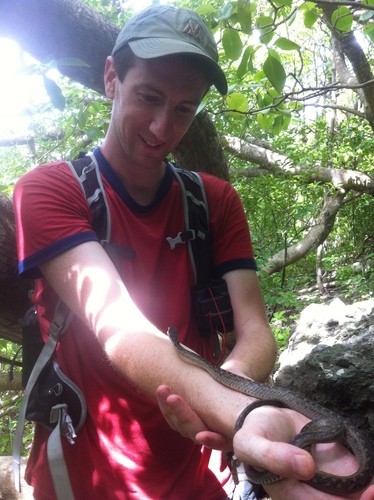
Boidae (9)
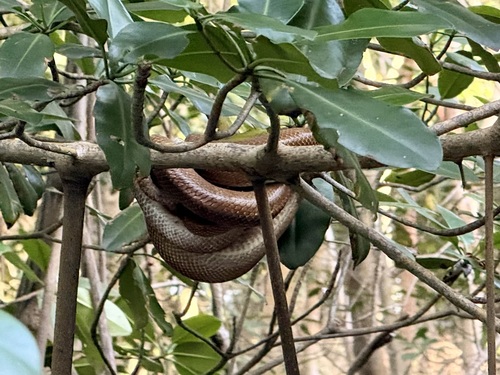
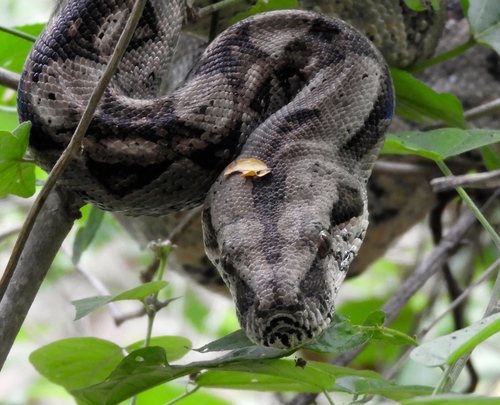
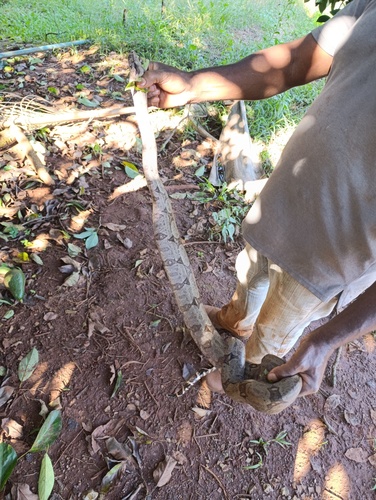

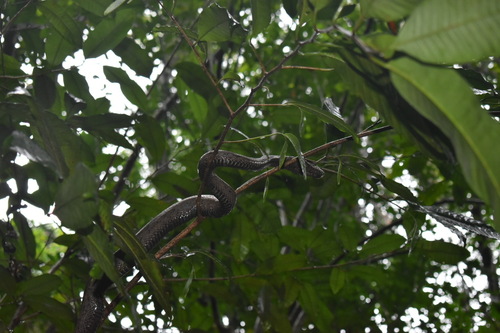
Viperidae (5)
Elapidae (5)
Leptotyphlopidae (4)
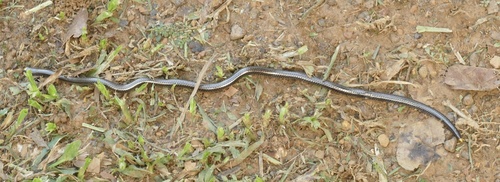
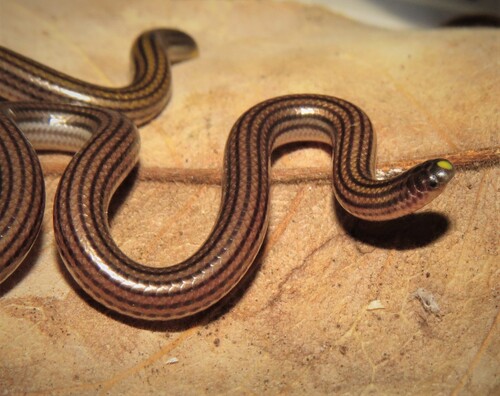
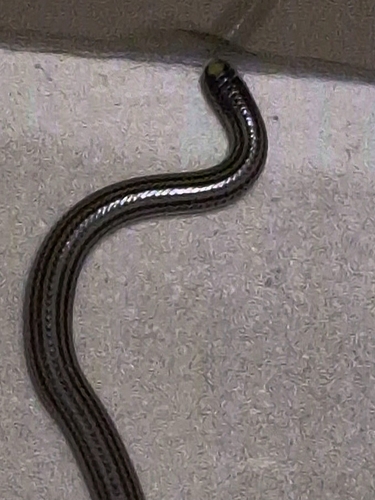
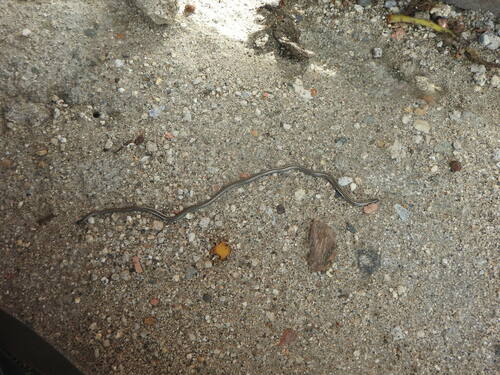
Typhlopidae (3)
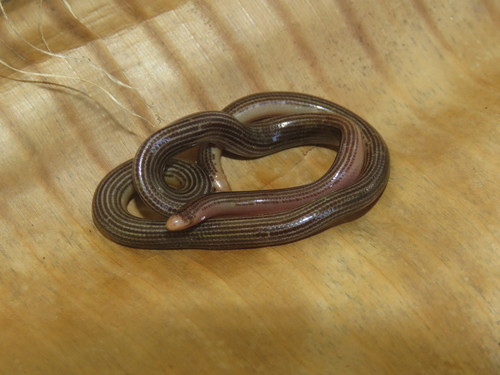
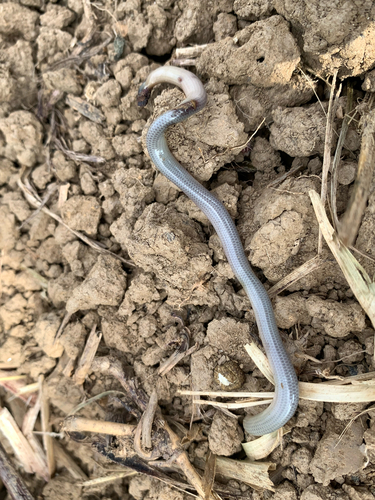
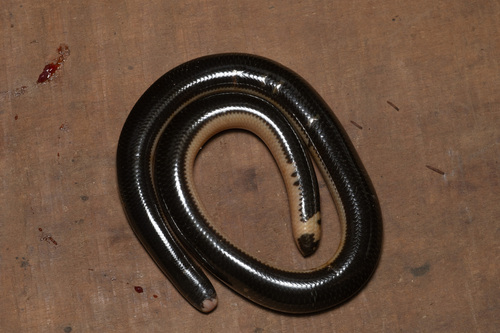
Tropidophiidae (1)
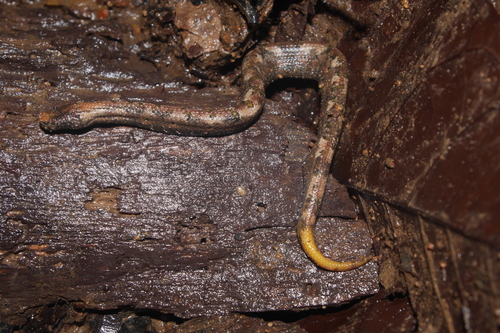
Compiled from verified GBIF & iNaturalist observations. "How often seen" reflects how frequently a snake is reported here, not how dangerous it is. Informational only.
Keep learning
- Are Snakes Dangerous? The Real Risk, in PerspectiveMost snakes are harmless and avoid people. Here is the honest picture of snakebite risk worldwide and how to lower your own.
- Snakebite First Aid: What to Do (and What Never to Do)A clear, CDC-based guide to snakebite first aid: the steps that help, the popular myths that hurt, and how to tell a serious bite from a minor one.
- Venomous vs Nonvenomous: How to Tell the DifferenceThe folk rules for telling venomous snakes apart, where each one fails, and why location-based identification beats guessing by sight.
- What to Do If You Find a SnakeFound a snake at home or on a trail? Here is how to stay calm, give it space, identify it safely, and know when to call a professional.