
French Guiana
Snakes in French Guiana
125+ snake species have been recorded in French Guiana, 14 venomous.
Snakes of French Guiana
French Guiana has 125+ snake species recorded in our database, and 15 of them are venomous. That ratio tells the real story of this place. The overwhelming majority of snakes here are non-venomous, and the small venomous minority, while medically important, is far outnumbered by harmless species. French Guiana sits on the northeastern shoulder of South America, where the Guiana Shield meets the Atlantic coast, and that position gives it one of the richest snake faunas in the Americas relative to its size.
The diversity is driven by habitat. More than 90 percent of the territory is covered by dense, undisturbed lowland tropical rainforest, threaded with rivers, blackwater creeks, and seasonal swamps. Add the coastal mangroves, the savannas near the shore, and the rocky inselbergs that rise out of the forest, and you get a landscape with a niche for almost every kind of snake. Arboreal species climb the canopy, aquatic and semi-aquatic species hunt the waterways, fossorial species burrow through leaf litter and soil, and ground hunters work the forest floor. Each layer of this rainforest supports its own community of snakes, which is why the species count is so high.
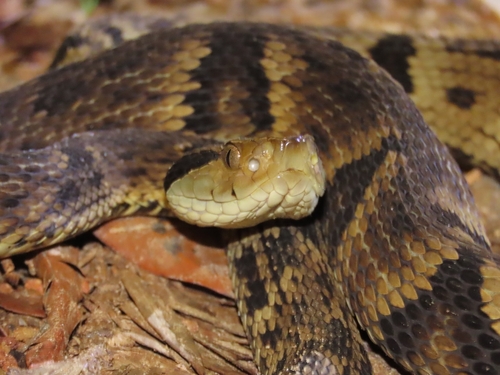
The medically important venomous snakes of French Guiana fall into two groups. The first and most significant is the pit vipers, family Viperidae. This includes lanceheads of the genus Bothrops, such as the common lancehead, along with related forest pit vipers, the bushmaster (Lachesis), which is the largest viper in the Americas, and the South American rattlesnake (Crotalus durissus) found in open and savanna areas. Bothrops bites cause the majority of serious snakebite cases here. The second group is the coral snakes, genus Micrurus, family Elapidae, which carry a potent neurotoxic venom but are reclusive and account for far fewer bites. There are no cobras, mambas, or true vipers of the Old World here, since those do not occur in South America. Sea snakes are also absent from the Atlantic coast.
The non-venomous majority is where most of the country's snake life lives. The family Colubridae and its relatives dominate, with a wide range of harmless racers, vine snakes, parrot snakes, and water-loving species. French Guiana is also home to some of the most famous snakes in the world. The green anaconda (Eunectes murinus), one of the heaviest snakes on Earth, hunts in the rivers and swamps, killing prey by constriction rather than venom. Boa constrictors and several tree boas, including the striking emerald tree boa, are also present. These large constrictors are non-venomous and rely entirely on muscle to subdue prey.
Snakes earn their place in this ecosystem. Forest and field species are among the most effective natural controls on rodents, and rodent control matters directly to people because rats and mice damage stored food, crops, and homes and carry disease. Constrictors and ground hunters keep these populations in check, while smaller snakes feed on insects, frogs, and other small animals, holding the food web in balance. Removing snakes from a landscape tends to let pest populations climb, so the animals most people fear are quietly doing valuable work.
On safety, the honest framing is straightforward. The great majority of snakes you might encounter in French Guiana are harmless, and most snakes avoid people and will retreat if given the chance. The main medical threat is the pit vipers, especially Bothrops lanceheads, with coral snakes a smaller but serious concern. A bite from a venomous snake is a medical emergency. The treatment is antivenom and supportive hospital care delivered by trained professionals, so get the person to a hospital or emergency service as fast as possible. Never attempt to handle, catch, or kill a wild snake, since most bites happen when people try to interact with the animal. If you are in the United States you can reach Poison Control at 1-800-222-1222, and anywhere else contact local emergency services immediately.
Snakes in French Guiana: FAQ
- Are there venomous snakes in French Guiana?
- Yes. 14 venomous snake species have verified records in French Guiana, including Common Lancehead, Green Jararaca, South American Bushmaster, Hemprich's Coralsnake. Most snakes in French Guiana, however, are harmless.
- How many snake species live in French Guiana?
- 125+ snake species have verified records in French Guiana, of which 14 are venomous.
- What is the most commonly seen snake in French Guiana?
- The Common Lancehead is the most frequently reported snake in French Guiana, based on verified wildlife observations.
- What should I do if I see a venomous snake in French Guiana?
- Keep your distance and do not try to catch or kill it. Most bites happen when people handle or corner a snake. If someone is bitten, contact local emergency services or poison control immediately.
Venomous snakes in French Guiana
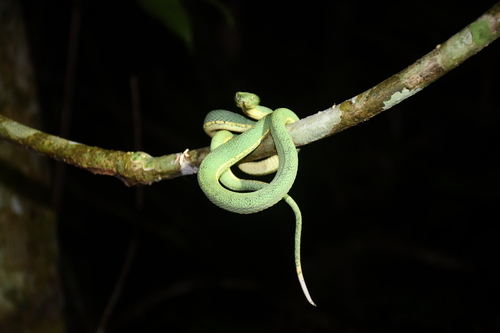
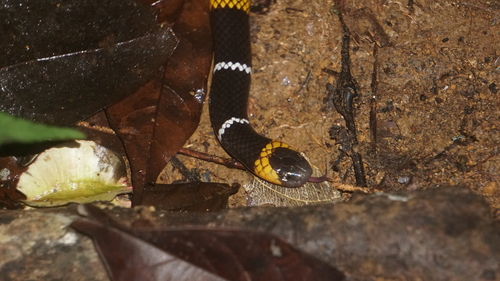 Hemprich's CoralsnakeMicrurus hemprichiiVenomous
Rings of red, yellow, and black where red touches yellow; small rounded head and round pupils.
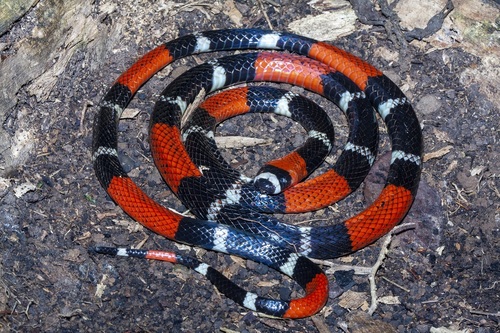 Ribbon CoralsnakeMicrurus lemniscatusVenomous
Rings of red, yellow, and black where red touches yellow; small rounded head and round pupils.
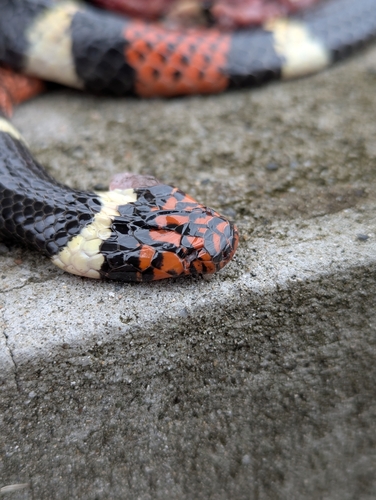 Aquatic CoralsnakeMicrurus surinamensisVenomous
Rings of red, yellow, and black where red touches yellow; small rounded head and round pupils.
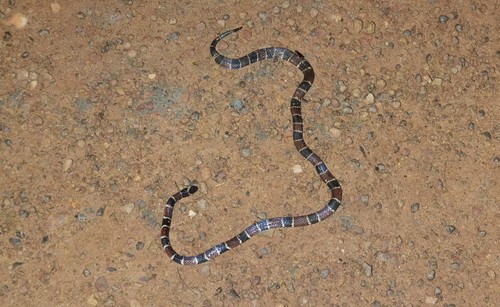 Carib CoralsnakeMicrurus psychesVenomous
Rings of red, yellow, and black where red touches yellow; small rounded head and round pupils.
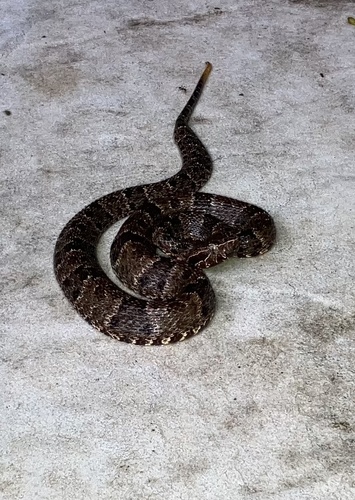
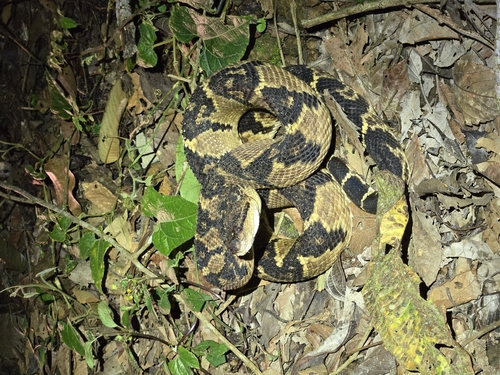
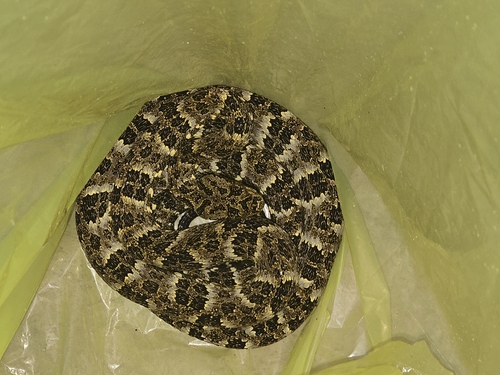
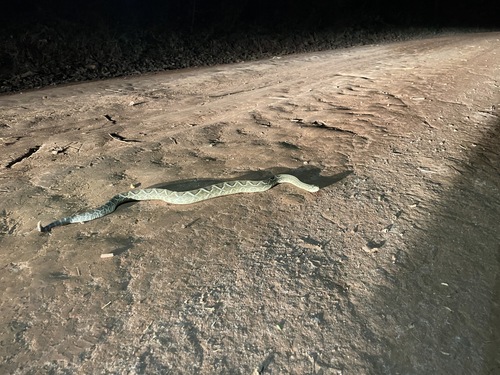 Neotropical RattlesnakeCrotalus durissusVenomous
Heavy body, broad triangular head, vertical (cat-like) pupils, and a segmented keratin rattle at the tail tip.
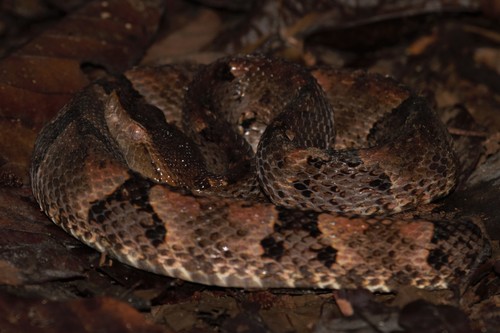
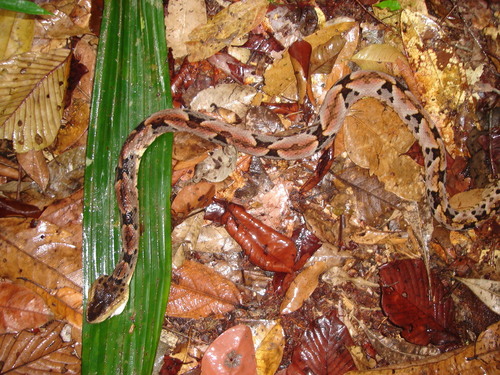
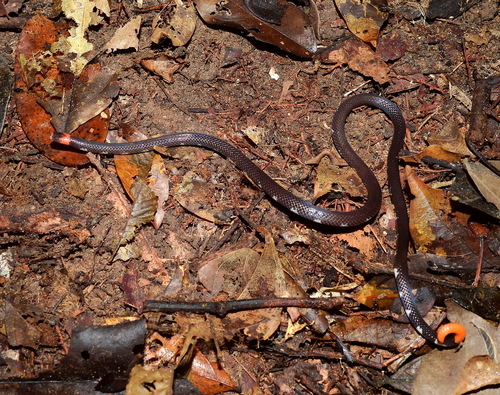 Guyana Blackback CoralsnakeMicrurus collarisVenomous
Rings of red, yellow, and black where red touches yellow; small rounded head and round pupils.
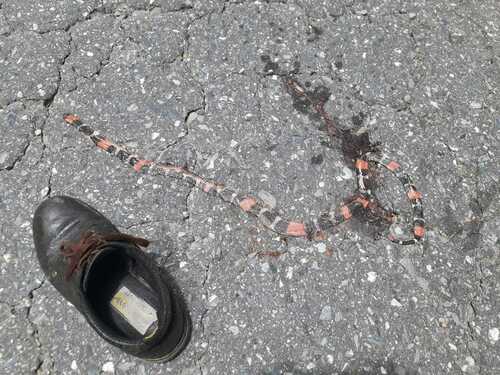 Trinidad Ribbon Coral SnakeMicrurus diutiusVenomous
Rings of red, yellow, and black where red touches yellow; small rounded head and round pupils.
Every snake recorded in French Guiana
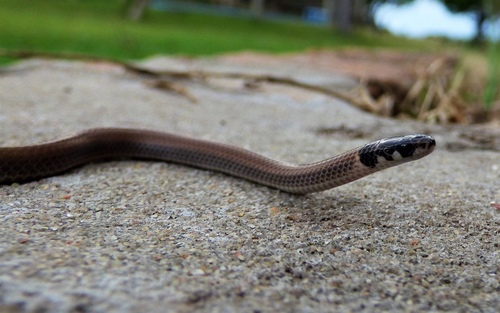
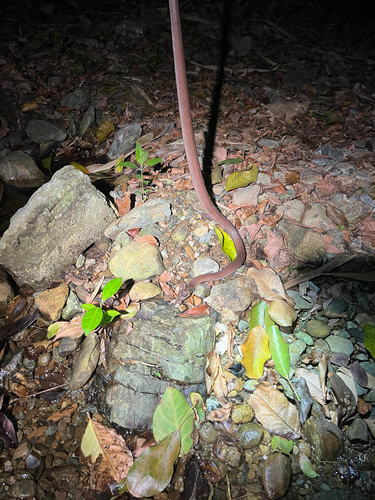
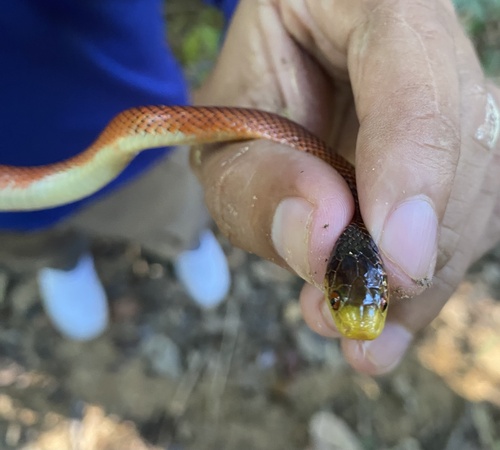
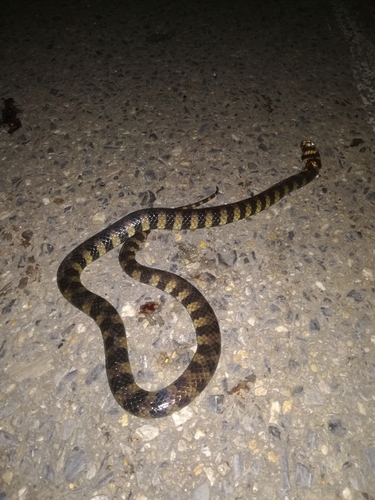
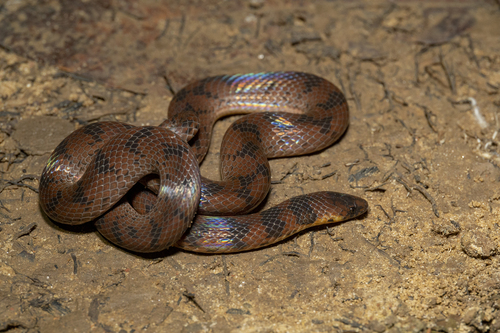
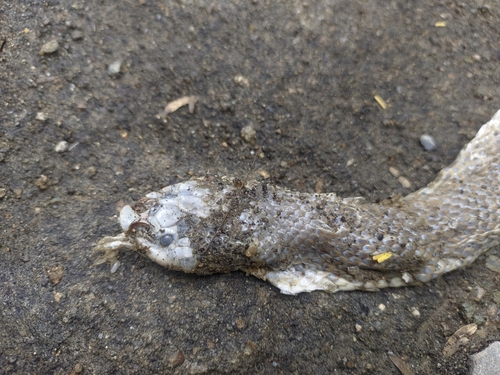
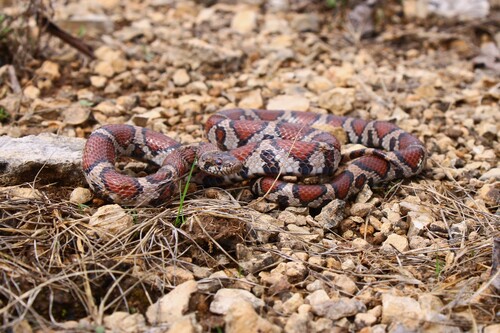
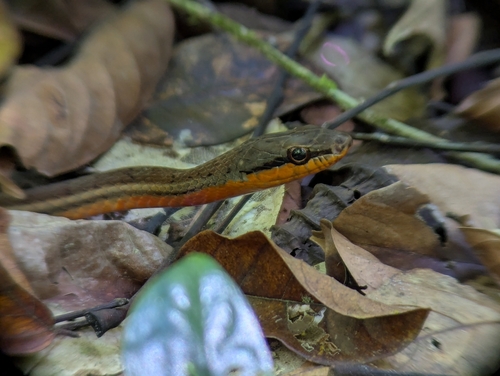
125+ species across 9 families, grouped by family. Venomous flagged.
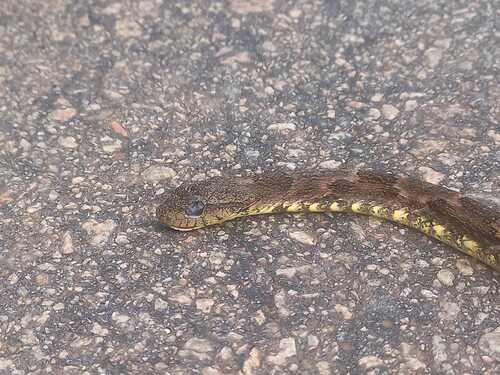
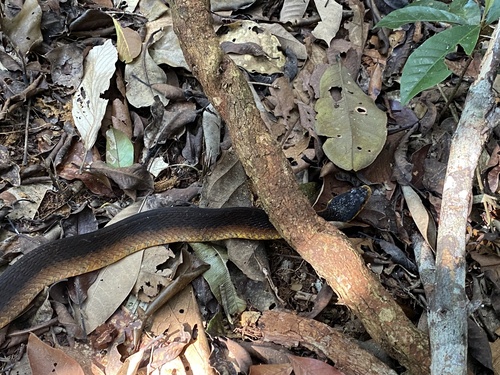
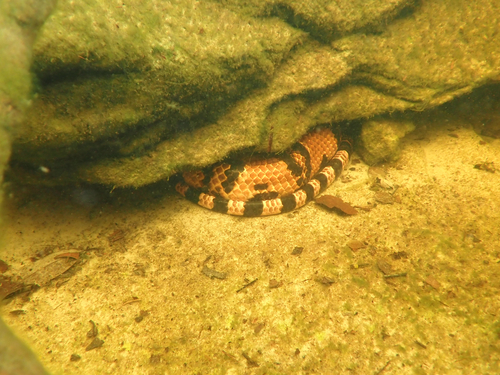
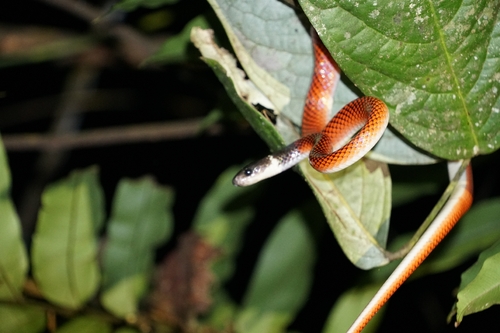
Colubridae (90)
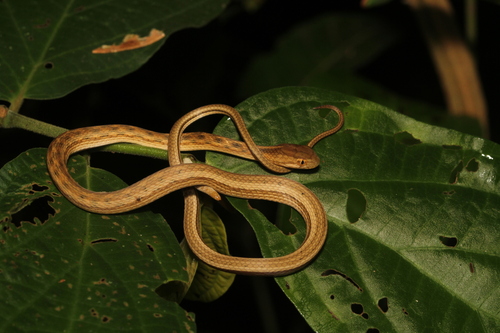
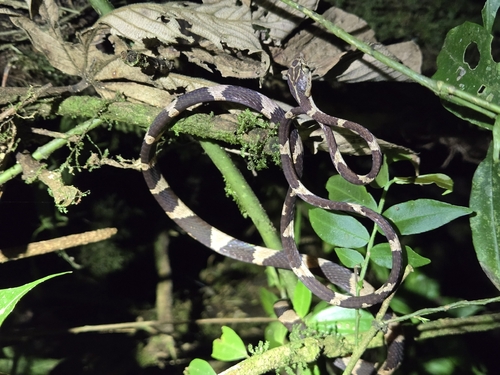
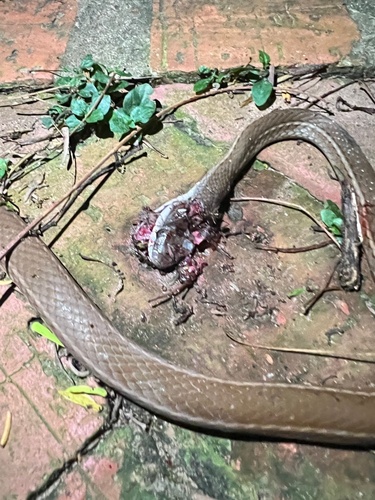
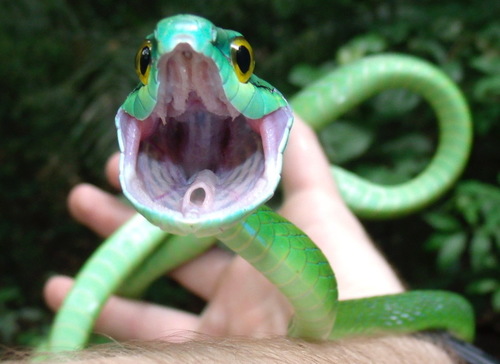
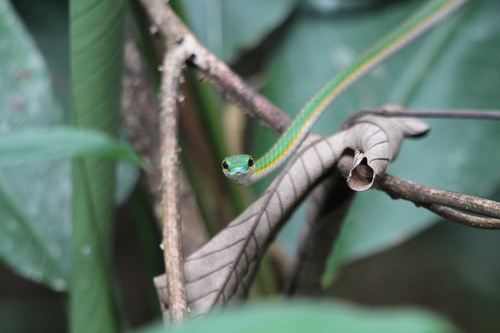
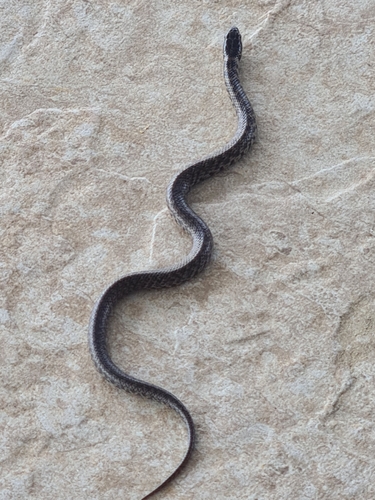
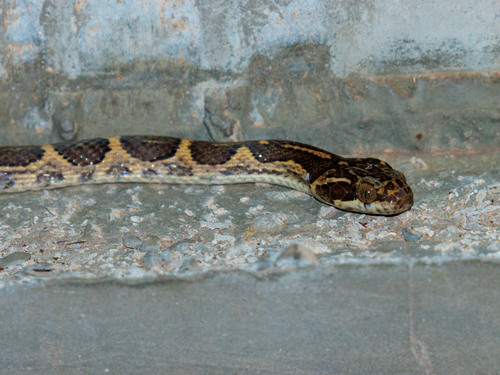
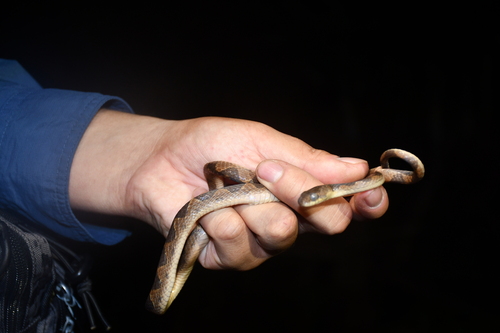
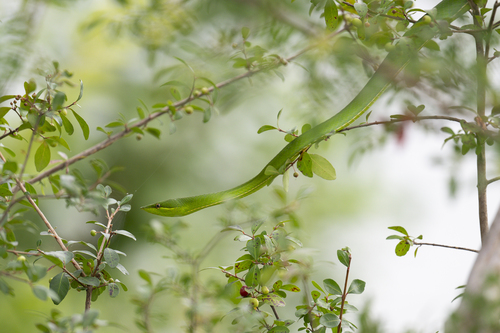
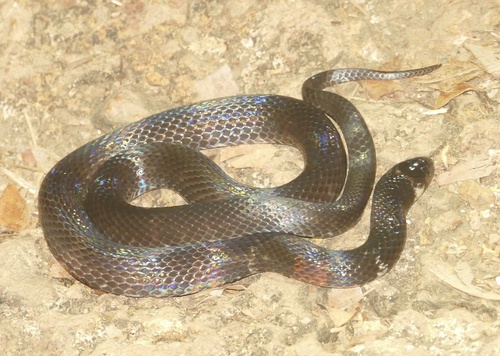
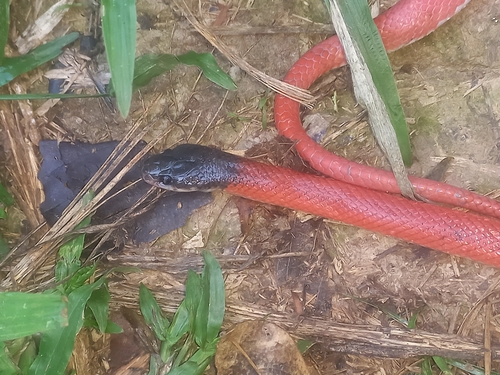
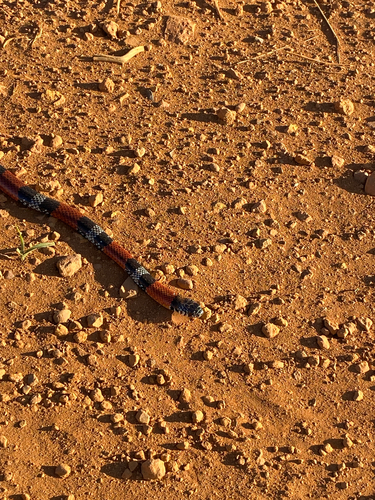
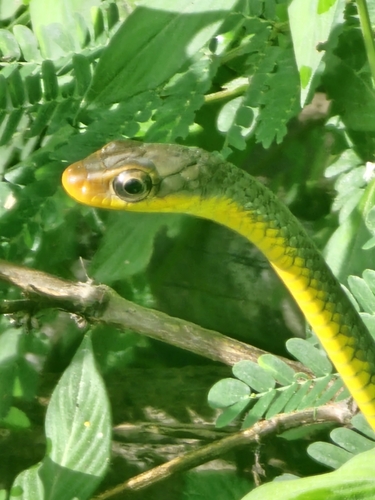
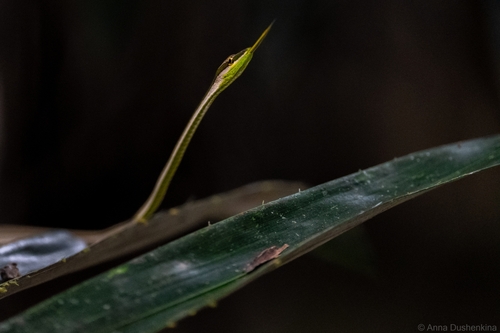
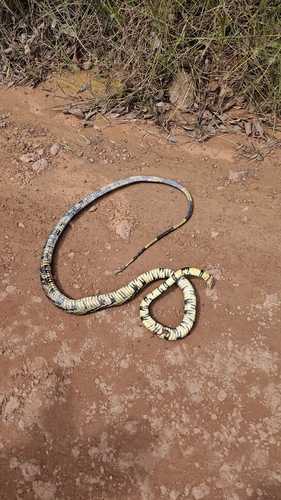
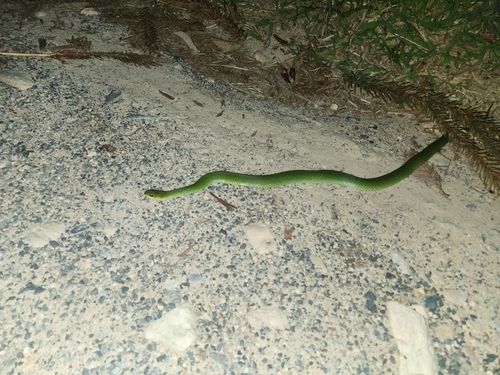
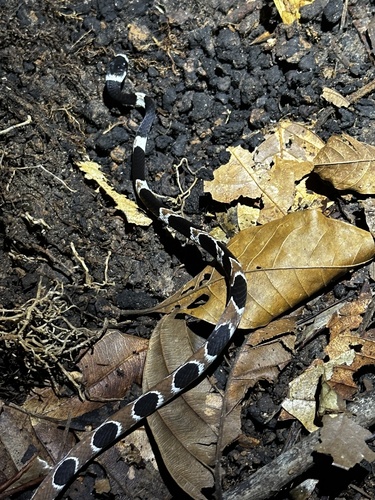
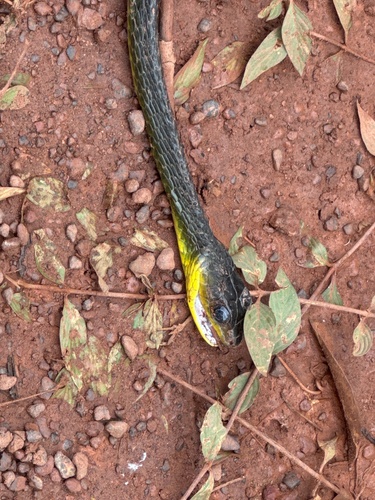
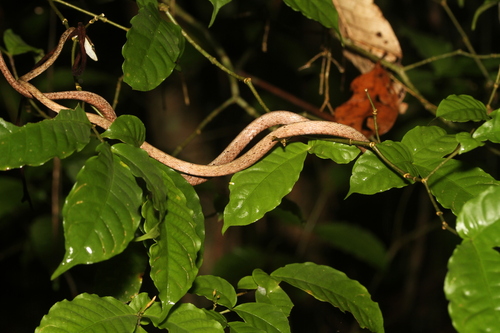
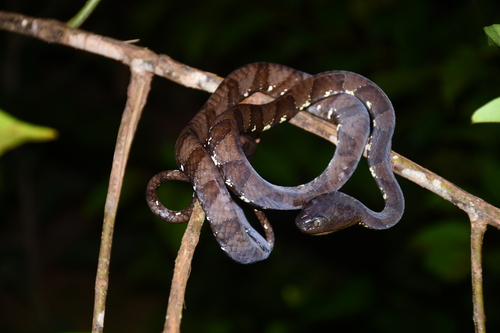
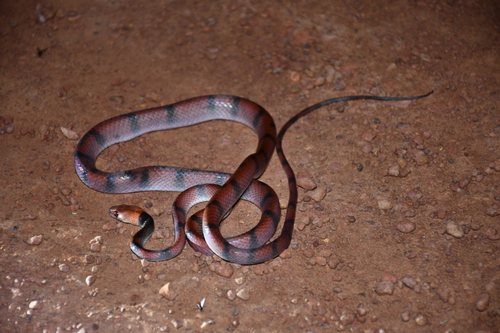
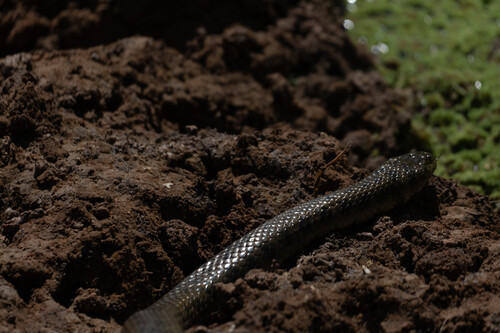
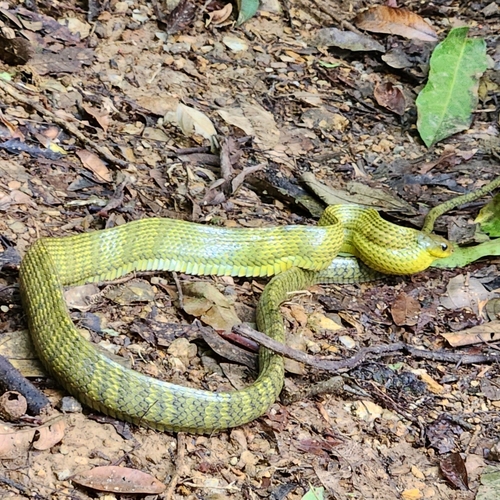
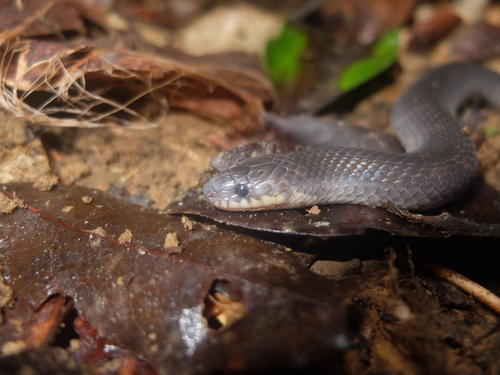
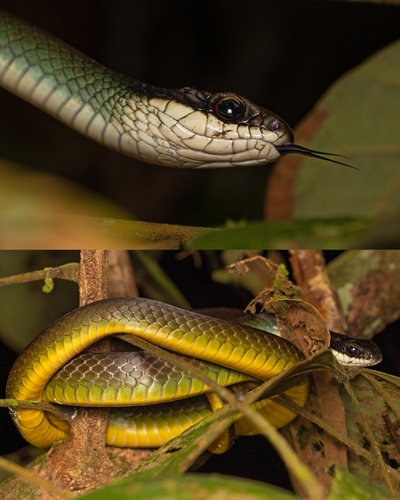
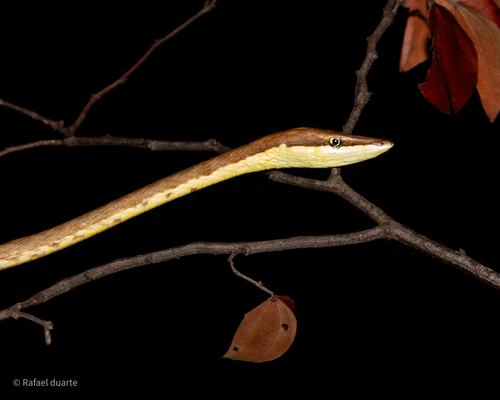
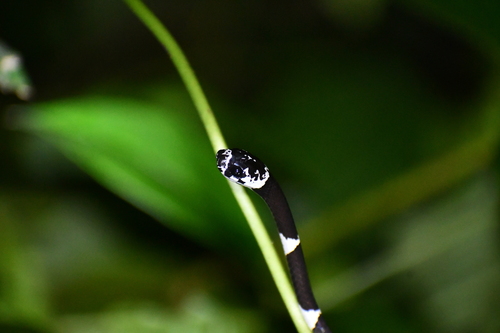
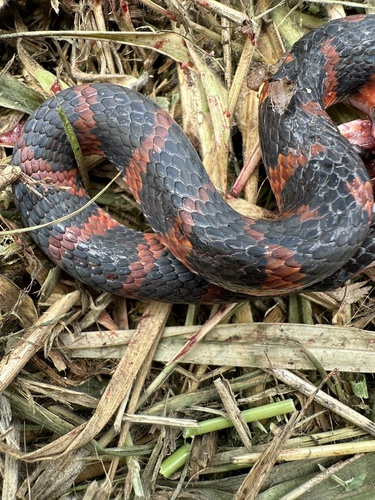
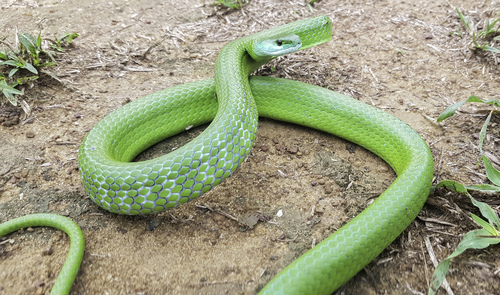
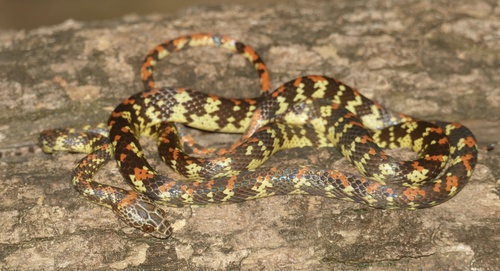
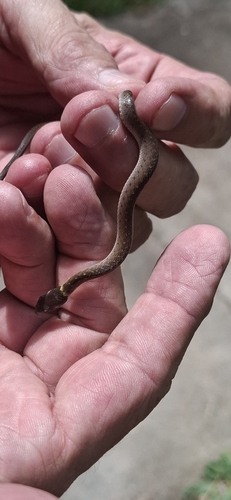
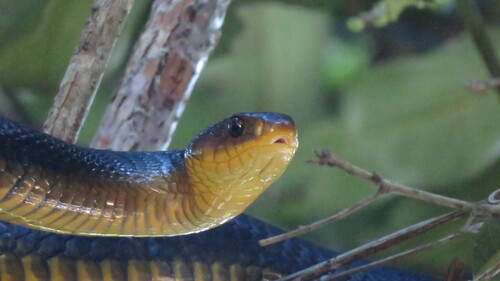
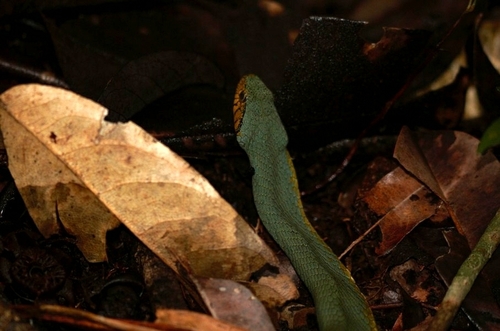
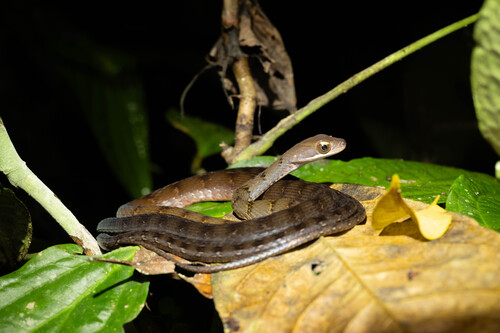
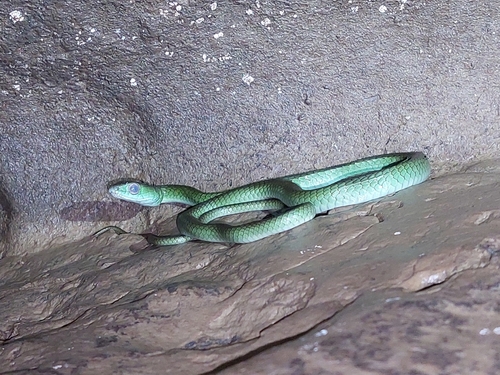
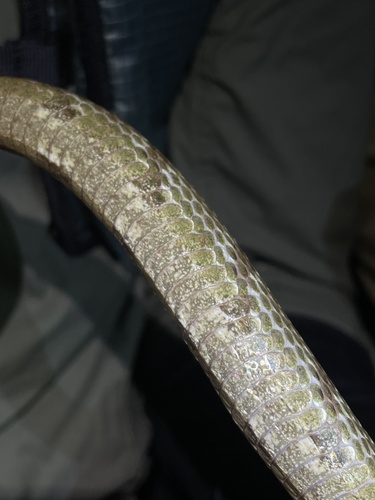
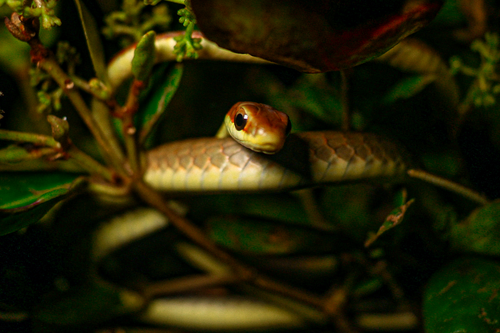
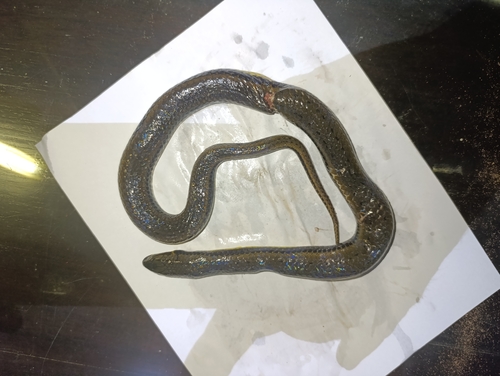
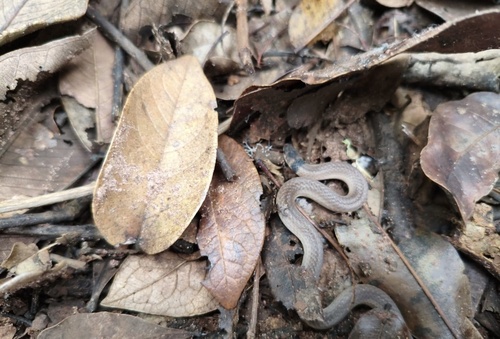
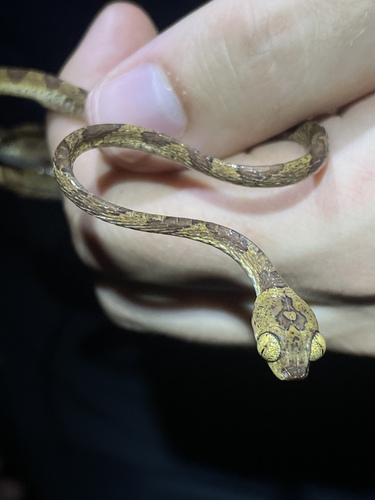

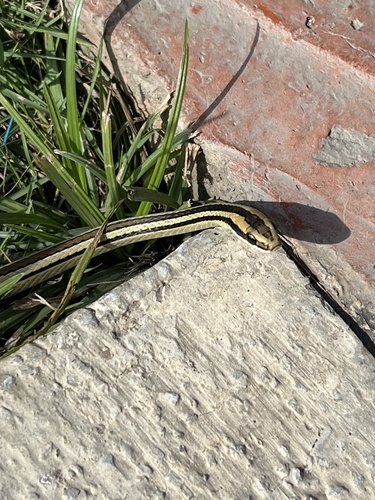
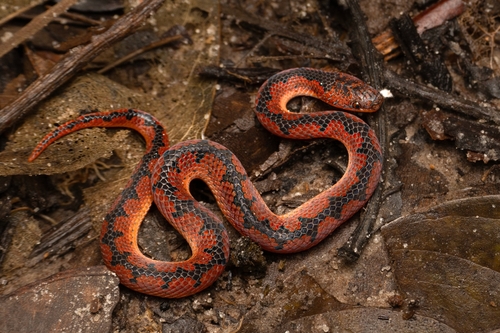
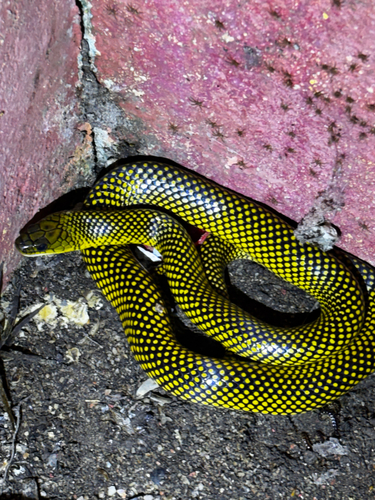
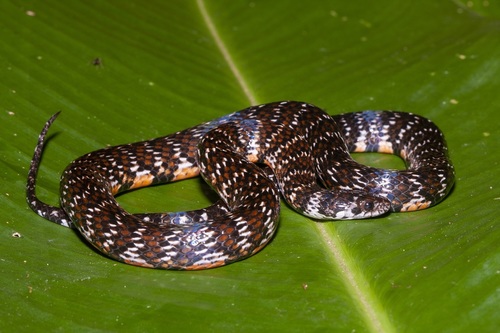
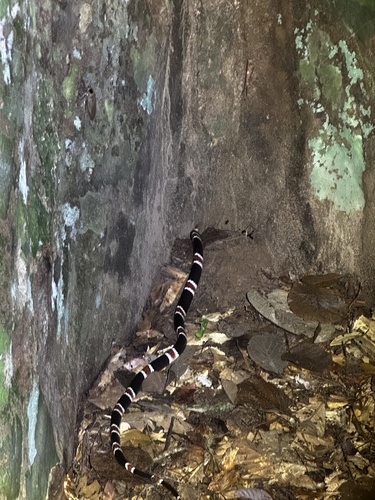
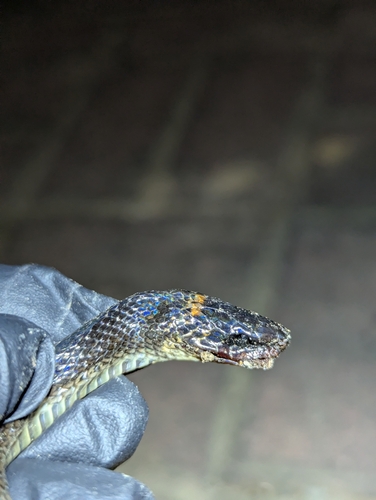
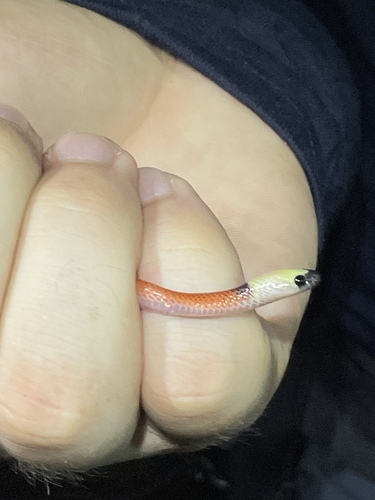
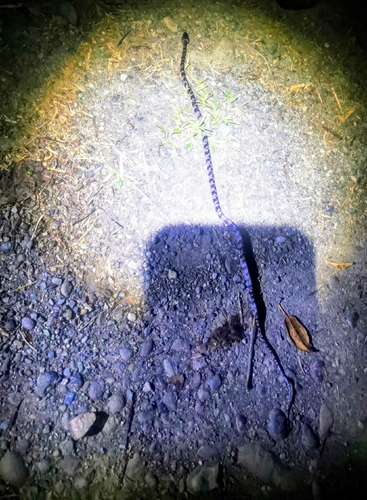
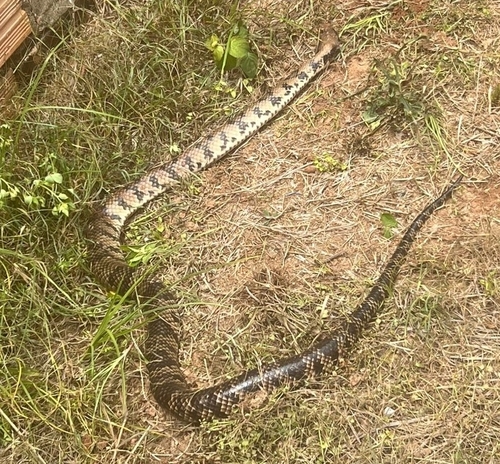
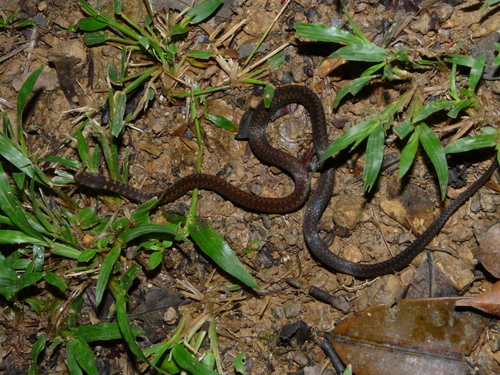
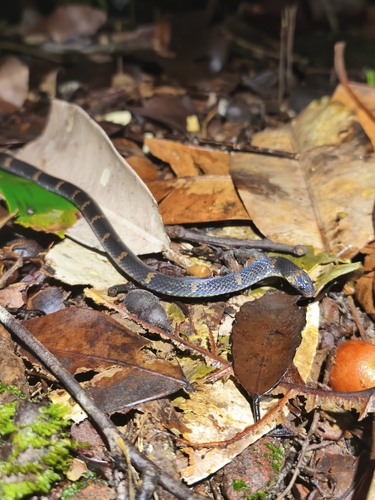

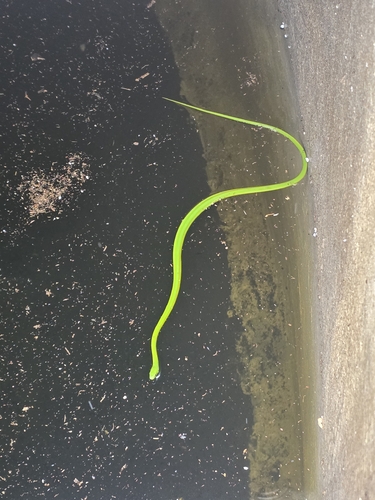
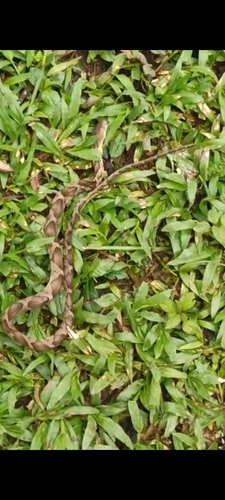
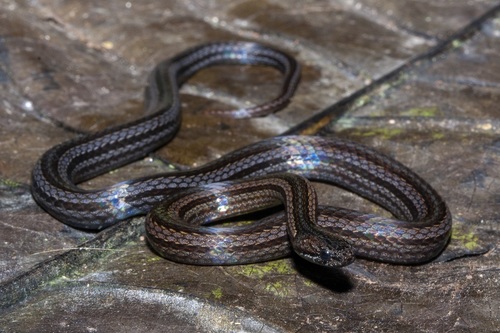
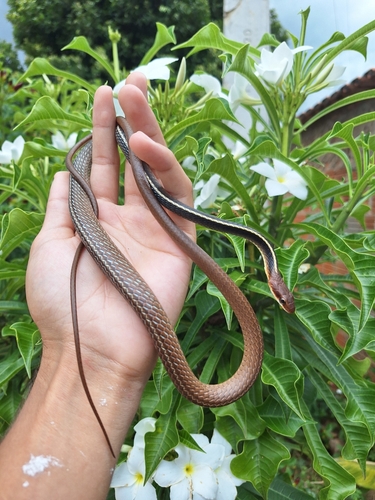
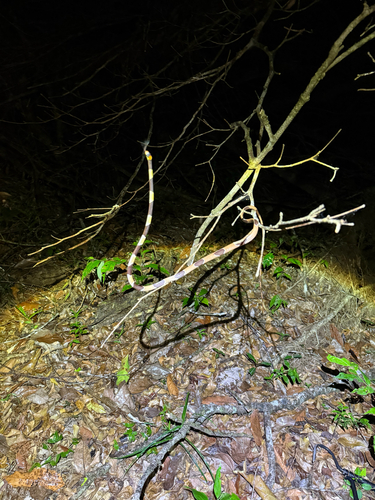
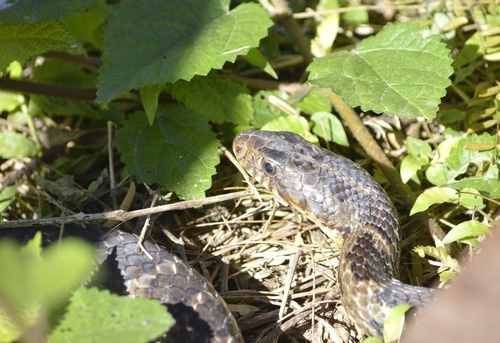
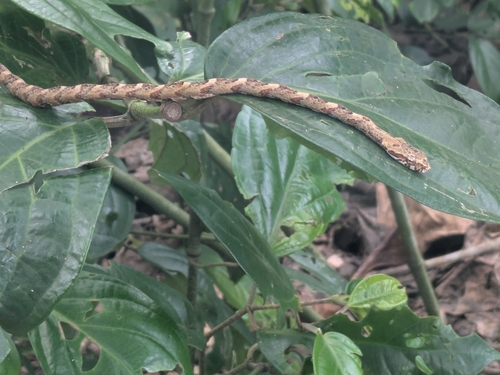
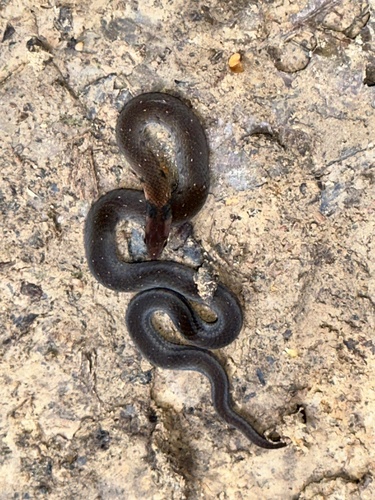
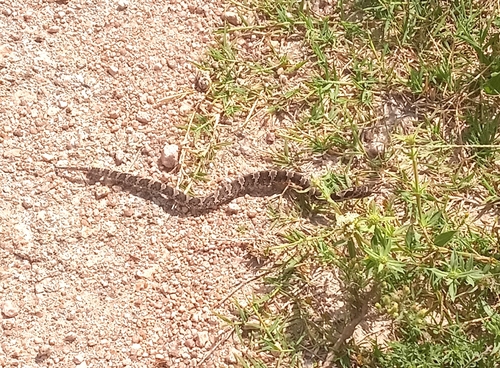
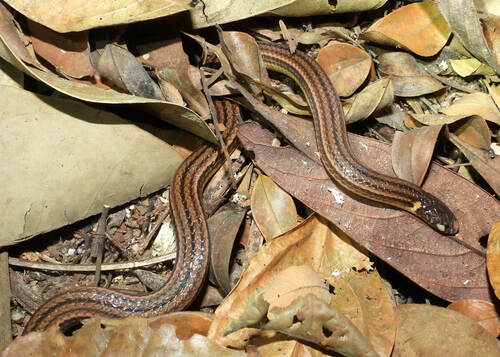
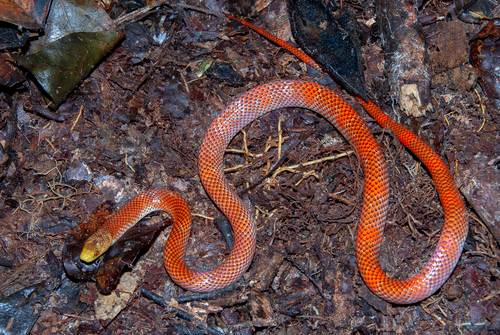
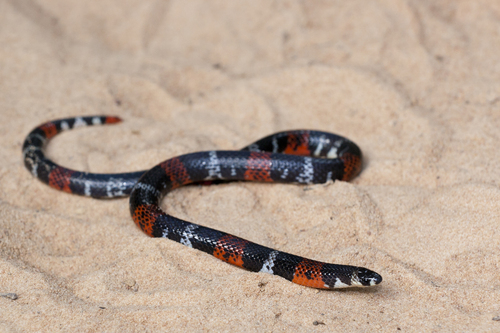
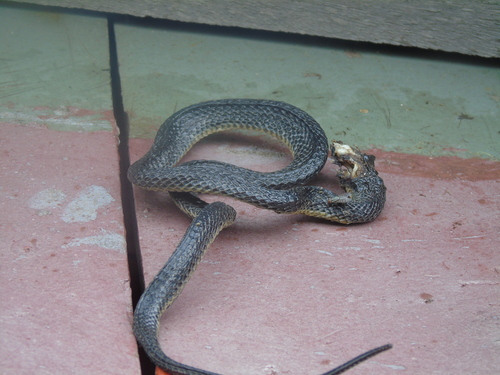
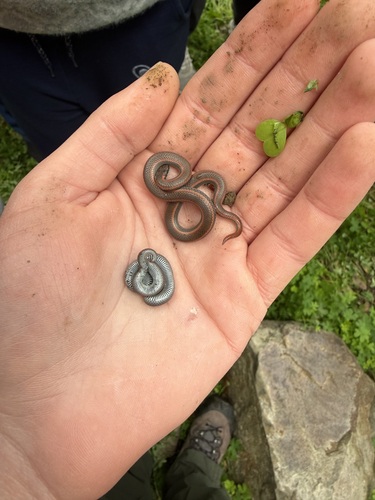
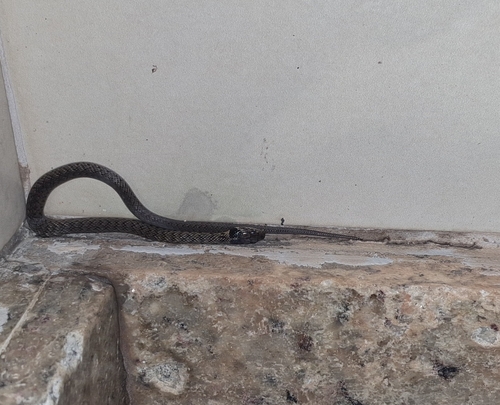
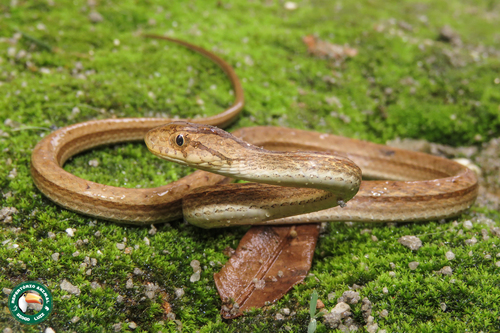
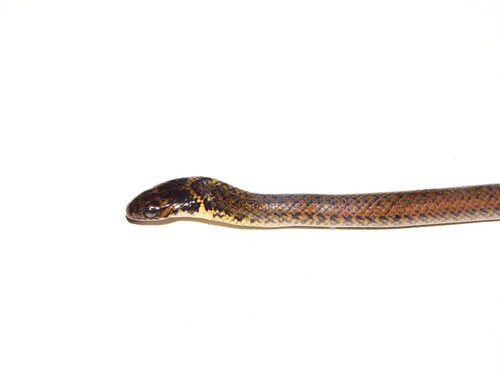
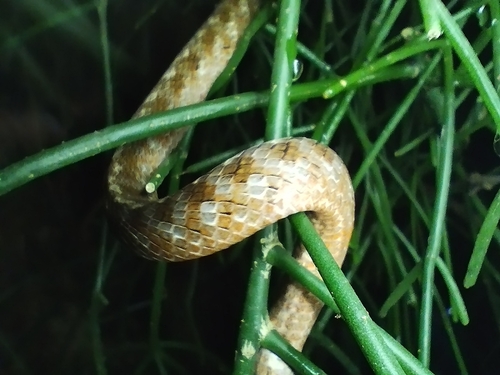
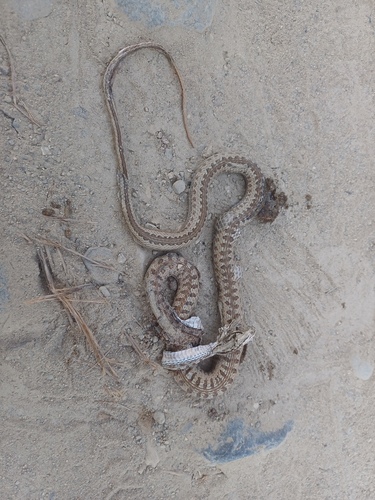
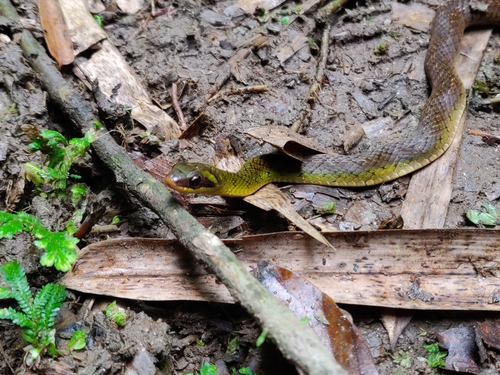
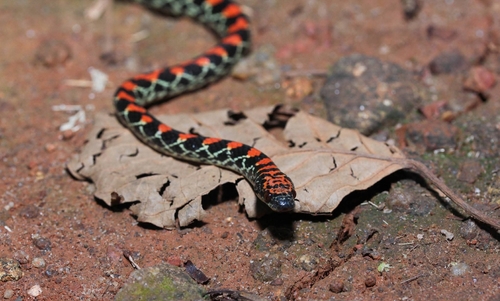
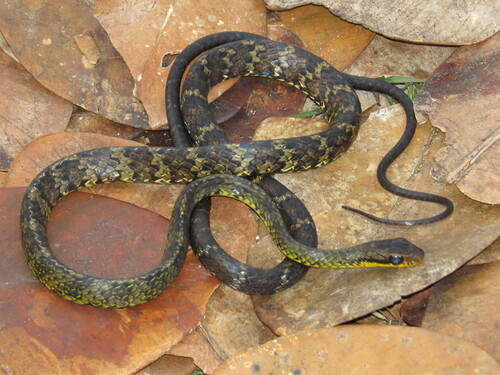
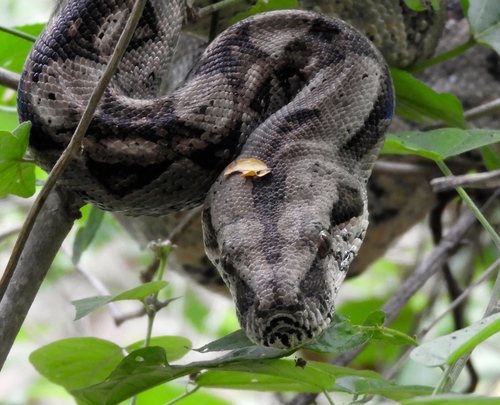
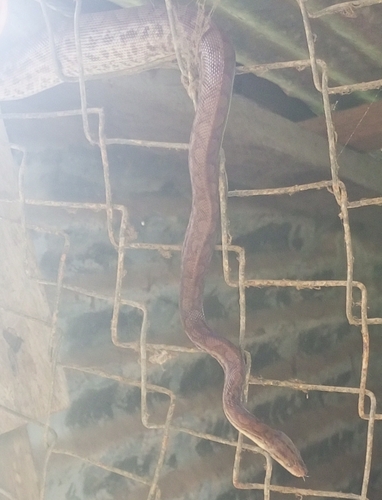
Boidae (9)
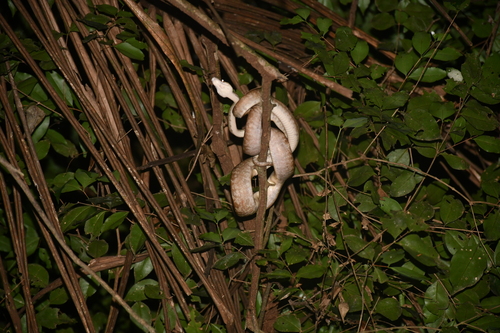
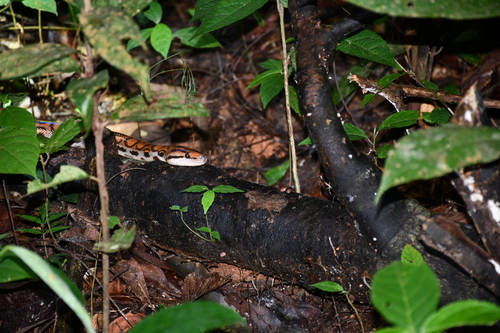
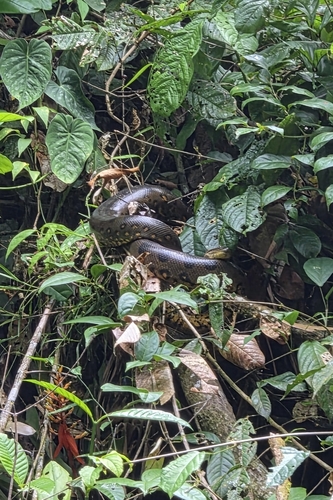
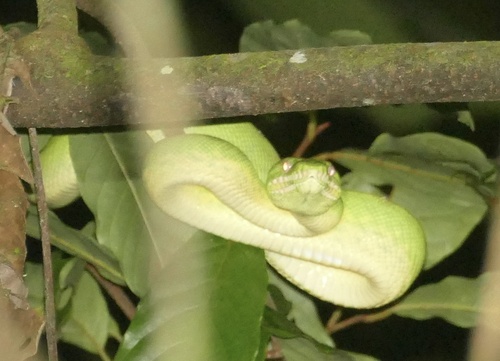


Viperidae (8)
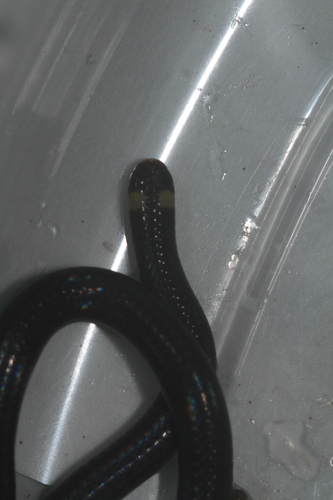
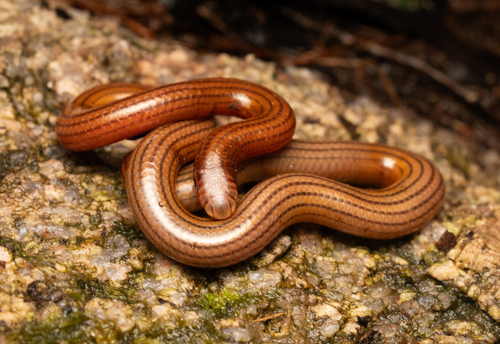
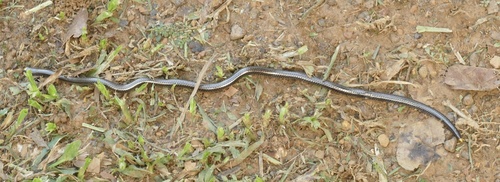
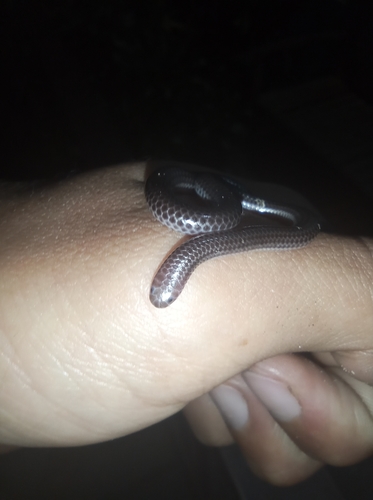
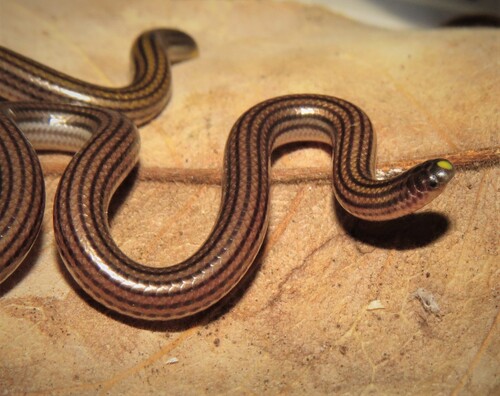
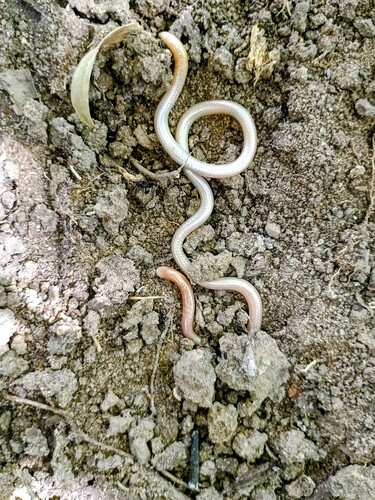
Leptotyphlopidae (7)
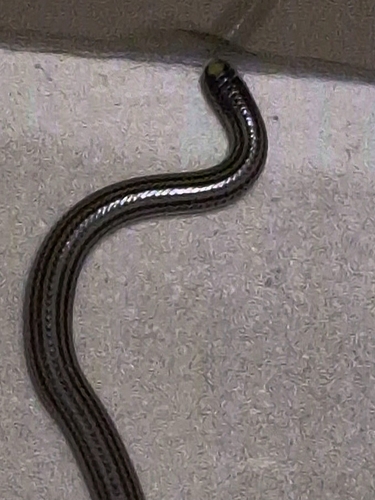
Elapidae (6)
Typhlopidae (3)
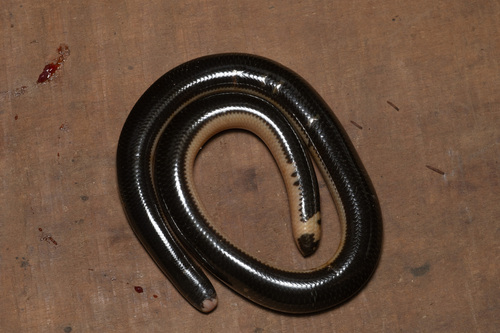
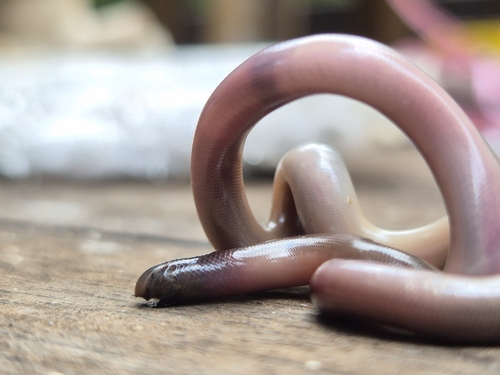
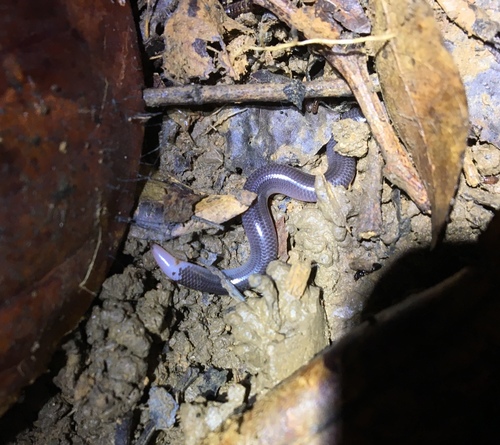
Aniliidae (1)
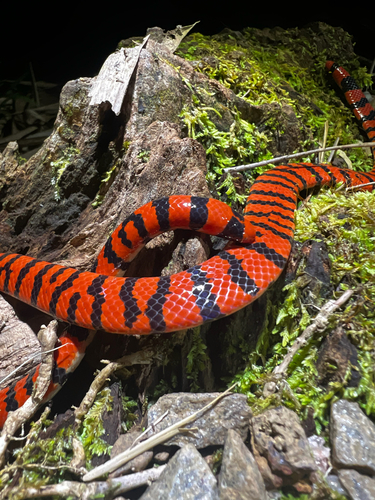
Anomalepididae (1)
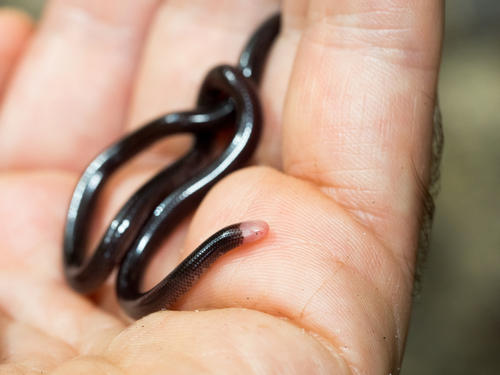
Cyclocoridae (1)
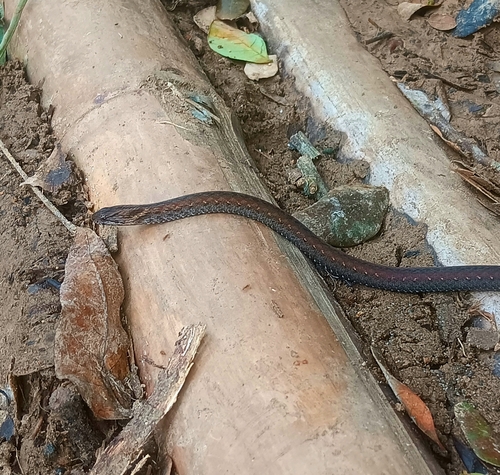
Compiled from verified GBIF & iNaturalist observations. "How often seen" reflects how frequently a snake is reported here, not how dangerous it is. Informational only.
Keep learning
- Are Snakes Dangerous? The Real Risk, in PerspectiveMost snakes are harmless and avoid people. Here is the honest picture of snakebite risk worldwide and how to lower your own.
- Snakebite First Aid: What to Do (and What Never to Do)A clear, CDC-based guide to snakebite first aid: the steps that help, the popular myths that hurt, and how to tell a serious bite from a minor one.
- Venomous vs Nonvenomous: How to Tell the DifferenceThe folk rules for telling venomous snakes apart, where each one fails, and why location-based identification beats guessing by sight.
- What to Do If You Find a SnakeFound a snake at home or on a trail? Here is how to stay calm, give it space, identify it safely, and know when to call a professional.