
Guyana
Snakes in Guyana
125+ snake species have been recorded in Guyana, 16 venomous.
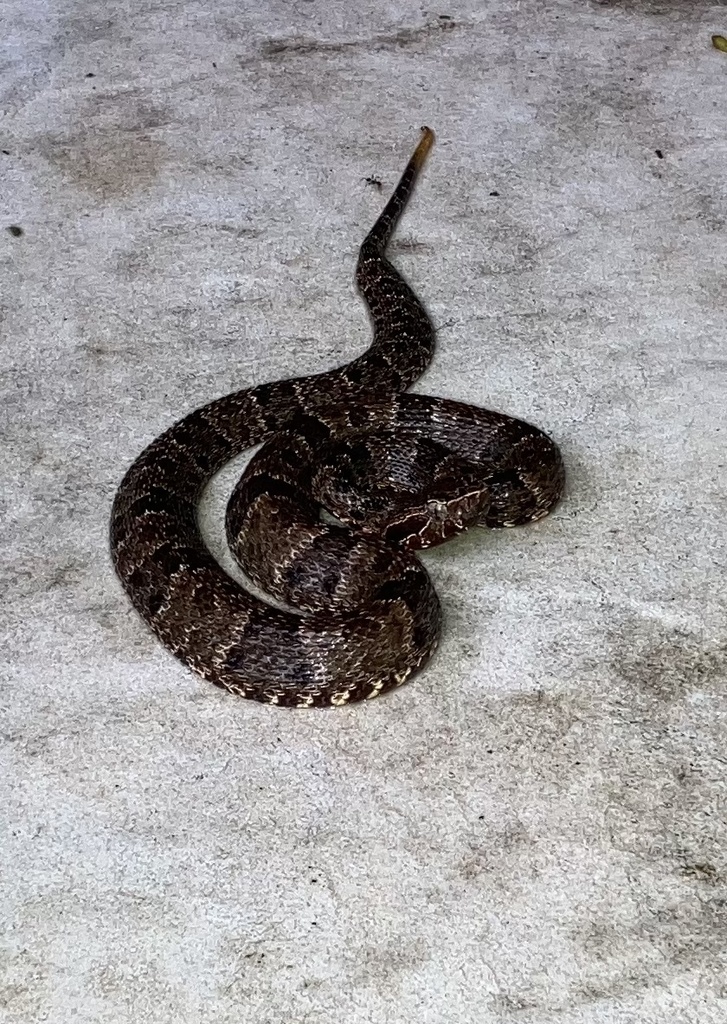
Snakes of Guyana
Guyana sits on the northeastern shoulder of South America, and our database records 125+ snake species across the country. Of those, 16 are venomous, which means the great majority of the snakes you might encounter here are not venomous at all. This is a tropical country dominated by rainforest, rivers, and wetland, and that landscape is the main reason its snake fauna is so rich.
The diversity comes from the range of habitats packed into a relatively small area. The dense lowland rainforest of the interior, the savannas of the Rupununi, the coastal mangroves and marshes, and the countless creeks and blackwater rivers each support different snakes. Forest canopies hold slender tree-dwelling species, the leaf litter hides small burrowing and ground snakes, and the rivers and wetlands are home to large aquatic constrictors. This patchwork of wet, warm environments gives many species the niches they need to coexist.
The medically important venomous snakes in Guyana belong to a few well-defined groups. The pit vipers are the most significant for human safety, including the lancehead vipers of the genus Bothrops and the bushmaster, which is the largest viper in the Americas. The country also has true coral snakes of the genus Micrurus, brightly banded elapids with potent venom. These are the groups that account for serious snakebite, and they are why bites in Guyana should always be treated as a medical emergency.
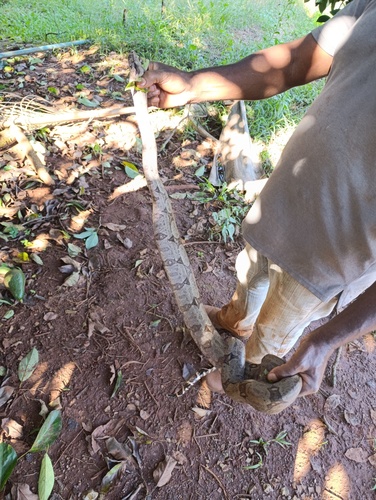
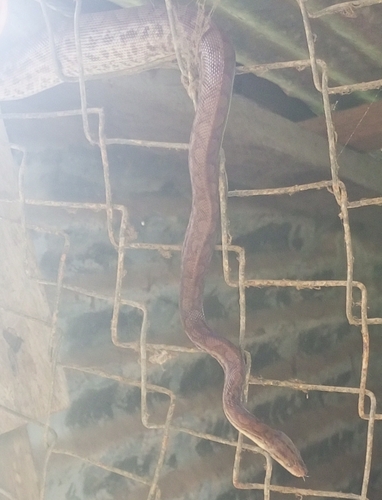
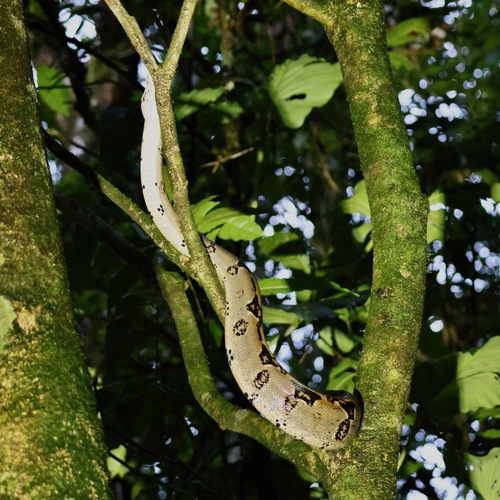
The non-venomous majority is what defines the country's snake life. Guyana is home to the green anaconda, one of the heaviest snakes in the world, which lives in the swamps and slow rivers and kills by constriction rather than venom. Boa constrictors and a variety of tree boas are also present, along with many harmless colubrid snakes that hunt frogs, lizards, fish, and small mammals. These constrictors and colubrids make up the bulk of the 125+ species recorded here.
Snakes earn their place in these ecosystems by keeping prey populations in balance. Many species feed heavily on rodents, which protects crops and stored food and reduces the spread of the diseases that rodents carry. Others control populations of insects, frogs, and other small animals. Removing snakes from an area tends to let pest numbers climb, so the snake fauna is a quiet but real part of how the landscape stays healthy.
For safety, keep the picture honest. Most snakes in Guyana are harmless, but the main medical threat comes from the pit vipers, especially the lanceheads and the bushmaster, with coral snakes a less common but serious danger. No wild snake should ever be handled, and a venomous snake is never safe to pick up regardless of how calm it looks. The correct response to a bite is professional medical care, where antivenom and hospital treatment are the proven course. If a bite happens, contact emergency services or, in the United States, Poison Control at 1-800-222-1222, and reach a hospital as quickly as possible.
Snakes in Guyana: FAQ
- Are there venomous snakes in Guyana?
- Yes. 16 venomous snake species have verified records in Guyana, including Common Lancehead, Neotropical Rattlesnake, Ribbon Coralsnake, Terciopelo. Most snakes in Guyana, however, are harmless.
- How many snake species live in Guyana?
- 125+ snake species have verified records in Guyana, of which 16 are venomous.
- What is the most commonly seen snake in Guyana?
- The Common Lancehead is the most frequently reported snake in Guyana, based on verified wildlife observations.
- What should I do if I see a venomous snake in Guyana?
- Keep your distance and do not try to catch or kill it. Most bites happen when people handle or corner a snake. If someone is bitten, contact local emergency services or poison control immediately.
Venomous snakes in Guyana
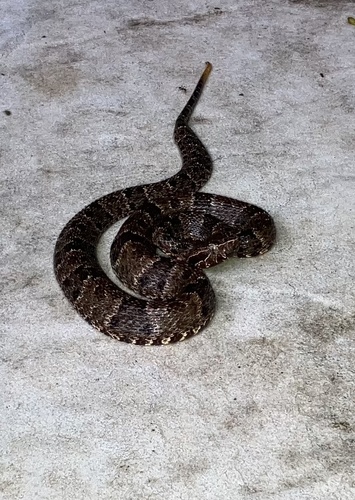
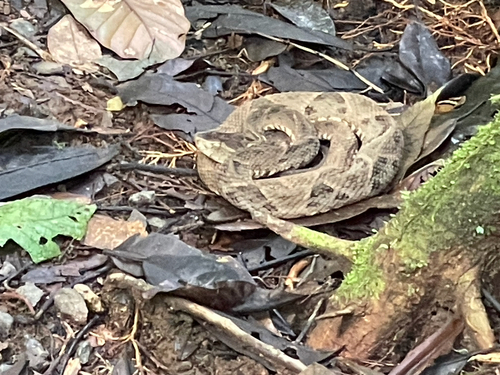
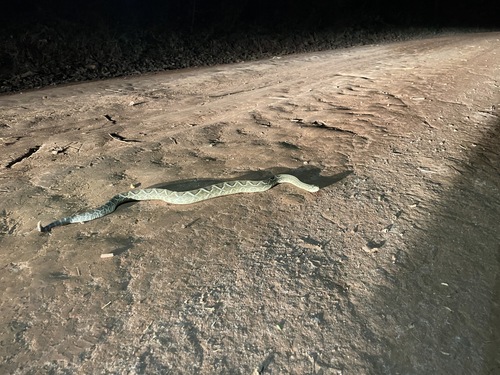 Neotropical RattlesnakeCrotalus durissusVenomous
Heavy body, broad triangular head, vertical (cat-like) pupils, and a segmented keratin rattle at the tail tip.
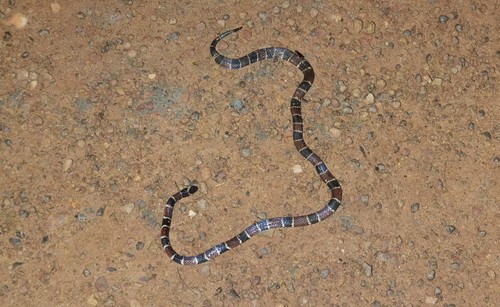
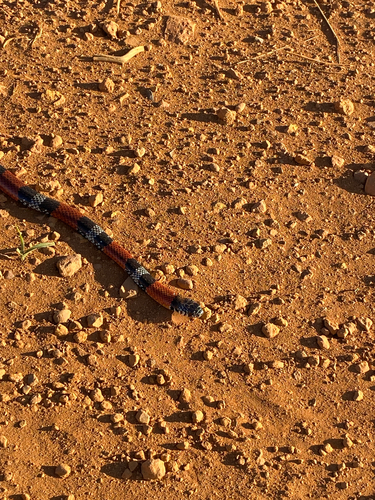
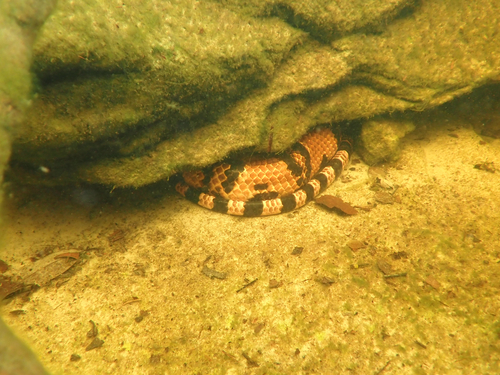
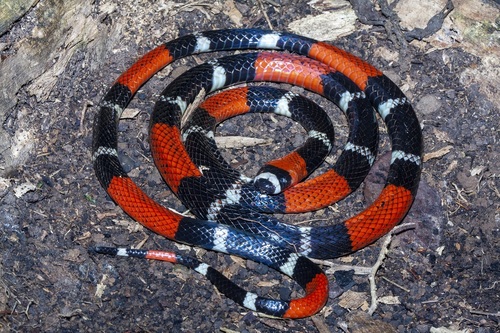 Ribbon CoralsnakeMicrurus lemniscatusVenomous
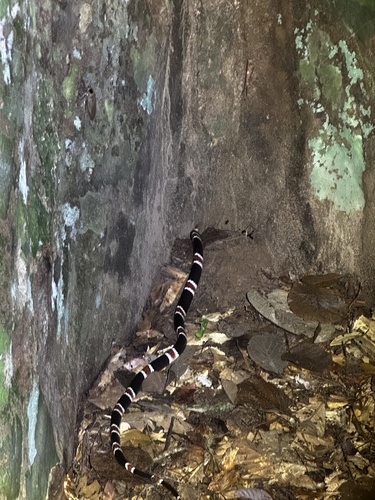
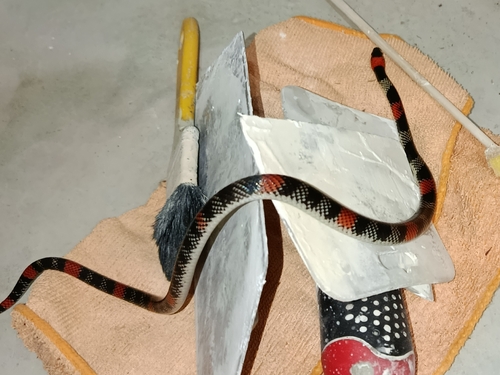
Rings of red, yellow, and black where red touches yellow; small rounded head and round pupils.
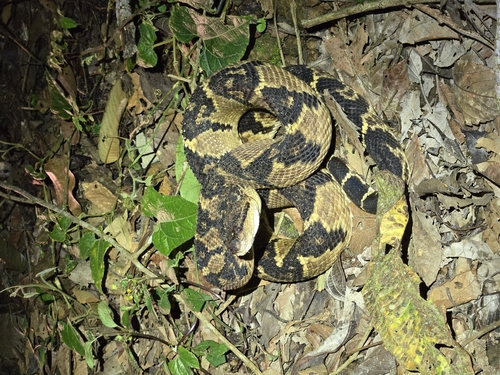
 Carib CoralsnakeMicrurus psychesVenomous
Rings of red, yellow, and black where red touches yellow; small rounded head and round pupils.
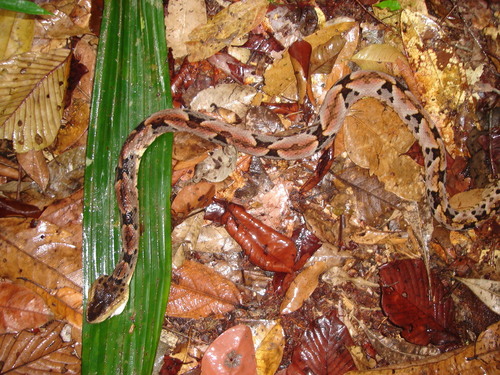
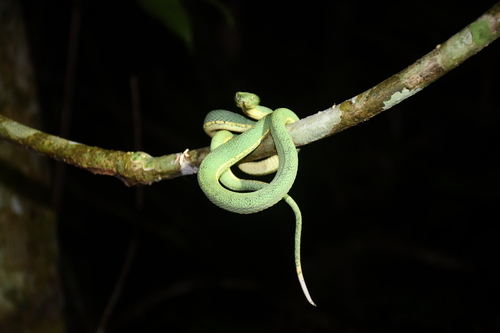
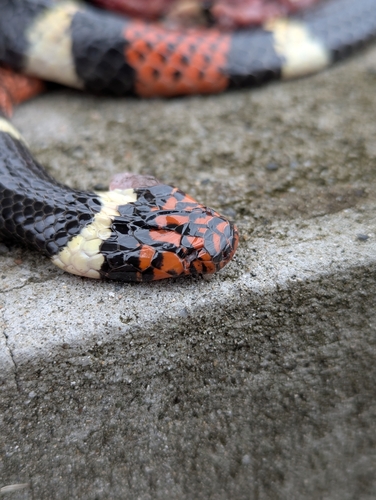 Aquatic CoralsnakeMicrurus surinamensisVenomous
Rings of red, yellow, and black where red touches yellow; small rounded head and round pupils.
 Venezuelan CoralsnakeMicrurus isozonusVenomous
Rings of red, yellow, and black where red touches yellow; small rounded head and round pupils.
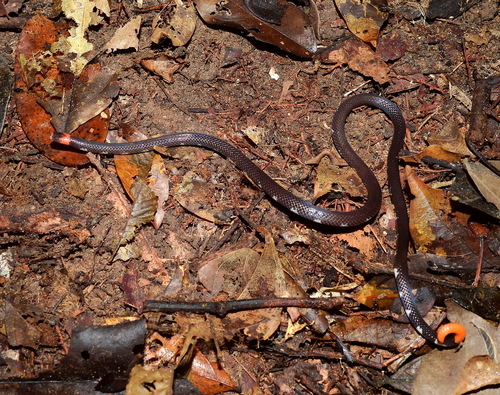 Guyana Blackback CoralsnakeMicrurus collarisVenomous
Rings of red, yellow, and black where red touches yellow; small rounded head and round pupils.
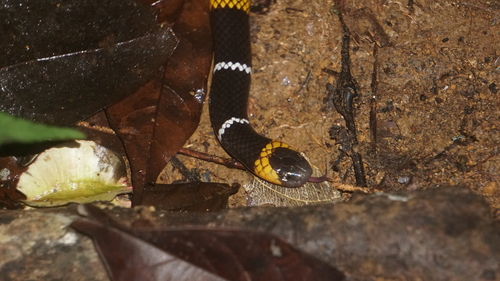 Hemprich's CoralsnakeMicrurus hemprichiiVenomous
Rings of red, yellow, and black where red touches yellow; small rounded head and round pupils.
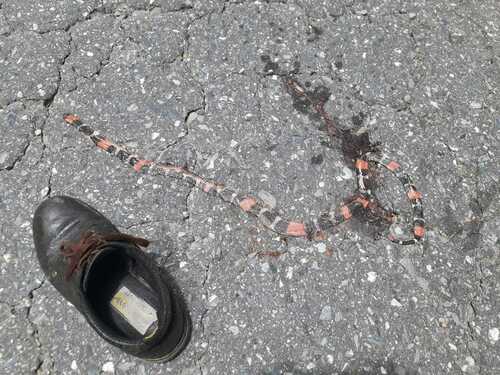 Trinidad Ribbon Coral SnakeMicrurus diutiusVenomous
Rings of red, yellow, and black where red touches yellow; small rounded head and round pupils.
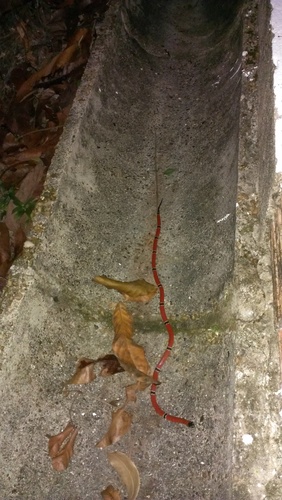 Black-headed CoralsnakeMicrurus averyiVenomous
Rings of red, yellow, and black where red touches yellow; small rounded head and round pupils.
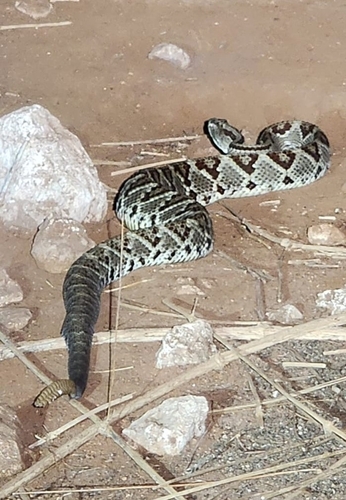 Yucatán Neotropical RattlesnakeCrotalus tzabcanVenomous
Heavy body, broad triangular head, vertical (cat-like) pupils, and a segmented keratin rattle at the tail tip.
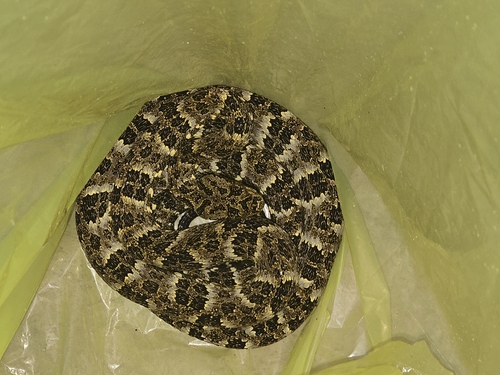
Every snake recorded in Guyana
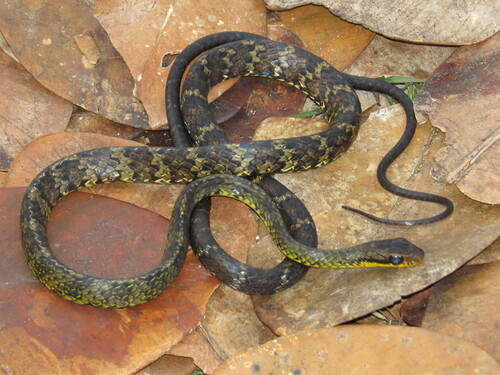
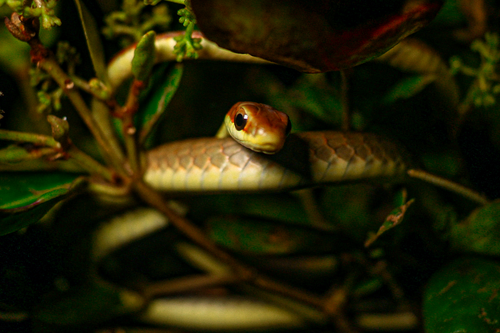
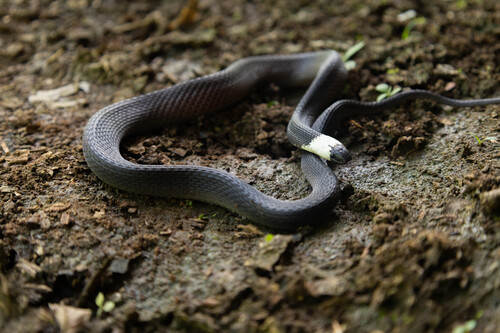
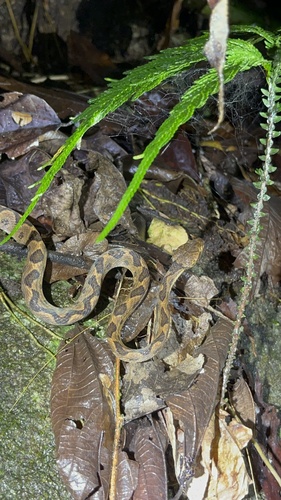
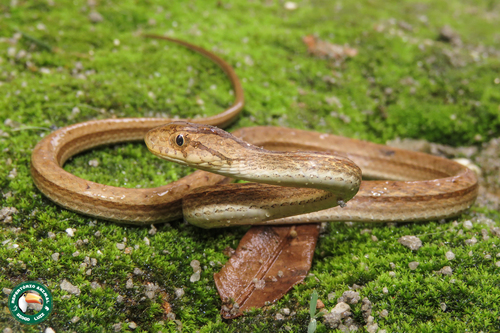
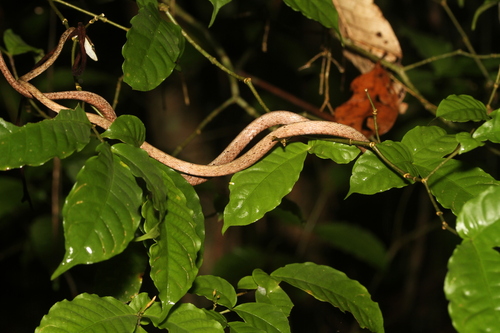
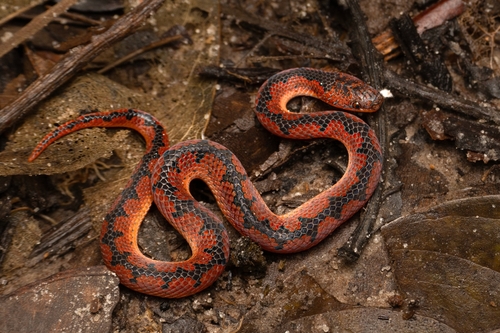
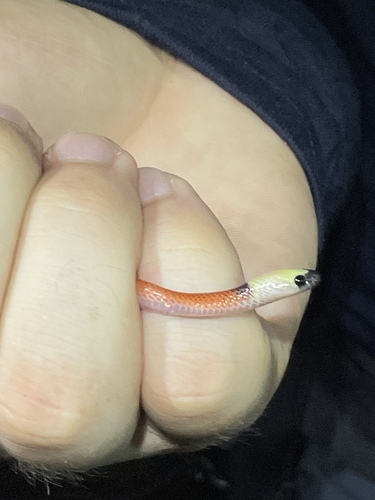
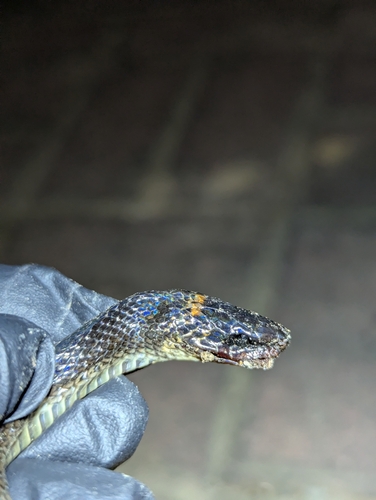
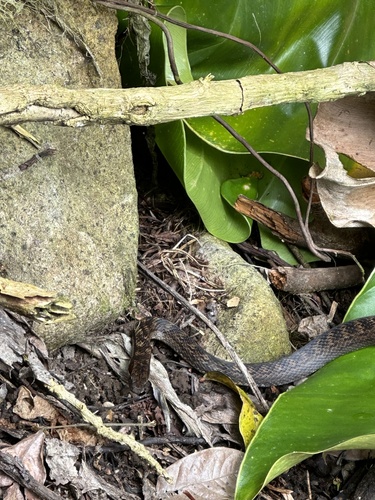
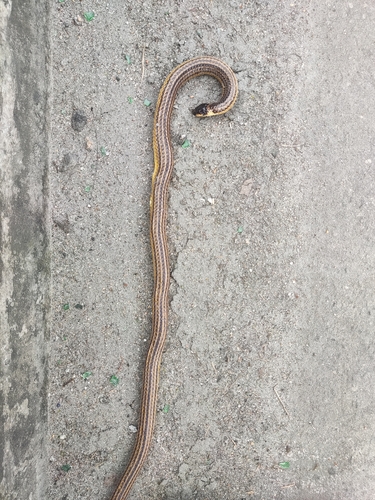
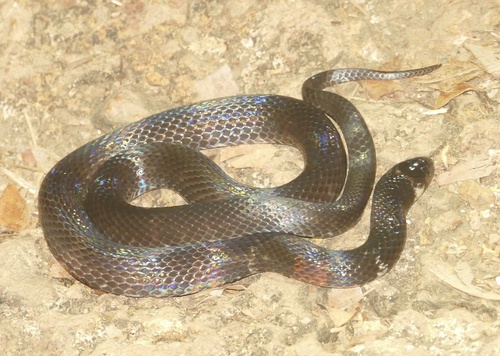
125+ species across 9 families, grouped by family. Venomous flagged.
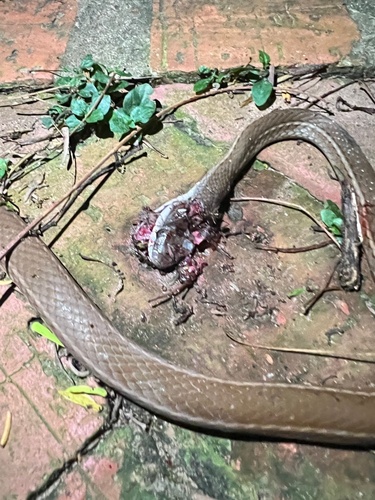
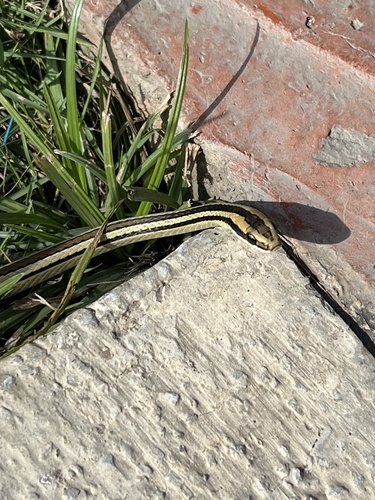
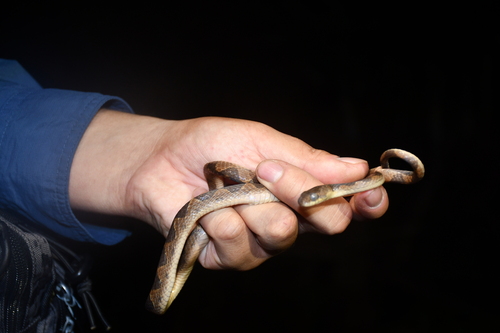
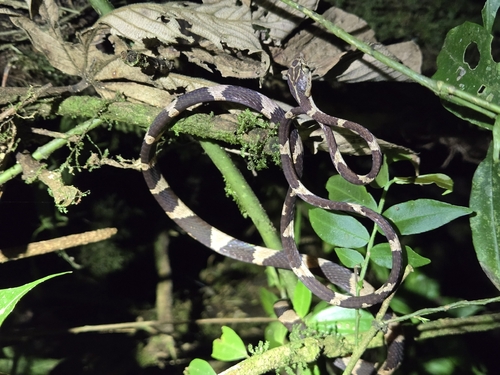
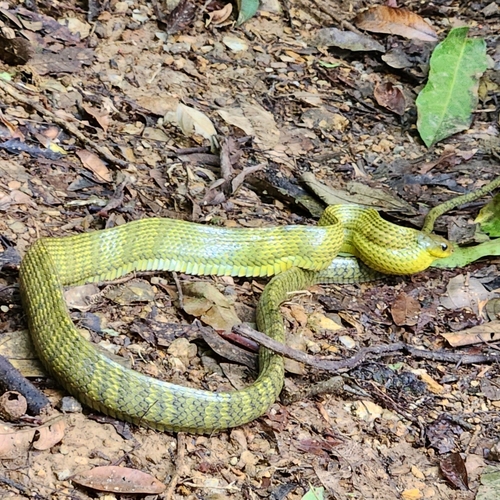
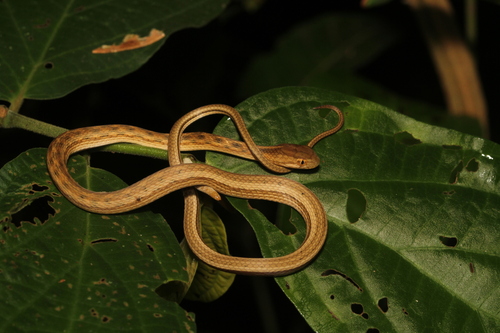
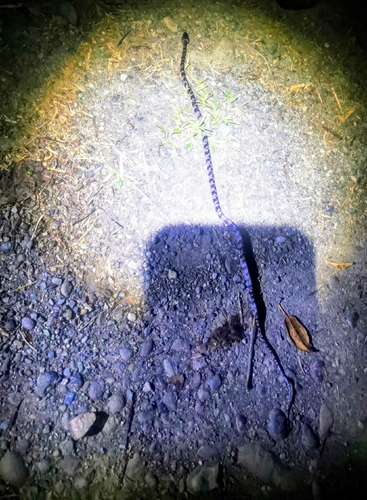
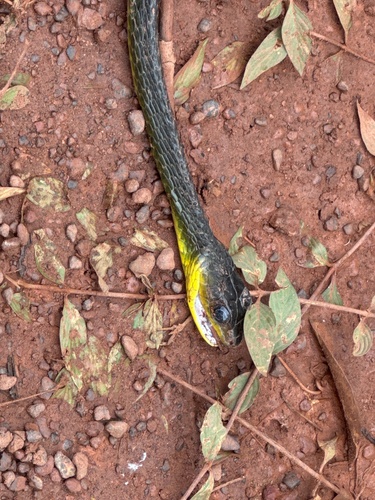
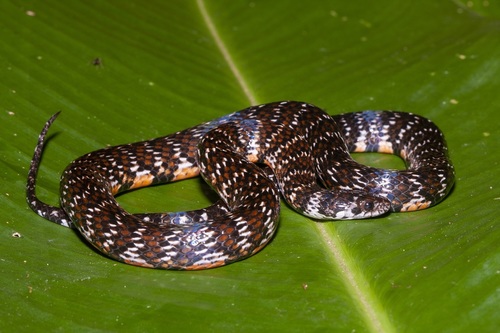
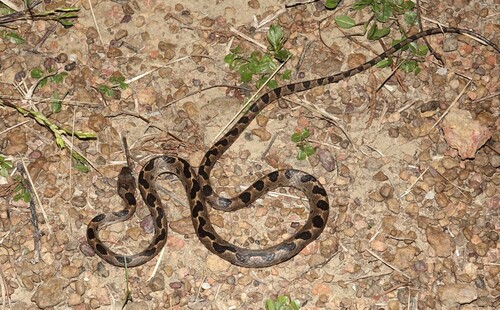
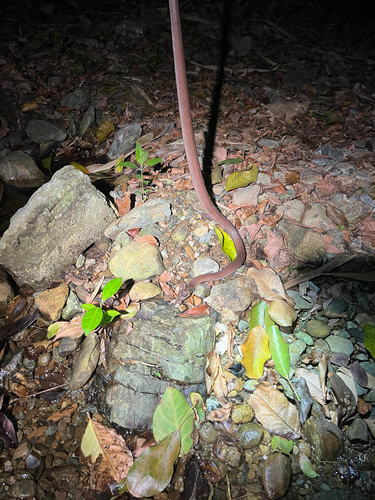
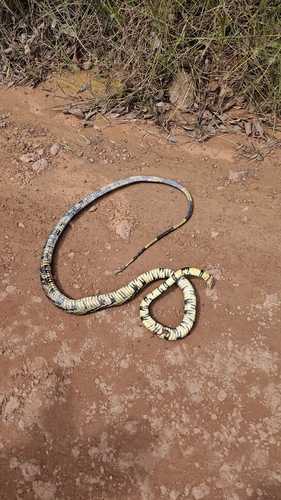
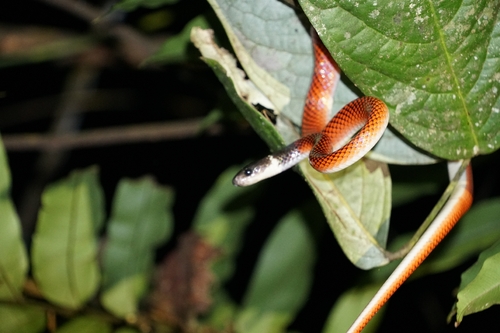
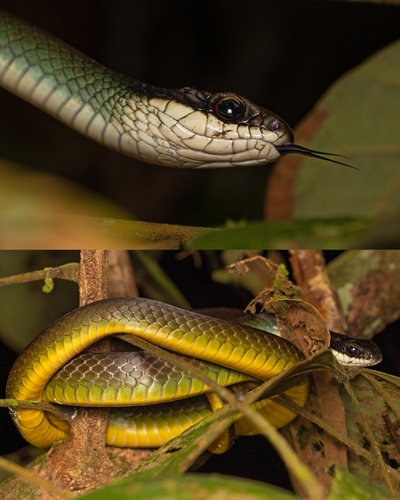
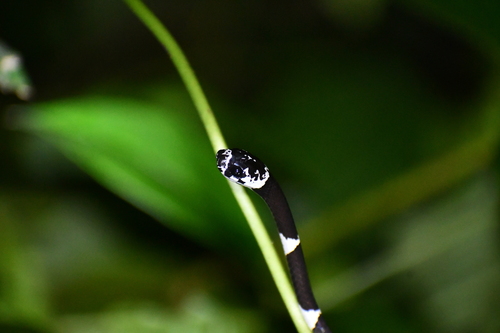
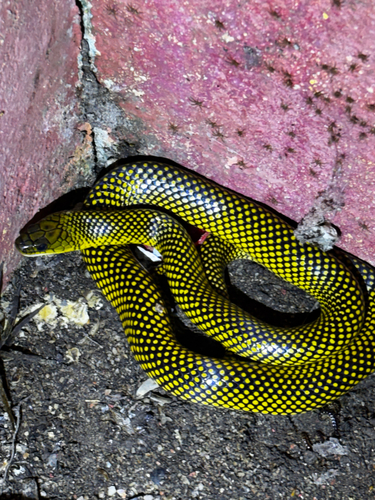
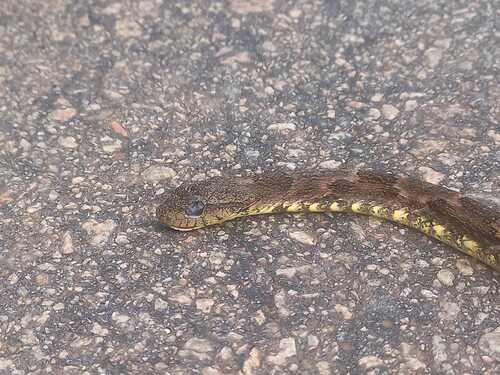
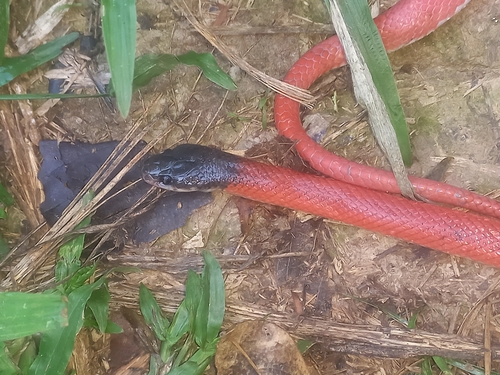
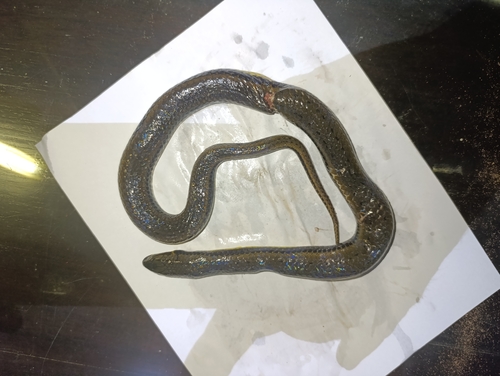
Colubridae (85)
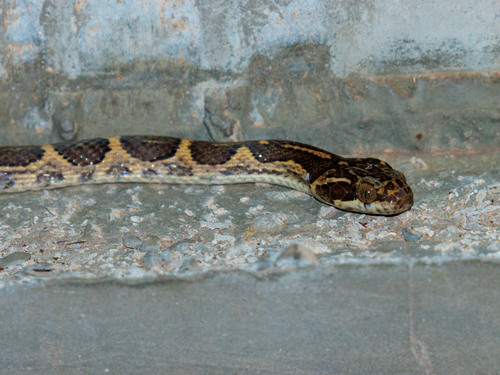
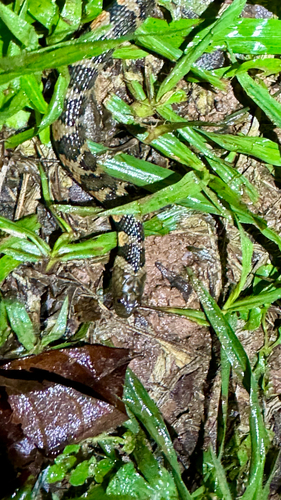
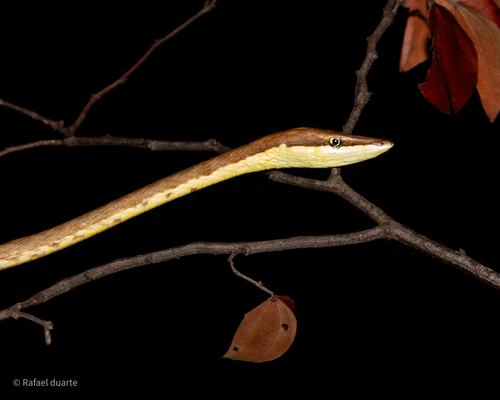
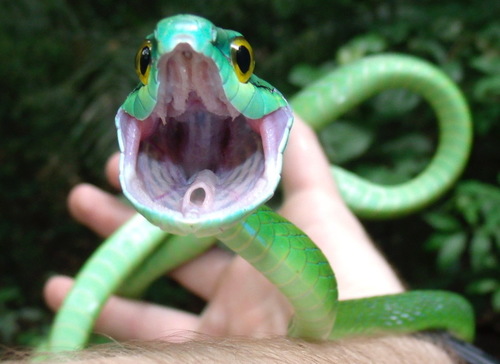
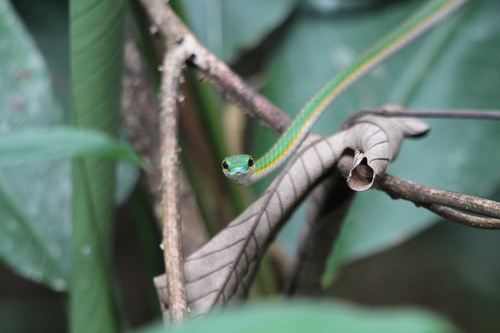
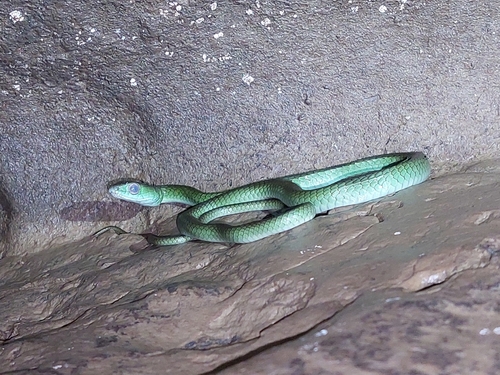
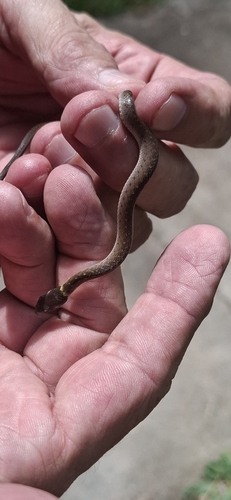
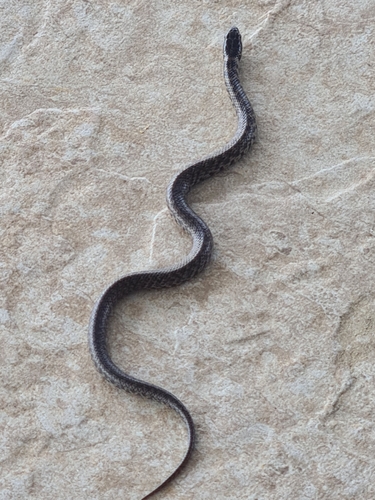
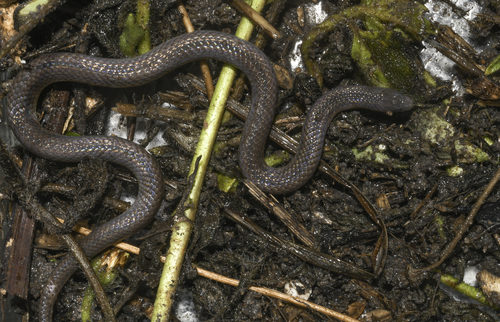
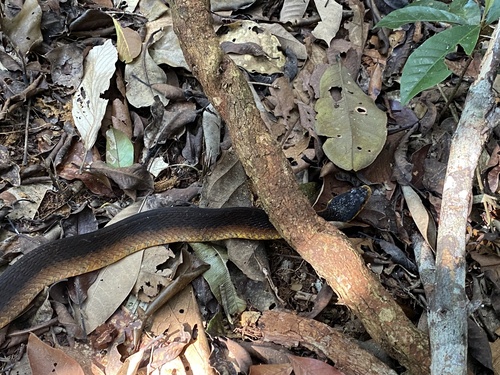
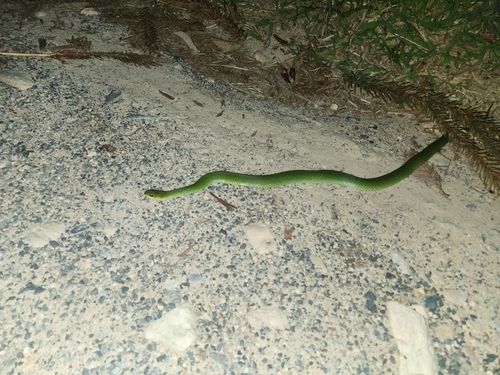
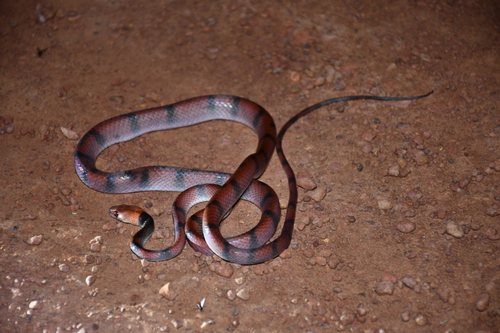
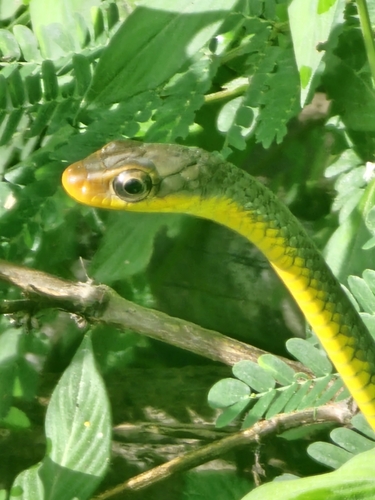
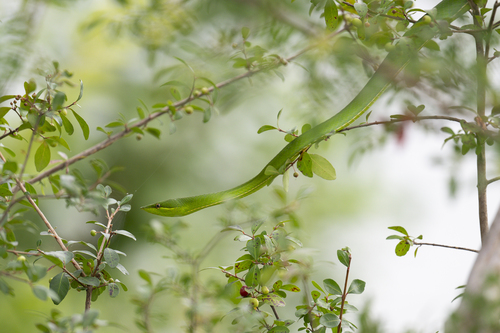
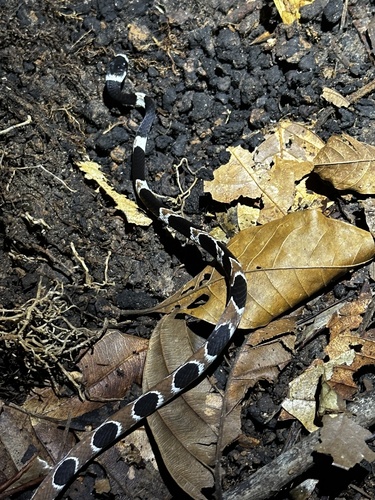
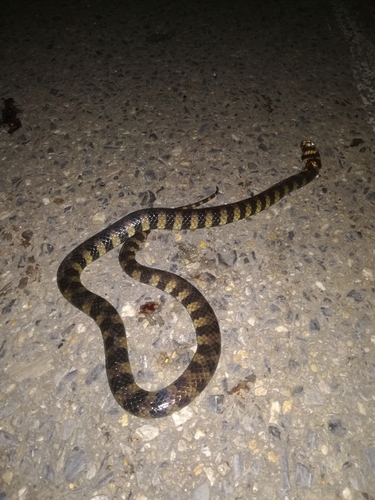
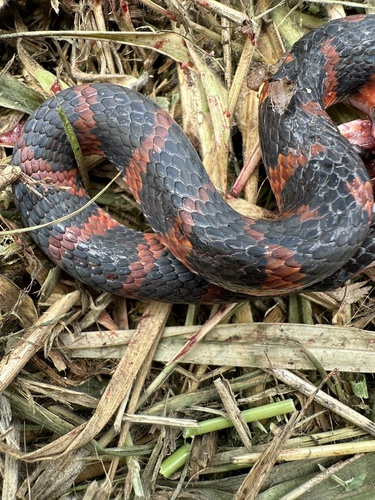
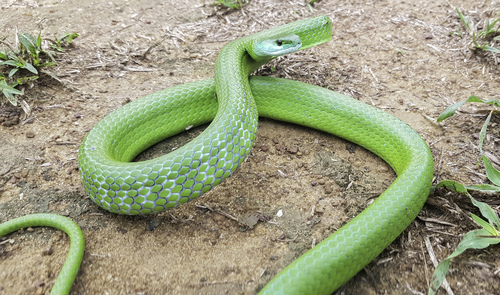
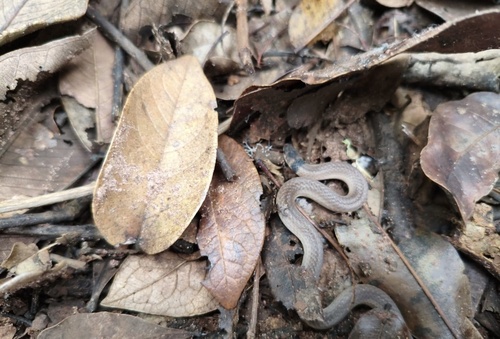
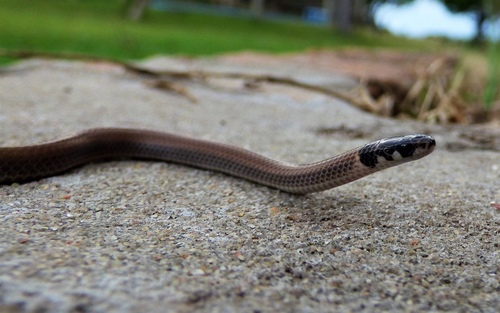
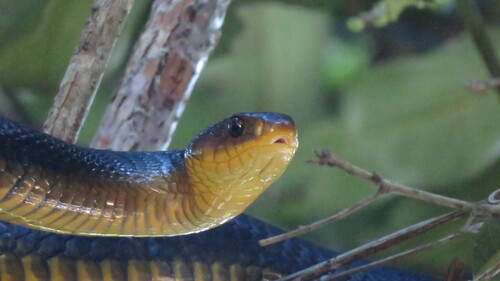
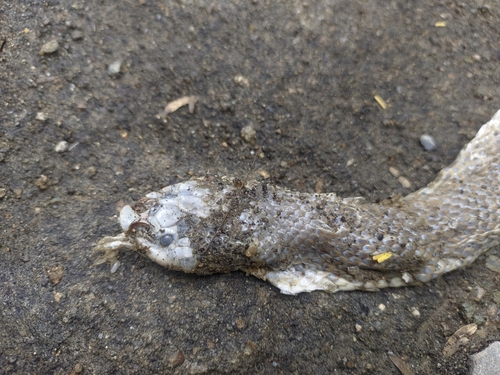
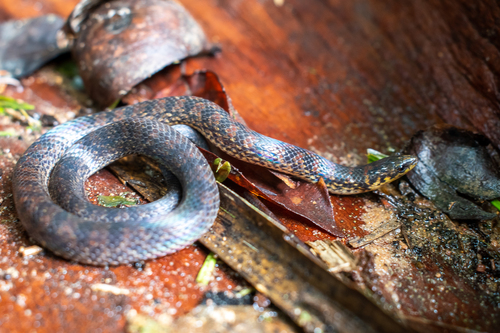
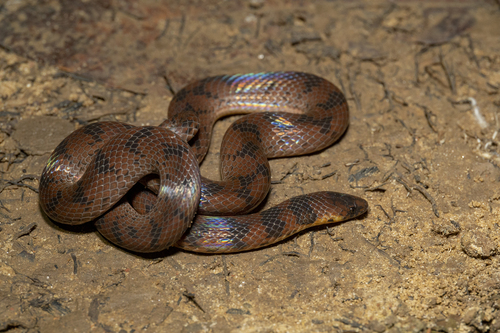
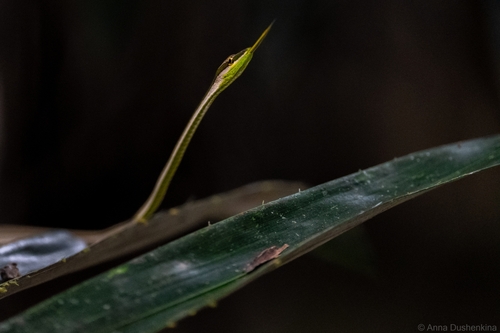
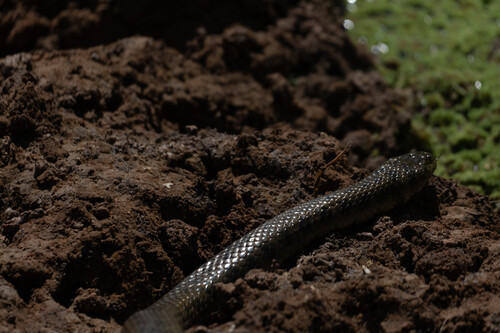
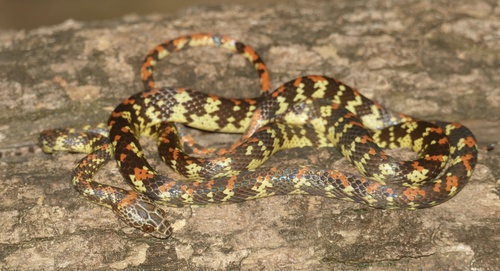
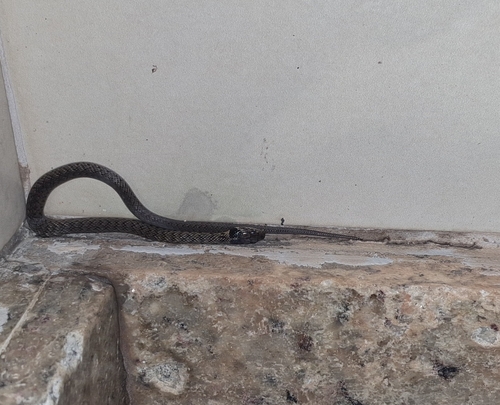
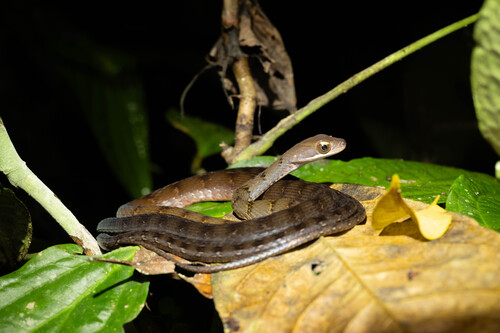
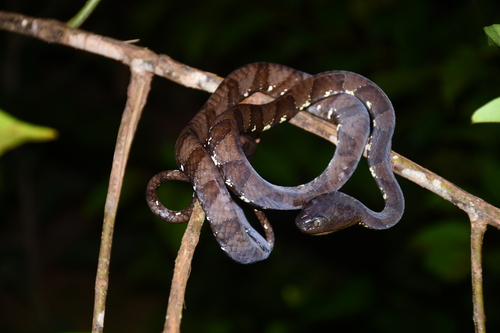
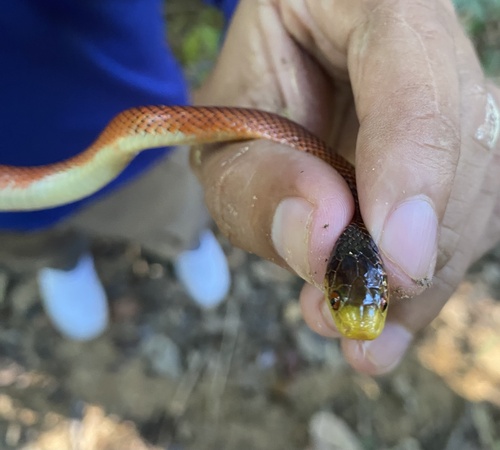
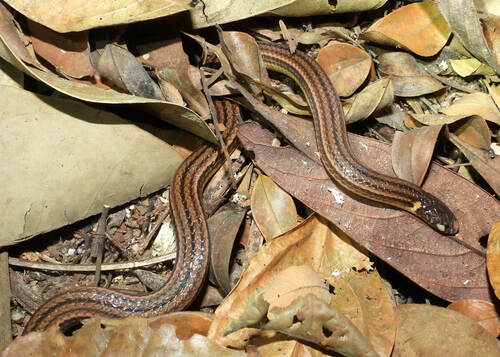
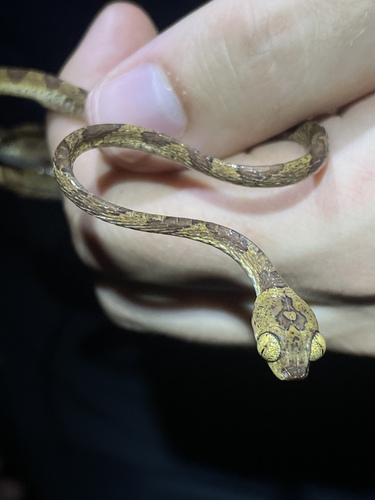
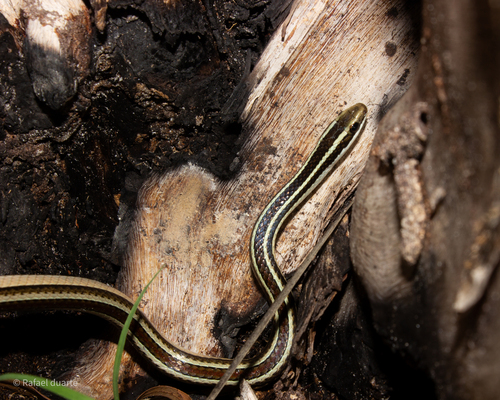
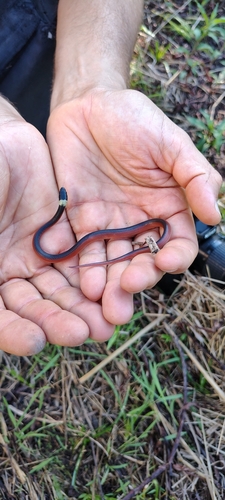
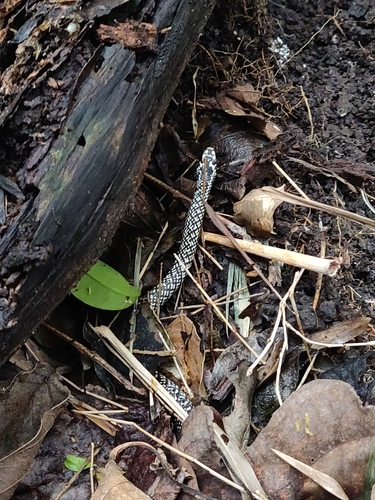
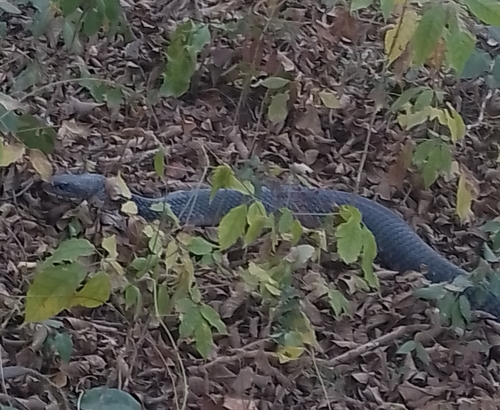
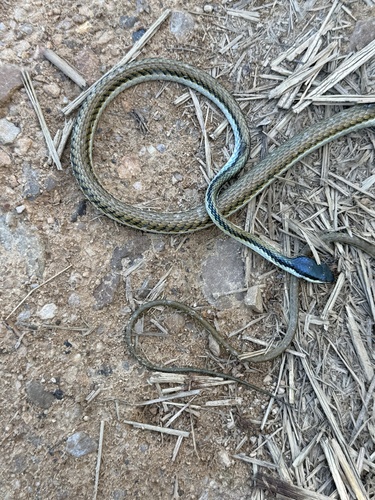


Boidae (9)
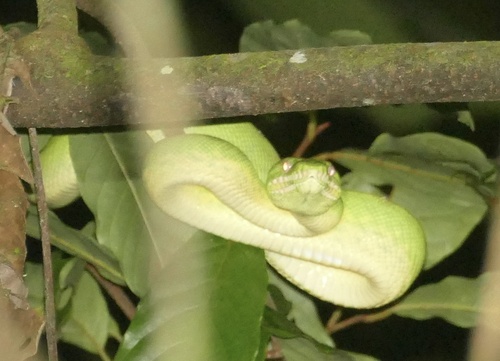
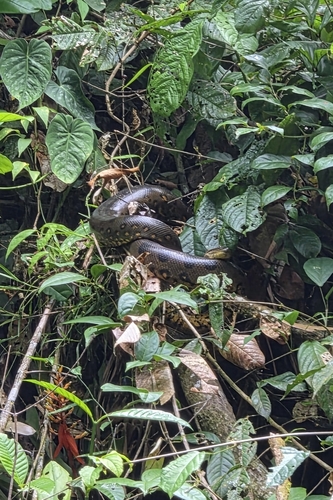
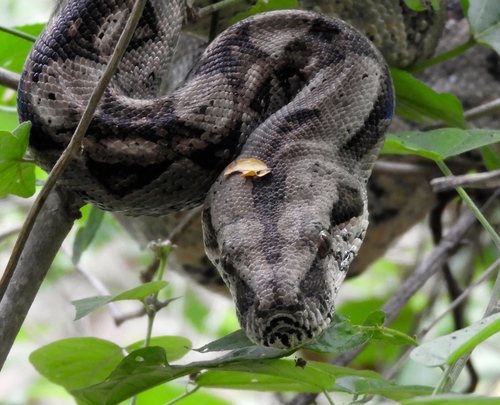
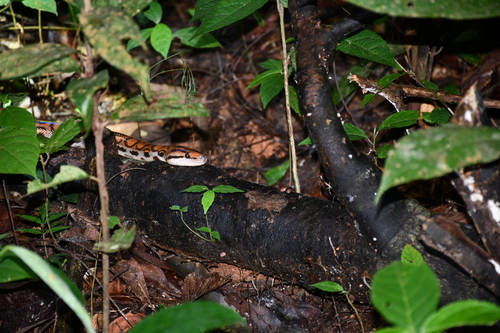

Viperidae (8)
Elapidae (8)
Leptotyphlopidae (6)
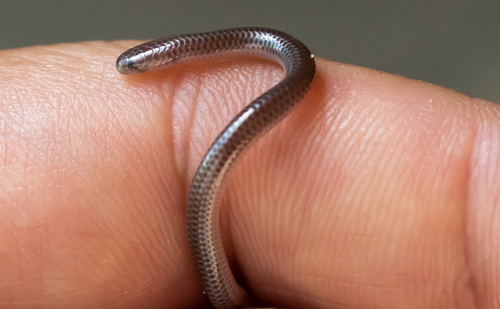
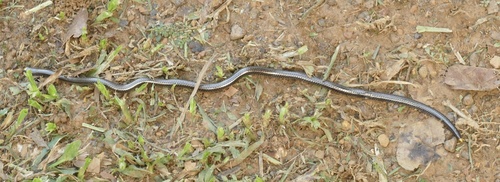
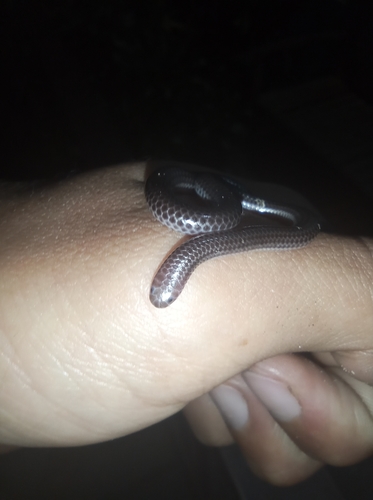
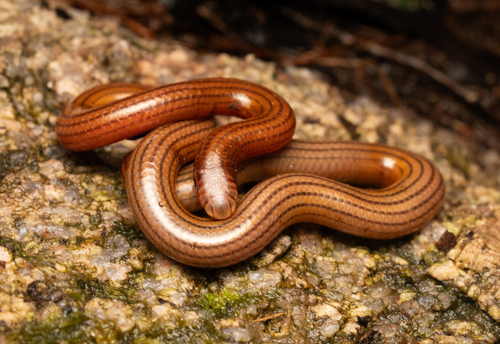
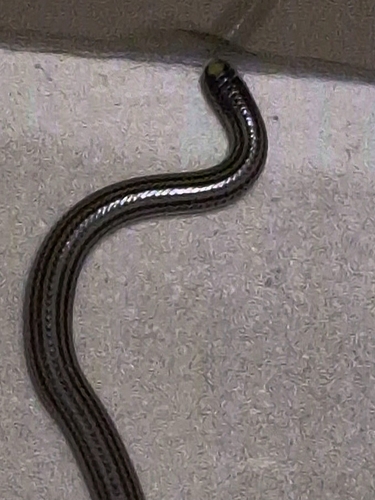
Typhlopidae (4)
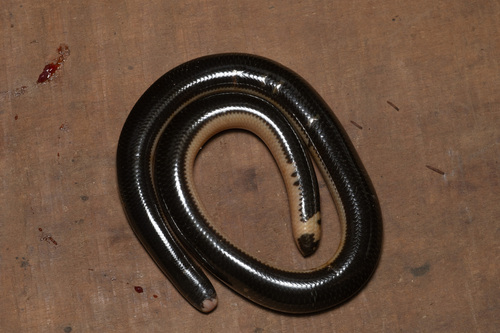
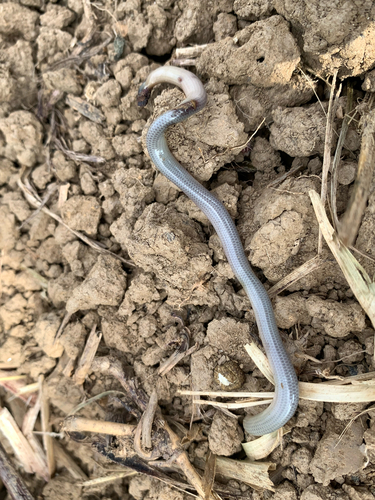
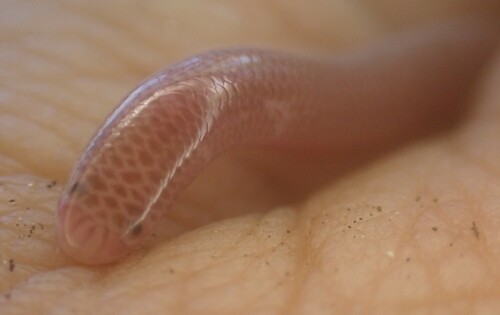
Pseudoxyrhophiidae (3)
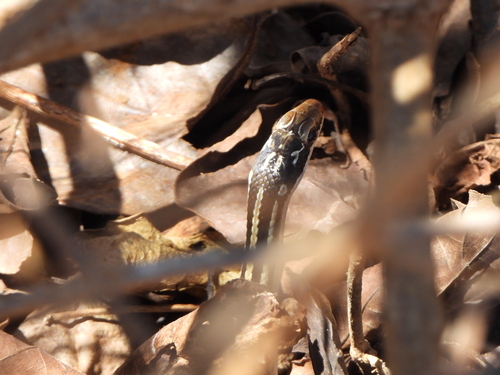
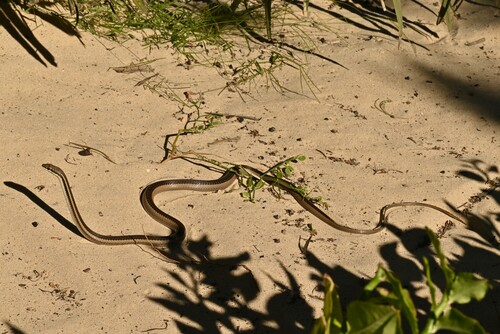
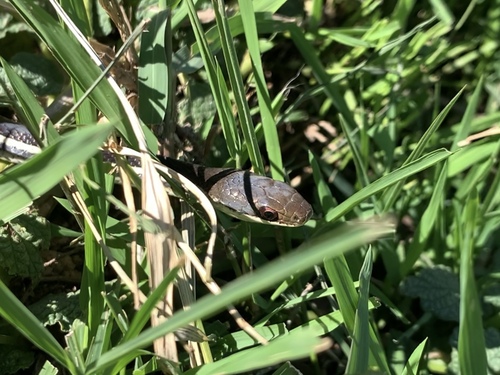
Aniliidae (1)
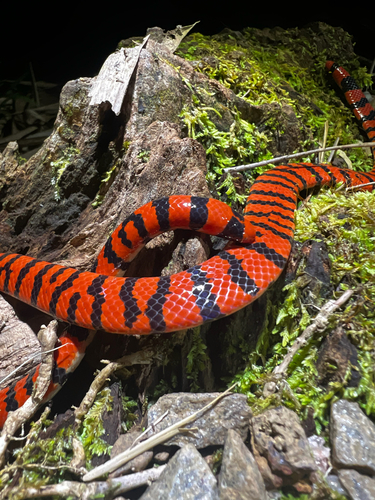
Anomalepididae (1)
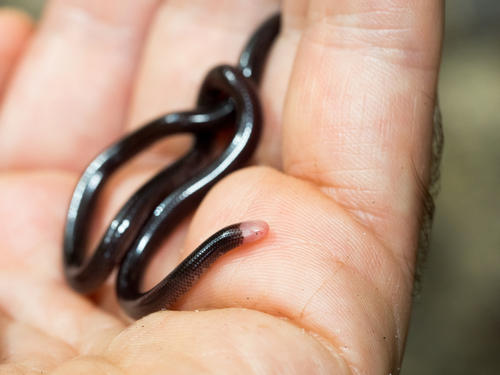
Compiled from verified GBIF & iNaturalist observations. "How often seen" reflects how frequently a snake is reported here, not how dangerous it is. Informational only.
Keep learning
- Are Snakes Dangerous? The Real Risk, in PerspectiveMost snakes are harmless and avoid people. Here is the honest picture of snakebite risk worldwide and how to lower your own.
- Snakebite First Aid: What to Do (and What Never to Do)A clear, CDC-based guide to snakebite first aid: the steps that help, the popular myths that hurt, and how to tell a serious bite from a minor one.
- Venomous vs Nonvenomous: How to Tell the DifferenceThe folk rules for telling venomous snakes apart, where each one fails, and why location-based identification beats guessing by sight.
- What to Do If You Find a SnakeFound a snake at home or on a trail? Here is how to stay calm, give it space, identify it safely, and know when to call a professional.