
Staying safe
How to Keep Snakes Out of Your Yard and Home
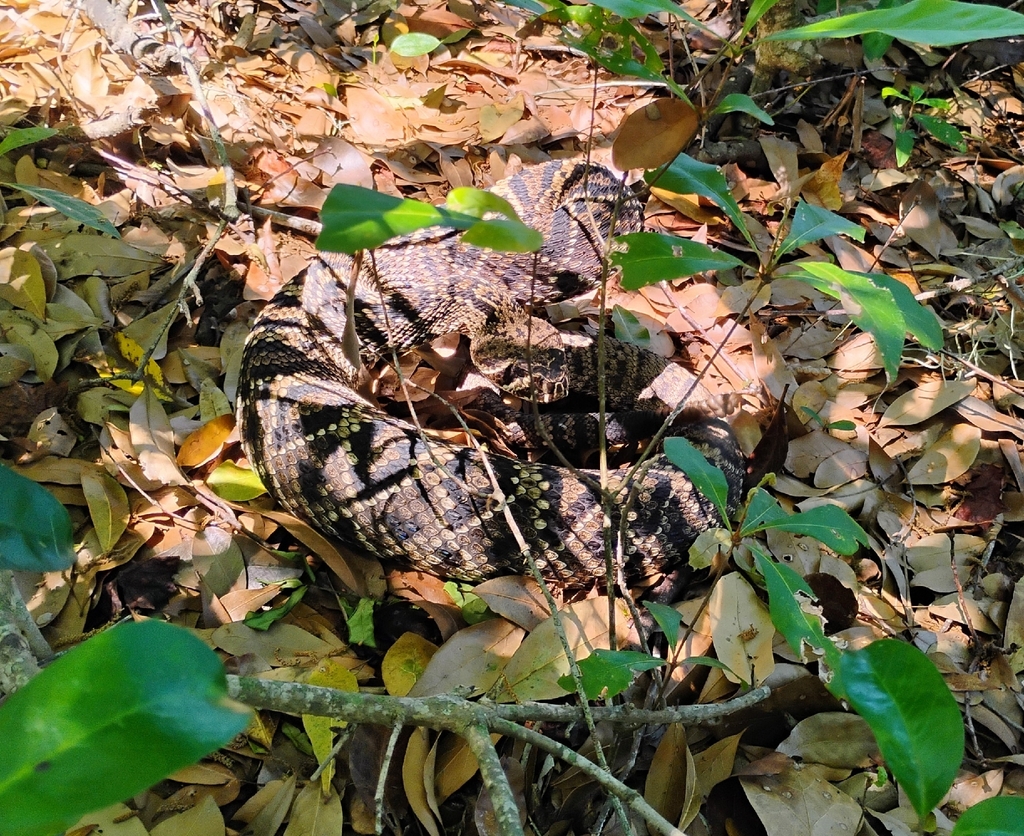
Most snakes come around for simple reasons: food, shelter, and water. The good news is that the same habitat changes that make a property less inviting to rodents also make it less inviting to snakes, and they work far better than any product sold as a repellent. This guide covers what actually reduces snake activity, what wastes your money, and what to do calmly if a snake is already on your property.
Why snakes show up in the first place
Snakes are not drawn to people or pets. They follow food and cover. The single biggest attractant is rodents. If you have mice, rats, voles, or chipmunks, you have a buffet that snakes will travel to reach. Birdseed spillage, pet food left outside, compost with food scraps, and unsecured garbage all feed rodents, and rodents bring snakes.
The second draw is shelter. Snakes are cold-blooded and spend much of their time hiding from predators and regulating their temperature. Woodpiles, rock piles, dense ground cover, tall grass, debris, and gaps under sheds and decks all make excellent cover. The third draw is water, especially in dry regions, where a leaky spigot, a pet bowl, or a low spot that holds water can be enough to hold a snake nearby.
Understanding these three drivers (food, shelter, water) is the whole strategy. Remove or reduce them and a property stops being attractive. No single fix solves it; the result comes from stacking several small changes.
Habitat changes that actually work
Start with the yard itself. Keep grass mowed short, because tall grass gives snakes cover and hides the rodents they hunt. Trim shrubs up off the ground so the base is open and visible. Clear leaf litter, brush, and debris piles, and store firewood and lumber on a rack at least a foot off the ground and away from the house rather than stacked directly on soil.
Deal with clutter that creates hiding spots. Rock piles, old equipment, scrap material, and cluttered sheds and garages all give snakes places to shelter. Tidy storage with items up off the floor and away from walls removes those refuges. The less ground-level cover a property offers, the fewer snakes will linger.
Tighten things up close to the structure. Gravel or open mulch borders around the foundation are less hospitable than dense plantings pressed against the house. Keeping the area immediately around the home open and exposed means a snake crossing it has nowhere to stop and rest, which is exactly the discouragement you want.
Control rodents and manage water
Because rodents are the main reason snakes arrive, rodent control is snake control. Store pet food, birdseed, and grains in sealed containers, clean up spilled seed under feeders, secure trash and compost, and address any existing mouse or rat activity. If the food source disappears, the reason for a snake to hang around goes with it.
Manage standing water too. Fix dripping outdoor faucets and irrigation leaks, empty or remove containers that collect rain, and grade or drain low spots that stay wet. In dry climates especially, reliable water can be the deciding factor that keeps a snake on your lot instead of moving along. Removing easy water makes the property one more degree less attractive.
Seal the house so snakes cannot get in
Snakes enter buildings through gaps that are smaller than people expect, and they almost always come in chasing prey or seeking shelter. Walk the exterior and look for openings around the foundation, utility and pipe penetrations, dryer and HVAC lines, weep holes, and gaps under doors. Seal cracks and small holes with caulk, mortar, expanding foam, or fine hardware cloth, and add or repair door sweeps so there is no gap at the threshold.
Pay special attention to crawlspaces, vents, and the base of garage doors, which are common entry points. Screen foundation and crawlspace vents with quarter-inch or smaller hardware cloth, since standard window screen and larger mesh can be pushed past. Keep garage doors closed and their seals in good shape.
If you find a snake has been getting into a basement, crawlspace, or garage, focus on finding and closing the entry point rather than relying on a product. Exclusion (physically blocking the way in) is the only thing that reliably keeps snakes out of a structure over the long term.
What does not work: repellents and gadgets
Save your money on the products marketed to repel snakes. Mothballs are a frequent home remedy, but they are not approved for this use, the active chemicals are toxic to people and pets, and they do not reliably keep snakes away. Spreading them around a yard or under a house is both ineffective and a health and environmental hazard.
Sulfur, lime, and the various granular and spray commercial snake repellents are similarly weak. Independent testing and wildlife-agency guidance have repeatedly found little to no consistent effect from these products, and any benefit washes away with rain. Ultrasonic and vibrating stake devices are in the same category: snakes do not hear airborne sound the way we do and feel ground vibration only at close range, so these devices do not create a meaningful barrier.
The honest takeaway from wildlife experts is consistent: there is no spray, powder, or plug-in gadget that dependably keeps snakes away. Habitat modification and exclusion are what work. Spending on a repellent usually just delays doing the things that actually help.
Snake fencing done right
For high-risk situations, such as a yard backing onto open desert, wetland, or brush where venomous species are common, a properly built snake fence can help protect a defined area like a play yard or pool enclosure. It is a real construction project, not a casual add-on, and a poorly built one gives a false sense of security.
An effective snake fence uses fine, rigid mesh (commonly quarter-inch galvanized hardware cloth), buried several inches into the ground so snakes cannot push underneath, and stands roughly two to three feet high. Lean it slightly outward at the top, keep the mesh taut, and avoid stacking rocks or vegetation against it that a snake could climb. Gates must seal tightly to the ground, because a gap at a gate undoes the whole fence.
Remember that fencing reduces risk, it does not guarantee a snake-free area, and good climbers can still defeat it in some cases. Treat it as one layer alongside cleaning up cover and controlling rodents, and consider professional installation if you are protecting against venomous species.
What to do about a snake already in your yard
First, do not panic and do not try to kill it. The large majority of snakes are non-venomous and harmless, and they provide real value by eating the rodents and pests that damage property and spread disease. In many places, native snakes are protected by law, and killing them can carry penalties. Most snakebites to people happen precisely when someone tries to catch, kill, or handle a snake, so the safest move is to leave it alone.
Give the snake space and time. If it is out in the open, simply keep people and pets back and let it move on, which it usually will once it is done sunning or hunting. Never corner it, poke at it, or try to pick it up. If a snake is in an enclosed space like a garage, you can open an exterior door, clear a path to it, and let it leave on its own.
Do not attempt to relocate a wild snake yourself. Identification can be uncertain, capture is risky, and moved snakes often do poorly. If you cannot identify the snake, if it is somewhere it must be removed from, or if you have any reason to think it is venomous, call a licensed wildlife removal professional or your local animal control or wildlife agency and let trained people handle it.
Keeping pets and kids safe
Teach children a simple, firm rule: if you see a snake, stop, back away slowly, and tell an adult. Never touch it, even one that looks dead, since recently killed snakes can still bite by reflex. Keep play areas mowed and free of debris and rock piles, and check around equipment and under porches in warm months when snakes are most active.
For pets, keep dogs leashed in areas with known snake activity and discourage them from nosing into brush, holes, and woodpiles. Keep your yard's cover and rodent population down so there is less reason for a snake to be present where pets roam. If you live where venomous snakes are common, ask your veterinarian about avoidance training and whether antivenom is stocked locally.
Know the basics in advance without trying to play doctor. If a person or pet is bitten and there is any chance the snake was venomous, treat it as an emergency: keep the victim calm and still, do not apply a tourniquet, do not cut or suck the wound, and get to emergency care or a veterinarian right away. Knowing where the nearest emergency services are before you need them is worth a few minutes now.
Frequently asked
- Do mothballs keep snakes away?
- No. Mothballs are not an approved or effective snake repellent, and they do not reliably keep snakes away. The chemicals in them are toxic to people, pets, and the environment, and scattering them around a yard or home is both ineffective and a safety hazard. Habitat changes and sealing entry points work; mothballs do not.
- What is the most effective way to keep snakes out of my yard?
- Remove what attracts them. Control rodents by securing food, birdseed, trash, and compost, then cut tall grass, clear debris and woodpiles, reduce ground-level cover near the house, and eliminate standing water. Snakes follow food and shelter, so a yard with little of either stops being attractive. No product matches the effect of these habitat changes.
- Are commercial snake repellents and ultrasonic devices worth buying?
- Generally no. Testing and wildlife-agency guidance have found little to no consistent effect from granular and spray repellents, and they wash away with rain. Ultrasonic and vibration devices do not work either, because snakes do not hear airborne sound and sense ground vibration only at very close range. Spend the effort on cleanup and exclusion instead.
- Should I kill a snake I find in my yard?
- No. Most snakes are non-venomous, harmless, and beneficial because they eat rodents and other pests. Many native species are also protected by law, so killing them can be illegal. Most bites happen when people try to kill or handle snakes, so the safest choice is to leave it alone and let it move on, or call a professional if it needs to be removed.
- How do snakes get into a house, and how do I stop them?
- They enter through small gaps around the foundation, pipe and utility penetrations, vents, crawlspaces, and under doors and garage doors, usually following prey. Seal cracks and holes with caulk, mortar, foam, or fine hardware cloth, screen vents with quarter-inch mesh, and add tight door sweeps. Closing the entry points (exclusion) is the only reliable way to keep snakes out of a structure.
- Who should I call if there is a venomous snake on my property?
- Do not try to catch, kill, or relocate it yourself. Keep people and pets well back and contact a licensed wildlife removal professional, or your local animal control or wildlife agency, and let trained responders handle it. If anyone is bitten and the snake may be venomous, keep the person calm and still and get to emergency care immediately.
Last reviewed June 22, 2026. Informational only, and not a substitute for professional medical or wildlife advice.