
Türkiye
Snakes in Türkiye
50+ snake species have been recorded in Türkiye, 19 venomous.
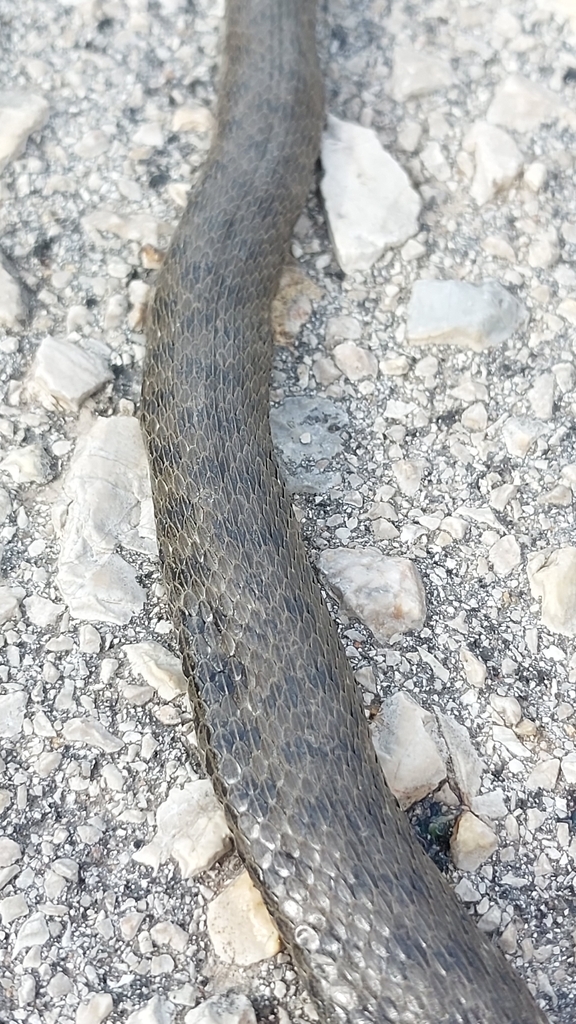
Snakes of Türkiye
Türkiye has 50+ snake species recorded in our database, 19 of them venomous. The great majority of species are non-venomous, which means most snakes you might encounter across the country pose no medical threat at all. The venomous minority is real and worth respecting, but it does not define the fauna. Türkiye sits at a biological crossroads where Europe, Asia, and the Middle East meet, and that position gives it one of the richest snake communities in the region.
The country's geography is the engine behind that diversity. Türkiye spans humid forests along the Black Sea coast, hot dry steppe across the Anatolian plateau, rugged mountain ranges in the east, Mediterranean scrub and pine in the south and west, and warm coastal lowlands on three seas. Each of these settings supports different snakes adapted to its temperature, moisture, and prey. Rocky slopes, old stone walls, river valleys, agricultural fields, and high-altitude grasslands all host their own species, so the snake fauna shifts noticeably as you move from the coast to the interior highlands.
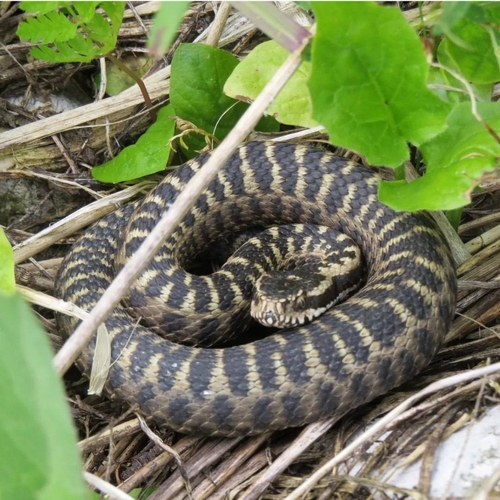
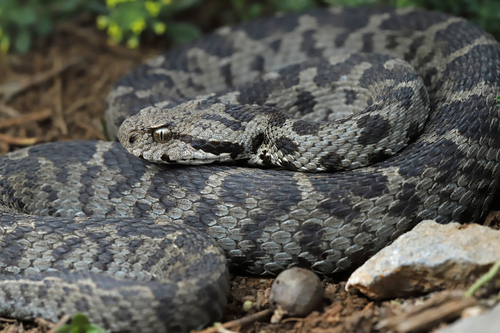
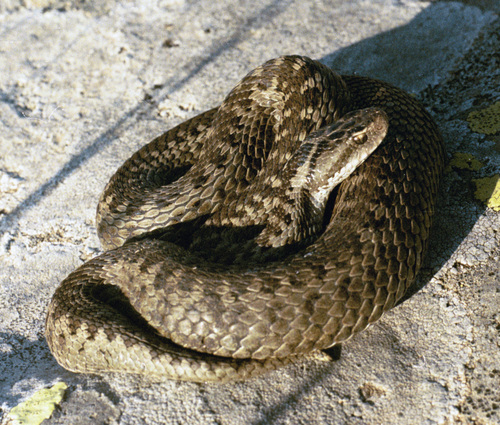
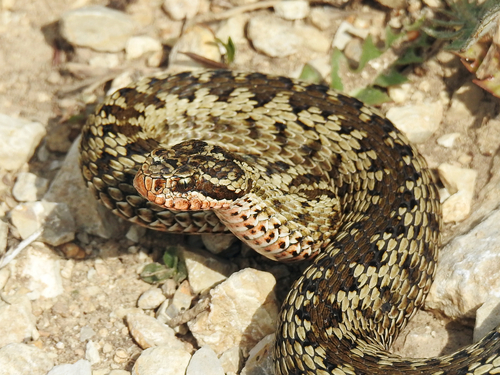
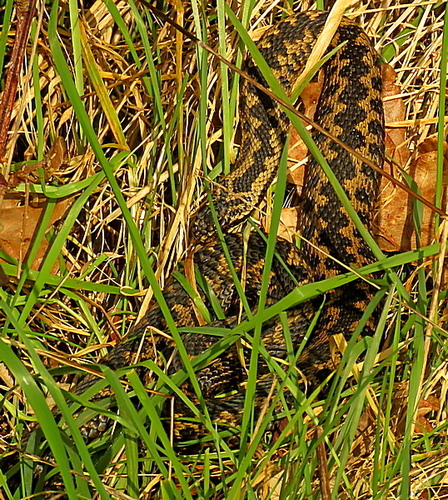
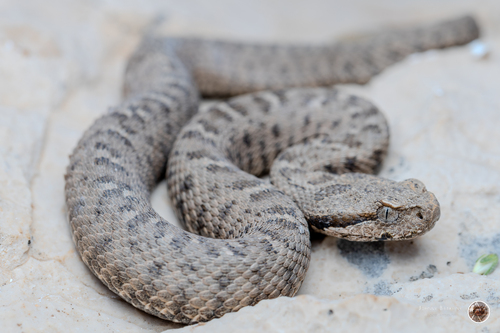
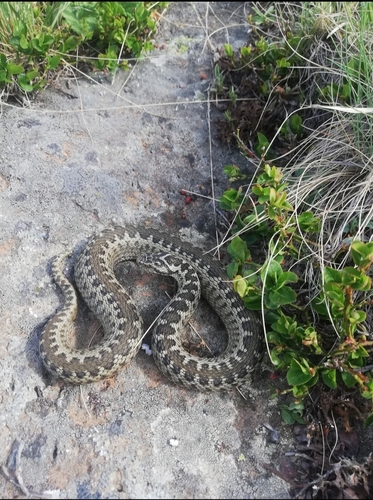
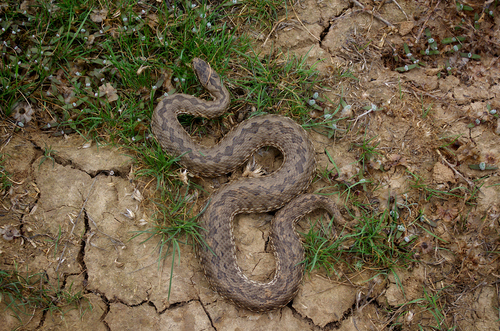
The medically important venomous snakes of Türkiye belong primarily to the viper family. True vipers and the related mountain or rock vipers are the main group, and several species live across Anatolia and the eastern highlands. These are the snakes responsible for the small number of serious bites that occur each year. There are no cobras, mambas, rattlesnakes, coral snakes, or American pit vipers native to Türkiye. A distinct group worth noting is the venomous burrowing or rear-fanged snakes such as the mole vipers and certain colubrids in the south and southeast, but for practical purposes the vipers are the snakes that matter for human safety.
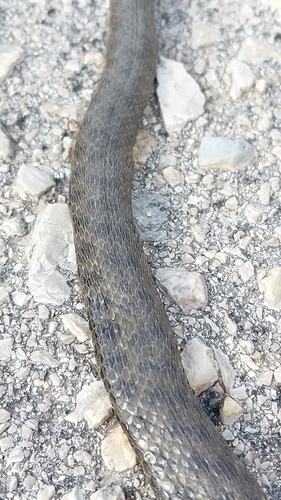
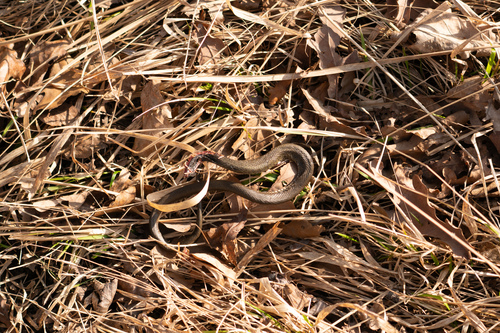
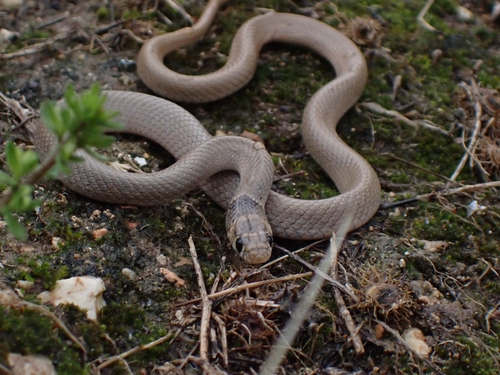
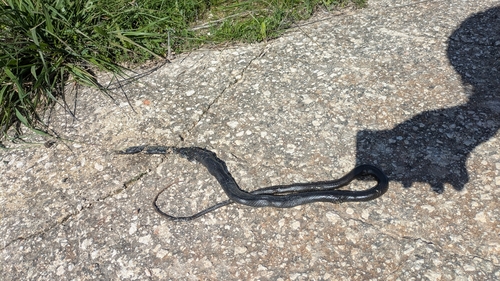
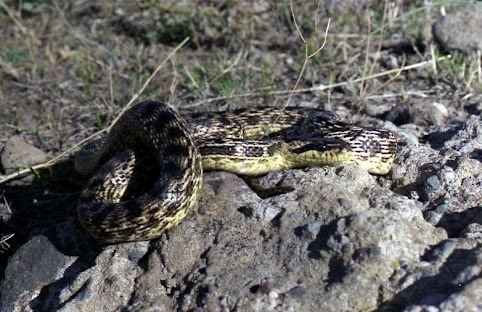
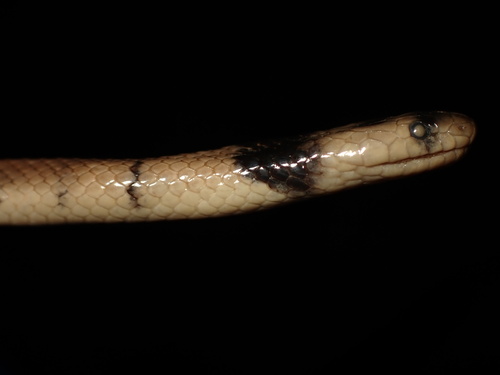
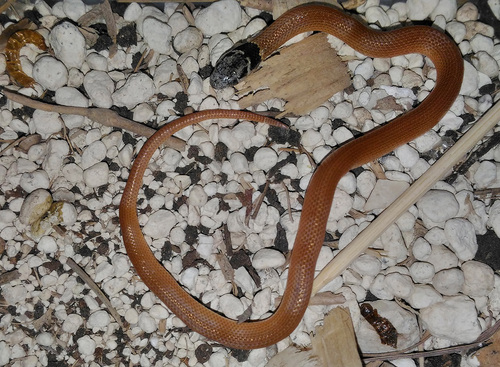
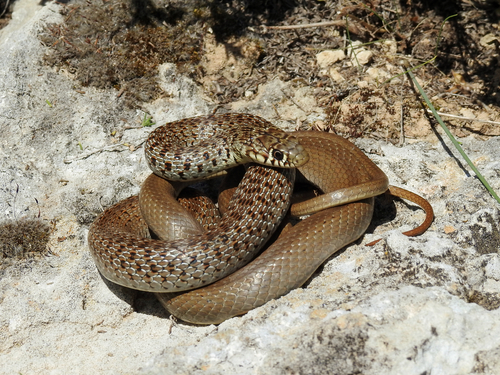
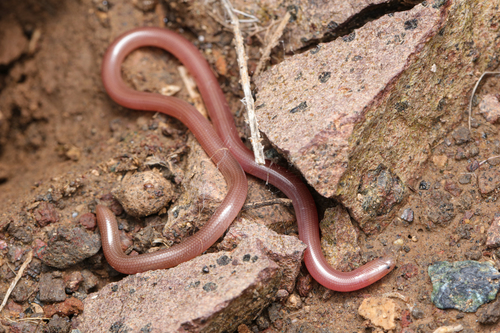
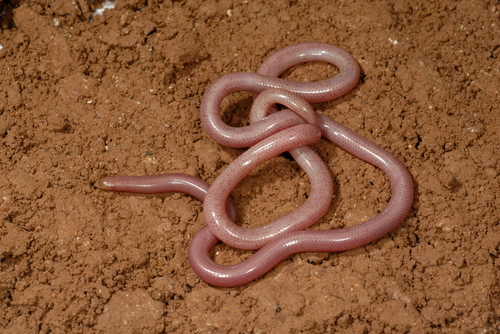
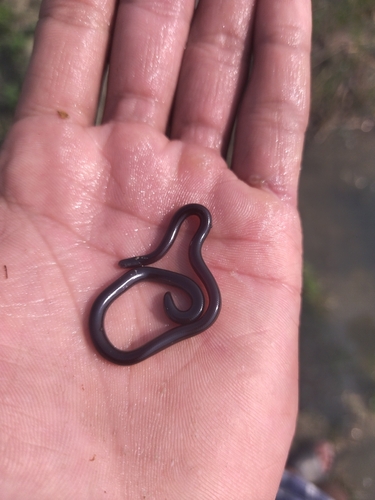
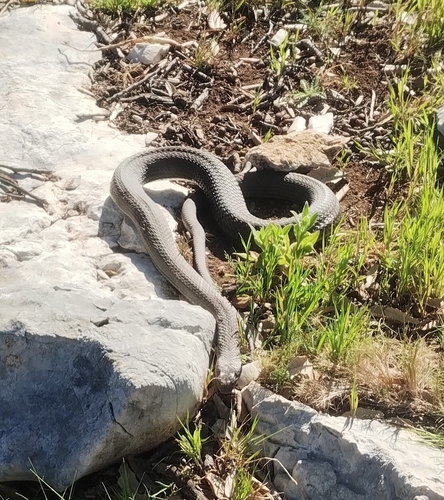
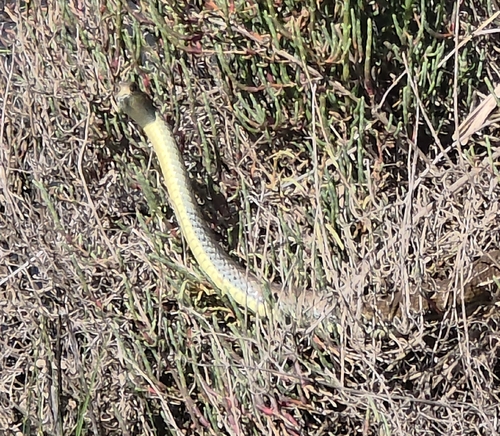
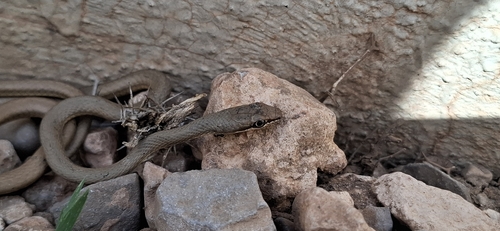
The large non-venomous majority is where most of the variety lives. Türkiye is home to a wide range of harmless snakes including whip snakes, rat snakes, dwarf snakes, water snakes, sand boas, and the worm-like blind snakes. Many of these are common in gardens, farmland, and near water, where they go largely unnoticed. Some grow long and impressive yet remain completely harmless to people. These snakes are a normal and beneficial part of the Turkish landscape rather than a danger.
Snakes earn their place in these ecosystems by controlling rodents and other pests. A single snake can remove a steady stream of mice, rats, and large insects from fields, barns, and homes, which protects stored grain and reduces the spread of the diseases rodents carry. By keeping prey populations in check, snakes support both agriculture and the wider food web that depends on them. Removing or killing snakes on sight usually does more harm than good, because the rodent problems they suppress tend to grow in their absence.
On safety, the honest picture is reassuring. Most snakes in Türkiye are harmless, and the main medical threat comes from the vipers. The correct response to any venomous snakebite is professional medical care: antivenom and hospital treatment are what resolve a serious bite, not home remedies. Never attempt to handle a wild venomous snake, and do not assume any wild snake is safe to pick up, since identification mistakes are easy and costly. If a bite occurs, get to emergency care immediately and contact local emergency services, or in the United States call Poison Control at 1-800-222-1222.
Snakes in Türkiye: FAQ
- Are there venomous snakes in Türkiye?
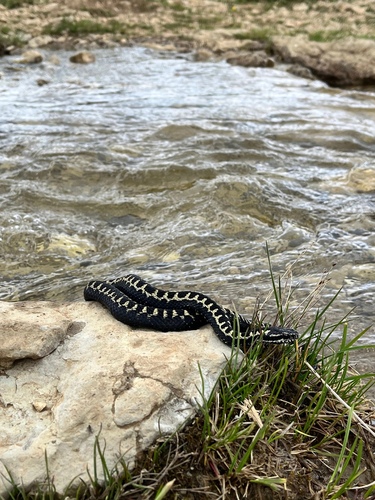
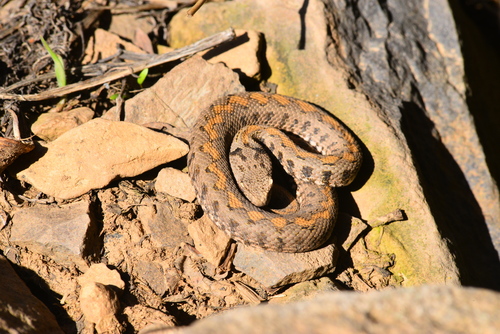
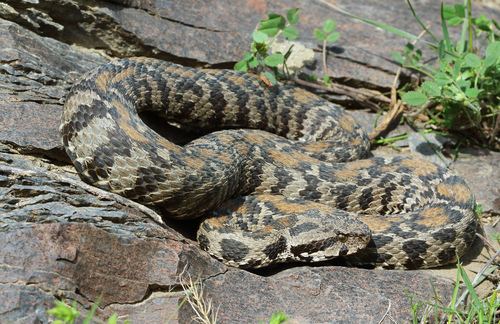
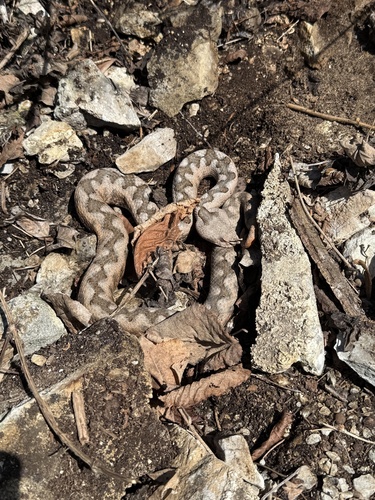
- Yes. 19 venomous snake species have verified records in Türkiye, including Ottoman Viper, Caucasian Viper, Armenian Viper, Wagner's Viper. Most snakes in Türkiye, however, are harmless.
- How many snake species live in Türkiye?
- 50+ snake species have verified records in Türkiye, of which 19 are venomous.
- What is the most commonly seen snake in Türkiye?
- The Tessellated Water Snake is the most frequently reported snake in Türkiye, based on verified wildlife observations.
- What should I do if I see a venomous snake in Türkiye?
- Keep your distance and do not try to catch or kill it. Most bites happen when people handle or corner a snake. If someone is bitten, contact local emergency services or poison control immediately.
Venomous snakes in Türkiye
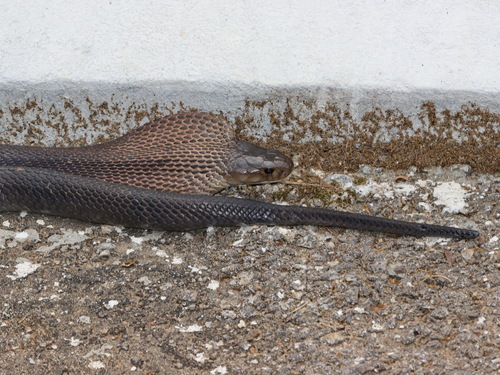
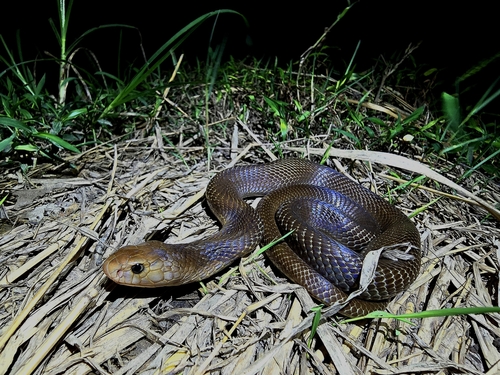
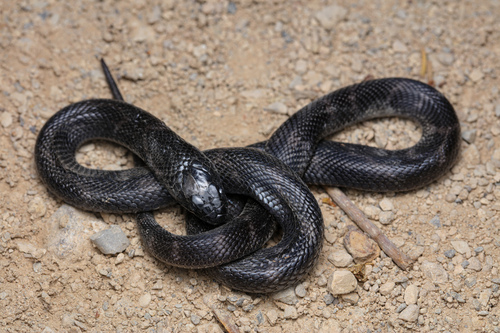
Every snake recorded in Türkiye
50+ species across 9 families, grouped by family. Venomous flagged.
Colubridae (40)
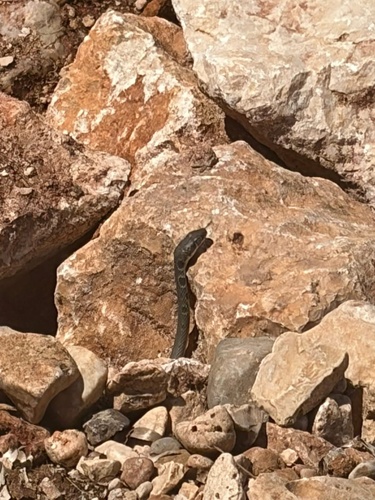
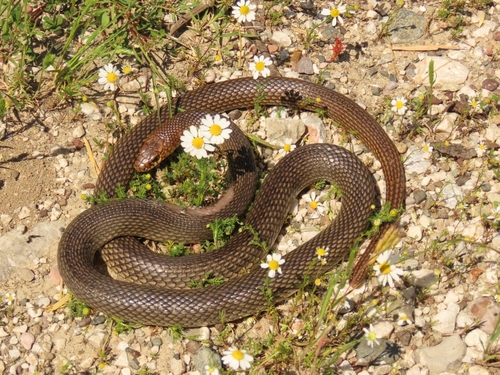
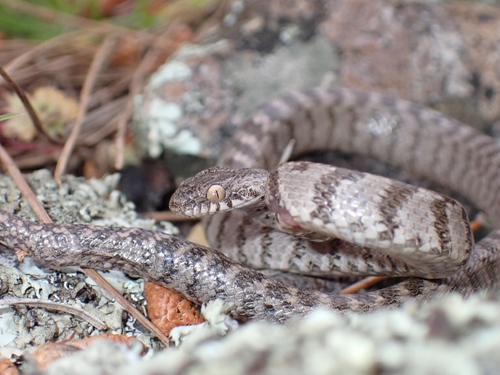
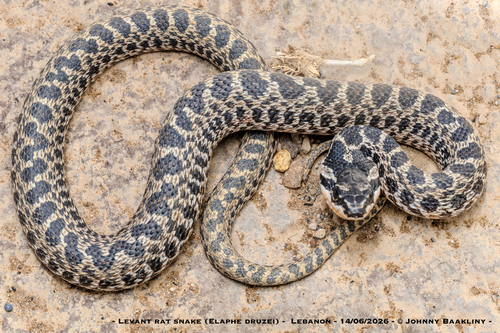
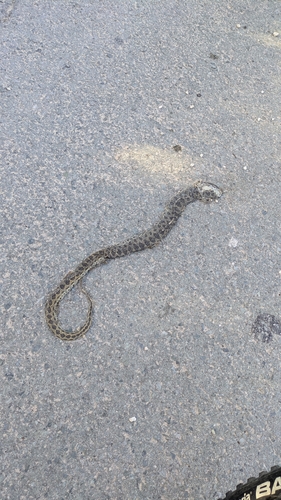
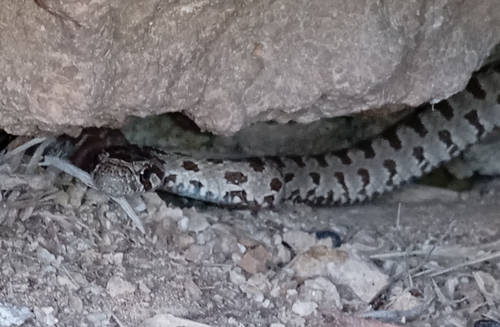
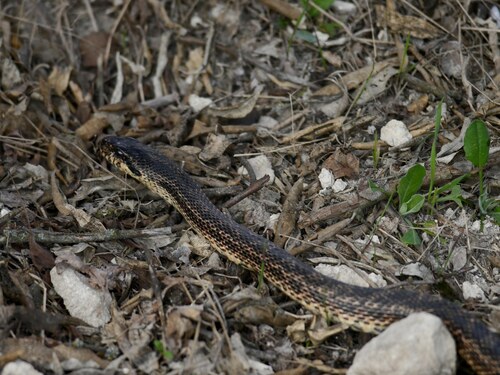
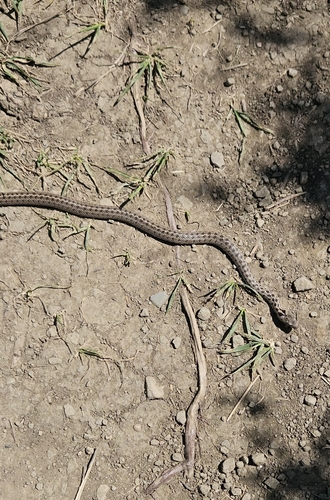
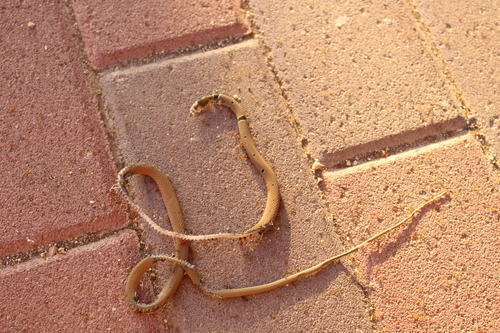
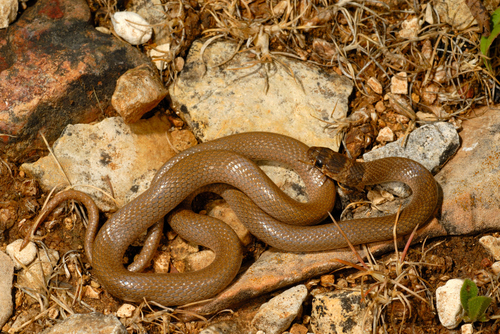
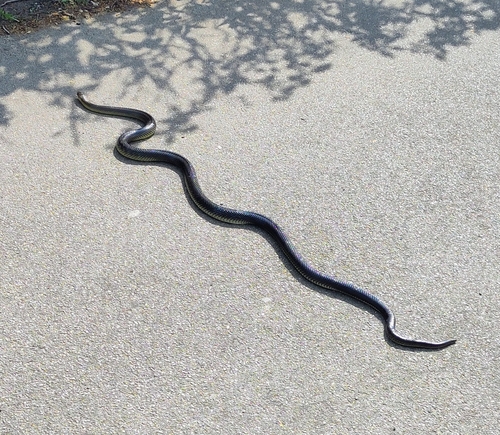
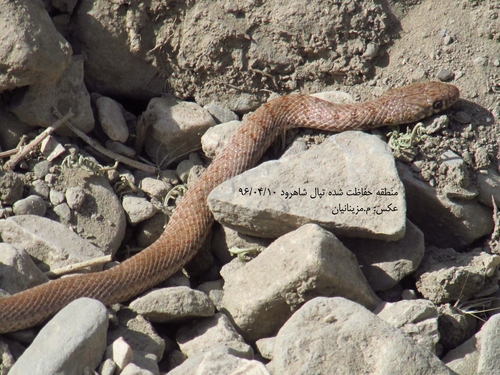
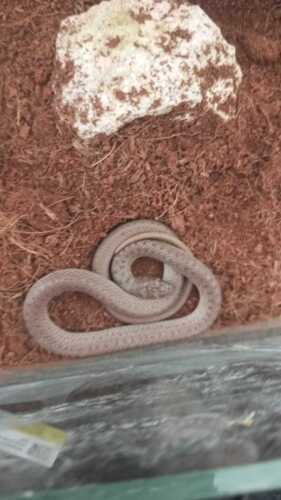
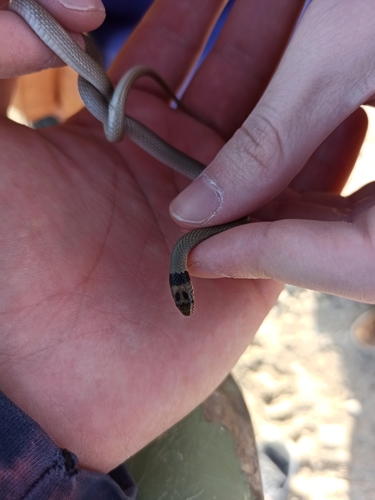
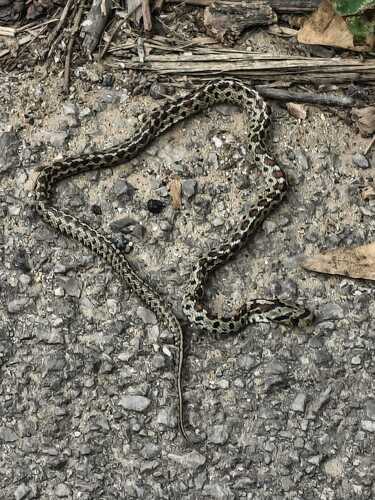
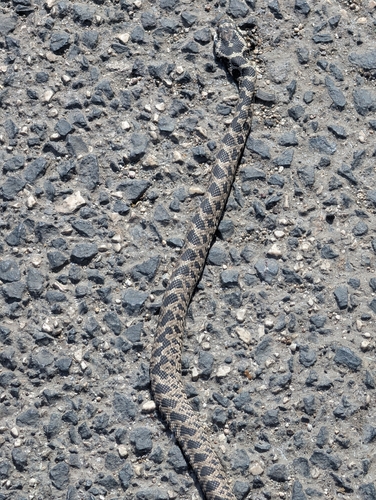
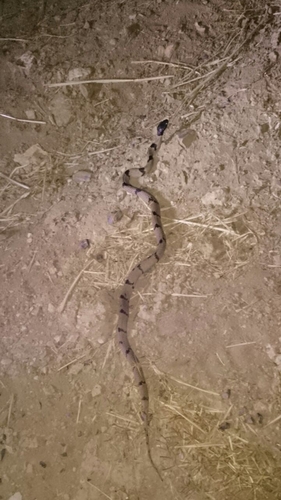
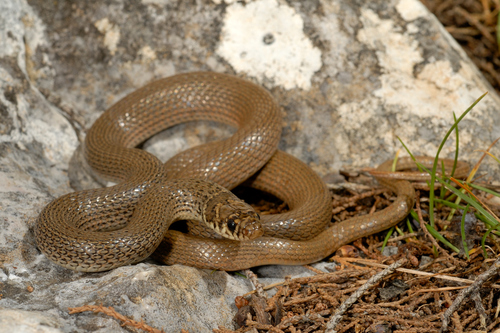

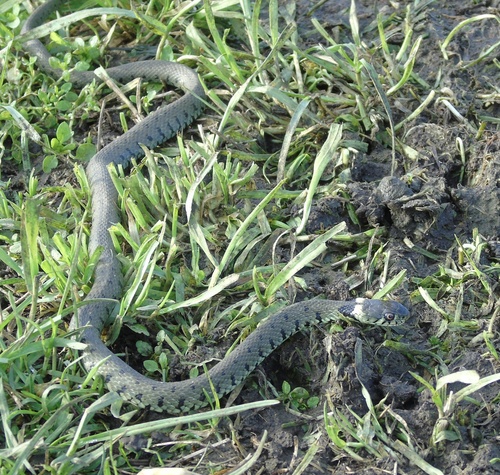
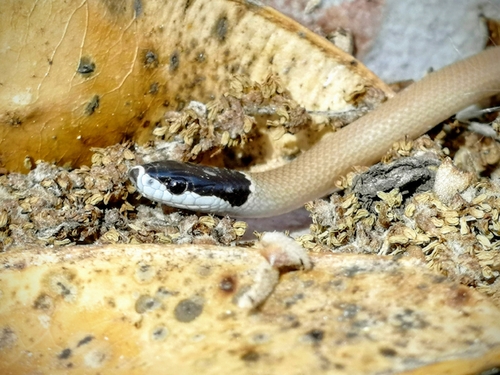
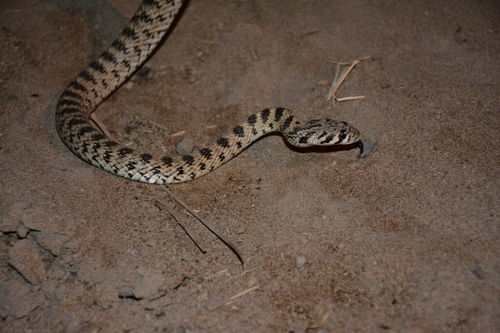
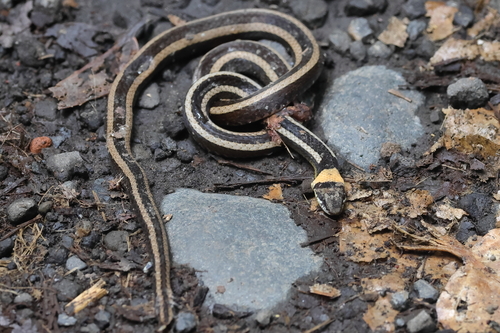
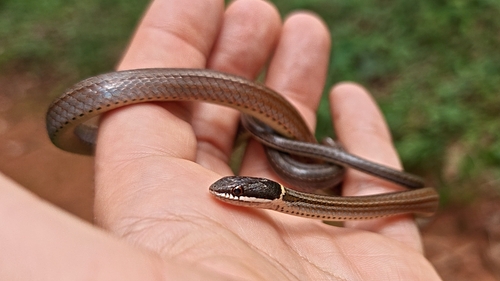
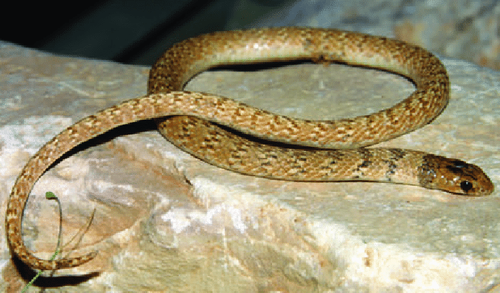
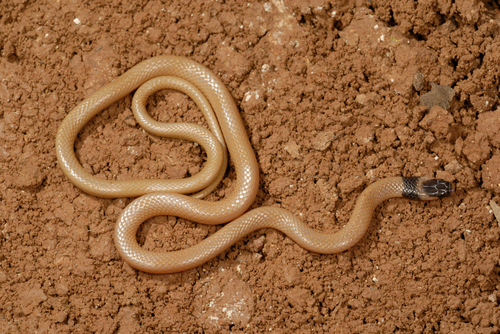
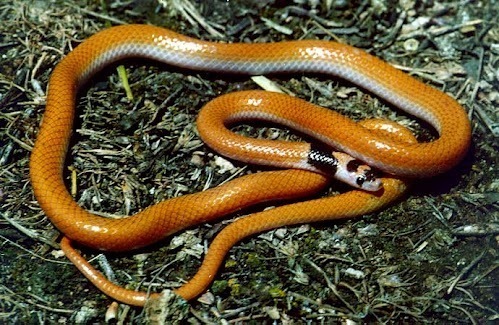
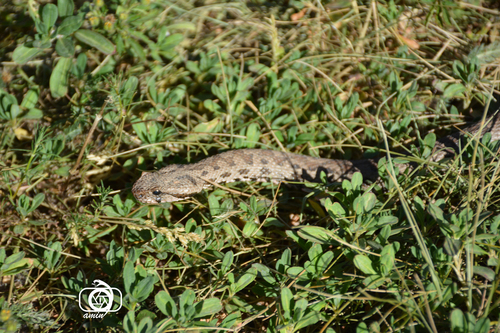
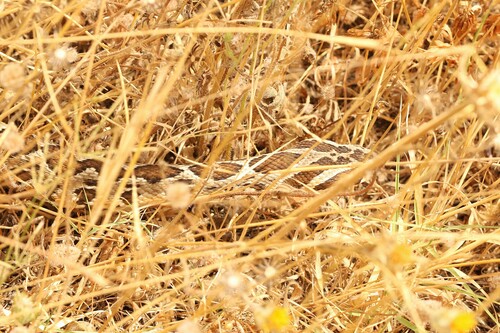
Viperidae (16)
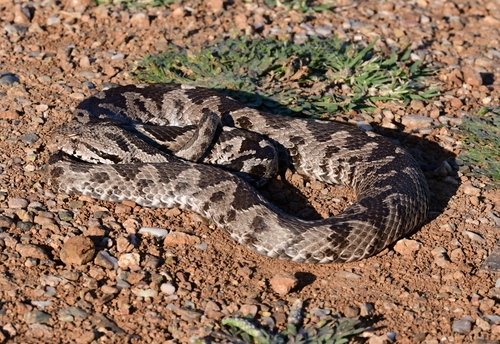

Typhlopidae (3)
Psammophiidae (3)
Elapidae (3)
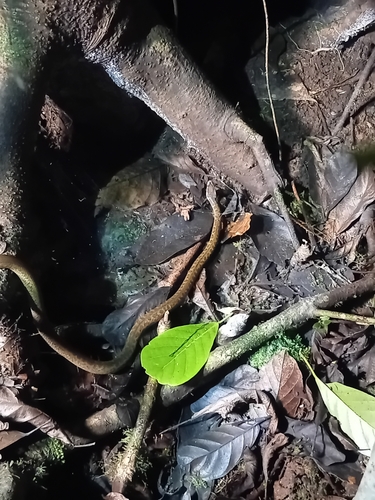
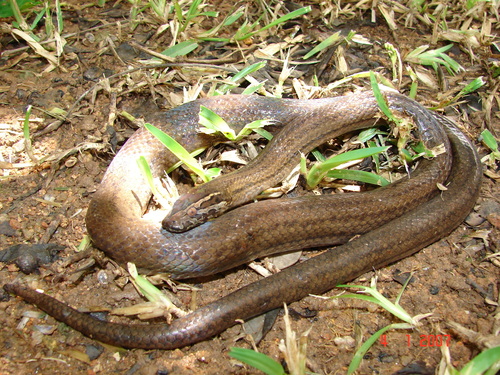
Boidae (1)
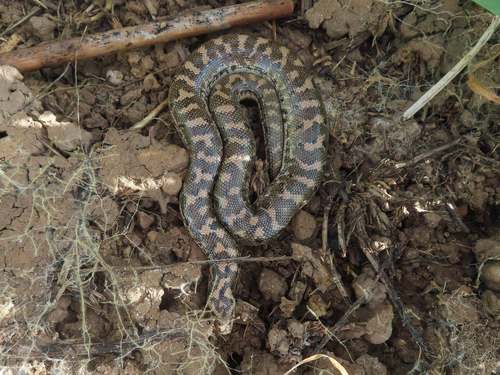
Leptotyphlopidae (1)
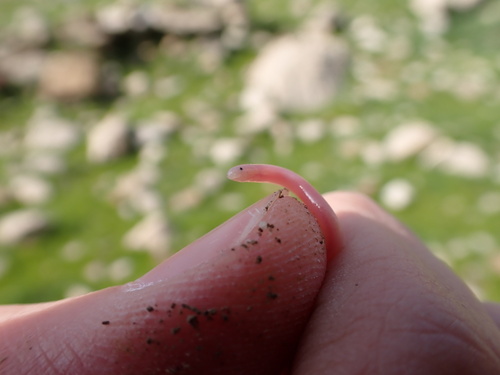
Pythonidae (1)

Compiled from verified GBIF & iNaturalist observations. "How often seen" reflects how frequently a snake is reported here, not how dangerous it is. Informational only.
Keep learning
- Are Snakes Dangerous? The Real Risk, in PerspectiveMost snakes are harmless and avoid people. Here is the honest picture of snakebite risk worldwide and how to lower your own.
- Snakebite First Aid: What to Do (and What Never to Do)A clear, CDC-based guide to snakebite first aid: the steps that help, the popular myths that hurt, and how to tell a serious bite from a minor one.
- Venomous vs Nonvenomous: How to Tell the DifferenceThe folk rules for telling venomous snakes apart, where each one fails, and why location-based identification beats guessing by sight.
- What to Do If You Find a SnakeFound a snake at home or on a trail? Here is how to stay calm, give it space, identify it safely, and know when to call a professional.