
Italy
Snakes in Italy
30+ snake species have been recorded in Italy, 4 venomous.
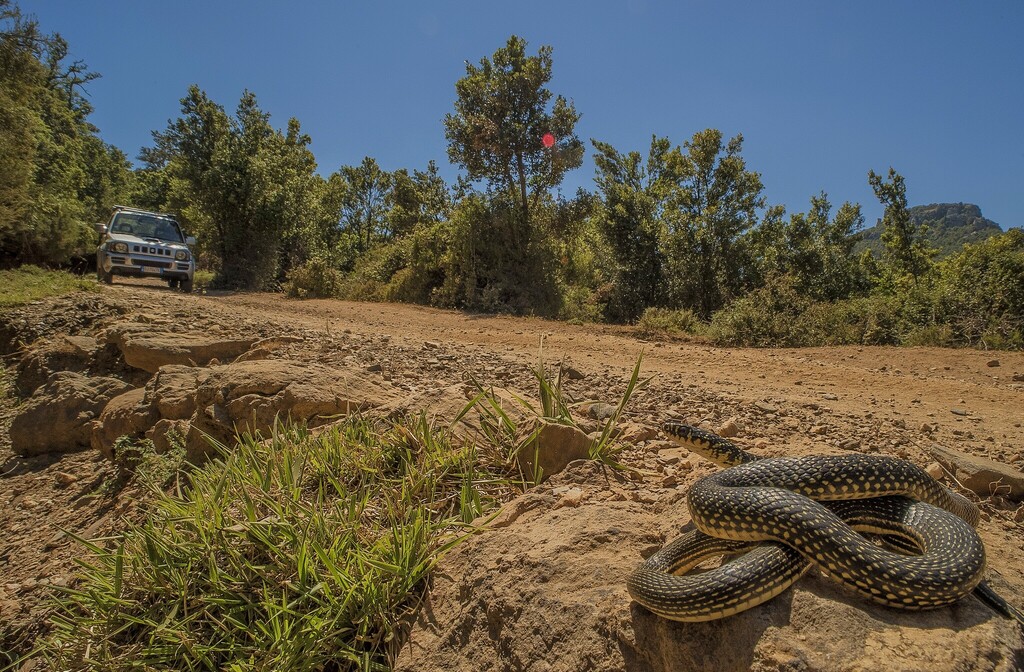
Snakes of Italy
Italy records 30+ snake species in our database, and only 4 of them are venomous. The great majority of the country's snakes are non-venomous and pose no medical threat to people. Italy's snake fauna is shaped by a long, narrow peninsula that runs from the Alps deep into the warm Mediterranean, plus the large islands of Sicily and Sardinia. This range of latitude and elevation produces a varied set of habitats, and the snakes track those habitats closely.
The geography is the main driver of that diversity. Alpine and Apennine slopes offer cool, rocky terrain and forest edges, while the central and southern lowlands bring hot, dry scrub, olive groves, vineyards, and stone walls that hold heat. Wetlands, river margins, and lake shores support water-associated species, and the coastal Mediterranean zones favor heat-loving snakes. Sardinia and Sicily, long isolated by sea, carry their own mix and are notably poor in venomous snakes, which is why the overall venomous share stays low.
The medically important venomous snakes in Italy are vipers, true vipers of the genus Vipera. This is the only dangerous group on the Italian mainland, and the asp viper and the common European adder are the species most often encountered, with a few additional vipers in restricted ranges. There are no cobras, mambas, coral snakes, rattlesnakes, or pit vipers native to Italy, and no dangerous land snakes of those families occur naturally here. Italian vipers are typically short, stout-bodied snakes with a triangular head and a zigzag or blotched dorsal pattern, and they tend to avoid people rather than seek confrontation.
The large non-venomous majority is what most people actually see. Colubrids dominate, including the fast and alert western whip snake, the green whip snake, several rat snakes such as the Aesculapian snake long tied to the symbol of medicine, the four-lined snake which is among the largest in Europe, and grass snakes and dice snakes near water. These snakes are harmless to humans. They are agile, often active by day, and many are striking in color and pattern, which makes Italy a rewarding place for snake watchers.
Snakes earn their place in Italian ecosystems. They are efficient predators of rodents, helping control mice and rats around farms, vineyards, and rural buildings, which reduces crop loss and limits pests that spread disease. Larger species also take other small animals, and the snakes themselves feed birds of prey and mammals, so they sit in the middle of a healthy food web. A landscape with intact snake populations is generally a landscape with balanced rodent numbers.
On safety, the honest picture is reassuring: most snakes you meet in Italy are non-venomous and harmless, and the only serious medical concern is a viper bite. No wild snake should ever be handled, including ones that look harmless, because identification mistakes happen and even non-venomous snakes can bite. If a bite occurs, treat it as a medical emergency, keep the person calm and still, and get to a hospital, where antivenom and supportive care are the established treatment. Do not attempt field first-aid procedures. In the United States contact Poison Control at 1-800-222-1222, and anywhere call your local emergency services.
Snakes in Italy: FAQ
- Are there venomous snakes in Italy?
- Yes. 4 venomous snake species have verified records in Italy, including Asp Viper, Adder, Meadow Viper, Nose-horned Viper. Most snakes in Italy, however, are harmless.
- How many snake species live in Italy?
- 30+ snake species have verified records in Italy, of which 4 are venomous.
- What is the most commonly seen snake in Italy?
- The Green Whip Snake is the most frequently reported snake in Italy, based on verified wildlife observations.
- What should I do if I see a venomous snake in Italy?
- Keep your distance and do not try to catch or kill it. Most bites happen when people handle or corner a snake. If someone is bitten, contact local emergency services or poison control immediately.
Venomous snakes in Italy
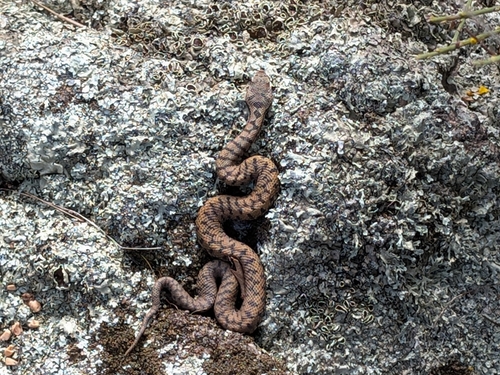
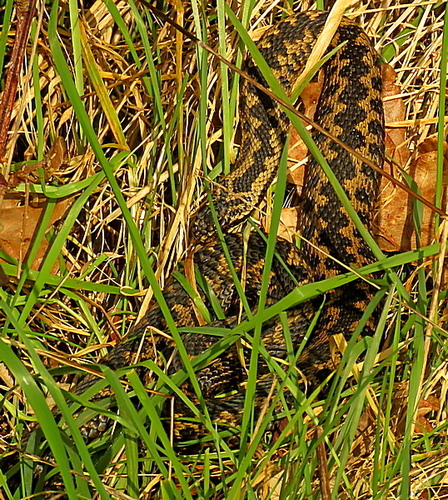
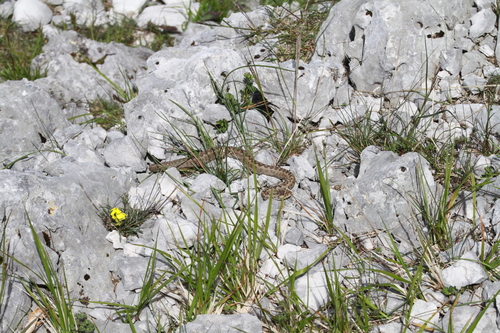
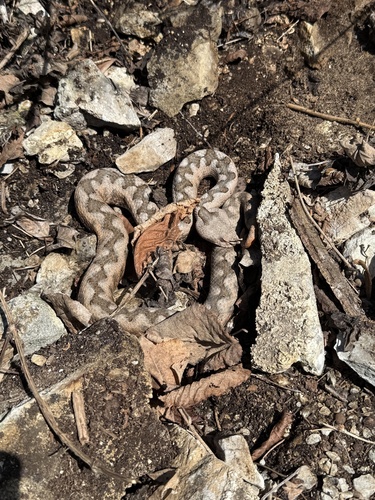
Every snake recorded in Italy
30+ species across 6 families, grouped by family. Venomous flagged.
Colubridae (22)
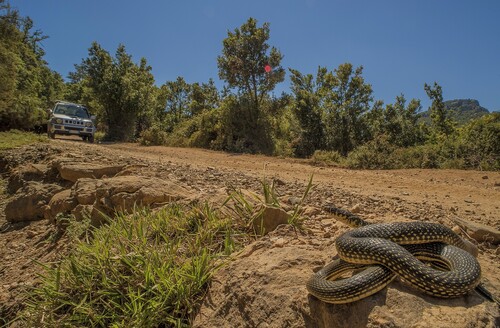
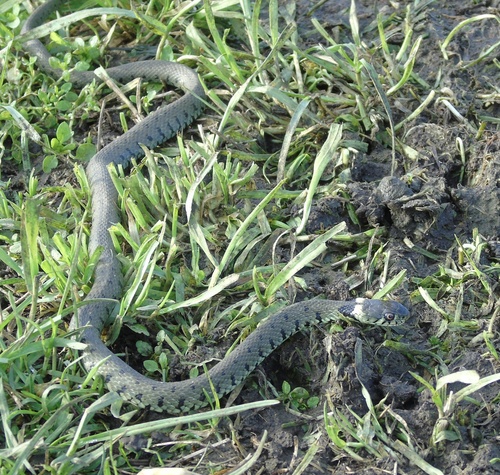
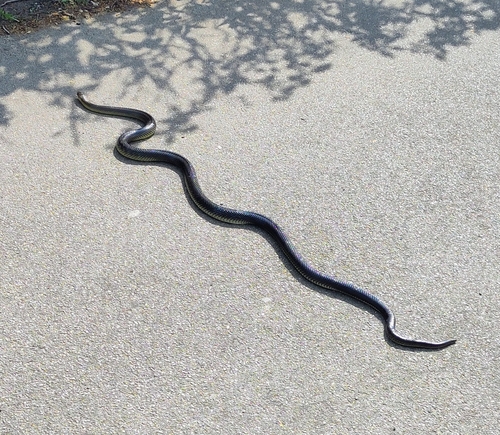
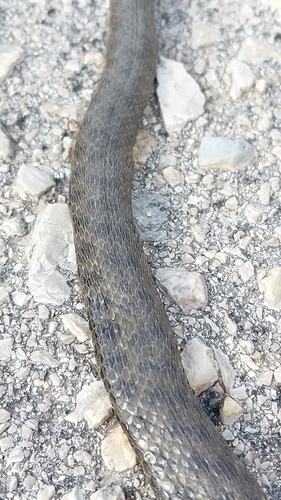
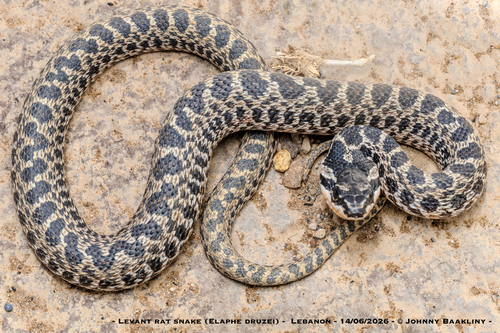
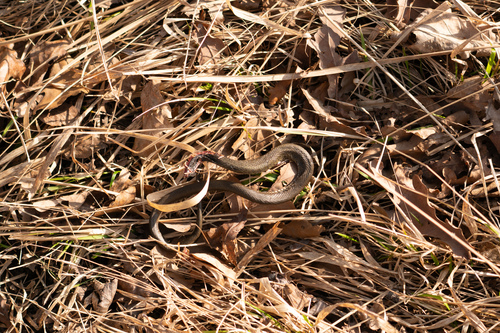
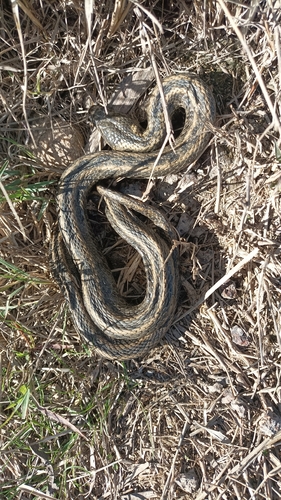
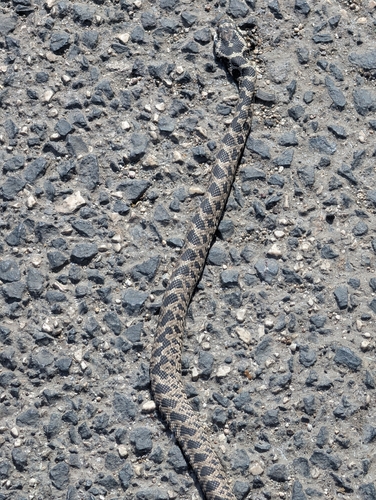
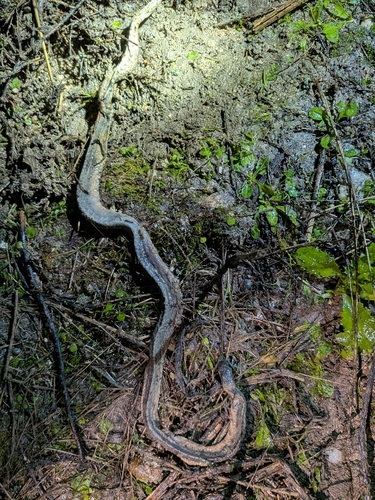
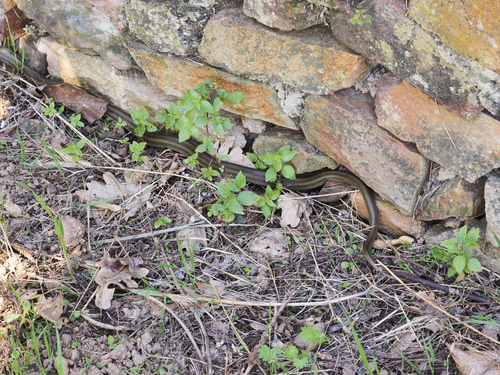
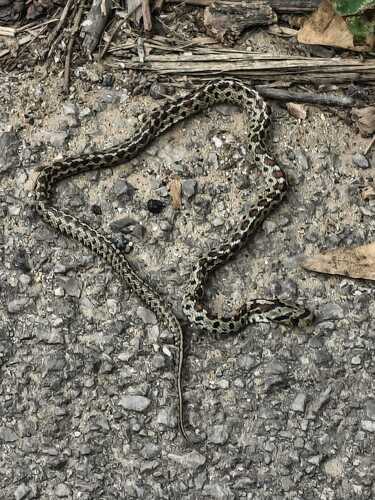
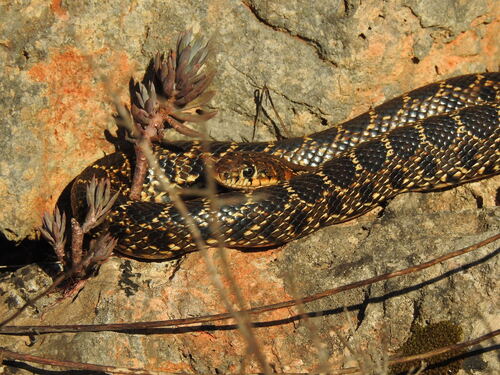
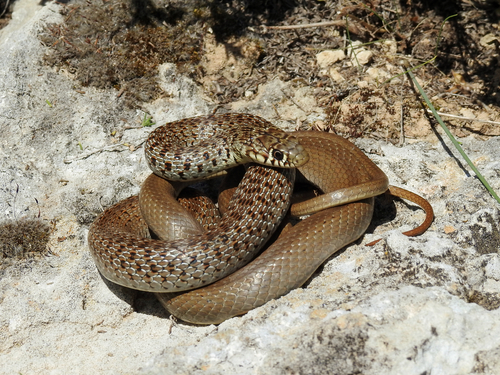
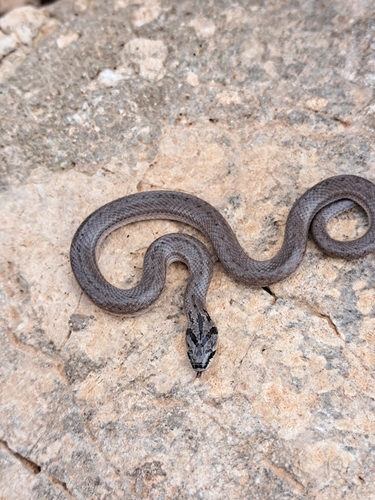
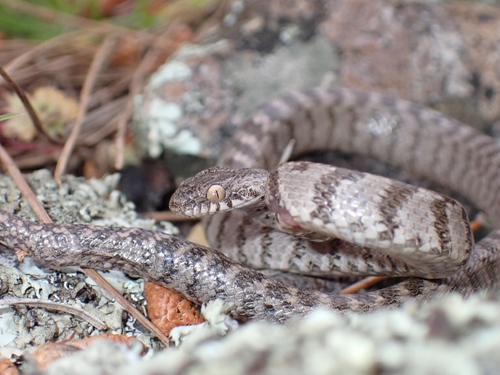
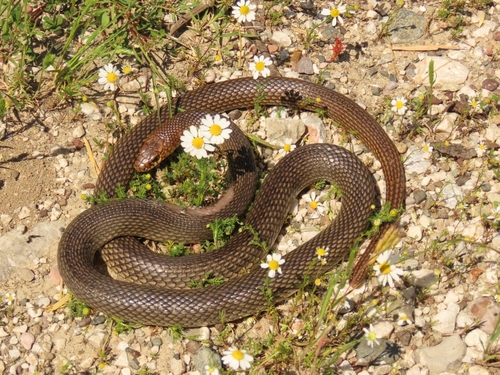
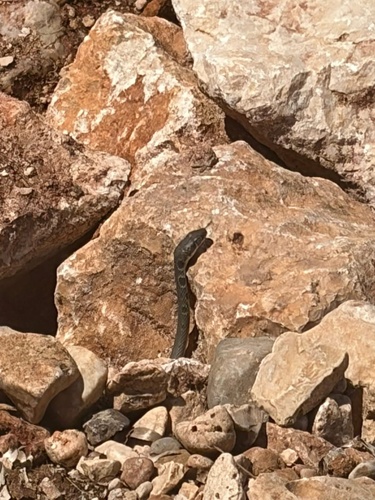
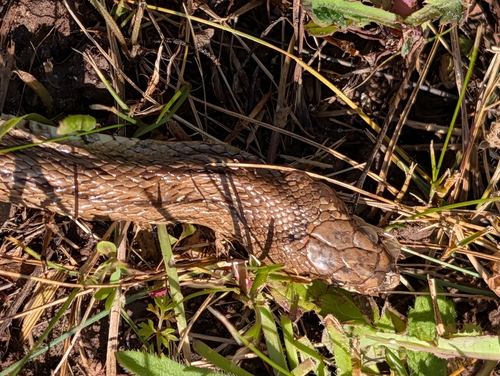
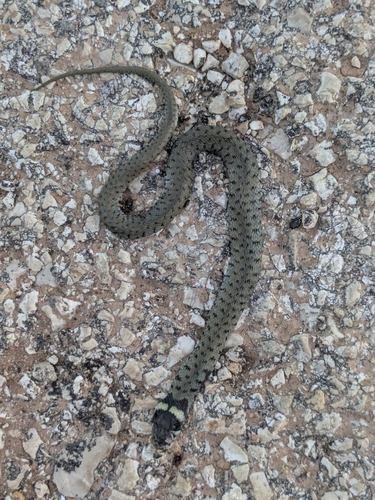
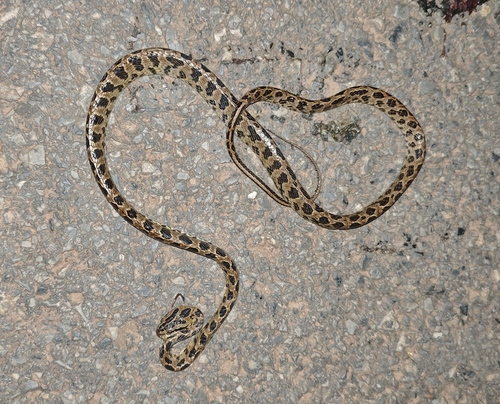
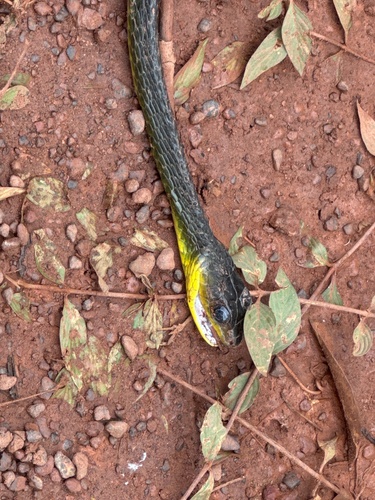
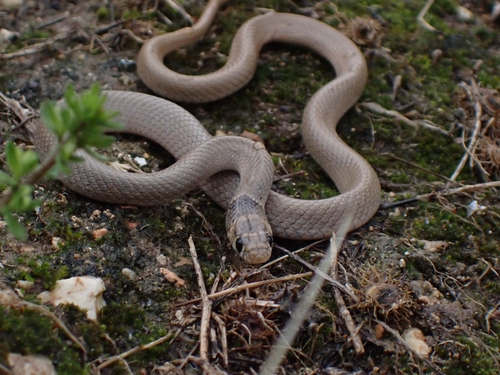
Viperidae (4)
Psammophiidae (2)
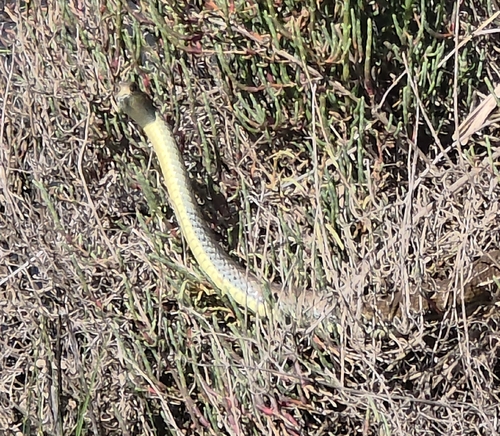
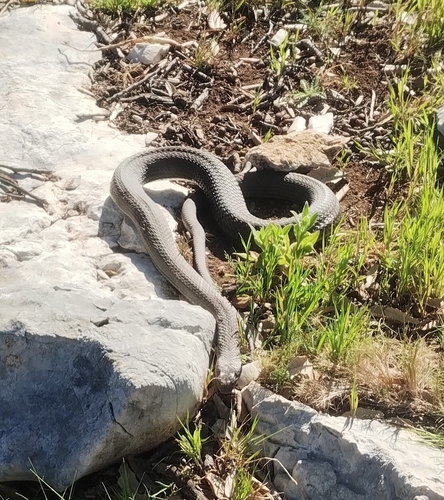
Boidae (1)
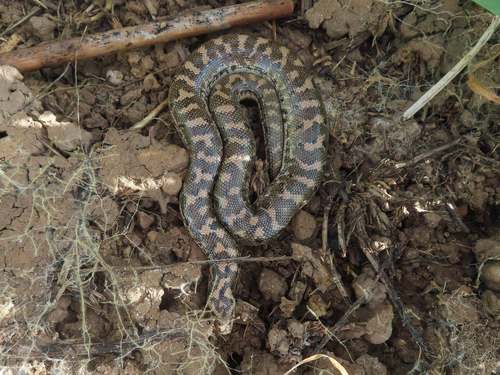
Typhlopidae (1)
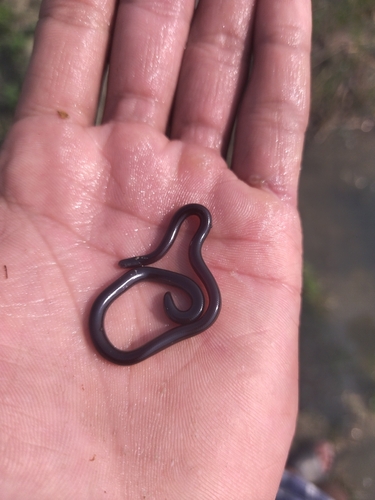
Leptotyphlopidae (1)
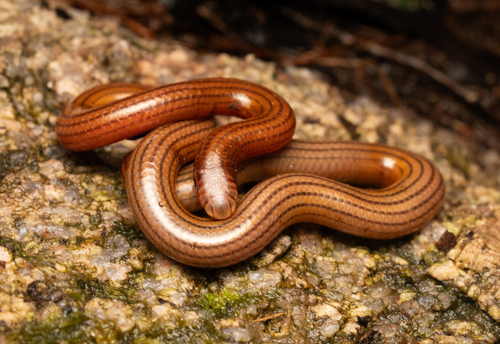
Compiled from verified GBIF & iNaturalist observations. "How often seen" reflects how frequently a snake is reported here, not how dangerous it is. Informational only.
Keep learning
- Are Snakes Dangerous? The Real Risk, in PerspectiveMost snakes are harmless and avoid people. Here is the honest picture of snakebite risk worldwide and how to lower your own.
- Snakebite First Aid: What to Do (and What Never to Do)A clear, CDC-based guide to snakebite first aid: the steps that help, the popular myths that hurt, and how to tell a serious bite from a minor one.
- Venomous vs Nonvenomous: How to Tell the DifferenceThe folk rules for telling venomous snakes apart, where each one fails, and why location-based identification beats guessing by sight.
- What to Do If You Find a SnakeFound a snake at home or on a trail? Here is how to stay calm, give it space, identify it safely, and know when to call a professional.