
Bhutan
Snakes in Bhutan
50+ snake species have been recorded in Bhutan, 21 venomous.
Snakes of Bhutan
Bhutan has 50+ snake species recorded in our database, 21 of them venomous. The great majority of species are non-venomous, and most snakes a person encounters in the country pose no medical threat. Despite its small size, Bhutan supports a surprisingly rich snake fauna, the product of an extreme elevation gradient that stacks tropical, subtropical, and temperate habitats within a short horizontal distance.
The country's geography is the main engine of this diversity. Bhutan rises from the hot, humid subtropical lowlands and broadleaf forests along the southern border with India to cool temperate valleys, conifer forests, and ultimately the high Himalaya in the north. The warm southern foothills and the Duar plains hold the greatest variety of snakes, where moisture, dense vegetation, rivers, and abundant prey support many species. As elevation climbs, temperatures drop and snake diversity thins out, with only a handful of hardy species ranging into the cooler mid-montane zones. This layering of climate by altitude is why a country this small records so many species.
The medically important venomous snakes of Bhutan belong to a few well established groups. Elapids are represented by cobras and by kraits, both capable of serious envenomation, along with coral snakes whose bites are rarely involved in human cases. The viper family is present through true vipers such as Russell's viper, found mainly in the lower elevations, and through Asian pit vipers, including green pit vipers that live in forest and shrub habitat. These groups, the cobras, kraits, and vipers, account for the bites that matter medically. Bhutan is landlocked, so there are no sea snakes, and there are no mambas or rattlesnakes, which are confined to other parts of the world.
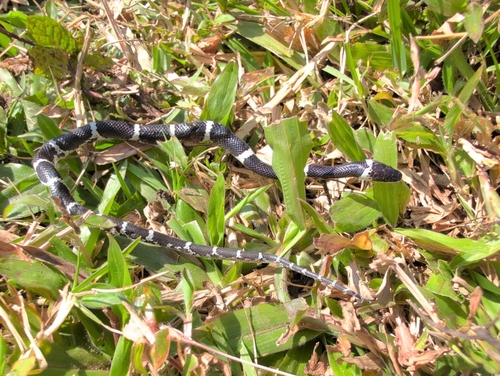
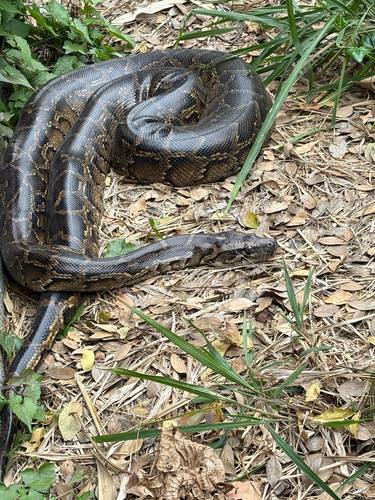
The large non-venomous majority is what most people actually meet. This includes many colubrids such as rat snakes, keelbacks, wolf snakes, kukri snakes, and trinket snakes, along with pythons in the warmer south, where the reticulated and Burmese lineages of large constrictors reach their northern limits. Many of these snakes are common around farmland, water, and human settlement precisely because that is where their prey concentrates. They are harmless to people even though some are large or boldly patterned.
Snakes earn their place in Bhutan's ecosystems and its farming communities. As predators of rodents, they suppress populations of rats and mice that damage stored grain and standing crops and that carry disease. Larger species also take other small animals, and snakes themselves are prey for birds and mammals, so they sit in the middle of the food web. Removing snakes from an area tends to let rodent numbers climb, which is a direct cost to agriculture.
On safety, the honest framing is that most Bhutanese snakes are harmless, but the cobras, kraits, and vipers can cause life threatening bites, so any snake should be treated with respect and given distance. No wild snake should ever be handled, including ones believed to be harmless, because identification mistakes are easy and even non-venomous snakes bite. The treatment for a venomous bite is professional medical care: antivenom and supportive hospital management. In the event of a bite, contact local emergency services without delay, or in the United States call Poison Control at 1-800-222-1222. Do not rely on home remedies in place of getting to a hospital.
Snakes in Bhutan: FAQ
- Are there venomous snakes in Bhutan?
- Yes. 21 venomous snake species have verified records in Bhutan, including Northern King Cobra, Sunda King Cobra, Monocled Cobra, Brown Banded Cobra. Most snakes in Bhutan, however, are harmless.
- How many snake species live in Bhutan?
- 50+ snake species have verified records in Bhutan, of which 21 are venomous.
- What is the most commonly seen snake in Bhutan?
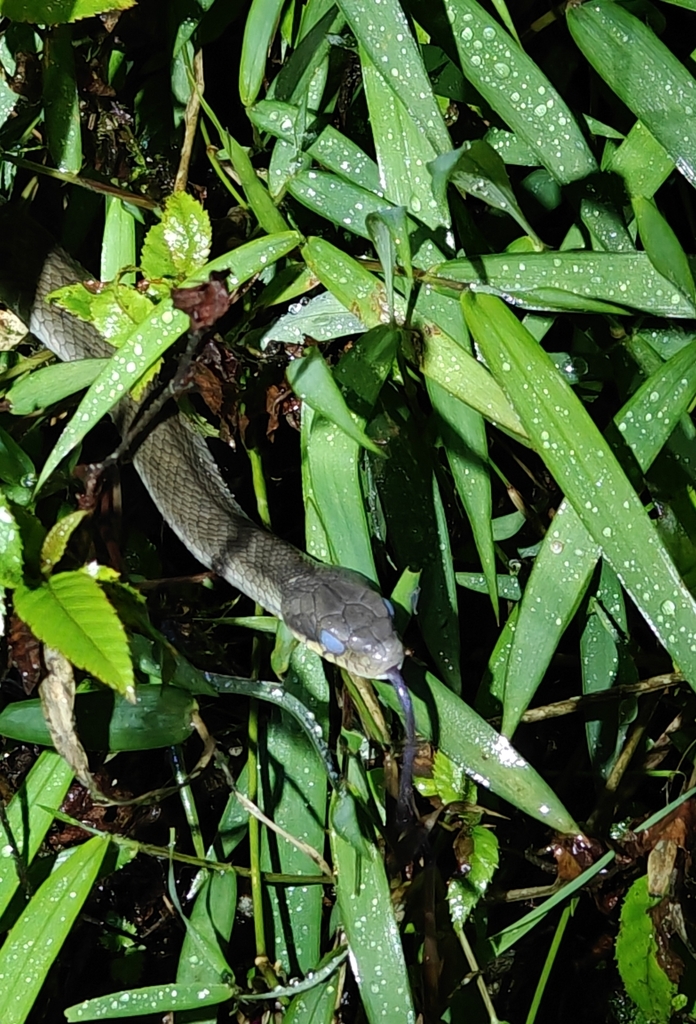
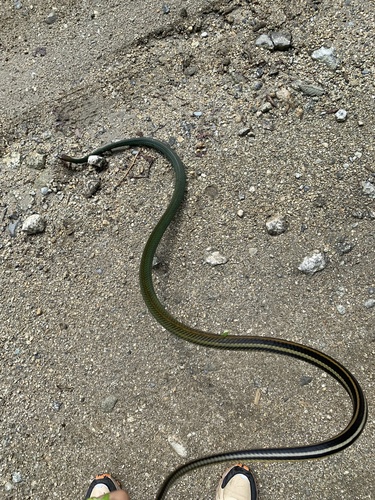
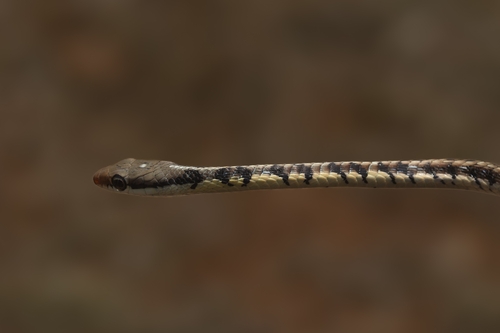
- The Big-eyed Bamboo Snake is the most frequently reported snake in Bhutan, based on verified wildlife observations.
- What should I do if I see a venomous snake in Bhutan?
- Keep your distance and do not try to catch or kill it. Most bites happen when people handle or corner a snake. If someone is bitten, contact local emergency services or poison control immediately.
Venomous snakes in Bhutan
Every snake recorded in Bhutan
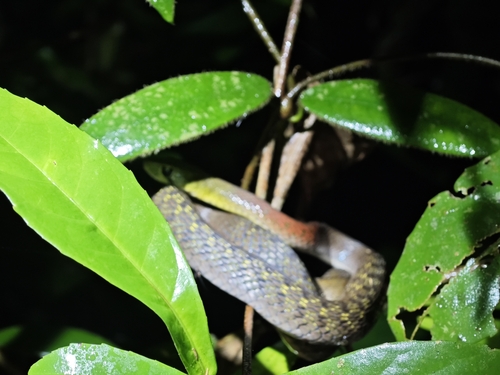
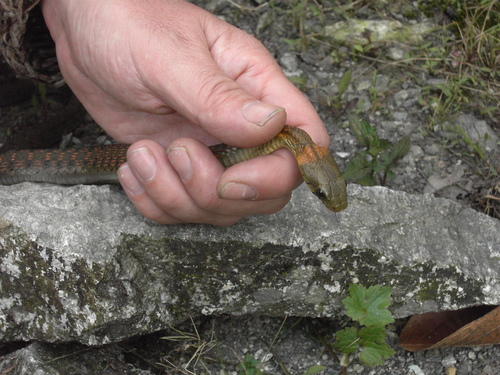
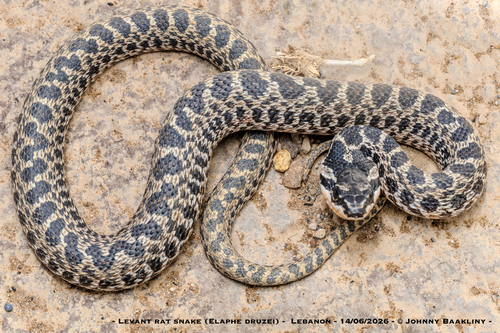
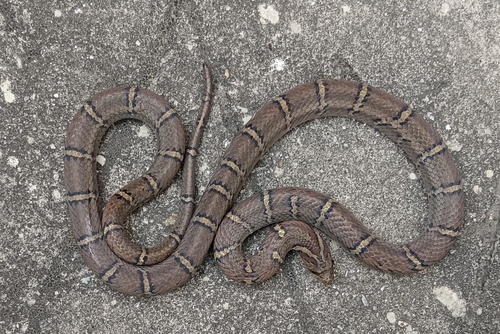
50+ species across 7 families, grouped by family. Venomous flagged.
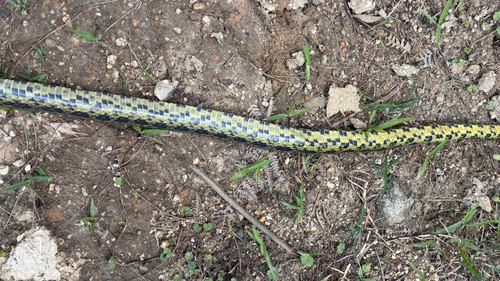
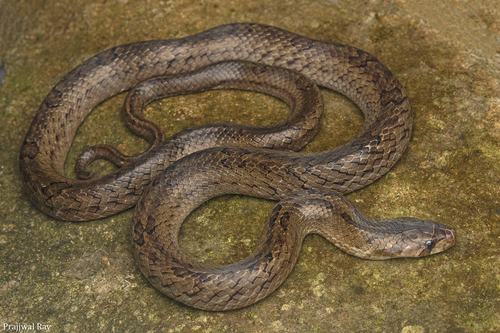
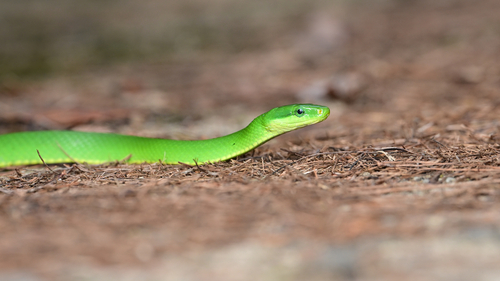
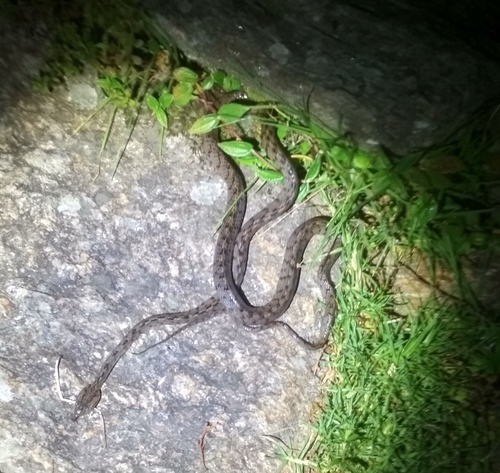
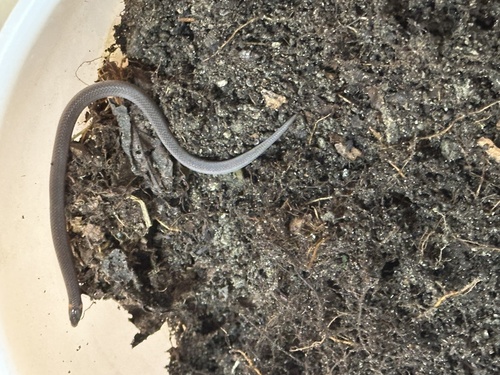
Colubridae (35)
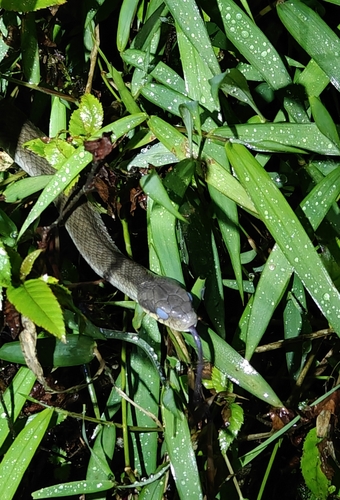
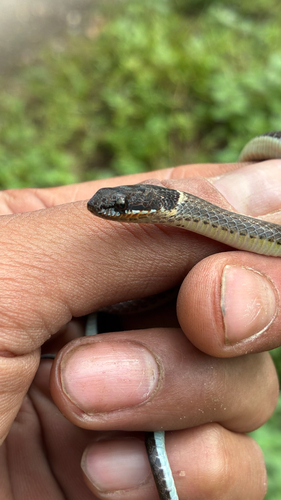
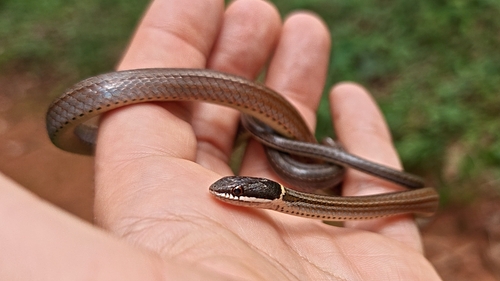
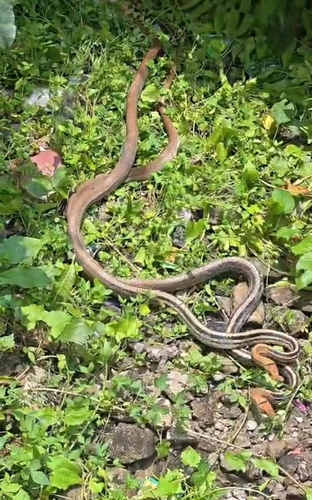
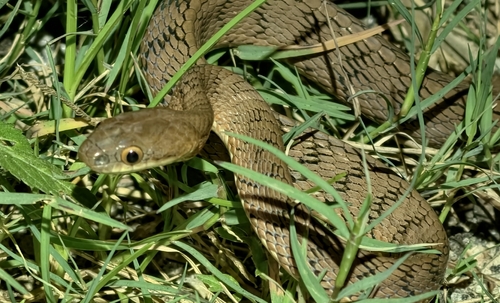

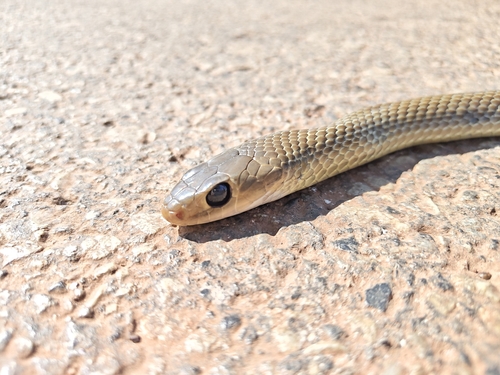
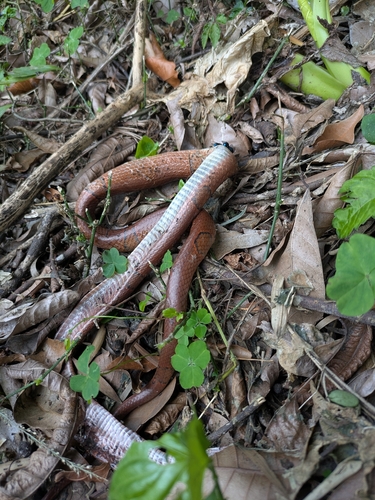
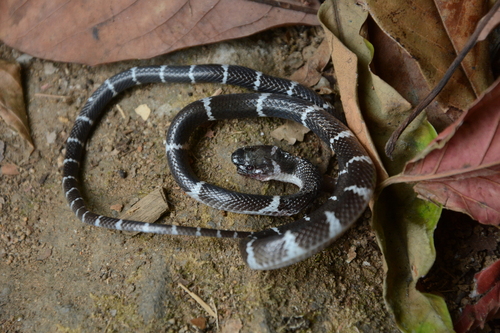

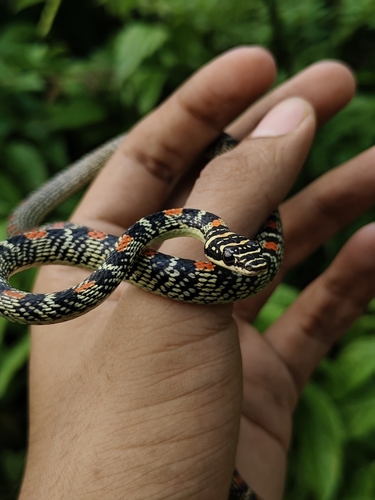
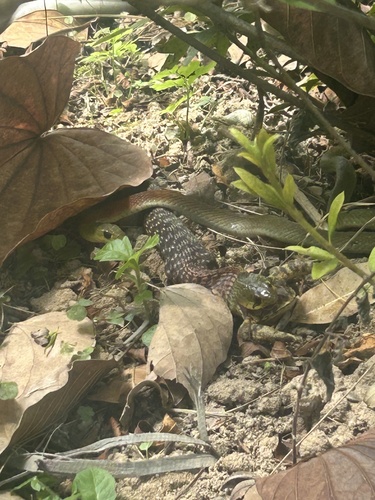
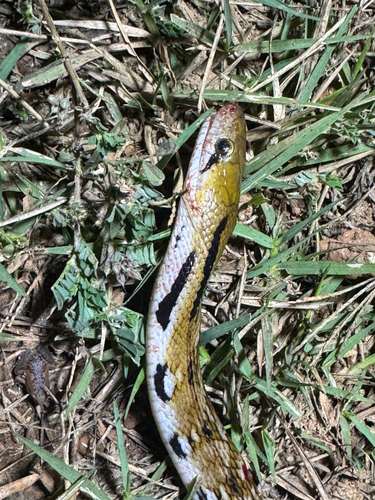
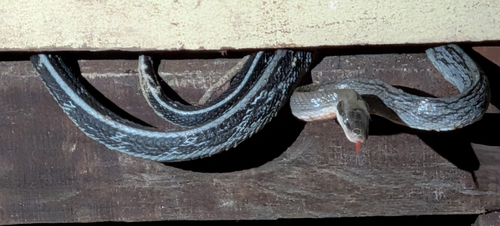
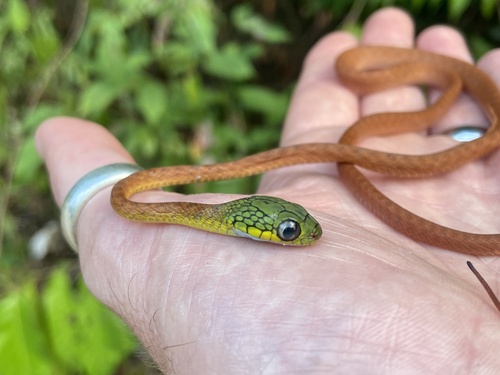
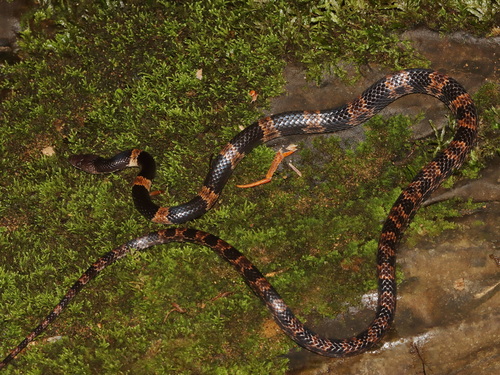
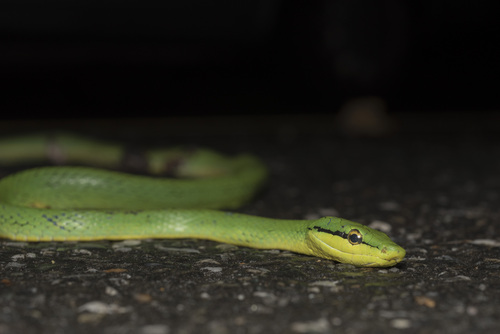


Elapidae (10)
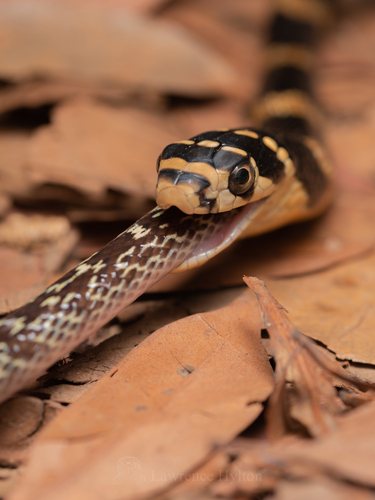
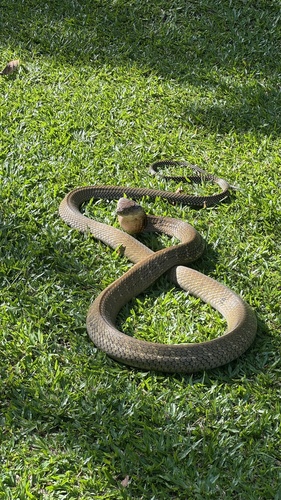
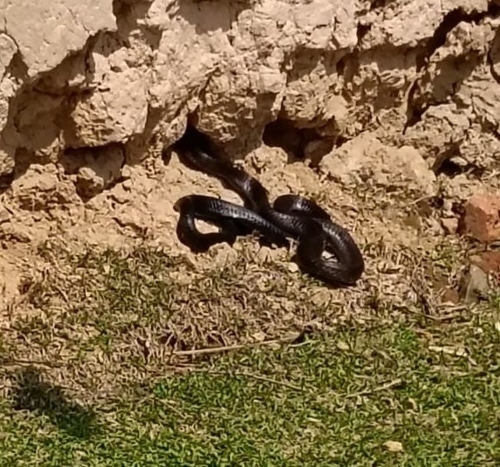
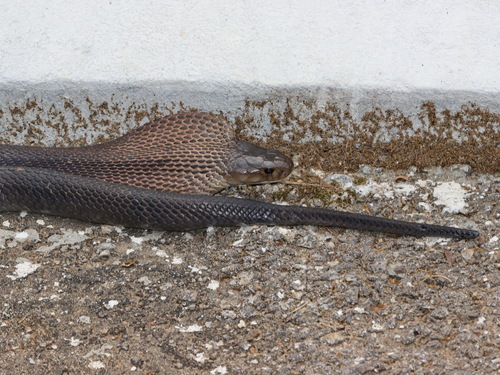
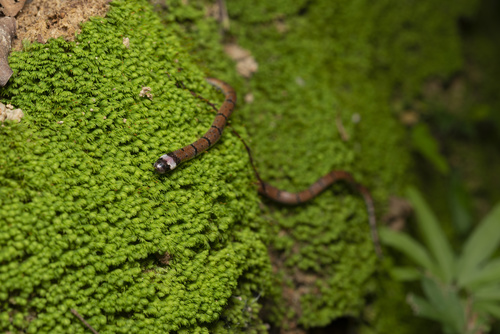
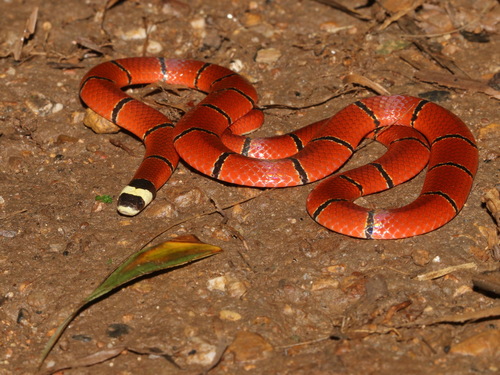
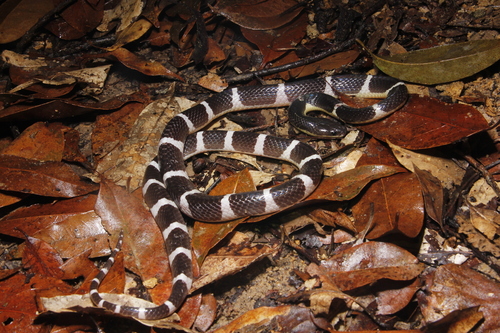
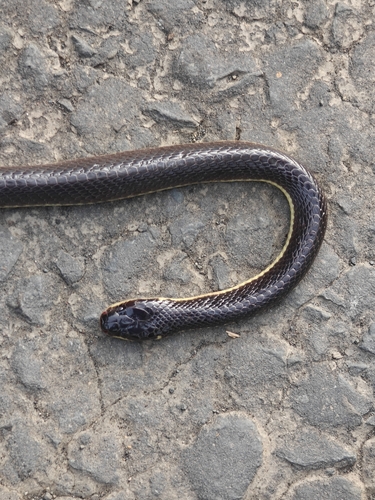
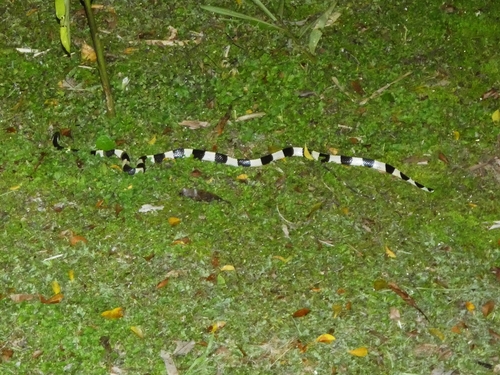
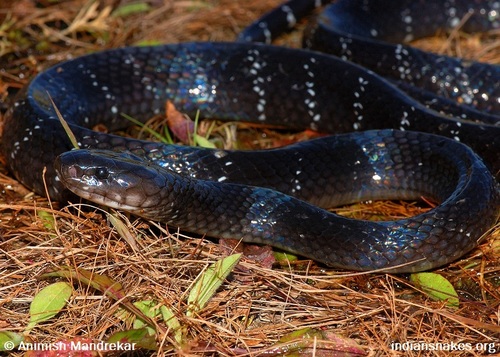
Viperidae (8)
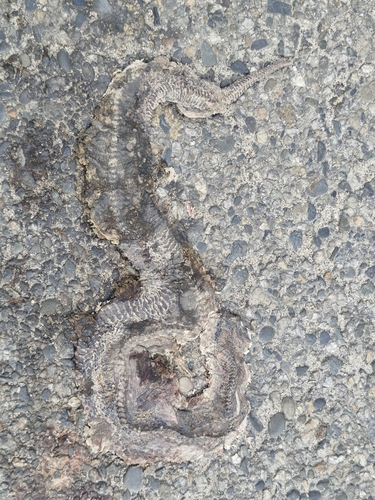
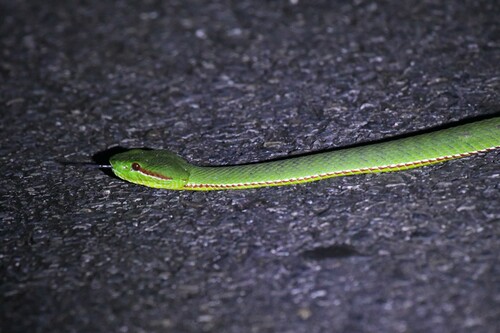

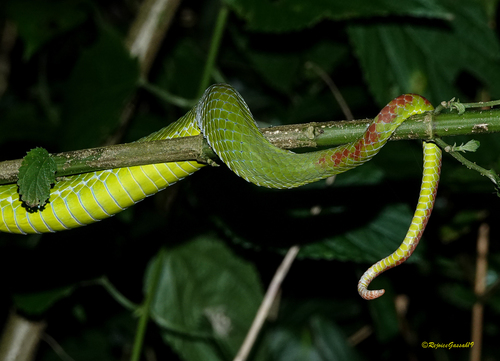
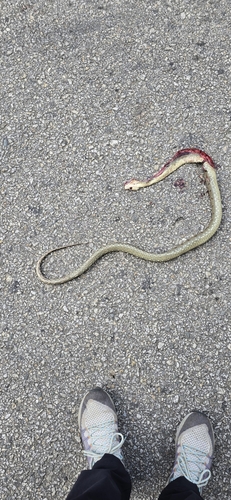
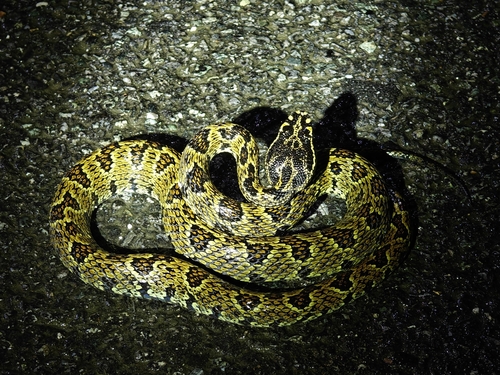
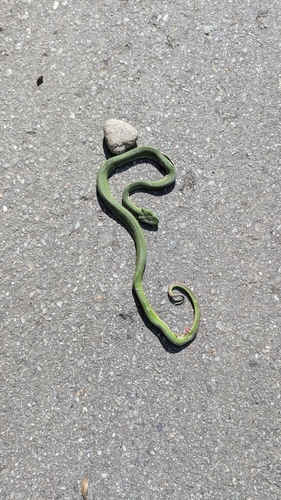
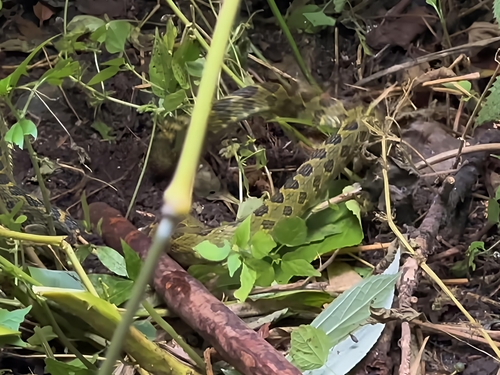
Pythonidae (1)
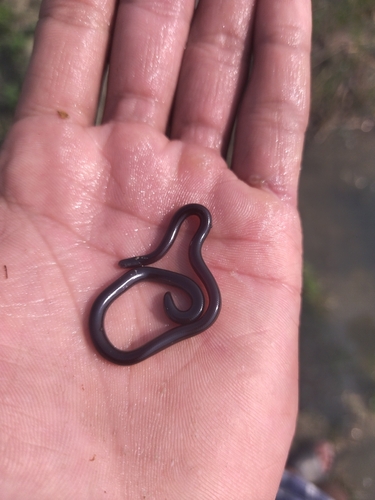
Typhlopidae (1)
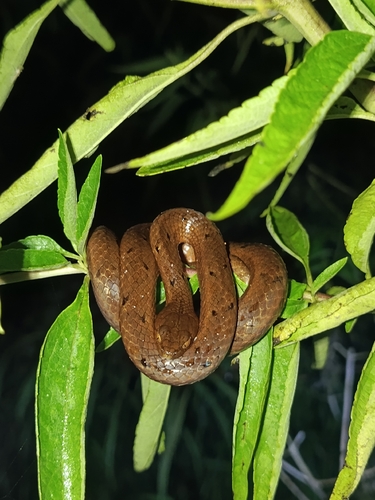
Pseudaspididae (1)
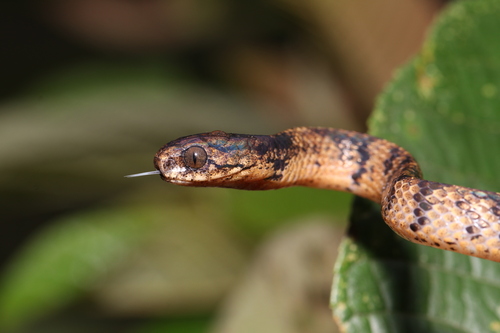
Pareidae (1)
Compiled from verified GBIF & iNaturalist observations. "How often seen" reflects how frequently a snake is reported here, not how dangerous it is. Informational only.
Keep learning
- Are Snakes Dangerous? The Real Risk, in PerspectiveMost snakes are harmless and avoid people. Here is the honest picture of snakebite risk worldwide and how to lower your own.
- Snakebite First Aid: What to Do (and What Never to Do)A clear, CDC-based guide to snakebite first aid: the steps that help, the popular myths that hurt, and how to tell a serious bite from a minor one.
- Venomous vs Nonvenomous: How to Tell the DifferenceThe folk rules for telling venomous snakes apart, where each one fails, and why location-based identification beats guessing by sight.
- What to Do If You Find a SnakeFound a snake at home or on a trail? Here is how to stay calm, give it space, identify it safely, and know when to call a professional.