
South Carolina
Snakes in Georgetown County
31 species have been documented here, 4 of them venomous.
Venomous snakes in Georgetown County
Full guide & what to do if bitten →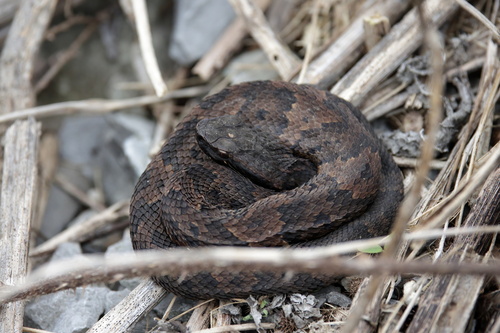 Northern CottonmouthAgkistrodon piscivorusVenomous
Heavy body, triangular head, vertical pupils, and a heat-sensing pit between each eye and nostril.
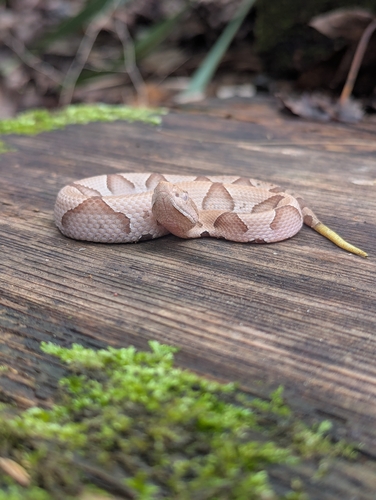 Eastern CopperheadAgkistrodon contortrixVenomous
Heavy body, triangular head, vertical pupils, and a heat-sensing pit between each eye and nostril.
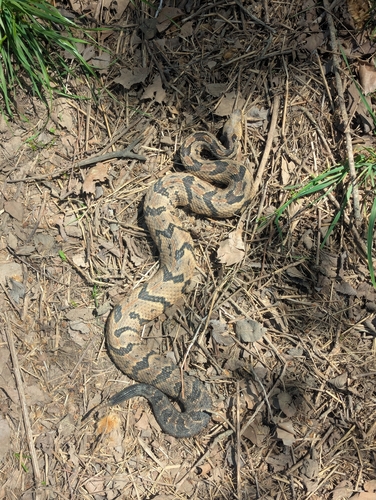 Timber RattlesnakeCrotalus horridusVenomous
Heavy body, broad triangular head, vertical (cat-like) pupils, and a segmented keratin rattle at the tail tip.
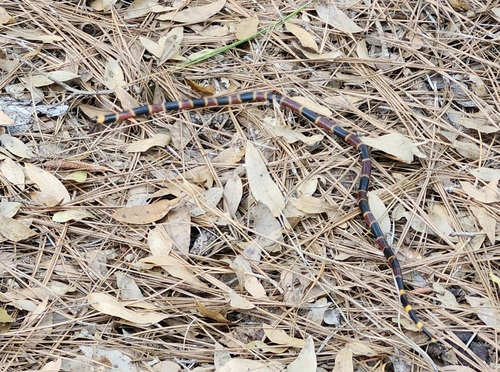 Eastern CoralsnakeMicrurus fulviusVenomous
Rings of red, yellow, and black where red touches yellow; small rounded head and round pupils.
Every snake recorded in Georgetown County
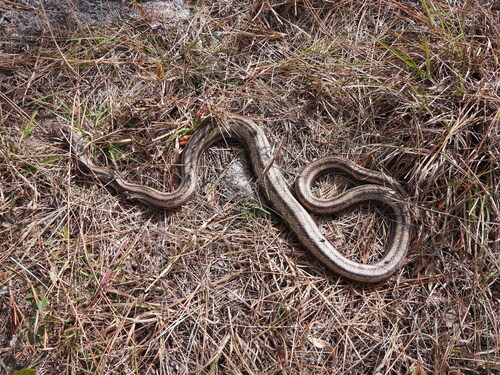
Eastern Ratsnake
Pantherophis alleghaniensis
Harmless
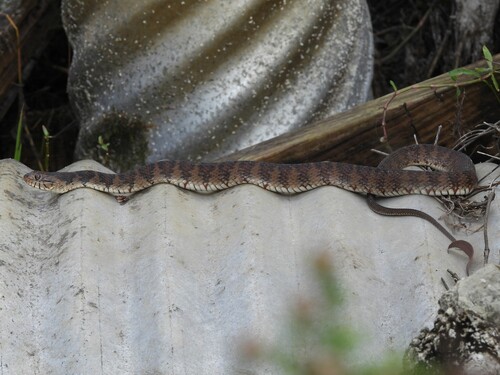
Banded Watersnake
Nerodia fasciata
Harmless
Northern Cottonmouth
Agkistrodon piscivorus
Venomous
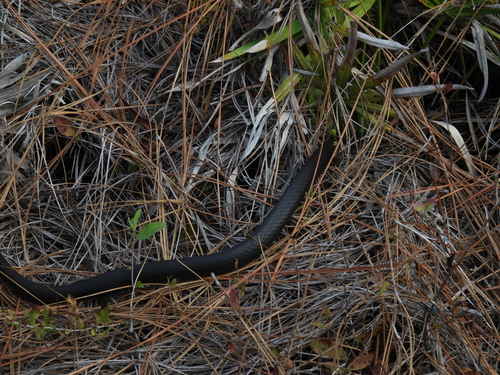
North American Racer
Coluber constrictor
Harmless
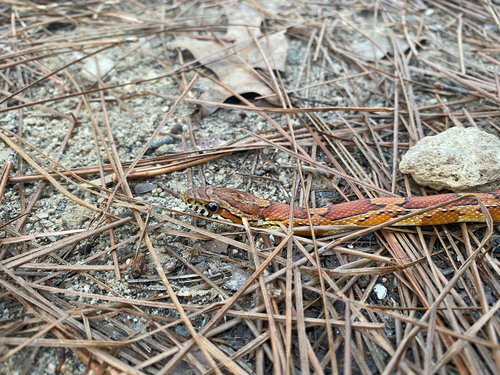
Red Cornsnake
Pantherophis guttatus
Harmless
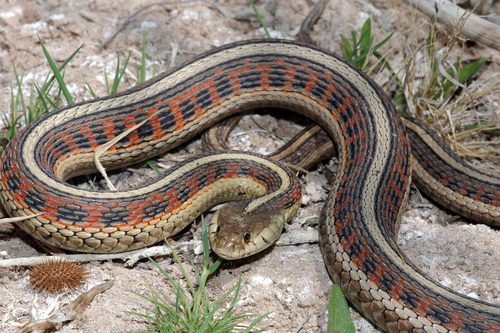
Common Garter Snake
Thamnophis sirtalis
Harmless
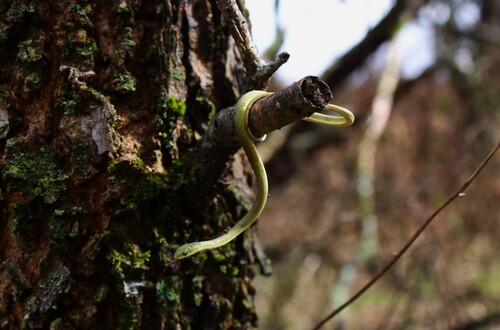
Rough Greensnake
Opheodrys aestivus
Harmless
Eastern Copperhead
Agkistrodon contortrix
Venomous
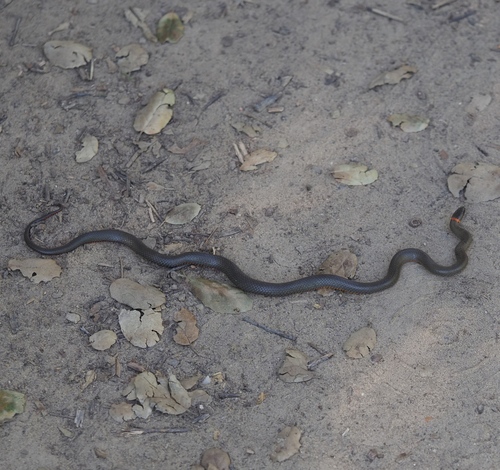
Ring-necked Snake
Diadophis punctatus
Harmless
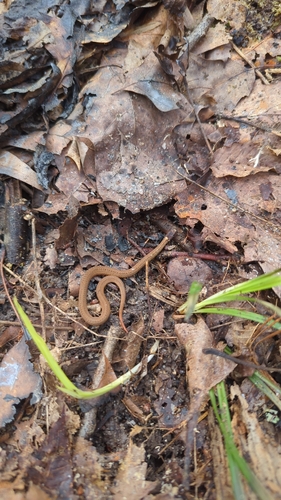
Red-bellied Snake
Storeria occipitomaculata
Harmless
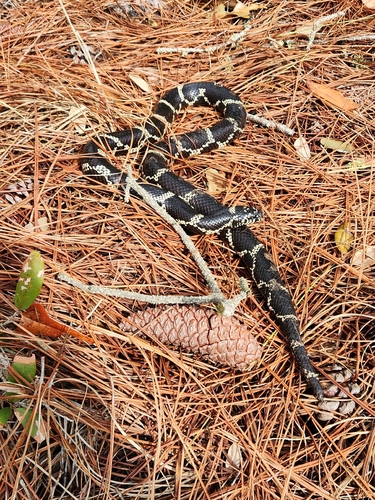
Eastern Kingsnake
Lampropeltis getula
Harmless
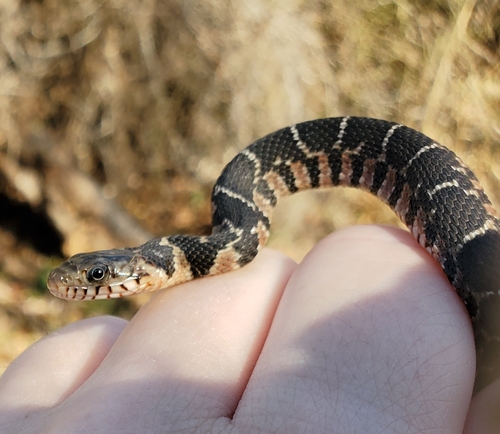
Plain-bellied Watersnake
Nerodia erythrogaster
Harmless
Timber Rattlesnake
Crotalus horridus
Venomous
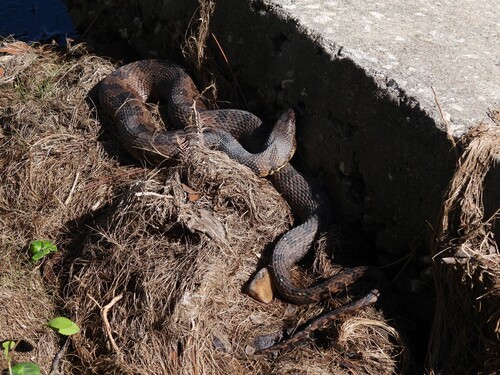
Brown Watersnake
Nerodia taxispilota
Harmless
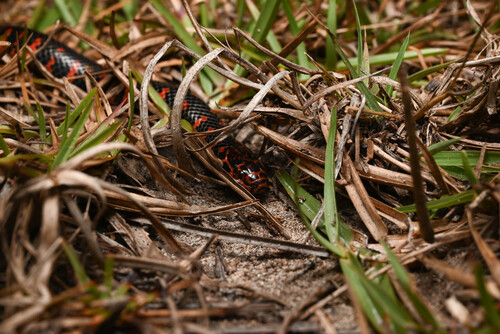
Mudsnake
Farancia abacura
Harmless
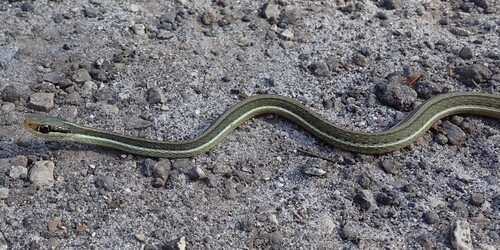
Common Ribbon Snake
Thamnophis saurita
Harmless
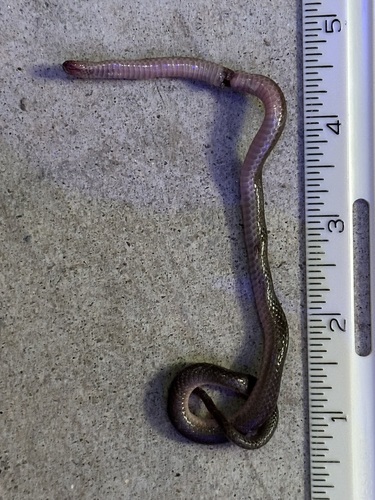
Common Wormsnake
Carphophis amoenus
Harmless
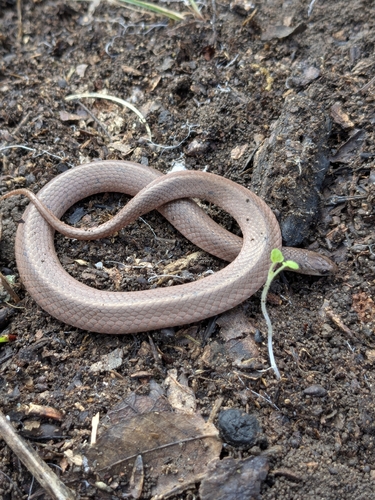
Smooth Earthsnake
Virginia valeriae
Harmless
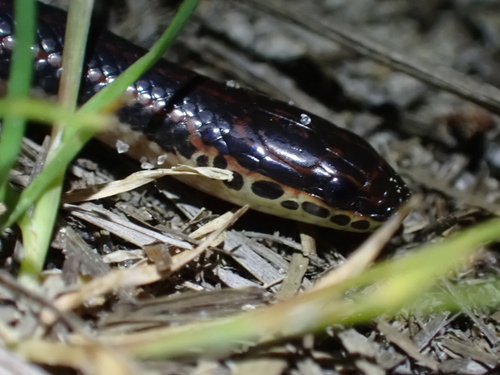
Rainbow Snake
Farancia erytrogramma
Harmless
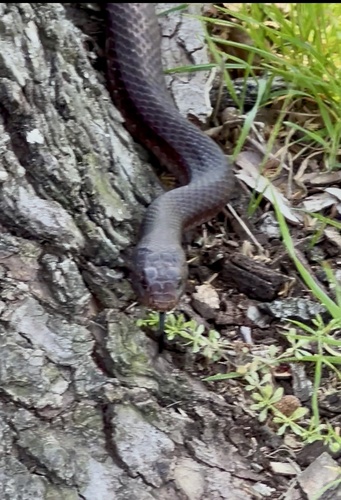
Common Coachwhip
Masticophis flagellum
Harmless
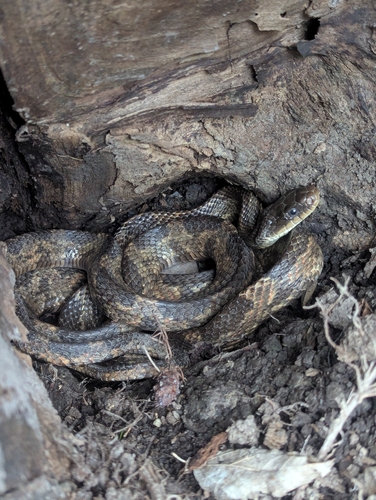
Western Ratsnake
Pantherophis obsoletus
Harmless
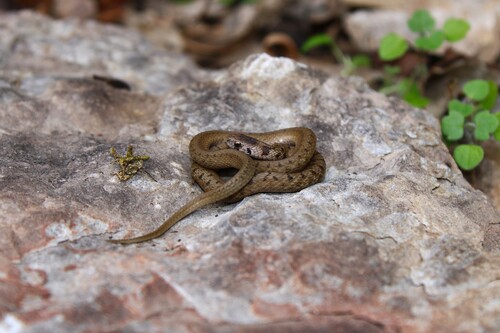
DeKay's Brownsnake
Storeria dekayi
Harmless
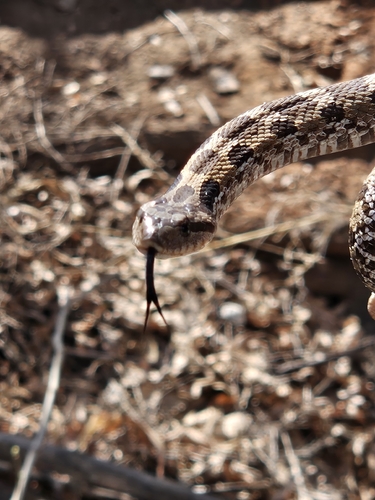
Eastern Hognose Snake
Heterodon platirhinos
Harmless
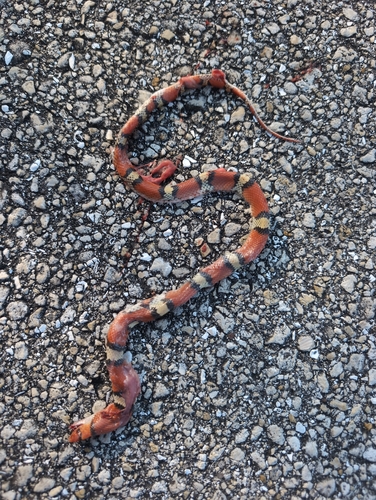
Scarletsnake
Cemophora coccinea
Harmless
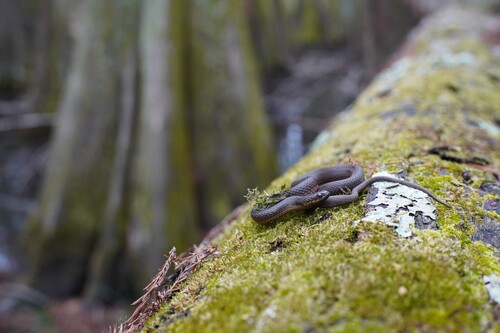
Glossy Swampsnake
Liodytes rigida
Harmless
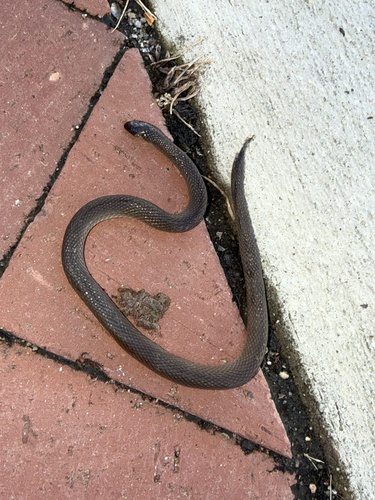
Rough Earthsnake
Virginia striatula
Harmless
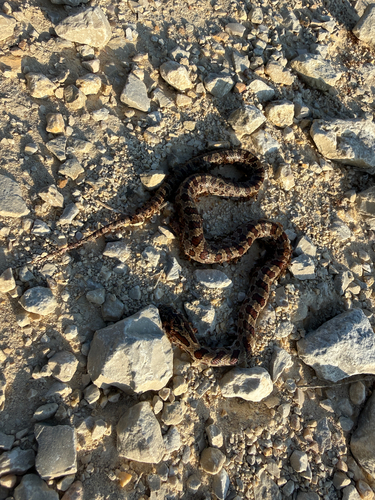
Prairie Kingsnake
Lampropeltis calligaster
Harmless
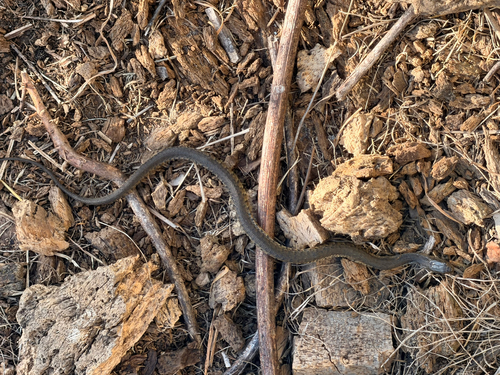
Florida Green Watersnake
Nerodia floridana
Harmless
Eastern Coralsnake
Micrurus fulvius
Venomous
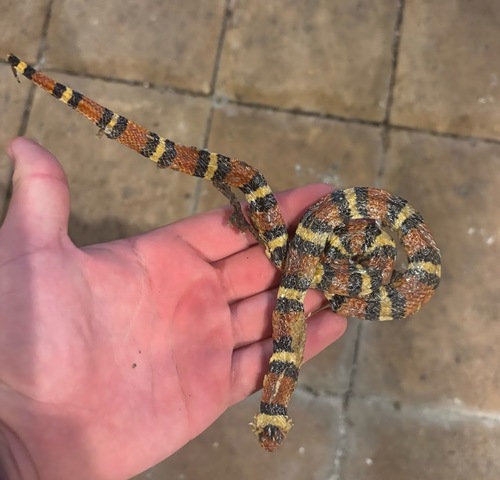
Scarlet Kingsnake
Lampropeltis elapsoides
Harmless
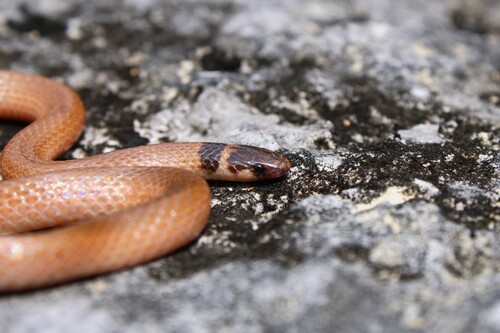
Southeastern Crowned Snake
Tantilla coronata
Harmless
Compiled from verified GBIF & iNaturalist observations. Informational only.
Snakes in Georgetown County: FAQ
- Are there venomous snakes in Georgetown County, South Carolina?
- Yes. 4 venomous snake species have verified records in Georgetown County, South Carolina, including Northern Cottonmouth, Eastern Copperhead, Timber Rattlesnake, Eastern Coralsnake. Most snakes in Georgetown County, South Carolina, however, are harmless.
- How many snake species live in Georgetown County, South Carolina?
- 30+ snake species have verified records in Georgetown County, South Carolina, of which 4 are venomous.
- What is the most commonly seen snake in Georgetown County, South Carolina?
- The Eastern Ratsnake is the most frequently reported snake in Georgetown County, South Carolina, based on verified wildlife observations.
- What should I do if I see a venomous snake in Georgetown County, South Carolina?
- Keep your distance and do not try to catch or kill it. Most bites happen when people handle or corner a snake. If someone is bitten, contact local emergency services or poison control immediately.