
Georgia
Snakes in Georgia
30+ snake species have been recorded in Georgia, 10 venomous.
Snakes of Georgia
Georgia has 30+ snake species recorded in our database, and 10 of them are venomous. The great majority of species are non-venomous, a pattern that holds across the southeastern United States. For people who live in or visit the state, this means most snake encounters involve harmless animals, even though a real set of medically important species does occur here and deserves respect.
The diversity comes from the range of habitats packed into a relatively small area. Georgia stretches from the Blue Ridge and Appalachian foothills in the north, through the rolling Piedmont, down to the broad Coastal Plain and the barrier islands and salt marshes of the Atlantic shore. Pine flatwoods, hardwood bottomlands, cypress swamps, longleaf pine and wiregrass habitat, river corridors, and farmland each support different snake communities. Wetlands and the warm, humid climate of the southern half of the state are especially rich, which is why species counts climb as you move toward the coast.
The venomous snakes of Georgia all belong to one broad group: the pit vipers, in the family Viperidae. These include rattlesnakes such as the eastern diamondback, the timber or canebrake rattlesnake, and the small pygmy rattlesnake, along with the copperhead and the cottonmouth, also called the water moccasin. One non-viper venomous species also occurs in Georgia, the eastern coral snake, a member of the elapid group, which is brightly banded and secretive. There are no cobras, mambas, or true sea snakes native to the state; the medically relevant threat is the pit viper group plus the coral snake.
The non-venomous majority is large and varied. Common and notable harmless snakes include rat snakes, which are strong climbers often seen near barns and homes, the eastern kingsnake, which is famous for preying on other snakes including venomous ones, garter and ribbon snakes, water snakes that are frequently mistaken for cottonmouths, the gentle eastern hognose snake with its dramatic bluffing display, and the corn snake, a popular and beautifully patterned species. The eastern indigo snake, one of the longest native snakes in North America, is a celebrated and protected resident of the southern Coastal Plain.
Snakes earn their place in Georgia's ecosystems. They are efficient predators of rodents, helping limit populations of rats and mice that damage crops, contaminate stored food, and carry disease. Many species also eat insects, slugs, frogs, and other small animals, and several, like the kingsnake, prey on other snakes. By controlling these populations, snakes provide natural pest control that benefits farms, homes, and wild habitats alike, and they in turn feed hawks, owls, and other wildlife.
On safety, the honest framing is that most snakes you meet in Georgia are harmless and want nothing to do with you. The main medical concern is a bite from a pit viper, with the eastern diamondback rattlesnake and the cottonmouth among the most serious, and rare bites from the coral snake. The correct response to any suspected venomous bite is to get to a hospital as quickly as possible, where antivenom and supportive medical care are the proven treatment. Never handle a wild venomous snake and never assume one is safe to approach. Give snakes space and they will almost always move on. In a bite emergency in the United States, contact emergency services or US Poison Control at 1-800-222-1222.
Snakes in Georgia: FAQ
- Are there venomous snakes in Georgia?
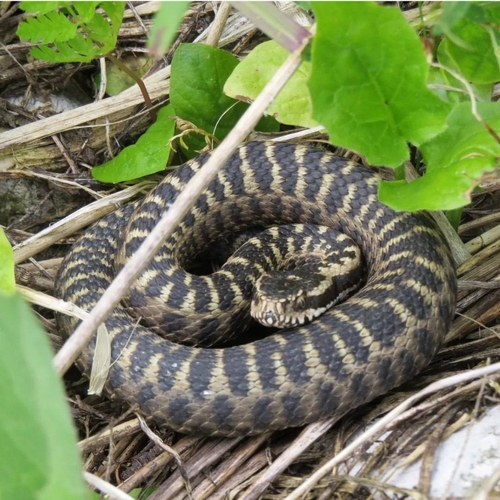
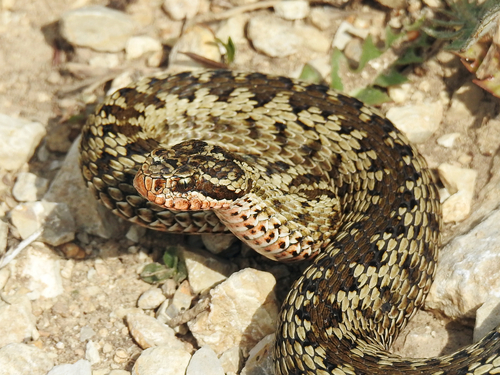
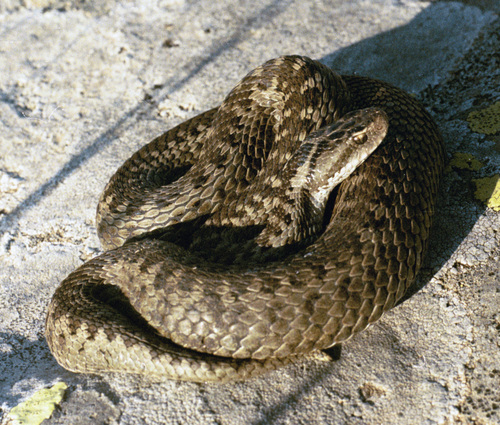
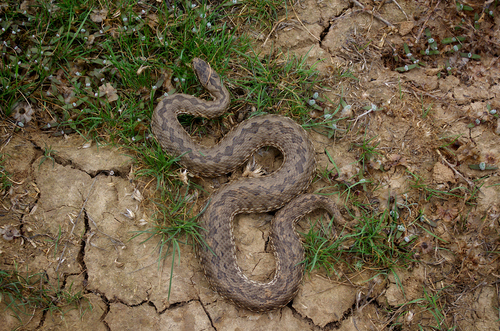
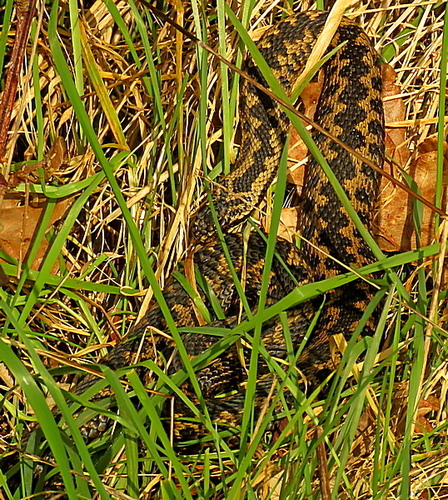
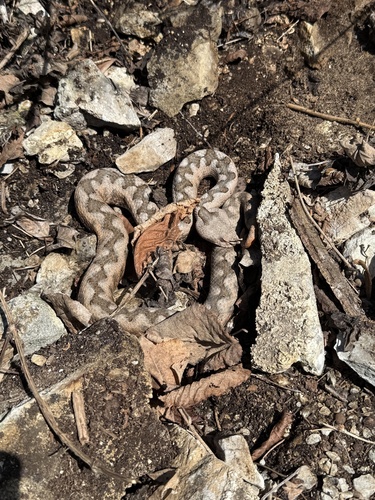
- Yes. 10 venomous snake species have verified records in Georgia, including Caucasian Viper, Caucasus Subalpine Viper, Alburzi Viper, Darevsky's Viper. Most snakes in Georgia, however, are harmless.
- How many snake species live in Georgia?
- 30+ snake species have verified records in Georgia, of which 10 are venomous.
- What is the most commonly seen snake in Georgia?
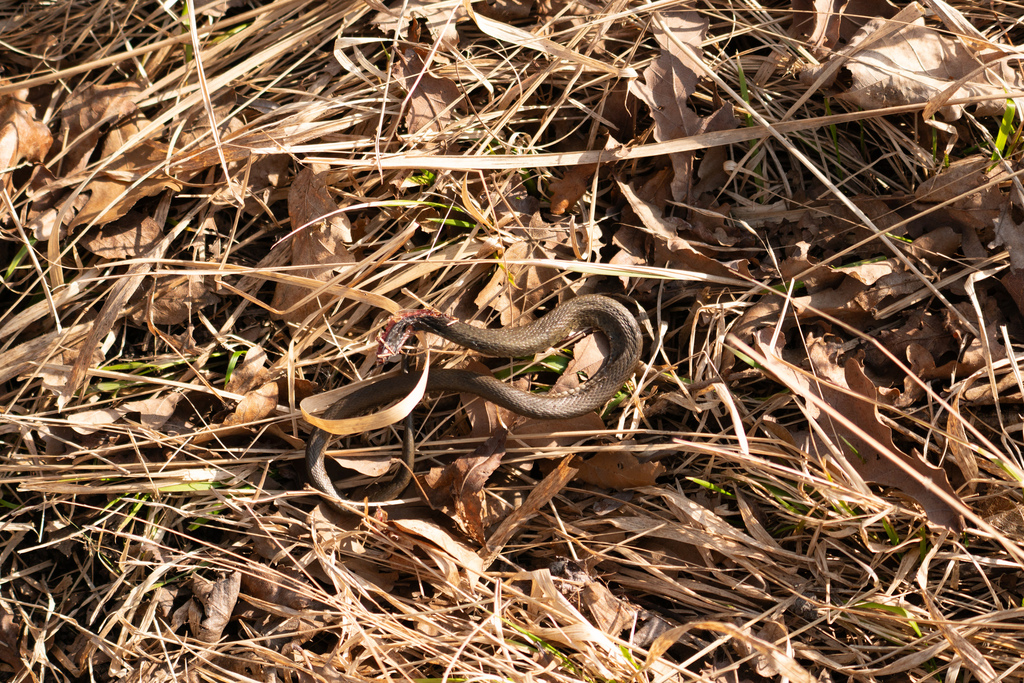
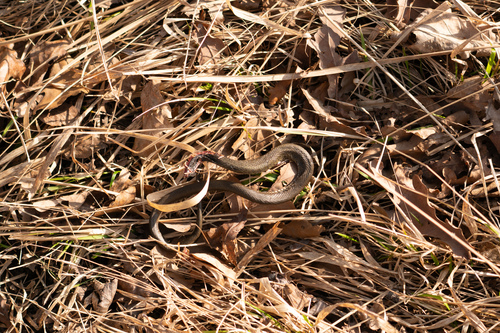
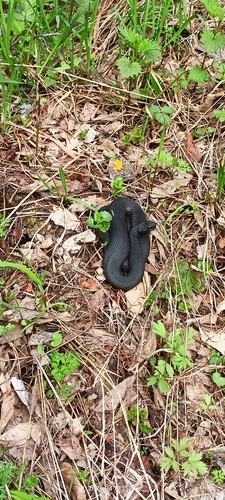
- The Grass Snake is the most frequently reported snake in Georgia, based on verified wildlife observations.
- What should I do if I see a venomous snake in Georgia?
- Keep your distance and do not try to catch or kill it. Most bites happen when people handle or corner a snake. If someone is bitten, contact local emergency services or poison control immediately.
Venomous snakes in Georgia
Every snake recorded in Georgia
30+ species across 5 families, grouped by family. Venomous flagged.
Colubridae (18)
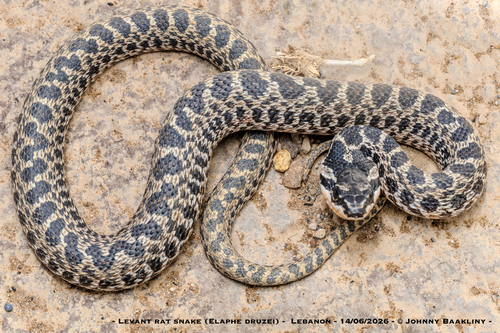
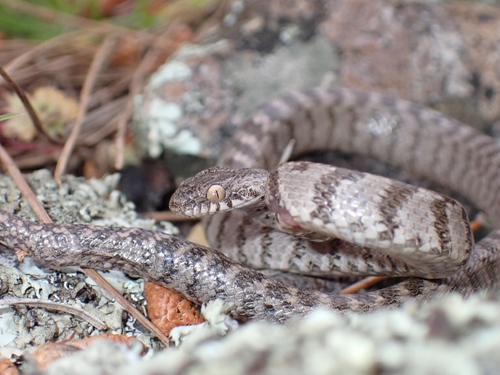
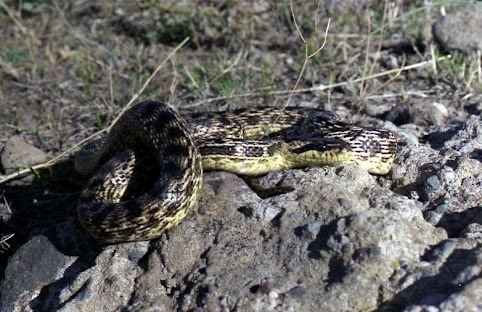
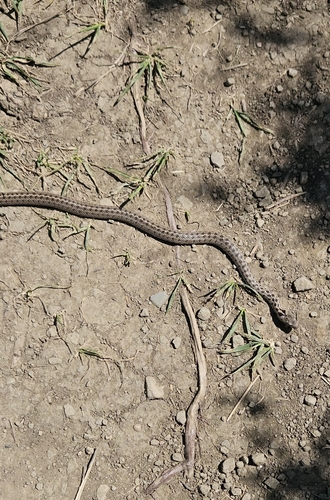
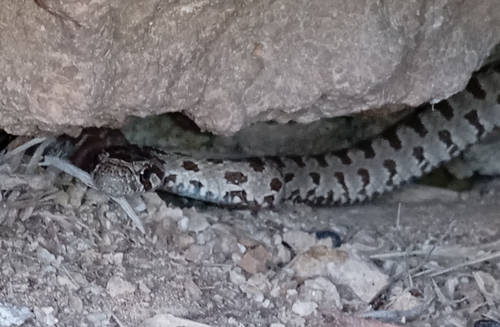
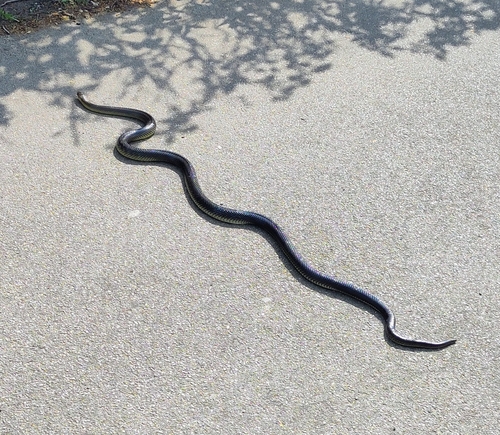
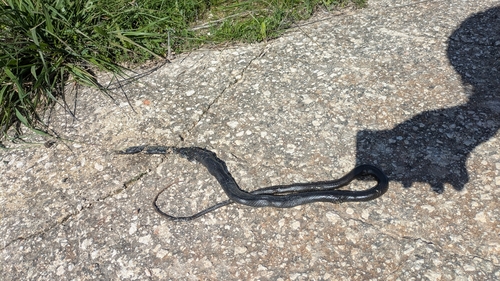
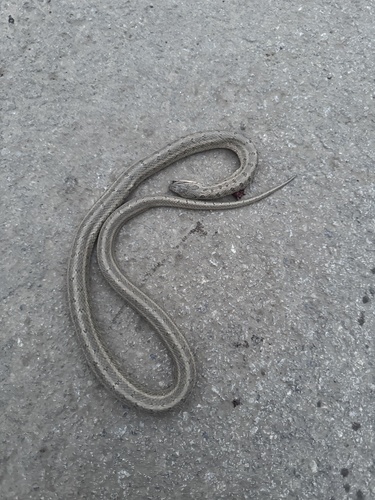
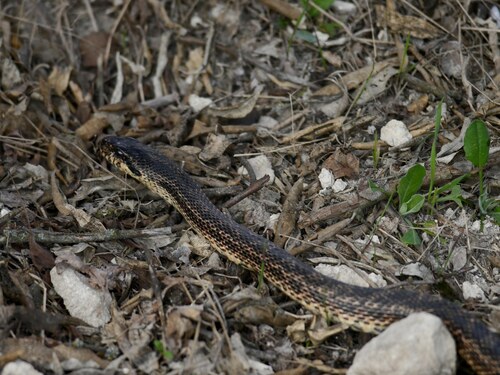
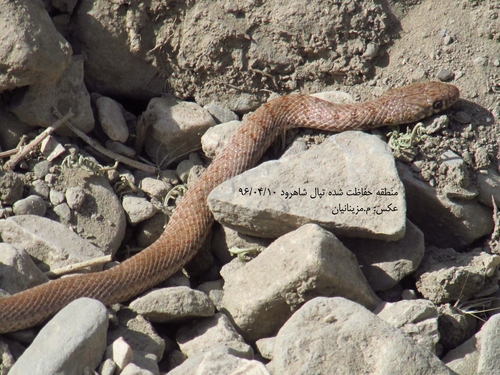
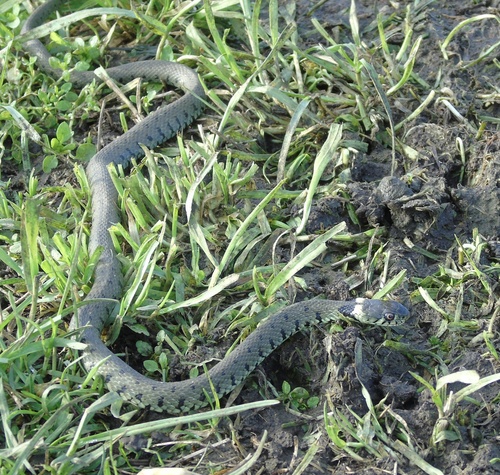
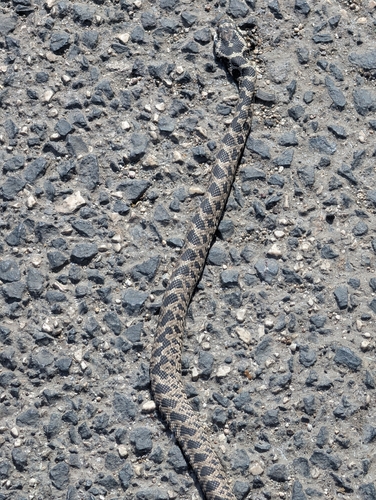
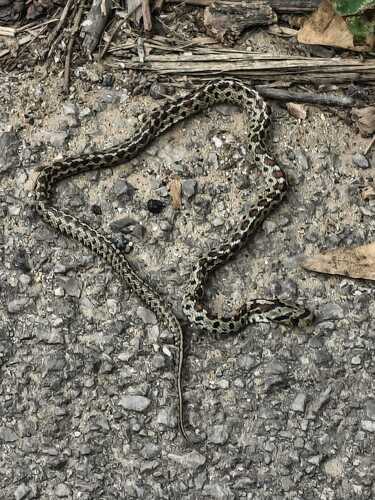
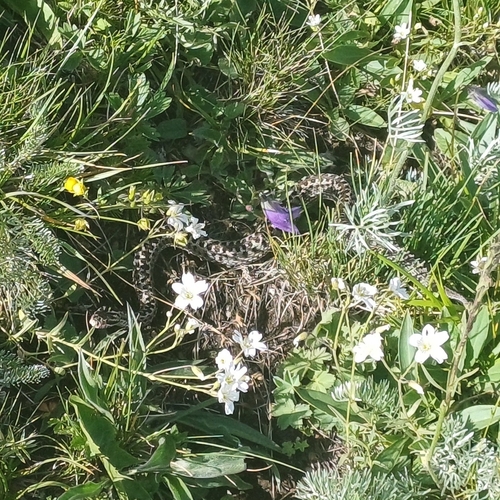
Viperidae (10)
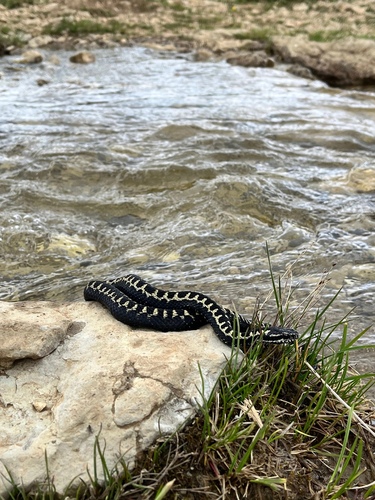
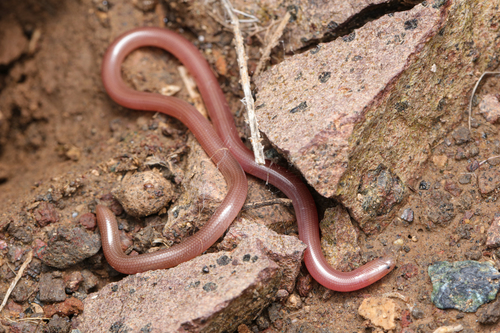
Typhlopidae (1)
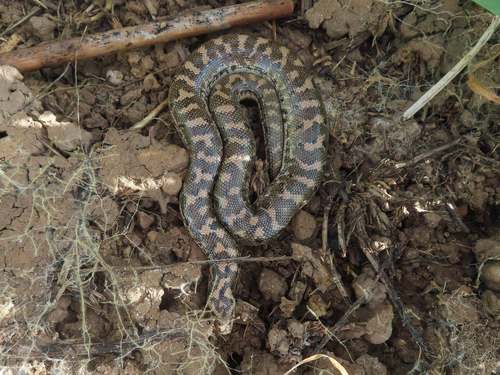
Boidae (1)
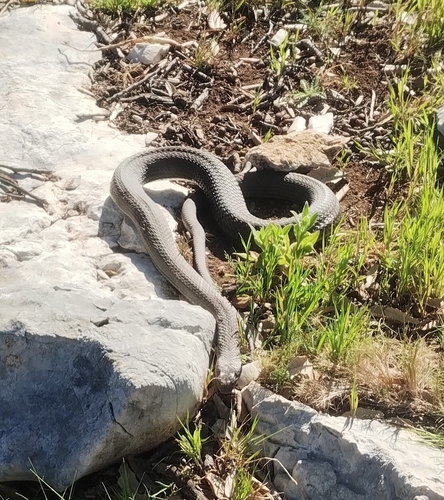
Psammophiidae (1)
Compiled from verified GBIF & iNaturalist observations. "How often seen" reflects how frequently a snake is reported here, not how dangerous it is. Informational only.
Keep learning
- Are Snakes Dangerous? The Real Risk, in PerspectiveMost snakes are harmless and avoid people. Here is the honest picture of snakebite risk worldwide and how to lower your own.
- Snakebite First Aid: What to Do (and What Never to Do)A clear, CDC-based guide to snakebite first aid: the steps that help, the popular myths that hurt, and how to tell a serious bite from a minor one.
- Venomous vs Nonvenomous: How to Tell the DifferenceThe folk rules for telling venomous snakes apart, where each one fails, and why location-based identification beats guessing by sight.
- What to Do If You Find a SnakeFound a snake at home or on a trail? Here is how to stay calm, give it space, identify it safely, and know when to call a professional.