
Croatia
Snakes in Croatia
20+ snake species have been recorded in Croatia, 4 venomous.
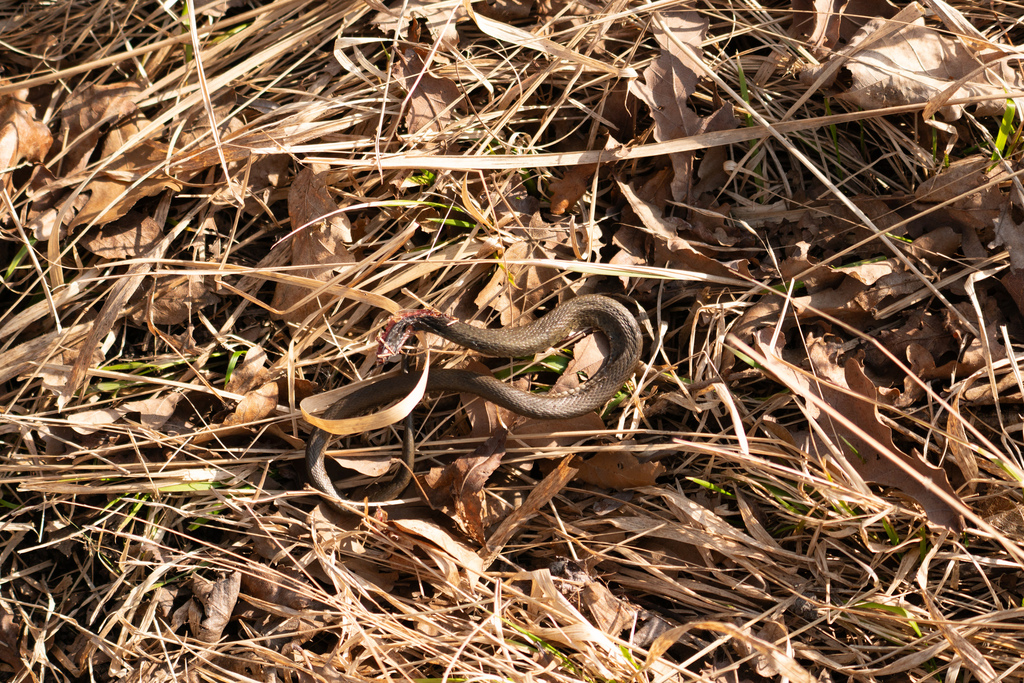
Snakes of Croatia
Croatia has 20+ snake species recorded in our database, of which 4 are venomous. The great majority of the country's snakes are non-venomous and pose no medical threat to people. Croatia sits at a crossroads of Central European, Mediterranean, and Balkan fauna, and that mix gives it one of the richer snake communities in this part of Europe.
The country's geography drives that diversity. The Dinaric Alps run down the spine of the country, the limestone karst is riddled with rocky outcrops, dry stone walls, and sun-warmed slopes, and the long Adriatic coast and its islands hold a warm Mediterranean climate. Inland you find the Pannonian plain with its rivers, wetlands, and farmland. Snakes track these habitats closely. Warm, rocky karst and coastal scrub favor heat-loving species, while wetlands, forest edges, and grasslands support others. This range of climates and terrain in a relatively small country is the main reason so many species coexist here.
The medically important venomous snakes in Croatia all belong to one group, the true vipers (family Viperidae). There are no cobras, mambas, coral snakes, rattlesnakes, sea snakes, or Asian pit vipers native to Croatia. The viper of greatest concern is the nose-horned viper (Vipera ammodytes), widely regarded as the most dangerous snake in the region, found across the karst, rocky hillsides, and parts of the coast. The common European adder (Vipera berus) and additional Vipera species occur in cooler or more localized habitats. These are the snakes responsible for the few serious bites recorded in the country, and they are the reason to treat any unidentified snake with caution.
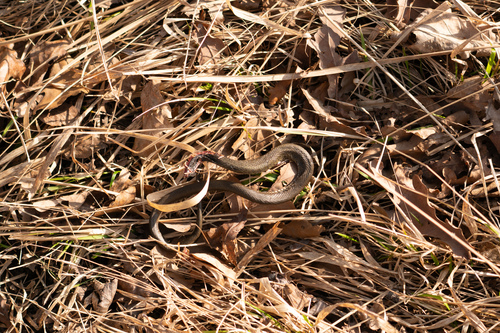
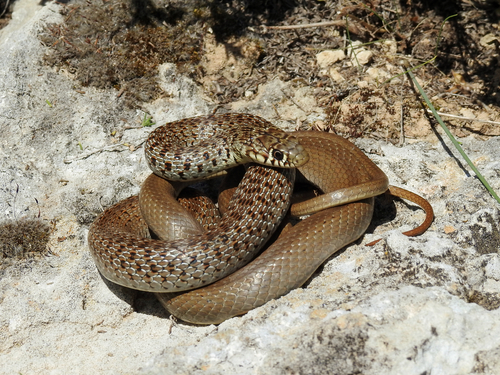
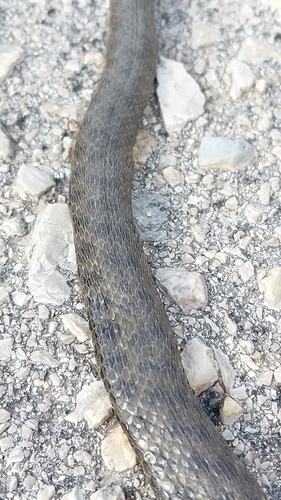
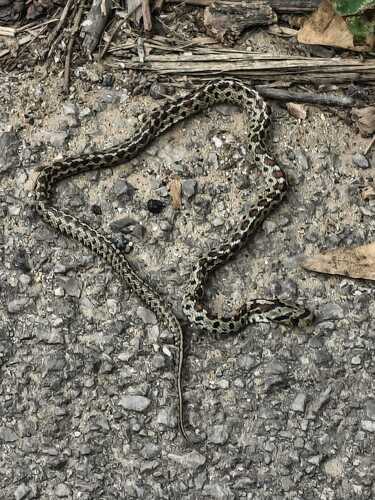
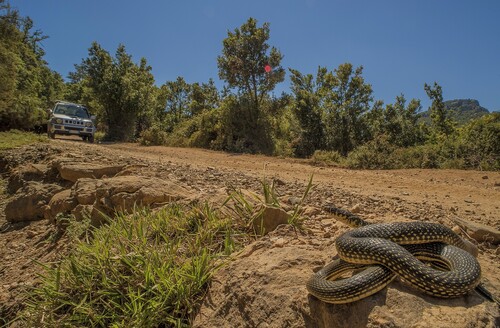
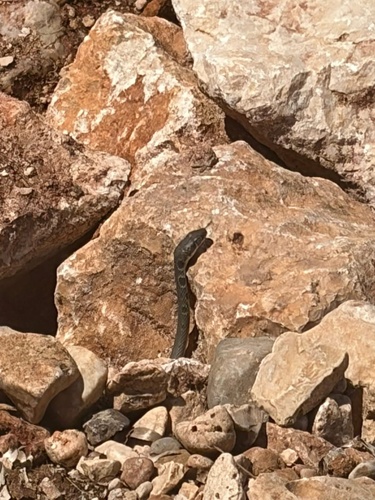
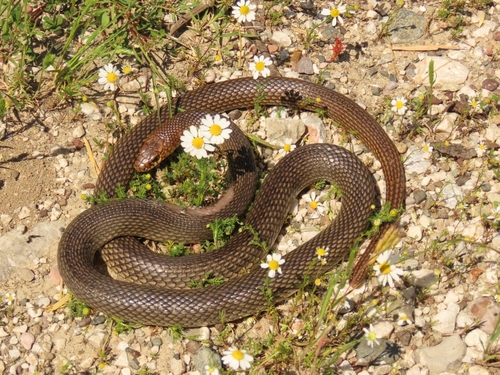
The non-venomous majority is what most people will actually encounter. Croatia is home to a range of harmless colubrid snakes, including large and conspicuous species such as the four-lined snake and the Balkan whip snake, along with grass snakes, dice snakes that hunt in and around water, and smooth snakes. Some of these grow long and can look intimidating, but they have no venom dangerous to humans. They are a normal and valuable part of the landscape, often seen basking on walls, crossing trails, or moving through gardens and farmland.
Snakes earn their place ecologically. They are efficient predators of rodents, and a healthy snake population helps keep mice, rats, and other pests in check around farms, homes, and stored food. Water-associated species also feed on fish and amphibians, while smaller snakes take insects and lizards. By controlling these populations, snakes reduce crop damage and limit the spread of rodent-borne problems, which makes them an asset rather than a nuisance.
On safety, the honest picture is reassuring. The large majority of Croatian snakes are harmless, and the main medical threat comes from the vipers, above all the nose-horned viper. A venomous bite is a genuine medical emergency: the correct response is to get the person to a hospital quickly, where antivenom and supportive care are the established treatment. No wild venomous snake should ever be handled, picked up, or provoked, and a snake being calm or small does not make it safe to touch. If a bite occurs, do not attempt home remedies. Call your local emergency number, or in the United States contact Poison Control at 1-800-222-1222, and let trained medical staff manage it.
Snakes in Croatia: FAQ
- Are there venomous snakes in Croatia?
- Yes. 4 venomous snake species have verified records in Croatia, including Nose-horned Viper, Adder, Meadow Viper, Asp Viper. Most snakes in Croatia, however, are harmless.
- How many snake species live in Croatia?
- 20+ snake species have verified records in Croatia, of which 4 are venomous.
- What is the most commonly seen snake in Croatia?
- The Grass Snake is the most frequently reported snake in Croatia, based on verified wildlife observations.
- What should I do if I see a venomous snake in Croatia?
- Keep your distance and do not try to catch or kill it. Most bites happen when people handle or corner a snake. If someone is bitten, contact local emergency services or poison control immediately.
Venomous snakes in Croatia
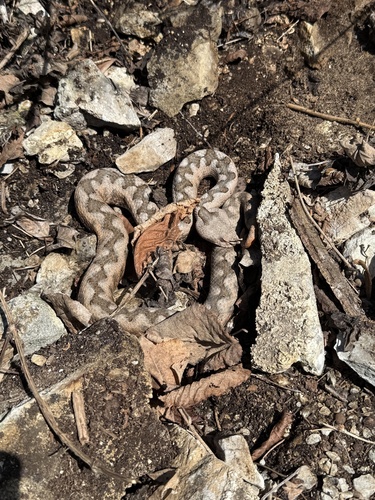
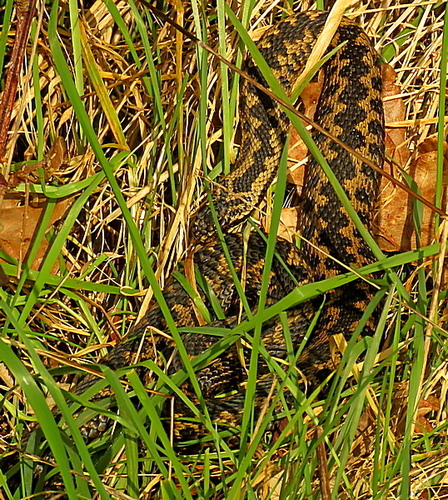
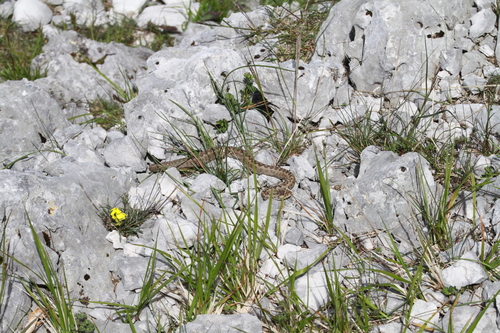
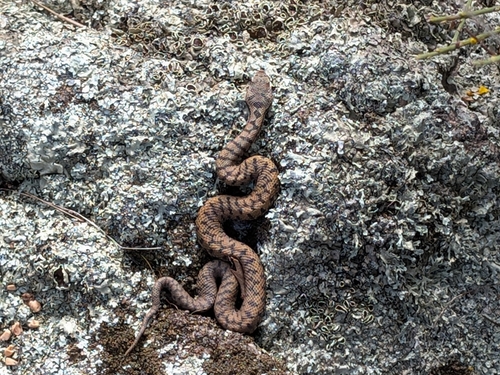
Every snake recorded in Croatia
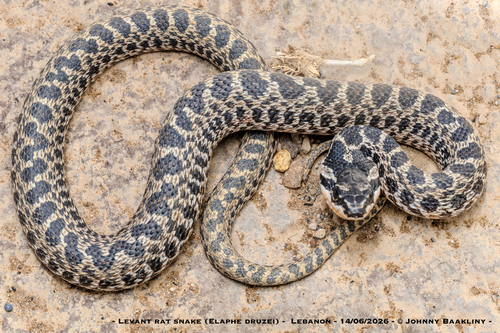
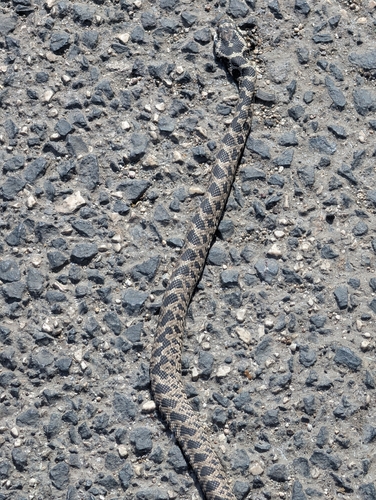
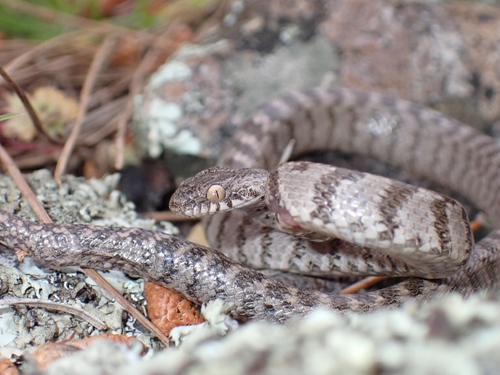
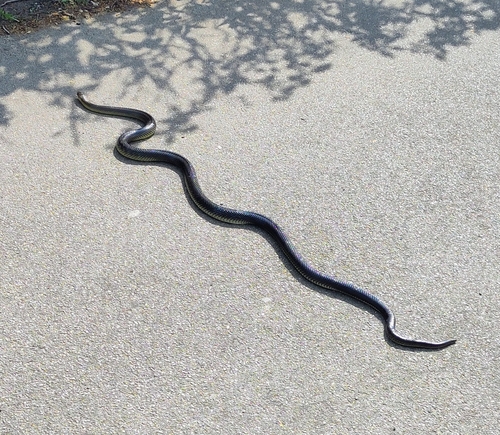
20+ species across 3 families, grouped by family. Venomous flagged.
Colubridae (15)
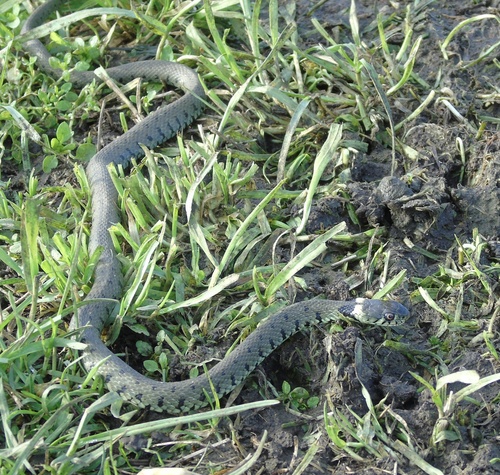
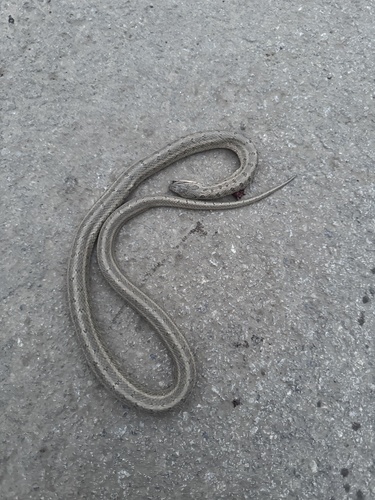
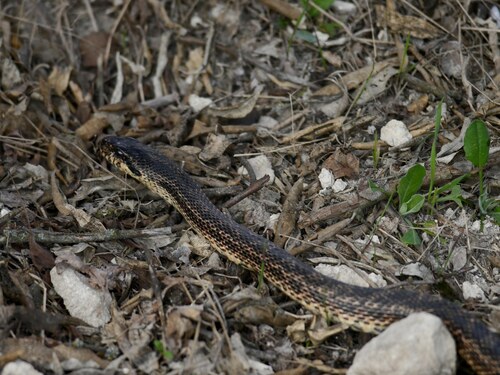
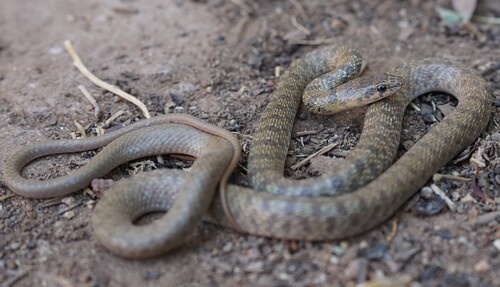
Viperidae (4)
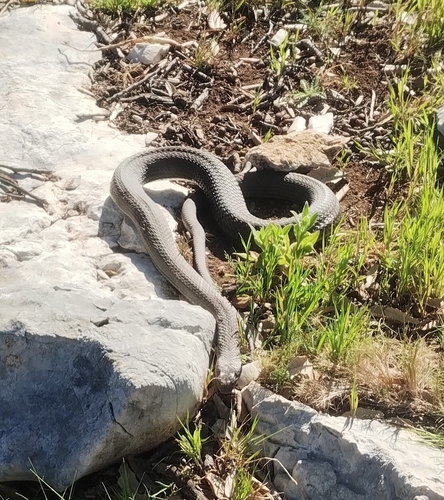
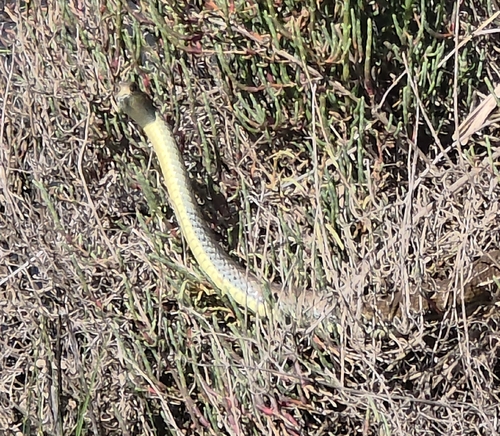
Compiled from verified GBIF & iNaturalist observations. "How often seen" reflects how frequently a snake is reported here, not how dangerous it is. Informational only.
Keep learning
- Are Snakes Dangerous? The Real Risk, in PerspectiveMost snakes are harmless and avoid people. Here is the honest picture of snakebite risk worldwide and how to lower your own.
- Snakebite First Aid: What to Do (and What Never to Do)A clear, CDC-based guide to snakebite first aid: the steps that help, the popular myths that hurt, and how to tell a serious bite from a minor one.
- Venomous vs Nonvenomous: How to Tell the DifferenceThe folk rules for telling venomous snakes apart, where each one fails, and why location-based identification beats guessing by sight.
- What to Do If You Find a SnakeFound a snake at home or on a trail? Here is how to stay calm, give it space, identify it safely, and know when to call a professional.