
Bosnia and Herzegovina
Snakes in Bosnia and Herzegovina
10+ snake species have been recorded in Bosnia and Herzegovina, 3 venomous.
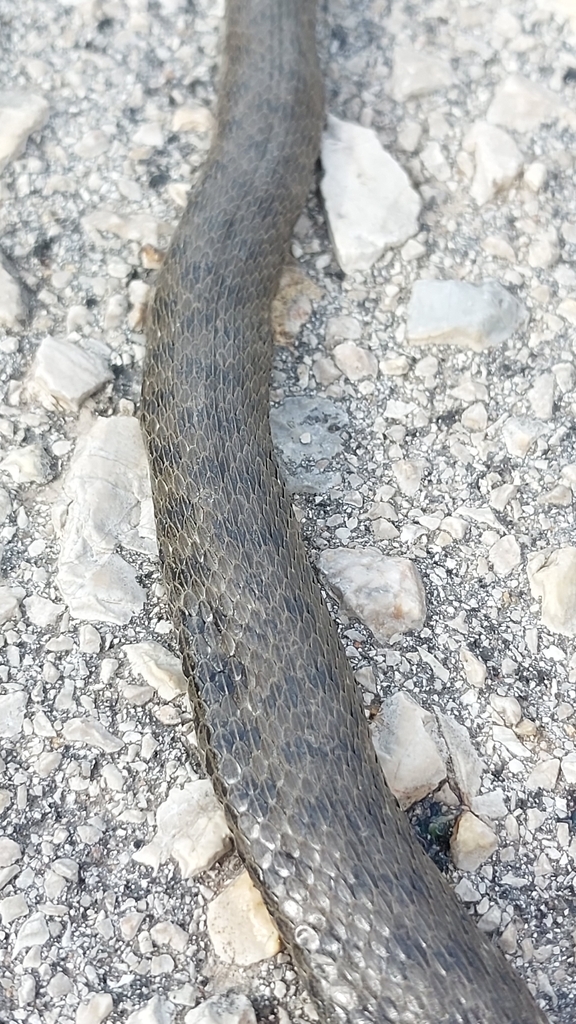
Snakes of Bosnia and Herzegovina
Bosnia and Herzegovina has 10+ snake species recorded in our database, and the great majority of them are non-venomous. The country sits in the western Balkans, a region of strong relief and varied climate that gives snakes a wide spread of habitats in a relatively small area. The Dinaric Alps run through the interior with limestone karst, cliffs, scree slopes, and dry stone walls that hold heat and shelter reptiles. River valleys, deciduous and pine forest, mountain meadows, and the small strip of warm, Mediterranean influenced terrain near the south all add to the mix. This range of conditions, from cold uplands to sun baked rock, is what supports a snake fauna of moderate diversity.
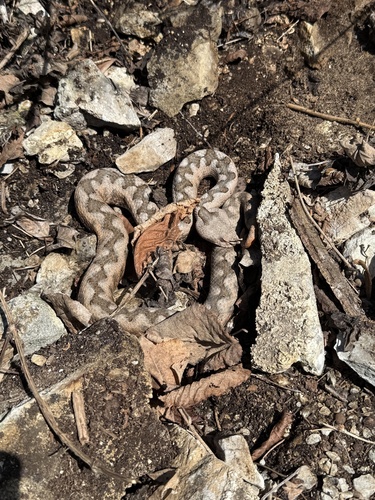
Three of the recorded species are venomous, and all of them are vipers in the family Viperidae. The most significant is the nose horned viper, widely regarded as the most medically important venomous snake in the Balkans and present in the rocky, sun exposed terrain that is common across the country. The smaller adder type vipers found in the region tend to favor cooler, higher ground such as mountain meadows and forest edges. These vipers are stout bodied, slow moving, and rely on camouflage rather than flight, so most bites happen when a snake is stepped on, cornered, or handled. They are not aggressive and will use venom defensively only when they feel threatened.
The remaining twelve species are harmless to people and make up the bulk of what anyone is likely to encounter. Colubrid snakes dominate this group, including fast moving whip snakes that race across open rock, the large and impressive four lined snake which is among the biggest snakes in Europe, smooth scaled grass and water associated snakes near rivers and wetlands, and small, secretive burrowers that spend much of their time under stones or leaf litter. Several of these non-venomous species are active hunters by day, while others are shy and rarely seen. None of them pose a venom risk to humans.
Snakes are an important part of the country's ecosystems. They control populations of rodents, lizards, amphibians, insects, and other small animals, and in turn they are prey for birds of prey, mammals, and larger reptiles. By keeping rodent numbers in check, snakes provide a quiet benefit to farms and rural communities and help limit the spread of the pests and diseases that rodents carry. A healthy snake population is a sign of a functioning landscape with intact prey chains and suitable shelter.
On safety, the honest picture is that the large majority of snakes in Bosnia and Herzegovina are harmless, and even the vipers avoid people when they can. The main medical concern is a bite from the nose horned viper or another local viper. The correct response to any venomous snakebite is professional medical care: get to a hospital quickly, because antivenom and supportive treatment are the established medical answer and only trained clinicians can provide them. Never attempt to catch, kill, or handle a wild snake, since most bites come from exactly that kind of contact, and a snake should never be assumed safe to pick up. If a bite occurs, contact local emergency services right away, or in the United States call Poison Control at 1-800-222-1222.
Snakes in Bosnia and Herzegovina: FAQ
- Are there venomous snakes in Bosnia and Herzegovina?
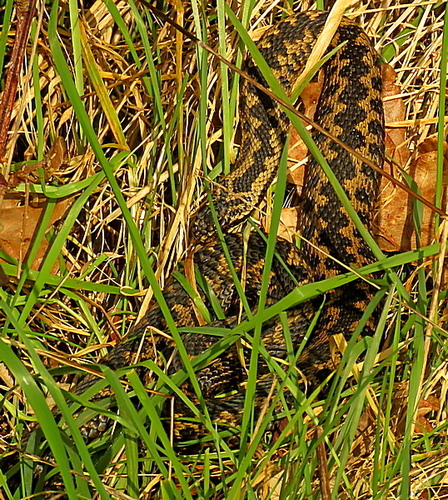
- Yes. 3 venomous snake species have verified records in Bosnia and Herzegovina, including Nose-horned Viper, Adder, Meadow Viper. Most snakes in Bosnia and Herzegovina, however, are harmless.
- How many snake species live in Bosnia and Herzegovina?
- 10+ snake species have verified records in Bosnia and Herzegovina, of which 3 are venomous.
- What is the most commonly seen snake in Bosnia and Herzegovina?
- The Tessellated Water Snake is the most frequently reported snake in Bosnia and Herzegovina, based on verified wildlife observations.
- What should I do if I see a venomous snake in Bosnia and Herzegovina?
- Keep your distance and do not try to catch or kill it. Most bites happen when people handle or corner a snake. If someone is bitten, contact local emergency services or poison control immediately.
Venomous snakes in Bosnia and Herzegovina
Every snake recorded in Bosnia and Herzegovina
10+ species across 3 families, grouped by family. Venomous flagged.
Colubridae (10)
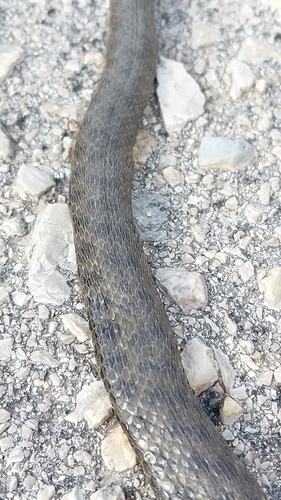
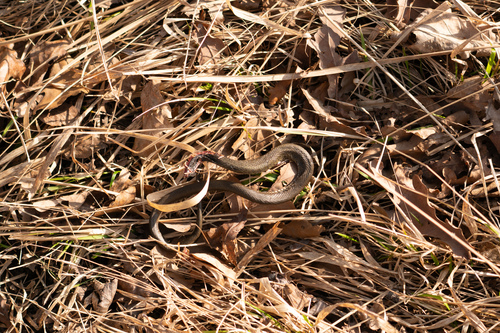
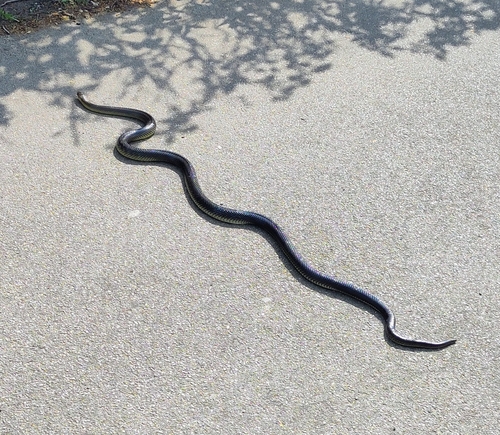
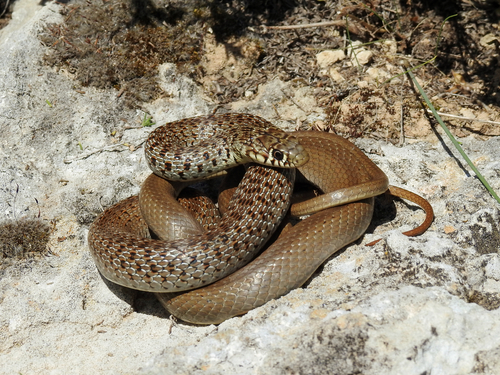
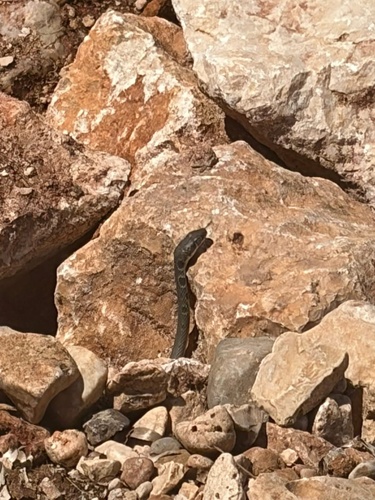
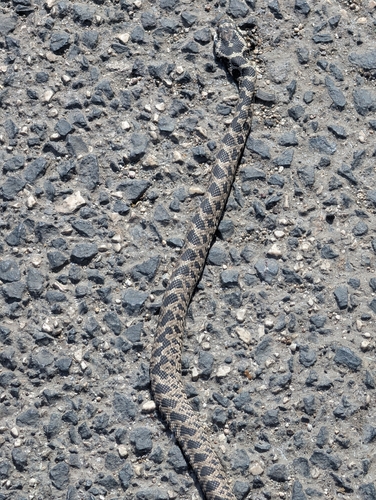
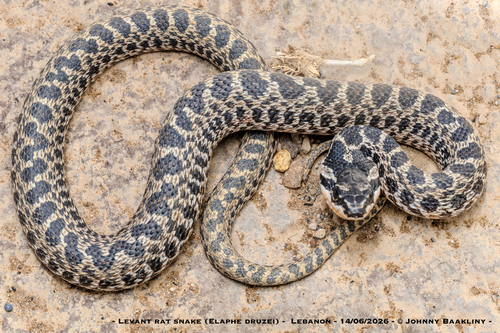
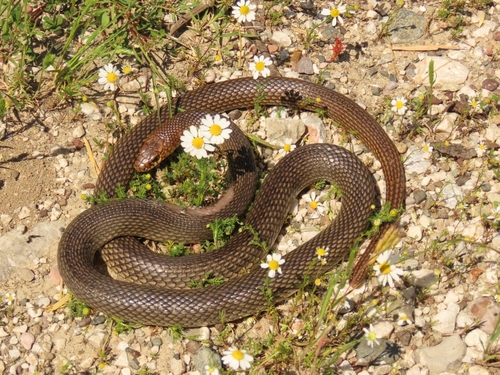
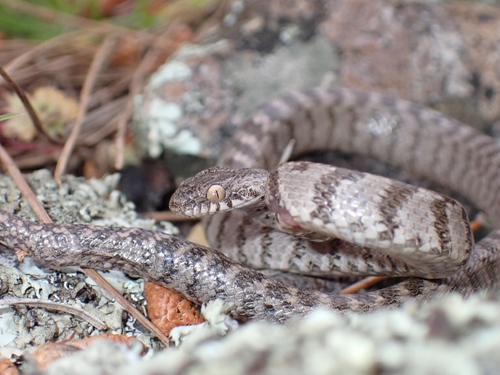
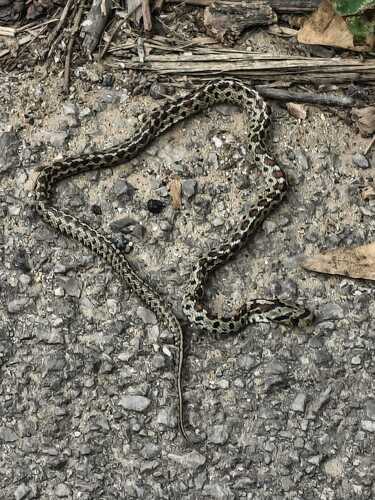
Viperidae (3)
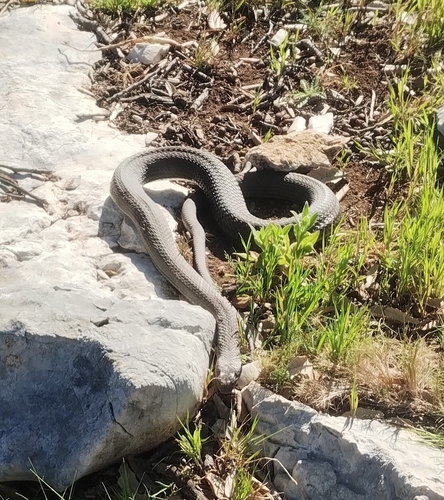
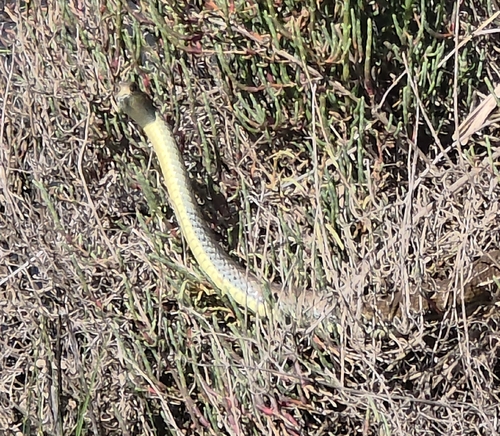
Compiled from verified GBIF & iNaturalist observations. "How often seen" reflects how frequently a snake is reported here, not how dangerous it is. Informational only.
Keep learning
- Are Snakes Dangerous? The Real Risk, in PerspectiveMost snakes are harmless and avoid people. Here is the honest picture of snakebite risk worldwide and how to lower your own.
- Snakebite First Aid: What to Do (and What Never to Do)A clear, CDC-based guide to snakebite first aid: the steps that help, the popular myths that hurt, and how to tell a serious bite from a minor one.
- Venomous vs Nonvenomous: How to Tell the DifferenceThe folk rules for telling venomous snakes apart, where each one fails, and why location-based identification beats guessing by sight.
- What to Do If You Find a SnakeFound a snake at home or on a trail? Here is how to stay calm, give it space, identify it safely, and know when to call a professional.