
Austria
Snakes in Austria
10+ snake species have been recorded in Austria, 4 venomous.
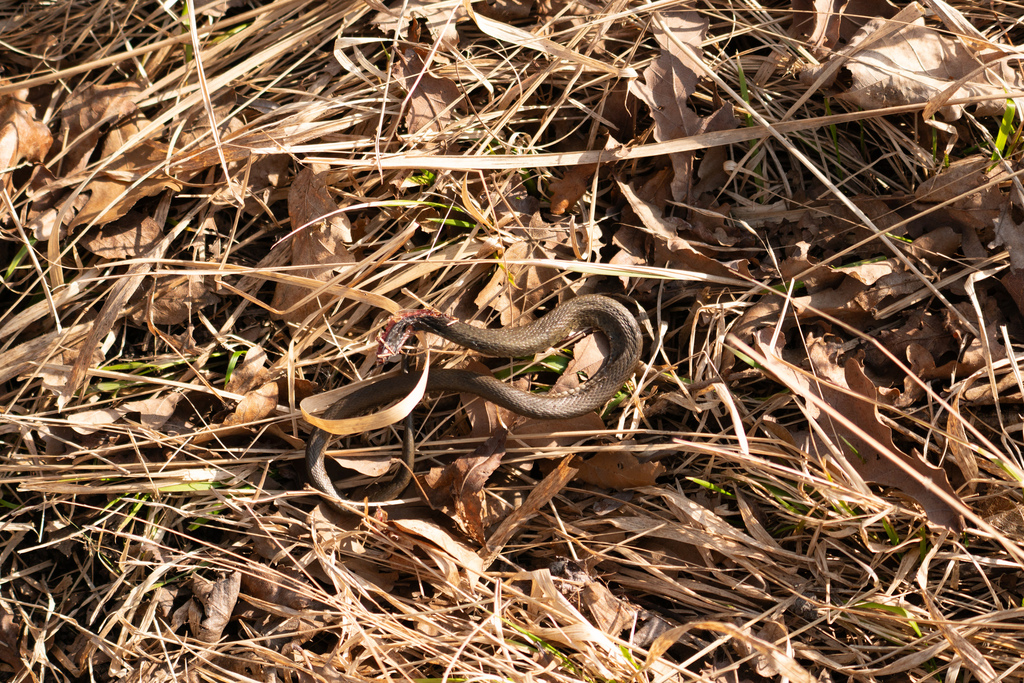
Snakes of Austria
Austria has 10+ snake species recorded in our database, 4 of them venomous. The great majority of species are non-venomous. For a landlocked Alpine country its snake fauna is modest in number but varied in habitat, shaped by a landscape that runs from the warm Pannonian lowlands and wetlands of the east to the high mountain valleys and forests of the Alps. Snakes thrive most in the warmer, sun-exposed margins: dry grassland, stone walls, forest edges, riverbanks, and rocky south-facing slopes. At higher elevations the cold limits which species can survive, so diversity thins out as you climb, and most snakes spend the long winters in hibernation.
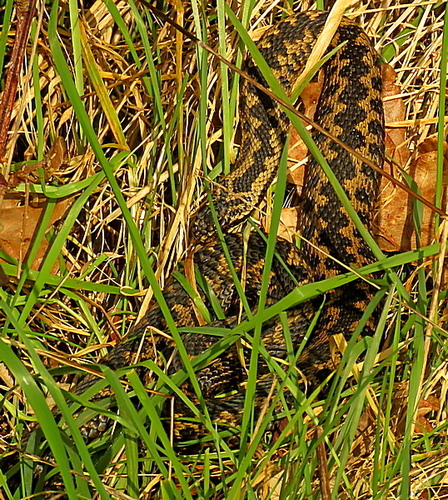
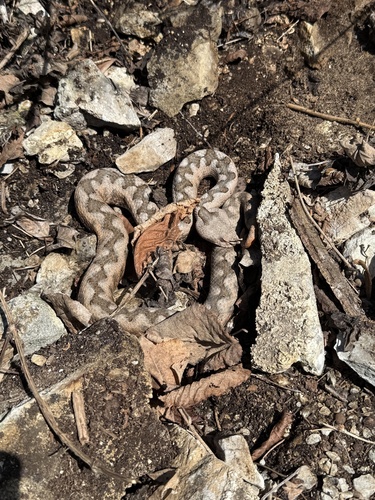
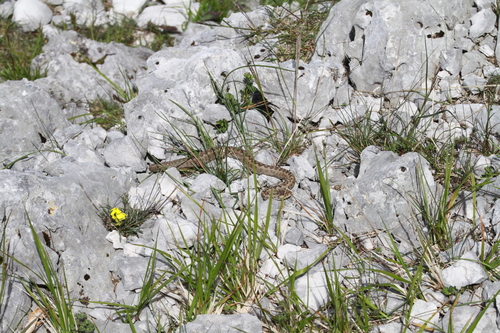
The venomous snakes present in Austria are vipers, members of the adder family. The most widespread is the common European adder, a cold-tolerant species that ranges into mountainous and northern terrain where few other snakes go. The southern and southeastern parts of the country also hold rarer viper species associated with warmer slopes and meadows. These are the only snakes in Austria capable of a medically significant bite. They are generally shy, well camouflaged, and bite defensively rather than aggressively, so encounters that lead to bites are uncommon and usually involve a snake being stepped on or handled.
The remaining majority of Austrian snakes are harmless to people. The grass snake is among the most familiar, often found near water and ponds where it hunts amphibians, and it is known for playing dead or releasing a foul smell when threatened rather than biting. Other non-venomous species include the dice snake, a strong swimmer tied to rivers and lakes, smooth snakes that favor dry stony ground, and the Aesculapian snake, a large, elegant climber that is one of the longest snakes in the region and entirely harmless. None of these constrict or threaten humans, and their presence is a sign of healthy, varied habitat.
Snakes play an important ecological role across these habitats. They control populations of rodents, amphibians, fish, and insects, and they are themselves prey for birds of prey, foxes, and other predators, linking different levels of the food web. Several Austrian species are legally protected, and their decline is often an early signal of habitat loss, pollution, or disturbance to wetlands and grasslands.
Practical safety is straightforward. The large majority of snakes you may meet in Austria are harmless, and the realistic medical concern is a bite from one of the vipers. Even so, no wild snake should be handled, picked up, or cornered, and no wild venomous snake is safe to handle regardless of how calm it appears. If a bite occurs, treat it as a medical emergency: the correct treatment is professional hospital care and antivenom where indicated, delivered by clinicians. Contact local emergency services right away, or in the United States contact Poison Control at 1-800-222-1222. Do not rely on improvised first aid or wait to see whether symptoms develop.
Snakes in Austria: FAQ
- Are there venomous snakes in Austria?
- Yes. 4 venomous snake species have verified records in Austria, including Adder, Nose-horned Viper, Meadow Viper, Asp Viper. Most snakes in Austria, however, are harmless.
- How many snake species live in Austria?
- 10+ snake species have verified records in Austria, of which 4 are venomous.
- What is the most commonly seen snake in Austria?
- The Grass Snake is the most frequently reported snake in Austria, based on verified wildlife observations.
- What should I do if I see a venomous snake in Austria?
- Keep your distance and do not try to catch or kill it. Most bites happen when people handle or corner a snake. If someone is bitten, contact local emergency services or poison control immediately.
Venomous snakes in Austria
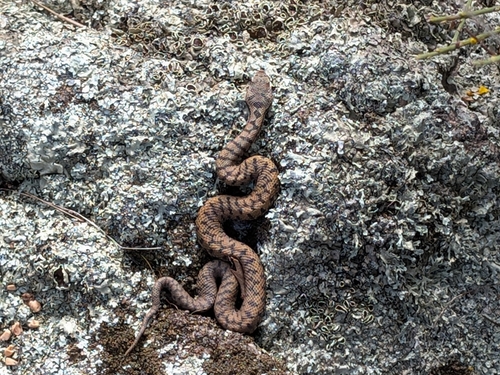
Every snake recorded in Austria
10+ species across 4 families, grouped by family. Venomous flagged.
Colubridae (11)
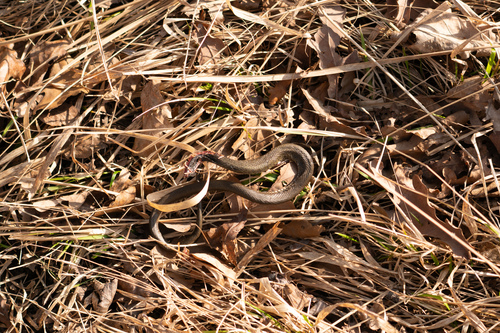
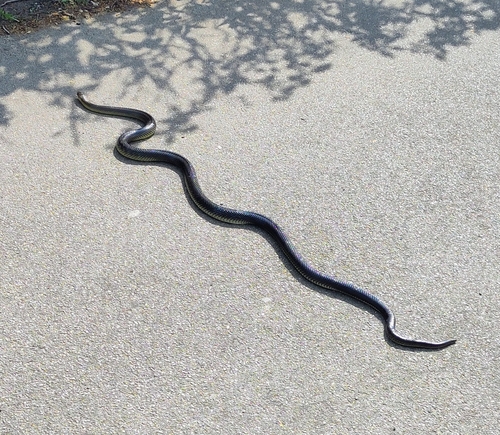
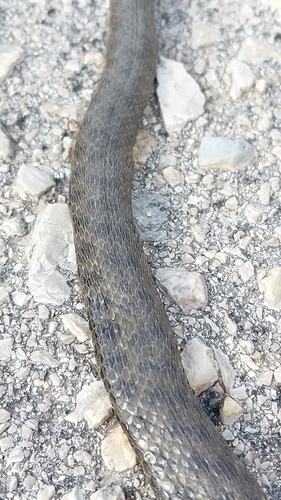
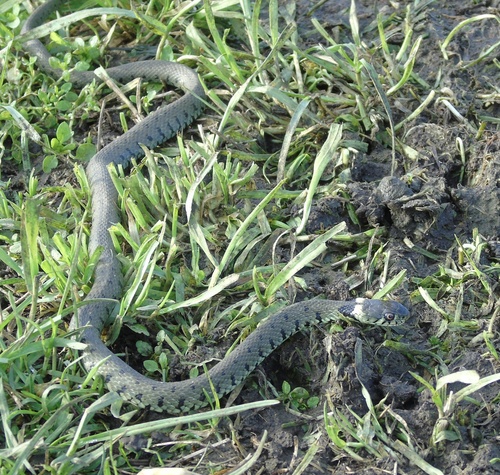
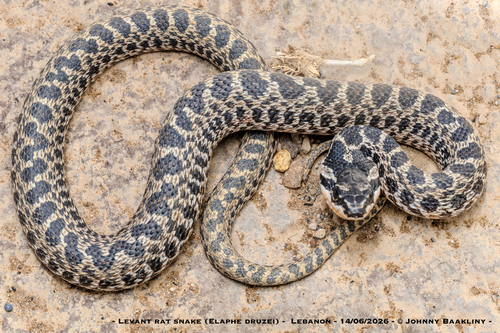
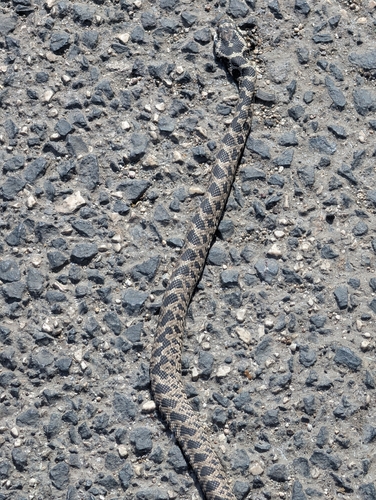
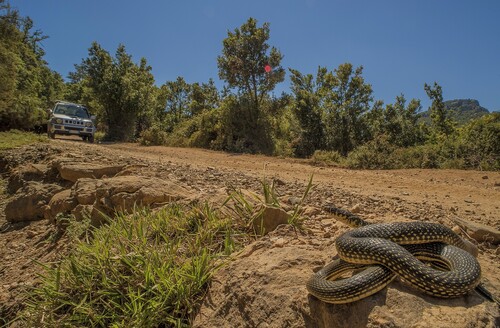
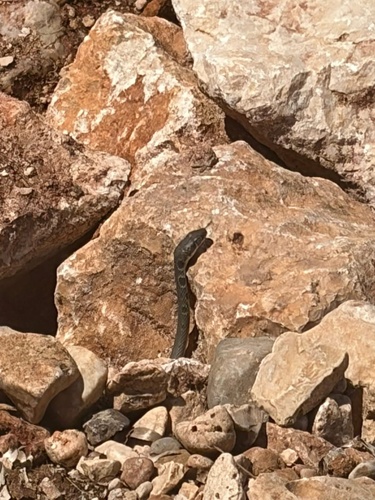
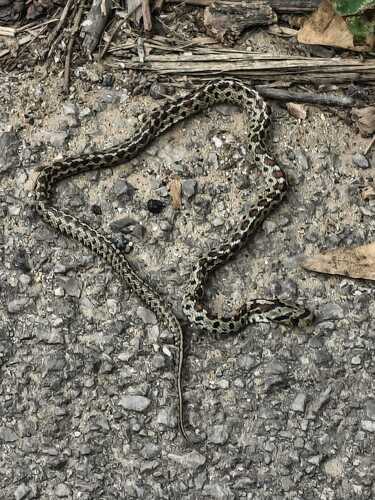
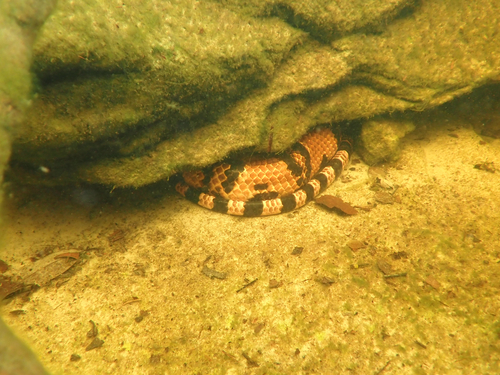
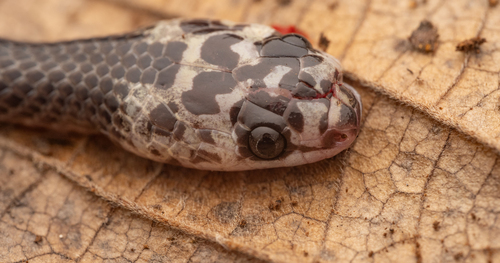
Viperidae (4)
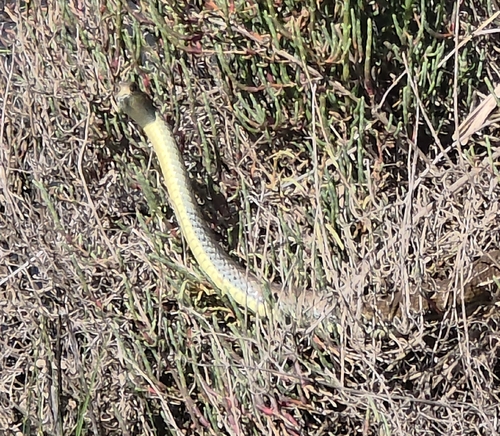
Psammophiidae (1)
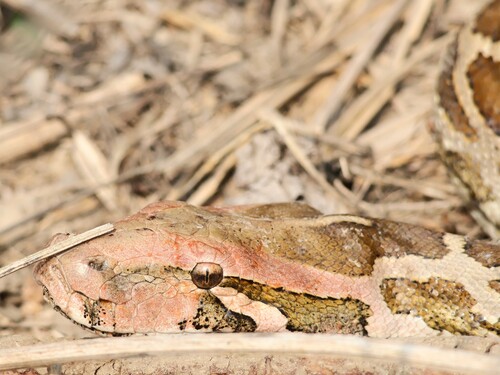
Pythonidae (1)
Compiled from verified GBIF & iNaturalist observations. "How often seen" reflects how frequently a snake is reported here, not how dangerous it is. Informational only.
Keep learning
- Are Snakes Dangerous? The Real Risk, in PerspectiveMost snakes are harmless and avoid people. Here is the honest picture of snakebite risk worldwide and how to lower your own.
- Snakebite First Aid: What to Do (and What Never to Do)A clear, CDC-based guide to snakebite first aid: the steps that help, the popular myths that hurt, and how to tell a serious bite from a minor one.
- Venomous vs Nonvenomous: How to Tell the DifferenceThe folk rules for telling venomous snakes apart, where each one fails, and why location-based identification beats guessing by sight.
- What to Do If You Find a SnakeFound a snake at home or on a trail? Here is how to stay calm, give it space, identify it safely, and know when to call a professional.