
North Macedonia
Snakes in North Macedonia
10+ snake species have been recorded in North Macedonia, 3 venomous.
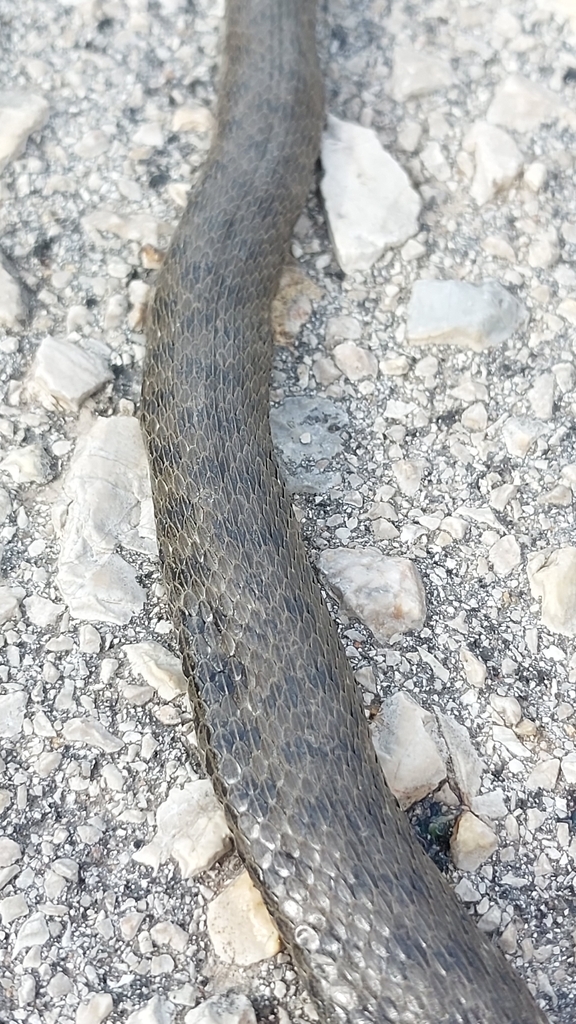
Snakes of North Macedonia
North Macedonia is a landlocked country in the central Balkan Peninsula, and its snake fauna reflects that mountainous, southern-European setting. Our database records 10+ snake species here, of which 3 are venomous. The great majority of species are non-venomous. This is a moderate but not large diversity by Balkan standards, shaped by the country's varied terrain rather than by sheer size.
The landscape does most of the work in determining which snakes live where. Rugged limestone mountains, dry rocky slopes, oak and beech woodland, river valleys, and warm Mediterranean-influenced lowlands in the south all create distinct habitats. Large ancient lakes such as Ohrid and Prespa, along with the Vardar river system, support wetland and water-loving species. Hot, sun-baked rocky hillsides favor heat-tolerant snakes, while cooler forested uplands hold a different set. This patchwork of dry and damp, high and low, is why a relatively compact country can host close to twenty species.
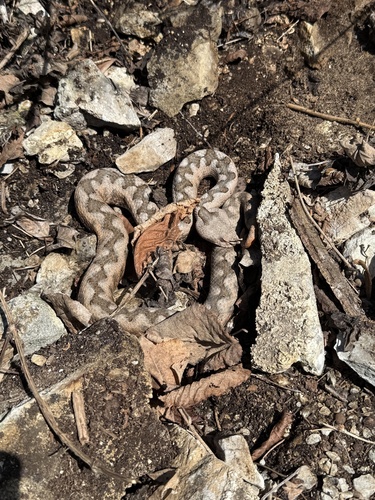
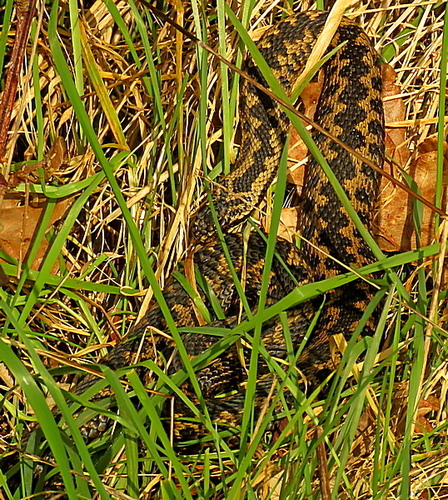
The venomous snakes present belong to the viper family (Viperidae), the only medically significant venomous snakes in this part of the Balkans. These are the true vipers of the genus Vipera, including the nose-horned viper, which is the most notable venomous snake of the southern Balkans and the one of greatest medical concern across the region. Vipers here tend to be stout-bodied, slow-moving ambush hunters of rocky slopes and warm hillsides, often patterned with a dark zigzag down the back. They are not aggressive and bite defensively when stepped on or handled. North Macedonia has no other families of dangerously venomous snakes.
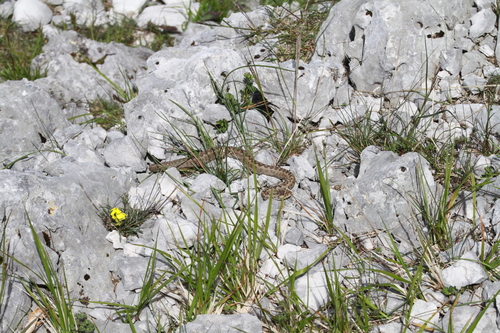
The harmless majority covers most of what you are likely to encounter. These include fast-moving whip snakes and racers of open rocky ground, the elegant climbing Aesculapian snake of woodland and old walls, smaller secretive species such as smooth and cat snakes, and water-associated grass snakes and dice snakes around lakes, rivers, and marshes. Most of these are slim, alert, and quick to flee, and several are excellent climbers or swimmers. They pose no venom threat to people and are a normal, beneficial part of the countryside.
Snakes play a real ecological role here. As mid-level predators they control rodents, lizards, amphibians, and insects, which helps farms and rural communities, and in turn they are food for birds of prey and larger mammals. On safety: the large majority of species are harmless, and the main medical threat is a bite from a viper, with the nose-horned viper being the species of most concern. The correct response to any venomous snakebite is professional emergency medical care, where antivenom and hospital treatment are available. Never handle a wild venomous snake, and never assume a wild snake is safe to pick up. If a bite occurs, contact local emergency services immediately, or in the United States call Poison Control at 1-800-222-1222.
Snakes in North Macedonia: FAQ
- Are there venomous snakes in North Macedonia?
- Yes. 3 venomous snake species have verified records in North Macedonia, including Nose-horned Viper, Adder, Meadow Viper. Most snakes in North Macedonia, however, are harmless.
- How many snake species live in North Macedonia?
- 10+ snake species have verified records in North Macedonia, of which 3 are venomous.
- What is the most commonly seen snake in North Macedonia?
- The Tessellated Water Snake is the most frequently reported snake in North Macedonia, based on verified wildlife observations.
- What should I do if I see a venomous snake in North Macedonia?
- Keep your distance and do not try to catch or kill it. Most bites happen when people handle or corner a snake. If someone is bitten, contact local emergency services or poison control immediately.
Venomous snakes in North Macedonia
Every snake recorded in North Macedonia
10+ species across 5 families, grouped by family. Venomous flagged.
Colubridae (12)
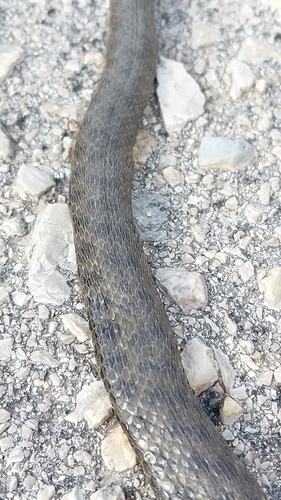
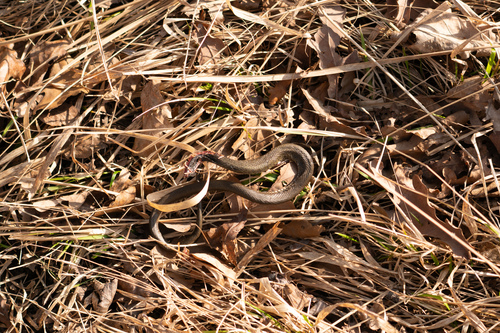
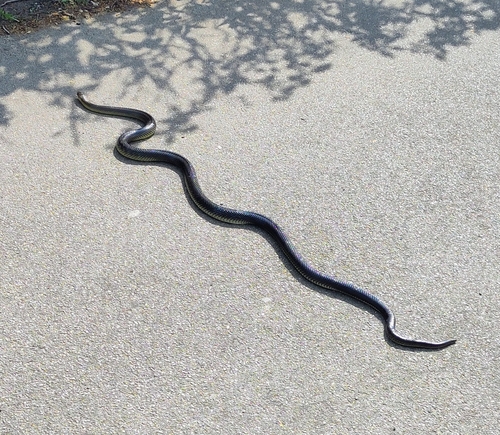
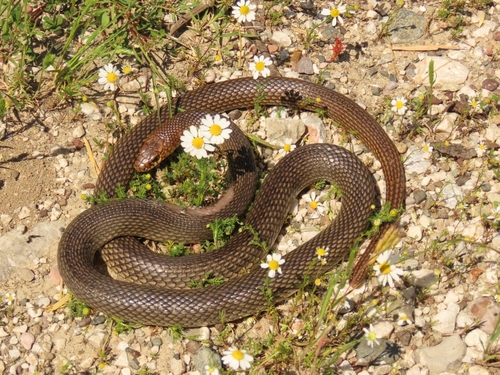
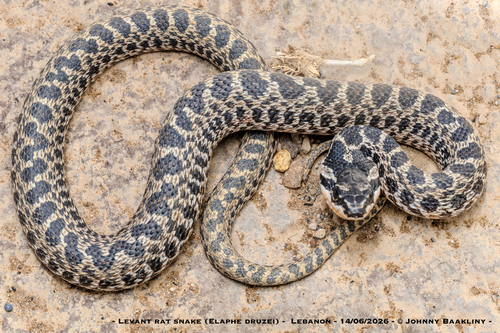
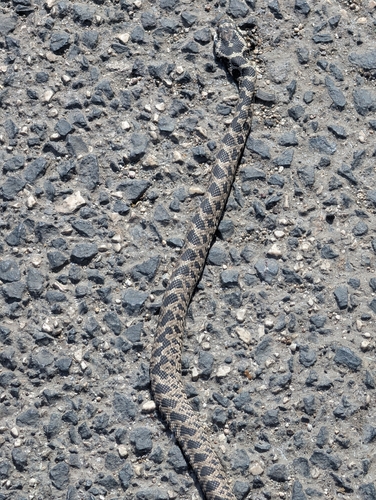
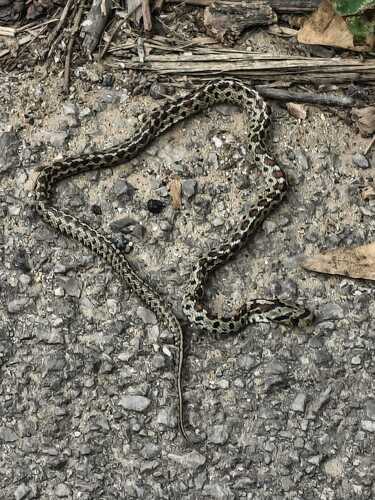
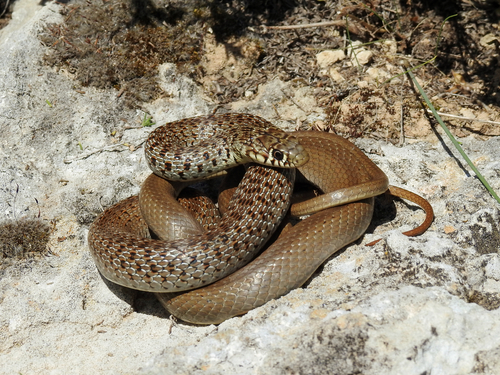
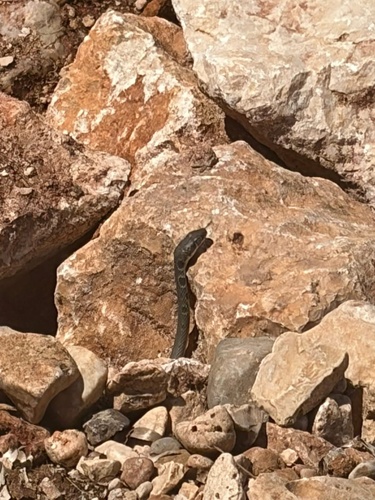
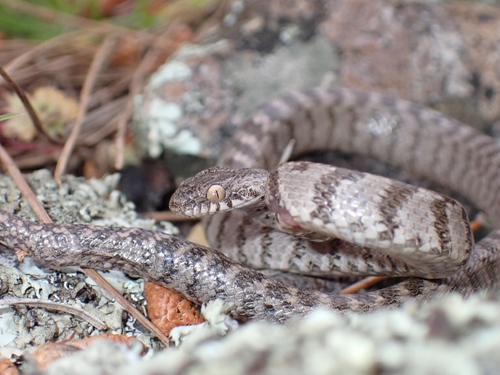
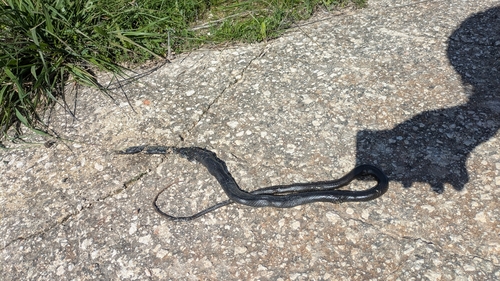
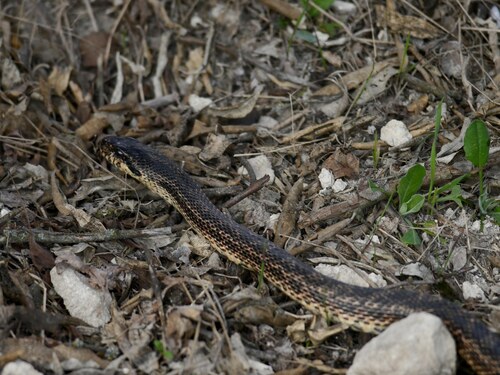
Viperidae (3)
Psammophiidae (2)
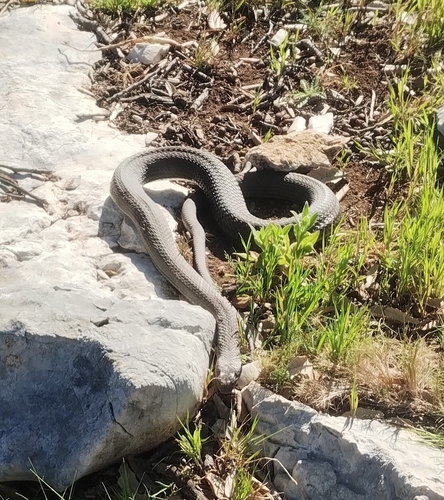
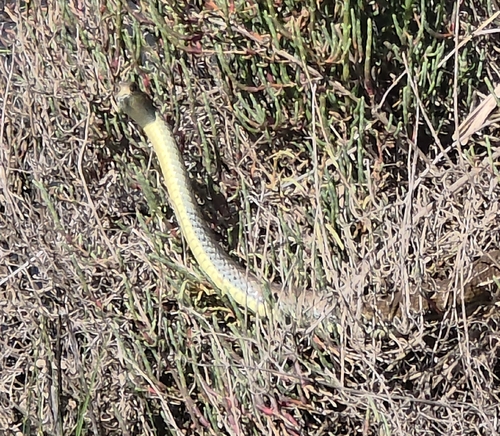
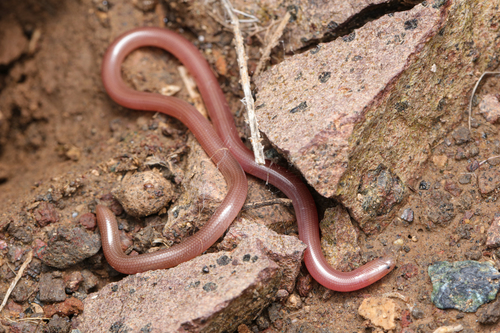
Typhlopidae (1)
Boidae (1)
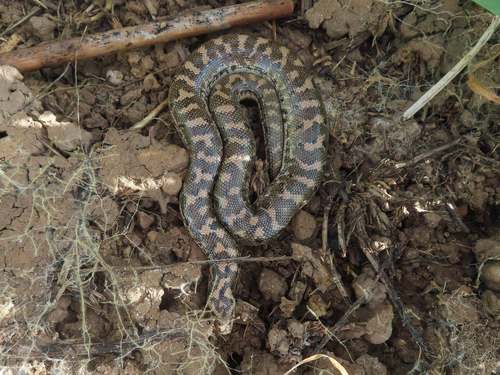
Compiled from verified GBIF & iNaturalist observations. "How often seen" reflects how frequently a snake is reported here, not how dangerous it is. Informational only.
Keep learning
- Are Snakes Dangerous? The Real Risk, in PerspectiveMost snakes are harmless and avoid people. Here is the honest picture of snakebite risk worldwide and how to lower your own.
- Snakebite First Aid: What to Do (and What Never to Do)A clear, CDC-based guide to snakebite first aid: the steps that help, the popular myths that hurt, and how to tell a serious bite from a minor one.
- Venomous vs Nonvenomous: How to Tell the DifferenceThe folk rules for telling venomous snakes apart, where each one fails, and why location-based identification beats guessing by sight.
- What to Do If You Find a SnakeFound a snake at home or on a trail? Here is how to stay calm, give it space, identify it safely, and know when to call a professional.