
Romania
Snakes in Romania
10+ snake species have been recorded in Romania, 5 venomous.
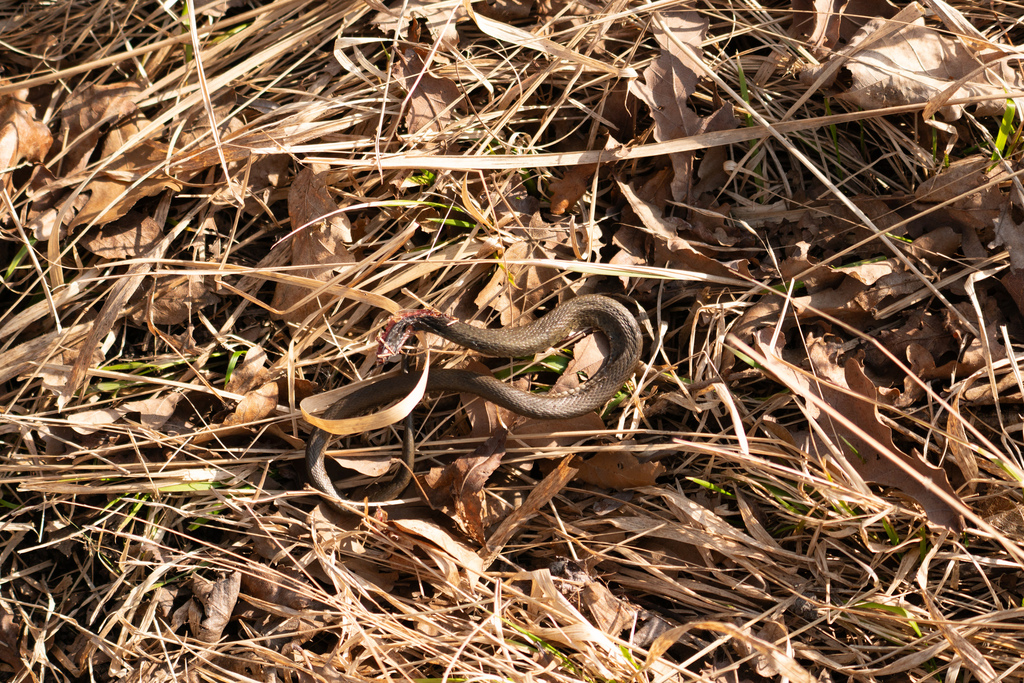
Snakes of Romania
Romania has 10+ snake species recorded in our database, 5 of them venomous. The great majority of species are non-venomous. The country sits at a crossroads of European habitats, and its snake fauna reflects that variety packed into a relatively compact range of climates, from the warm Black Sea coast and the Danube Delta to the high ridges of the Carpathian Mountains.
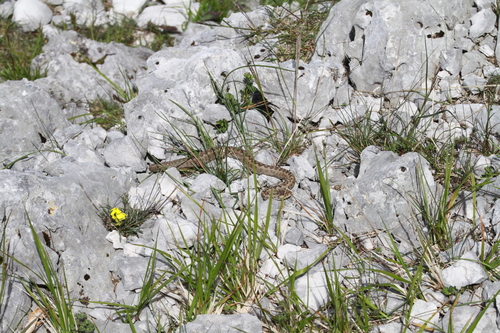
Geography does most of the work in shaping which snakes live where. The Danube Delta and the wetlands of the lower Danube favor water-associated species, with dense reed beds and slow channels that suit semi-aquatic snakes and the amphibians and fish they hunt. The Dobrogea region in the southeast, drier and rockier with steppe and limestone outcrops, supports more heat-loving species, while the forested hills and montane meadows of the Carpathians hold cold-tolerant snakes that range to surprising elevations. This spread of lowland marsh, warm rocky steppe, and cool upland forest is why a medium-diversity country can still hold a meaningful mix of species.
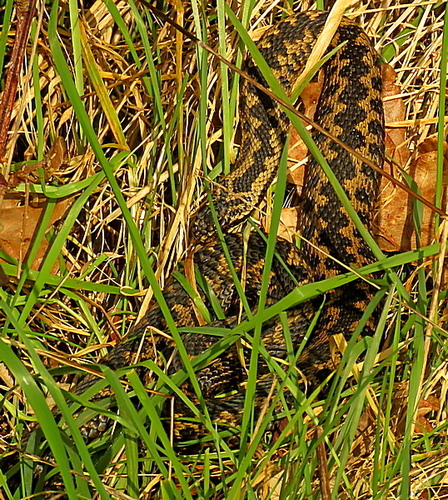
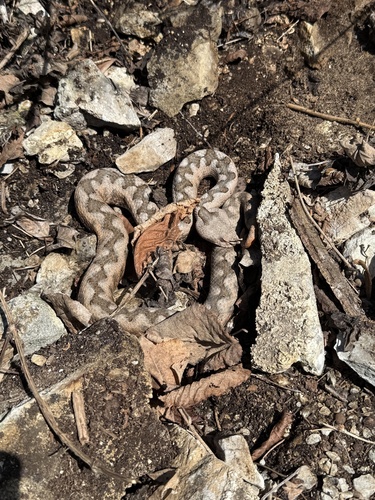
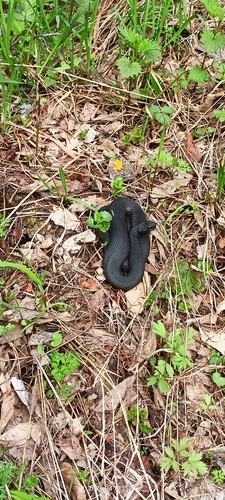
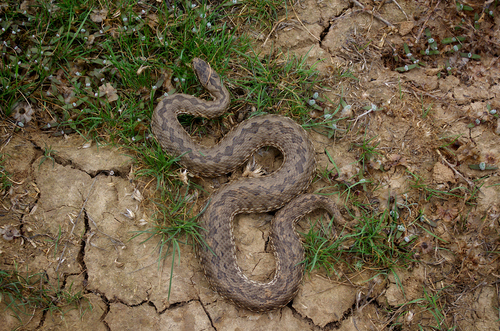
The venomous snakes present in Romania are vipers. The most widespread and medically important is the common European adder group, found in cooler and more northern and montane settings, while warmer southern and southeastern habitats host nose-horned viper populations, generally regarded as the more potent of the European vipers. These are ambush hunters that rely on camouflage and tend to avoid people, biting mainly when stepped on or handled. Bites are uncommon, and fatalities are rare, but a viper bite is a genuine medical emergency that requires prompt professional care.
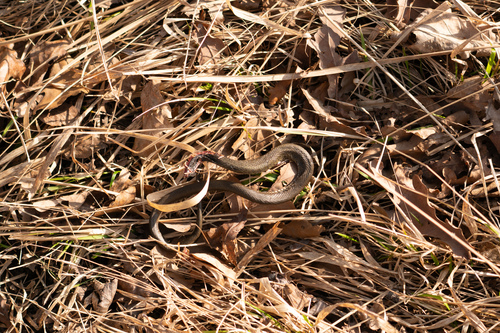
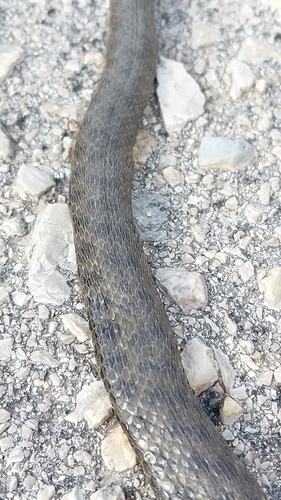
The harmless majority is where most of Romania's snake life sits. Grass snakes and dice snakes are common near water, strong swimmers that feed on frogs, fish, and other small prey. The large Aesculapian snake, a slender climber that can exceed well over a meter, is among the country's most iconic non-venomous species and is the snake associated with the classical staff-and-serpent symbol of medicine. Various smaller colubrids, including whip snakes and the secretive smooth snake, round out the fauna. None of these pose a venom risk to people, though any snake may bite defensively if cornered.
Snakes are an important part of these ecosystems. As mid-level predators they control populations of rodents, amphibians, fish, and insects, and they in turn feed birds of prey, foxes, and other wildlife. A healthy snake presence is a sign of a functioning landscape. For safety, remember that most Romanian species are harmless, the main medical threat is the viper group, and the correct response to a suspected venomous bite is immediate professional medical care. Antivenom and hospital treatment are the established care for serious envenomation. Never handle a wild venomous snake, and if a bite occurs, contact local emergency services right away, or in the United States call Poison Control at 1-800-222-1222.
Snakes in Romania: FAQ
- Are there venomous snakes in Romania?
- Yes. 5 venomous snake species have verified records in Romania, including Adder, Nose-horned Viper, Meadow Viper, Nikolsky's Viper. Most snakes in Romania, however, are harmless.
- How many snake species live in Romania?
- 10+ snake species have verified records in Romania, of which 5 are venomous.
- What is the most commonly seen snake in Romania?
- The Grass Snake is the most frequently reported snake in Romania, based on verified wildlife observations.
- What should I do if I see a venomous snake in Romania?
- Keep your distance and do not try to catch or kill it. Most bites happen when people handle or corner a snake. If someone is bitten, contact local emergency services or poison control immediately.
Venomous snakes in Romania
Every snake recorded in Romania
10+ species across 3 families, grouped by family. Venomous flagged.
Colubridae (10)
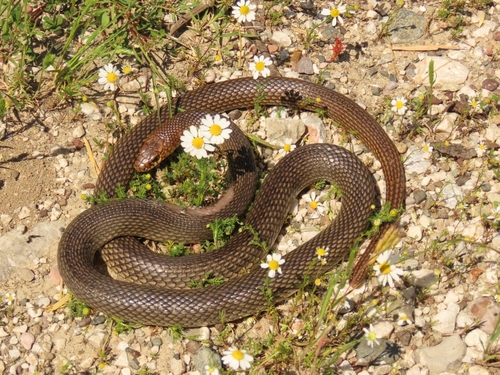
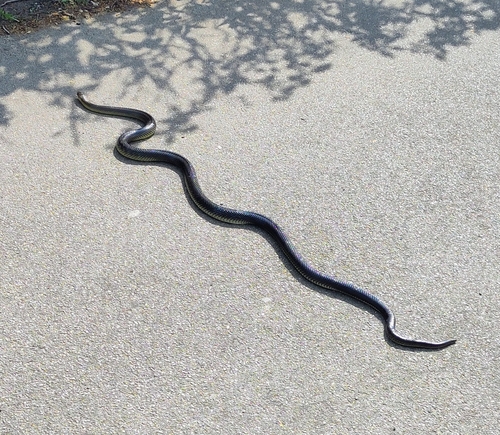
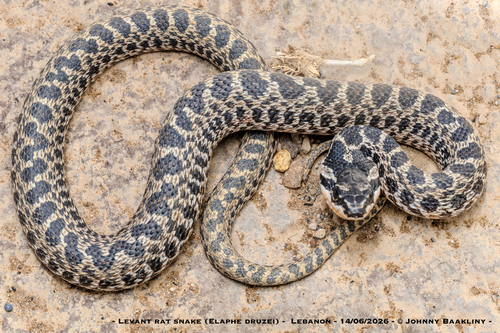
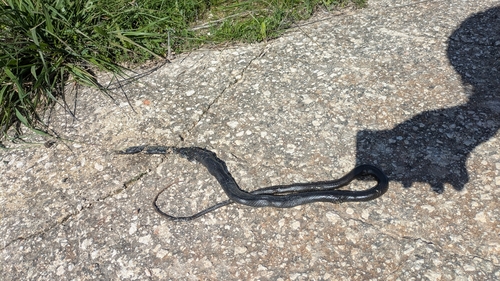
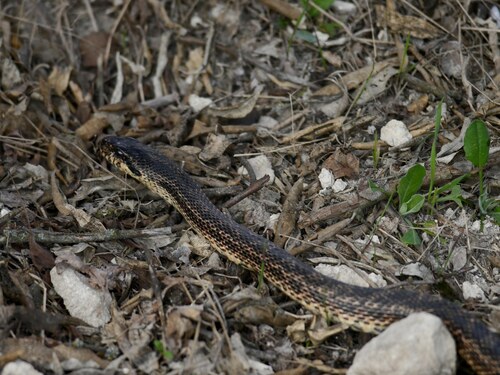
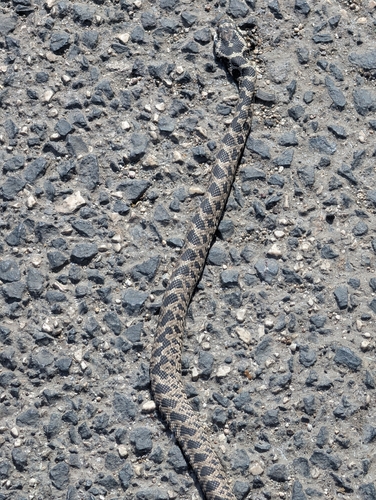
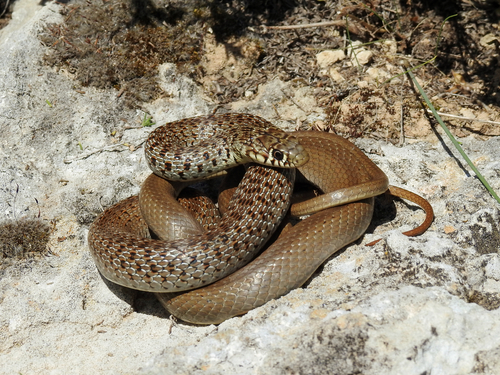
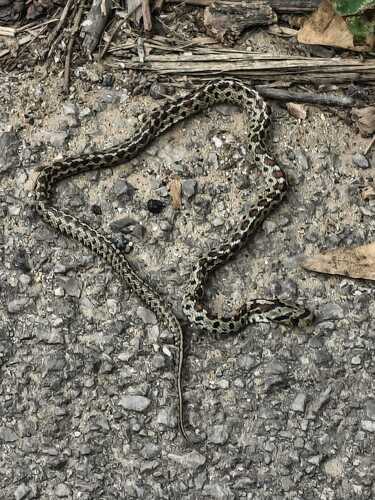
Viperidae (5)
Boidae (1)
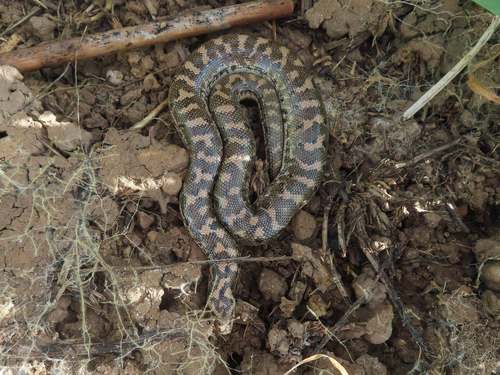
Compiled from verified GBIF & iNaturalist observations. "How often seen" reflects how frequently a snake is reported here, not how dangerous it is. Informational only.
Keep learning
- Are Snakes Dangerous? The Real Risk, in PerspectiveMost snakes are harmless and avoid people. Here is the honest picture of snakebite risk worldwide and how to lower your own.
- Snakebite First Aid: What to Do (and What Never to Do)A clear, CDC-based guide to snakebite first aid: the steps that help, the popular myths that hurt, and how to tell a serious bite from a minor one.
- Venomous vs Nonvenomous: How to Tell the DifferenceThe folk rules for telling venomous snakes apart, where each one fails, and why location-based identification beats guessing by sight.
- What to Do If You Find a SnakeFound a snake at home or on a trail? Here is how to stay calm, give it space, identify it safely, and know when to call a professional.