
Hungary
Snakes in Hungary
10 snake species have been recorded in Hungary, 3 venomous.
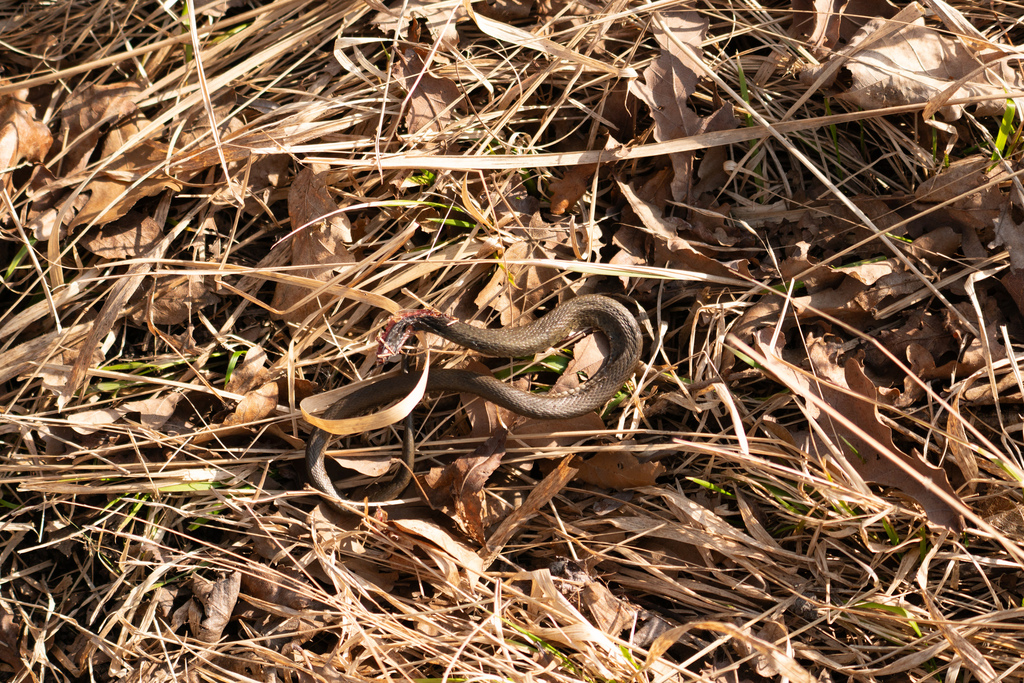
Snakes of Hungary
Hungary sits in the Carpathian Basin of Central Europe, a largely lowland country built around the Great Hungarian Plain, the Danube and Tisza river systems, Lake Balaton, and scattered low hill and mountain ranges. This mix of warm grasslands, wetlands, riverbanks, forests, and rocky south-facing slopes gives the country a modest but well-defined snake fauna. Our database records 10 snake species for Hungary, of which 3 are venomous. The great majority are non-venomous. The climate is temperate and continental, so snakes here are active in the warmer months and spend the cold winter dormant underground.
The venomous snakes in Hungary are all vipers, the group responsible for nearly all medically important snakebite in Europe. The common European adder is the most widespread of these and reaches across much of the continent. Far rarer and more localized is the meadow viper, a small grassland viper that is one of Europe's most threatened snakes and is strictly protected where it survives. These vipers are generally small, slow, and not aggressive. They rely on camouflage and will retreat if given the chance, biting defensively only when cornered, trodden on, or handled.
The harmless majority is what most people in Hungary actually encounter. Grass snakes are common around water, ponds, marshes, and slow rivers, where they hunt amphibians and fish and are strong swimmers. The dice snake is another water-associated species often seen near rivers and lakes. The Aesculapian snake, a large and elegant climbing snake, is among the most iconic in the region and is the serpent historically linked to the staff of Asclepius, the classical symbol of medicine. Smooth snakes and small burrowing species round out the non-venomous group. None of these pose a venom risk to people.
Snakes are valuable members of Hungary's ecosystems. They control populations of rodents, amphibians, fish, and insects, and in turn feed birds of prey, mammals, and other predators. Water-associated species help keep wetland food webs in balance, while the rarest vipers are indicators of healthy, undisturbed grassland. Several Hungarian snakes, including the meadow viper, are legally protected, and persecution or habitat loss is a far greater threat to them than they are to humans.
For safety, keep it simple. Most snakes you meet in Hungary are harmless, and the realistic medical concern is a viper bite, principally from the common adder. A venomous bite is a medical emergency: the correct response is to get the person to a hospital quickly, where doctors can monitor them and give antivenom and supportive care if needed. Do not attempt first aid procedures on a bite, and never handle, catch, or corner a wild snake, even one you believe is harmless, since this is exactly how most bites happen. If a bite occurs or you are unsure, contact local emergency services right away, or in the United States call Poison Control at 1-800-222-1222.
Snakes in Hungary: FAQ
- Are there venomous snakes in Hungary?
- Yes. 3 venomous snake species have verified records in Hungary, including Meadow Viper, Adder, Nose-horned Viper. Most snakes in Hungary, however, are harmless.
- How many snake species live in Hungary?
- 10 snake species have verified records in Hungary, of which 3 are venomous.
- What is the most commonly seen snake in Hungary?
- The Grass Snake is the most frequently reported snake in Hungary, based on verified wildlife observations.
- What should I do if I see a venomous snake in Hungary?
- Keep your distance and do not try to catch or kill it. Most bites happen when people handle or corner a snake. If someone is bitten, contact local emergency services or poison control immediately.
Venomous snakes in Hungary
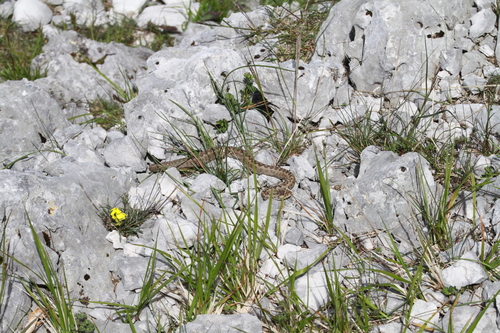
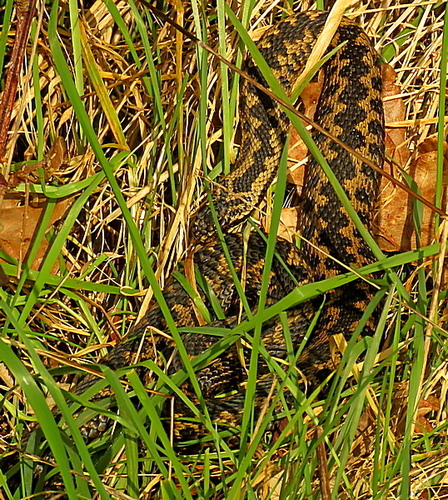
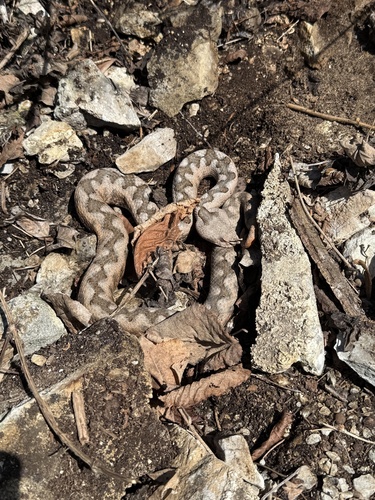
Every snake recorded in Hungary
10 species across 2 families, grouped by family. Venomous flagged.
Colubridae (7)
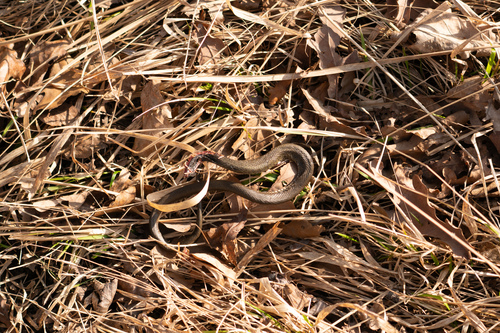
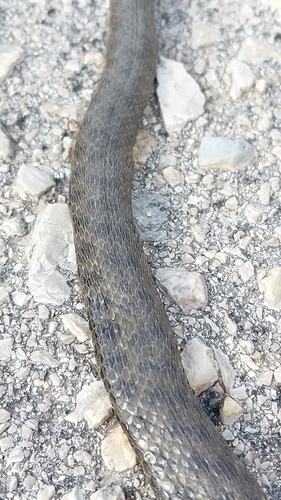
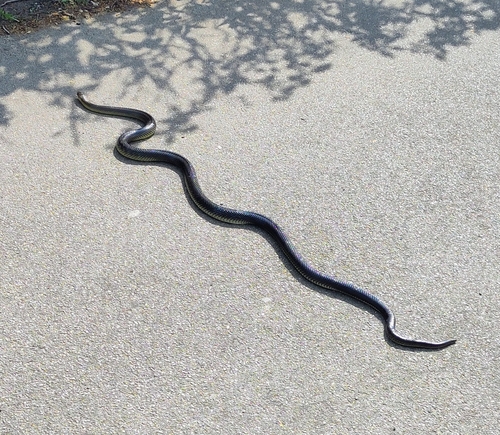
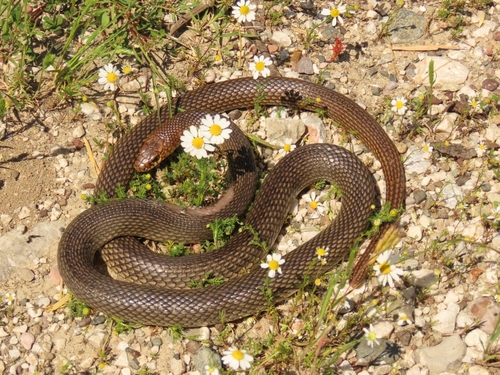
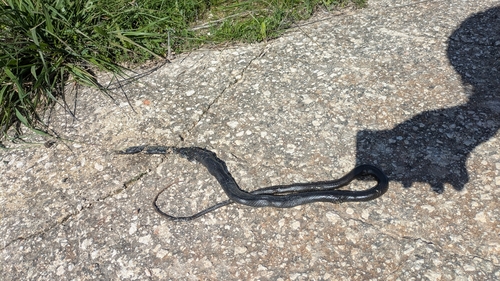
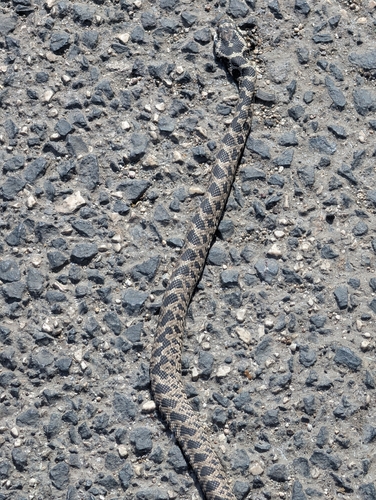
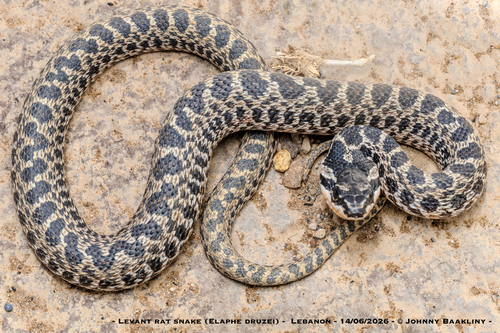
Compiled from verified GBIF & iNaturalist observations. "How often seen" reflects how frequently a snake is reported here, not how dangerous it is. Informational only.
Keep learning
- Are Snakes Dangerous? The Real Risk, in PerspectiveMost snakes are harmless and avoid people. Here is the honest picture of snakebite risk worldwide and how to lower your own.
- Snakebite First Aid: What to Do (and What Never to Do)A clear, CDC-based guide to snakebite first aid: the steps that help, the popular myths that hurt, and how to tell a serious bite from a minor one.
- Venomous vs Nonvenomous: How to Tell the DifferenceThe folk rules for telling venomous snakes apart, where each one fails, and why location-based identification beats guessing by sight.
- What to Do If You Find a SnakeFound a snake at home or on a trail? Here is how to stay calm, give it space, identify it safely, and know when to call a professional.