
Genus · Viperidae
Types of vipers
10+ species make up the genus Vipera, the snakes commonly called vipers. All of them are venomous.
About Old World vipers
Vipera is the genus of Eurasian or Old World vipers, the true vipers of Europe and Asia. It includes the adder, the only venomous snake across much of northern Europe and the only snake found anywhere near the Arctic Circle.
Vipera is a genus in the family Viperidae, the true vipers. Unlike the pit vipers of the Americas and Asia, members of this genus are not pit vipers, so they lack the heat-sensing facial pits that those snakes use to detect warm-bodied prey. Vipera species are relatively small and stout-bodied, and many carry a dark zigzag pattern running down the back, which is one of the more familiar markings in European snakes. Our database lists 10+ species in the genus, and all 18 are venomous. Well-known members include the adder (Vipera berus), the asp viper (Vipera aspis), the nose-horned viper (Vipera ammodytes), Seoane's viper (Vipera seoanei), and Lataste's viper (Vipera latastei).
The genus is spread across Europe and Asia, occupying habitats from meadows and heathland to rocky hillsides and mountain slopes. The standout is the common adder, Vipera berus, which has the largest range of any snake in the world and reaches above the Arctic Circle. It is the only snake native that far north, a reflection of how well these vipers tolerate cold climates compared with most other snakes. The adder is also the only venomous snake found in much of northern Europe, including Britain, while the asp viper is a familiar species in the Alps and surrounding regions.
Vipera venom is generally less potent than that of many tropical vipers. A bite is painful and does require medical care, but for healthy adults in Europe it is rarely fatal, thanks to widely available antivenom and access to hospitals. That said, the outcome depends on the person and the circumstances, so any bite should be assessed by medical professionals rather than waited out. The reassurance about low fatality rates is not a reason to treat a bite casually.
Ecologically, these vipers feed on small mammals and lizards, hunting prey they can subdue and swallow whole. Many species give live birth rather than laying eggs, an adaptation that suits the cool climates they often inhabit, and they hibernate through the cold winters of their range. Because they are tied to specific habitats and seasons, encounters with people tend to follow predictable patterns, often when a snake is basking or moving between cover.
Adders and their relatives are shy by nature and would rather retreat than confront a person. Most bites happen when a snake is accidentally stepped on or is picked up and handled, not during ordinary encounters. A wild venomous snake is never safe to handle, no matter how calm it appears, and this guide does not offer first aid steps. If a bite occurs, the right response is to seek professional medical care without delay; in Europe, contact your local emergency services.
Vipera belongs to the Viperidae family (Vipers & pit vipers). Heavy-bodied venomous snakes with long, hinged, hollow fangs. Broad, triangular head distinct from a narrow neck, heavy body, and (usually) vertical, cat-like pupils. Pit vipers also have a heat-sensing pit; true vipers do not.
Danger: Every viper is venomous, and the family includes some of the world's most medically important snakes. Venom is typically hemotoxic, causing pain, swelling, tissue damage, and bleeding. Treat any viper bite as a medical emergency.
All species (18)
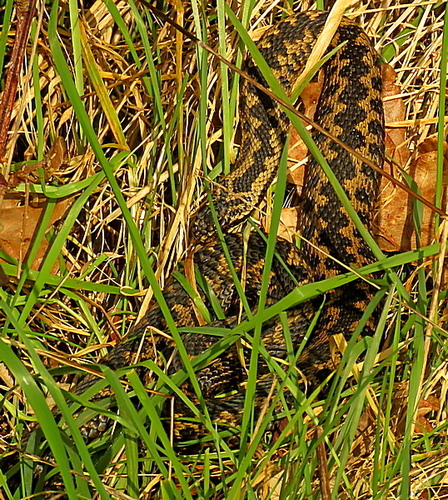 AdderVipera berusVenomous
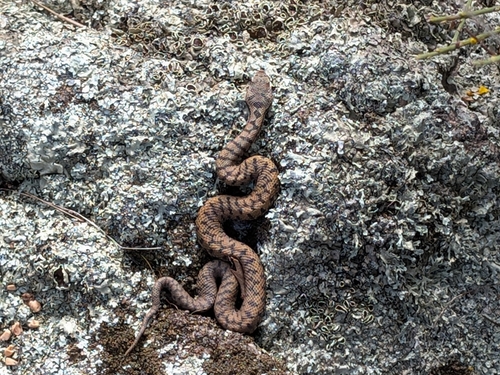 Asp ViperVipera aspisVenomous
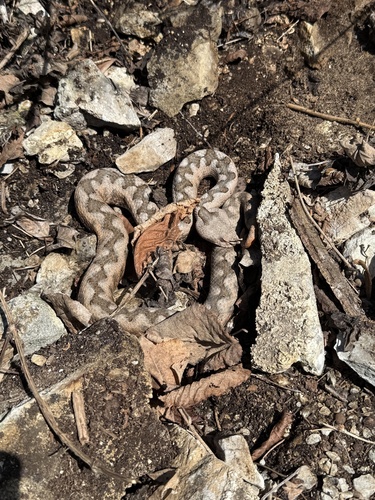 Nose-horned ViperVipera ammodytesVenomous
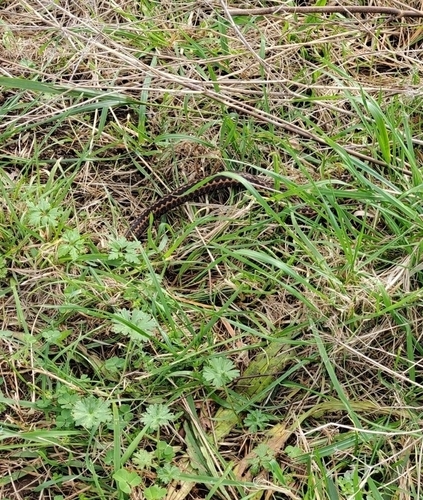 Seoane's ViperVipera seoaneiVenomous
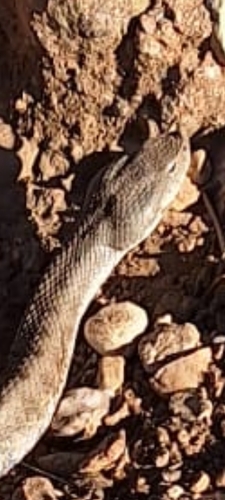 Lataste's ViperVipera latasteiVenomous
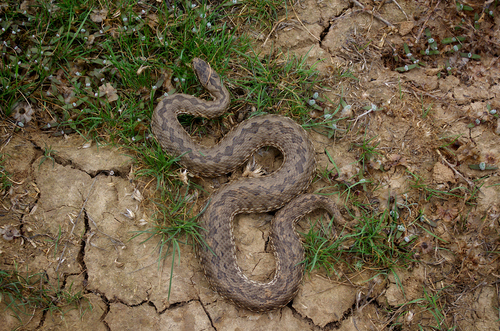 Steppe ViperVipera renardiVenomous
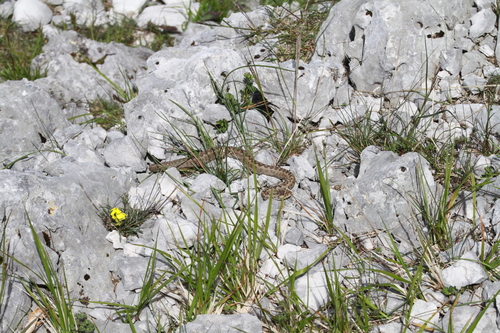 Meadow ViperVipera ursiniiVenomous
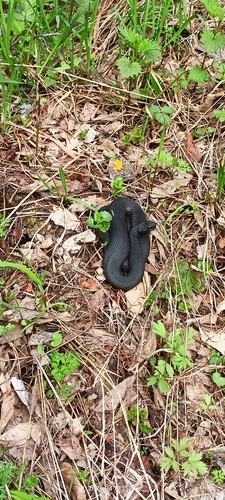 Nikolsky's ViperVipera nikolskiiVenomous
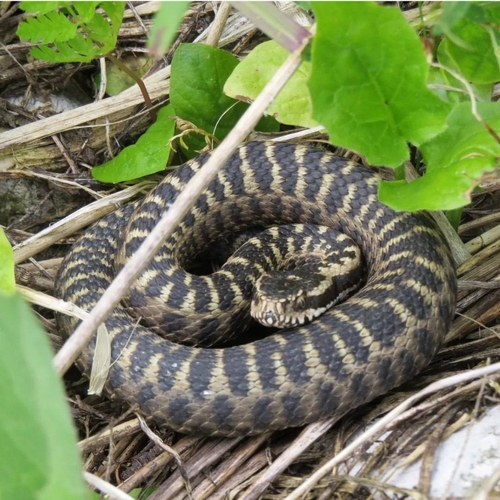 Caucasus Subalpine ViperVipera dinnikiVenomous
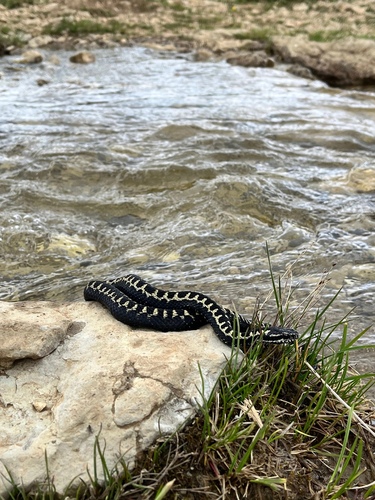 Caucasian ViperVipera kaznakoviVenomous
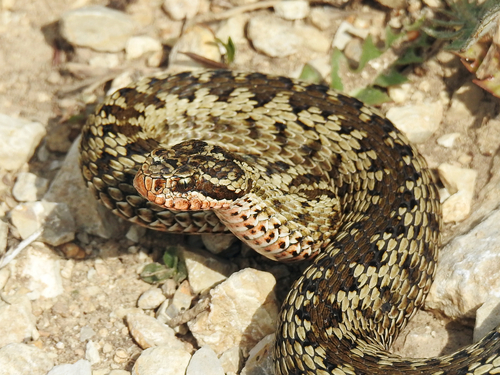 Alburzi ViperVipera eriwanensisVenomous
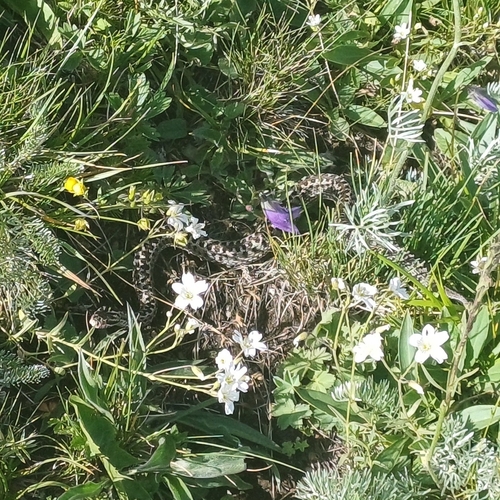 Lotiev's ViperVipera lotieviVenomous
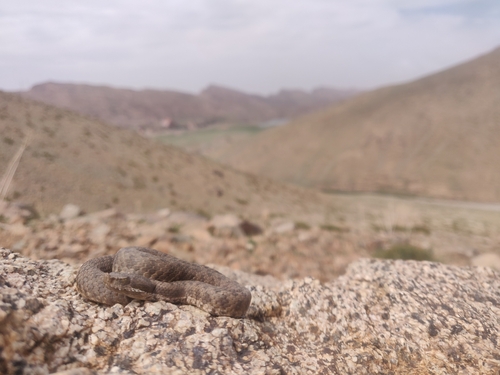 Atlas Dwarf ViperVipera monticolaVenomous
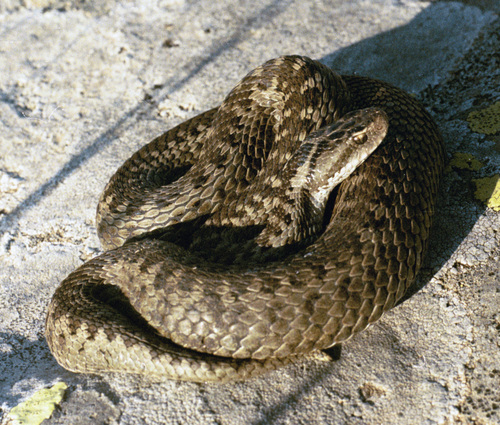 Darevsky's ViperVipera darevskiiVenomous
 Greek ViperVipera graecaVenomous
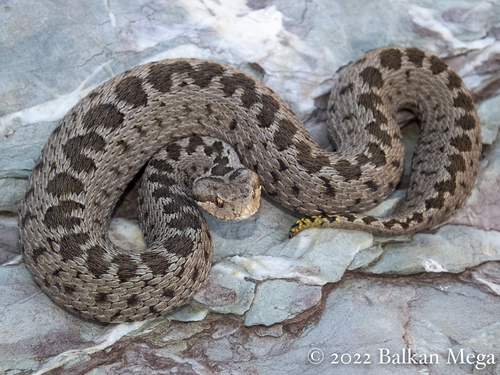 Anatolian Meadow ViperVipera anatolicaVenomous
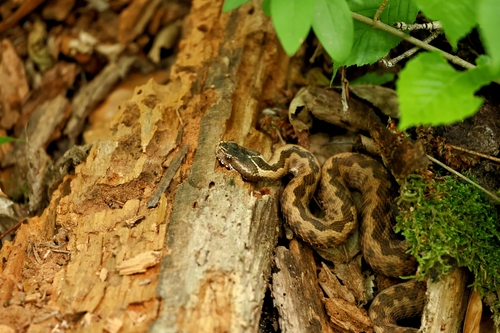 Orlov's ViperVipera orloviVenomous
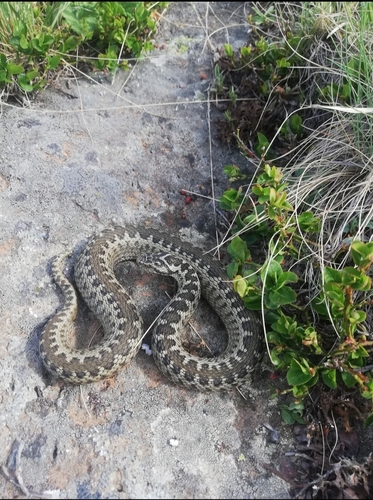 Sako's ViperVipera sakoiVenomous
Keep learning
- Venomous vs Nonvenomous: How to Tell the DifferenceThe folk rules for telling venomous snakes apart, where each one fails, and why location-based identification beats guessing by sight.
- Are Snakes Dangerous? The Real Risk, in PerspectiveMost snakes are harmless and avoid people. Here is the honest picture of snakebite risk worldwide and how to lower your own.
- Snake Venom Explained: How It Works and WhyWhat snake venom actually is, why it evolved, the main venom types, fang delivery, how antivenom works, and why ranking the most venomous snake is hard.
- How Snakes Move, Hunt, and EatHow snakes move without legs, hunt as ambushers or active foragers, kill by constriction or venom, and swallow prey wider than their head.