
Afghanistan
Snakes in Afghanistan
40+ snake species have been recorded in Afghanistan, 10 venomous.
Snakes of Afghanistan
Afghanistan has 40+ snake species recorded in our database, 10 of them venomous. The great majority of species are non-venomous, which means most snakes you might encounter in the country pose no serious threat to people. The landlocked terrain ranges from the high peaks and valleys of the Hindu Kush to arid plateaus, rocky foothills, river corridors, and the sandy deserts of the south and southwest. This spread of elevations and climates, from cold mountain habitats to hot lowland deserts, is what drives the diversity of snakes found here. Species sort themselves by where they can survive, so the snakes of a Kabul mountain valley differ from those of the Registan desert.
Geography is the main engine of that variety. Cold-tolerant species hold the higher ground, while heat-adapted desert specialists dominate the southern lowlands. Water sources matter too. Rivers, irrigation channels, and oases concentrate prey such as rodents, frogs, and lizards, and snakes follow that prey. Rocky outcrops and ruins offer shelter and hunting cover, and cultivated farmland near villages draws rodents, which in turn draws the snakes that eat them. The result is a fauna shaped by altitude, aridity, and proximity to water rather than by any single dominant habitat.
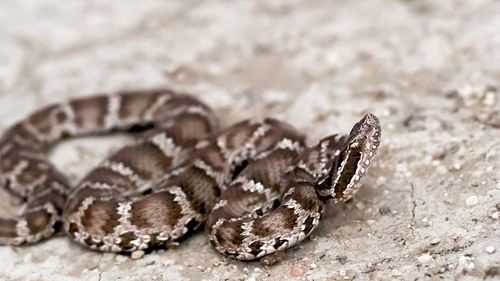
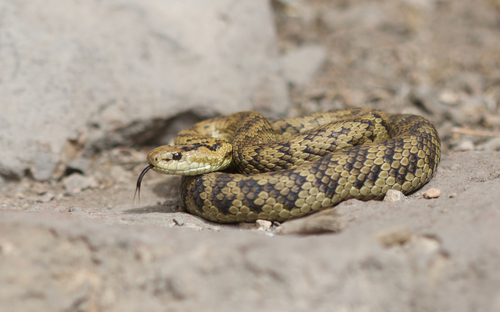
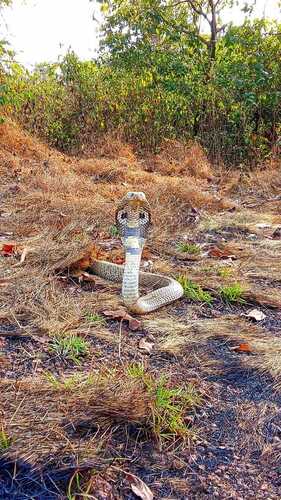
Among the 10 venomous species, the medically important groups in Afghanistan are cobras, true vipers, and saw-scaled vipers. The Indian cobra, an elapid, occurs in the warmer eastern and southern regions and delivers a neurotoxic bite. The saw-scaled vipers are small but dangerous and are among the snakes responsible for the most serious bites across the region, partly because they are common near where people live and work. Larger true vipers, including species in the Macrovipera and related groups, are also present in parts of the country. Afghanistan has no mambas, no coral snakes, no rattlesnakes, and no sea snakes, since those groups belong to other parts of the world or require coastlines the country does not have.
The non-venomous majority is the larger and more visible part of the snake fauna. It includes a range of colubrids and sand-dwelling species, along with constrictors such as sand boas, which spend much of their time buried in loose soil hunting small mammals. Racers, rat snakes, and similar agile hunters are widespread and active by day in warmer months. These snakes are the ones most people actually see, and the vast majority of them cannot harm a person. They span small burrowers a few inches long to larger, fast-moving species over a meter in length.
Snakes provide real ecological value in Afghanistan, especially through rodent and pest control. Rats and mice damage stored grain, spread disease, and reduce crop yields, and snakes are one of the most effective natural checks on those populations. A single rodent-eating snake near a farm or grain store can remove many pests over a season at no cost to the farmer. By keeping rodent numbers down, snakes support agriculture and reduce the spread of pests in and around villages, which makes them a quiet but useful part of the rural landscape.
On safety, the honest framing is that most species in Afghanistan are harmless, but a real medical threat exists. The main concern is bites from saw-scaled vipers, cobras, and the larger true vipers, which can cause serious harm. The correct treatment for a venomous snakebite is antivenom and professional hospital care, delivered as quickly as possible. No wild snake, venomous or not, should be handled, because identification mistakes and defensive bites happen even to experienced people. If a bite occurs, treat it as a medical emergency and contact local emergency services right away. In the United States you can also reach Poison Control at 1-800-222-1222 for guidance.
Snakes in Afghanistan: FAQ
- Are there venomous snakes in Afghanistan?
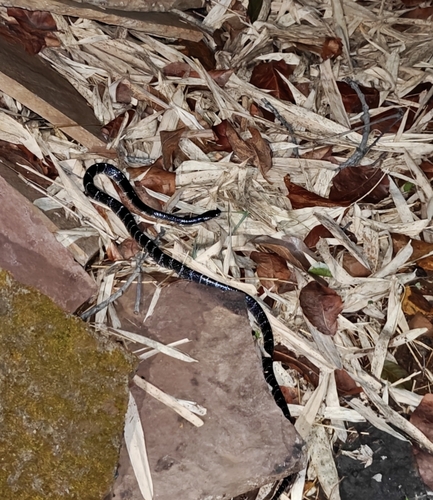
- Yes. 10 venomous snake species have verified records in Afghanistan, including Saw-scaled Viper, Brown Banded Cobra, Central Asian Cobra, Bungarus sagittatus. Most snakes in Afghanistan, however, are harmless.
- How many snake species live in Afghanistan?
- 40+ snake species have verified records in Afghanistan, of which 10 are venomous.
- What is the most commonly seen snake in Afghanistan?
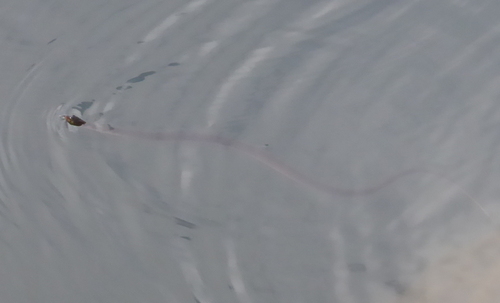
- The Diadem Snake is the most frequently reported snake in Afghanistan, based on verified wildlife observations.
- What should I do if I see a venomous snake in Afghanistan?
- Keep your distance and do not try to catch or kill it. Most bites happen when people handle or corner a snake. If someone is bitten, contact local emergency services or poison control immediately.
Venomous snakes in Afghanistan
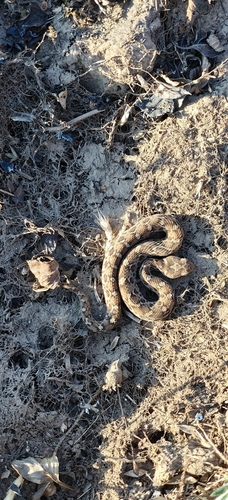
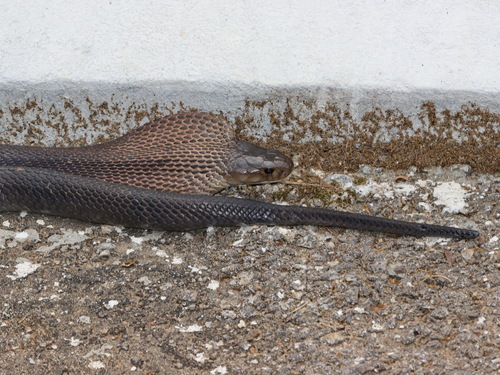

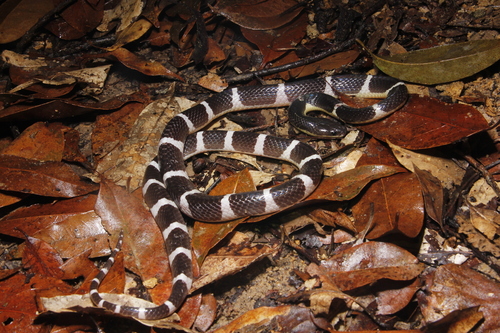
Every snake recorded in Afghanistan
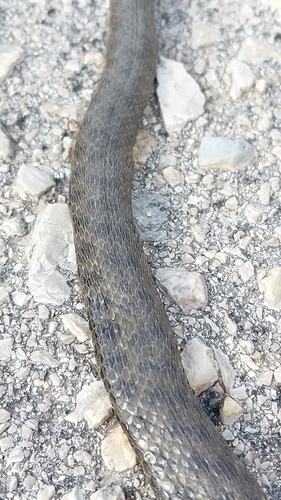
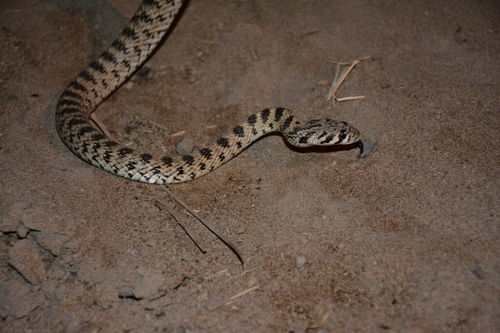
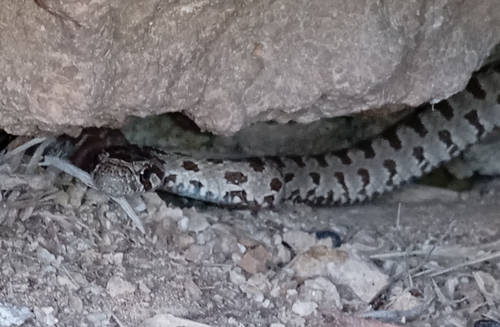
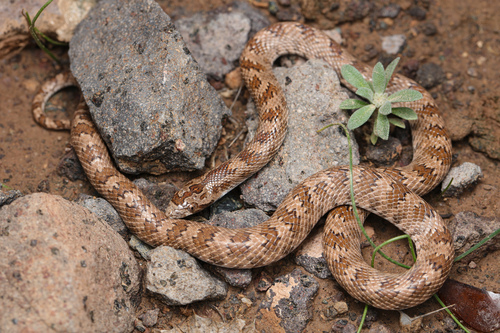
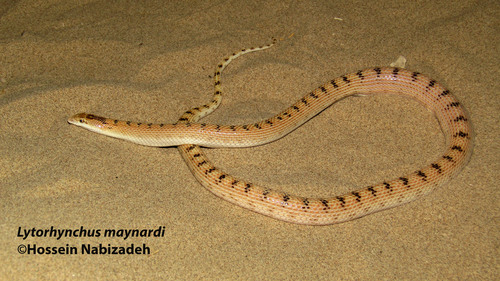
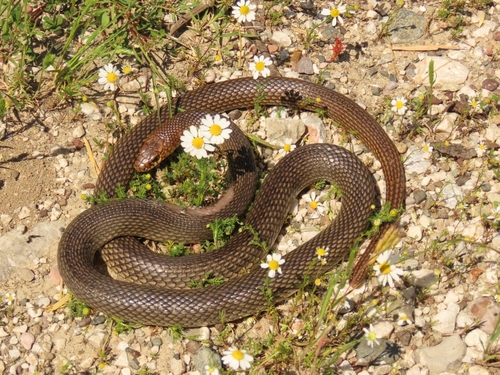
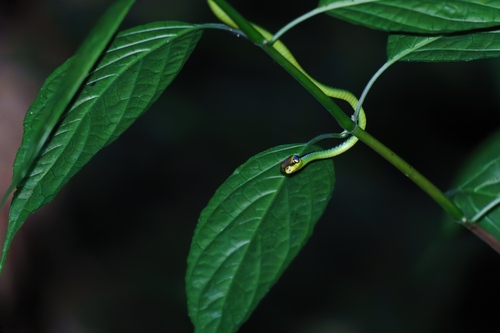
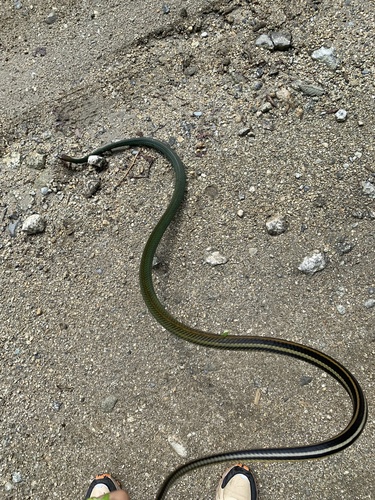
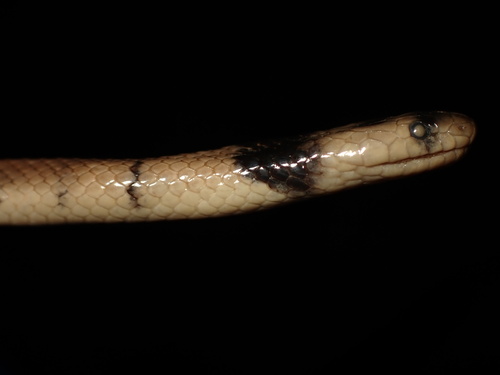
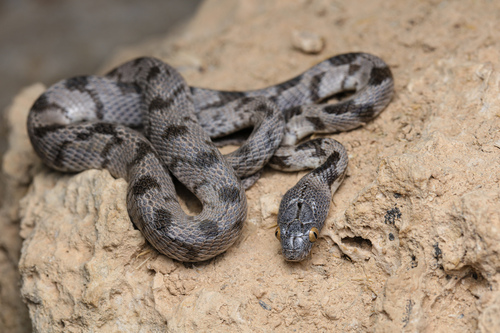
40+ species across 8 families, grouped by family. Venomous flagged.
Colubridae (20)

Elapidae (6)
Psammophiidae (5)
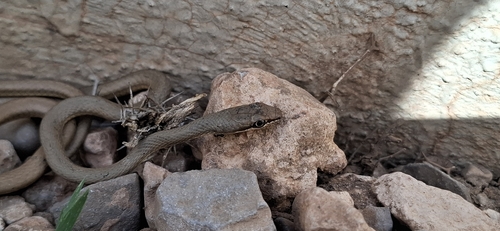
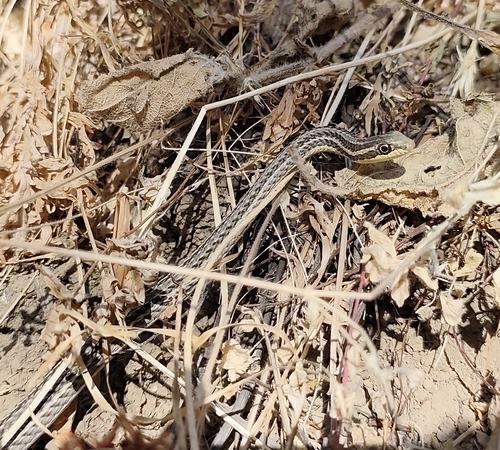
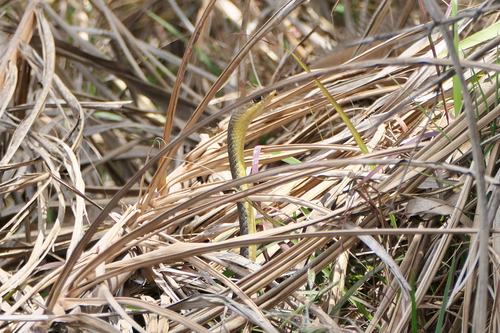
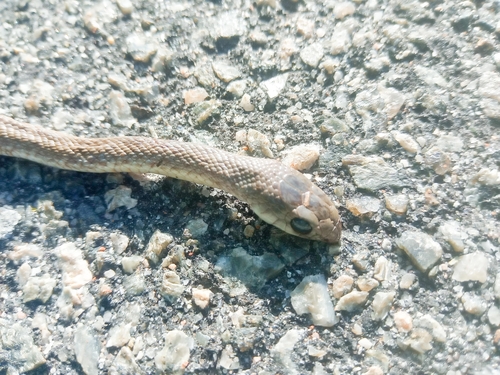
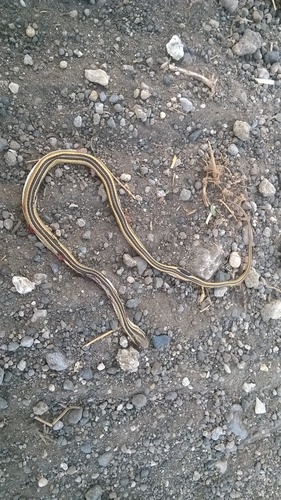
Viperidae (4)
Boidae (3)
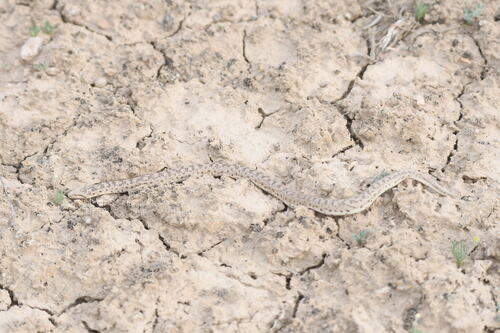
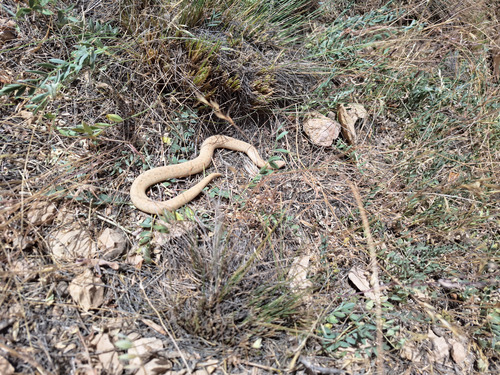
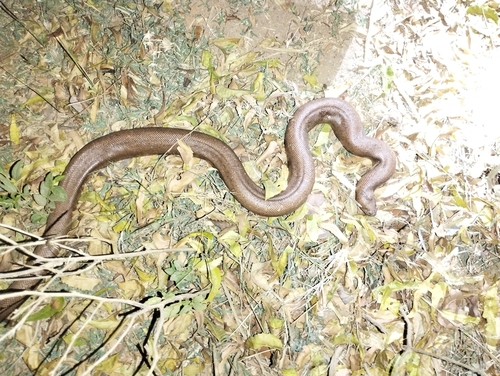
Typhlopidae (2)
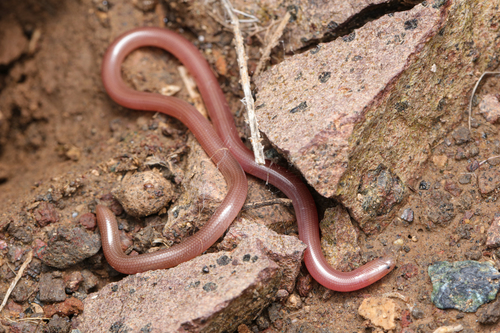
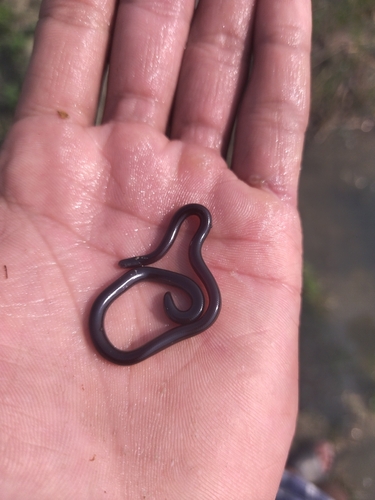
Leptotyphlopidae (1)
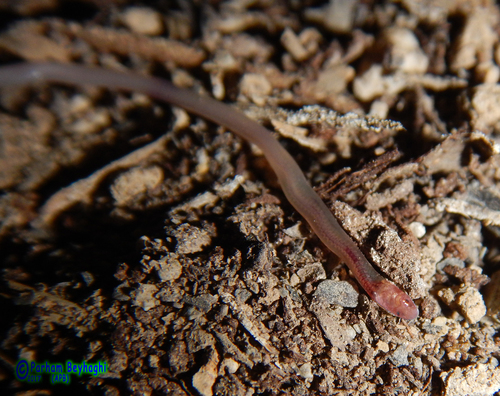
Lamprophiidae (1)
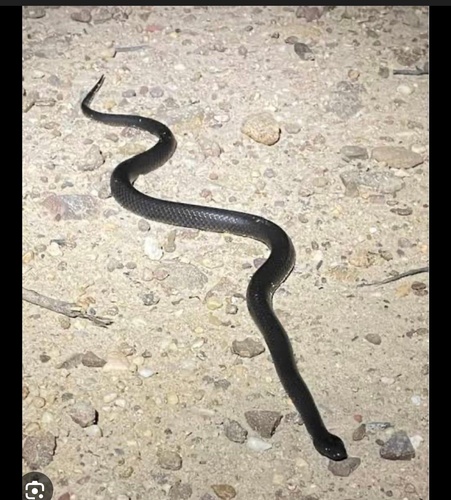
Compiled from verified GBIF & iNaturalist observations. "How often seen" reflects how frequently a snake is reported here, not how dangerous it is. Informational only.
Keep learning
- Are Snakes Dangerous? The Real Risk, in PerspectiveMost snakes are harmless and avoid people. Here is the honest picture of snakebite risk worldwide and how to lower your own.
- Snakebite First Aid: What to Do (and What Never to Do)A clear, CDC-based guide to snakebite first aid: the steps that help, the popular myths that hurt, and how to tell a serious bite from a minor one.
- Venomous vs Nonvenomous: How to Tell the DifferenceThe folk rules for telling venomous snakes apart, where each one fails, and why location-based identification beats guessing by sight.
- What to Do If You Find a SnakeFound a snake at home or on a trail? Here is how to stay calm, give it space, identify it safely, and know when to call a professional.