
Armenia
Snakes in Armenia
30+ snake species have been recorded in Armenia, 7 venomous.
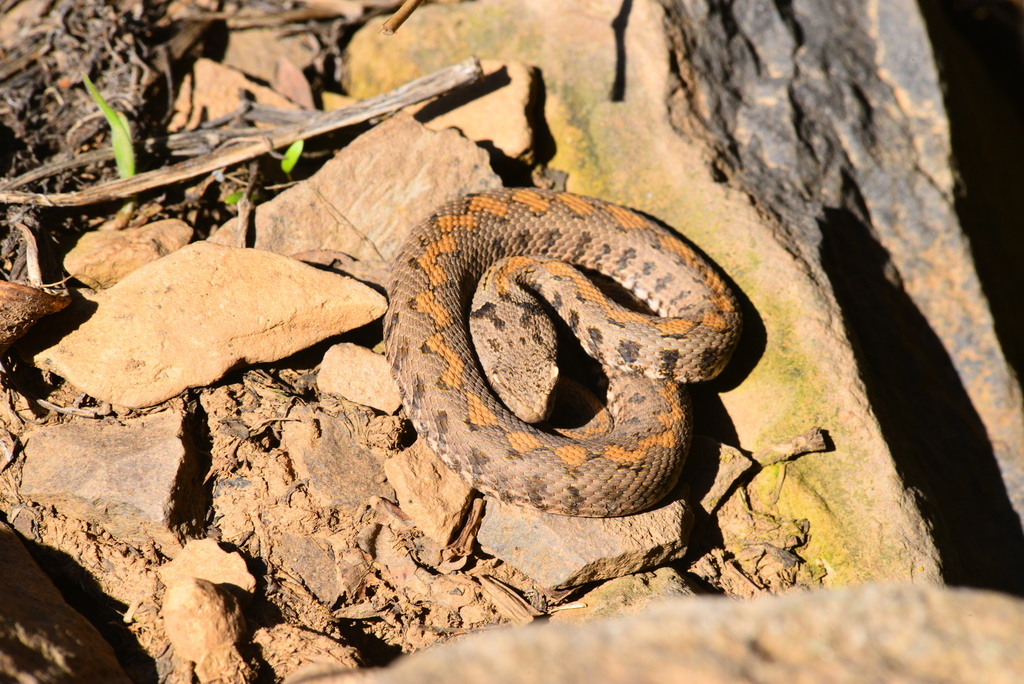
Snakes of Armenia
Armenia is a small, mountainous country in the South Caucasus, and its snake fauna reflects that rugged geography. Our database records 30+ snake species in Armenia, of which 7 are venomous. The great majority are non-venomous. Despite its size, Armenia packs in a wide range of elevations, climates, and rock formations, and that variety is the main reason so many snake species coexist in such a compact area.
The country sits at a crossroads of habitats. Dry, rocky slopes and semi-desert in the Ararat valley give way to mountain steppe, oak and juniper woodland, alpine meadows, and the shores of high lakes such as Lake Sevan. Snakes track these zones closely. Some favor sun-warmed stony hillsides and gorges, others hunt along streams and wetland margins, and a few range up into cool high-elevation grasslands. This layering of warm lowland and cold highland habitat across short distances is what drives Armenia's snake diversity.
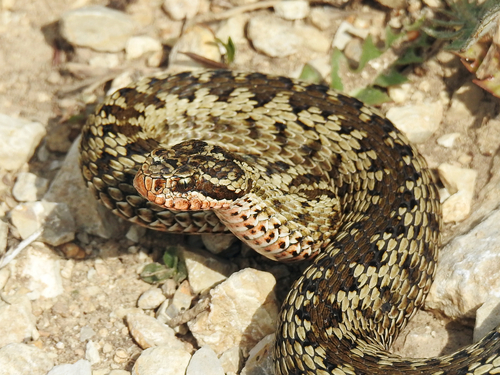
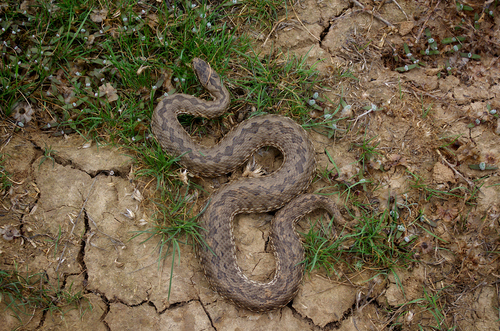
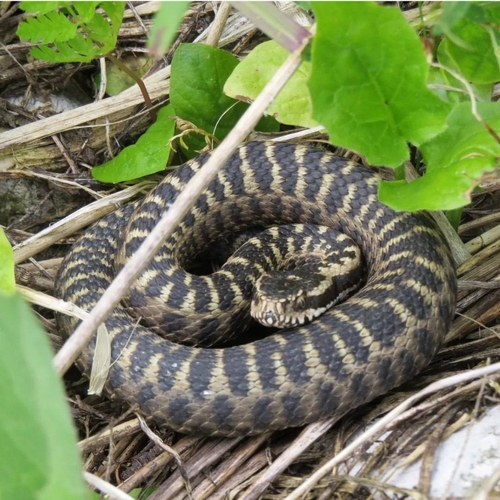
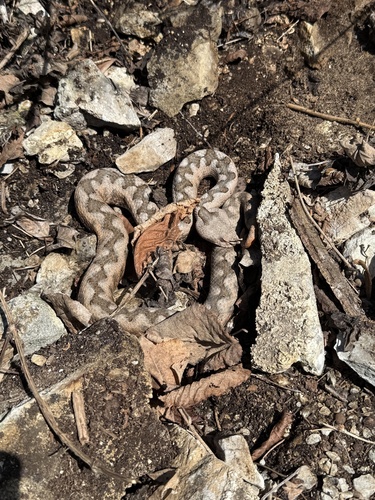
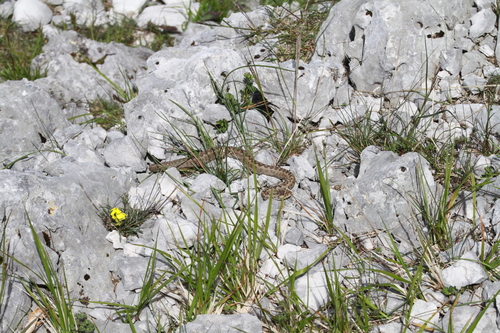
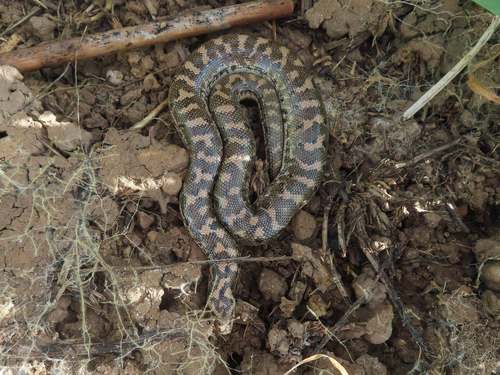
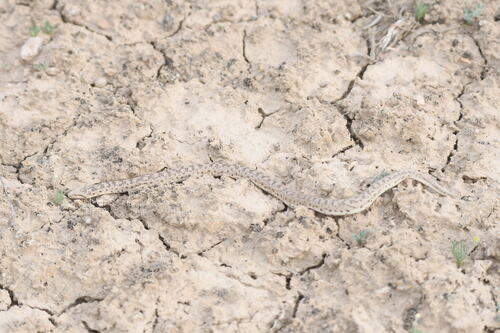
The medically important venomous snakes in Armenia are vipers. There are no cobras, mambas, coral snakes, sea snakes, or rattlesnakes here. The vipers fall into two broad groups. The first is the true vipers of the genus Vipera, including a montane meadow viper and other Vipera forms that occupy steppe and mountain habitats. The second, and the most significant for human safety, is the large mountain viper group of the genus Macrovipera and its relatives, heavy-bodied vipers of rocky slopes whose bites can cause serious tissue damage and require prompt medical treatment. These viper bites, while uncommon, are the real venom threat in the country.
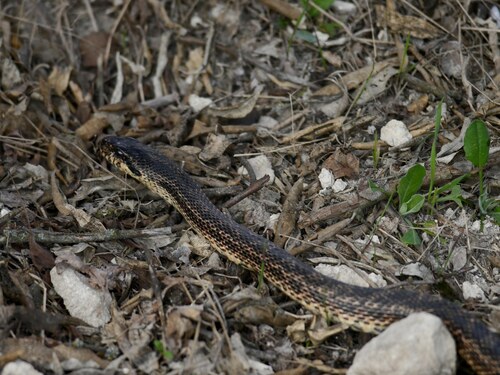
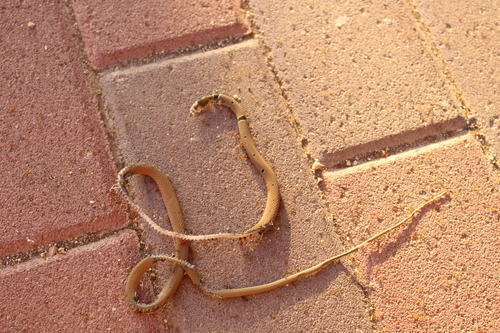
Most of Armenia's snakes are entirely non-venomous and pose no danger to people. The fauna includes a range of colubrids such as grass snakes and dice snakes near water, fast-moving whip snakes and racers across open ground, the slender Caspian whipsnake, and rat snakes. Among the more striking residents are large, powerful constrictors of the region, including big rat snakes and the blunt-headed sand boa, a burrowing species of dry lowland soils. These harmless snakes make up the bulk of what anyone is likely to encounter.
Snakes are valuable to Armenian ecosystems and to people. They are efficient predators of rodents, keeping populations of mice, rats, and voles in check, which protects stored grain, reduces crop loss, and limits the spread of rodent-borne disease. Other species help control insects, lizards, and amphibians, keeping the food web in balance. A landscape with healthy snake populations is generally a sign of a functioning, pest-controlled environment.
On safety, the honest picture is reassuring: the overwhelming majority of Armenia's snakes are harmless, and the main medical concern is a viper bite, which is rare. The correct response to any venomous snakebite is professional medical care. Antivenom and hospital treatment are the established, effective treatment, so the priority is to reach a hospital or call emergency services as quickly as possible. In the United States, Poison Control is reachable at 1-800-222-1222; elsewhere, contact local emergency services. No wild snake should ever be picked up or handled, even one that looks harmless, since misidentification is easy and provoking a snake is the most common way bites happen.
Snakes in Armenia: FAQ
- Are there venomous snakes in Armenia?
- Yes. 7 venomous snake species have verified records in Armenia, including Armenian Viper, Alburzi Viper, Darevsky's Viper, Steppe Viper. Most snakes in Armenia, however, are harmless.
- How many snake species live in Armenia?
- 30+ snake species have verified records in Armenia, of which 7 are venomous.
- What is the most commonly seen snake in Armenia?
- The Armenian Viper is the most frequently reported snake in Armenia, based on verified wildlife observations.
- What should I do if I see a venomous snake in Armenia?
- Keep your distance and do not try to catch or kill it. Most bites happen when people handle or corner a snake. If someone is bitten, contact local emergency services or poison control immediately.
Venomous snakes in Armenia
Every snake recorded in Armenia
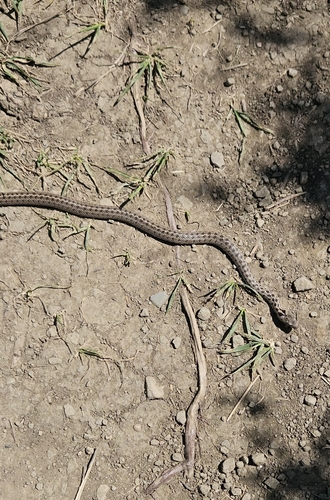
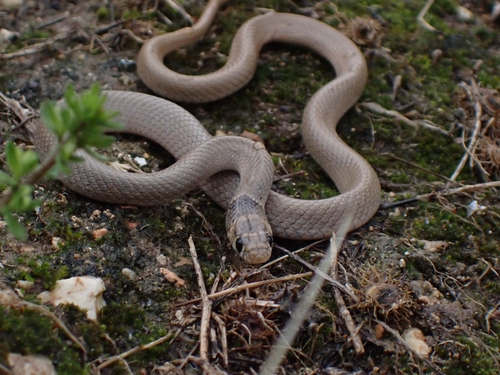
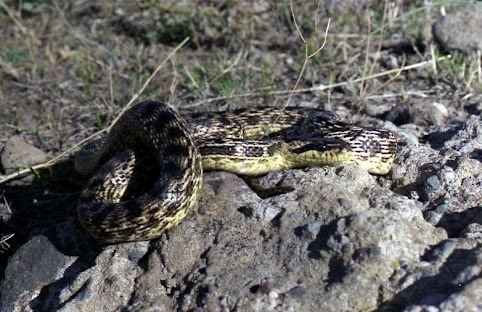
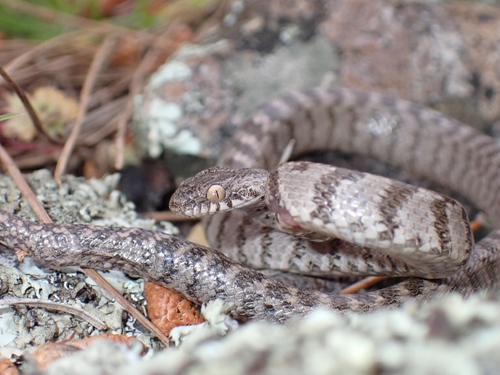
30+ species across 5 families, grouped by family. Venomous flagged.
Colubridae (19)
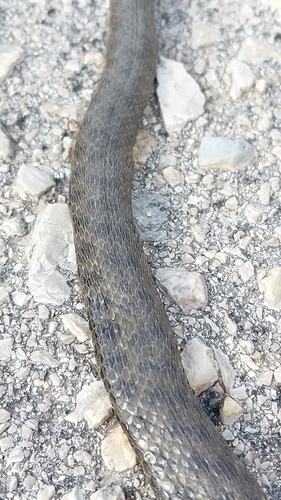
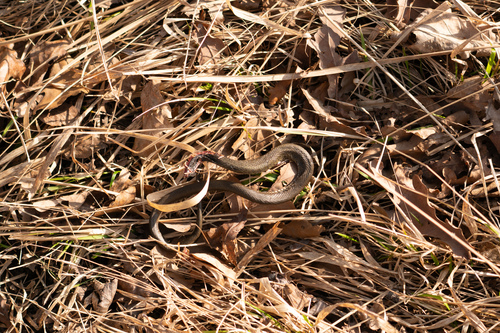
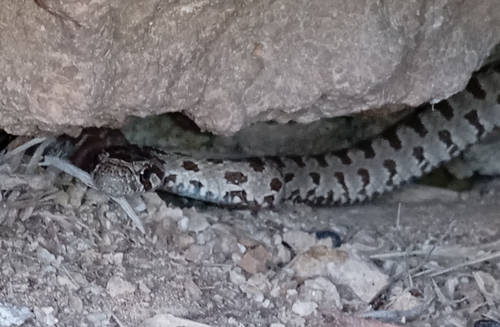
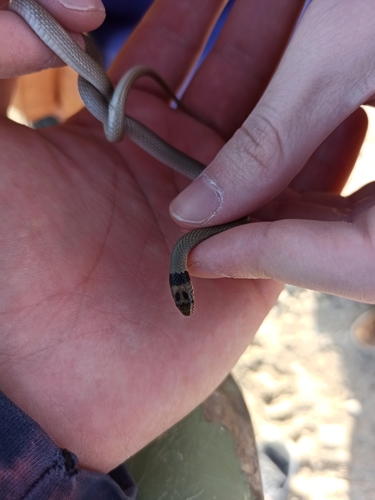
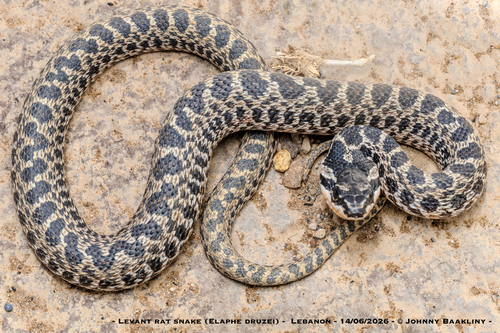
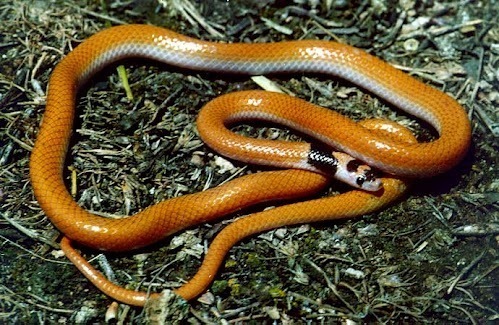

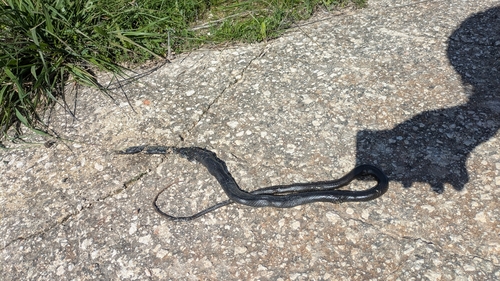
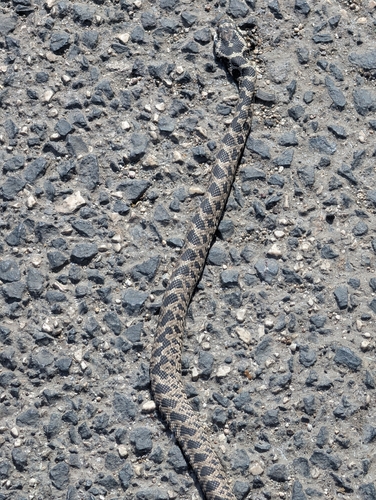
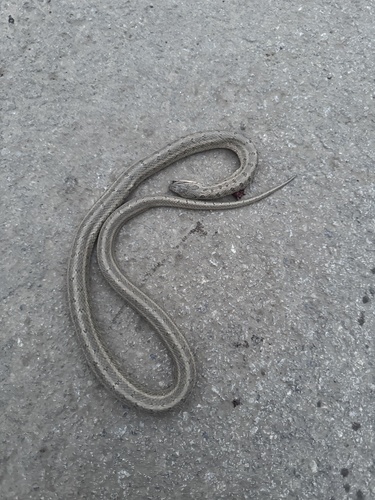
Viperidae (7)
Psammophiidae (2)
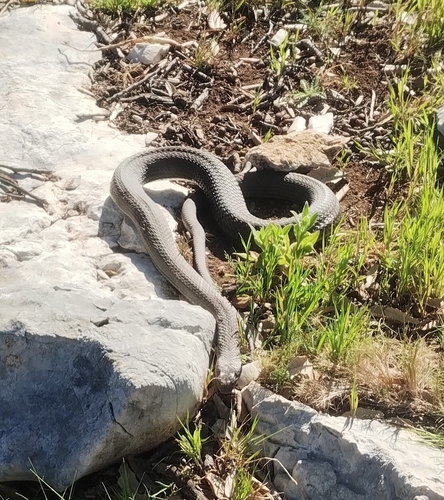
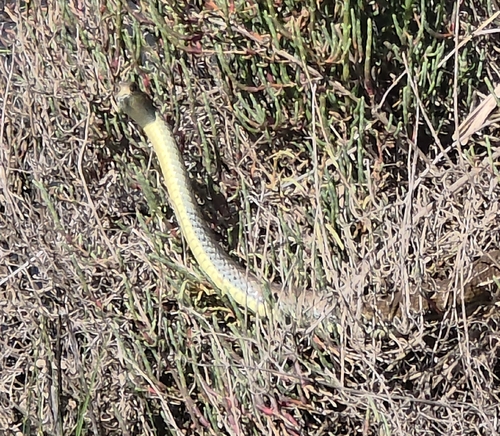
Typhlopidae (1)
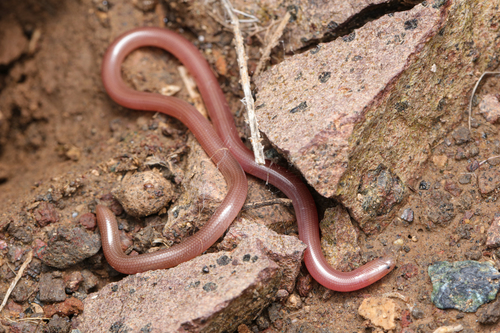
Compiled from verified GBIF & iNaturalist observations. "How often seen" reflects how frequently a snake is reported here, not how dangerous it is. Informational only.
Keep learning
- Are Snakes Dangerous? The Real Risk, in PerspectiveMost snakes are harmless and avoid people. Here is the honest picture of snakebite risk worldwide and how to lower your own.
- Snakebite First Aid: What to Do (and What Never to Do)A clear, CDC-based guide to snakebite first aid: the steps that help, the popular myths that hurt, and how to tell a serious bite from a minor one.
- Venomous vs Nonvenomous: How to Tell the DifferenceThe folk rules for telling venomous snakes apart, where each one fails, and why location-based identification beats guessing by sight.
- What to Do If You Find a SnakeFound a snake at home or on a trail? Here is how to stay calm, give it space, identify it safely, and know when to call a professional.