
Genus · Elapidae
Types of cobras
30+ species make up the genus Naja, the snakes commonly called cobras. All of them are venomous.
About cobras
Naja is the genus of true cobras, front-fanged elapids best known for the hood they spread behind the head as a warning display. Our database lists 30 species, all of them venomous, ranging across Africa and Asia.
Naja belongs to the family Elapidae, the same lineage as mambas, kraits, and coral snakes. What sets the true cobras apart is the hood: loose ribs in the neck swing outward and stretch the skin into a broad, flattened shield when the snake feels threatened. Combined with a raised forebody and an open-mouthed hiss, the reared hooded posture is one of the most recognizable defensive displays in the animal world. It is a warning, meant to make the snake look larger and buy room to escape rather than fight.
The genus is widespread. Different Naja species occupy savanna, forest, farmland, and scrub across sub-Saharan Africa and much of southern and eastern Asia. Representative members include the Indian Cobra, Chinese Cobra, Cape Cobra, Equatorial Spitting Cobra, and Mozambique Spitting Cobra. Many cobras tolerate human-altered landscapes well, hunting around villages, fields, and outbuildings where rodents are plentiful, which raises the chance of human encounters.
Several Naja species are spitting cobras, able to spray venom forward toward the eyes of a perceived threat from a distance. This is a defensive behavior rather than a hunting method, and venom in the eyes can cause intense pain and, without prompt care, lasting eye injury. The ability to spit makes these species a distinct hazard, because a person does not need to be within striking range to be harmed. Treat any cobra display as a clear signal to back away and increase distance.
Cobra venom is potent and largely neurotoxic, interfering with the nerve signals that control muscles and breathing; some species also deliver cytotoxic components that cause local tissue damage and necrosis. This combination gives Naja major public-health importance across its range. The Indian Cobra in particular is one of the snakes responsible for the heaviest burden of bites and deaths in India, where it is counted among the so-called Big Four alongside other highly medically significant species.
Ecologically, cobras are generalist predators that eat rodents, frogs, lizards, birds, and other snakes, and they lay eggs rather than giving live birth. Their willingness to live near people means bites are not rare, but the vast majority come from handling snakes or from surprise encounters, not from unprovoked attacks. A defensive hood display is the animal asking for space. The only appropriate response to a venomous snakebite is to get to a hospital quickly, where antivenom and supportive medical care are the established treatment. A wild venomous snake should never be picked up or handled, and a suspected bite or venom exposure to the eyes is a medical emergency that calls for professional emergency care.
Naja belongs to the Elapidae family (Cobras, mambas, coral & sea snakes). Front-fanged venomous snakes, many with potent neurotoxic venom. Usually slender with a head barely wider than the neck and fixed front fangs (not the folding fangs of vipers). Coral snakes are boldly ringed; sea snakes have a flattened, paddle-like tail.
Danger: All elapids are venomous and the family is responsible for a large share of fatal snakebites worldwide. Many are shy, but bites can be life-threatening. Treat any bite as a medical emergency.
All species (30)
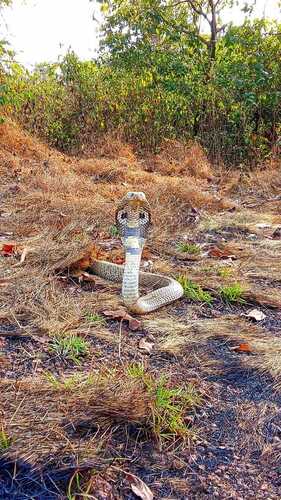 Indian CobraNaja najaVenomous
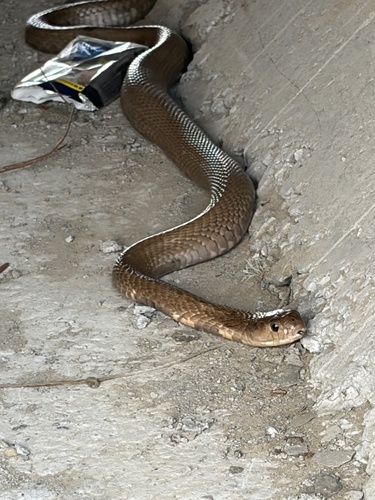 Chinese CobraNaja atraVenomous
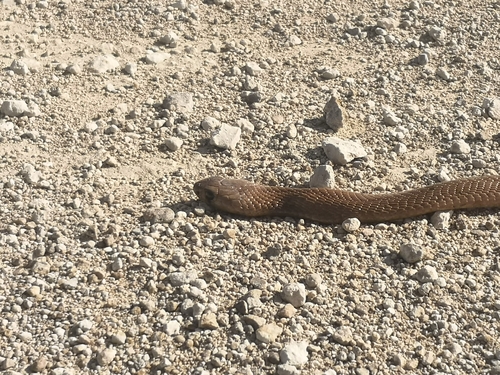 Cape CobraNaja niveaVenomous
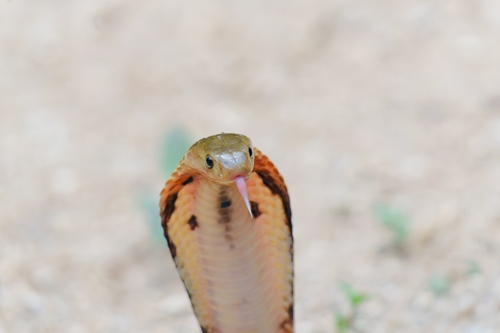 Equatorial Spitting CobraNaja sumatranaVenomous
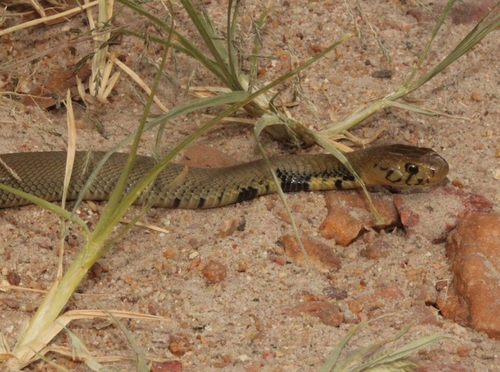 Mozambique Spitting CobraNaja mossambicaVenomous
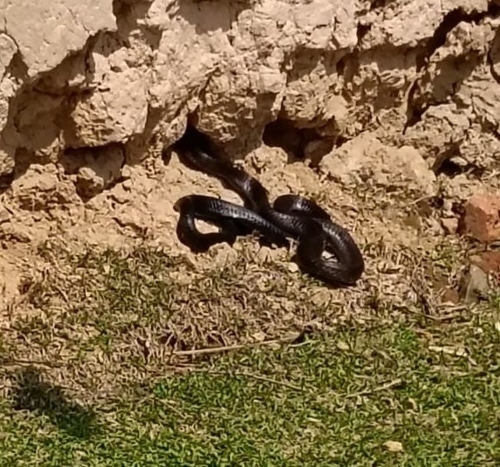 Monocled CobraNaja kaouthiaVenomous
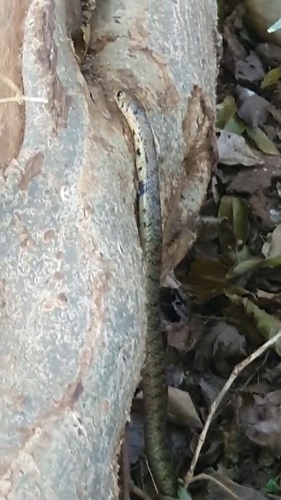 Brown Forest CobraNaja subfulvaVenomous
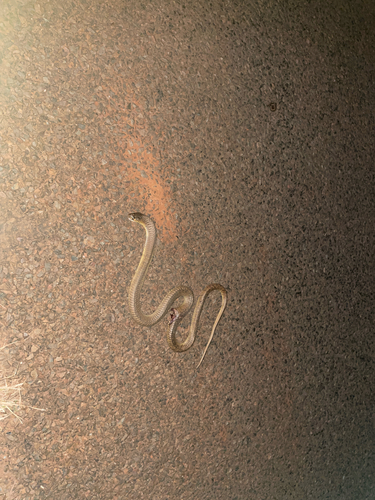 Snouted CobraNaja annuliferaVenomous
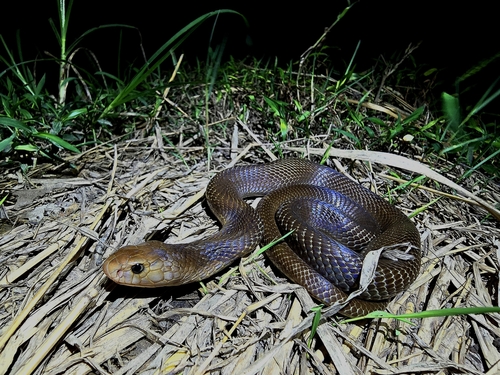 Indonesian CobraNaja sputatrixVenomous
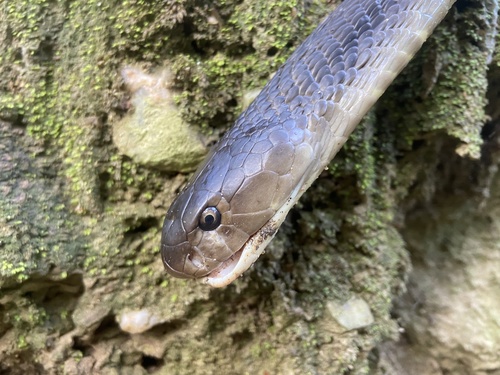 Indochinese Spitting CobraNaja siamensisVenomous
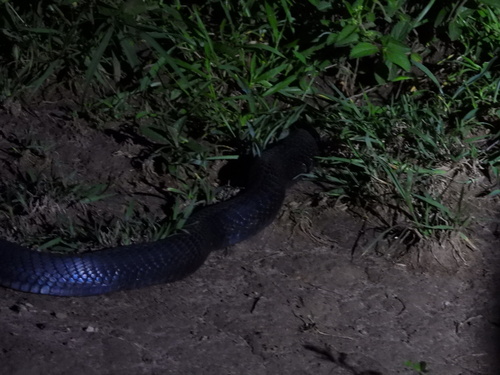 Black-necked Spitting CobraNaja nigricollisVenomous
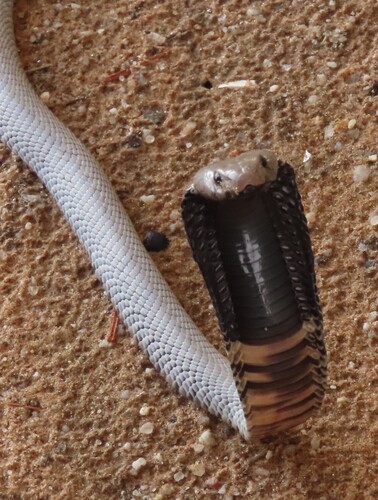 Western Barred Spitting CobraNaja nigricinctaVenomous
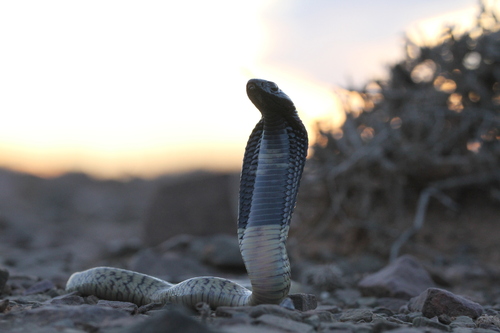 Egyptian CobraNaja hajeVenomous
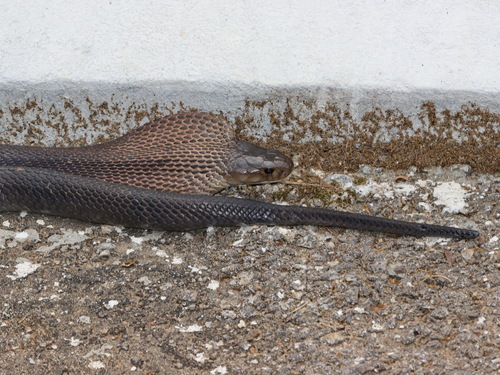 Brown Banded CobraNaja fuxiVenomous
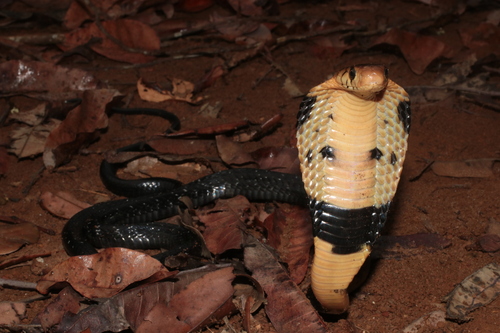 Forest CobraNaja melanoleucaVenomous
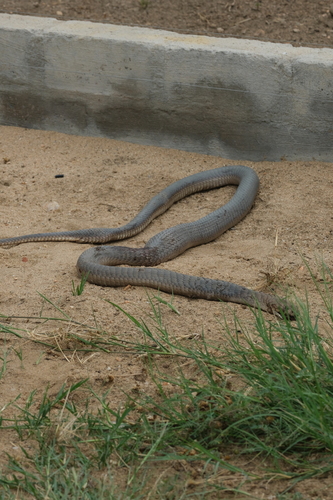 Anchieta's CobraNaja anchietaeVenomous
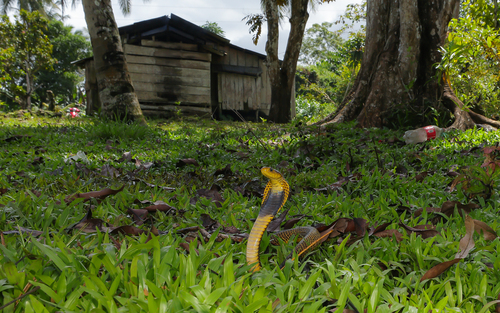 Samar CobraNaja samarensisVenomous
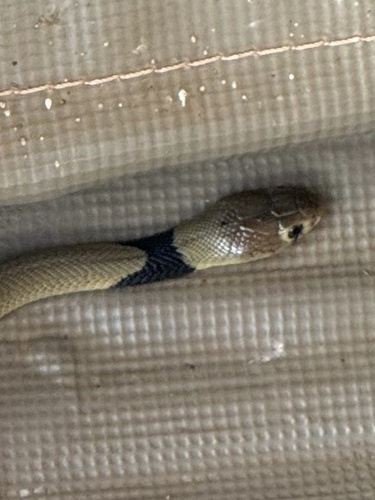 Red Spitting CobraNaja pallidaVenomous
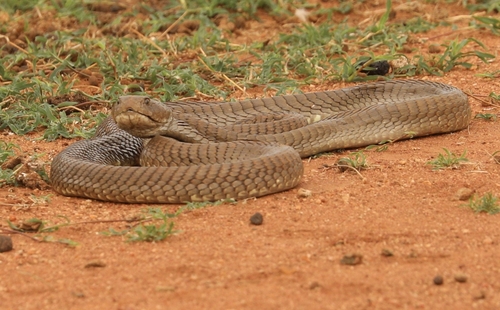 Ashe's Spitting CobraNaja asheiVenomous
 West African Banded CobraNaja savannulaVenomous
 Central Asian CobraNaja oxianaVenomous
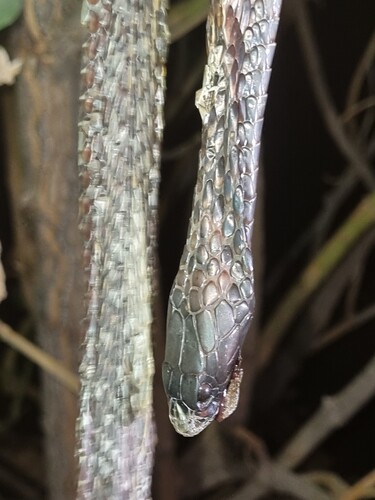 Arabian CobraNaja arabicaVenomous
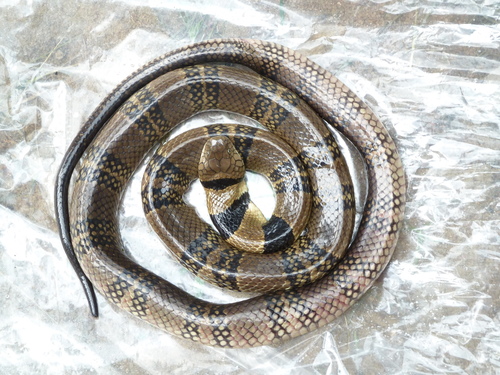 Ringed Water CobraNaja annulataVenomous
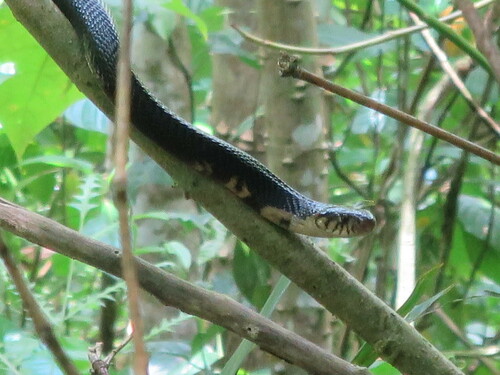 São Tomé CobraNaja peroescobariVenomous
 Philippine Common CobraNaja philippinensisVenomous
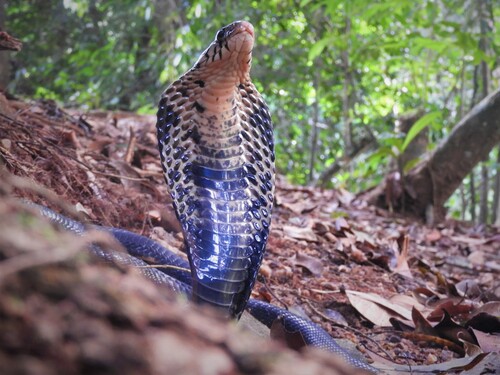 Black Forest CobraNaja guineensisVenomous
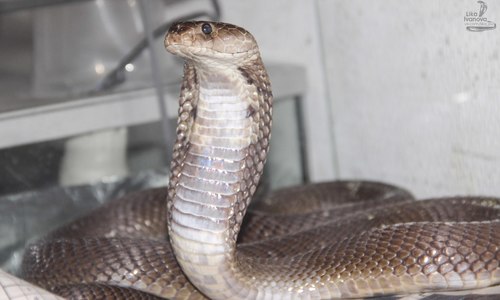 Nubian Spitting CobraNaja nubiaeVenomous
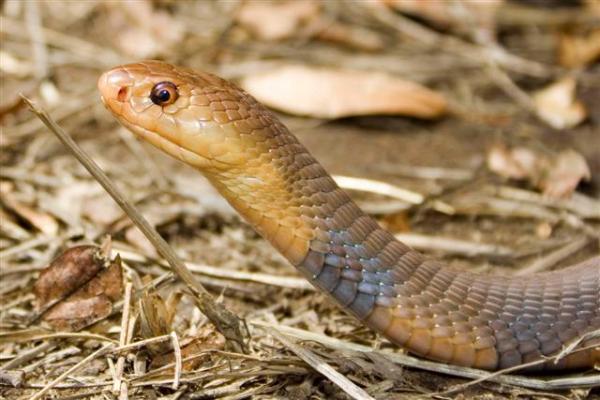 Katian Spitting CobraNaja katiensisVenomous
 Andaman CobraNaja sagittiferaVenomous
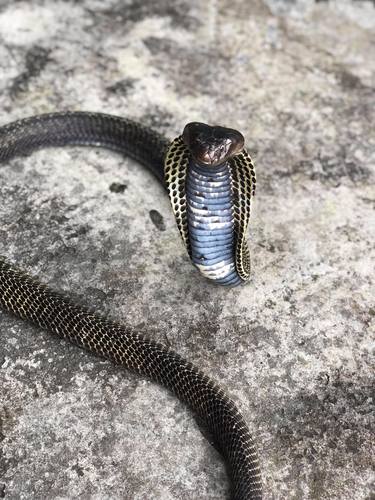 Burmese Spitting CobraNaja mandalayensisVenomous
Keep learning
- Venomous vs Nonvenomous: How to Tell the DifferenceThe folk rules for telling venomous snakes apart, where each one fails, and why location-based identification beats guessing by sight.
- Are Snakes Dangerous? The Real Risk, in PerspectiveMost snakes are harmless and avoid people. Here is the honest picture of snakebite risk worldwide and how to lower your own.
- Snake Venom Explained: How It Works and WhyWhat snake venom actually is, why it evolved, the main venom types, fang delivery, how antivenom works, and why ranking the most venomous snake is hard.
- How Snakes Move, Hunt, and EatHow snakes move without legs, hunt as ambushers or active foragers, kill by constriction or venom, and swallow prey wider than their head.