
Pseudoxyrhophiidae
Blonde Hognose Snake
HarmlessLeioheterodon modestus
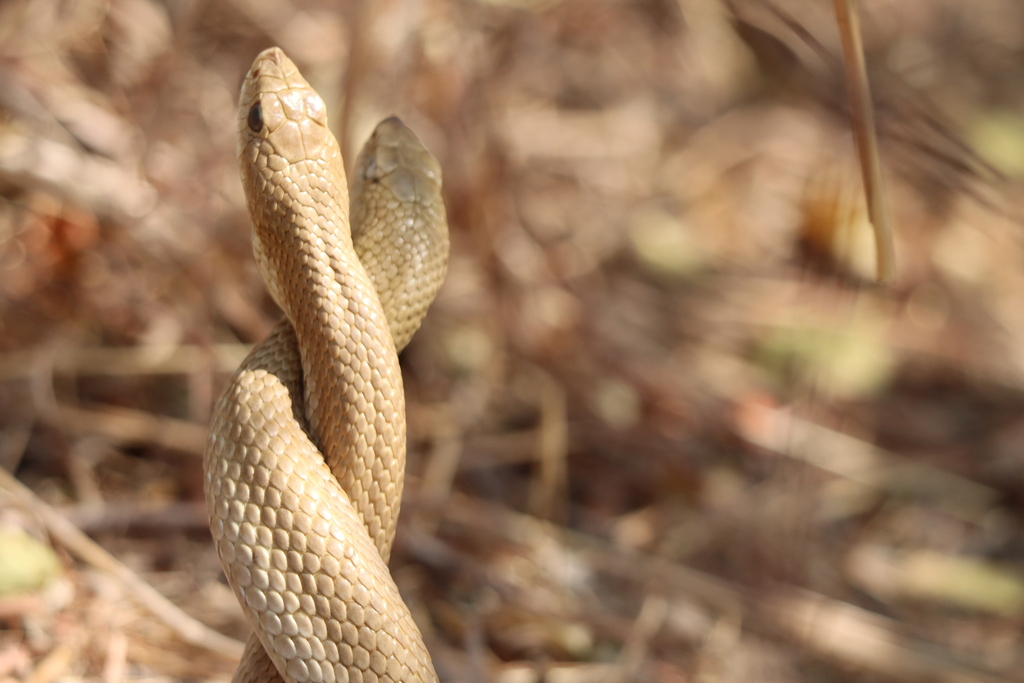
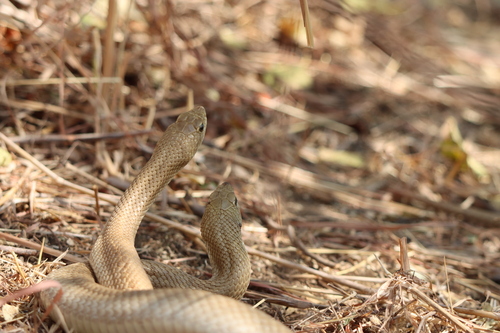
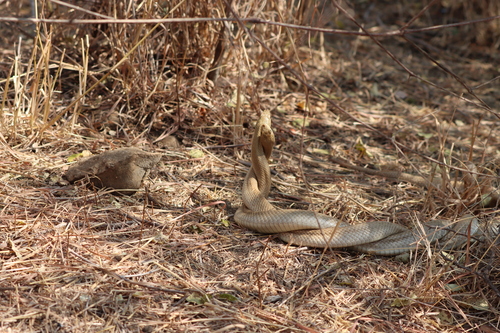
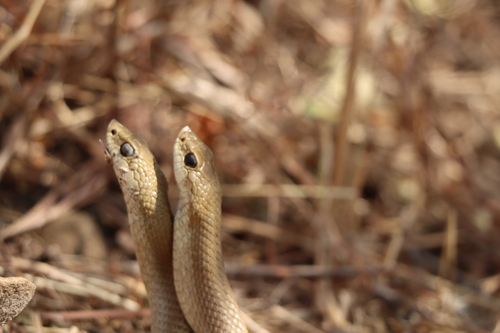
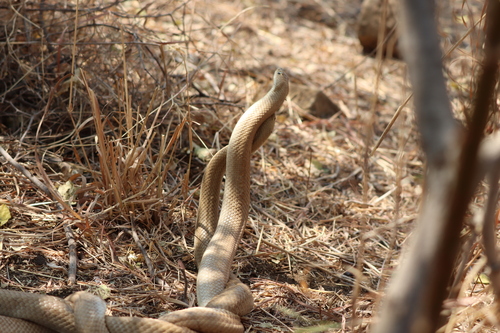
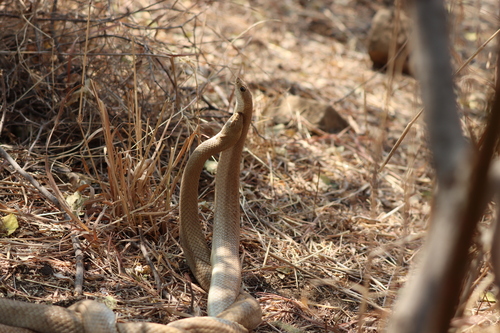
6 photographs of the Blonde Hognose Snake. © amantedarmanin.
The Blonde Hognose Snake (Leioheterodon modestus) is a non-venomous snake in the Pseudoxyrhophiidae family, recorded in 1 country.
- Family
- Pseudoxyrhophiidae
About the Blonde Hognose Snake
Leioheterodon modestus, also known as the blonde hognose snake or the Madagascan golden hognose, is a species of rear-fanged (opisthoglyphous) snake in the family Pseudoxyrhophiidae (previously considered a subfamily of Colubridae). Leioheterodon are the largest hognose snakes in the world, and L. modestus is endemic to Madagascar. Regarding conservation and population, it is considered a species of least concern.
Distribution and habitat
These snakes are a semi-fossorial diurnal species that can be found in forests, on the edges of forests, human-altered areas and disrupted habitats. While some populations have been described as being restricted to thick forests and forest fragments, other literature on Leioheterodon modestus shows a generally patchy distribution within central, western and southern Madagascar. They can be found during both rainy and dry season in forests, as well as on forest edges, in open areas and in anthropogenic (human-altered) environments.
They are endemic to Madagascar. Multiple accounts describe this species being found in elevations between 40–300 m (130–980 ft). However, one account describes two individuals 200 km east of their known range, as well as at an elevation of 1,280 m (4,200 ft) and 1,460 m (4,790 ft), respectively, extending the range of the species. They have been documented using rock caverns and limestone massifs, and also on multiple occasions occupying ant hills. This species is not well distributed throughout Madagascar and there is a lot of habitat fragmentation within their range. Due to this, they only reliably occur in few localities.
Biology
Diet
Leioheterodon modestus primarily eats amphibians as well as other reptiles, notably the rainbow frog (Scaphiophryne gottlebei). Though there is not a lot of information known about their diet in the wild, captive individuals are known to have a more varied diet than North American hognoses (Heterodon spp.), which are more restricted to amphibians. In captivity, L. modestus are known to eat toads, frogs, lizards, small mammals, and even the eggs of other reptiles.
Reproduction
These snakes are oviparous (egg-laying).
Morphology
Leioheterodon modestus is a smooth-scaled snake with a slightly pointed, projecting snout. Their eyes are large with round pupils. Hatchlings average between 6–12 in (15–30 cm), and adults average around 3–5 ft (91–152 cm) in length. They are named after the Latin word modestus, meaning "modest", for their plain, pale yellow-brown coloration. The mineralized skeleton of this species of snake contains apatite. The three species within the genus Leioheterodon are morphologically similar, and Leioheterodon spp. have been known to do elaborate defensive displays when threatened by predators; a common behavior in many hognose species. These defensive displays include hissing, flattening of the neck, feign striking and death feigning. Adults display sexual dimorphism between males and females, however this is very subtle with males just being slightly larger. This is because adult males perform male-male combat, where two males try to pin each other down in a ritualistic behavior for dominance of an area or for mating rights with a female.
Dentition
Adapted from Wikipedia, available under CC BY-SA.
Frequently asked: Blonde Hognose Snake
- Is the Blonde Hognose Snake venomous?
- No. The Blonde Hognose Snake (Leioheterodon modestus) is non-venomous and is not considered dangerous to humans. Like most snakes, it will retreat rather than bite when given the chance.
- Is the Blonde Hognose Snake poisonous?
- Snakes are venomous, not poisonous. "Poisonous" means harmful to eat or touch; "venomous" means injecting toxins through a bite. The Blonde Hognose Snake is neither poisonous nor venomous.
- Is the Blonde Hognose Snake dangerous?
- The Blonde Hognose Snake is not dangerous to humans. It has no medically significant venom and bites only defensively if cornered or handled.
- Where does the Blonde Hognose Snake live?
- The Blonde Hognose Snake has verified records in 1 country, including Madagascar. See the distribution section below for its full range.
- What does the Blonde Hognose Snake eat?
- Leioheterodon modestus primarily eats amphibians as well as other reptiles, notably the rainbow frog (Scaphiophryne gottlebei). Though there is not a lot of information known about their diet in the wild, captive individuals are known to have a more varied diet than North American hognoses (Heterodon spp.), which are more restricted to amphibians. In captivity, L. modestus are known to eat toads, frogs, lizards, small mammals, and even the eggs of other reptiles.
Where it is found
More Pseudoxyrhophiidae snakes
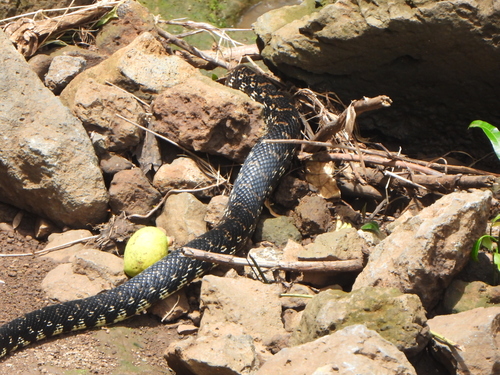 Giant Madagascan Hognose SnakeLeioheterodon madagascariensis
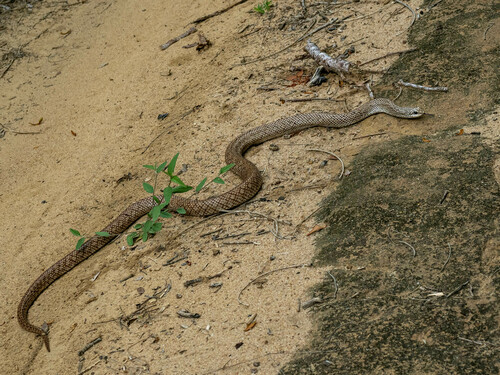 Reticulated Hognose SnakeLeioheterodon geayi
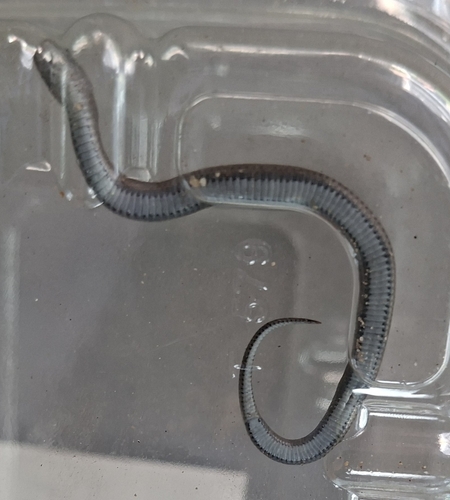 Common Slug-eaterDuberria lutrix
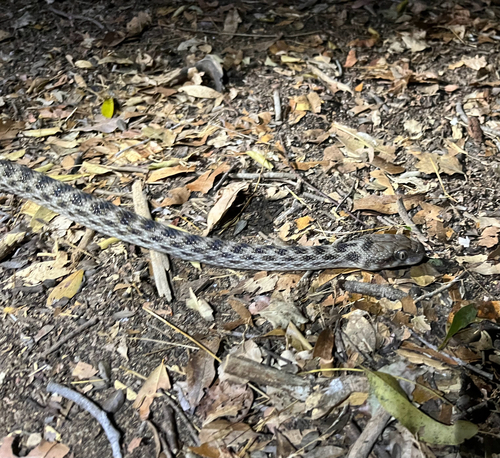 Common Madagascar Cat SnakeMadagascarophis colubrinus
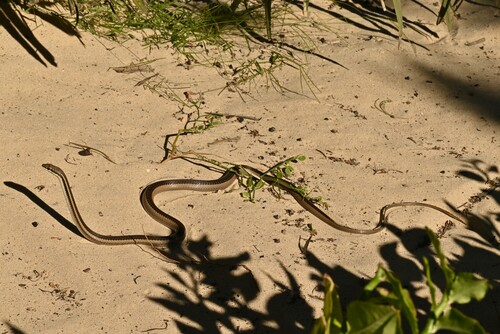 Bernier's Striped SnakeDromicodryas bernieri
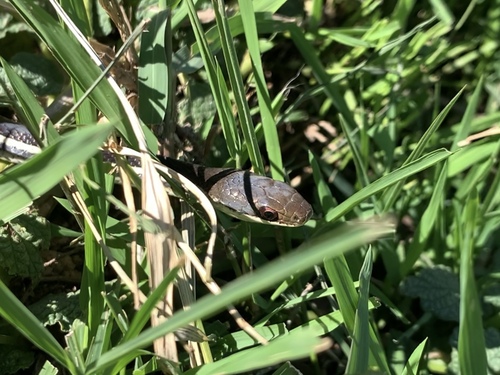 Lateral Water SnakeThamnosophis lateralis
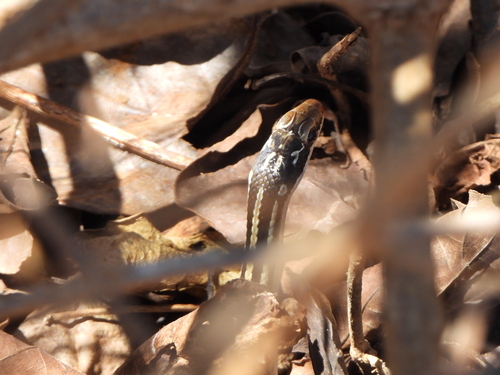 Four-striped SnakeDromicodryas quadrilineatus
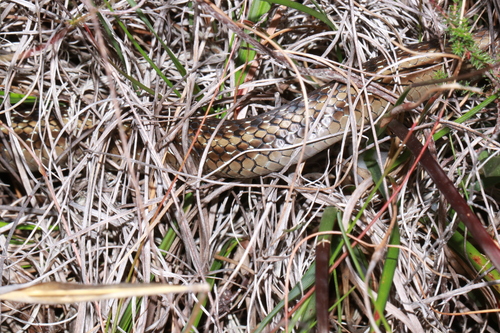 Cape Reed SnakeAmplorhinus multimaculatus
Classification
How scientists group this snake, from the broadest category down to the exact species. Each step narrows to its closest relatives.
- OrderThe broad group of scaled reptiles: all snakes and lizards
- Squamata
- FamilyA group of related snakes that share key traits
- Pseudoxyrhophiidae
- GenusA close-knit group of very similar species
- Leioheterodon
- SpeciesThis exact snake, named in the two-part scientific name
- Leioheterodon modestus
Keep learning
- What to Do If You Find a SnakeFound a snake at home or on a trail? Here is how to stay calm, give it space, identify it safely, and know when to call a professional.
- Venomous vs Nonvenomous: How to Tell the DifferenceThe folk rules for telling venomous snakes apart, where each one fails, and why location-based identification beats guessing by sight.
- What Is a Snake? Anatomy and the BasicsA clear overview of what makes a snake a snake: limbless body plan, anatomy, evolution from lizards, species diversity, and why they are ectothermic.
- How to Keep Snakes Out of Your Yard and HomeA practical guide to keeping snakes out of your yard and home using habitat changes that work, plus what to skip and what to do if one shows up.
Distribution from GBIF & iNaturalist. Venom status per CDC. Background: Wikipedia. Informational only. Never handle a snake to identify it.