
Pseudoxyrhophiidae
Giant Madagascan Hognose Snake
HarmlessLeioheterodon madagascariensis
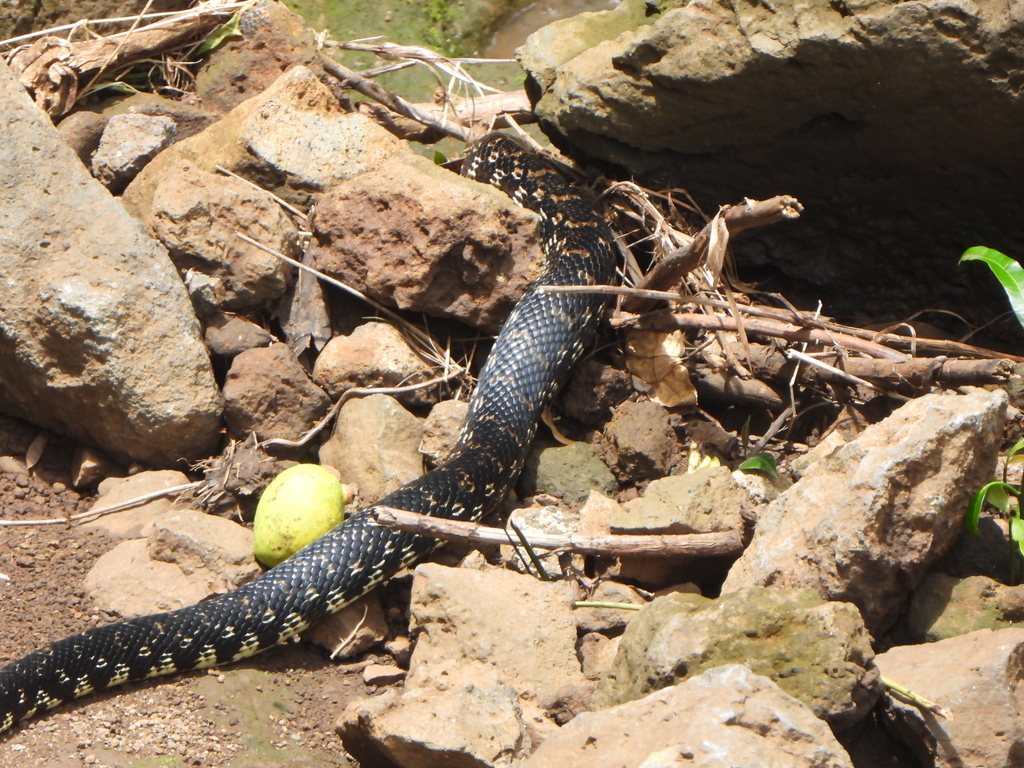
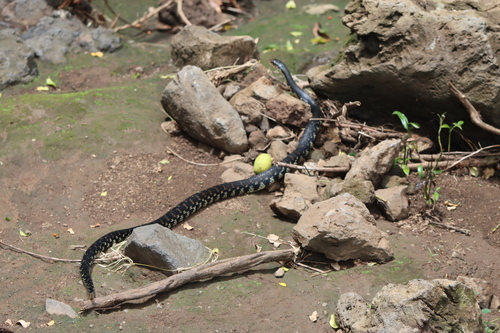
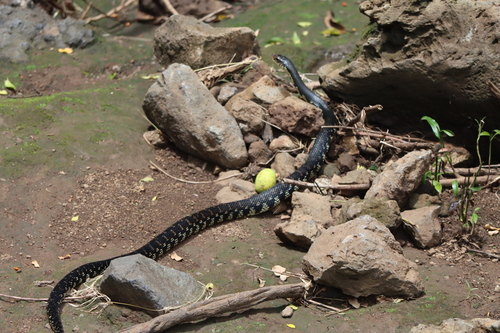
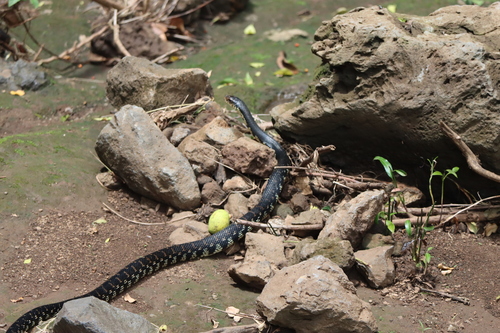
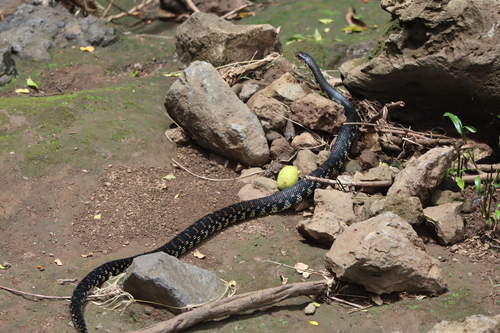
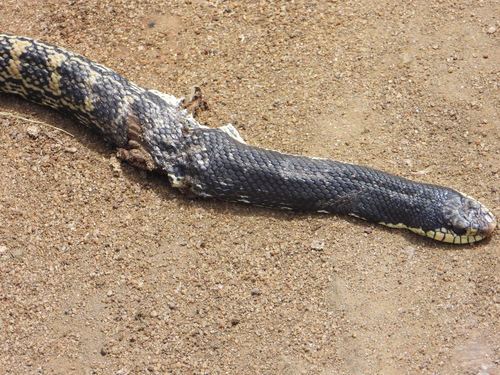
6 photographs of the Giant Madagascan Hognose Snake. © amantedarmanin.
The Giant Madagascan Hognose Snake (Leioheterodon madagascariensis) is a non-venomous snake in the Pseudoxyrhophiidae family, recorded in 2 countries.
- Family
- Pseudoxyrhophiidae
About the Giant Madagascan Hognose Snake
Leioheterodon madagascariensis, the Malagasy, Madagascar or Madagascan giant hognose (snake), is a harmless species of pseudoxyrhophiid snake endemic to the island nation of Madagascar. The species is also found on the country's smaller islands of Nosy Be, Nosy Mangabe, and Nosy Sakatia, as well as on the Comoros archipelago, in the Mozambique Channel. It is thought, by some, to have been introduced to the Grande Comoro. Mature giant hognose snakes can measure between 130 and 180 cm (4 ft. to nearly 6 ft., or between 1-2 meters) in length, and be roughly the thickness of an average adult human's arm.
Similarly to the Heterodon or Lystrophis genera of new-world hognoses, the Madagascar giant hognose, when threatened, will raise its head, open its mouth and inflate the skin around its neck and chin, superficially mimicking a cobra (or even a bearded dragon) in defensive posture, in an attempt to look larger and more intimidating. This snake is considered to be opisthoglyphous ("rear-fanged" or "rear-fanged venomous"), as it possess a pair of pin-like, widely spaced teeth at the back of the mouth, connected to the maxilla.
Through a funnel-like formation in each tooth, hognose snakes can inject a paralyzing saliva to subdue their prey. Studies have shown that the giant hognose does not use this "envenomation" technique to outright kill their prey, instead relying mainly on constriction. Thus the placement of these teeth at the rear of the mouth (combined with their ability to deliver a paralyzing/toxic salival fluid) aids the snake in controlling "squirmy" prey, as the animal will potentially take longer to expire by constriction, compared to a single, deadly bite from a highly-venomous snake species.
For these reasons, the physical presence of the Duvernoy's gland is unclear in this species. The toxic saliva, while effective at controlling wriggling small animals, only irritates human skin and is not deadly. Furthermore, most hognoses are not prone to bite large mammals—including humans—as their teeth are placed far in the back of the mouth, requiring the snake to exert somewhat greater effort during a bite than other, "frontal-fanged" snakes (elapids, vipers, colubrids). Typical prey consists of various small reptiles, frogs, toads, birds, and their nestlings and eggs. Other smaller snakes may be eaten occasionally, as well as small mammals, such as rodents, tenrecs or mouse lemurs and their offspring.
The primary predators of the Madagascar giant hognose snake are birds of prey and other avian species with a taste for snakes. Additionally, some mongooses and even the fossa, Madagascar's largest mammalian carnivore, may consume snakes; though the fossa is rather opportunistic in its diet, its specialty is hunting lemurs. Above all, the people of Madagascar, being highly superstitious and wary of evil spirits, still remain the giant hognose snake's biggest threat. Many Madagascar giant hognose snakes are killed on-sight, either being beheaded or otherwise dismembered; they are nearly universally-disliked on the island, despite being of no threat to human life or limb.
Adapted from Wikipedia, available under CC BY-SA.
Frequently asked: Giant Madagascan Hognose Snake
- Is the Giant Madagascan Hognose Snake venomous?
- No. The Giant Madagascan Hognose Snake (Leioheterodon madagascariensis) is non-venomous and is not considered dangerous to humans. Like most snakes, it will retreat rather than bite when given the chance.
- Is the Giant Madagascan Hognose Snake poisonous?
- Snakes are venomous, not poisonous. "Poisonous" means harmful to eat or touch; "venomous" means injecting toxins through a bite. The Giant Madagascan Hognose Snake is neither poisonous nor venomous.
- Is the Giant Madagascan Hognose Snake dangerous?
- The Giant Madagascan Hognose Snake is not dangerous to humans. It has no medically significant venom and bites only defensively if cornered or handled.
- Where does the Giant Madagascan Hognose Snake live?
- The Giant Madagascan Hognose Snake has verified records in 2 countries, including Madagascar, Comoros. See the distribution section below for its full range.
Where it is found
More Pseudoxyrhophiidae snakes
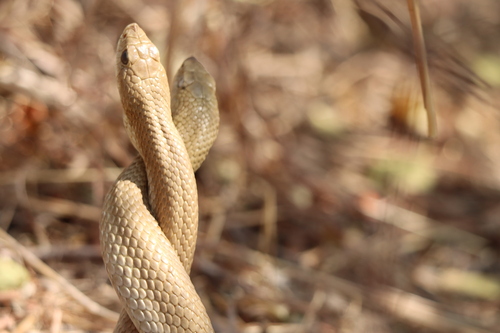 Blonde Hognose SnakeLeioheterodon modestus
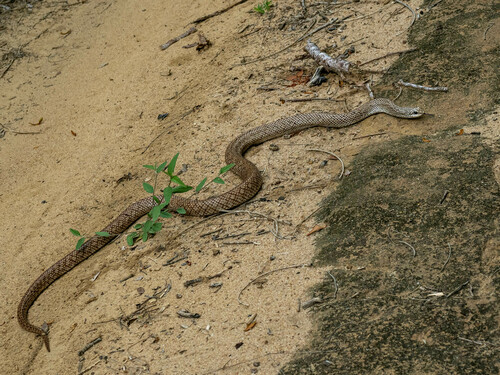 Reticulated Hognose SnakeLeioheterodon geayi
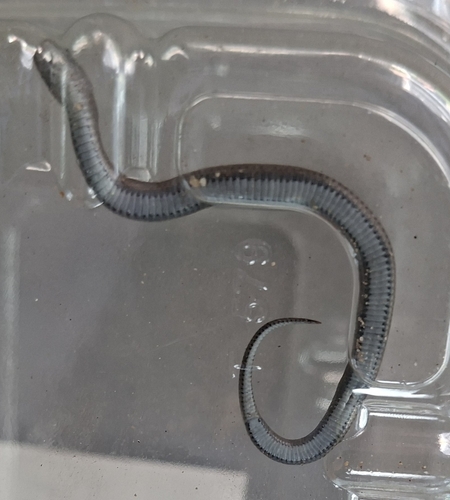 Common Slug-eaterDuberria lutrix
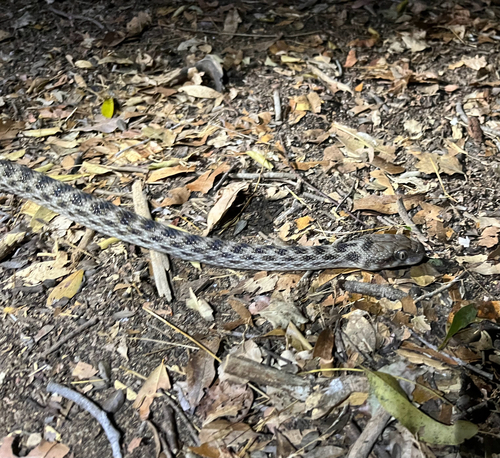 Common Madagascar Cat SnakeMadagascarophis colubrinus
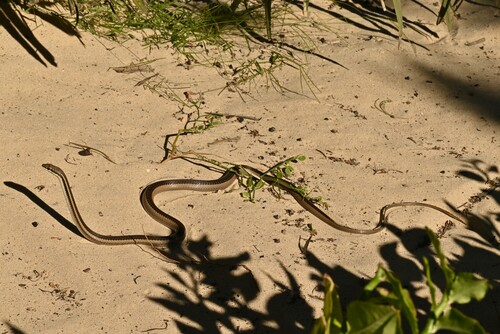 Bernier's Striped SnakeDromicodryas bernieri
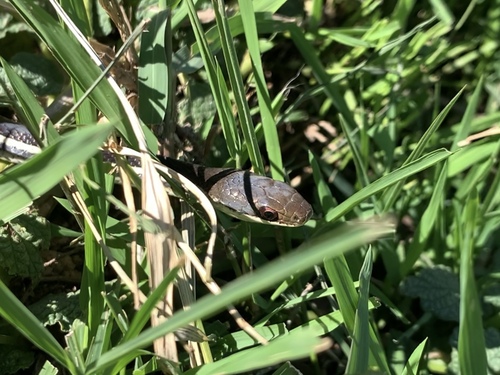 Lateral Water SnakeThamnosophis lateralis
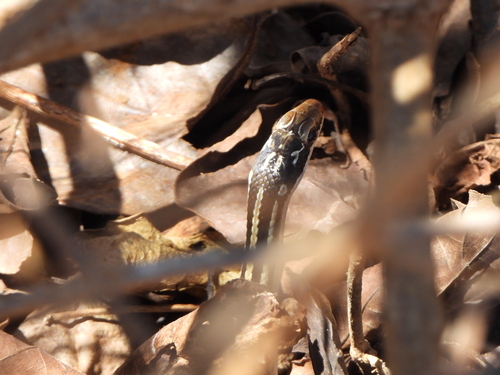 Four-striped SnakeDromicodryas quadrilineatus
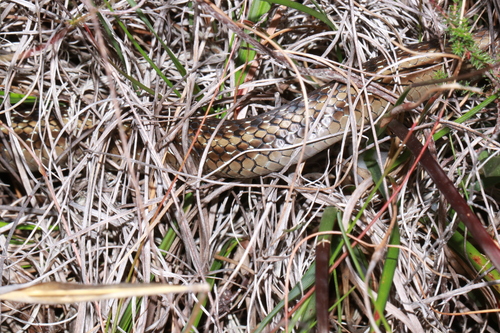 Cape Reed SnakeAmplorhinus multimaculatus
Classification
How scientists group this snake, from the broadest category down to the exact species. Each step narrows to its closest relatives.
- OrderThe broad group of scaled reptiles: all snakes and lizards
- Squamata
- FamilyA group of related snakes that share key traits
- Pseudoxyrhophiidae
- GenusA close-knit group of very similar species
- Leioheterodon
- SpeciesThis exact snake, named in the two-part scientific name
- Leioheterodon madagascariensis
Keep learning
- What to Do If You Find a SnakeFound a snake at home or on a trail? Here is how to stay calm, give it space, identify it safely, and know when to call a professional.
- Venomous vs Nonvenomous: How to Tell the DifferenceThe folk rules for telling venomous snakes apart, where each one fails, and why location-based identification beats guessing by sight.
- What Is a Snake? Anatomy and the BasicsA clear overview of what makes a snake a snake: limbless body plan, anatomy, evolution from lizards, species diversity, and why they are ectothermic.
- How to Keep Snakes Out of Your Yard and HomeA practical guide to keeping snakes out of your yard and home using habitat changes that work, plus what to skip and what to do if one shows up.
Distribution from GBIF & iNaturalist. Venom status per CDC. Background: Wikipedia. Informational only. Never handle a snake to identify it.