
Israel
Snakes in Israel
50+ snake species have been recorded in Israel, 12 venomous.
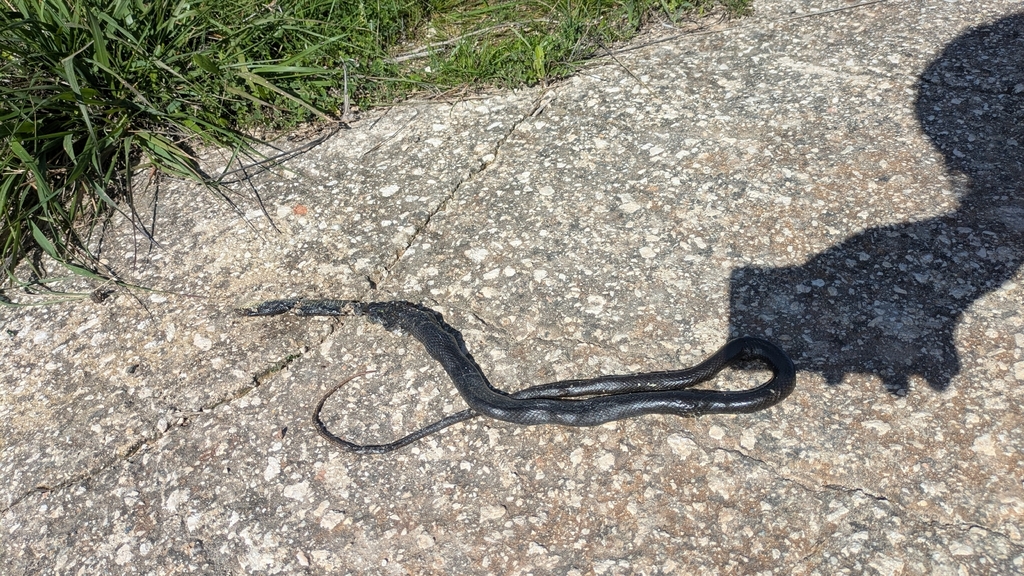
Snakes of Israel
Israel has 50+ snake species recorded in our database, and 13 of them are venomous. The great majority of the country's snakes are non-venomous and pose no medical threat to people. Despite its small size, Israel sits at a biological crossroads where Europe, Asia, and Africa meet, which is why its snake fauna is unusually rich and varied for such a compact area.
The diversity is driven by the country's range of habitats and sharp elevation gradients. Within a short distance you can move from the Mediterranean woodlands and coastal plain of the north, through the central hills and the Jordan Rift Valley, into the arid Negev desert and the hyper-dry Arava and Dead Sea basin in the south. Each of these zones supports its own snake communities. Moist northern habitats favor grass snakes and racers, while the deserts hold specialized sand-adapted and rock-dwelling species. This patchwork of Mediterranean, Saharo-Arabian, and Irano-Turanian conditions packed into one country is the main reason so many species coexist there.
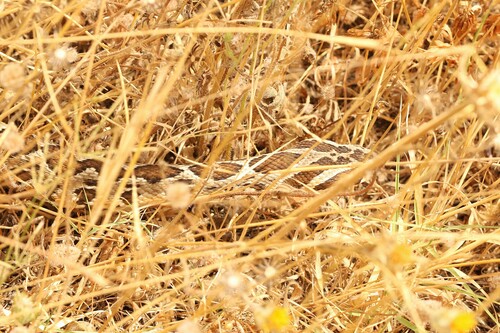
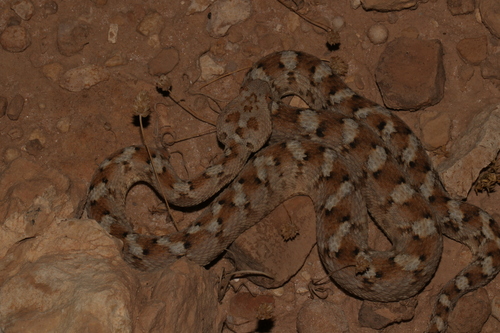
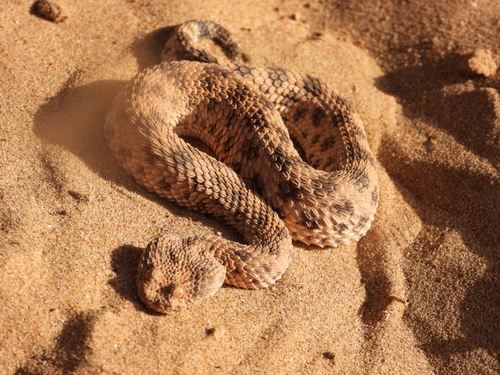
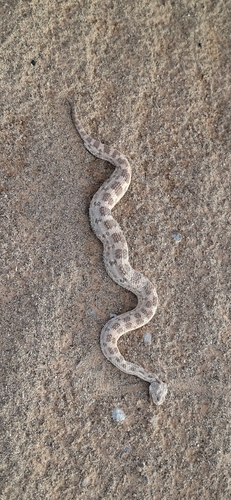
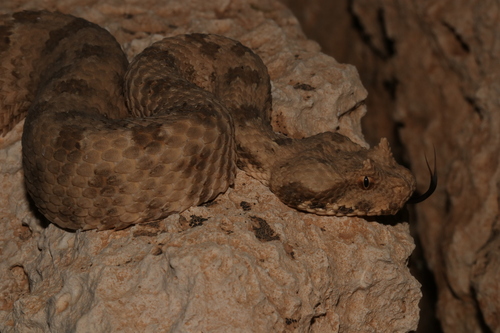
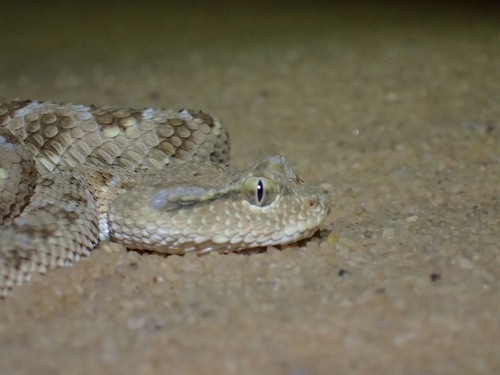
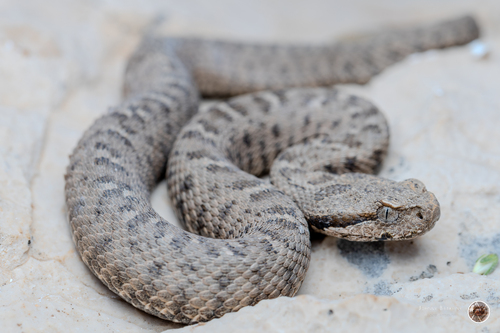
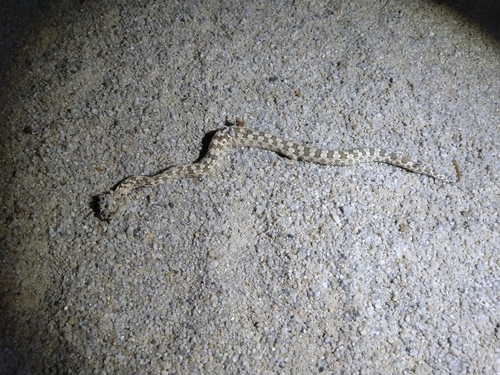
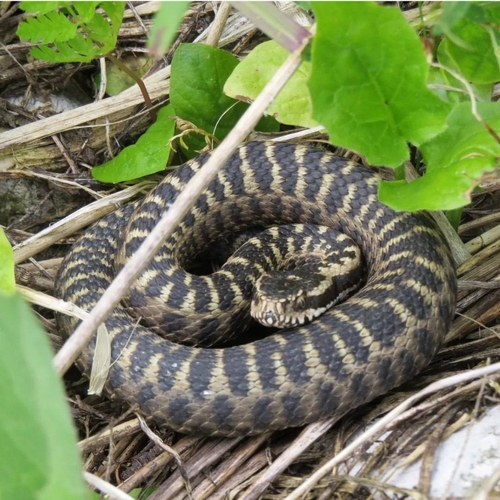
The medically important venomous snakes of Israel belong to two main groups. The vipers are the most significant. The Palestine viper, a true viper of the northern and central regions, is the species responsible for the majority of serious snakebites in the country and is the primary medical concern. Several desert vipers also occur in the south, including saw-scaled vipers and horned and sand vipers of the arid zones, which are dangerous despite their smaller size. The second group is the elapids, represented in the desert south by burrowing species such as the Egyptian cobra and the small black desert cobra. Israel does not have mambas, pit vipers, coral snakes, or rattlesnakes, which are native to other parts of the world.
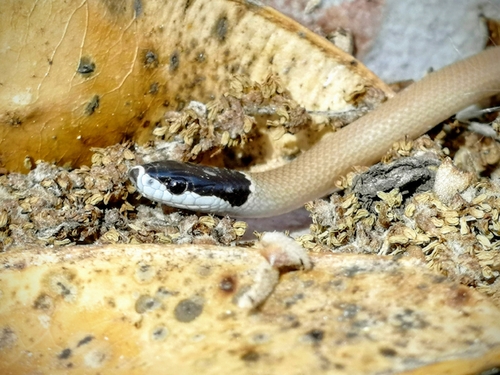
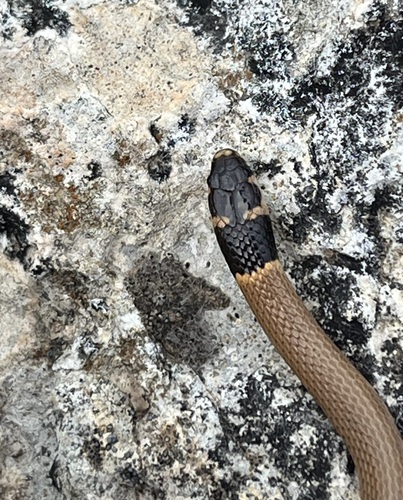
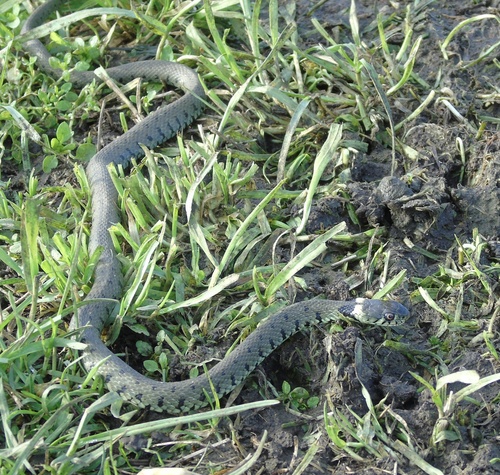
Against those venomous species stands a much larger non-venomous majority. Common and widespread harmless snakes include the large whip snakes and racers, the diadem snake, the dice snake and other water snakes found near streams and ponds, and several small, secretive burrowing snakes. The blunt-headed black whip snake and the various colubrid racers are among the snakes people encounter most often, and none of them is a danger to humans. These animals are a normal and valuable part of the landscape rather than a threat.
Snakes earn their place in these ecosystems by controlling rodents and other small pests. A single snake removes a steady number of mice, rats, and large insects over a season, which protects stored grain, reduces crop damage, and limits the rodent populations that spread disease. Removing snakes from an area tends to let those pest populations climb. In farmland and near homes alike, a resident snake is generally doing useful work.
The honest safety picture is that most snakes in Israel are harmless, and the main medical threat is a viper bite, with the Palestine viper accounting for most serious cases. A venomous bite is a medical emergency. The correct response is to get the person to a hospital quickly, where effective antivenom and supportive care are available. No wild snake should ever be handled, picked up, or cornered, even one that looks harmless, because misidentification is easy and provoking any snake raises the risk of a bite. If a bite occurs, do not attempt home remedies or improvised treatment. In the United States call Poison Control at 1-800-222-1222, and anywhere else contact local emergency services right away.
Snakes in Israel: FAQ
- Are there venomous snakes in Israel?
- Yes. 12 venomous snake species have verified records in Israel, including Palestine Viper, Palestine Saw-scaled Viper, Sahara Sand Viper, Desert Horned Viper. Most snakes in Israel, however, are harmless.
- How many snake species live in Israel?
- 50+ snake species have verified records in Israel, of which 12 are venomous.
- What is the most commonly seen snake in Israel?
- The Large Whip Snake is the most frequently reported snake in Israel, based on verified wildlife observations.
- What should I do if I see a venomous snake in Israel?
- Keep your distance and do not try to catch or kill it. Most bites happen when people handle or corner a snake. If someone is bitten, contact local emergency services or poison control immediately.
Venomous snakes in Israel
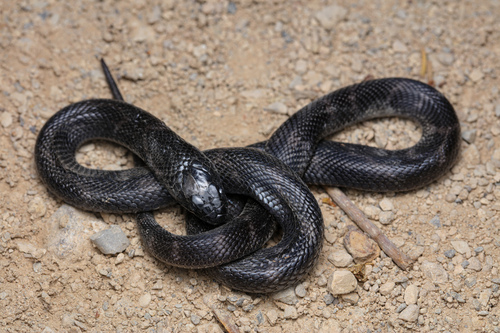


Every snake recorded in Israel
50+ species across 8 families, grouped by family. Venomous flagged.
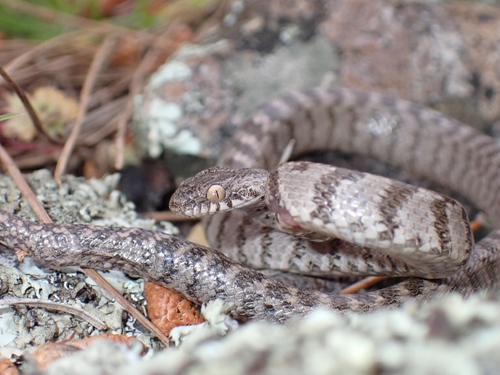
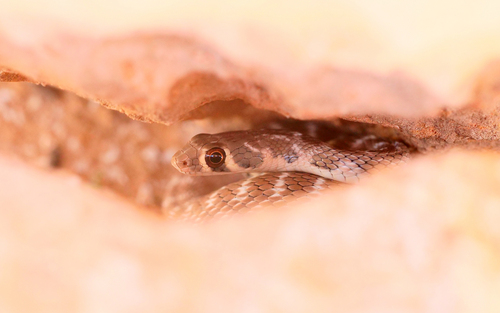
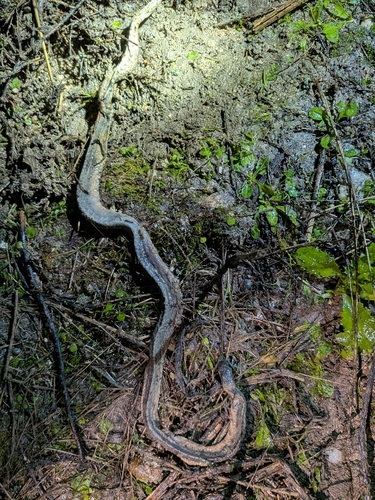
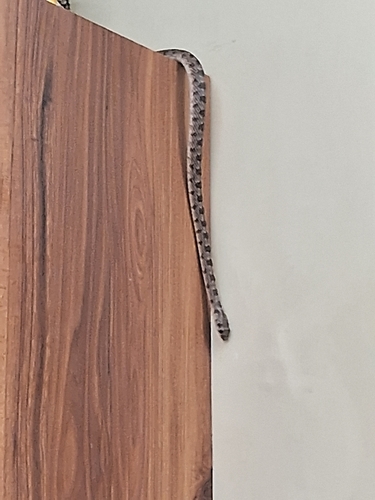
Colubridae (31)
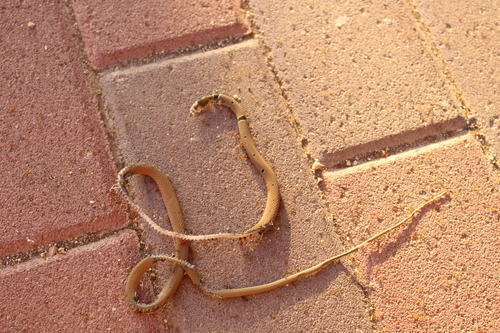
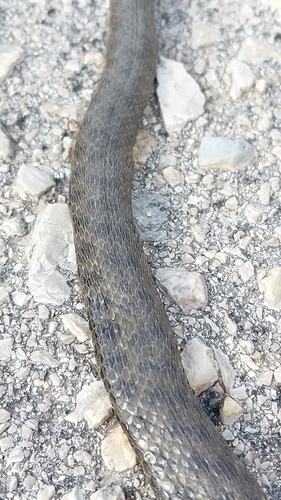
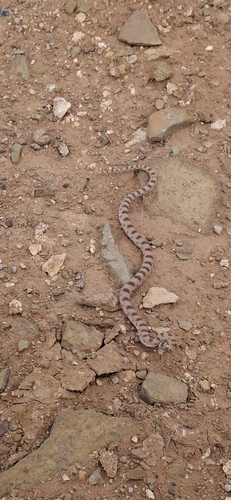

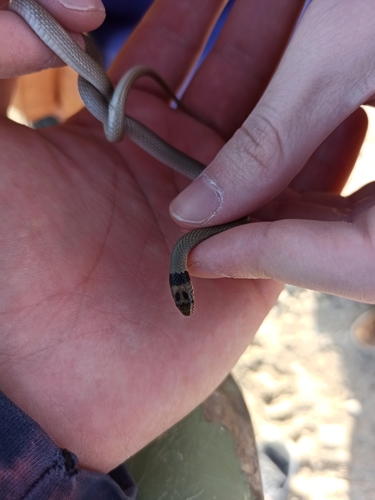
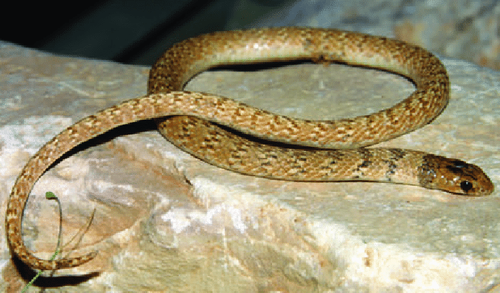
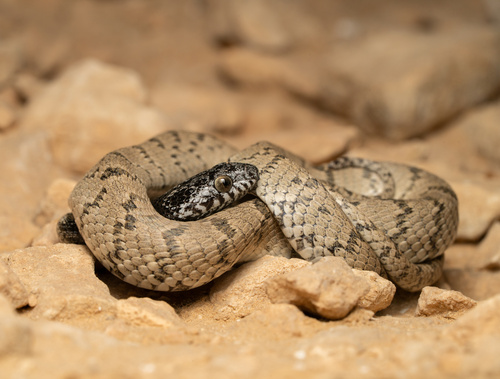
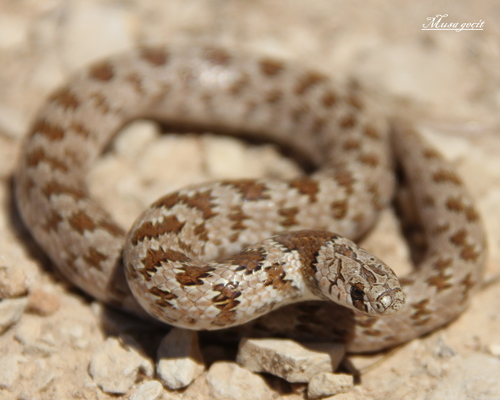
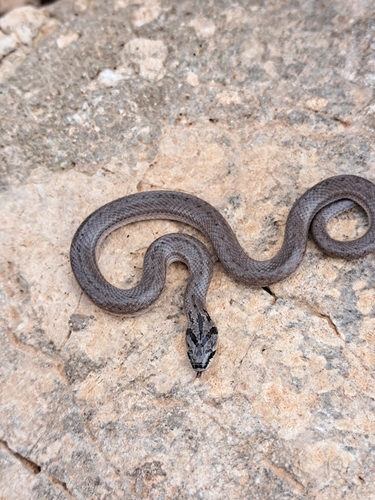
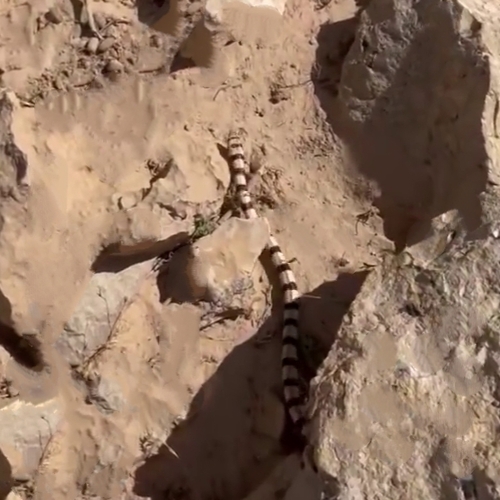

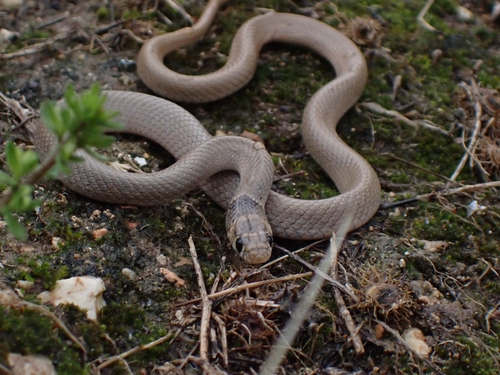
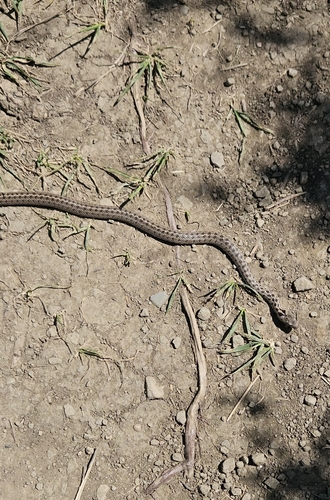
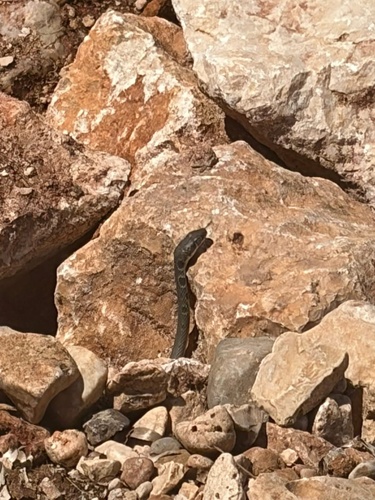
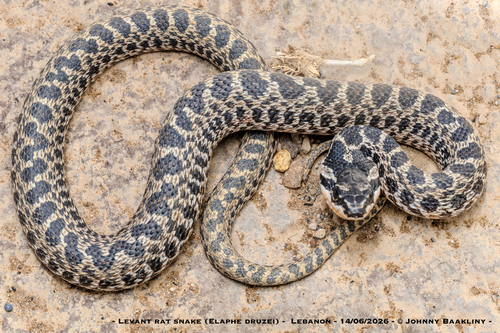
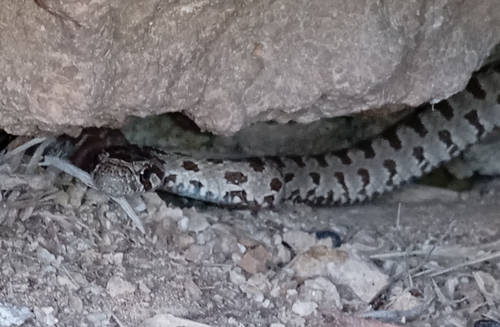
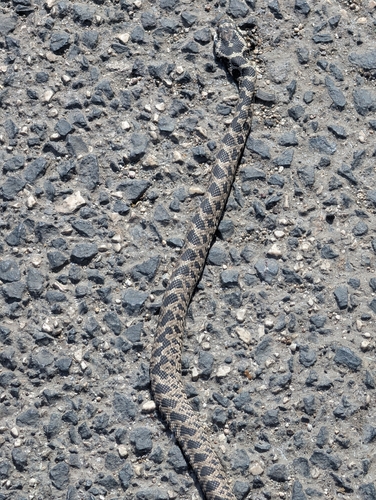
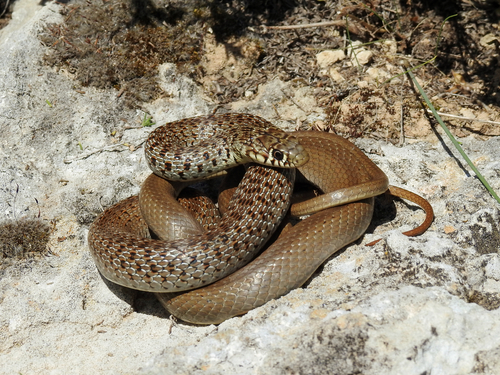
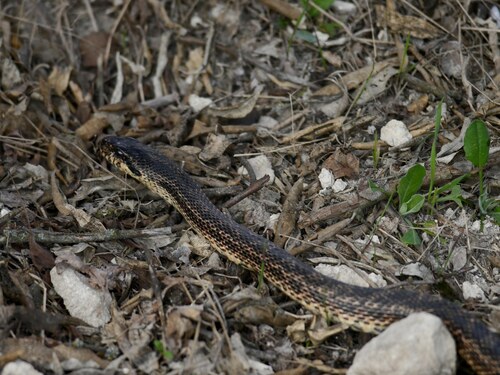
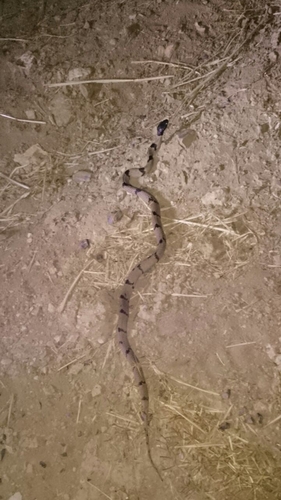
Viperidae (9)
Psammophiidae (6)
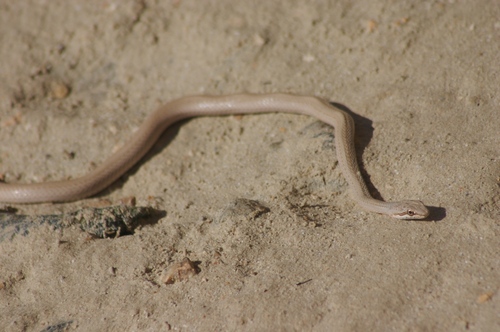
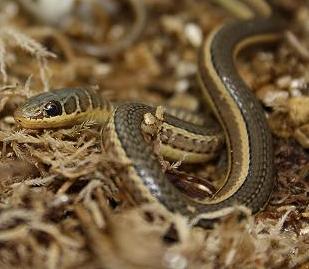
Typhlopidae (3)
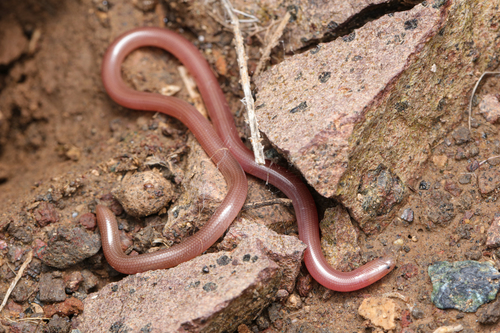
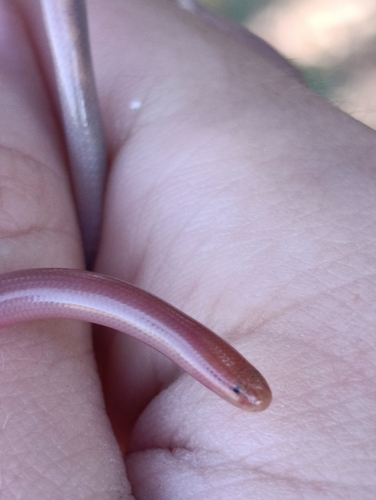
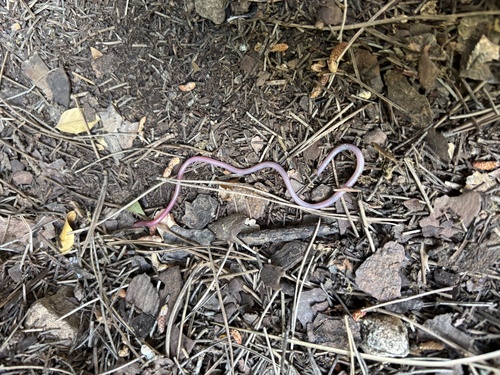
Leptotyphlopidae (3)
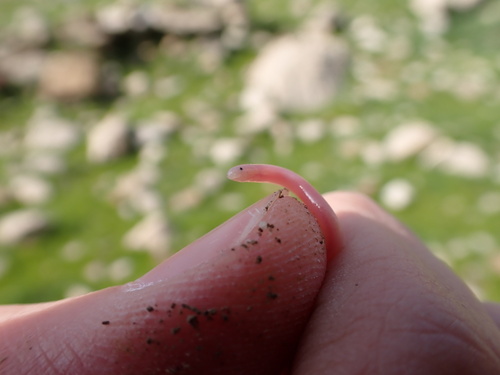
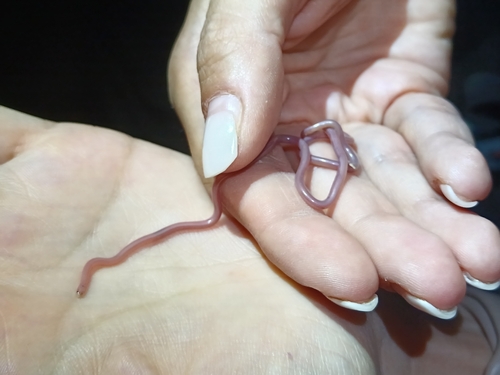
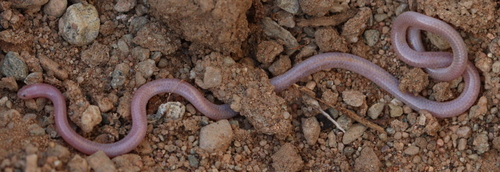
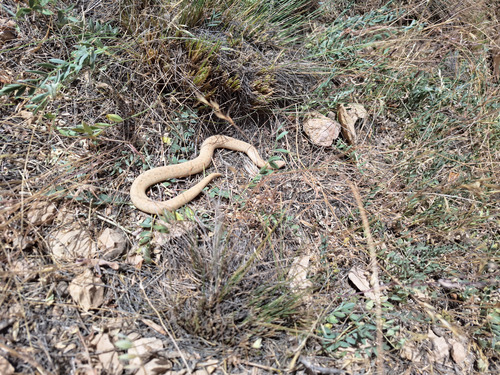
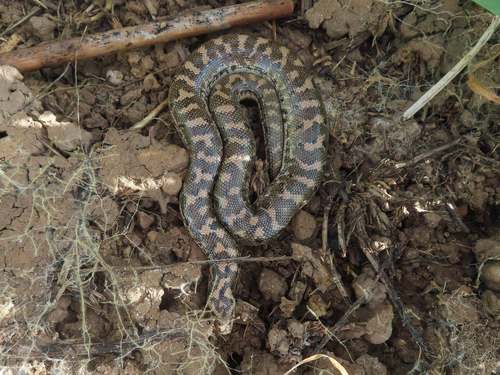
Atractaspididae (2)
Compiled from verified GBIF & iNaturalist observations. "How often seen" reflects how frequently a snake is reported here, not how dangerous it is. Informational only.
Keep learning
- Are Snakes Dangerous? The Real Risk, in PerspectiveMost snakes are harmless and avoid people. Here is the honest picture of snakebite risk worldwide and how to lower your own.
- Snakebite First Aid: What to Do (and What Never to Do)A clear, CDC-based guide to snakebite first aid: the steps that help, the popular myths that hurt, and how to tell a serious bite from a minor one.
- Venomous vs Nonvenomous: How to Tell the DifferenceThe folk rules for telling venomous snakes apart, where each one fails, and why location-based identification beats guessing by sight.
- What to Do If You Find a SnakeFound a snake at home or on a trail? Here is how to stay calm, give it space, identify it safely, and know when to call a professional.