
Spain
Snakes in Spain
20+ snake species have been recorded in Spain, 4 venomous.
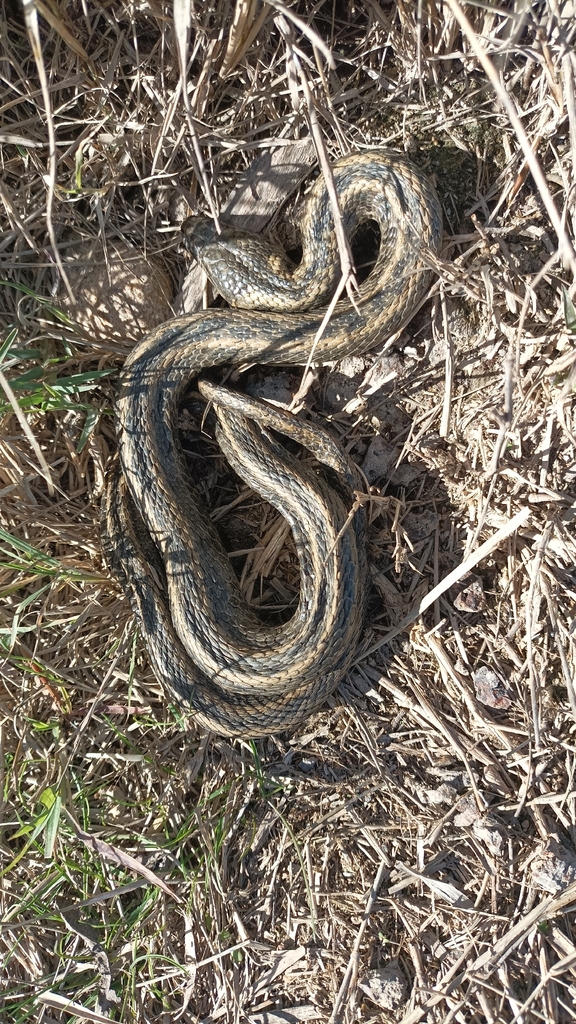
Snakes of Spain
Spain has 20+ snake species recorded in our database, 5 of them venomous. The great majority of the country's snakes are non-venomous, and most people who live or travel in Spain will go their whole lives without a dangerous encounter. The snake fauna is shaped by the Iberian Peninsula's position at the meeting point of Europe and Africa, which gives it a mix of temperate and Mediterranean species found nowhere else in the same combination.
Geography drives that diversity. Spain ranges from the wet, cool Atlantic north and the high Pyrenees to the dry Mediterranean coast, the central plateau, and the near-desert zones of the southeast. Snakes occupy nearly all of it: scrubland and rocky hillsides, oak and pine woodland, river valleys and wetlands, farmland margins, dunes, and stone walls in rural villages. Warm, sunny, broken terrain with cover and prey suits snakes especially well, which is why the southern and eastern regions hold the richest variety.
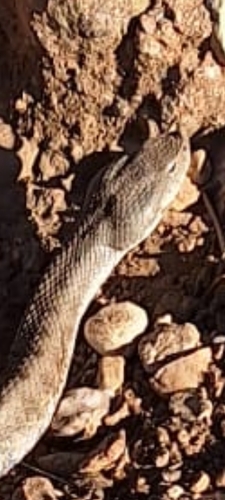
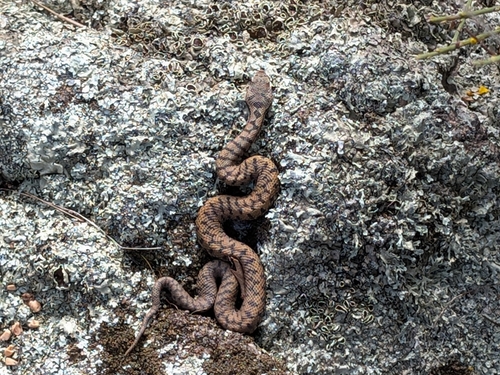
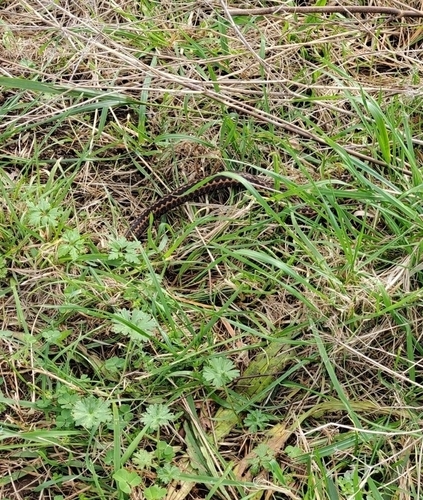
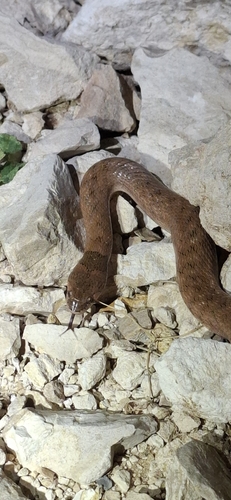
The medically important venomous snakes in Spain are vipers. Spain has no native cobras, mambas, rattlesnakes, coral snakes, or sea snakes. The true vipers of the genus Vipera are the group that matters for human safety, including the Lataste's viper of dry Mediterranean country and the asp viper and Seoane's viper in the cooler north and mountains. These are the snakes capable of a serious bite. Spain also has rear-fanged colubrids such as the Montpellier snake and the false smooth snake, whose mild venom is delivered at the back of the mouth and is not considered a significant danger to people under normal circumstances.
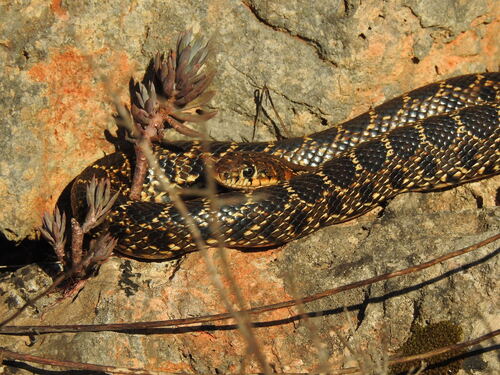
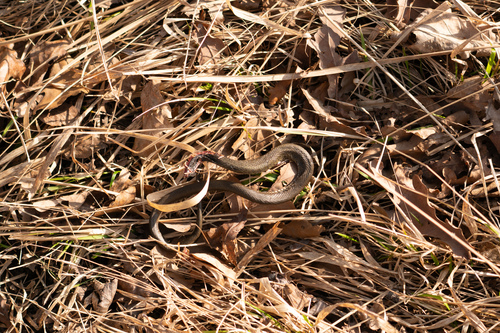
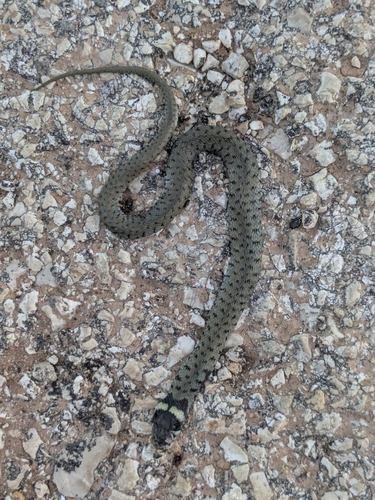
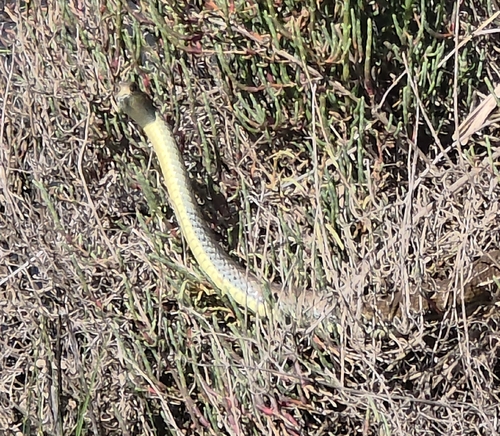
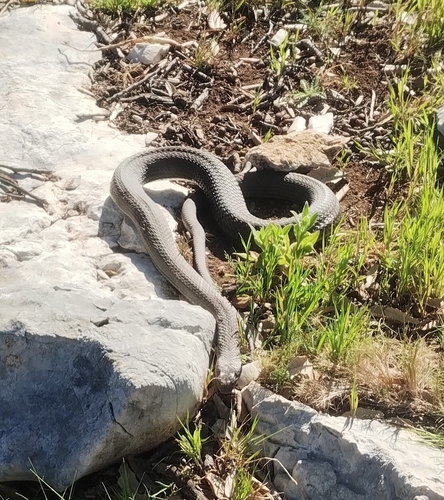
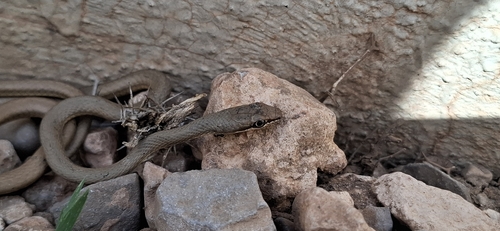
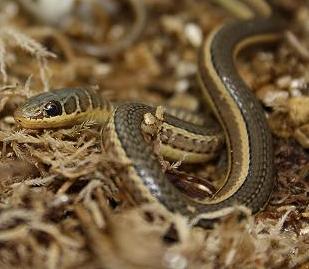
The non-venomous majority is what defines Spanish snake life. The ladder snake, the horseshoe whip snake, the viperine snake and grass snake around water, the smooth snakes, and the large, fast Montpellier snake are all common and widely seen. Many are good climbers or strong swimmers, and several are well known to residents because they turn up in gardens, around farm buildings, and near ponds and irrigation channels. The viperine snake in particular is often mistaken for a viper because of its markings, though it is harmless.
Snakes earn their place in Spain's ecosystems. They are efficient predators of rodents, helping control mice and rats that damage crops, contaminate stored grain, and spread disease around homes and farms. They also take large insects, lizards, frogs, and other small animals, keeping those populations in balance, and they are prey themselves for eagles, other raptors, and mammals. A landscape with a healthy snake population is usually a landscape with fewer pest problems.
On safety, keep it in proportion. The overwhelming majority of Spain's snakes are harmless to people, and the real medical threat is the small group of native vipers. No wild snake should be handled, picked up, or cornered, including ones that look harmless, because a frightened snake will defend itself and identification mistakes are easy. If a bite happens, or if you are unsure whether a snake was venomous, the correct response is professional medical care: the treatment for a serious viper bite is antivenom and hospital management, not anything done in the field. Contact local emergency services right away, or in the United States call Poison Control at 1-800-222-1222.
Snakes in Spain: FAQ
- Are there venomous snakes in Spain?
- Yes. 4 venomous snake species have verified records in Spain, including Lataste's Viper, Asp Viper, Seoane's Viper, Adder. Most snakes in Spain, however, are harmless.
- How many snake species live in Spain?
- 20+ snake species have verified records in Spain, of which 4 are venomous.
- What is the most commonly seen snake in Spain?
- The Viperine Snake is the most frequently reported snake in Spain, based on verified wildlife observations.
- What should I do if I see a venomous snake in Spain?
- Keep your distance and do not try to catch or kill it. Most bites happen when people handle or corner a snake. If someone is bitten, contact local emergency services or poison control immediately.
Venomous snakes in Spain
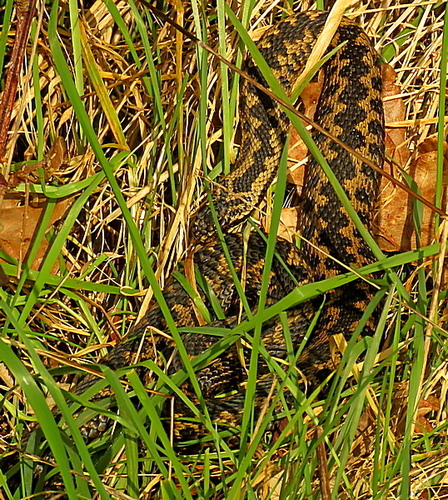
Every snake recorded in Spain
20+ species across 7 families, grouped by family. Venomous flagged.
Colubridae (15)
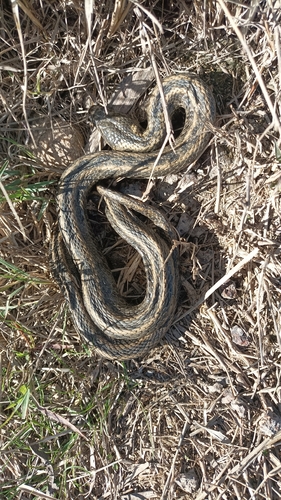
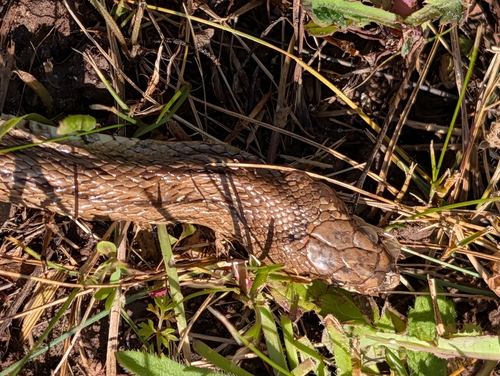
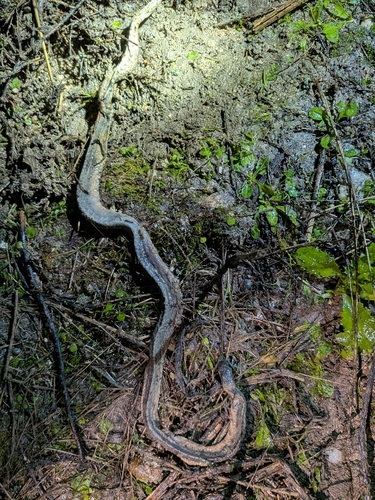
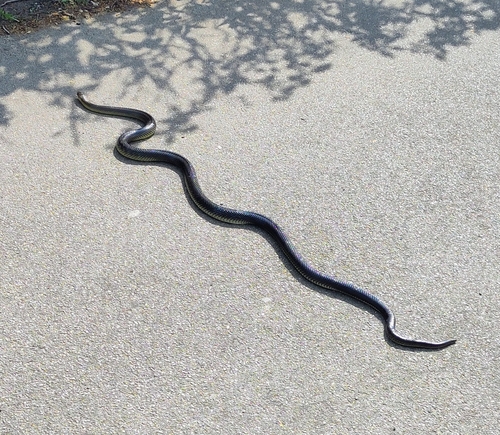
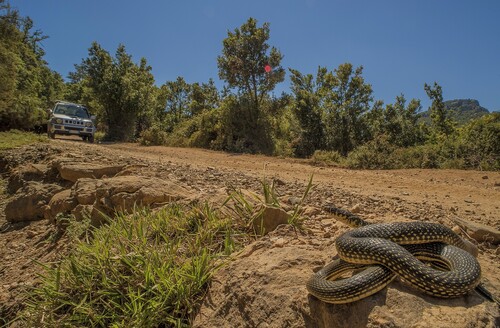
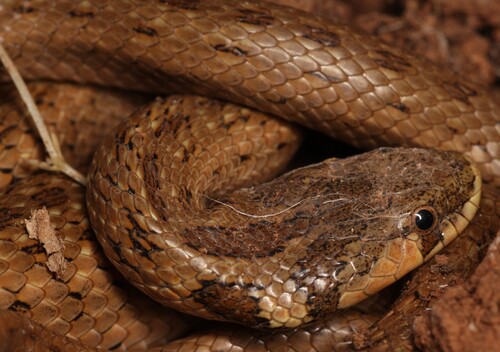
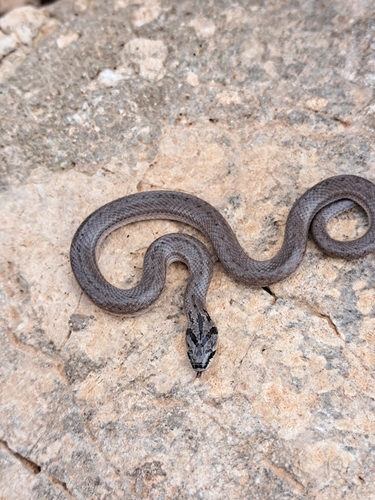
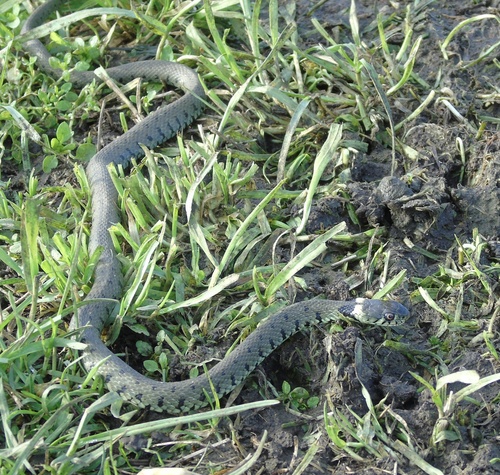
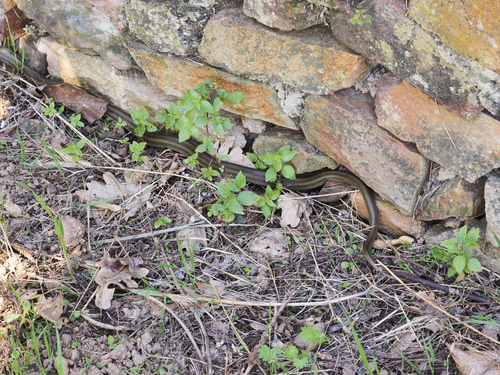
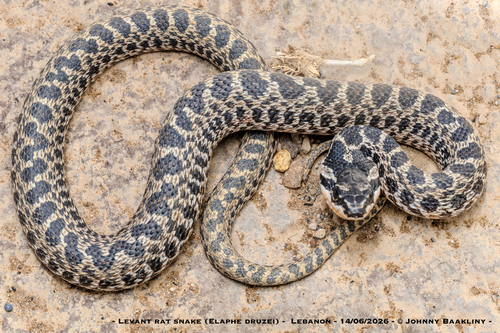
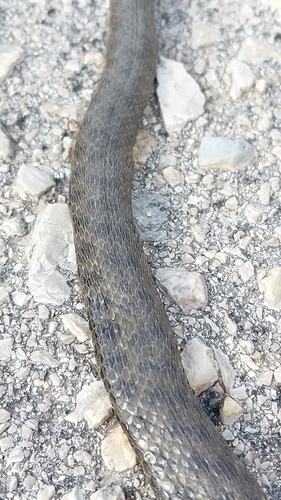
Psammophiidae (4)
Viperidae (4)
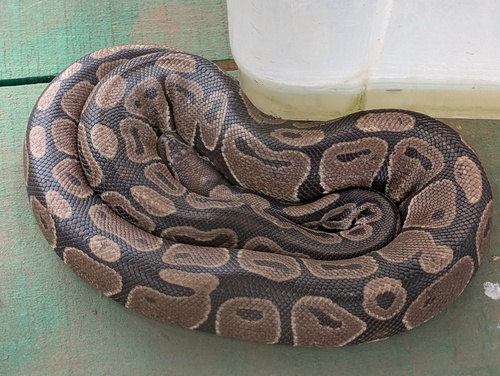
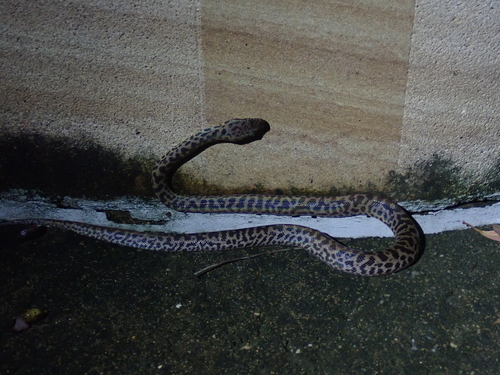
Typhlopidae (1)
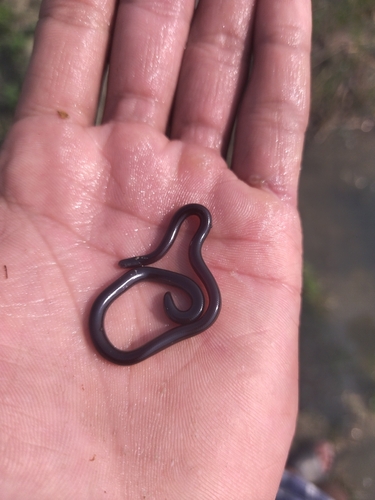
Acrochordidae (1)
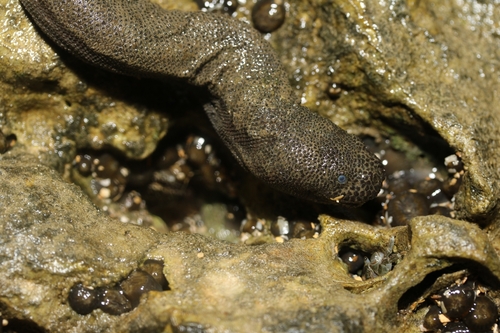
Cylindrophiidae (1)
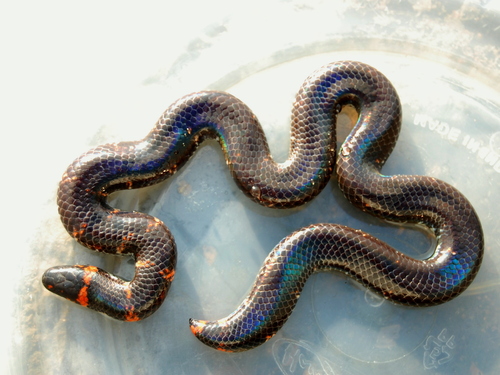
Compiled from verified GBIF & iNaturalist observations. "How often seen" reflects how frequently a snake is reported here, not how dangerous it is. Informational only.
Keep learning
- Are Snakes Dangerous? The Real Risk, in PerspectiveMost snakes are harmless and avoid people. Here is the honest picture of snakebite risk worldwide and how to lower your own.
- Snakebite First Aid: What to Do (and What Never to Do)A clear, CDC-based guide to snakebite first aid: the steps that help, the popular myths that hurt, and how to tell a serious bite from a minor one.
- Venomous vs Nonvenomous: How to Tell the DifferenceThe folk rules for telling venomous snakes apart, where each one fails, and why location-based identification beats guessing by sight.
- What to Do If You Find a SnakeFound a snake at home or on a trail? Here is how to stay calm, give it space, identify it safely, and know when to call a professional.