
Brunei Darussalam
Snakes in Brunei Darussalam
50+ snake species have been recorded in Brunei Darussalam, 19 venomous.
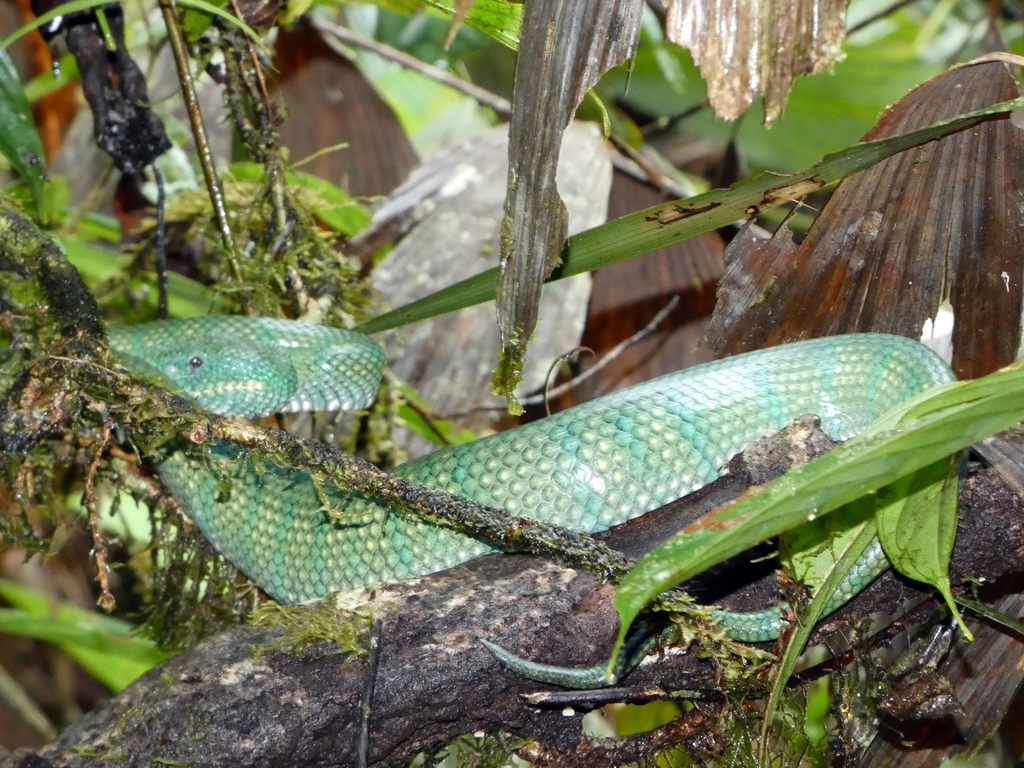
Snakes of Brunei Darussalam
Brunei Darussalam has 50+ snake species recorded in our database, 19 of them venomous. The great majority of species are non-venomous, which means most snakes a person encounters in this small Bornean sultanate pose no serious medical threat. The country sits on the northern coast of Borneo, one of the most biologically rich islands on Earth, and its snake fauna reflects that wider Southeast Asian and Bornean diversity within a compact area.
The diversity is driven by habitat. Brunei retains extensive lowland and hill tropical rainforest, much of it intact, along with peat swamp forest, mangroves along the coast, rivers, and freshwater wetlands. These layered environments support arboreal snakes that hunt in the canopy, ground-dwelling species that move through leaf litter, semi-aquatic snakes in swamps and rivers, and marine species in the warm coastal waters. Heavy year-round rainfall, high humidity, and consistent tropical heat let cold-blooded reptiles stay active across the calendar, and the range of forest, freshwater, and marine niches supports a correspondingly wide range of snakes.
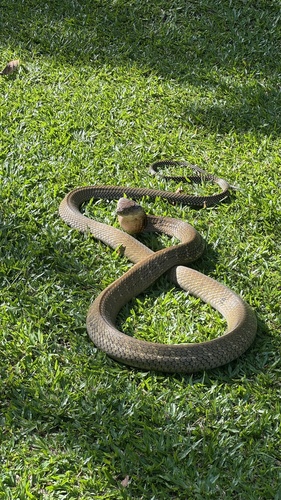
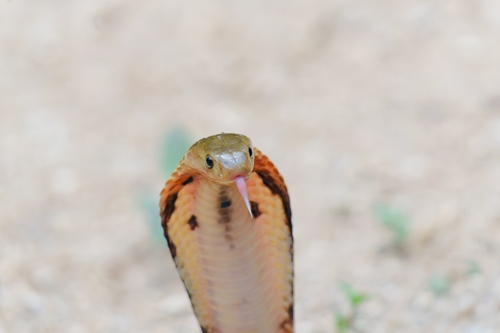
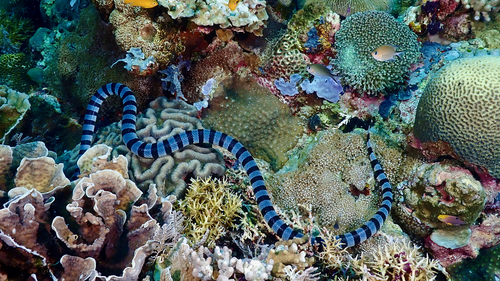
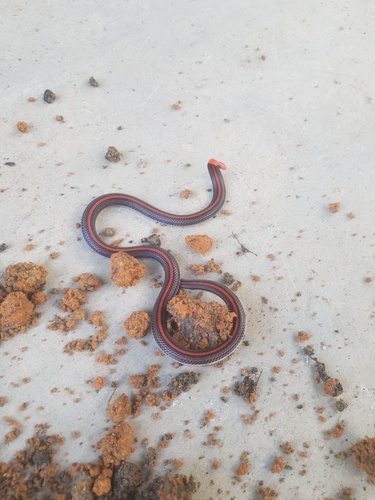
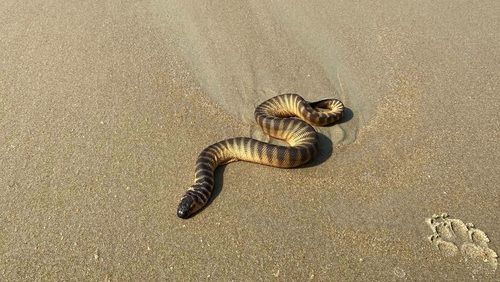
Several medically important venomous groups are present. Elapids include cobras and the king cobra, along with kraits and coral snakes, all of which deliver neurotoxic or mixed venom. Pit vipers are the most frequently encountered venomous group in the region: green arboreal pit vipers of the Trimeresurus group rest in low vegetation and account for many bites in forested and rural Southeast Asia. Coastal and offshore waters hold sea snakes, which are highly venomous but generally inoffensive unless handled or caught in nets. There are no mambas, no rattlesnakes, and no true vipers of the temperate Old World type in Brunei; those groups belong to other regions. The realistic bite risk centers on pit vipers on land and cobras among the elapids.
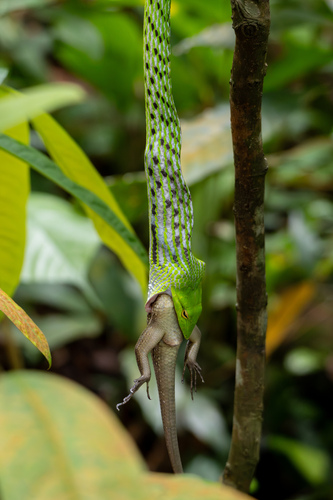
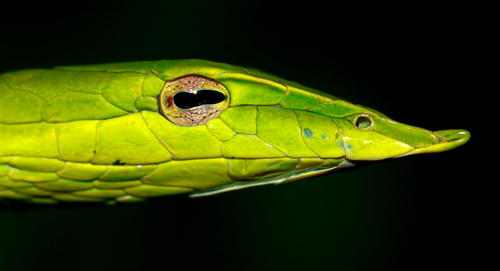
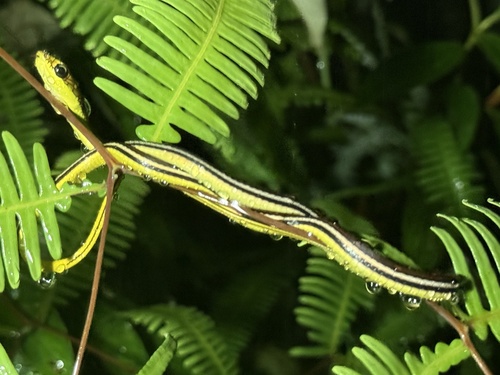
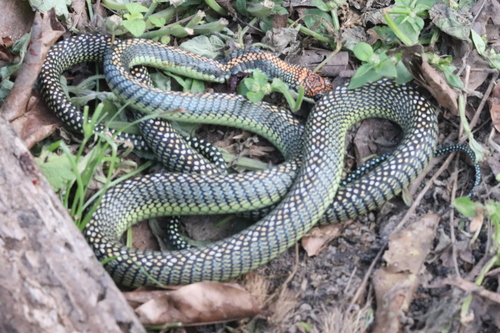
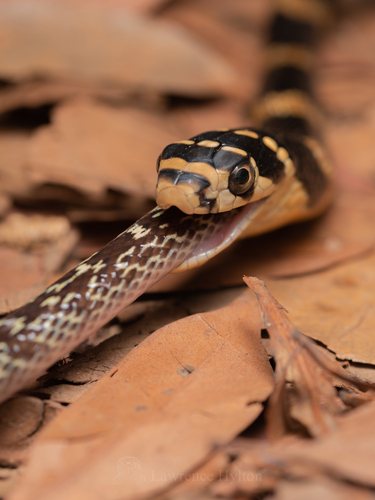
The non-venomous majority is where most of the fauna sits. Pythons are the headline group, including the reticulated python, one of the longest snakes in the world, which lives in forest, near water, and sometimes around villages and farmland. Many harmless species fill the forests and waterways: rat snakes, racers, keelbacks, wolf snakes, kukri snakes, and the slender, fast-moving whip snakes. Borneo is also known for unusual and famous snakes such as the paradise tree snake, a so-called flying snake that glides between trees, and a variety of cat snakes and water snakes. These animals are a normal and valuable part of the ecosystem.
Snakes earn their place ecologically. They are efficient predators of rats, mice, and other small mammals, which keeps rodent numbers down around homes, rice fields, and stored crops, reducing crop loss and the spread of rodent-borne disease. Pythons and larger colubrids take significant numbers of pest mammals, while smaller snakes control frogs, lizards, and insects, helping balance the food web. Removing snakes from an area tends to let rodent populations climb, so a healthy snake population is a practical asset to farms and rural communities, not just a feature of wild forest.
For safety, keep the framing honest. Most snakes in Brunei are harmless, and even venomous species bite defensively rather than seeking out people. The main medical threats are pit viper and cobra bites on land and sea snake bites for those working in or near the water. The correct response to any bite from a venomous or unidentified snake is hospital care: definitive treatment is antivenom and supportive medical management delivered by professionals. Never attempt to handle, catch, or kill a wild snake, since most bites happen when people try to interact with the animal. If a bite occurs, contact local emergency services immediately, or in the United States call Poison Control at 1-800-222-1222, and get the person to a hospital without delay. No wild venomous snake should ever be treated as safe to handle.
Snakes in Brunei Darussalam: FAQ
- Are there venomous snakes in Brunei Darussalam?
- Yes. 19 venomous snake species have verified records in Brunei Darussalam, including Bornean Keeled Pit Viper, Wagler's Pit Viper, Sunda King Cobra, Equatorial Spitting Cobra. Most snakes in Brunei Darussalam, however, are harmless.
- How many snake species live in Brunei Darussalam?
- 50+ snake species have verified records in Brunei Darussalam, of which 19 are venomous.
- What is the most commonly seen snake in Brunei Darussalam?
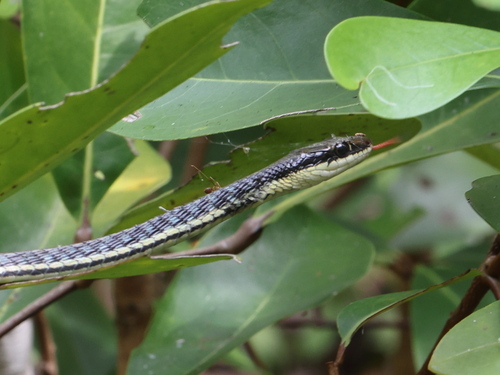
- The Dendrelaphis thasuni is the most frequently reported snake in Brunei Darussalam, based on verified wildlife observations.
- What should I do if I see a venomous snake in Brunei Darussalam?
- Keep your distance and do not try to catch or kill it. Most bites happen when people handle or corner a snake. If someone is bitten, contact local emergency services or poison control immediately.
Venomous snakes in Brunei Darussalam
Every snake recorded in Brunei Darussalam
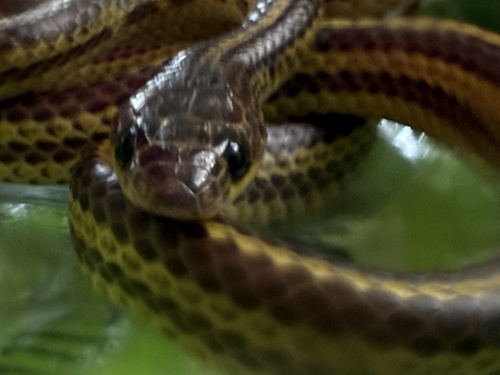
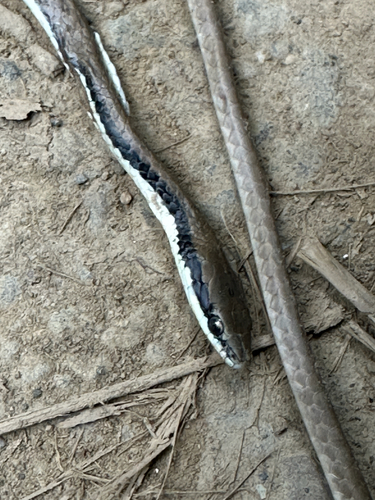
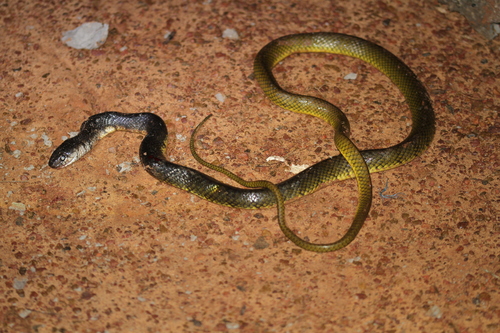
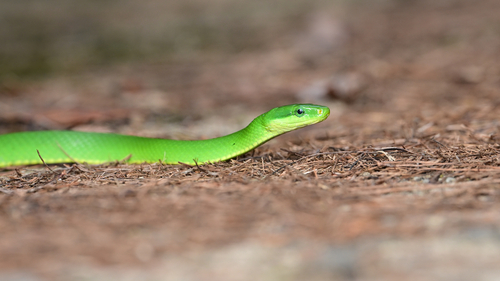
50+ species across 13 families, grouped by family. Venomous flagged.
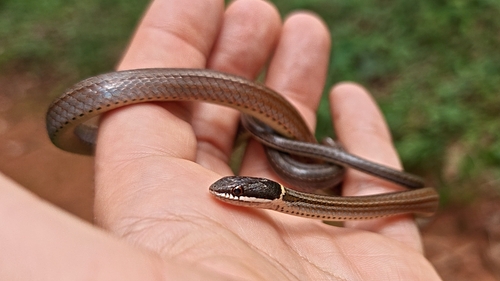
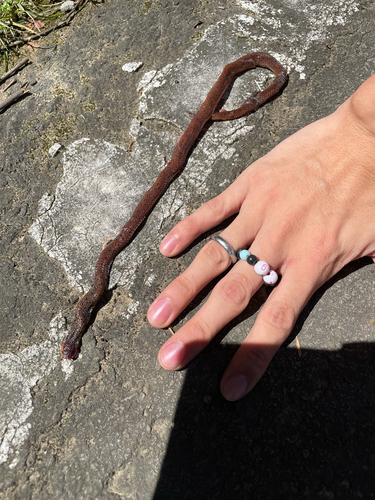
Colubridae (34)
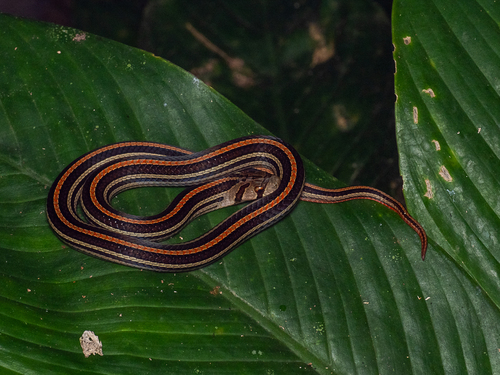
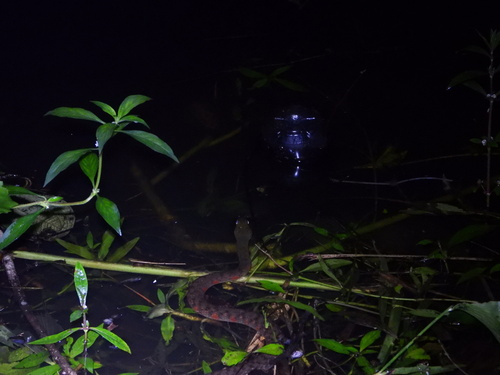
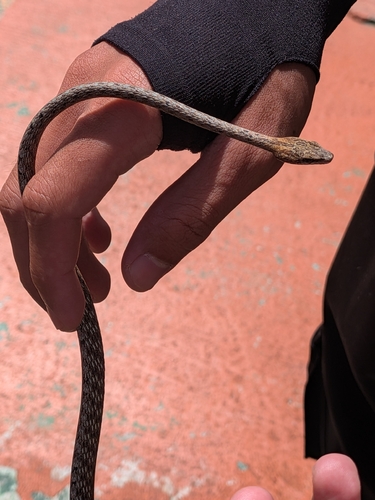
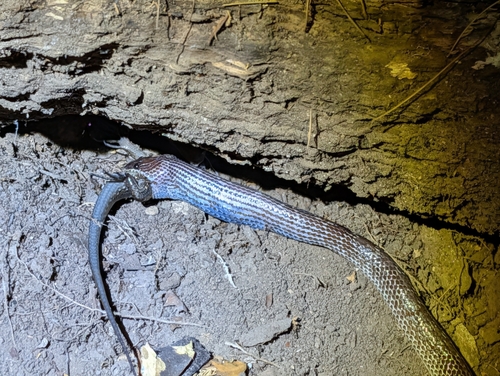
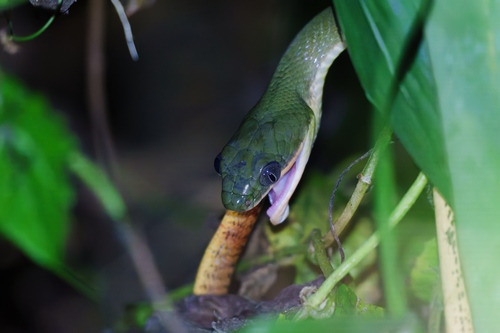
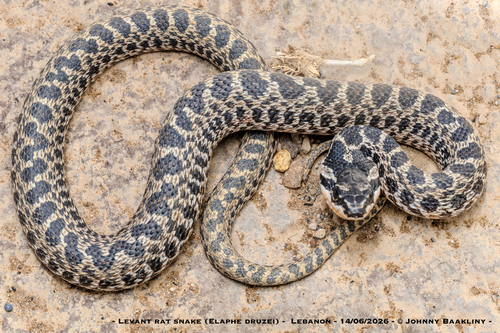
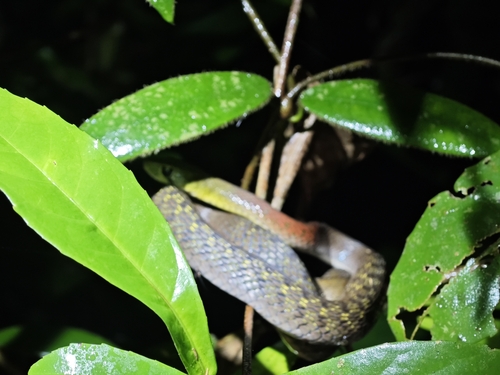
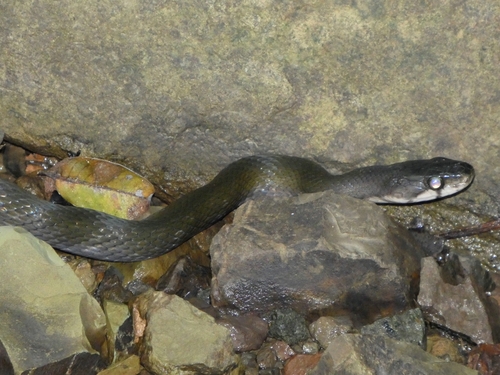
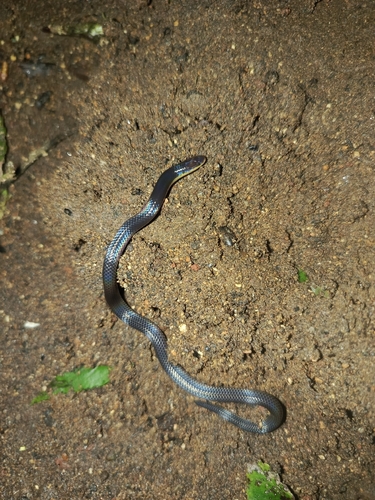
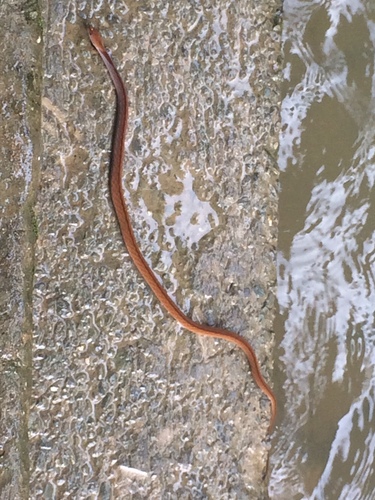
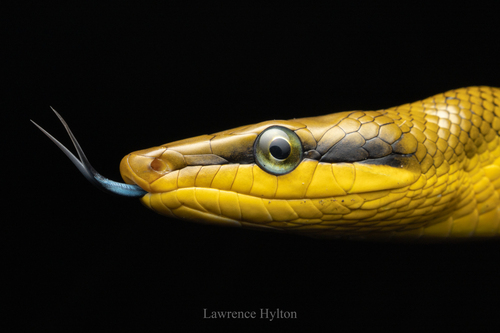
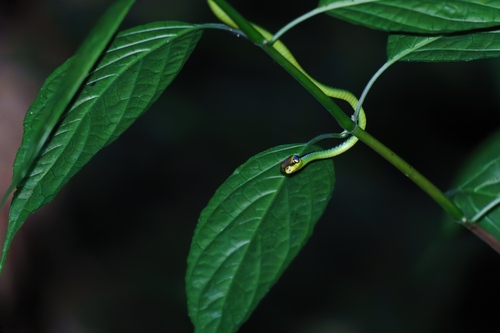
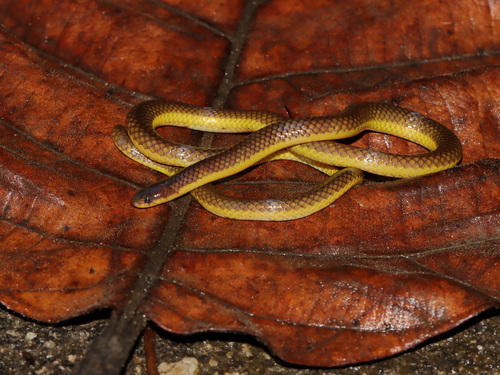
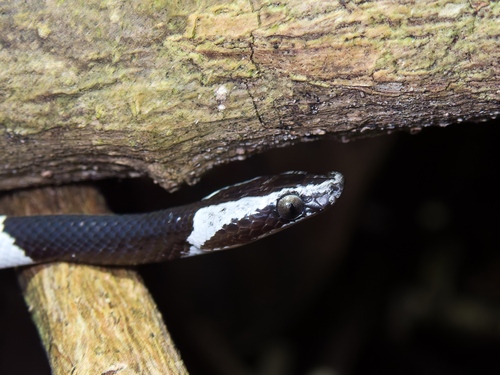
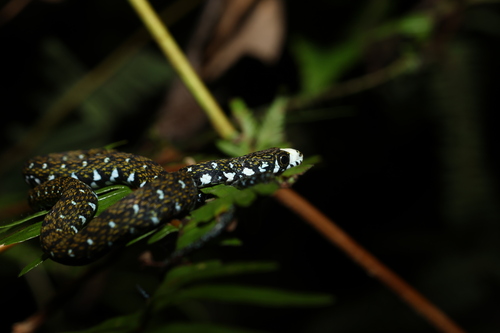
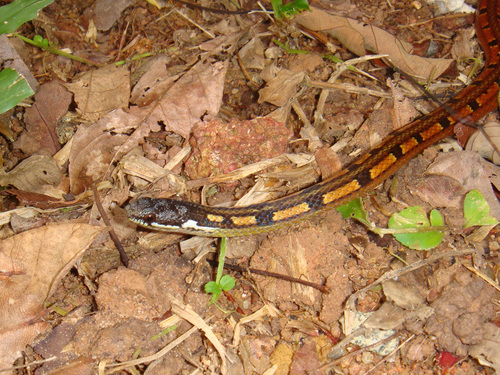
Elapidae (11)
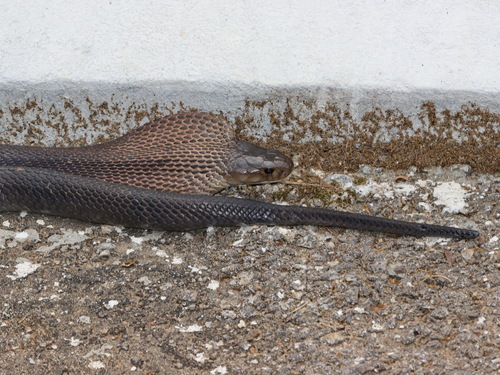
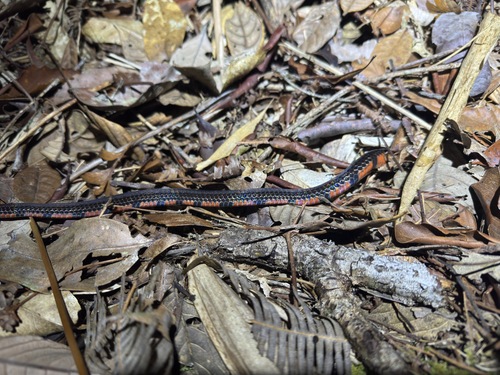
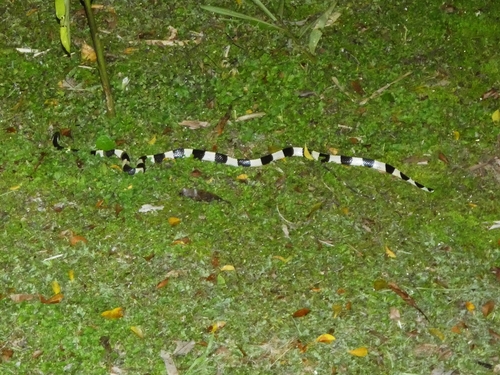
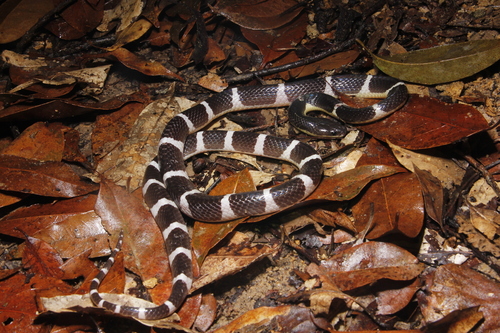
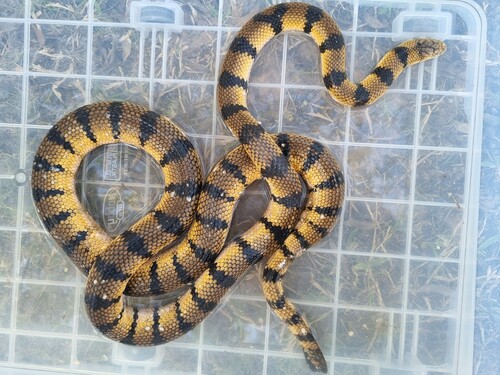
Viperidae (6)
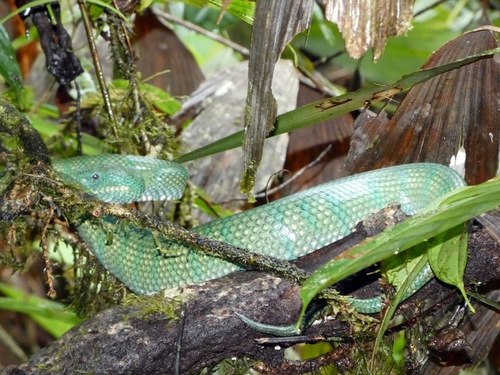
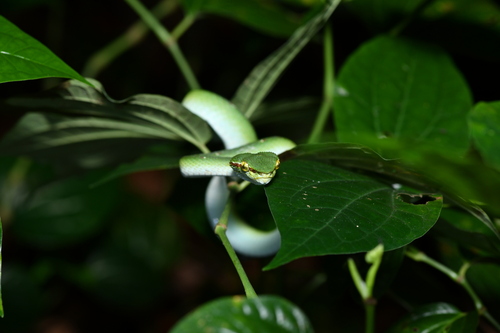
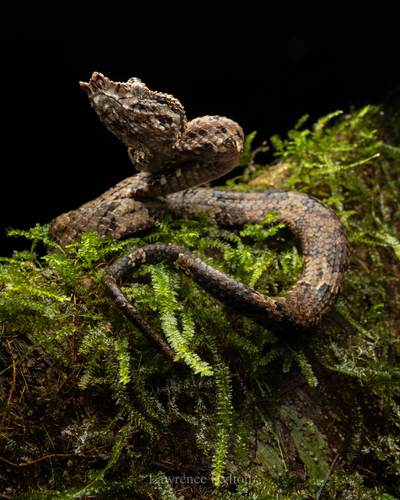
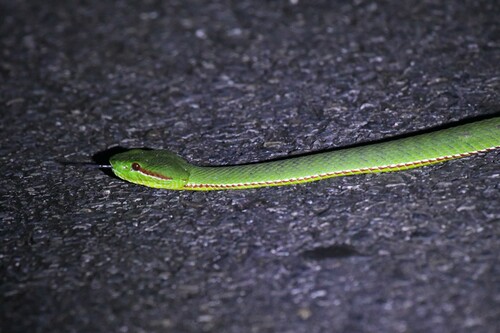
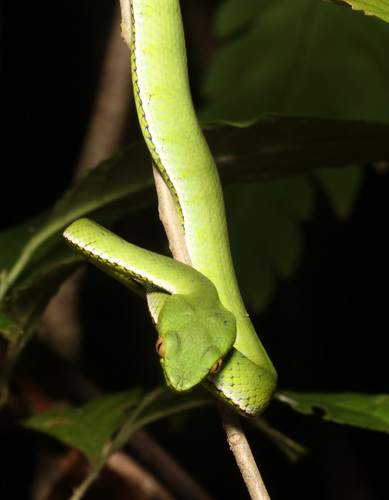
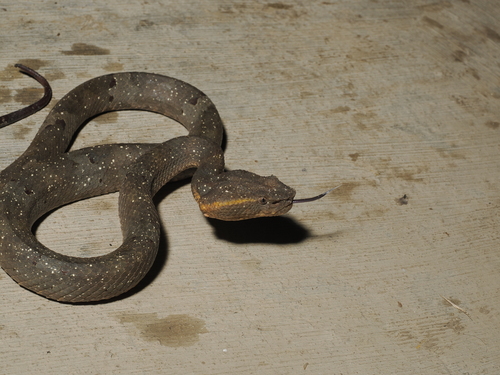
Pareidae (3)
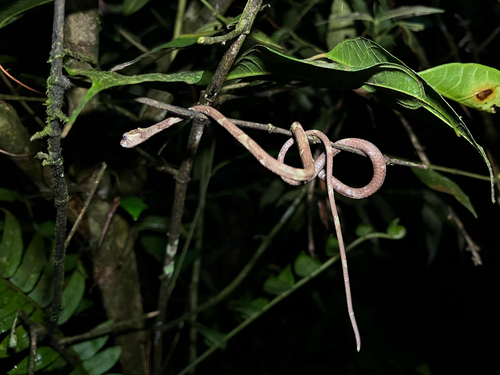
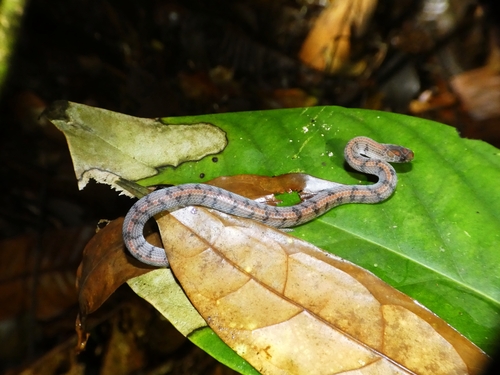
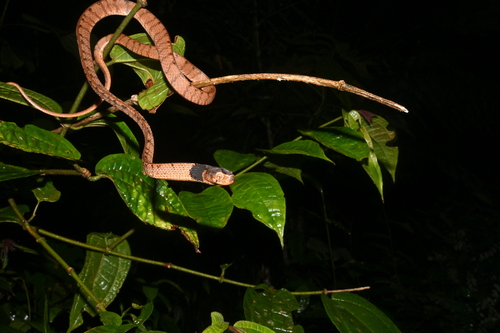
Pseudaspididae (2)
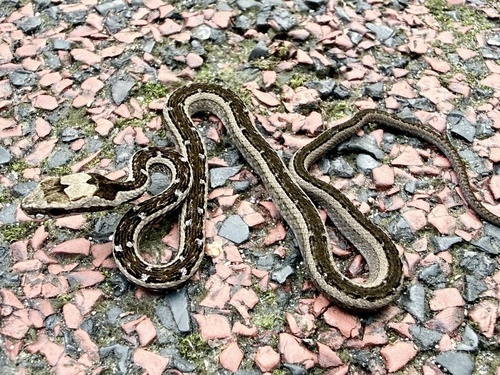
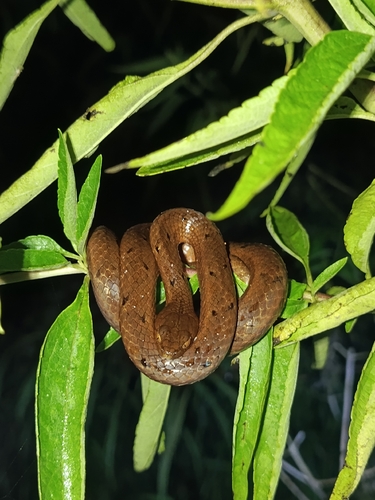
Typhlopidae (1)
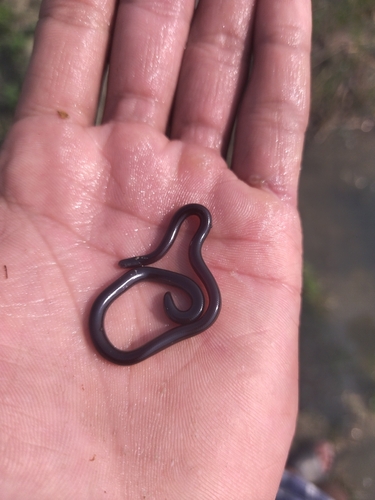
Pythonidae (1)
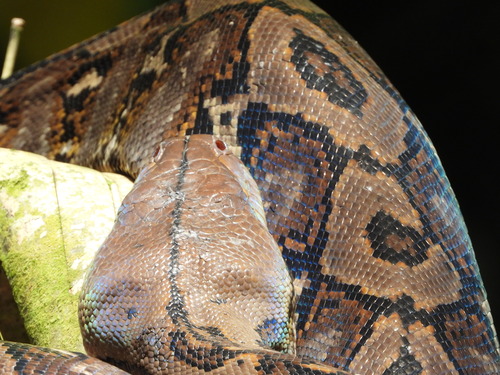
Xenopeltidae (1)
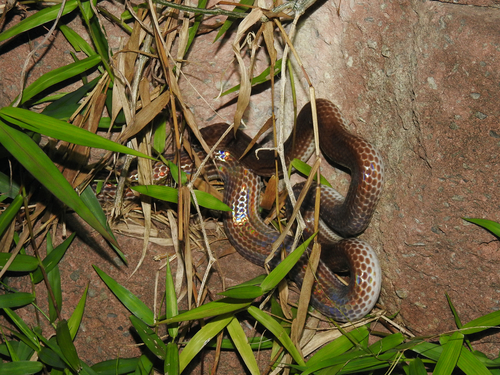
Acrochordidae (1)
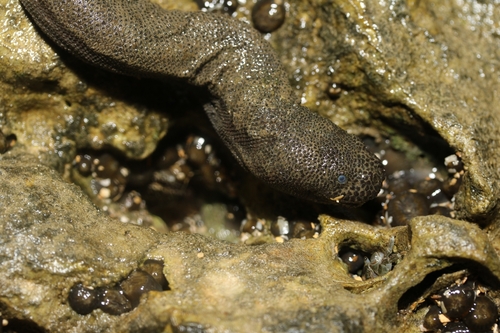
Cylindrophiidae (1)
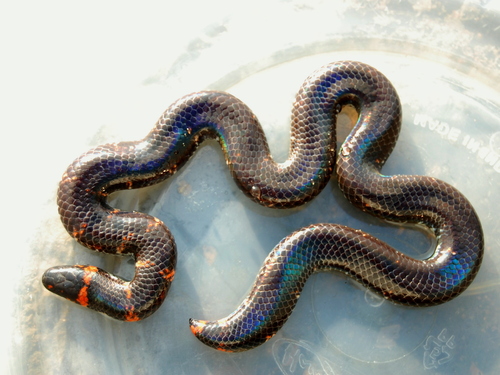
Xenodermidae (1)
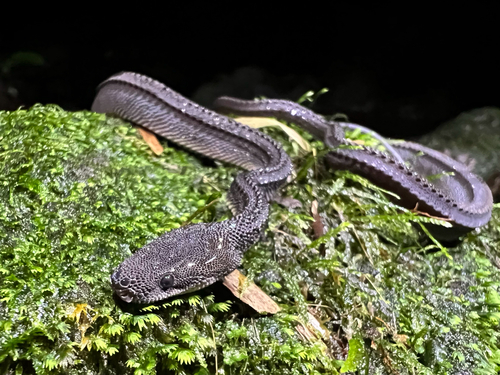
Homalopsidae (1)
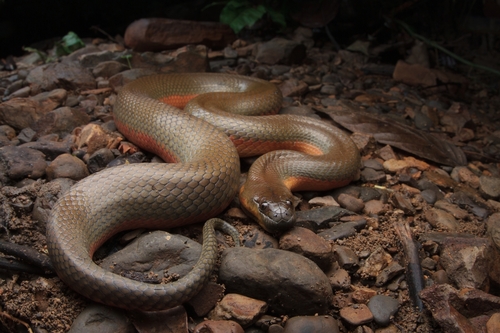
Xenophidiidae (1)
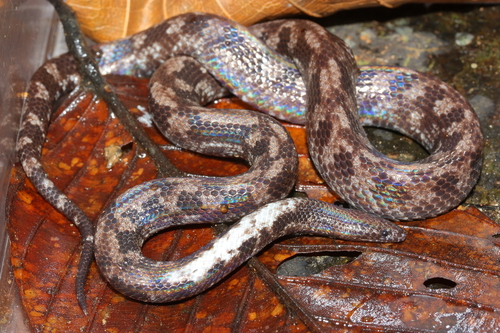
Compiled from verified GBIF & iNaturalist observations. "How often seen" reflects how frequently a snake is reported here, not how dangerous it is. Informational only.
Keep learning
- Are Snakes Dangerous? The Real Risk, in PerspectiveMost snakes are harmless and avoid people. Here is the honest picture of snakebite risk worldwide and how to lower your own.
- Snakebite First Aid: What to Do (and What Never to Do)A clear, CDC-based guide to snakebite first aid: the steps that help, the popular myths that hurt, and how to tell a serious bite from a minor one.
- Venomous vs Nonvenomous: How to Tell the DifferenceThe folk rules for telling venomous snakes apart, where each one fails, and why location-based identification beats guessing by sight.
- What to Do If You Find a SnakeFound a snake at home or on a trail? Here is how to stay calm, give it space, identify it safely, and know when to call a professional.