
Belize
Snakes in Belize
75+ snake species have been recorded in Belize, 15 venomous.
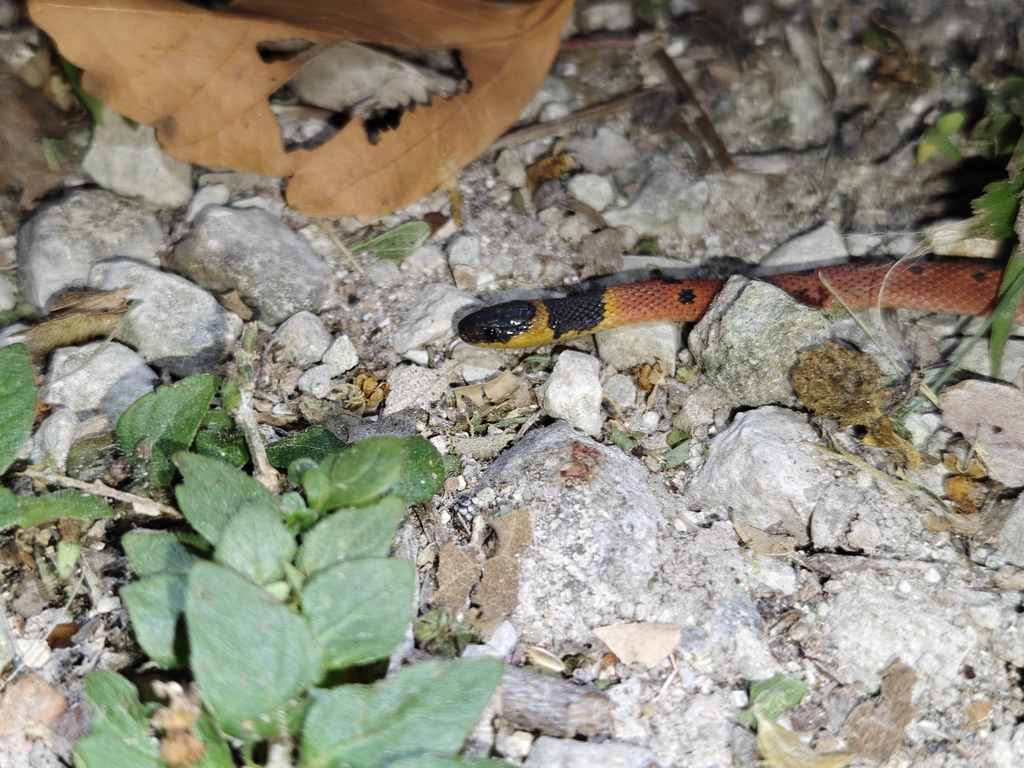
Snakes of Belize
Belize sits at the meeting point of Central American and tropical Atlantic ecosystems, and its snake fauna reflects that richness. Our database records 75+ snake species for the country, of which 15 are venomous. That ratio tells the most important story up front: the overwhelming majority of Belize snakes, roughly 74 of the 89 recorded species, are non-venomous and pose no serious medical threat to people. Snakes are a normal and valuable part of Belizean landscapes, from coastal mangrove to inland rainforest.
The diversity comes from the variety of habitats packed into a small country. Belize spans lowland broadleaf rainforest, pine savanna, limestone karst hills, freshwater rivers and lagoons, seasonal wetlands, and an extensive coast with mangrove and offshore cayes. Each of these supports its own assemblage of snakes. Humid forest favors arboreal and ground-dwelling hunters, savanna and agricultural edges favor fast-moving generalists, and wetlands and waterways support aquatic and semi-aquatic species. The combination of high rainfall, warm temperatures year round, and this habitat mix is what drives the species count.
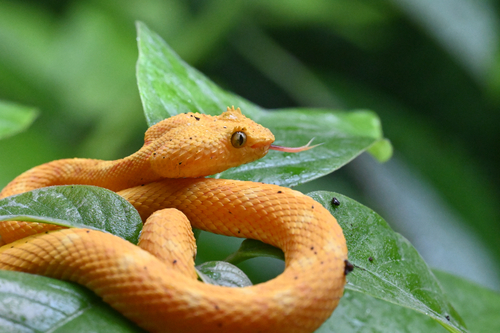
The medically important venomous snakes of Belize fall into two main groups. The first and most significant are the pit vipers, which include the fer-de-lance (the regional Bothrops, locally called the yellow-jaw or tommygoff), tropical rattlesnake, and arboreal palm pit vipers. The fer-de-lance is responsible for the large majority of serious snakebite cases in the country and is the primary medical threat. The second group is the coral snakes (Micrurus), brightly banded elapids with potent venom but small mouths and a secretive nature, which makes bites uncommon. Belize has no cobras, mambas, or true sea snakes; those groups do not occur in this region.
Among the non-venomous majority are many of the snakes people are most likely to encounter or recognize. The boa constrictor is the country's most famous large snake, widespread and often seen near settlements where it helps control rodents. Belize is also home to a wide range of harmless colubrids: rat snakes, racers, indigo snakes, cat-eyed snakes, vine snakes, parrot snakes, and many small leaf-litter and burrowing species. These snakes occupy nearly every habitat and far outnumber the venomous species in both kinds and individuals.
Snakes earn their place in these ecosystems. By preying on rats, mice, and other small mammals, they suppress rodent populations that damage crops, contaminate stored food, and carry disease. Larger constrictors and rodent specialists provide free, continuous pest control around farms, homes, and food stores, while smaller snakes keep insect and amphibian numbers in balance. Removing snakes from a landscape tends to increase rodent problems, not reduce them, so a healthy snake population is a practical asset.
On safety, keep the framing honest. Most snakes in Belize are harmless, but the country does have dangerously venomous species, and the fer-de-lance in particular accounts for most severe bites. Treat every wild snake as a wild animal: give it distance and do not attempt to catch, handle, or kill it, since most bites happen when people try to interact with a snake. The correct response to a venomous snakebite is rapid transport to a hospital for professional medical care and antivenom; antivenom and supportive treatment are what save lives, not field remedies. If a bite occurs, contact local emergency services immediately, or in the United States reach Poison Control at 1-800-222-1222.
Snakes in Belize: FAQ
- Are there venomous snakes in Belize?
- Yes. 15 venomous snake species have verified records in Belize, including Terciopelo, Variable Coralsnake, Central American Jumping Pit Viper, Mayan Coralsnake. Most snakes in Belize, however, are harmless.
- How many snake species live in Belize?
- 75+ snake species have verified records in Belize, of which 15 are venomous.
- What is the most commonly seen snake in Belize?
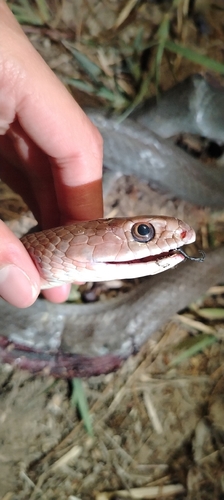
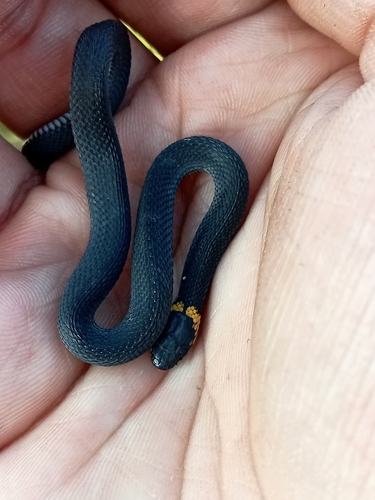
- The Red Coffee Snake is the most frequently reported snake in Belize, based on verified wildlife observations.
- What should I do if I see a venomous snake in Belize?
- Keep your distance and do not try to catch or kill it. Most bites happen when people handle or corner a snake. If someone is bitten, contact local emergency services or poison control immediately.
Venomous snakes in Belize
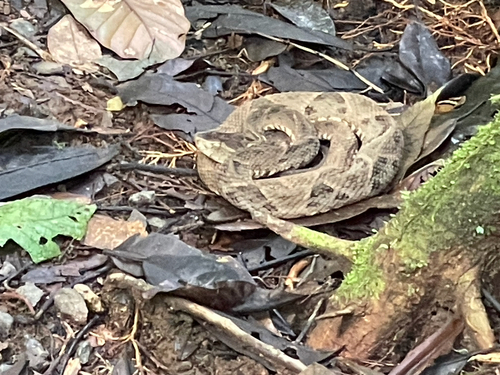
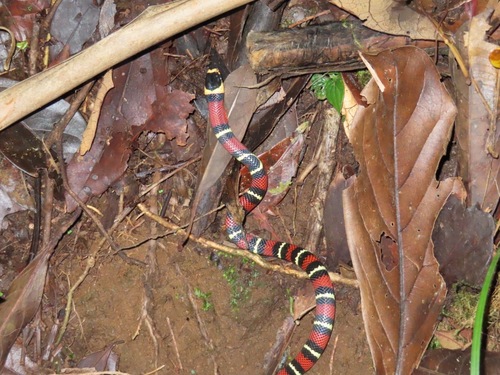
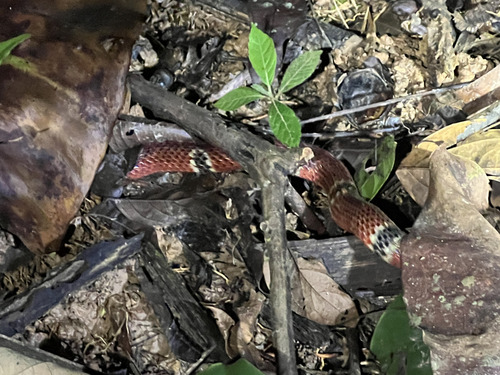 Variable CoralsnakeMicrurus diastemaVenomous
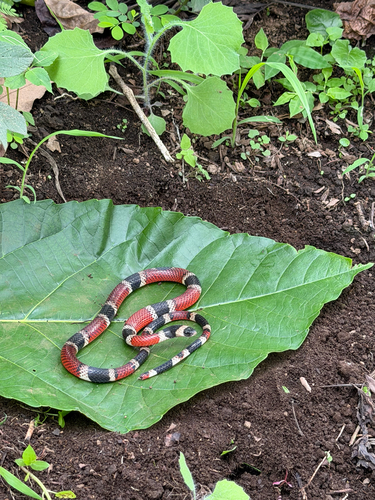
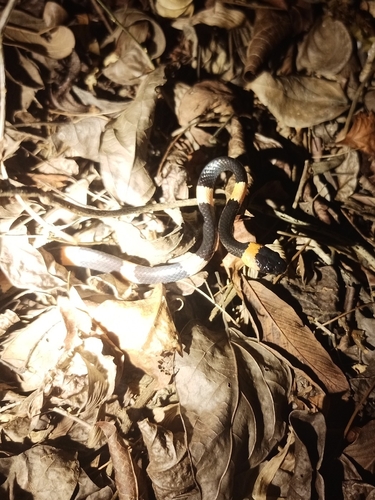
Rings of red, yellow, and black where red touches yellow; small rounded head and round pupils.
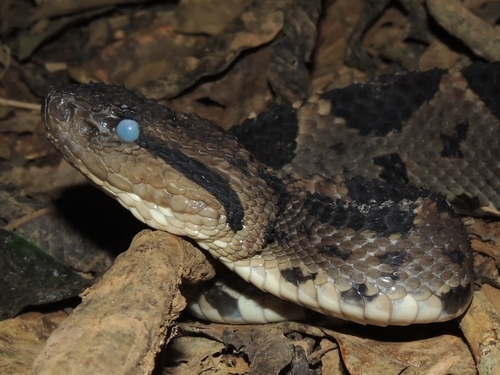
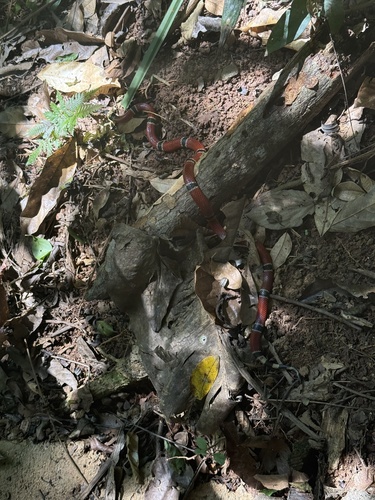 Mayan CoralsnakeMicrurus hippocrepisVenomous
Rings of red, yellow, and black where red touches yellow; small rounded head and round pupils.
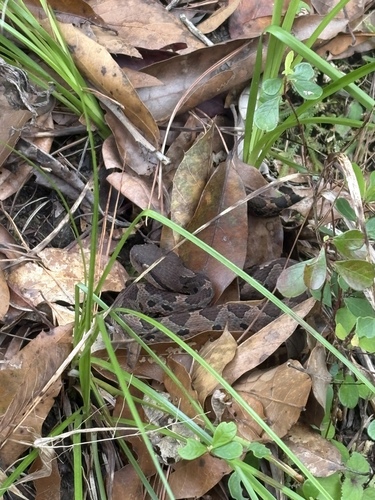
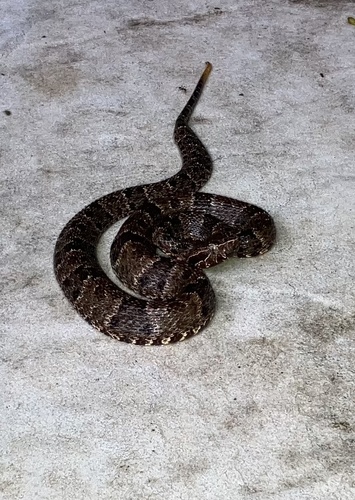
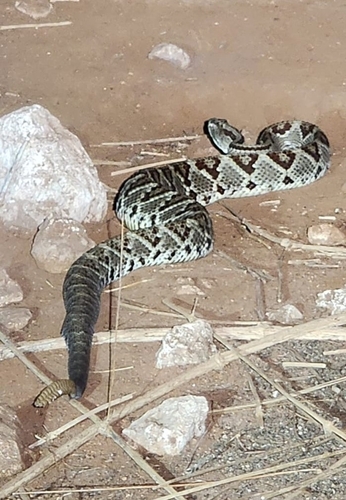 Yucatán Neotropical RattlesnakeCrotalus tzabcanVenomous
Heavy body, broad triangular head, vertical (cat-like) pupils, and a segmented keratin rattle at the tail tip.
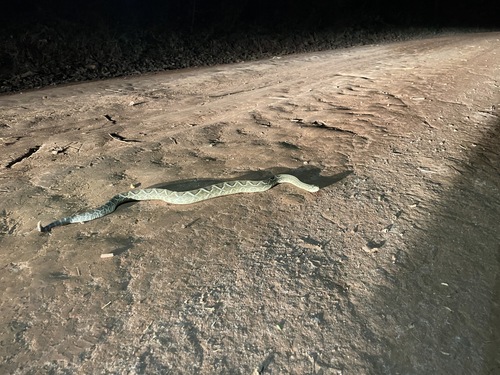 Neotropical RattlesnakeCrotalus durissusVenomous
Heavy body, broad triangular head, vertical (cat-like) pupils, and a segmented keratin rattle at the tail tip.
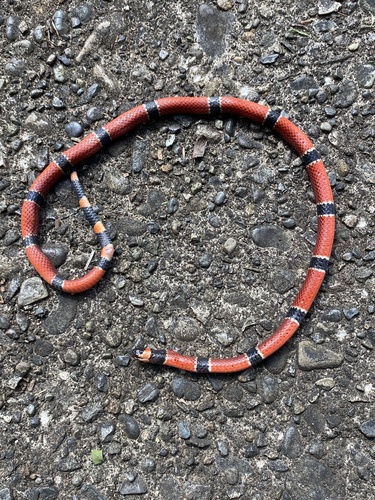 Central American CoralsnakeMicrurus nigrocinctusVenomous
Rings of red, yellow, and black where red touches yellow; small rounded head and round pupils.
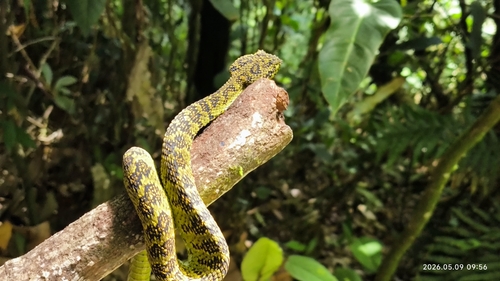
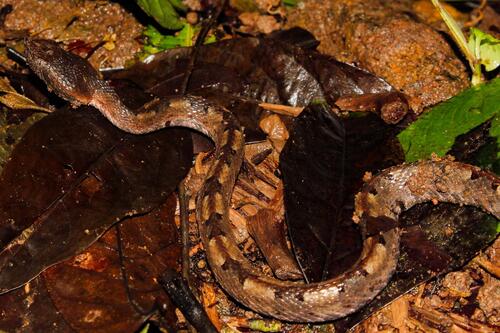
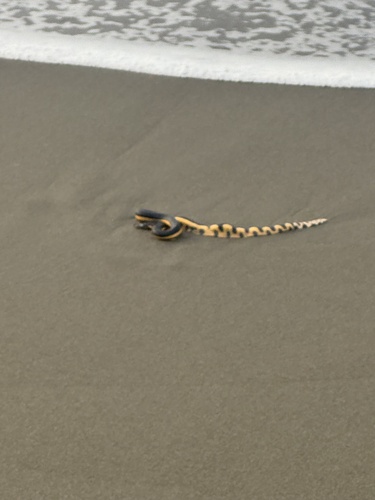
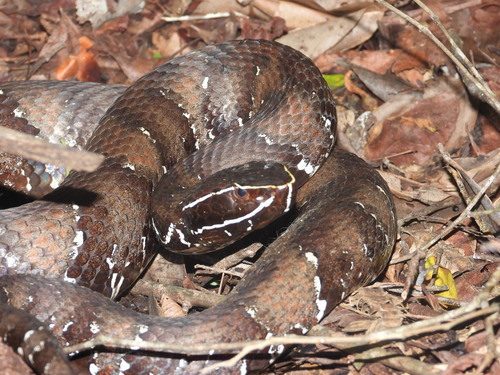 Yucatecan CantilAgkistrodon russeolusVenomous
Heavy body, triangular head, vertical pupils, and a heat-sensing pit between each eye and nostril.
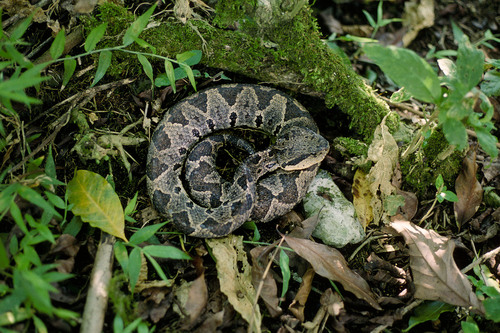
Every snake recorded in Belize
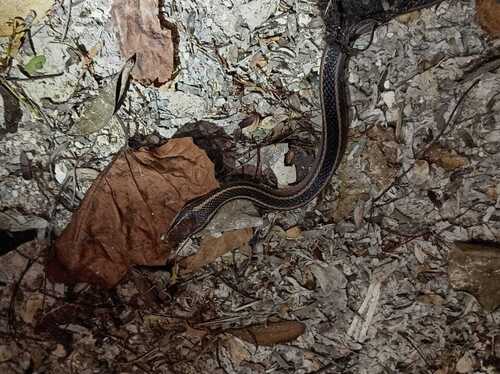
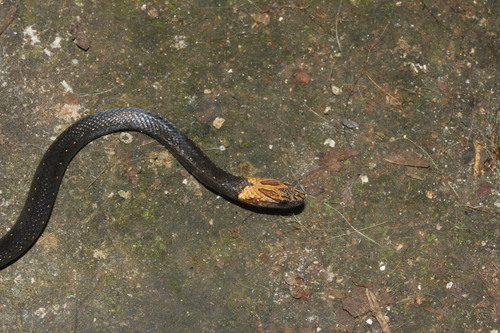
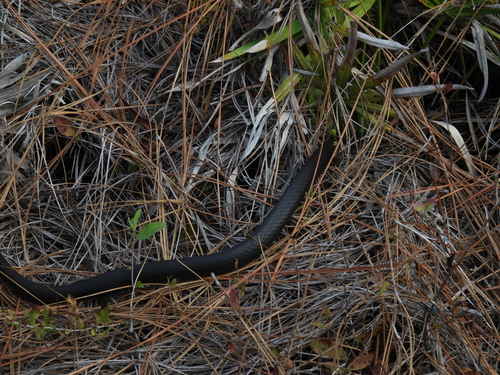
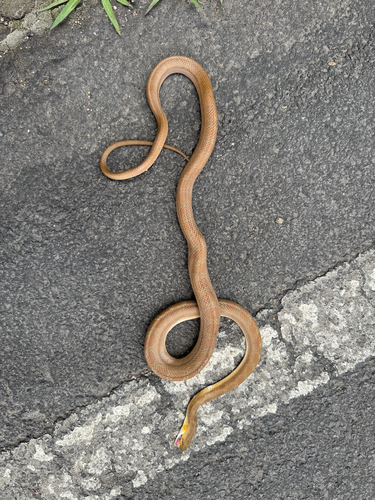
75+ species across 5 families, grouped by family. Venomous flagged.
Colubridae (69)
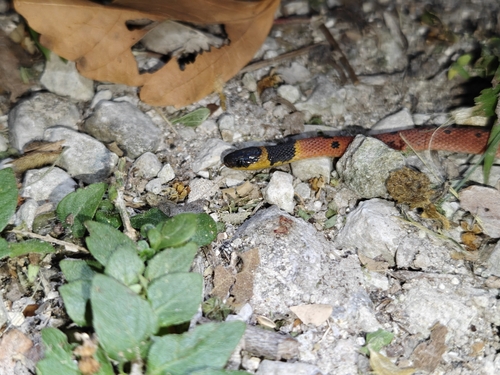
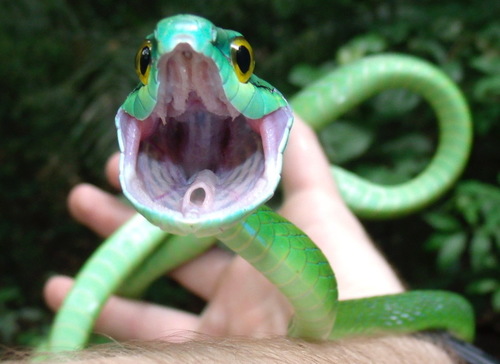
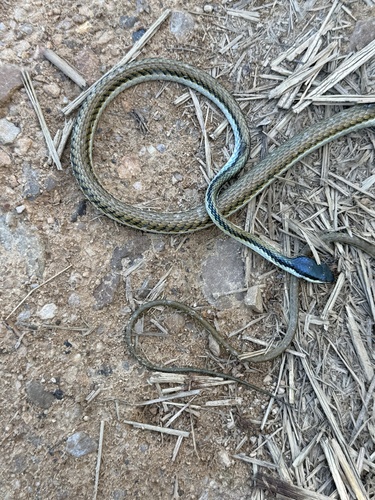
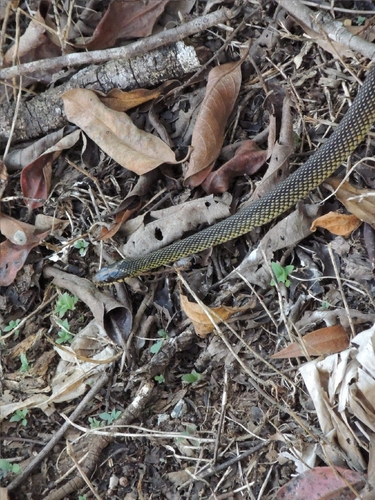
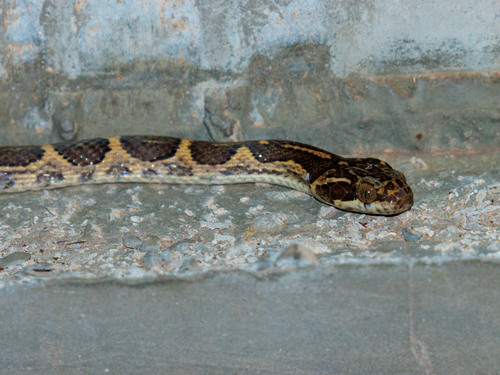
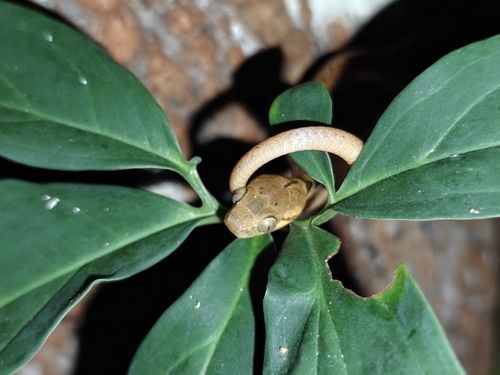
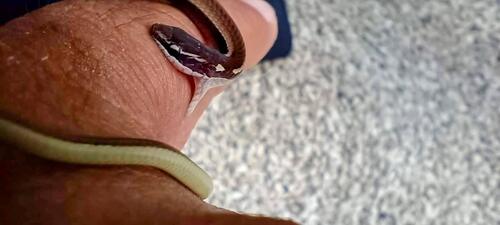
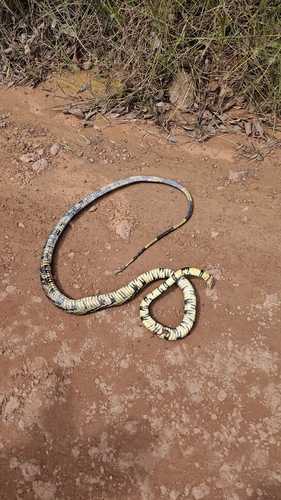
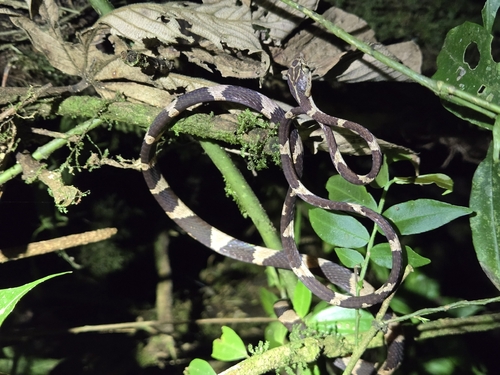
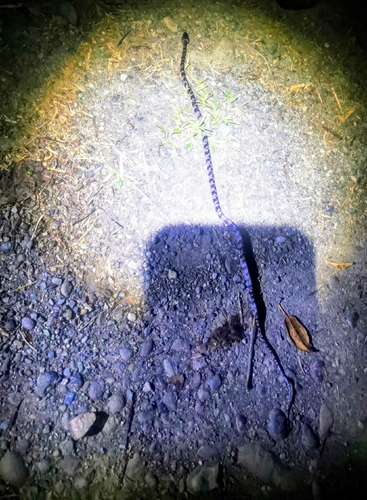
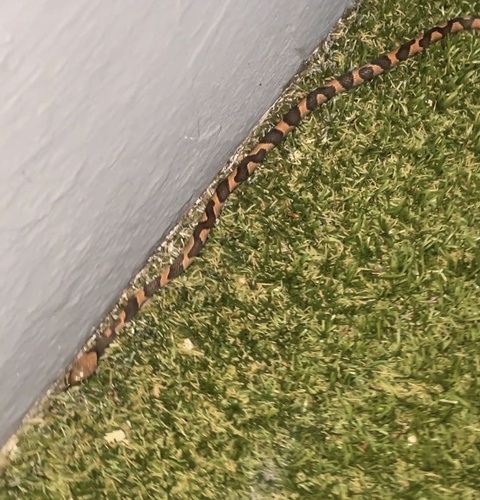
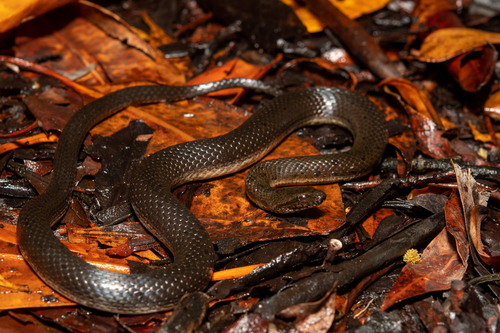
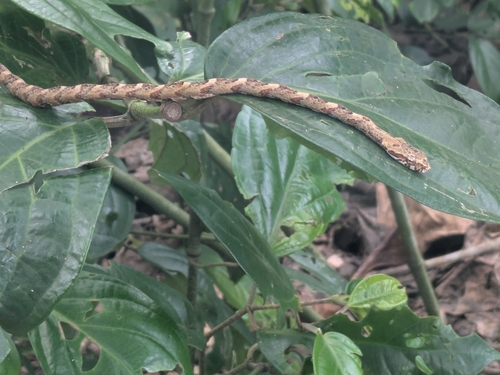
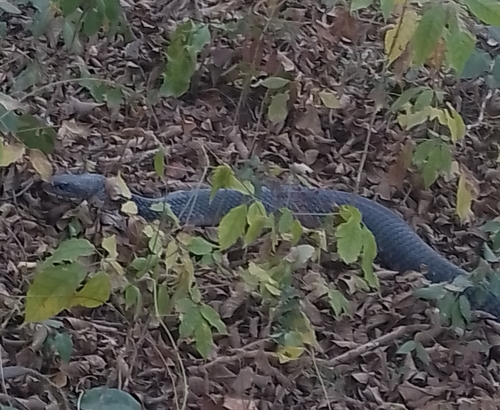
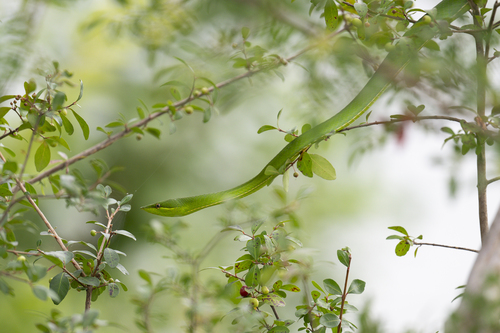
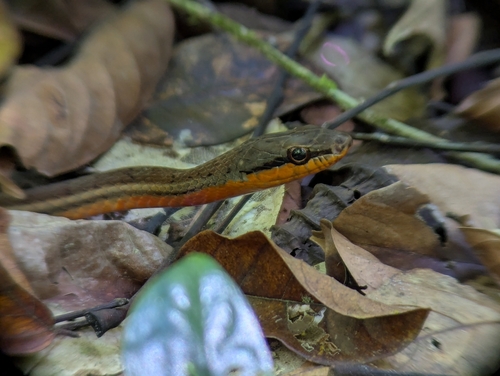
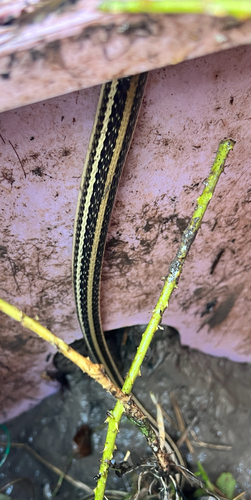
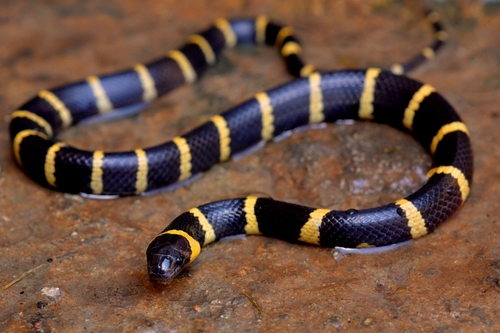
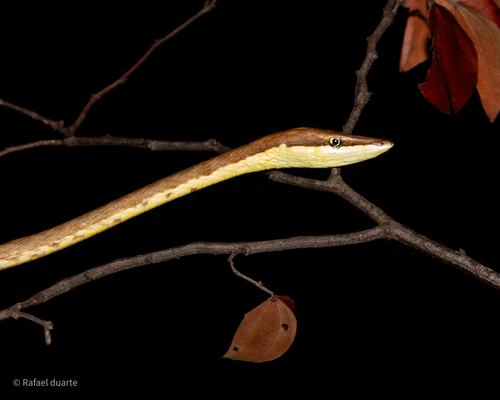
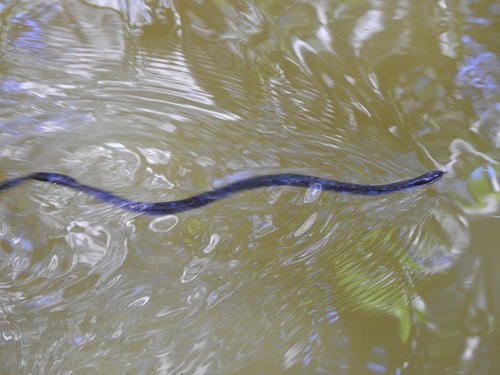
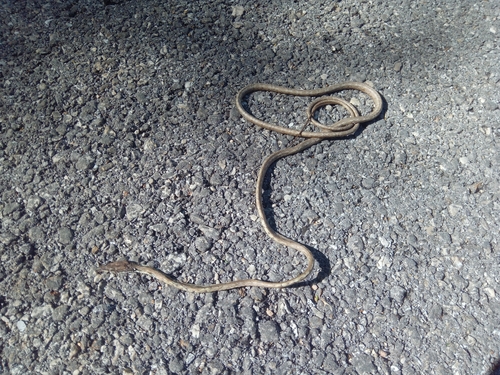
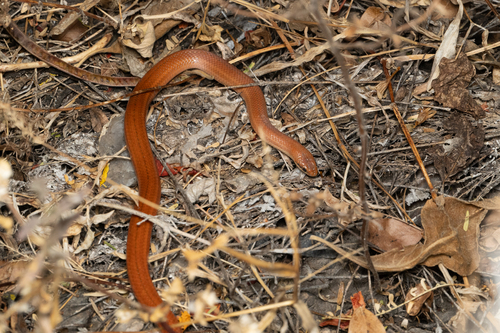
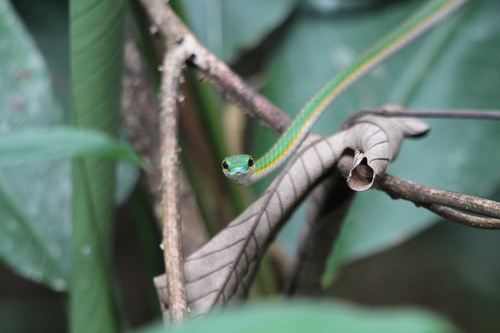
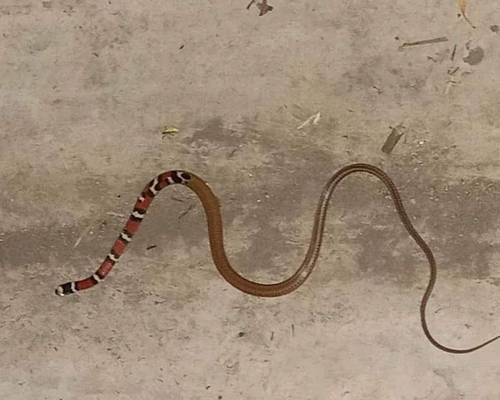
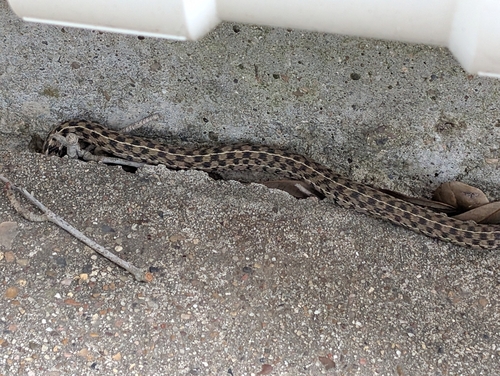
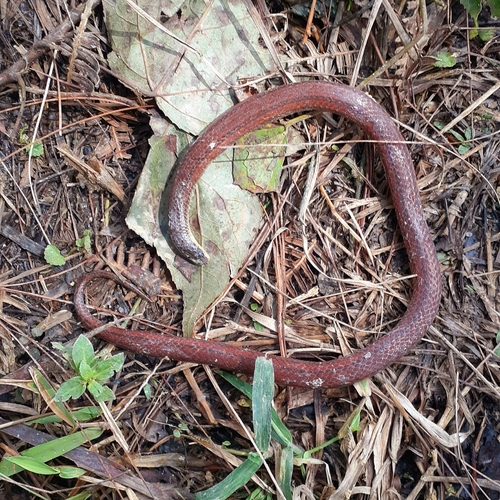
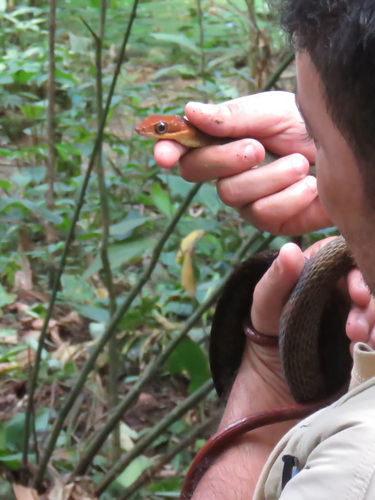
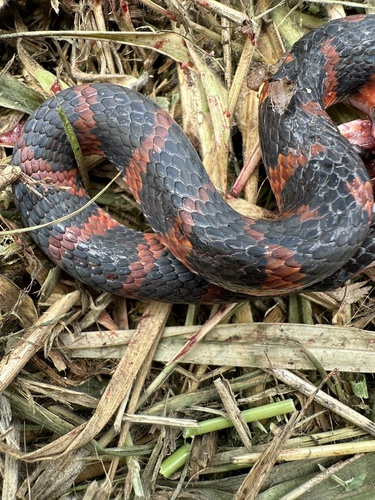
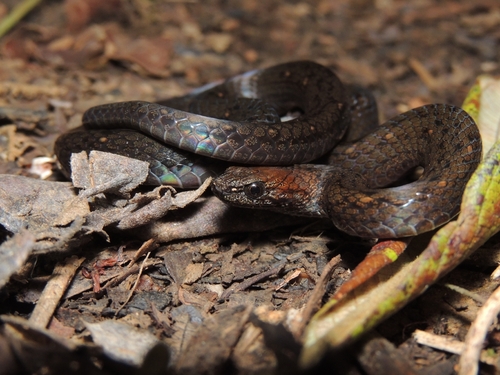
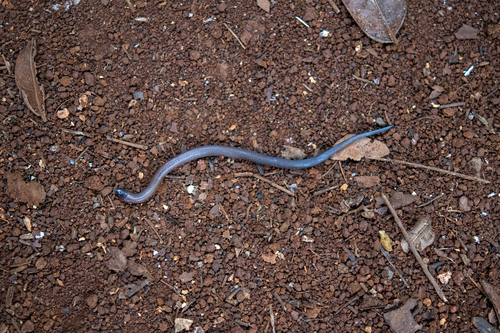
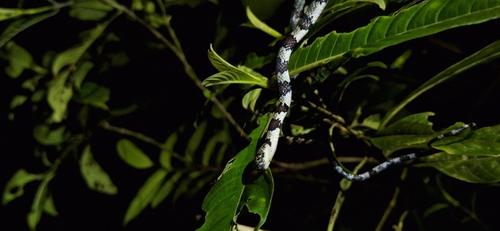
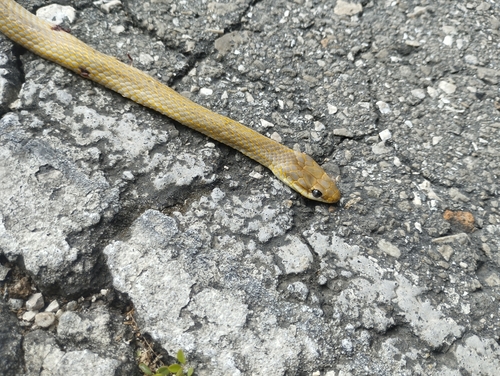
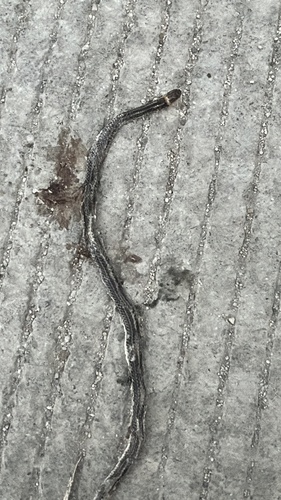
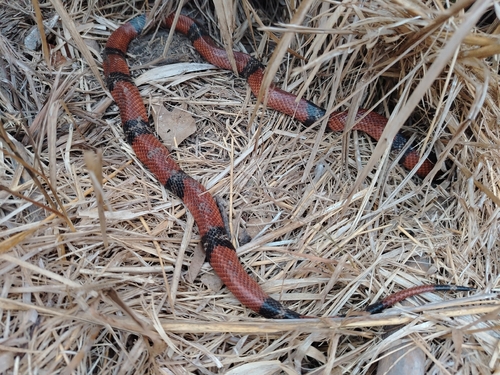
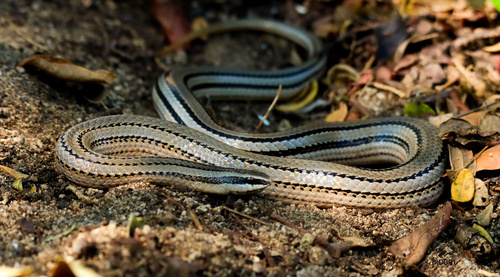
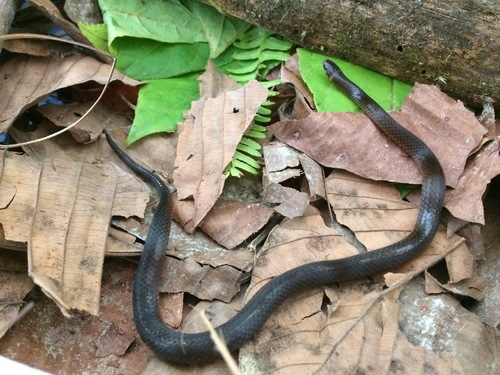
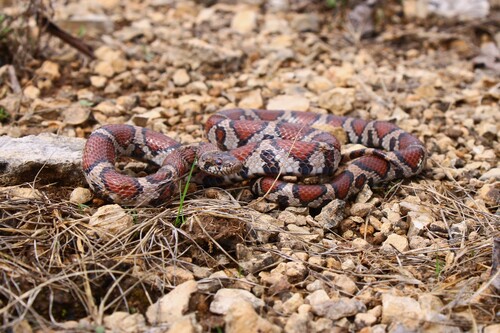
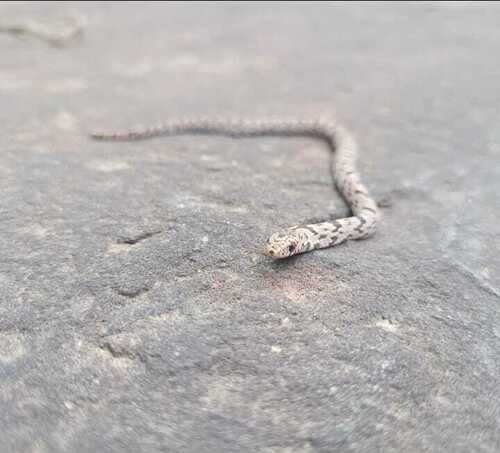
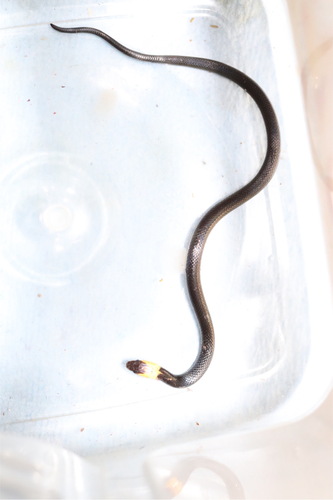
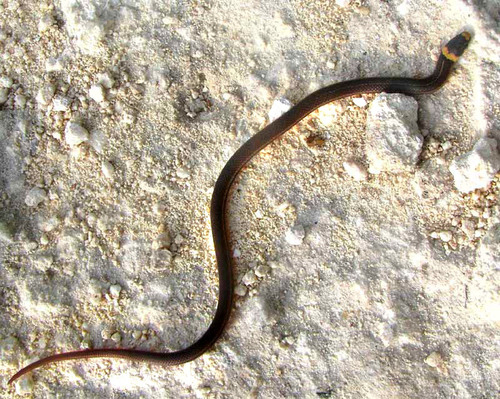
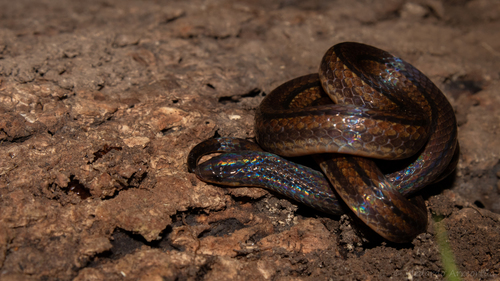
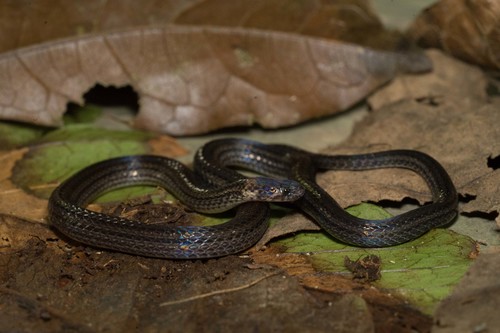
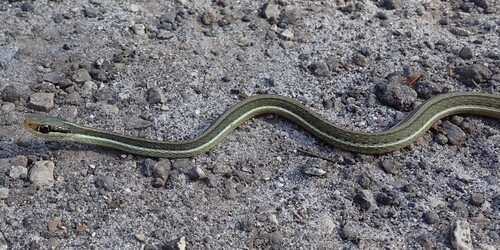
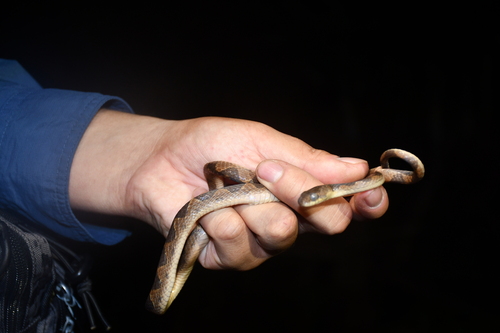
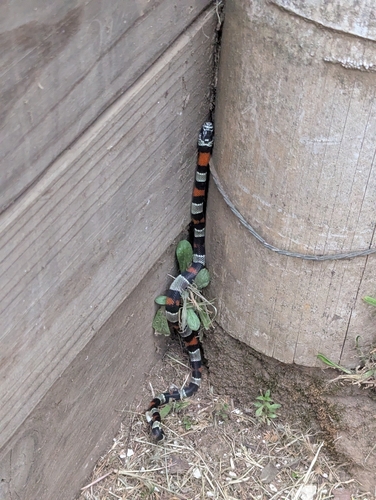
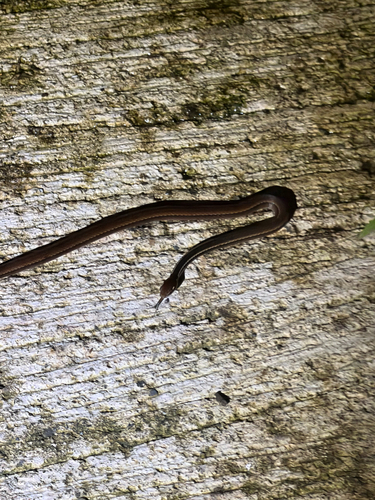
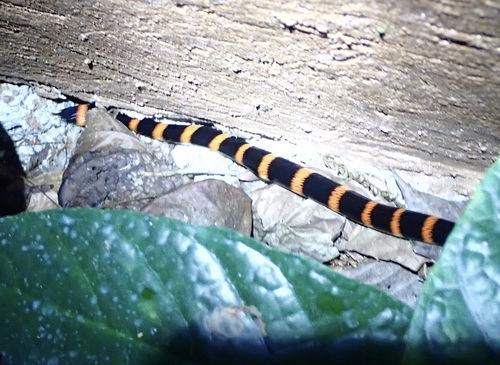
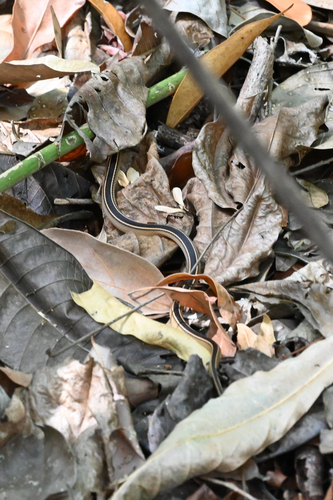
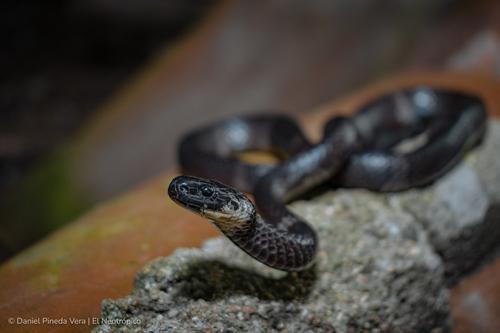
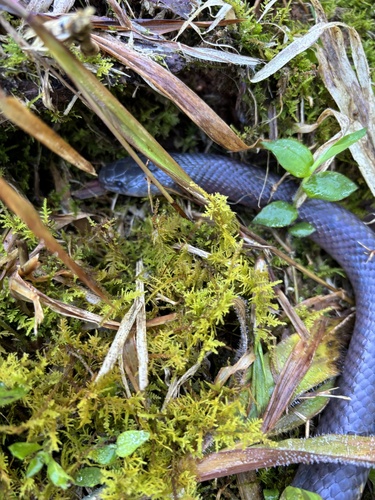
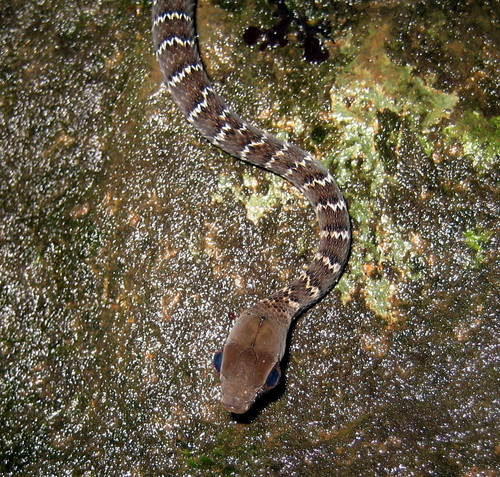
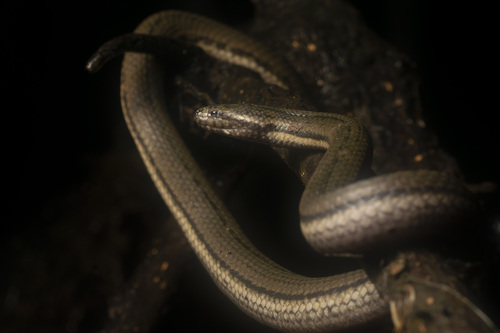
Viperidae (11)
Elapidae (4)
Boidae (3)
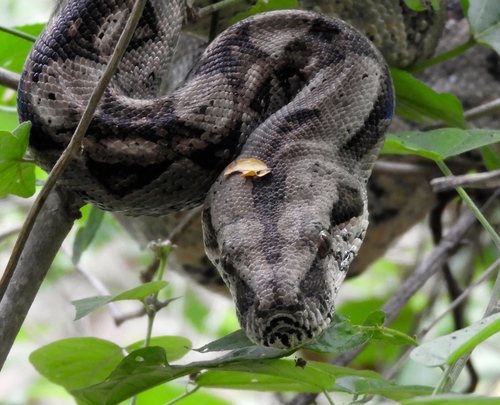
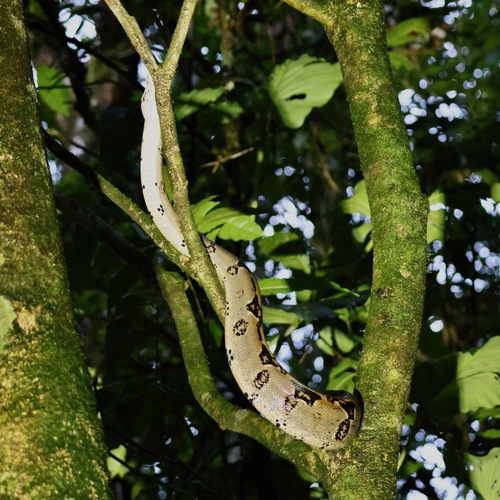
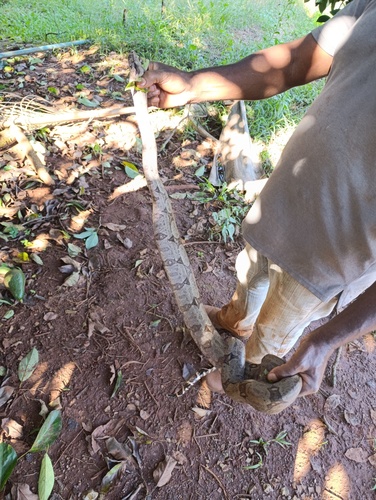
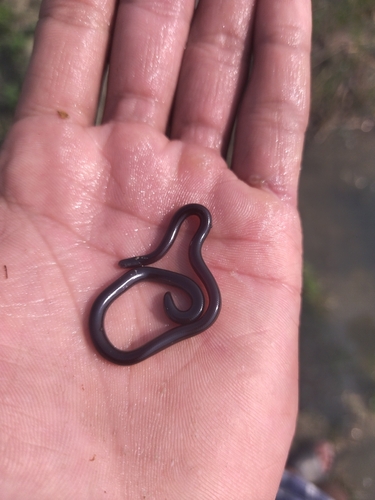
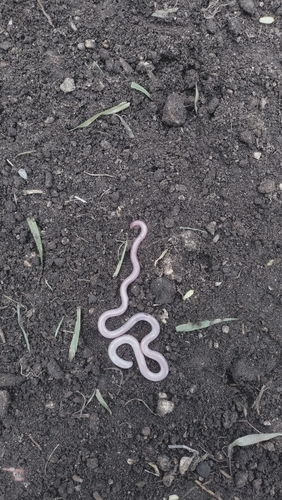
Compiled from verified GBIF & iNaturalist observations. "How often seen" reflects how frequently a snake is reported here, not how dangerous it is. Informational only.
Keep learning
- Are Snakes Dangerous? The Real Risk, in PerspectiveMost snakes are harmless and avoid people. Here is the honest picture of snakebite risk worldwide and how to lower your own.
- Snakebite First Aid: What to Do (and What Never to Do)A clear, CDC-based guide to snakebite first aid: the steps that help, the popular myths that hurt, and how to tell a serious bite from a minor one.
- Venomous vs Nonvenomous: How to Tell the DifferenceThe folk rules for telling venomous snakes apart, where each one fails, and why location-based identification beats guessing by sight.
- What to Do If You Find a SnakeFound a snake at home or on a trail? Here is how to stay calm, give it space, identify it safely, and know when to call a professional.