
Greece
Snakes in Greece
30+ snake species have been recorded in Greece, 6 venomous.
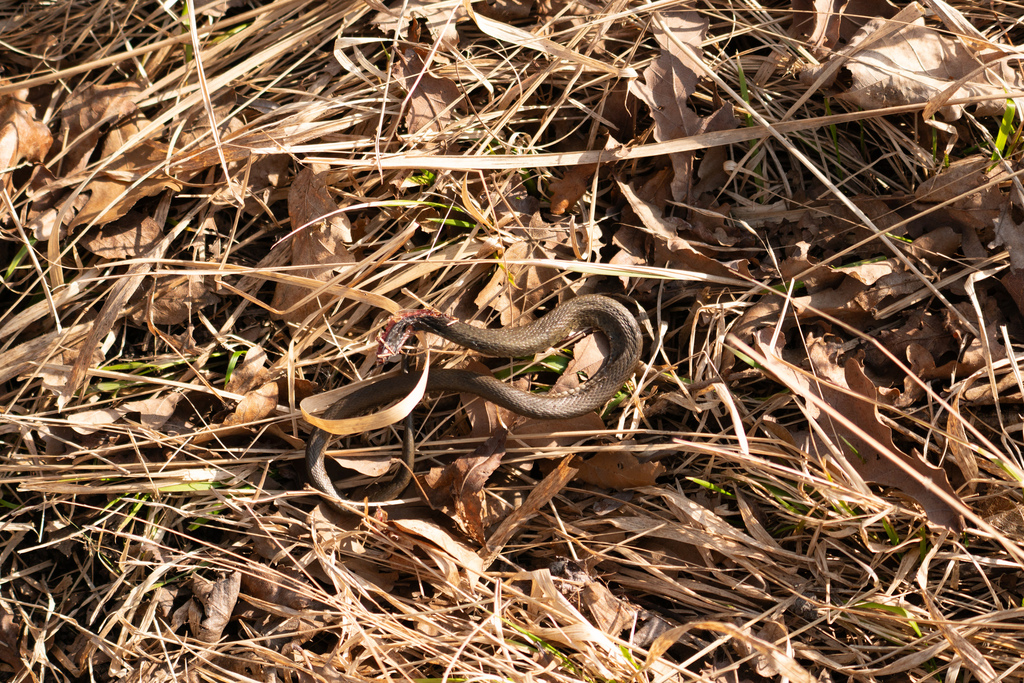
Snakes of Greece
Greece has 30+ snake species recorded in our database, and 8 of them are venomous. The great majority of species are non-venomous, so most snakes you encounter across the mainland and islands pose no medical danger. Greece is one of the richest countries in Europe for reptiles, and snakes are a normal and expected part of its wild places.
That diversity is driven by geography. Greece spans rugged limestone mountains, coastal scrub and maquis, river valleys, olive groves, dry rocky hillsides, wetlands, and thousands of islands in the Aegean and Ionian seas. Each of these habitats supports a different mix of snakes, and the warm Mediterranean climate gives reptiles a long active season. The islands in particular have produced isolated populations, which is one reason the country's snake fauna is so varied.
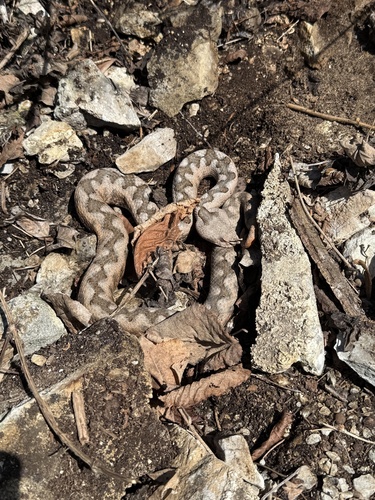
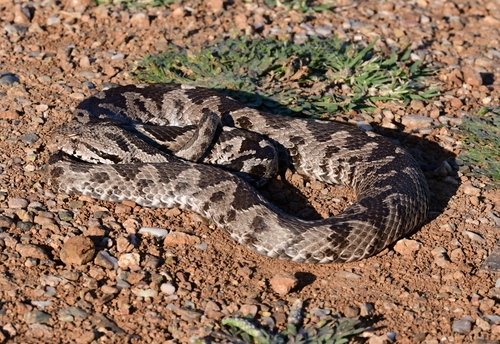
The medically important venomous snakes in Greece are vipers. Greece has no cobras, no mambas, no coral snakes, no rattlesnakes, and no pit vipers, since those groups do not occur in this part of the world. The vipers found here belong to the genus Vipera, including the nose-horned viper, which is the species responsible for most serious bites in the region. These are true vipers with a hemotoxic venom that can cause significant local and systemic effects. They are generally not aggressive and bite defensively when stepped on or cornered.
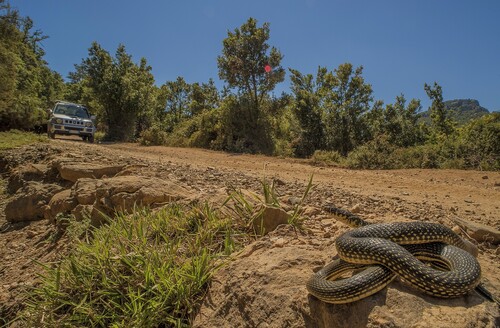
The non-venomous majority covers a wide range of familiar and notable snakes. Greece is home to several large and impressive species, including the four-lined snake, one of Europe's largest snakes, along with various whip snakes, the Aesculapian snake, grass snakes, dice snakes that hunt in and around water, and cat snakes. Most of these are harmless to people, controlling their prey through speed, constriction, or simply by being shy and quick to flee.
Snakes earn their place in the Greek landscape. They are efficient predators of rodents, helping keep populations of rats and mice in check around farmland, olive groves, and rural buildings. Some also feed on other reptiles, amphibians, insects, and eggs. By controlling these populations, snakes reduce crop damage and limit pests that spread disease, which makes them valuable to agriculture and to the wider ecosystem.
On safety, the honest framing is simple. Most snakes in Greece are harmless, and the main medical threat comes from the vipers, especially the nose-horned viper. If a venomous bite occurs, the treatment is professional medical care, which can include antivenom and monitoring at a hospital, so the priority is reaching emergency services quickly. Never assume a wild snake is safe to handle, and never try to catch or kill one, since most bites happen during those attempts. In the United States contact Poison Control at 1-800-222-1222, and anywhere else call your local emergency number for guidance and care.
Snakes in Greece: FAQ
- Are there venomous snakes in Greece?
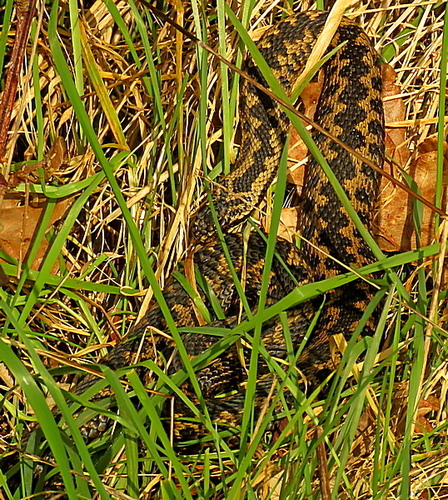
- Yes. 6 venomous snake species have verified records in Greece, including Nose-horned Viper, Ottoman Viper, Greek Viper, Adder. Most snakes in Greece, however, are harmless.
- How many snake species live in Greece?
- 30+ snake species have verified records in Greece, of which 6 are venomous.
- What is the most commonly seen snake in Greece?
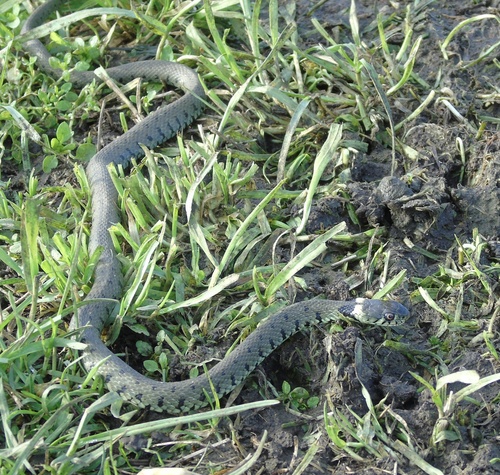
- The Grass Snake is the most frequently reported snake in Greece, based on verified wildlife observations.
- What should I do if I see a venomous snake in Greece?
- Keep your distance and do not try to catch or kill it. Most bites happen when people handle or corner a snake. If someone is bitten, contact local emergency services or poison control immediately.
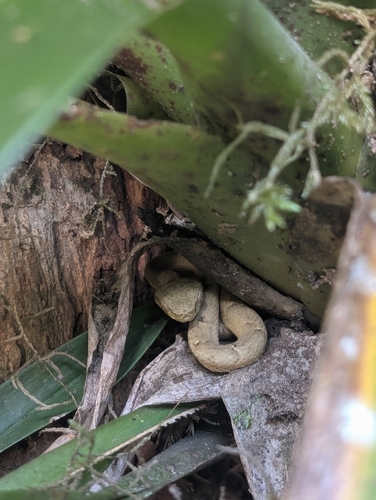
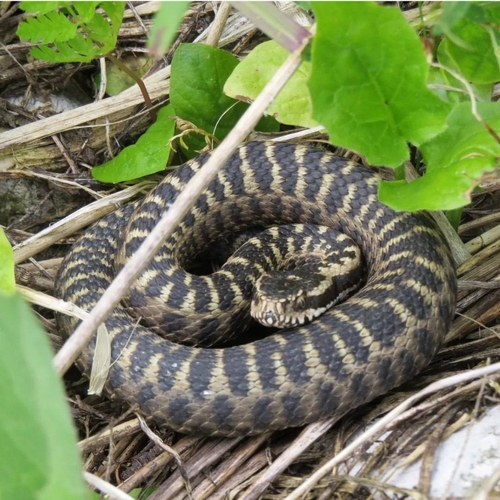
Venomous snakes in Greece

Every snake recorded in Greece
30+ species across 5 families, grouped by family. Venomous flagged.
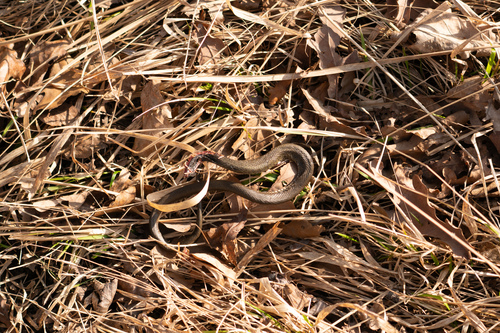
Colubridae (22)
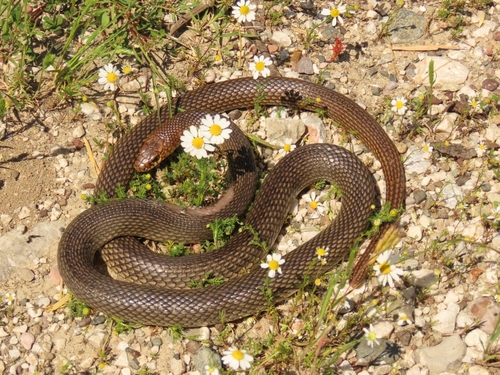
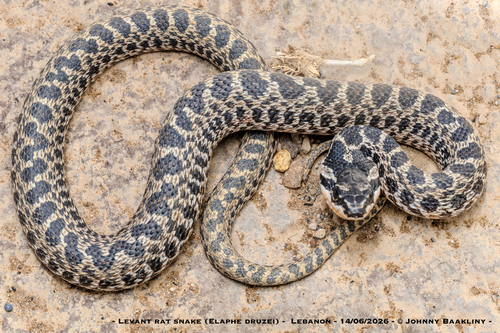
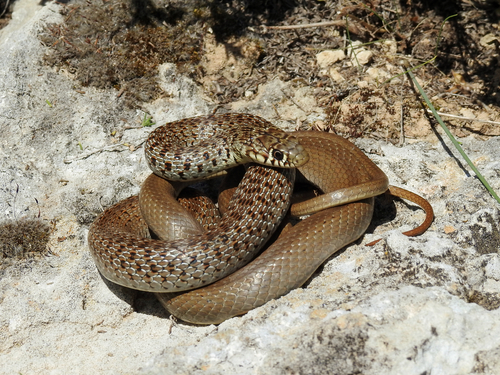
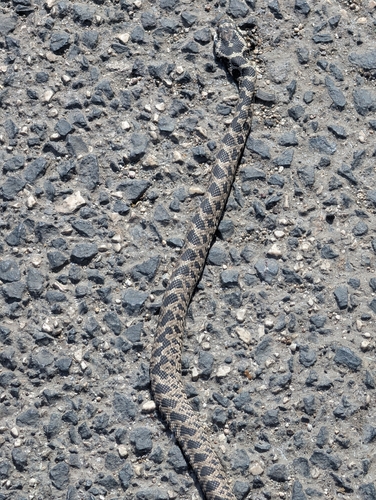
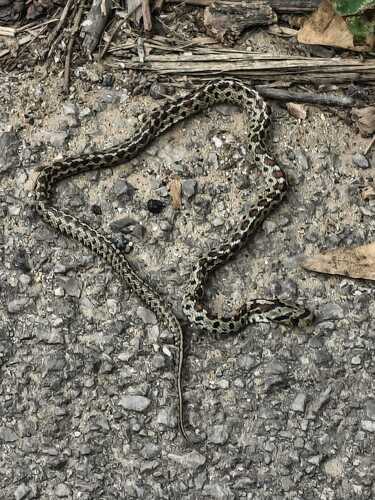
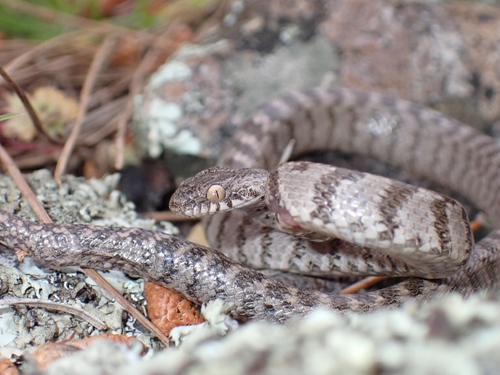
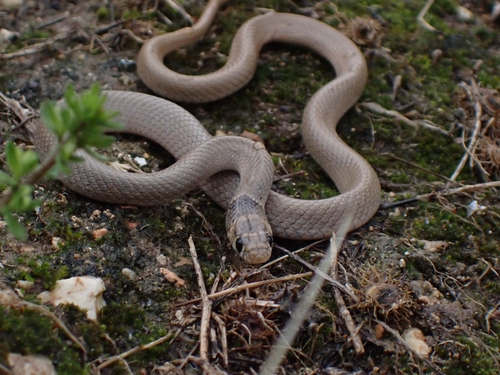
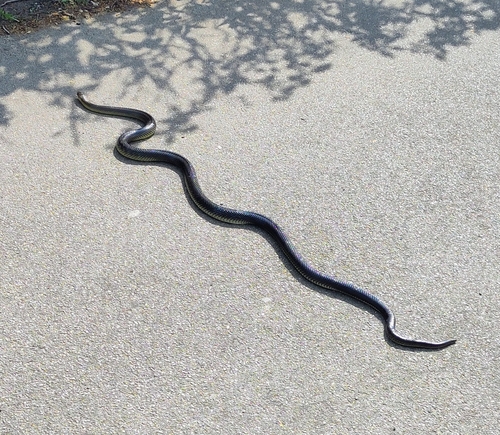
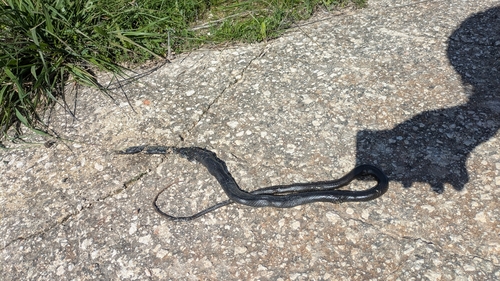
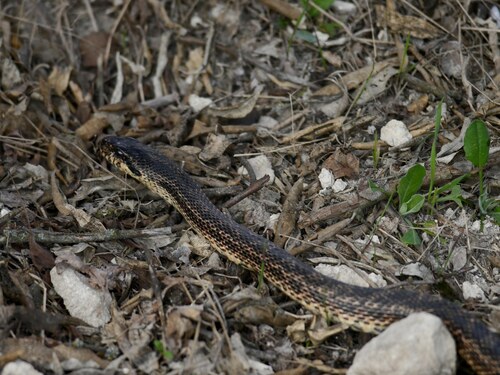
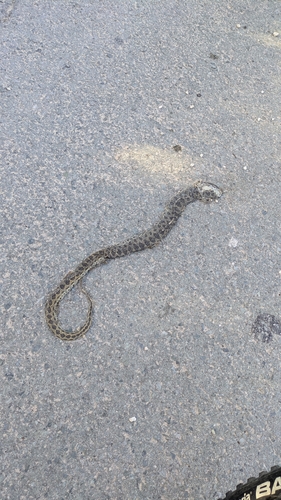
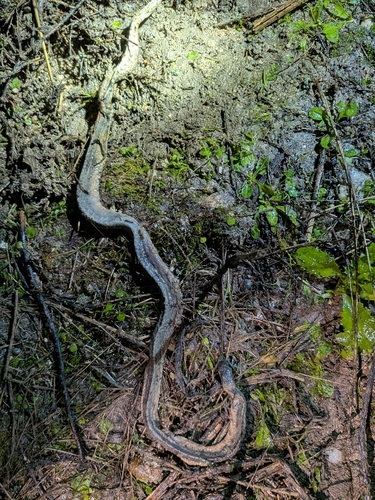
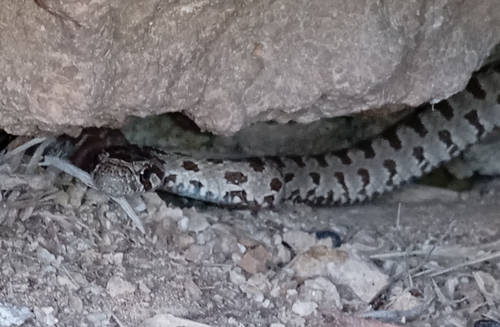
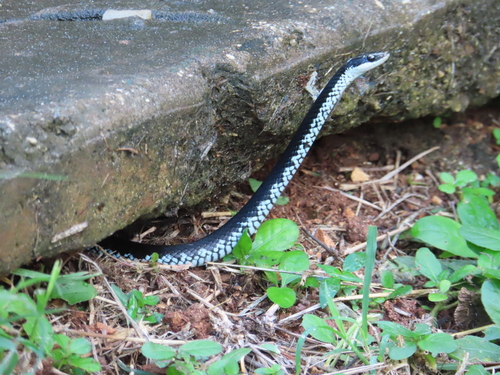
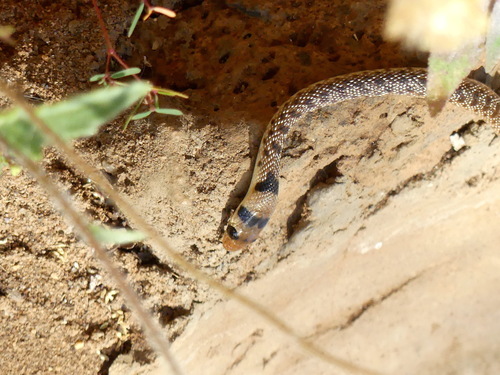
Viperidae (6)
Psammophiidae (2)
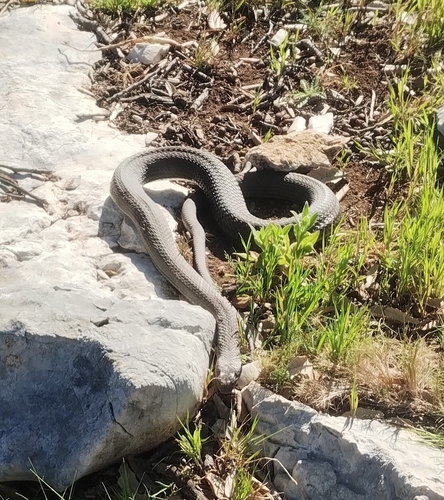
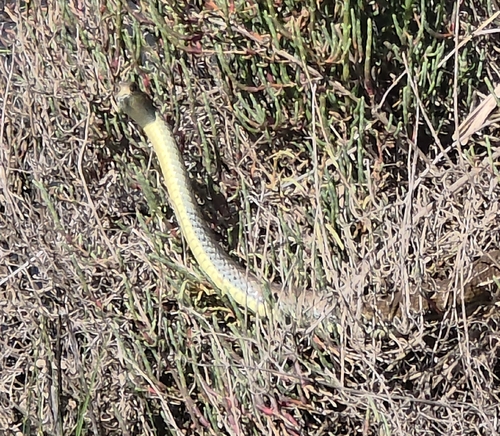
Typhlopidae (1)
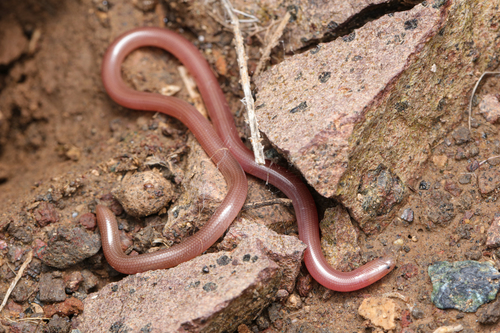
Boidae (1)
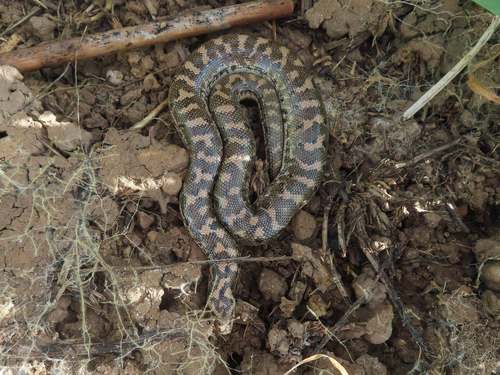
Compiled from verified GBIF & iNaturalist observations. "How often seen" reflects how frequently a snake is reported here, not how dangerous it is. Informational only.
Keep learning
- Are Snakes Dangerous? The Real Risk, in PerspectiveMost snakes are harmless and avoid people. Here is the honest picture of snakebite risk worldwide and how to lower your own.
- Snakebite First Aid: What to Do (and What Never to Do)A clear, CDC-based guide to snakebite first aid: the steps that help, the popular myths that hurt, and how to tell a serious bite from a minor one.
- Venomous vs Nonvenomous: How to Tell the DifferenceThe folk rules for telling venomous snakes apart, where each one fails, and why location-based identification beats guessing by sight.
- What to Do If You Find a SnakeFound a snake at home or on a trail? Here is how to stay calm, give it space, identify it safely, and know when to call a professional.