
Syria
Snakes in Syria
40+ snake species have been recorded in Syria, 7 venomous.
Snakes of Syria
The Syrian Arab Republic has 40+ snake species recorded in our database, 8 of them venomous. The great majority of species are non-venomous, which means most snakes a person encounters in the country pose no medical threat. Syria sits at a crossroads of three biogeographic zones, where Mediterranean, Irano-Turanian, and Saharo-Arabian influences meet, and that mix is the main reason its snake fauna is more varied than the country's modest size would suggest.
Geography and habitat drive that diversity. The narrow Mediterranean coastal strip and the wooded slopes of the coastal mountains support moisture-loving species, while the interior steppe, the Euphrates valley, and the irrigated farmland around Damascus and Aleppo create their own communities. To the east and south the land grades into open desert and rocky badlands, home to specialists adapted to heat and aridity. Rocky outcrops, wadis, oases, and the edges of cultivated fields all hold different snakes, and altitude ranges from sea level to high mountain ground add further variety.
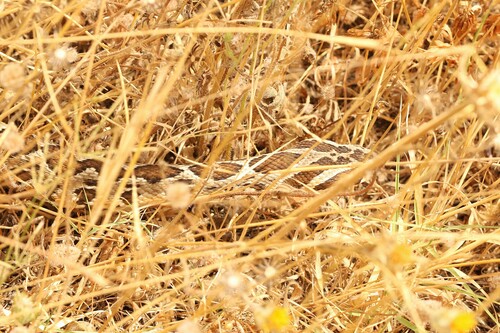
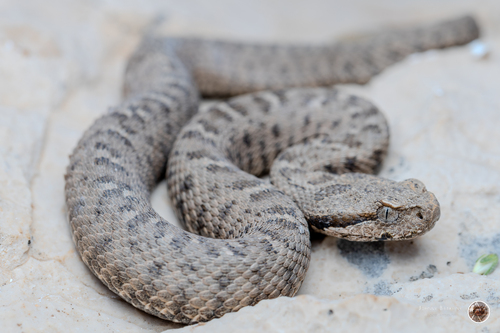
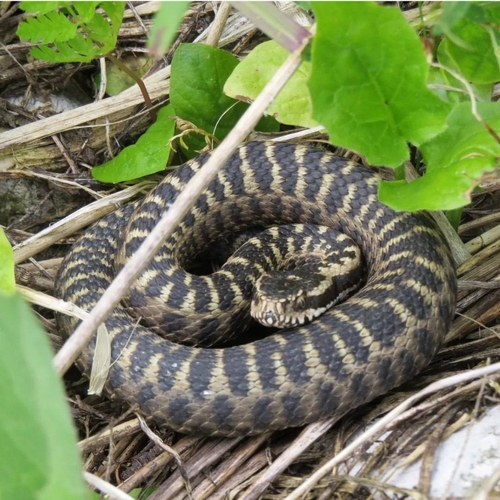
The medically important venomous snakes in Syria belong mainly to the viper family. True vipers of the genus Macrovipera and related mountain and steppe vipers are the most significant threat, capable of delivering bites that cause serious tissue damage and bleeding problems. Saw-scaled vipers (genus Echis), found in the drier eastern and southern zones, are small but dangerous and account for many bites across their range. The region also has horned and sand vipers of the genus Cerastes in desert areas, and the false horned viper, Pseudocerastes. Elapid representation includes the desert black cobra group (genus Walterinnesia) in arid terrain. Sea snakes, mambas, coral snakes, pit vipers, and rattlesnakes do not occur in Syria, so the danger is concentrated in these terrestrial viper and cobra groups.
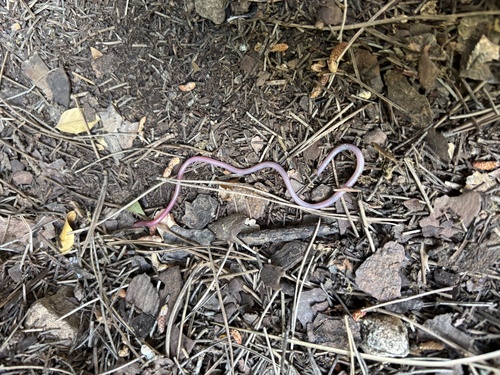
The large non-venomous majority is what defines everyday encounters. Colubrid snakes dominate the list, including racers and whip snakes, the various Eirenis dwarf snakes, the Montpellier snake, water snakes of the genus Natrix near rivers and wetlands, and several rat snakes. Some of these, like the Montpellier snake, are rear-fanged and mildly venomous to their prey but are not considered a serious danger to people. Blind snakes, tiny burrowing animals often mistaken for worms, round out the harmless end of the spectrum. These species are the snakes most people will actually see, and they are beneficial rather than threatening.
Snakes provide real ecological value across Syria's farmland, steppe, and desert. They are efficient predators of rodents, and a single snake can remove large numbers of mice and rats over a season, reducing crop losses and limiting the rodents that carry disease. Smaller snakes feed on insects, lizards, and other small animals, helping keep those populations in balance. In a country where agriculture matters, the rodent control that snakes provide is a quiet but genuine benefit, and removing snakes from an area often allows pest populations to climb.
On safety, the honest picture is reassuring but not complacent. Most snakes in Syria are harmless, and bites are uncommon when people leave snakes alone and watch where they step and reach in rocky or brushy ground. The main medical threat comes from the vipers, especially saw-scaled and larger true vipers, whose bites can be life threatening and always require professional care. The correct response to any venomous bite is to get the person to a hospital as fast as possible, where antivenom and supportive treatment are the real treatment. Never attempt to handle, catch, or kill a wild venomous snake, since most bites happen during exactly those attempts. This page does not provide first aid instructions. In an emergency, call local emergency services, or in the United States contact Poison Control at 1-800-222-1222.
Snakes in Syria: FAQ
- Are there venomous snakes in Syria?
- Yes. 7 venomous snake species have verified records in Syria, including Palestine Viper, Lebanon Viper, Caucasus Subalpine Viper, Müller's Snake. Most snakes in Syria, however, are harmless.
- How many snake species live in Syria?
- 40+ snake species have verified records in Syria, of which 7 are venomous.
- What is the most commonly seen snake in Syria?
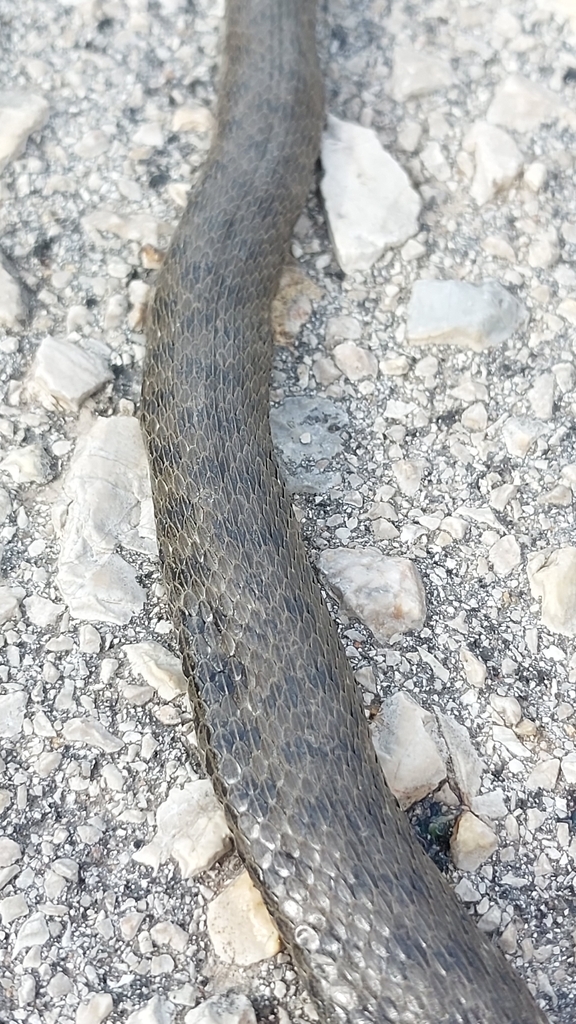
- The Tessellated Water Snake is the most frequently reported snake in Syria, based on verified wildlife observations.
- What should I do if I see a venomous snake in Syria?
- Keep your distance and do not try to catch or kill it. Most bites happen when people handle or corner a snake. If someone is bitten, contact local emergency services or poison control immediately.
Venomous snakes in Syria

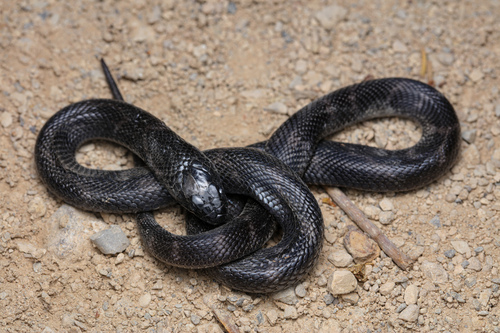
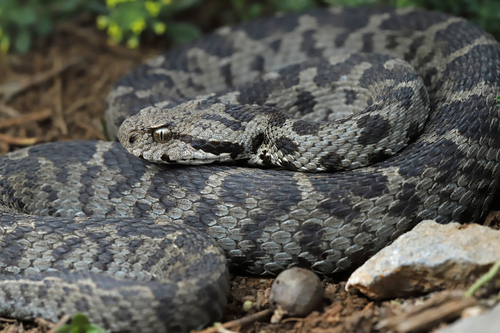
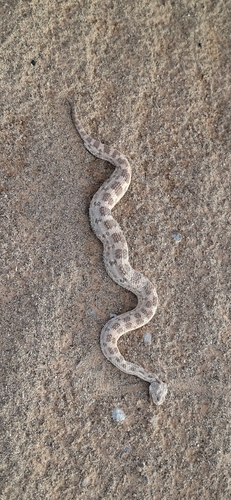
Every snake recorded in Syria
40+ species across 7 families, grouped by family. Venomous flagged.
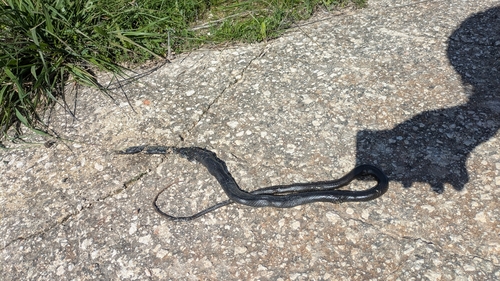
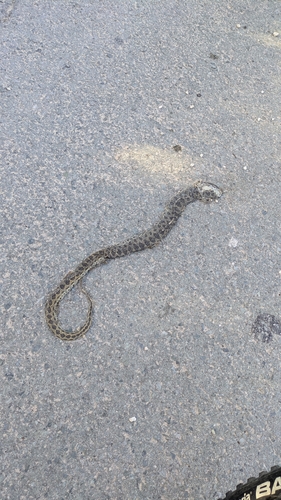
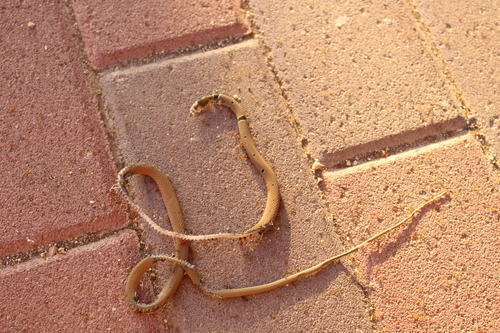
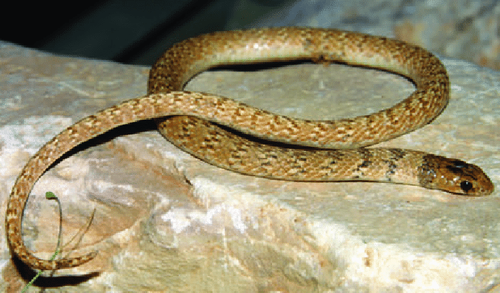
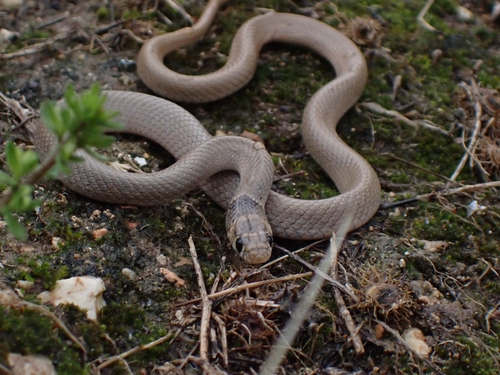
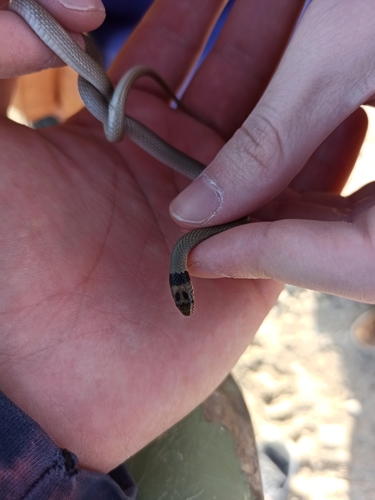
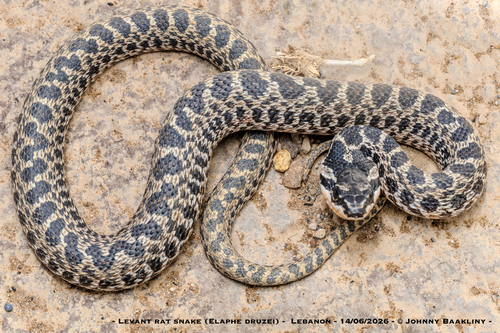
Colubridae (28)
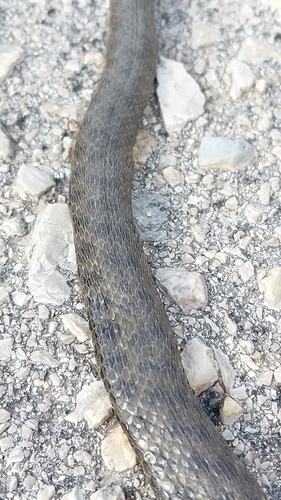
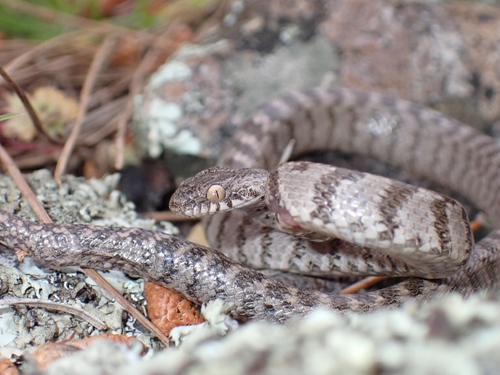
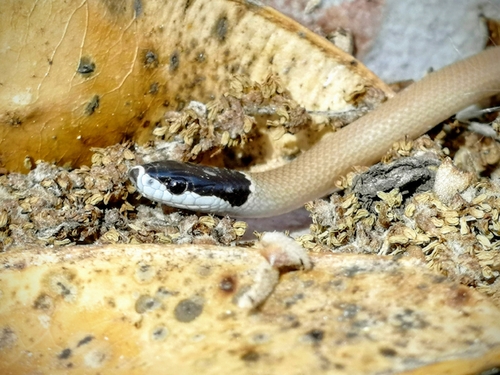
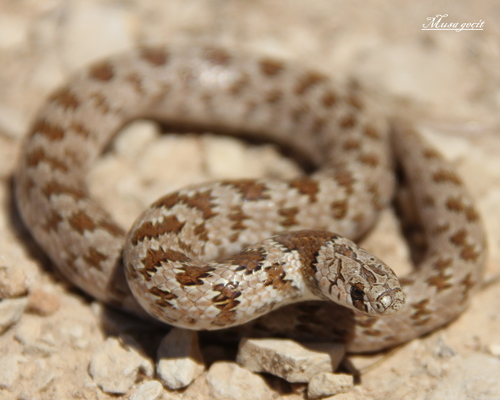
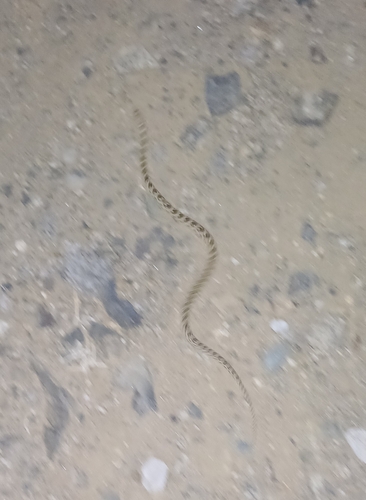
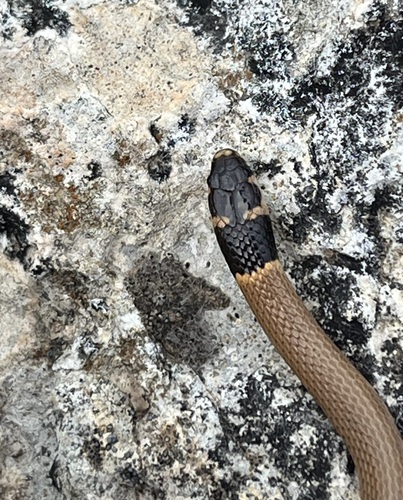
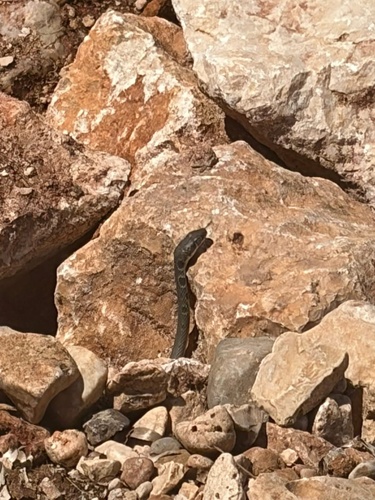
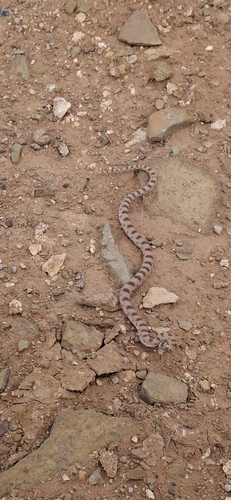
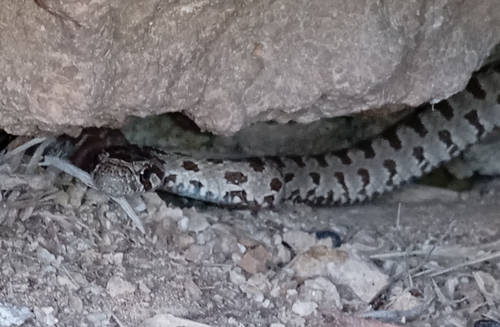
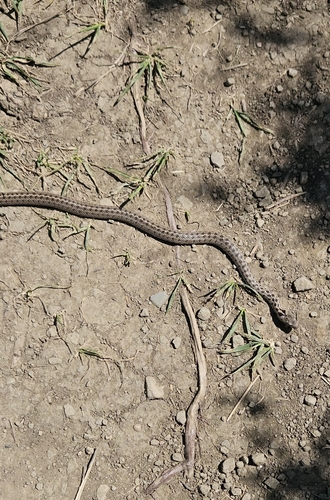
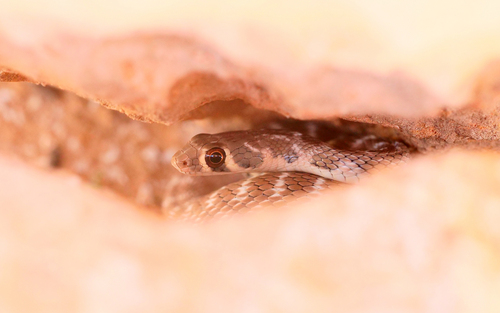
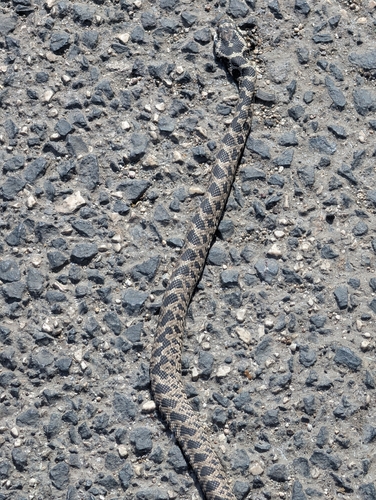
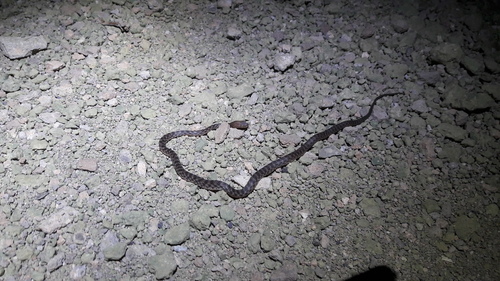
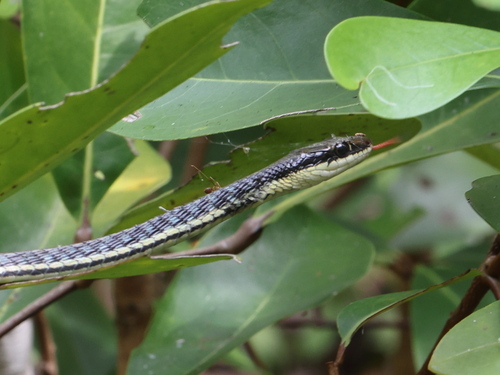
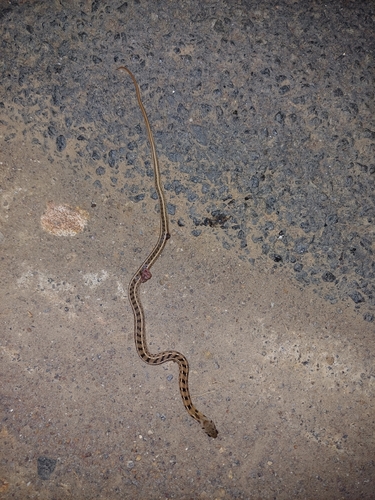
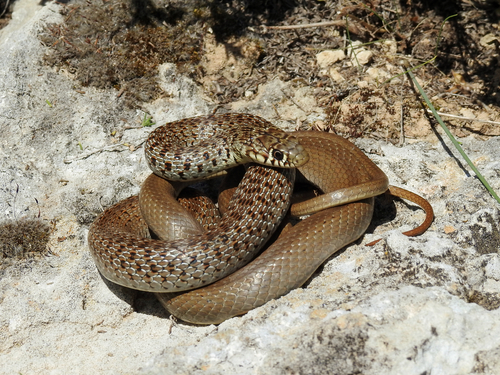
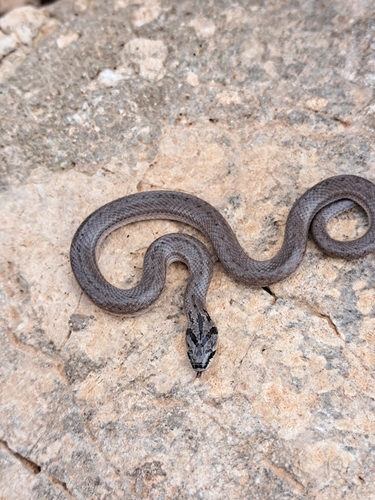
Viperidae (5)
Psammophiidae (4)
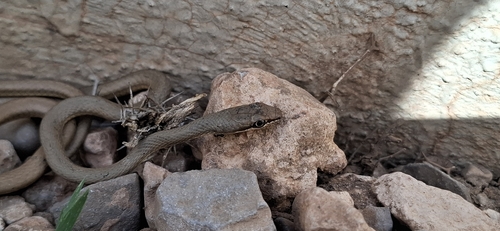
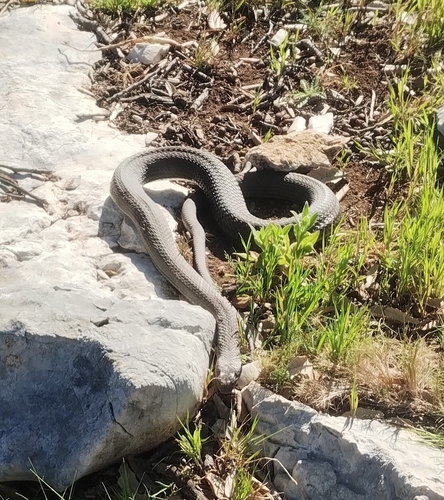
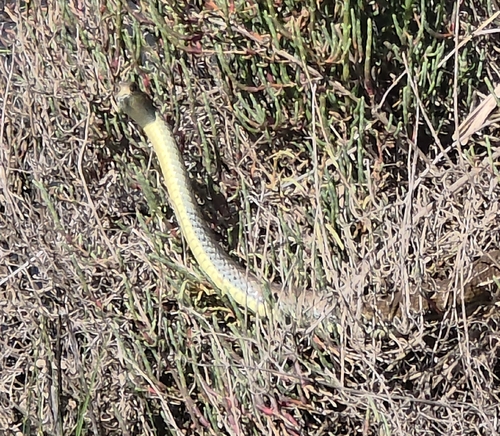
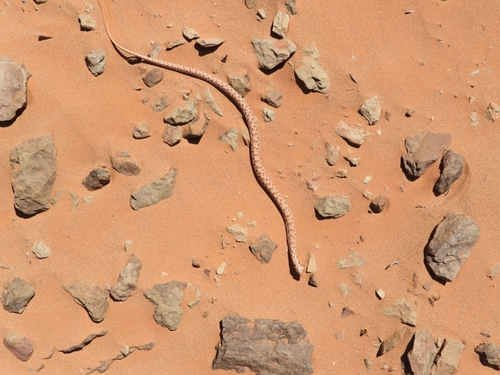
Typhlopidae (3)
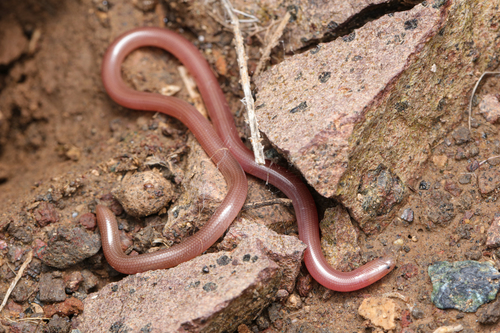
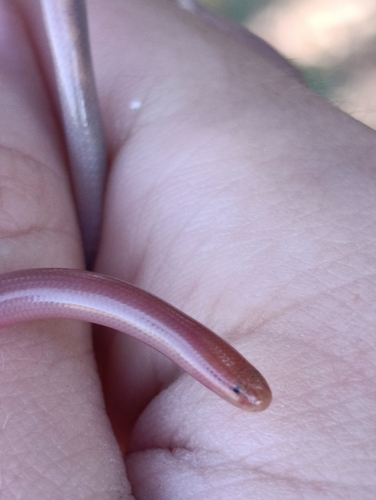
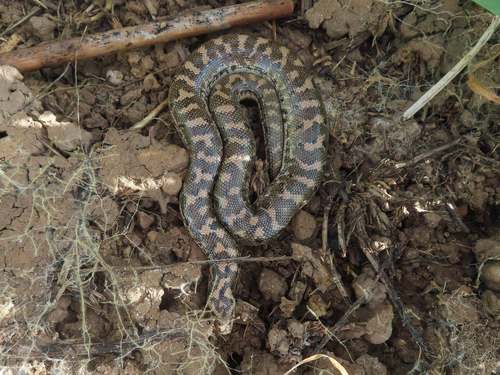
Boidae (1)
Atractaspididae (1)
Compiled from verified GBIF & iNaturalist observations. "How often seen" reflects how frequently a snake is reported here, not how dangerous it is. Informational only.
Keep learning
- Are Snakes Dangerous? The Real Risk, in PerspectiveMost snakes are harmless and avoid people. Here is the honest picture of snakebite risk worldwide and how to lower your own.
- Snakebite First Aid: What to Do (and What Never to Do)A clear, CDC-based guide to snakebite first aid: the steps that help, the popular myths that hurt, and how to tell a serious bite from a minor one.
- Venomous vs Nonvenomous: How to Tell the DifferenceThe folk rules for telling venomous snakes apart, where each one fails, and why location-based identification beats guessing by sight.
- What to Do If You Find a SnakeFound a snake at home or on a trail? Here is how to stay calm, give it space, identify it safely, and know when to call a professional.