
Belgium
Snakes in Belgium
20+ snake species have been recorded in Belgium, 3 venomous.
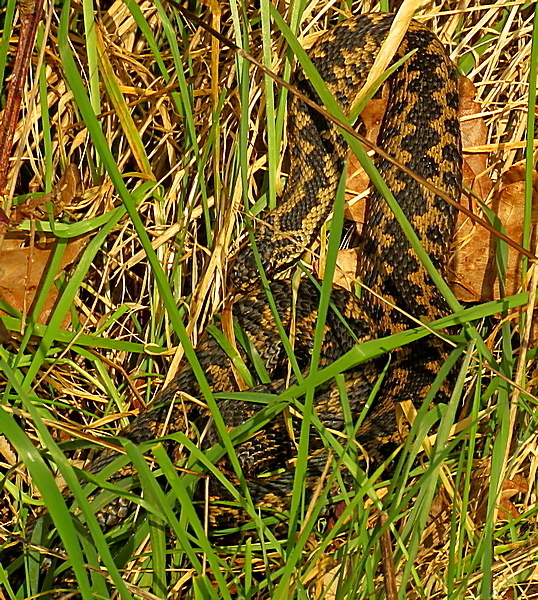
Snakes of Belgium
Belgium has 20+ snake species recorded in our database, of which 3 are venomous. The great majority of species are non-venomous, and the country's native snake fauna is small, secretive, and rarely encountered in daily life. Belgium sits in a temperate corner of northwestern Europe where cool, wet conditions limit the number of reptiles that can thrive, so most of the diversity in the database reflects a wider regional pool rather than dense local populations. Snakes here tend to be shy animals that move away from people long before they are seen.
The geography of Belgium drives what little snake diversity exists. The country spans coastal dunes and polders in the north, the agricultural lowlands of Flanders, the rolling plateau of central Belgium, and the forested hills and river valleys of the Ardennes in the south. Warm, sandy, and well-drained habitats matter most for reptiles: heathlands, dune systems, forest edges, sunny clearings, dry slopes, and the margins of wetlands and ponds. The Ardennes and the heaths of the Campine region hold the strongest reptile communities, because they offer the basking spots, cover, and prey that snakes depend on. Wetter, intensively farmed areas support far fewer snakes.
The venomous snakes that matter medically in Belgium belong to one group: the true vipers, family Viperidae. Belgium has no native cobras, mambas, coral snakes, sea snakes, rattlesnakes, or other pit vipers in the wild. The viper most associated with this part of Europe is the adder, a small, thick-bodied snake of heaths, moors, forest edges, and sunny slopes, recognizable by the dark zigzag pattern running down its back. Adder bites in temperate Europe are uncommon and rarely fatal, but they are a genuine medical event that can cause significant pain, swelling, and systemic effects. Any suspected viper bite should be treated as a medical emergency.
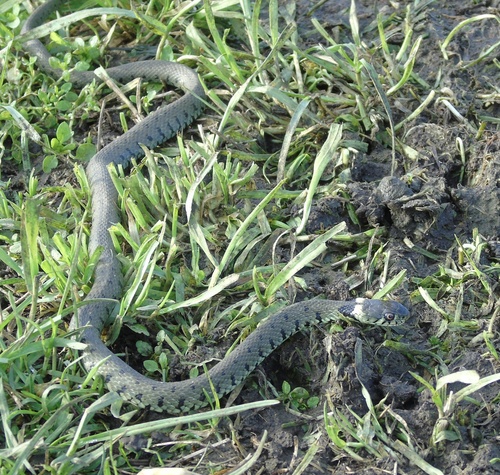
The large non-venomous majority is what people are most likely to meet. The grass snake is the best known snake in the region, a slender, often greenish or grey snake frequently found near ponds, ditches, marshes, and slow water, where it hunts amphibians and fish and swims well. The smooth snake is a smaller, more secretive species of dry, sunny habitats that feeds heavily on lizards and other reptiles. These non-venomous snakes are harmless to people, controlling their prey by constriction or by simply seizing it, and they form the backbone of Belgium's snake fauna alongside introduced or vagrant species recorded over time.
Snakes earn their place in Belgian ecosystems. As mid-level predators they help control populations of rodents, amphibians, fish, and insects, and in doing so they reduce agricultural and garden pests and the diseases rodents can carry. They are also prey for birds of prey, foxes, and other animals, which makes them an important link in the food web. A healthy snake population is a sign of healthy heath, wetland, and woodland habitat, and the steep decline of suitable warm, undisturbed ground is the main pressure on these species in a densely populated country.
On safety, the honest picture is reassuring. Almost every snake you might encounter in Belgium is harmless, and the single group of real medical concern is the native vipers. Even so, never handle a wild snake, venomous or not: a bite from a venomous species is a medical emergency, and the correct treatment is professional care, which can include antivenom and hospital monitoring, not anything done in the field. If a bite happens, keep the person calm and still and get emergency medical help immediately. In the United States call Poison Control at 1-800-222-1222; in Belgium and elsewhere contact your local emergency number and poison center without delay.
Snakes in Belgium: FAQ
- Are there venomous snakes in Belgium?
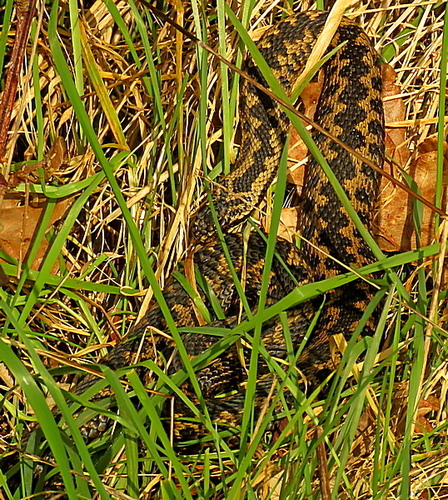
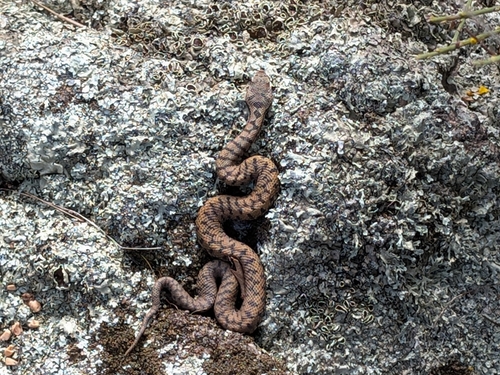
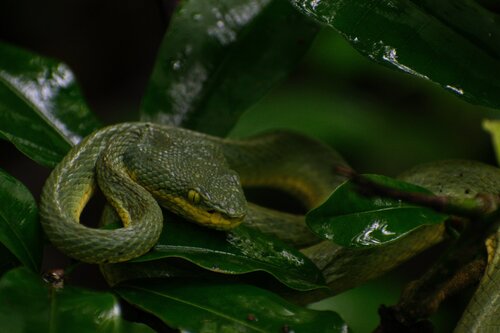
- Yes. 3 venomous snake species have verified records in Belgium, including Adder, Asp Viper, Common Bamboo Viper. Most snakes in Belgium, however, are harmless.
- How many snake species live in Belgium?
- 20+ snake species have verified records in Belgium, of which 3 are venomous.
- What is the most commonly seen snake in Belgium?
- The Adder is the most frequently reported snake in Belgium, based on verified wildlife observations.
- What should I do if I see a venomous snake in Belgium?
- Keep your distance and do not try to catch or kill it. Most bites happen when people handle or corner a snake. If someone is bitten, contact local emergency services or poison control immediately.
Venomous snakes in Belgium
Every snake recorded in Belgium
20+ species across 4 families, grouped by family. Venomous flagged.
Colubridae (16)
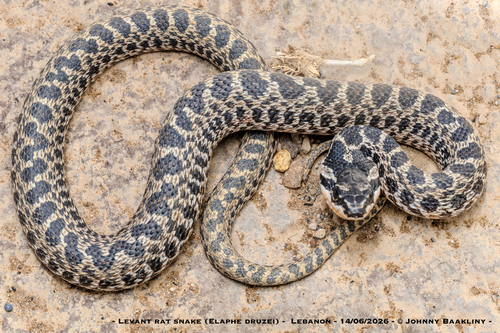
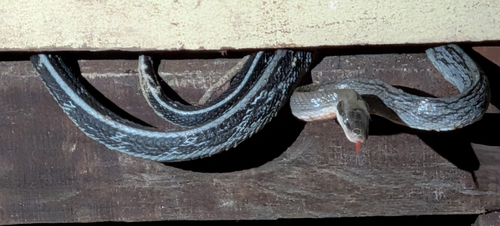
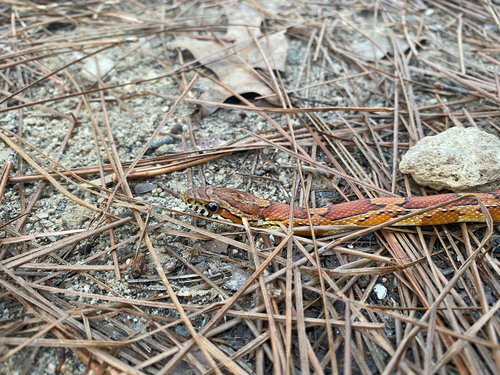
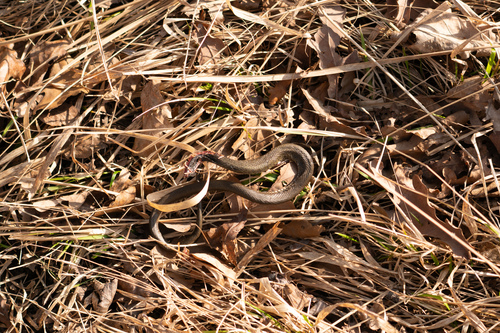
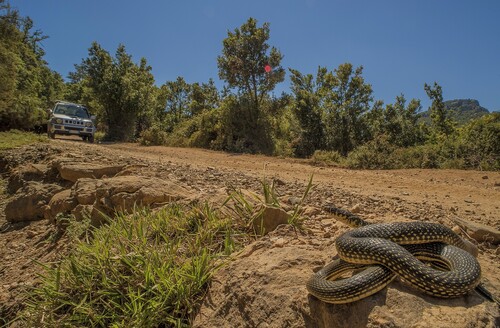
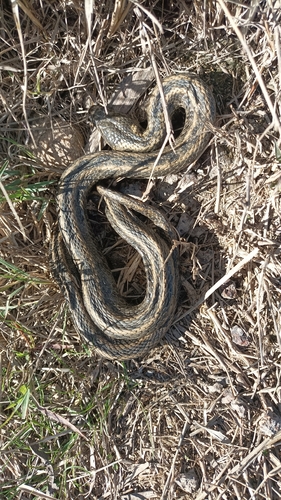
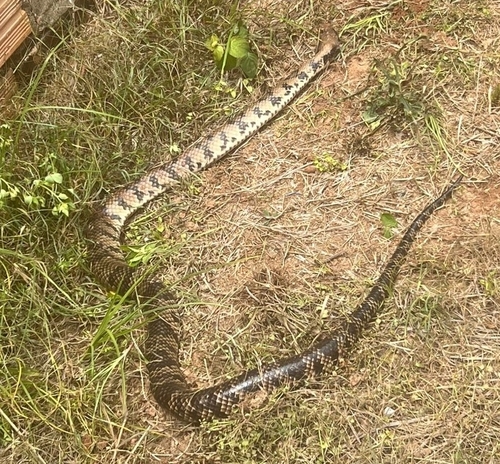
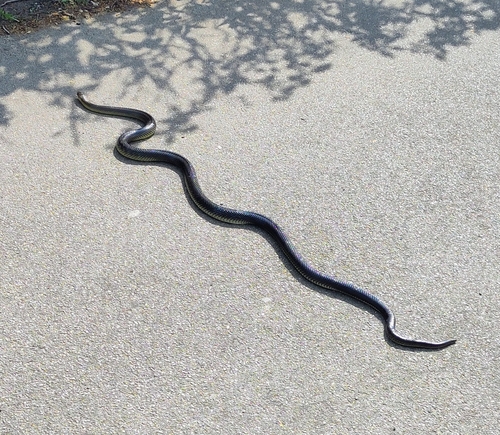
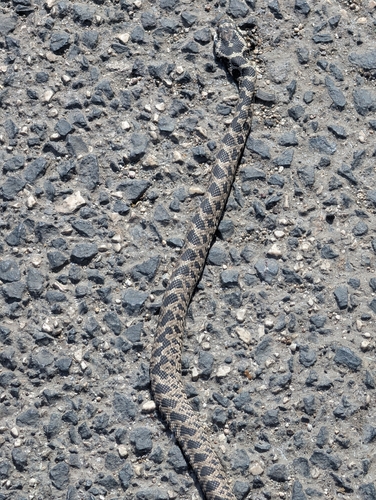
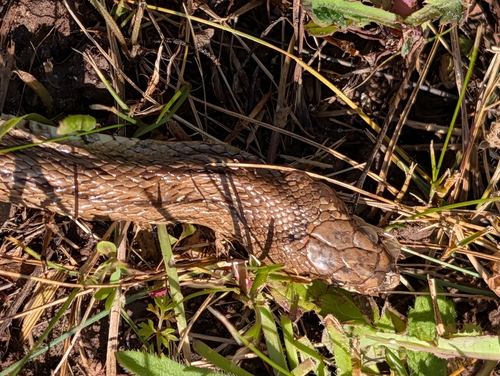
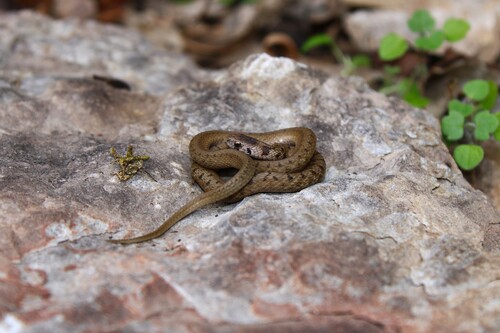
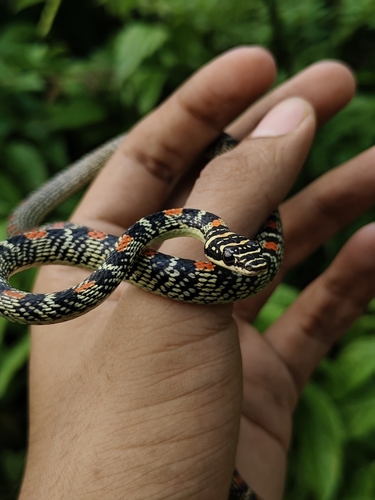
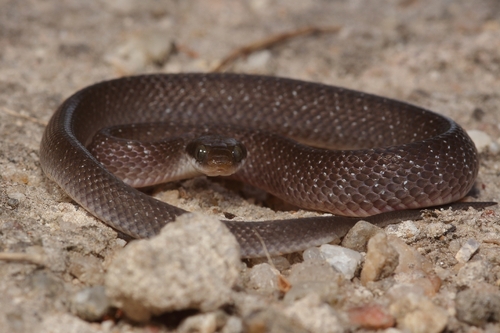
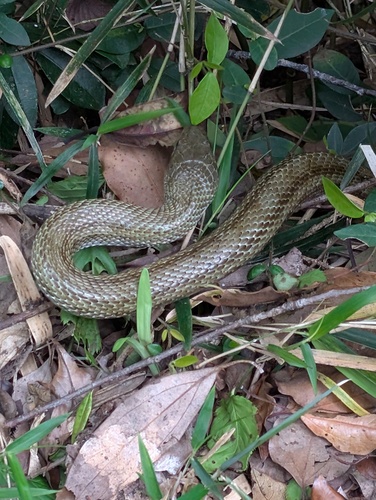
Viperidae (3)
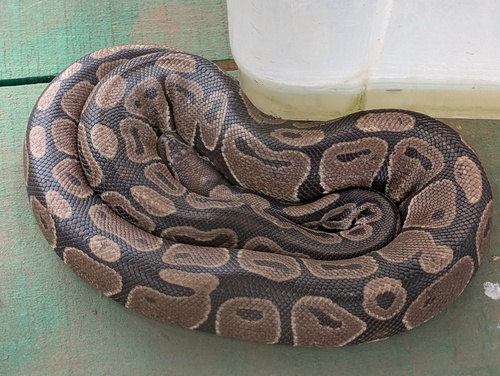
Pythonidae (1)
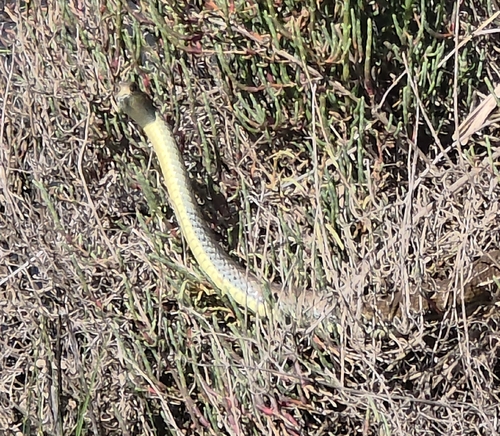
Psammophiidae (1)
Compiled from verified GBIF & iNaturalist observations. "How often seen" reflects how frequently a snake is reported here, not how dangerous it is. Informational only.
Keep learning
- Are Snakes Dangerous? The Real Risk, in PerspectiveMost snakes are harmless and avoid people. Here is the honest picture of snakebite risk worldwide and how to lower your own.
- Snakebite First Aid: What to Do (and What Never to Do)A clear, CDC-based guide to snakebite first aid: the steps that help, the popular myths that hurt, and how to tell a serious bite from a minor one.
- Venomous vs Nonvenomous: How to Tell the DifferenceThe folk rules for telling venomous snakes apart, where each one fails, and why location-based identification beats guessing by sight.
- What to Do If You Find a SnakeFound a snake at home or on a trail? Here is how to stay calm, give it space, identify it safely, and know when to call a professional.