
Texas
Snakes in Blanco County
26 species have been documented here, 5 of them venomous.
Venomous snakes in Blanco County
Full guide & what to do if bitten →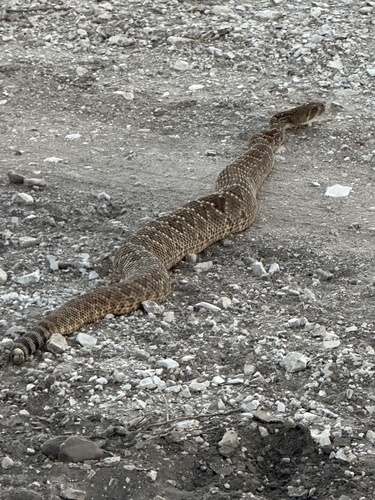 Western Diamond-backed RattlesnakeCrotalus atroxVenomous
Heavy body, broad triangular head, vertical (cat-like) pupils, and a segmented keratin rattle at the tail tip.
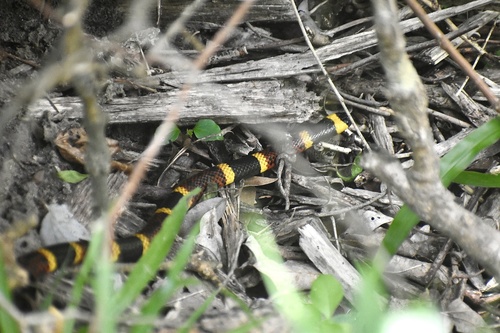 Texas CoralsnakeMicrurus tenerVenomous
Rings of red, yellow, and black where red touches yellow; small rounded head and round pupils.
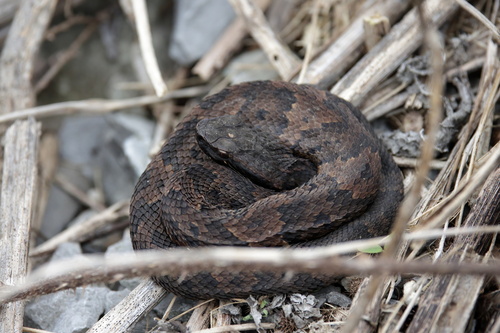 Northern CottonmouthAgkistrodon piscivorusVenomous
Heavy body, triangular head, vertical pupils, and a heat-sensing pit between each eye and nostril.
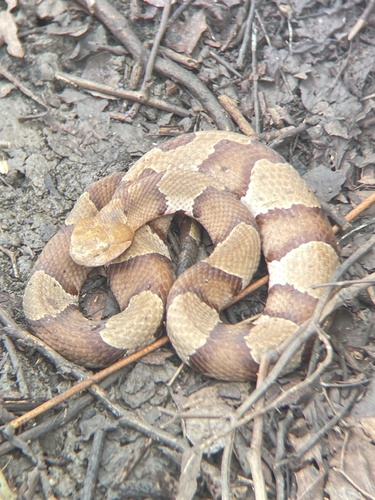 Broad-banded CopperheadAgkistrodon laticinctusVenomous
Heavy body, triangular head, vertical pupils, and a heat-sensing pit between each eye and nostril.
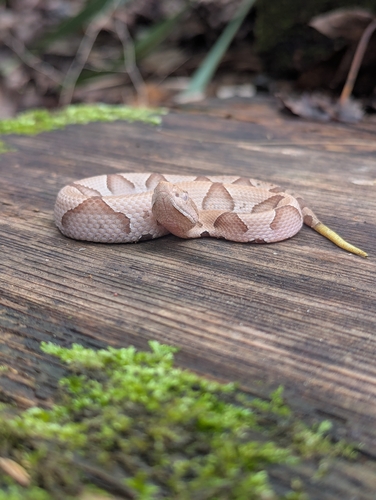 Eastern CopperheadAgkistrodon contortrixVenomous
Heavy body, triangular head, vertical pupils, and a heat-sensing pit between each eye and nostril.
Every snake recorded in Blanco County
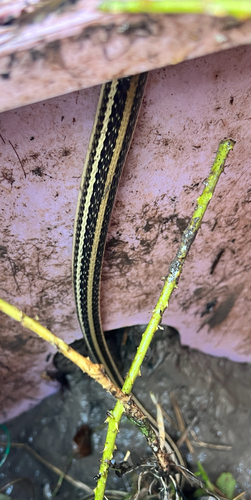
Western Ribbon Snake
Thamnophis proximus
Harmless
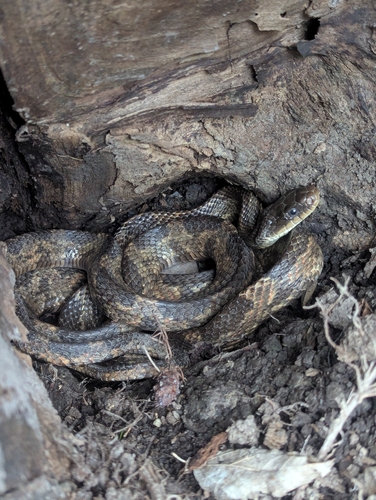
Western Ratsnake
Pantherophis obsoletus
Harmless
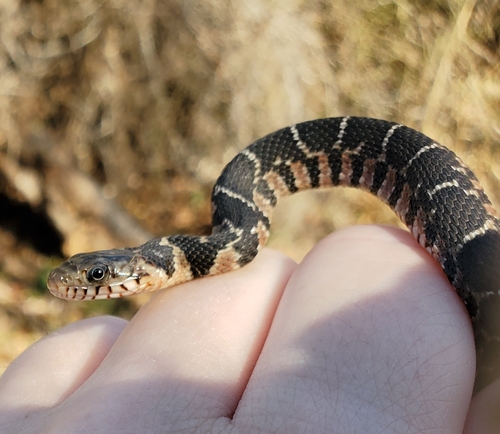
Plain-bellied Watersnake
Nerodia erythrogaster
Harmless
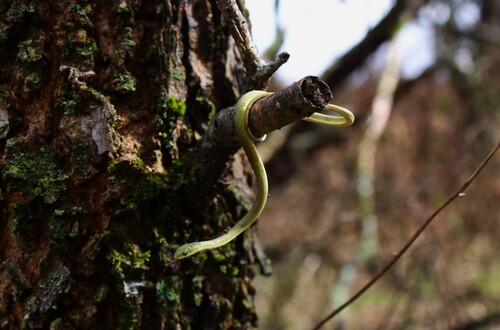
Rough Greensnake
Opheodrys aestivus
Harmless
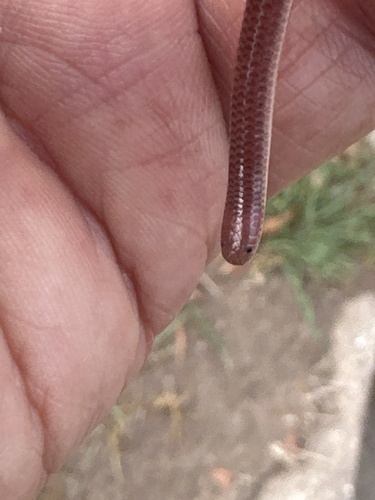
Texas Blind Snake
Rena dulcis
Harmless
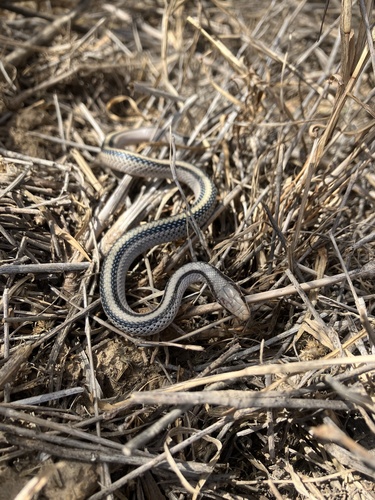
Texas Patch-nosed Snake
Salvadora lineata
Harmless
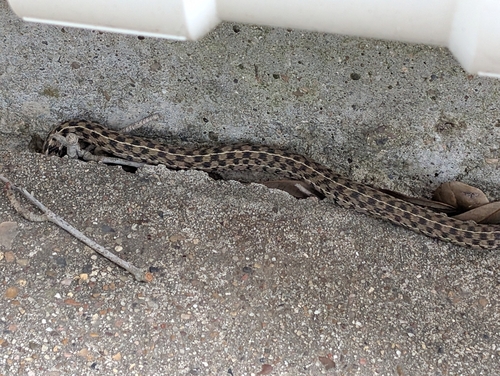
Checkered Garter Snake
Thamnophis marcianus
Harmless
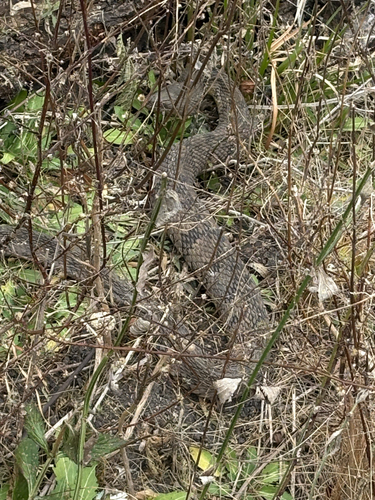
Diamondback Watersnake
Nerodia rhombifer
Harmless
Western Diamond-backed Rattlesnake
Crotalus atrox
Venomous
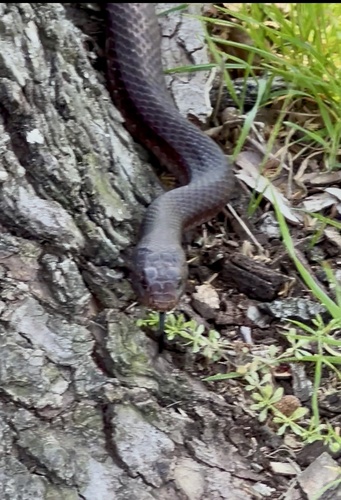
Common Coachwhip
Masticophis flagellum
Harmless
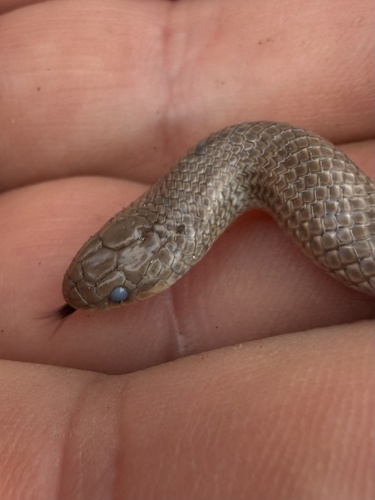
Great Plains Ground Snake
Sonora episcopa
Harmless
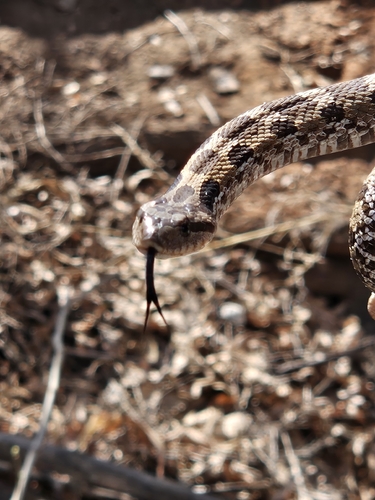
Eastern Hognose Snake
Heterodon platirhinos
Harmless
Texas Coralsnake
Micrurus tener
Venomous
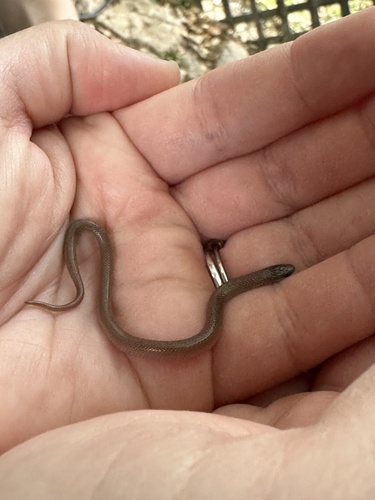
Flat-headed Snake
Tantilla gracilis
Harmless
Northern Cottonmouth
Agkistrodon piscivorus
Venomous
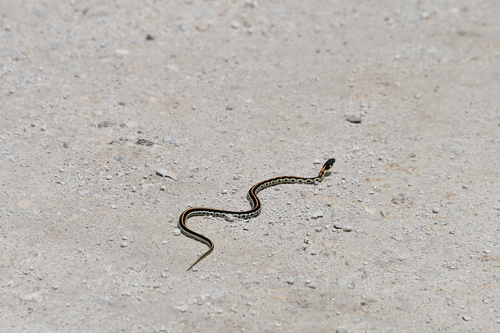
Black-necked Garter Snake
Thamnophis cyrtopsis
Harmless
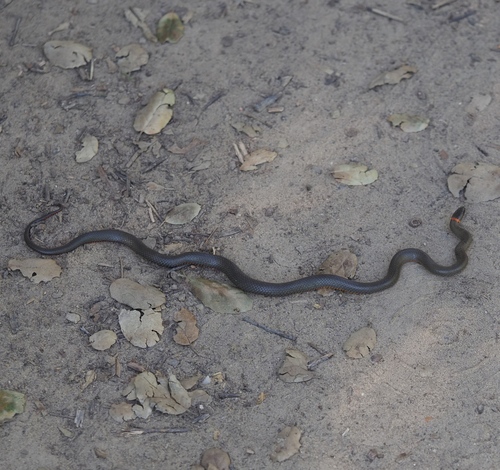
Ring-necked Snake
Diadophis punctatus
Harmless
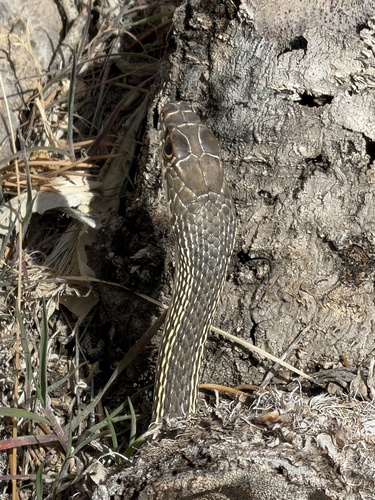
Striped Whipsnake
Masticophis taeniatus
Harmless
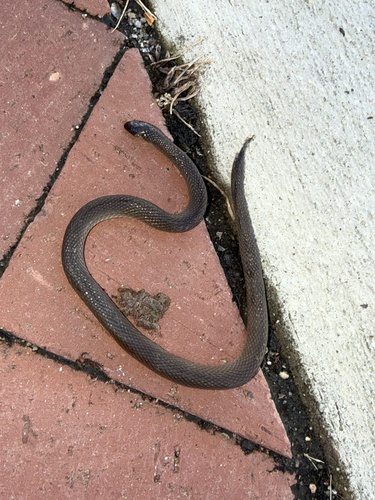
Rough Earthsnake
Virginia striatula
Harmless
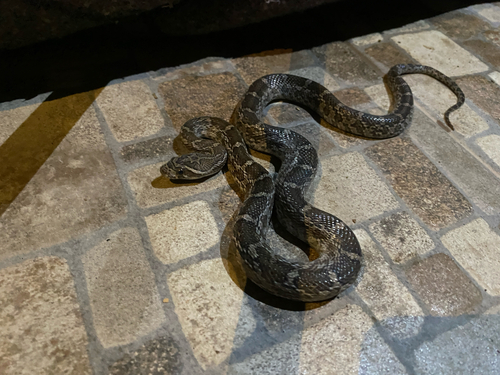
Great Plains Ratsnake
Pantherophis emoryi
Harmless
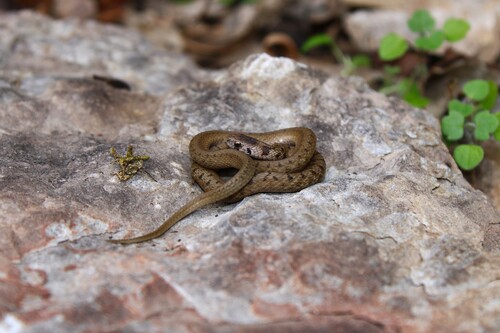
DeKay's Brownsnake
Storeria dekayi
Harmless
Broad-banded Copperhead
Agkistrodon laticinctus
Venomous
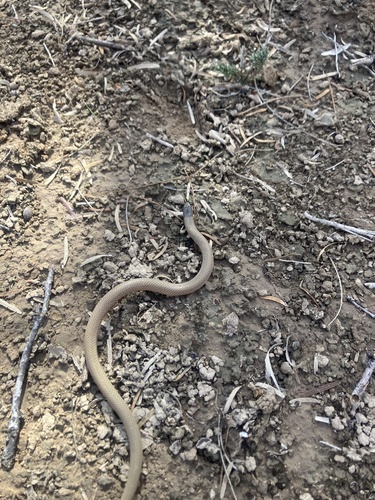
Ground Snake
Sonora semiannulata
Harmless
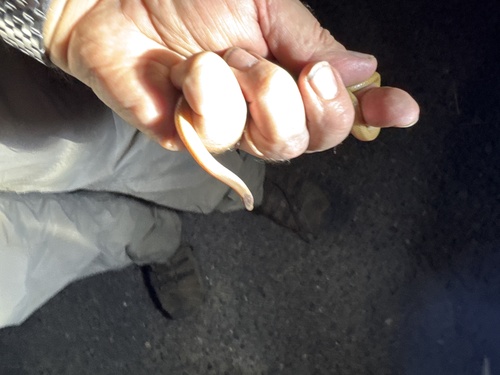
Plains Black-headed Snake
Tantilla nigriceps
Harmless
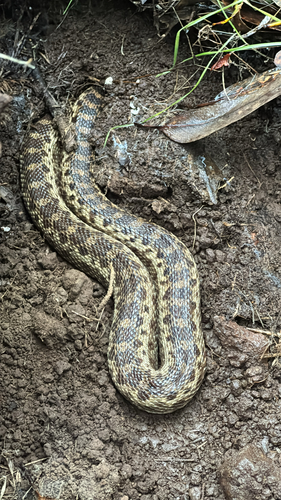
Gopher Snake
Pituophis catenifer
Harmless
Eastern Copperhead
Agkistrodon contortrix
Venomous
Compiled from verified GBIF & iNaturalist observations. Informational only.
Snakes in Blanco County: FAQ
- Are there venomous snakes in Blanco County, Texas?
- Yes. 5 venomous snake species have verified records in Blanco County, Texas, including Western Diamond-backed Rattlesnake, Texas Coralsnake, Northern Cottonmouth, Broad-banded Copperhead. Most snakes in Blanco County, Texas, however, are harmless.
- How many snake species live in Blanco County, Texas?
- 20+ snake species have verified records in Blanco County, Texas, of which 5 are venomous.
- What is the most commonly seen snake in Blanco County, Texas?
- The Western Ribbon Snake is the most frequently reported snake in Blanco County, Texas, based on verified wildlife observations.
- What should I do if I see a venomous snake in Blanco County, Texas?
- Keep your distance and do not try to catch or kill it. Most bites happen when people handle or corner a snake. If someone is bitten, contact local emergency services or poison control immediately.