
Tonga
Snakes in Tonga
10 snake species have been recorded in Tonga, 4 venomous.
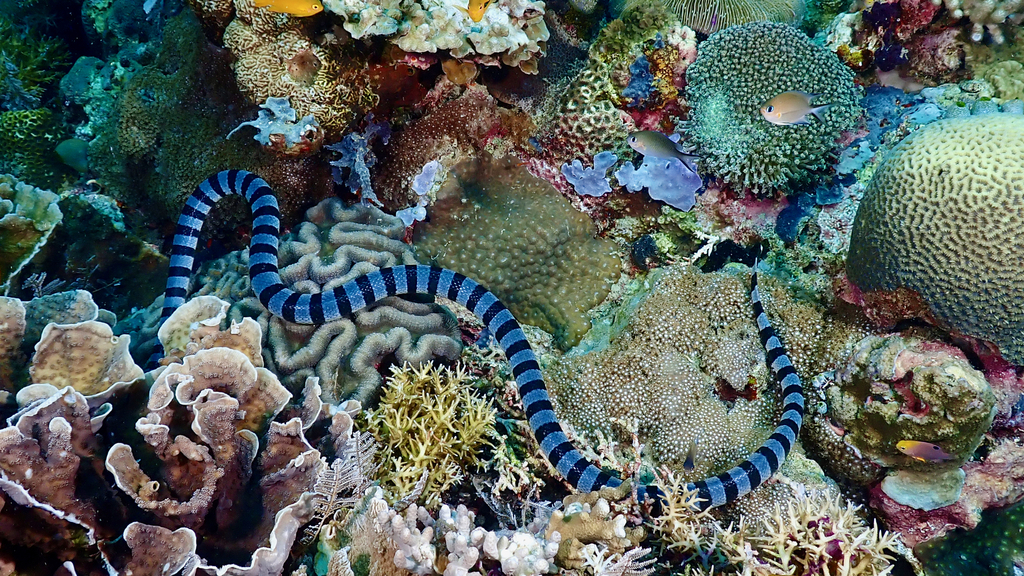
Snakes of Tonga
Tonga is a Polynesian archipelago of more than 170 islands scattered across the South Pacific, with a warm tropical climate, coral reefs, and a mix of volcanic and low coral islands. Its snake fauna is small, which is what you would expect from a remote oceanic island group far from any continent. Our database records 10 snake species for Tonga, 4 of them venomous, and the great majority of the country's snakes are non-venomous. The land habitats that matter most for snakes are coastal forest, plantation edges, and disturbed ground near villages, but the more significant context for venom is the sea that surrounds every island.
The venomous snakes associated with Tonga are sea snakes rather than land snakes. These are true marine elapids and their close relatives, animals that live in or near the warm reef and lagoon waters of the tropical Pacific. As a group they carry potent venom, but they are not aggressive toward people and bites are rare, typically happening only when a snake is handled, trodden on, or tangled in fishing gear. Tonga has no established population of dangerous venomous land snakes, so the realistic venom risk here comes from the water, not from a path through the bush.
On land the picture is dominated by harmless species. The Pacific boa is the largest and most recognizable land snake in this part of Polynesia, a non-venomous constrictor that poses no danger to people. Smaller harmless snakes include the tiny burrowing blind snakes, which are often mistaken for worms and are completely harmless. The widespread Brahminy blind snake is a familiar small dark snake that has spread through the tropics in potted plants and soil and is frequently found in gardens. These land snakes are shy, low-key animals that most residents and visitors rarely notice.
Snakes earn their place in Tongan ecosystems. The blind snakes feed on ants, termites, and their eggs, helping keep soil invertebrate populations in balance, while the boa preys on rodents, birds, and lizards and helps control pests around plantations and settlements. In the surrounding waters, sea snakes are reef predators that hunt fish and eels, forming part of the food web that keeps the marine environment healthy. Removing or killing snakes disrupts these roles, and most encounters resolve simply by giving the animal space to move off.
For safety, the honest summary is that the great majority of snakes you might meet on land in Tonga are harmless, and serious risk is limited to sea snakes encountered in or near the water. No wild snake should ever be picked up or handled, even one that looks harmless, and that caution applies fully to any snake found at sea or washed onto a beach. If a bite occurs, the correct response is immediate professional medical care at a hospital, where antivenom and supportive treatment are the established response to sea snake envenomation. Do not rely on home remedies. In an emergency contact local emergency services, and from the United States you can reach Poison Control at 1-800-222-1222.
Snakes in Tonga: FAQ
- Are there venomous snakes in Tonga?
- Yes. 4 venomous snake species have verified records in Tonga, including Yellow-lipped Sea Krait, Blue-lipped Sea Krait, Yellow-bellied Sea Snake, Slender-necked Sea Snake. Most snakes in Tonga, however, are harmless.
- How many snake species live in Tonga?
- 10 snake species have verified records in Tonga, of which 4 are venomous.
- What is the most commonly seen snake in Tonga?
- The Yellow-lipped Sea Krait is the most frequently reported snake in Tonga, based on verified wildlife observations.
- What should I do if I see a venomous snake in Tonga?
- Keep your distance and do not try to catch or kill it. Most bites happen when people handle or corner a snake. If someone is bitten, contact local emergency services or poison control immediately.
Venomous snakes in Tonga
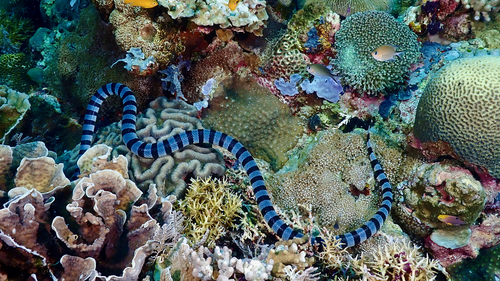
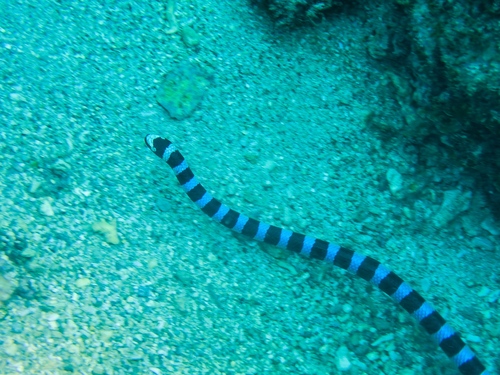
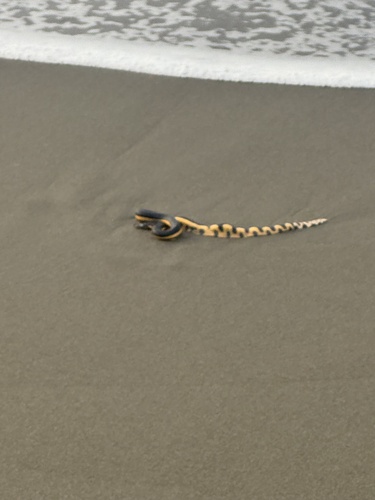

Every snake recorded in Tonga
10 species across 4 families, grouped by family. Venomous flagged.
Elapidae (4)
Colubridae (4)
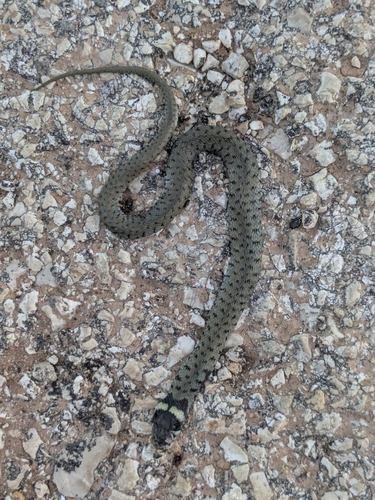
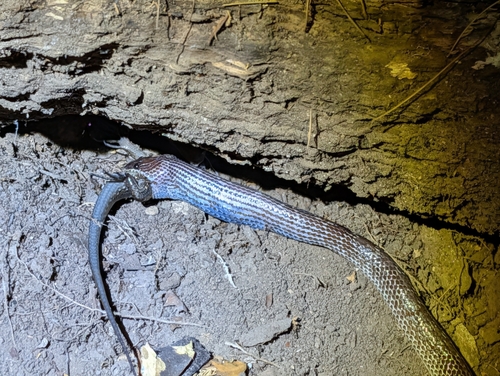
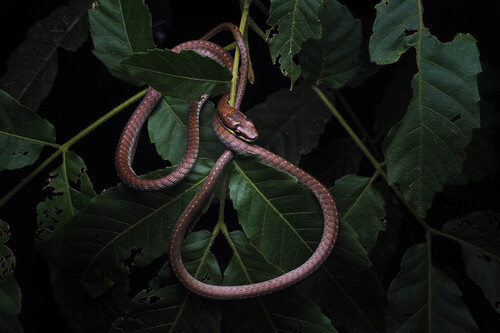
Typhlopidae (1)
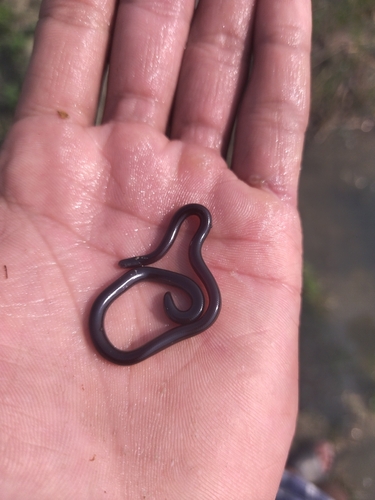
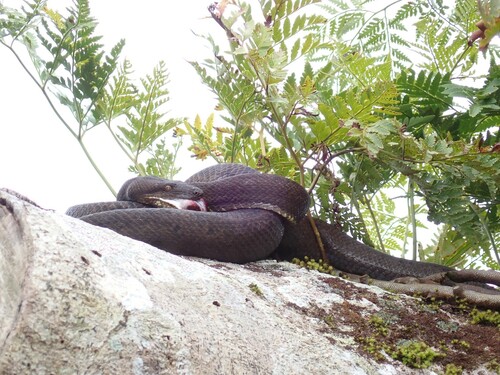
Compiled from verified GBIF & iNaturalist observations. "How often seen" reflects how frequently a snake is reported here, not how dangerous it is. Informational only.
Keep learning
- Are Snakes Dangerous? The Real Risk, in PerspectiveMost snakes are harmless and avoid people. Here is the honest picture of snakebite risk worldwide and how to lower your own.
- Snakebite First Aid: What to Do (and What Never to Do)A clear, CDC-based guide to snakebite first aid: the steps that help, the popular myths that hurt, and how to tell a serious bite from a minor one.
- Venomous vs Nonvenomous: How to Tell the DifferenceThe folk rules for telling venomous snakes apart, where each one fails, and why location-based identification beats guessing by sight.
- What to Do If You Find a SnakeFound a snake at home or on a trail? Here is how to stay calm, give it space, identify it safely, and know when to call a professional.