
Portugal
Snakes in Portugal
10+ snake species have been recorded in Portugal, 3 venomous.
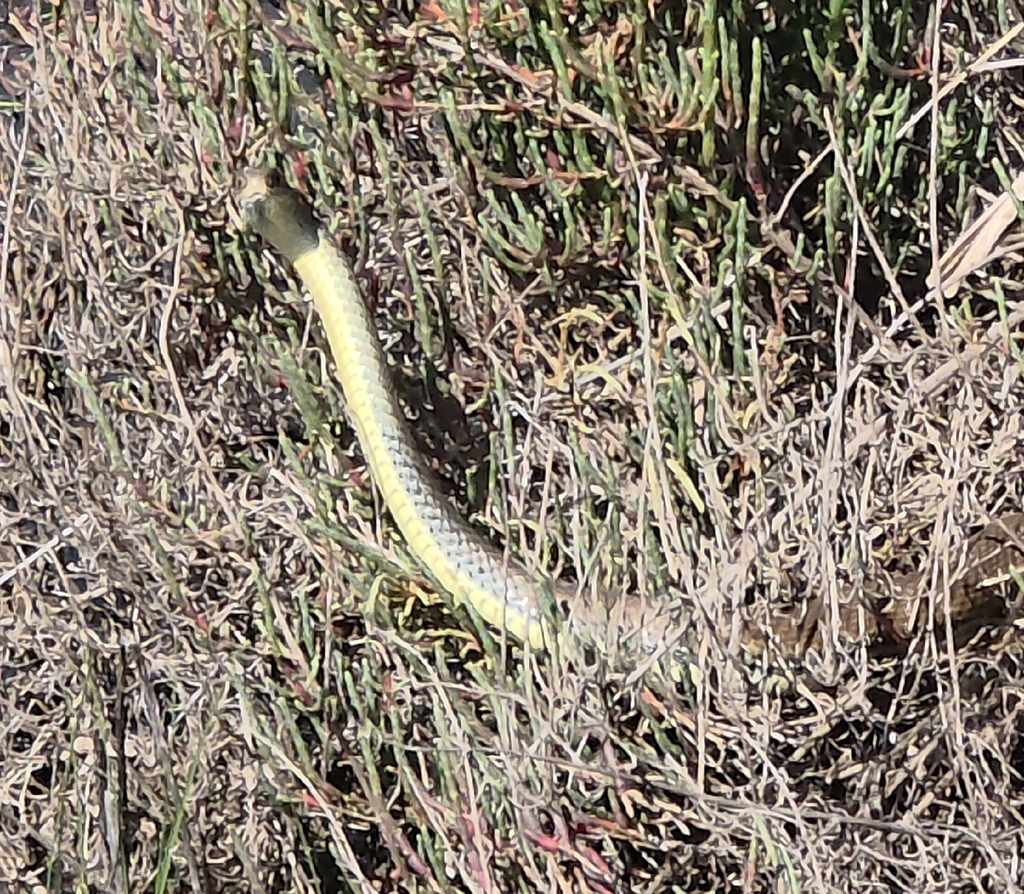
Snakes of Portugal
Portugal occupies the western edge of the Iberian Peninsula, and its snakes reflect a warm, Mediterranean-influenced landscape. Our database records 10+ snake species here, 3 of them venomous, so the great majority are non-venomous. The country runs from cool, green, rainier hills in the north through the drier, hotter plains and cork oak woodlands of the south, with a long Atlantic coast and the rugged interior of the Algarve and Alentejo. This range of climates and habitats, from riverbanks and wetlands to scrub, olive groves, dry stone walls, and rocky slopes, supports a varied but not enormous snake fauna typical of southwestern Europe.
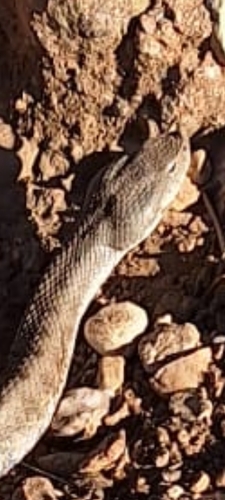
The venomous snakes present in mainland Portugal are vipers. The species of greatest medical relevance is Lataste's viper, a small, stout, dry-country snake of the adder family, recognizable in general terms by a triangular head, vertical pupils, and a zigzag pattern down the back. Vipers in this region are ambush hunters of warm, rocky, scrubby ground rather than aggressive animals, and they tend to rely on camouflage and stillness, biting only when cornered, trodden on, or handled. Beyond the vipers, the rest of Portugal's snakes are not a danger to human life. A few colubrid species, such as the Montpellier snake, are technically mildly venomous but deliver venom through rear fangs and pose essentially no serious threat to people.
The harmless majority is where Portugal's snake diversity really sits. The ladder snake, the horseshoe whip snake, and the viperine snake are among the more frequently encountered. The viperine snake is a strong swimmer often seen near ponds, rivers, and ditches, and despite a viper-like patterning it is completely non-venomous, a clear example of why pattern alone is a poor guide to danger. The Montpellier snake, large and fast-moving, is one of the most iconic reptiles of the southern plains. These colubrids feed on rodents, lizards, amphibians, eggs, and other small prey, and most are shy and quick to flee when they sense people approaching.
Snakes play a steady, useful role in these ecosystems. As mid-level predators they keep populations of rodents, lizards, and amphibians in balance, and they in turn feed birds of prey, mongooses, and other carnivores. In farmland and around rural buildings, the rodent control they provide is a quiet benefit to people. A healthy snake population is generally a sign of a functioning landscape with intact prey and cover.
On safety, the honest picture is reassuring: most snakes you might meet in Portugal are harmless, and bites are uncommon. The main medical concern is a viper bite, primarily from Lataste's viper. The correct response to any venomous snakebite is professional medical care. Antivenom and hospital treatment are the proven options, so get to emergency services quickly, and contact local emergency services or a poison control center for guidance. Never attempt to handle, catch, or kill a wild snake, including ones that look harmless, since handling is the most common way bites happen. Outside the United States, call your local emergency number; in the United States, Poison Control is reachable at 1-800-222-1222.
Snakes in Portugal: FAQ
- Are there venomous snakes in Portugal?
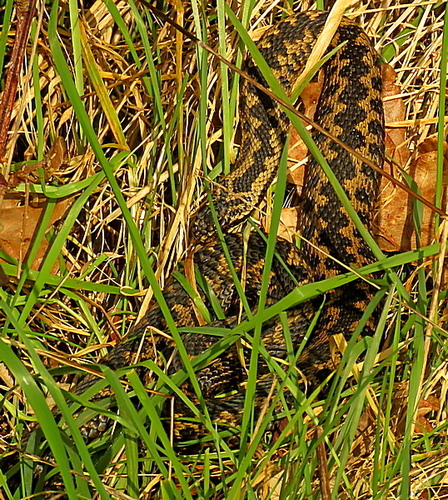
- Yes. 3 venomous snake species have verified records in Portugal, including Lataste's Viper, Seoane's Viper, Adder. Most snakes in Portugal, however, are harmless.
- How many snake species live in Portugal?
- 10+ snake species have verified records in Portugal, of which 3 are venomous.
- What is the most commonly seen snake in Portugal?
- The Western Montpellier Snake is the most frequently reported snake in Portugal, based on verified wildlife observations.
- What should I do if I see a venomous snake in Portugal?
- Keep your distance and do not try to catch or kill it. Most bites happen when people handle or corner a snake. If someone is bitten, contact local emergency services or poison control immediately.
Venomous snakes in Portugal
Every snake recorded in Portugal
10+ species across 5 families, grouped by family. Venomous flagged.
Colubridae (8)
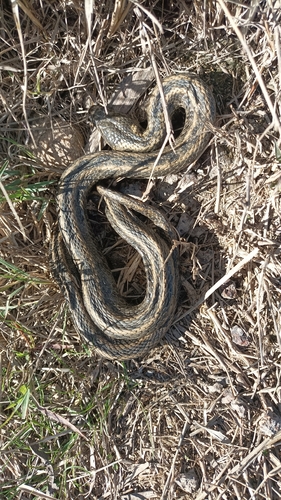
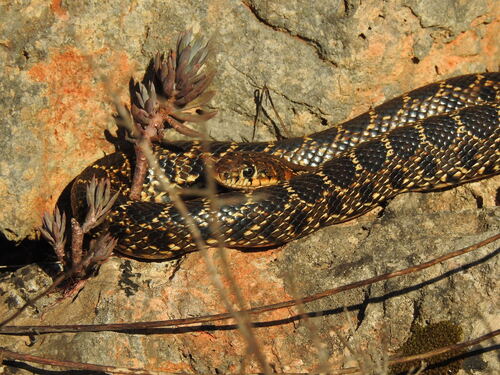
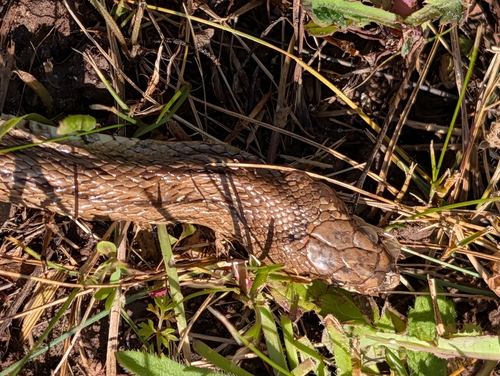
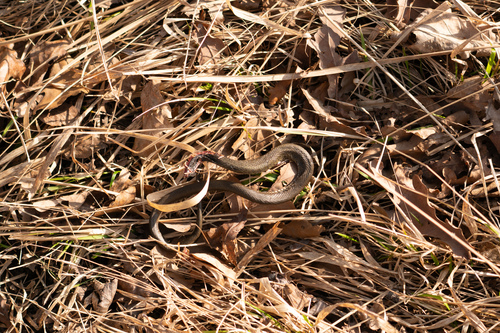
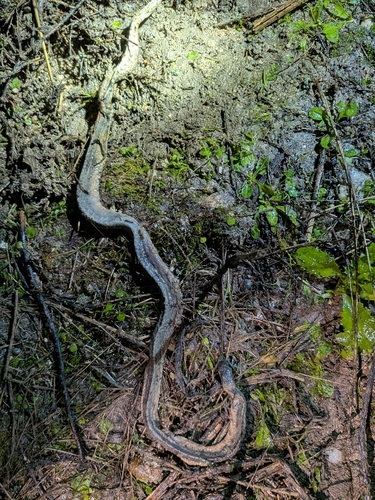
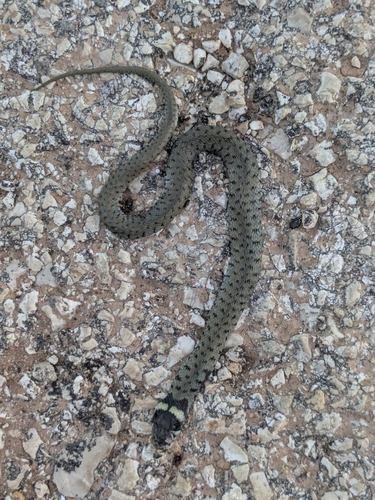
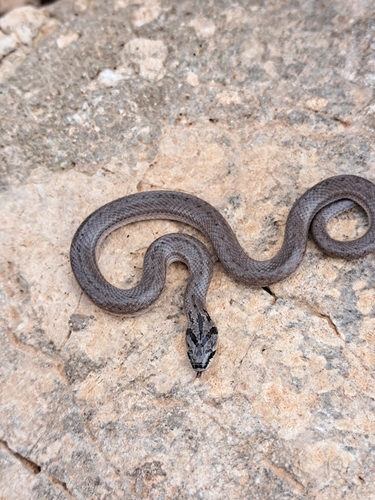
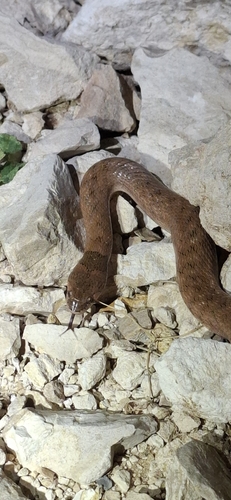
Viperidae (3)
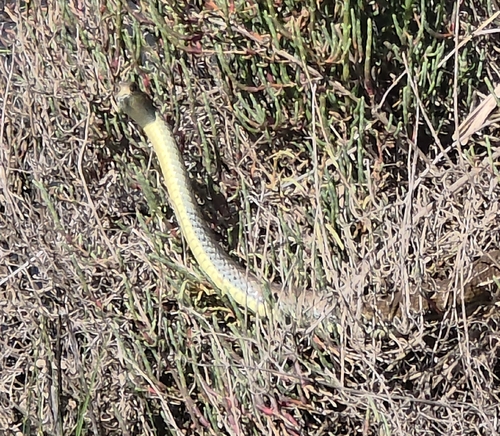
Psammophiidae (2)
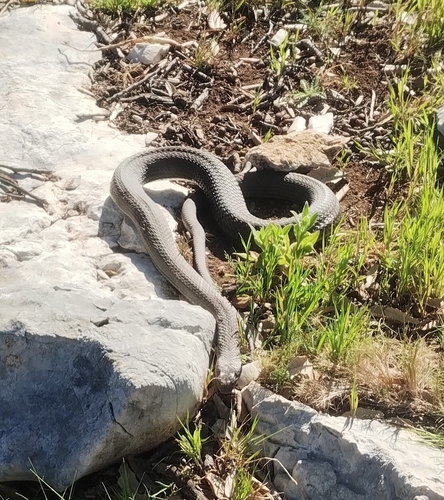
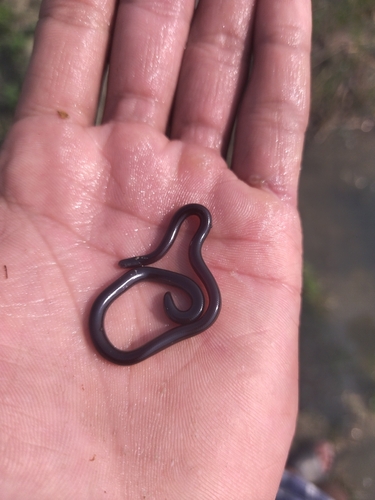
Typhlopidae (1)
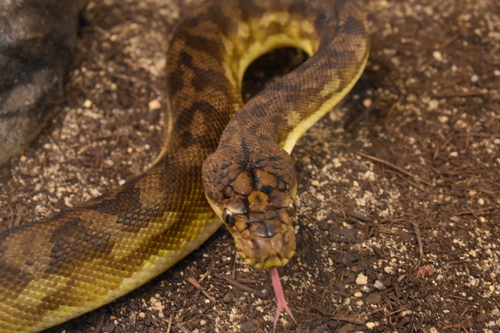
Pythonidae (1)
Compiled from verified GBIF & iNaturalist observations. "How often seen" reflects how frequently a snake is reported here, not how dangerous it is. Informational only.
Keep learning
- Are Snakes Dangerous? The Real Risk, in PerspectiveMost snakes are harmless and avoid people. Here is the honest picture of snakebite risk worldwide and how to lower your own.
- Snakebite First Aid: What to Do (and What Never to Do)A clear, CDC-based guide to snakebite first aid: the steps that help, the popular myths that hurt, and how to tell a serious bite from a minor one.
- Venomous vs Nonvenomous: How to Tell the DifferenceThe folk rules for telling venomous snakes apart, where each one fails, and why location-based identification beats guessing by sight.
- What to Do If You Find a SnakeFound a snake at home or on a trail? Here is how to stay calm, give it space, identify it safely, and know when to call a professional.