
South Korea
Snakes in South Korea
30+ snake species have been recorded in South Korea, 15 venomous.
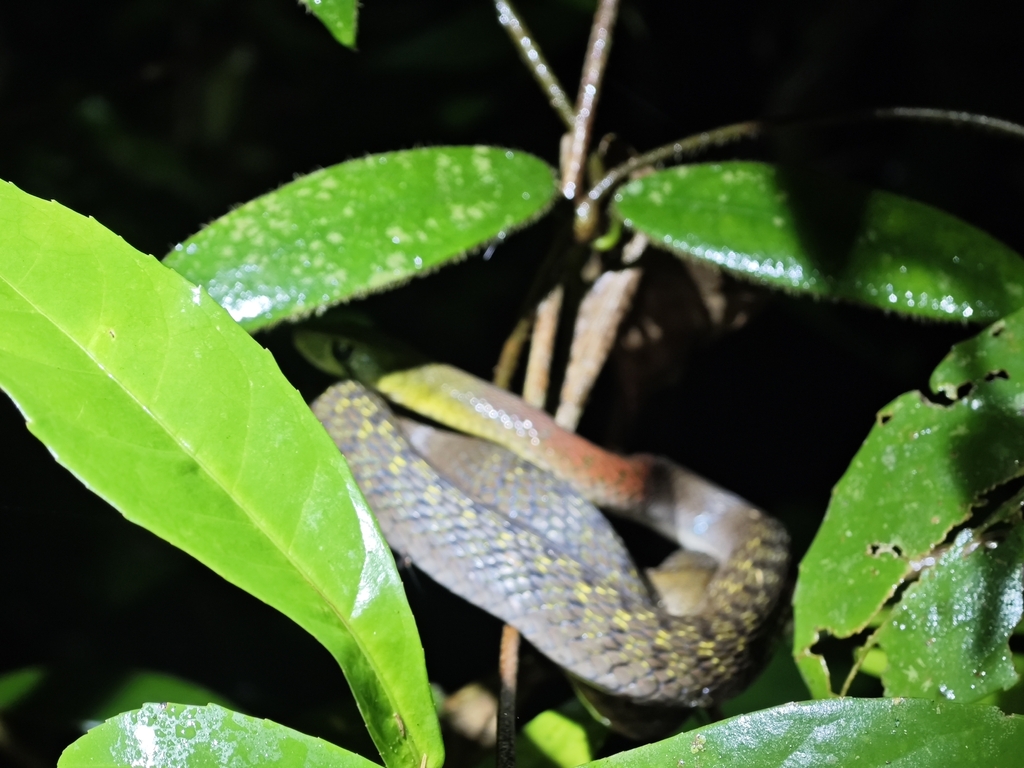
Snakes of South Korea
Korea, Republic of has 30+ snake species recorded in our database, and 15 of them are venomous. The great majority of snakes found across the country are non-venomous, though South Korea has an unusually high share of venomous species for a temperate region because of the strong presence of pit vipers. The peninsula sits in the temperate zone of East Asia, with cold continental winters and warm, humid summers, so snakes here are seasonal animals that hibernate through the cold months and become active from spring through autumn.
The country's geography drives its snake diversity. South Korea is roughly seventy percent mountainous, with forested ranges running down the spine of the peninsula, and these wooded slopes, rocky hillsides, and stream valleys give snakes cover, prey, and basking sites. Lower down, the landscape shifts to rice paddies, agricultural fields, wetlands, and reservoirs, which support frogs, fish, and rodents and in turn support snakes. Many islands lie off the southern and western coasts, and the surrounding seas bring marine reptiles into the picture as well. This mix of mountain forest, farmland, freshwater wetland, and coastline is what lets so many species coexist in a relatively small area.
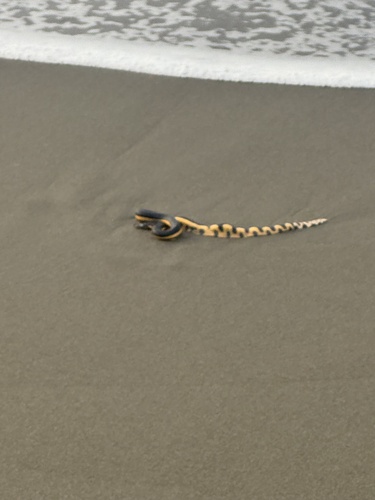
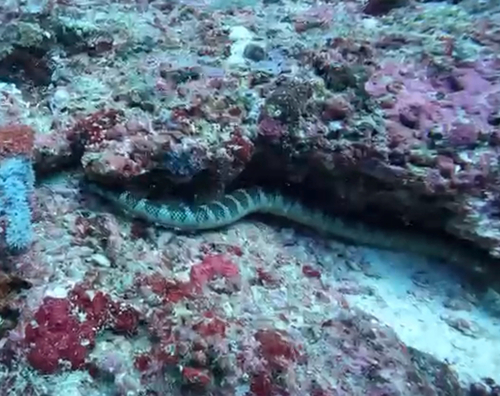
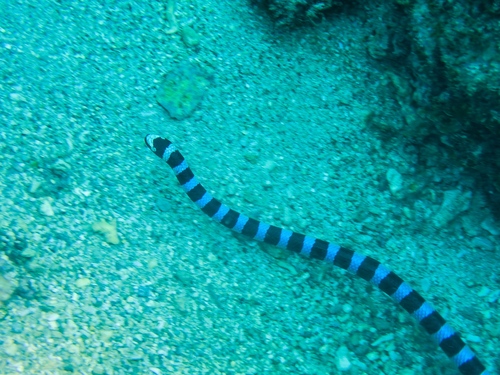
The medically important venomous snakes of South Korea are the pit vipers, and they account for the country's most serious snakebites. Several Gloydius species occur here, commonly grouped under the name mamushi, including the short-tailed pit viper and related forms found in fields, hills, and forest edges across the peninsula. These are the snakes responsible for the majority of bite cases that reach hospitals. There are no cobras, mambas, rattlesnakes, or coral snakes native to South Korea. Coastal and offshore waters do hold sea snakes, which are venomous, but encounters with people are uncommon and largely limited to the marine environment in the warmer south.
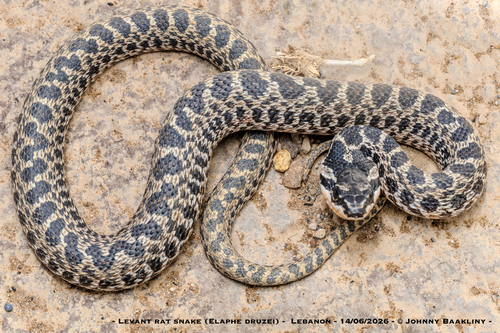
The non-venomous majority is what people are most likely to see. Rat snakes are among the most familiar, including large, often-encountered species that climb well and hunt rodents around farms, villages, and forests. Various keelbacks and water-associated colubrids live near streams, paddies, and wetlands, and small, secretive burrowing and grass snakes hide under leaf litter and stones. These harmless snakes are far more numerous than the vipers, and most snakes a person comes across in the Korean countryside pose no venom threat at all.
Snakes are valuable to South Korea's ecosystems and to its farmland in particular. By preying heavily on rats, mice, and other rodents, snakes help limit pest populations that would otherwise damage rice and grain stores and spread disease. They also take frogs, insects, and smaller reptiles, and they serve as prey for birds of prey and other predators, sitting in the middle of the food web. A healthy snake population is a sign of a functioning landscape, and removing snakes tends to allow rodent numbers to climb.
On safety, the honest framing is that most snakes in South Korea are harmless and the main medical threat comes from the Gloydius pit vipers. The treatment for a serious venomous bite is professional medical care, which means antivenom and hospital management, not anything done in the field. No wild venomous snake is safe to pick up or handle, even one that appears calm or slow, and the safest response to any snake is to keep your distance and leave it alone. If a bite happens, treat it as an emergency and get to medical care immediately. In the United States you can reach Poison Control at 1-800-222-1222, and elsewhere contact your local emergency services.
Snakes in South Korea: FAQ
- Are there venomous snakes in South Korea?
- Yes. 15 venomous snake species have verified records in South Korea, including Siamese Red-necked Keelback, Tiger Keelback, Gloydius variegatus, Ussuri Mamushi. Most snakes in South Korea, however, are harmless.
- How many snake species live in South Korea?
- 30+ snake species have verified records in South Korea, of which 15 are venomous.
- What is the most commonly seen snake in South Korea?
- The Siamese Red-necked Keelback is the most frequently reported snake in South Korea, based on verified wildlife observations.
- What should I do if I see a venomous snake in South Korea?
- Keep your distance and do not try to catch or kill it. Most bites happen when people handle or corner a snake. If someone is bitten, contact local emergency services or poison control immediately.
Venomous snakes in South Korea
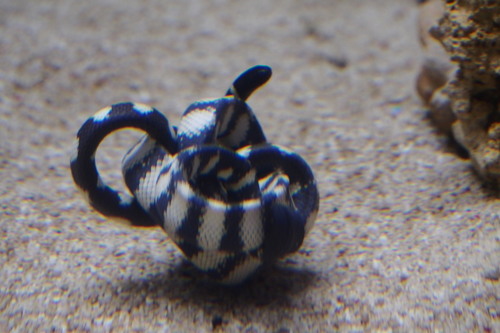
Every snake recorded in South Korea
30+ species across 3 families, grouped by family. Venomous flagged.
Colubridae (18)
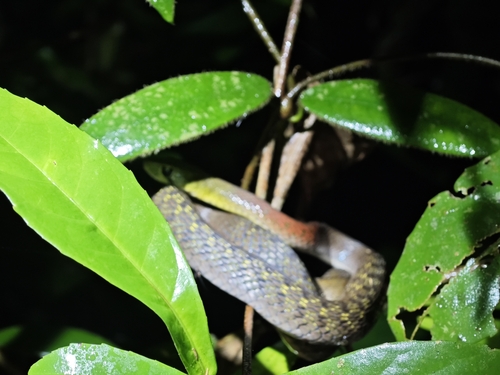
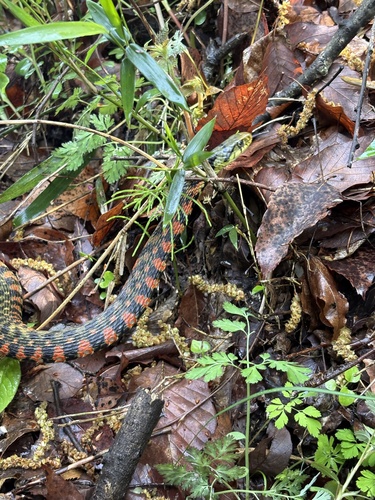
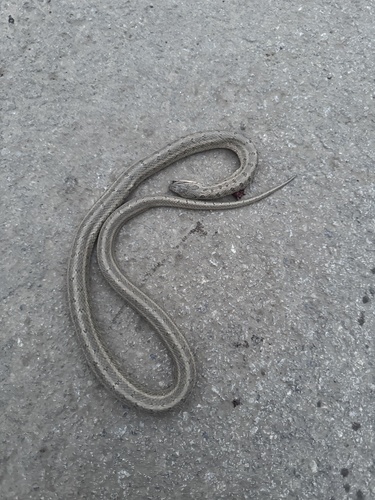
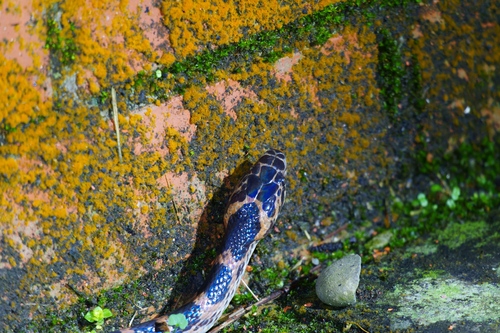
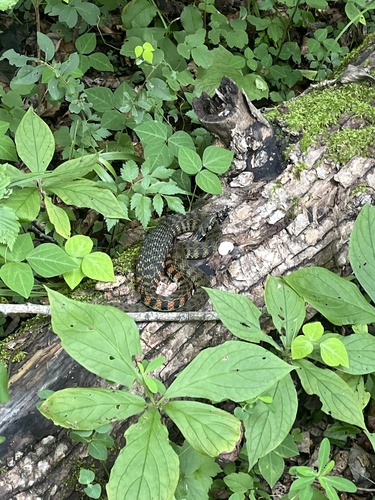
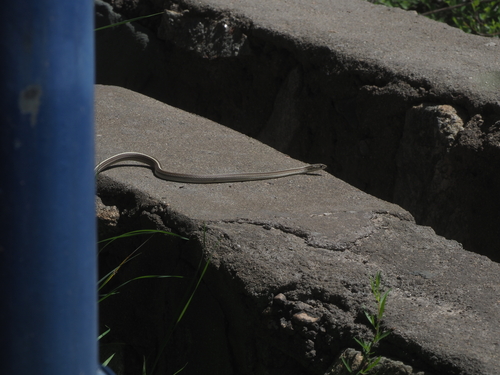
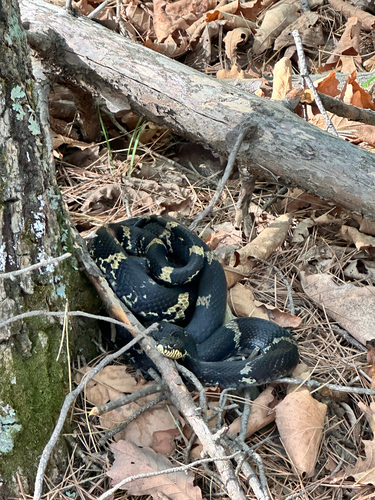
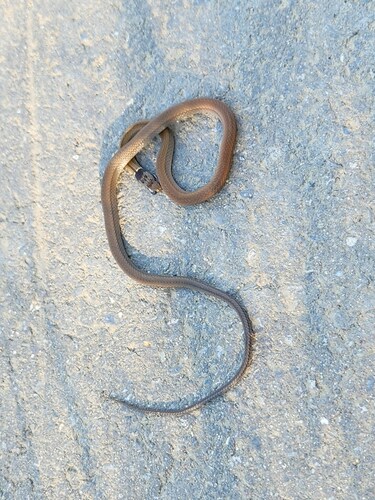
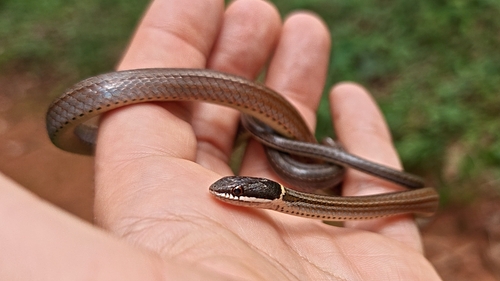
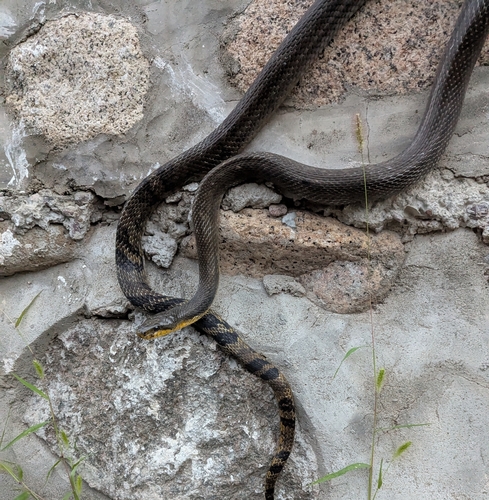
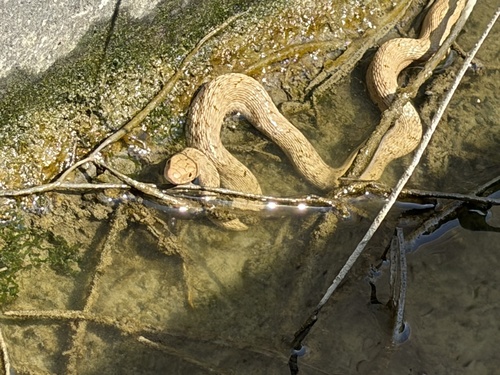
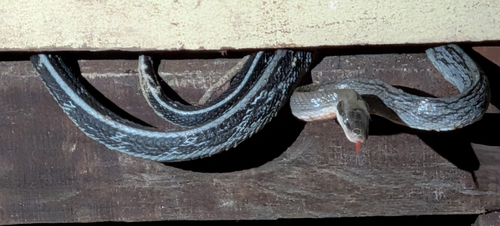
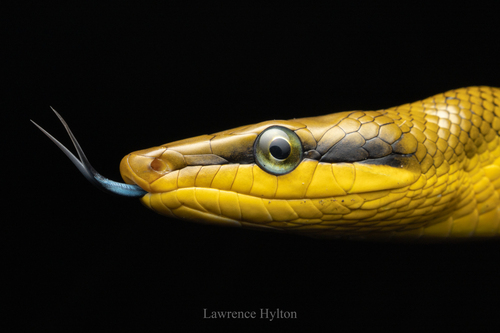
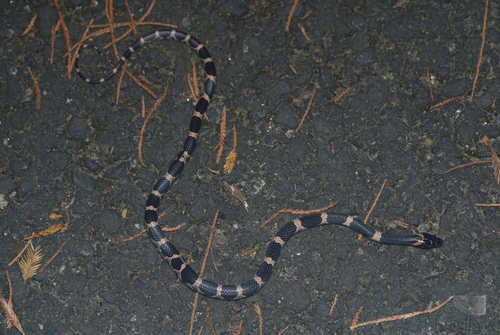
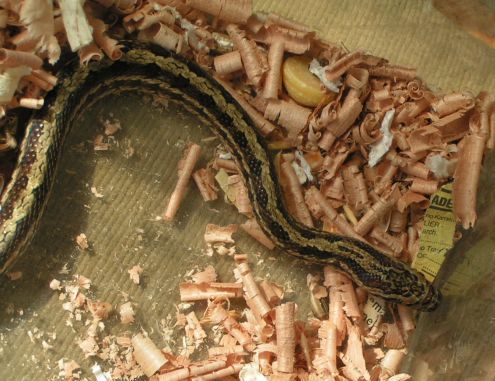
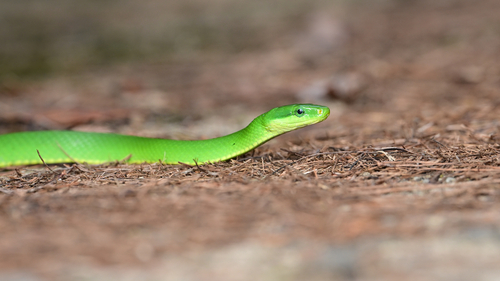
Viperidae (8)
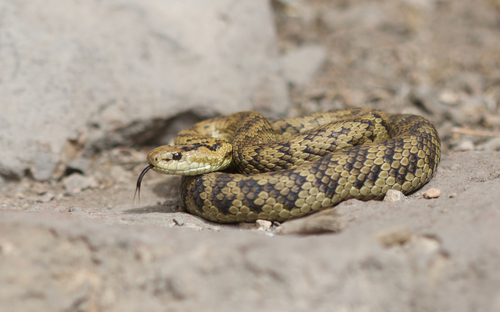
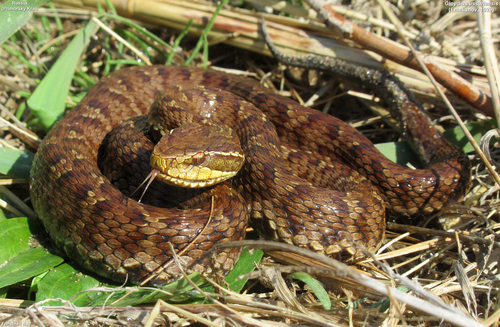
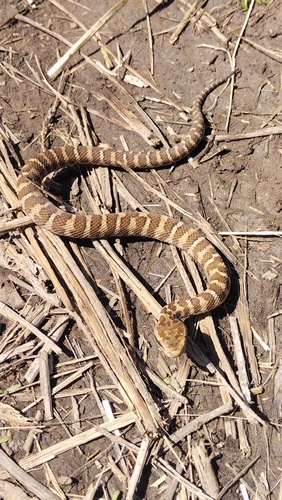
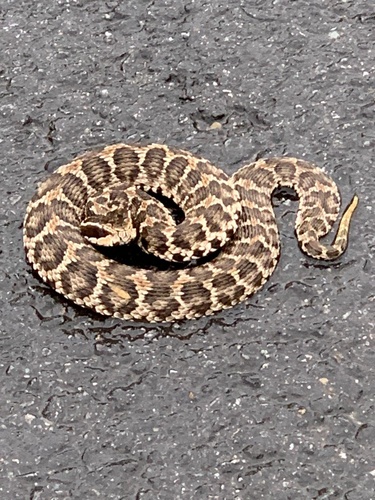
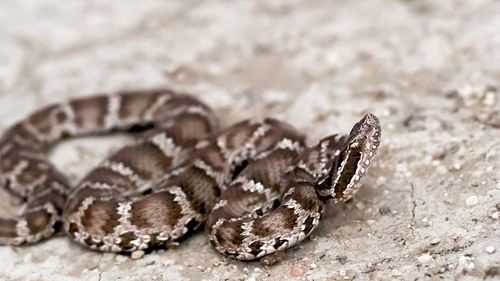
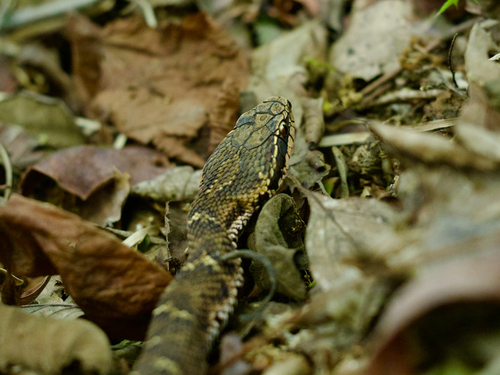
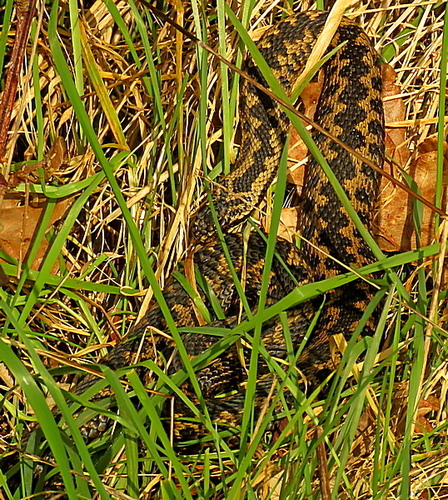
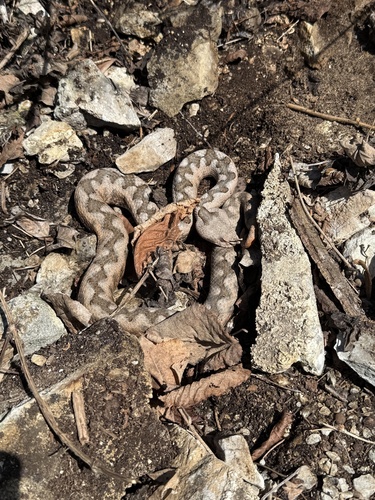
Compiled from verified GBIF & iNaturalist observations. "How often seen" reflects how frequently a snake is reported here, not how dangerous it is. Informational only.
Keep learning
- Are Snakes Dangerous? The Real Risk, in PerspectiveMost snakes are harmless and avoid people. Here is the honest picture of snakebite risk worldwide and how to lower your own.
- Snakebite First Aid: What to Do (and What Never to Do)A clear, CDC-based guide to snakebite first aid: the steps that help, the popular myths that hurt, and how to tell a serious bite from a minor one.
- Venomous vs Nonvenomous: How to Tell the DifferenceThe folk rules for telling venomous snakes apart, where each one fails, and why location-based identification beats guessing by sight.
- What to Do If You Find a SnakeFound a snake at home or on a trail? Here is how to stay calm, give it space, identify it safely, and know when to call a professional.