
Mongolia
Snakes in Mongolia
10+ snake species have been recorded in Mongolia, 7 venomous.
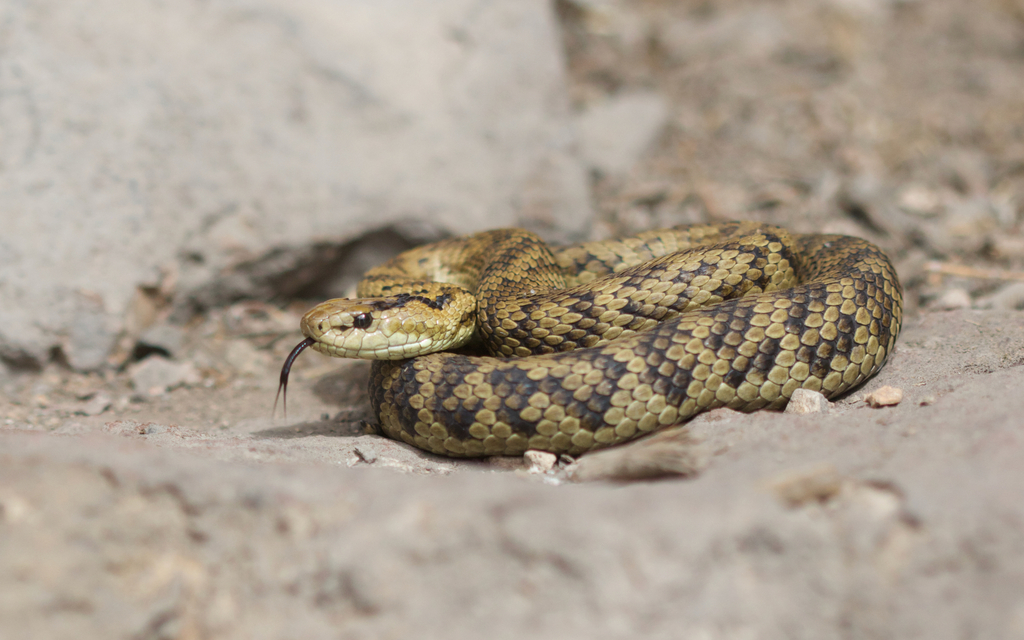
Snakes of Mongolia
Mongolia is a large, landlocked, mostly cold and arid country, and its snake fauna reflects that. Our database records 10+ snake species here, a modest number set by the climate. The land runs from the Gobi Desert in the south through vast steppe grasslands to forested mountains and high plateaus in the north and west. Long, hard winters mean snakes spend much of the year dormant in burrows and rock crevices, becoming active only through the short, warm season. Species cluster where conditions allow: warmer southern desert and steppe, rocky slopes, and river valleys that hold the moisture and prey snakes need.
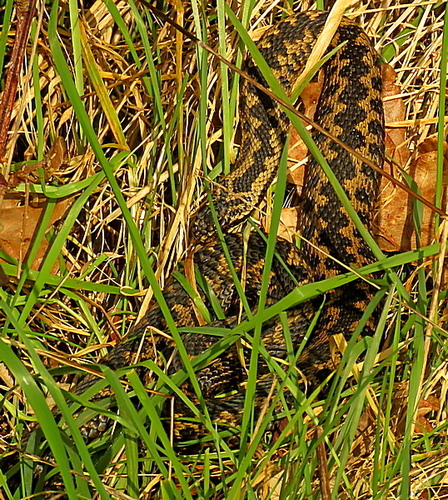
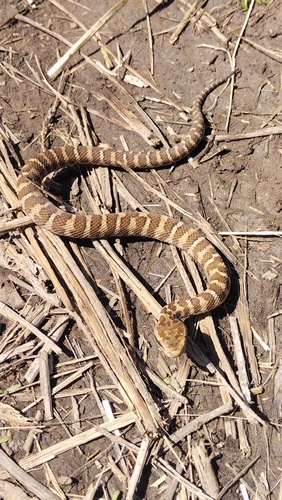
Of the 10+ species recorded, 7 are venomous, and these are dominated by vipers. The pit vipers of the genus Gloydius are the most characteristic venomous snakes of the Mongolian steppe and rocky terrain. These are stout, ground-dwelling snakes well adapted to cold climates, and they are the group most likely to be encountered across grassland and montane areas. True vipers are also present in parts of the country. Venomous snakes here tend to be cryptic and slow to provoke, relying on camouflage among rocks and dry vegetation rather than confrontation.
The great majority of Mongolian snakes are non-venomous and harmless to people. These include various colubrid snakes such as ratsnakes and grass or water snakes that hunt rodents, lizards, amphibians, and insects across steppe, wetland margins, and river corridors. Some species reach the northern or western edge of their broader Asian range in Mongolia, making the country a meaningful boundary zone for several snakes. These harmless species are the ones a traveler or herder is most likely to see, and they pose no medical danger.
Snakes are an important part of these ecosystems. As mid-level predators they help control rodent and insect populations across the steppe and desert, and in turn they are prey for raptors, foxes, and other carnivores. In a landscape with a short growing season and limited cover, the snakes that persist are efficient hunters that balance prey numbers and recycle energy through the food web. Their presence is a sign of a functioning grassland or desert habitat.
On safety, most snakes in Mongolia are harmless, and the main medical concern comes from the vipers, especially the Gloydius pit vipers found on the steppe and in rocky country. Bites are uncommon because these snakes avoid people, but the correct response to any suspected venomous bite is prompt hospital care, where antivenom and supportive treatment are given. Never attempt to handle a wild venomous snake, and do not rely on field remedies. If a bite occurs, get to emergency medical services without delay. In the United States, Poison Control can be reached at 1-800-222-1222; elsewhere, contact local emergency services.
Snakes in Mongolia: FAQ
- Are there venomous snakes in Mongolia?
- Yes. 7 venomous snake species have verified records in Mongolia, including Gloydius variegatus, Halys Pit Viper, Alashan pitviper, Adder. Most snakes in Mongolia, however, are harmless.
- How many snake species live in Mongolia?
- 10+ snake species have verified records in Mongolia, of which 7 are venomous.
- What is the most commonly seen snake in Mongolia?
- The Gloydius variegatus is the most frequently reported snake in Mongolia, based on verified wildlife observations.
- What should I do if I see a venomous snake in Mongolia?
- Keep your distance and do not try to catch or kill it. Most bites happen when people handle or corner a snake. If someone is bitten, contact local emergency services or poison control immediately.
Venomous snakes in Mongolia
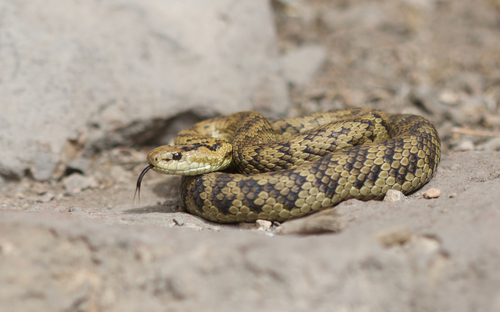
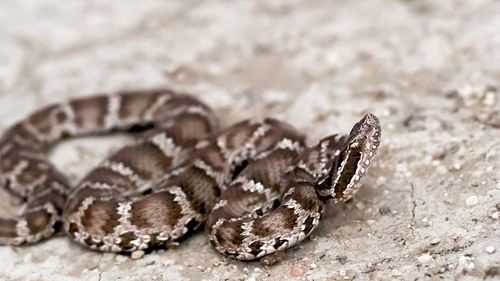
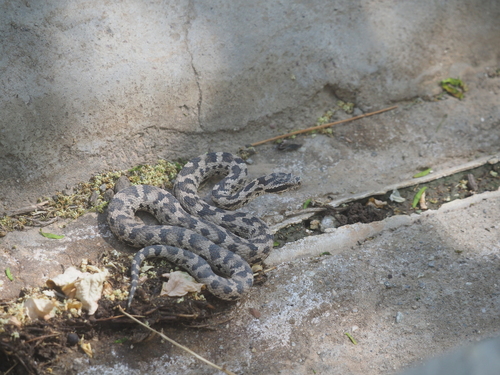
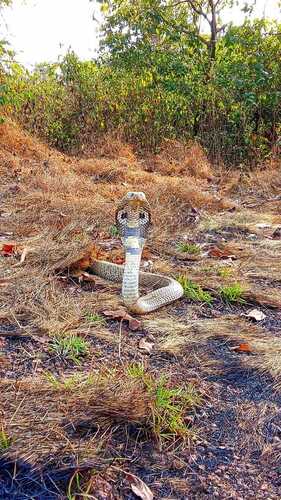
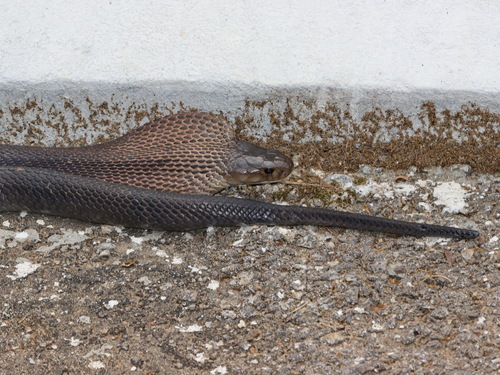
Every snake recorded in Mongolia
10+ species across 6 families, grouped by family. Venomous flagged.
Colubridae (6)
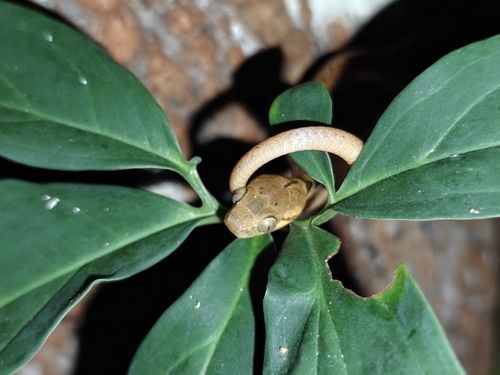
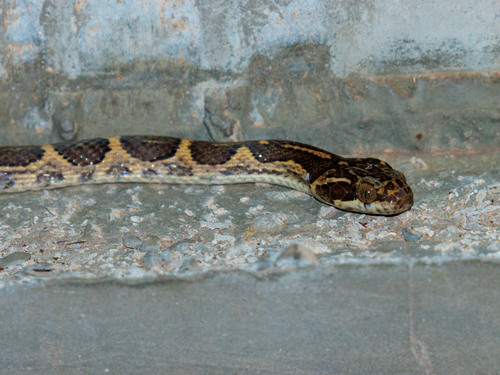
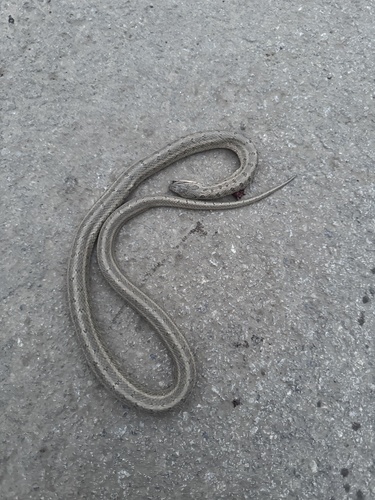
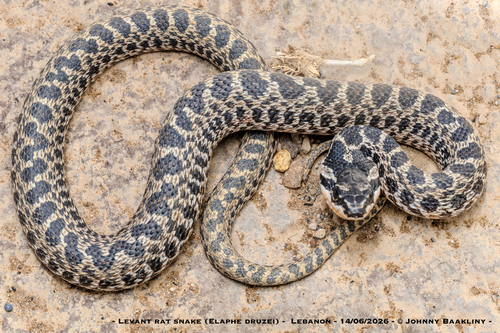
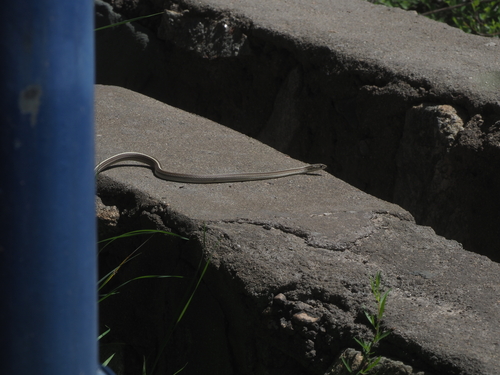
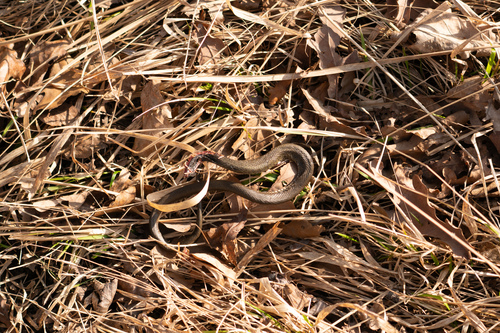
Viperidae (5)
Psammophiidae (1)
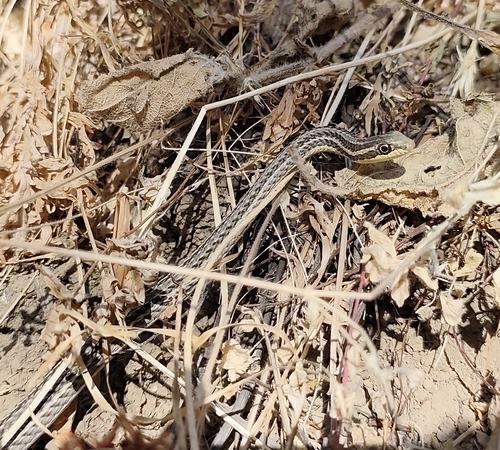
Boidae (1)
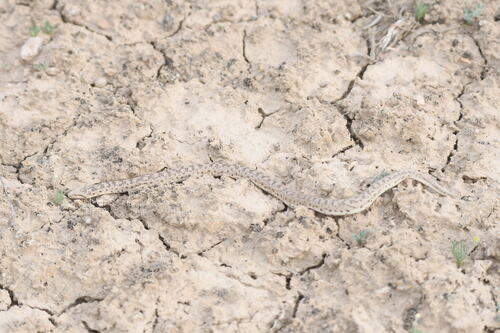
Pythonidae (1)
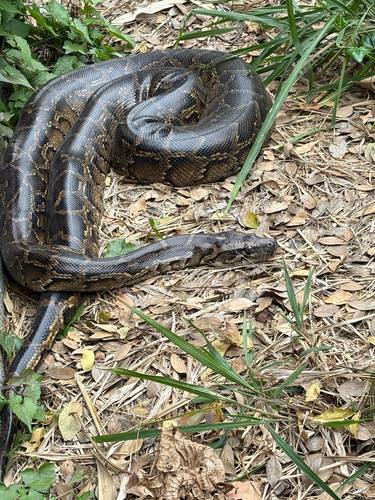
Compiled from verified GBIF & iNaturalist observations. "How often seen" reflects how frequently a snake is reported here, not how dangerous it is. Informational only.
Keep learning
- Are Snakes Dangerous? The Real Risk, in PerspectiveMost snakes are harmless and avoid people. Here is the honest picture of snakebite risk worldwide and how to lower your own.
- Snakebite First Aid: What to Do (and What Never to Do)A clear, CDC-based guide to snakebite first aid: the steps that help, the popular myths that hurt, and how to tell a serious bite from a minor one.
- Venomous vs Nonvenomous: How to Tell the DifferenceThe folk rules for telling venomous snakes apart, where each one fails, and why location-based identification beats guessing by sight.
- What to Do If You Find a SnakeFound a snake at home or on a trail? Here is how to stay calm, give it space, identify it safely, and know when to call a professional.