
Turkmenistan
Snakes in Turkmenistan
20+ snake species have been recorded in Turkmenistan, 8 venomous.
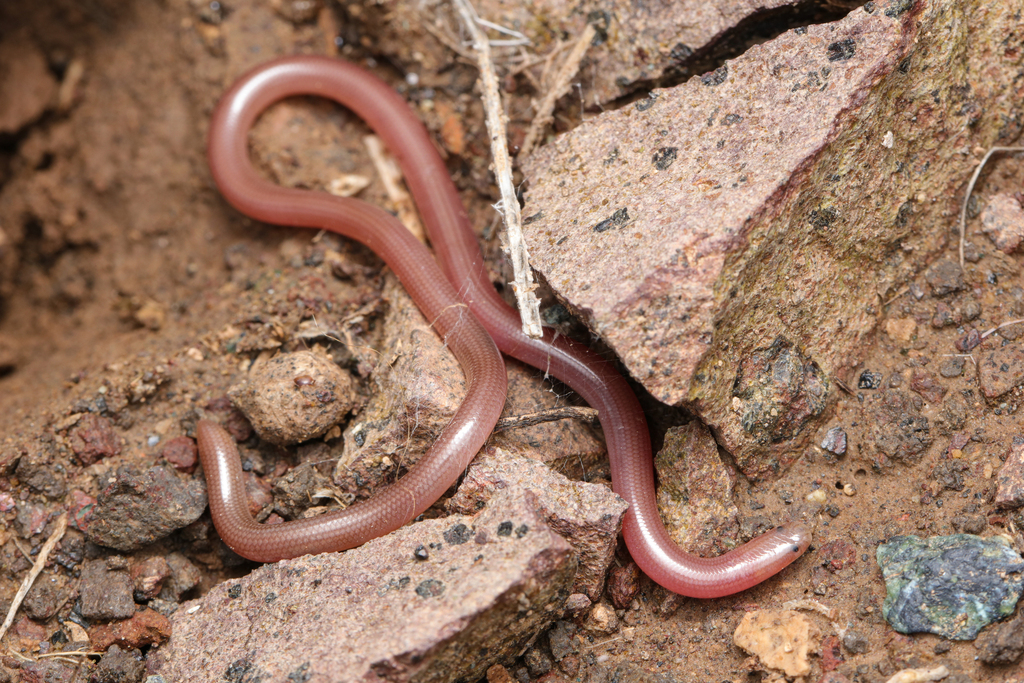
Snakes of Turkmenistan
Turkmenistan has 20+ snake species recorded in our database, 8 of them venomous. The great majority of species are non-venomous, so most snakes a person encounters in the country pose no medical threat. The diversity here is shaped by an arid, continental landscape where snakes are well adapted to heat, sparse vegetation, and long dry seasons.
Geography drives that diversity. Most of Turkmenistan is covered by the Karakum Desert, one of the largest sand deserts in Asia, and this dominates the fauna with species built for life on dunes and gravel flats. Around the edges the picture changes. The Kopet Dag mountains along the southern border with Iran add rocky slopes and foothill habitats, the Amu Darya river and the oases it feeds create green corridors, and the Caspian coast in the west brings its own lowland and saline environments. Each of these settings supports a different set of snakes, from burrowing sand specialists to rock dwellers and riverside hunters.
The medically important venomous snakes of Turkmenistan come from two main groups, and both are well established in the region. The first is the cobras, represented by the Central Asian cobra, the only true cobra found this far north in Asia and a snake whose bite is a serious medical emergency. The second and broader group is the vipers. Turkmenistan is home to several true vipers and to saw-scaled or carpet vipers of the genus Echis, which are small, irritable, and responsible for a large share of dangerous bites across their range. Pit vipers are also present in the wider region in the form of mountain and steppe species adapted to the cooler uplands. There are no mambas, coral snakes, sea snakes, or rattlesnakes in Turkmenistan; those groups belong to other parts of the world.
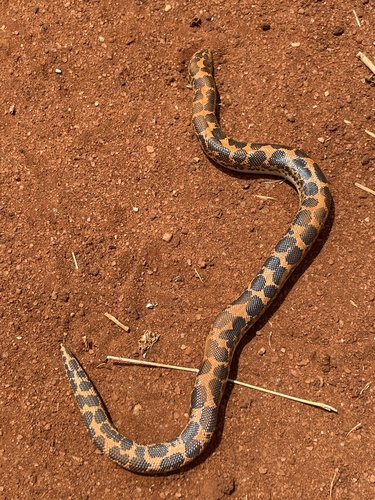
Against that short list of dangerous species sits a large non-venomous majority. Turkmenistan has a strong representation of colubrid snakes, including various racers, whip snakes, and sand-dwelling species, along with large constrictors in the form of sand boas, which are stout burrowing snakes famous for vanishing into loose soil. Among the most recognizable harmless snakes is the big-eyed or Caspian whip snake, one of the largest and fastest snakes in the region and a common sight in open country. These species hunt by speed or constriction rather than venom and are no danger to people.
Snakes earn their place in Turkmenistan's ecosystems by controlling rodents and other small pests. In a country where agriculture clusters around oases and irrigated land, rodent populations can damage stored grain and spread disease, and snakes are among the most efficient natural checks on those populations. Even the venomous species play this role, and removing snakes from a landscape tends to let pest numbers climb. They are a working part of the food web, not a nuisance to be cleared out.
The honest safety picture is reassuring but not careless. Most snakes you might meet in Turkmenistan are harmless, and the main medical threats come from the cobra and the vipers described above, with the saw-scaled vipers deserving particular respect because of how widespread and easily provoked they are. A venomous bite is treated with antivenom and supportive hospital care, so the right response is to get the person to professional medical help as quickly as possible. No wild snake should be handled, regardless of how harmless it looks, because identification mistakes happen and even non-venomous snakes bite when threatened. If a bite occurs, contact local emergency services immediately, or in the United States call Poison Control at 1-800-222-1222.
Snakes in Turkmenistan: FAQ
- Are there venomous snakes in Turkmenistan?
- Yes. 8 venomous snake species have verified records in Turkmenistan, including Saw-scaled Viper, Brown Banded Cobra, Central Asian Cobra, Gloydius variegatus. Most snakes in Turkmenistan, however, are harmless.
- How many snake species live in Turkmenistan?
- 20+ snake species have verified records in Turkmenistan, of which 8 are venomous.
- What is the most commonly seen snake in Turkmenistan?
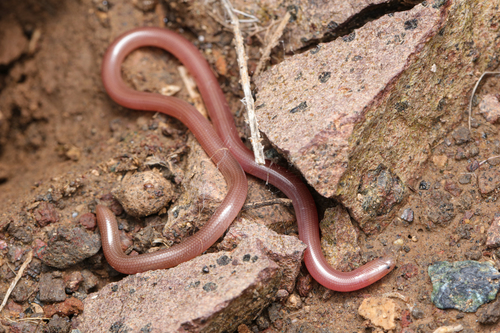
- The Eurasian Blind Snake is the most frequently reported snake in Turkmenistan, based on verified wildlife observations.
- What should I do if I see a venomous snake in Turkmenistan?
- Keep your distance and do not try to catch or kill it. Most bites happen when people handle or corner a snake. If someone is bitten, contact local emergency services or poison control immediately.
Venomous snakes in Turkmenistan
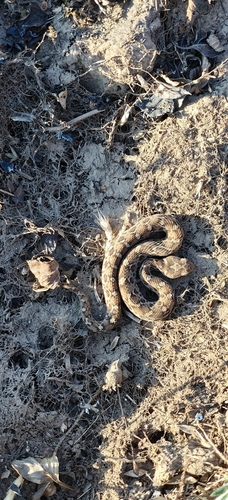
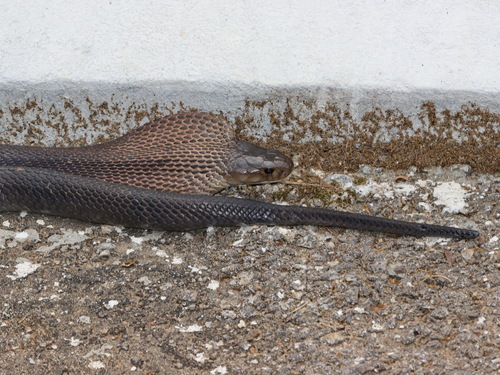

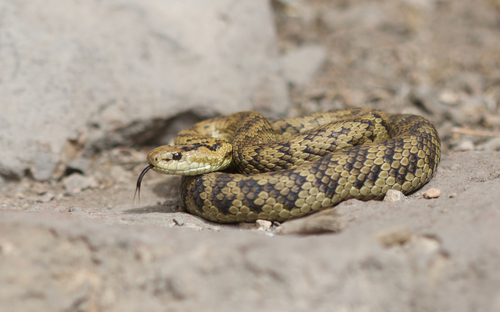
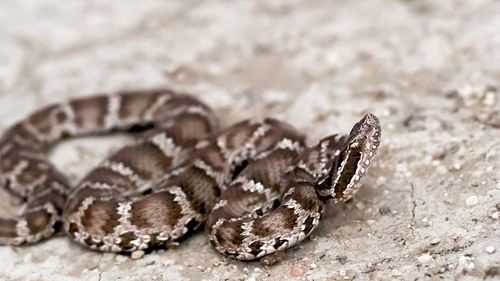
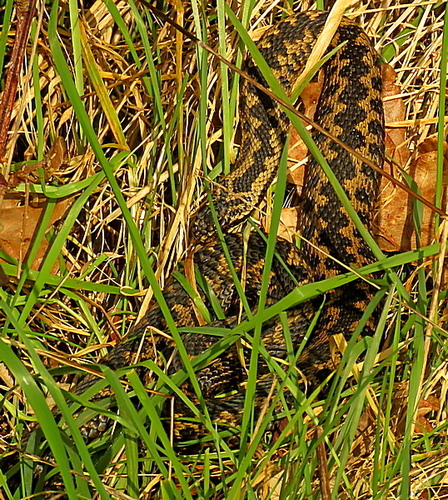
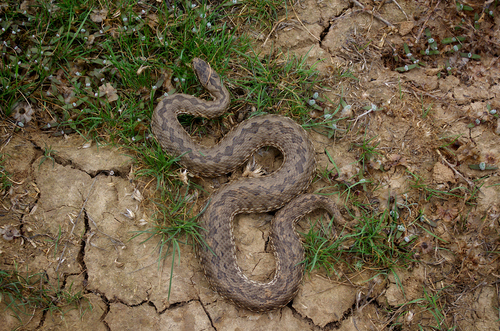
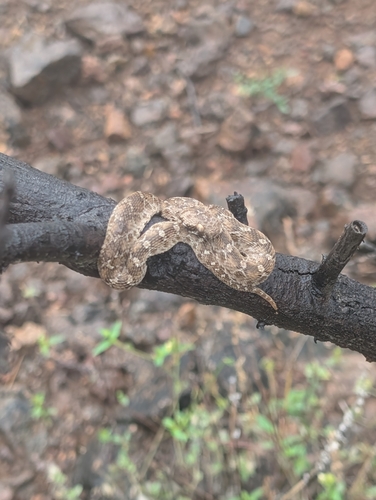
Every snake recorded in Turkmenistan
20+ species across 6 families, grouped by family. Venomous flagged.
Colubridae (14)
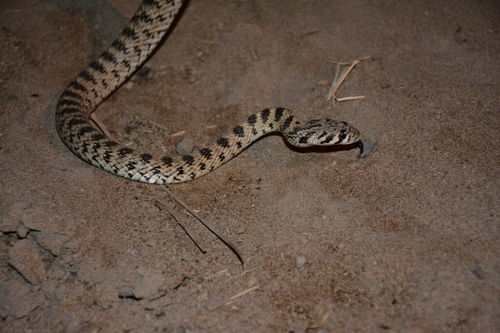
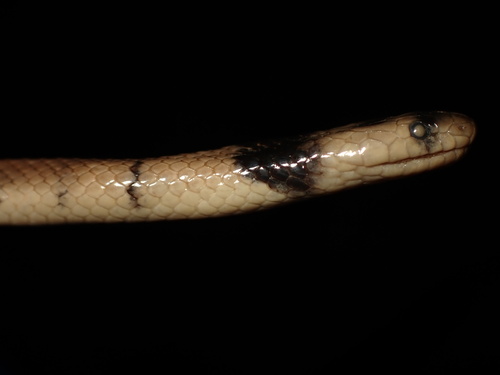
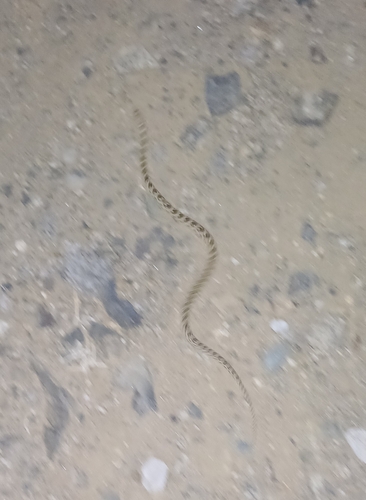
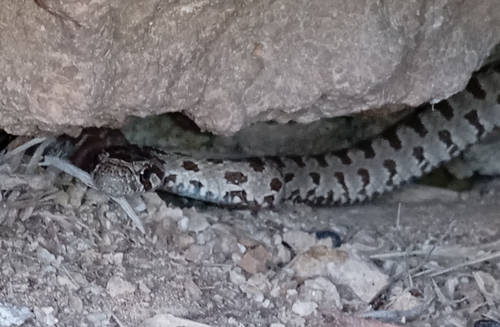
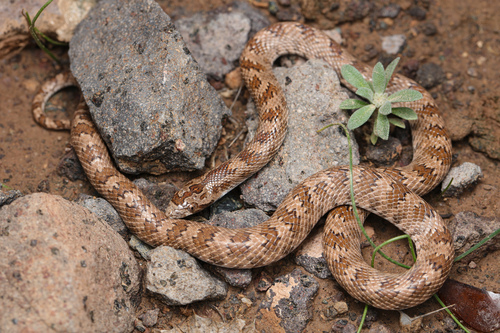

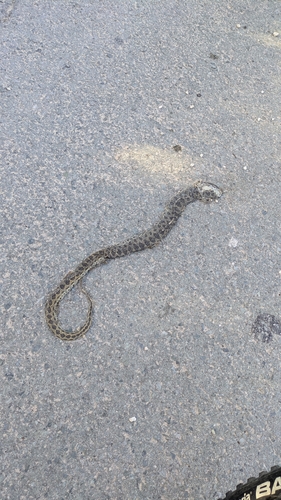
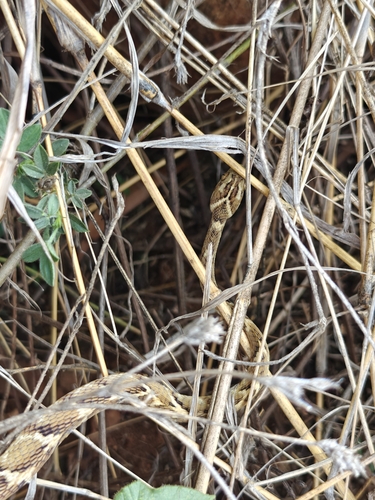
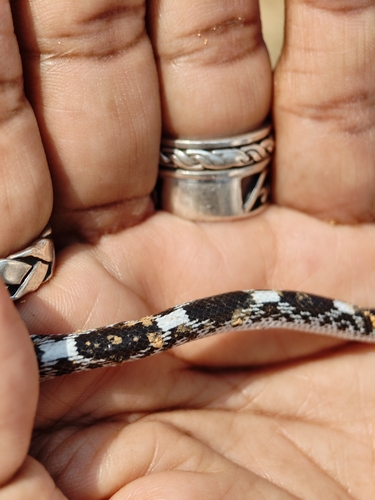
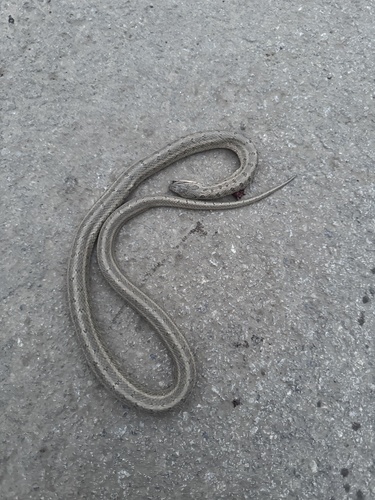
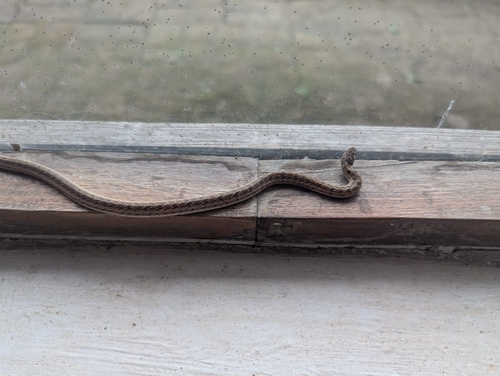
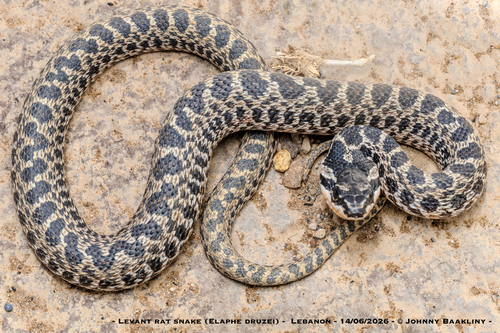
Viperidae (6)
Boidae (4)
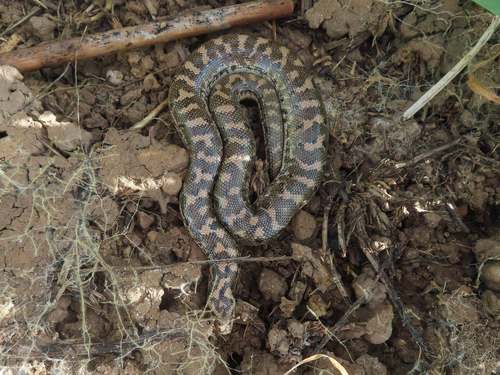
Typhlopidae (1)
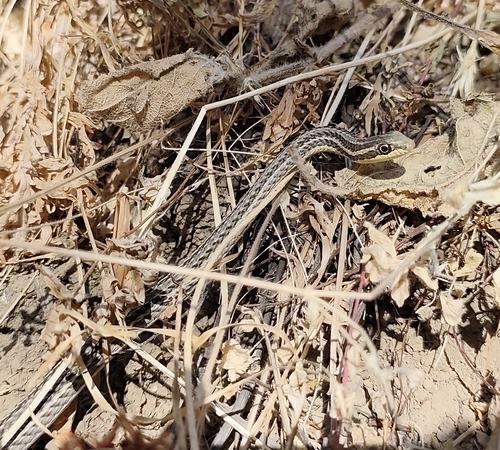
Psammophiidae (1)
Compiled from verified GBIF & iNaturalist observations. "How often seen" reflects how frequently a snake is reported here, not how dangerous it is. Informational only.
Keep learning
- Are Snakes Dangerous? The Real Risk, in PerspectiveMost snakes are harmless and avoid people. Here is the honest picture of snakebite risk worldwide and how to lower your own.
- Snakebite First Aid: What to Do (and What Never to Do)A clear, CDC-based guide to snakebite first aid: the steps that help, the popular myths that hurt, and how to tell a serious bite from a minor one.
- Venomous vs Nonvenomous: How to Tell the DifferenceThe folk rules for telling venomous snakes apart, where each one fails, and why location-based identification beats guessing by sight.
- What to Do If You Find a SnakeFound a snake at home or on a trail? Here is how to stay calm, give it space, identify it safely, and know when to call a professional.