
Genus · Psammophiidae
Types of sand snakes
30+ species make up the genus Psammophis, the snakes commonly called sand snakes. None are considered dangerous to humans.
About sand snakes
Fast, slender African and Asian racers built for hot open ground, mildly venomous but not considered dangerous to people.
Psammophis is a genus of slim, long-bodied, fast-moving snakes in the family Psammophiidae, a group of mostly African and southwest Asian snakes that includes the sand snakes, beaked snakes, and whip snakes. The name means sand-loving, and that captures the genus well. These are diurnal hunters of warm, dry, open country. Our database lists 30+ species, including the Stripe-bellied Sand Snake, the Karoo Sand Snake, the Cross-marked Sand Snake, and the Forskal Sand Snake.
The genus is centered on sub-Saharan Africa, with species also reaching North Africa, the Middle East, and parts of central and southern Asia. Typical habitat is open and sun-baked: savanna, grassland, semi-desert, scrub, rocky slopes, and the edges of arid country. They are ground snakes at heart, though they move easily through low vegetation. As active foragers rather than ambush hunters, they spend the warm hours of the day on the move and rely heavily on speed and sharp eyesight.
In general terms, sand snakes are recognizable as long, thin, alert snakes with a narrow head only slightly distinct from the neck, large eyes with round pupils, and smooth scales that often give a polished look. Many species carry crisp longitudinal stripes or rows of dashes running the length of the body, which is the source of names like Stripe-bellied and Cross-marked. Coloration tends toward sandy browns, olives, grays, and tans that blend with dry ground. They are among the fastest snakes in their range, and a fleeing sand snake is often just a streak across the path.
Sand snakes are rear-fanged and mildly venomous. They have enlarged grooved teeth toward the back of the upper jaw and a venom suited to subduing small prey. They are not considered dangerous to humans, and bites are uncommon because these snakes flee rather than confront. That said, no wild venomous snake is safe to handle. Do not pick one up. If a bite occurs, or if there is any swelling, unusual pain, or other symptoms, treat it as a medical matter, keep the person calm, and contact emergency care. In the United States call Poison Control at 1-800-222-1222, and elsewhere contact local emergency services.
Ecologically, Psammophis are agile generalist predators. They feed on lizards, smaller snakes, frogs, rodents, and other small vertebrates, chasing prey down by day and using their mild venom to subdue it. They are egg-layers, producing clutches of eggs rather than live young. A noted behavior in the group is self-rubbing, where a snake wipes secretions from a nasal gland over its own body, which is thought to help with water conservation and skin condition in their dry environments. Combined with their speed and keen vision, these traits make sand snakes well adapted specialists of hot, open landscapes.
Psammophis belongs to the Psammophiidae family (Sand & grass snakes). Fast, slender, day-active snakes of open country. Long, slim, and fast, with large eyes and a streamlined head, often striped lengthwise.
Danger: Rear-fanged and mildly venomous; bites can cause local swelling but are not considered dangerous to people.
All species (31)
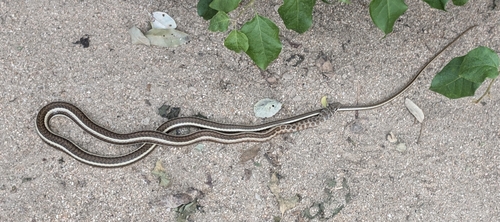 Stripe-bellied Sand SnakePsammophis subtaeniatusHarmless
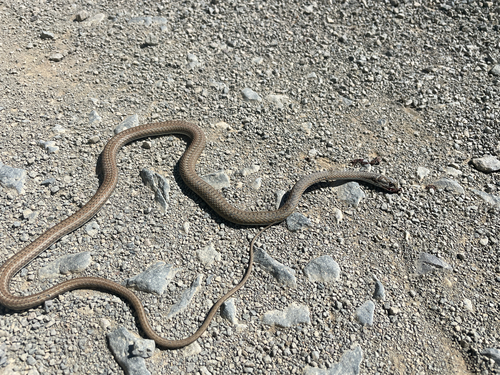 Karoo Sand SnakePsammophis notostictusHarmless
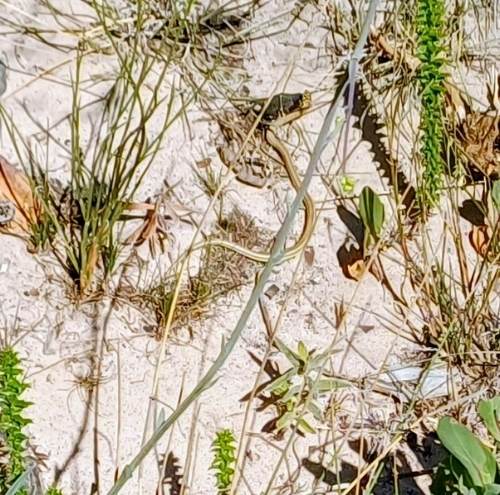 Cross-marked Sand SnakePsammophis cruciferHarmless
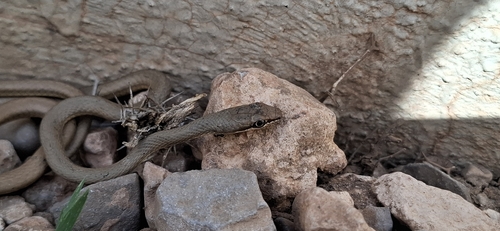 Forskal Sand SnakePsammophis schokariHarmless
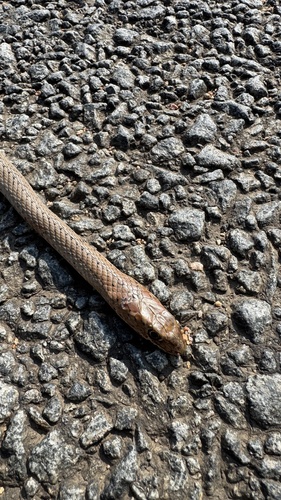 Olive Whip SnakePsammophis mossambicusHarmless
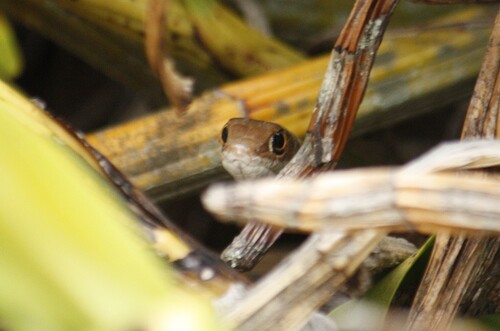 Short-snouted Whip SnakePsammophis brevirostrisHarmless
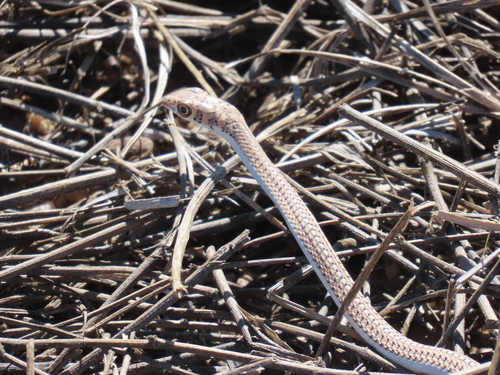 Cape Sand SnakePsammophis leightoniHarmless
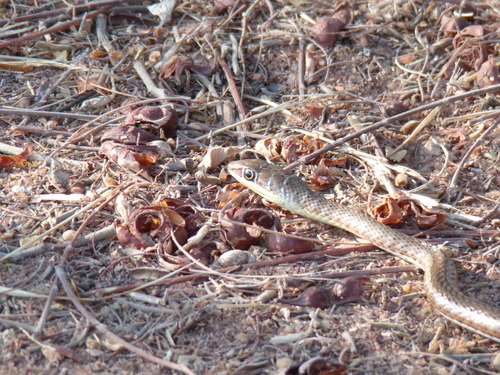 Eastern Stripe-bellied Sand SnakePsammophis orientalisHarmless
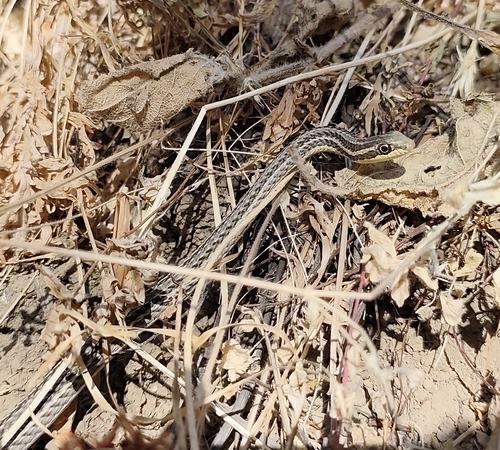 Steppe Ribbon RacerPsammophis lineolatusHarmless
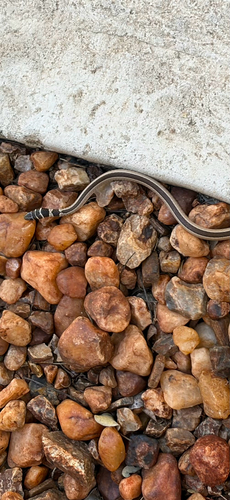 Dwarf Sand SnakePsammophis angolensisHarmless
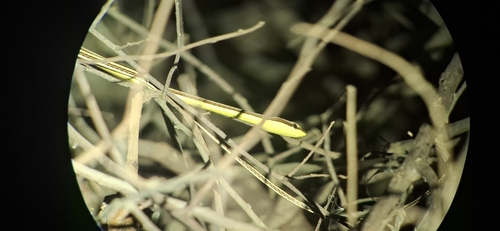 Elegant Sand RacerPsammophis elegansHarmless
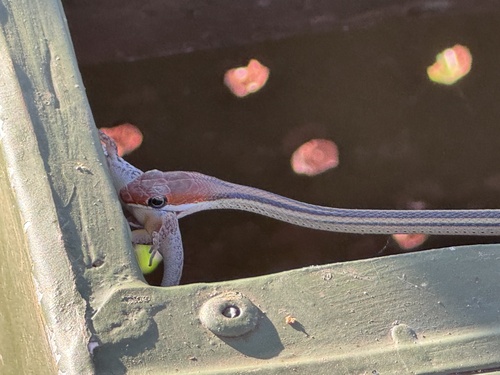 Speckled Sand RacerPsammophis punctulatusHarmless
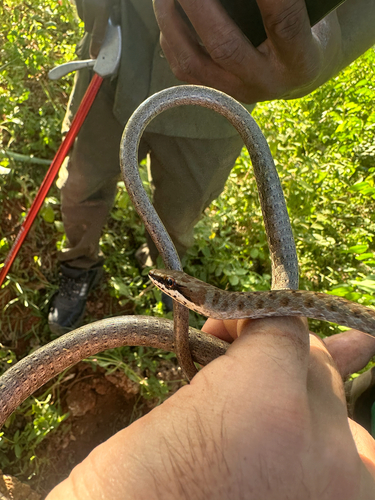 Link-marked Sand SnakePsammophis biseriatusHarmless
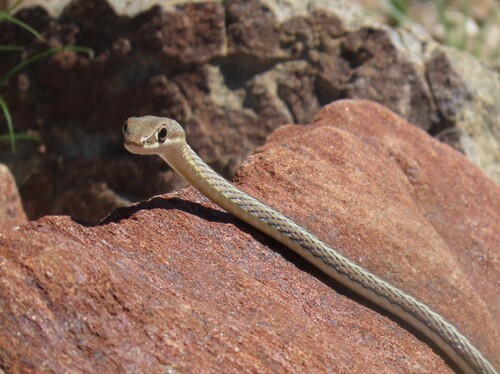 Western Sand SnakePsammophis trigrammusHarmless
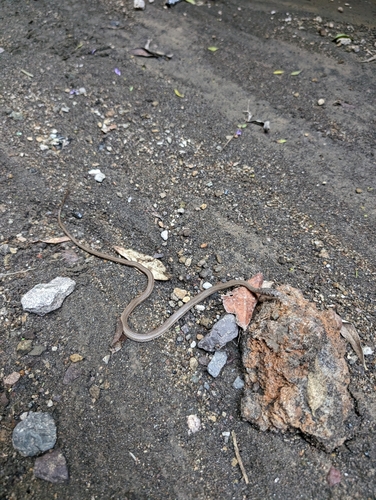 Northern Stripe-bellied Sand SnakePsammophis sudanensisHarmless
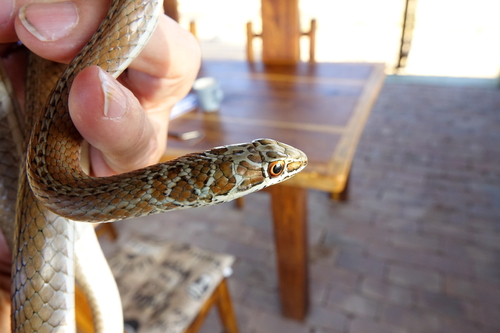 Leopard Grass SnakePsammophis leopardinusHarmless
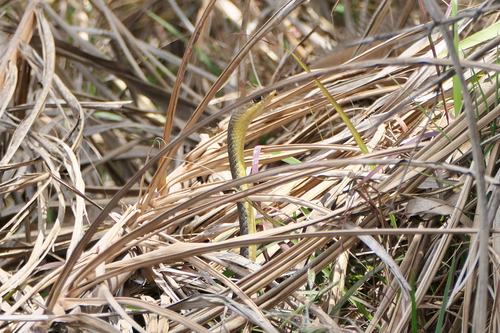 Olive Grass RacerPsammophis phillipsiiHarmless
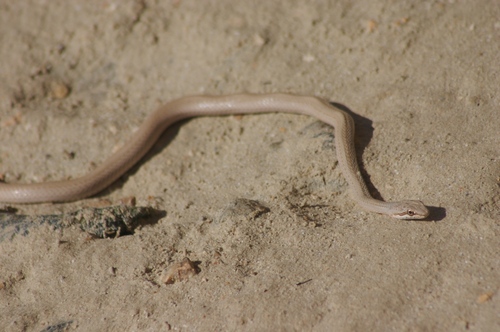 Egyptian Sand SnakePsammophis aegyptiusHarmless
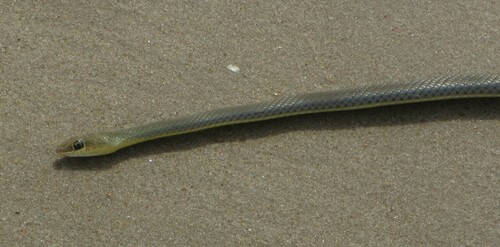 West African Whip SnakePsammophis afroccidentalisHarmless
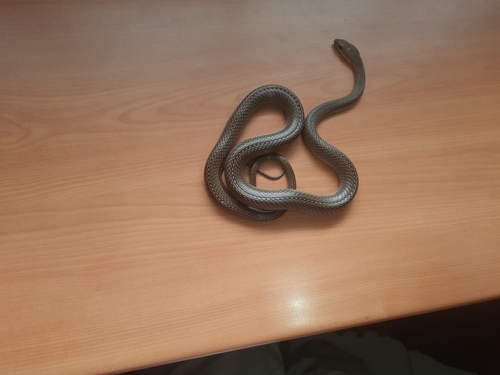 Long Sand RacerPsammophis longifronsHarmless
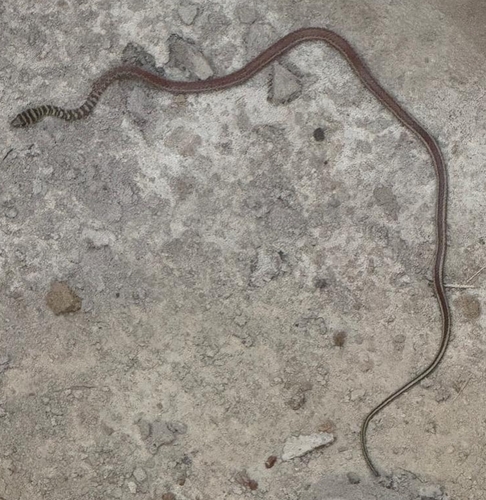 Ornate Olympic SnakePsammophis praeornatusHarmless
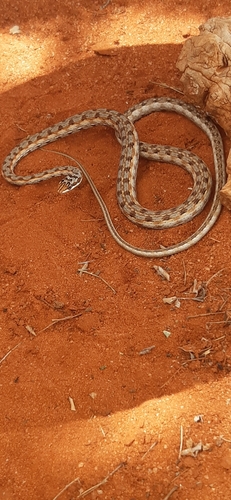 Tanganyika Sand SnakePsammophis tanganicusHarmless
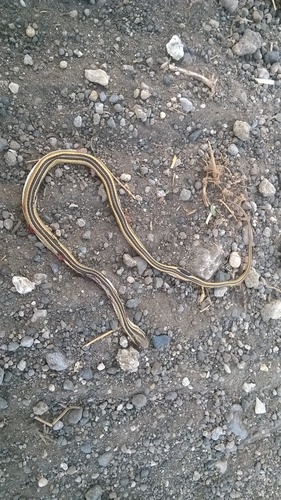 Pakistan Sand RacerPsammophis leithiiHarmless
 Condanarous SandsnakePsammophis condanarusHarmless
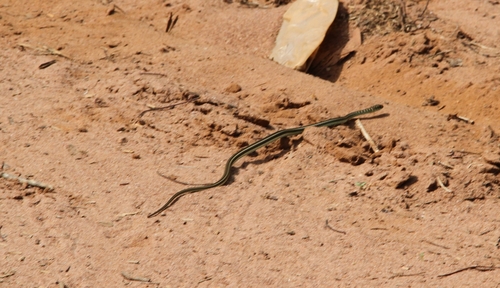 Lined Olympic SnakePsammophis lineatusHarmless
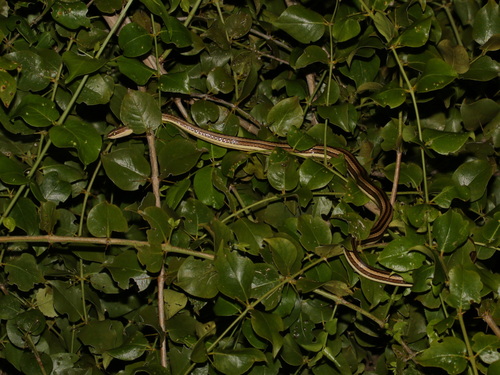 Indochinese Sand SnakePsammophis indochinensisHarmless
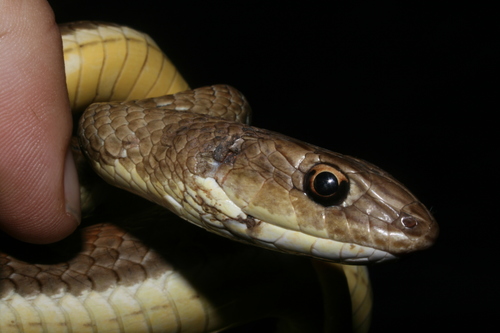 Rukwa Sand RacerPsammophis rukwaeHarmless
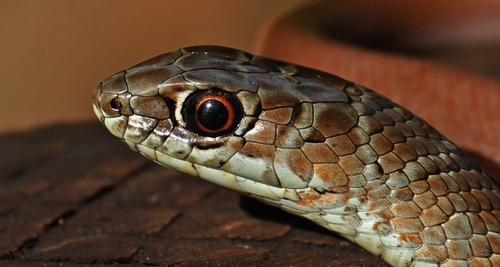 Zambian Whip SnakePsammophis zambiensisHarmless
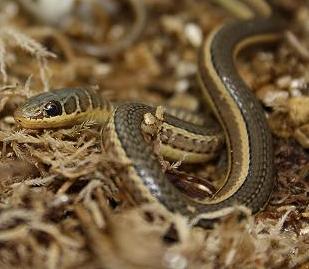 Hissing Sand SnakePsammophis sibilansHarmless
 Jalla's Sand SnakePsammophis jallaeHarmless
- No photoBeautiful Sand snakePsammophis pulcherHarmless
Keep learning
- What Is a Snake? Anatomy and the BasicsA clear overview of what makes a snake a snake: limbless body plan, anatomy, evolution from lizards, species diversity, and why they are ectothermic.
- How Snakes Move, Hunt, and EatHow snakes move without legs, hunt as ambushers or active foragers, kill by constriction or venom, and swallow prey wider than their head.
- What Do Snakes Eat?All snakes are carnivores. Learn what snakes eat, how diet changes with size and age, how often they feed, and how they hunt and swallow prey.
- Venomous vs Nonvenomous: How to Tell the DifferenceThe folk rules for telling venomous snakes apart, where each one fails, and why location-based identification beats guessing by sight.