
Kazakhstan
Snakes in Kazakhstan
20+ snake species have been recorded in Kazakhstan, 10 venomous.
Snakes of Kazakhstan
Kazakhstan has 20+ snake species recorded in our database, 10 of them venomous. The great majority of species in the country are non-venomous, and the snakes you are most likely to encounter pose no danger to people. Kazakhstan is an enormous, mostly arid country, and its snakes are spread thin across a landscape that ranges from steppe and semi-desert to mountains and river valleys.
Geography is the main driver of that diversity. The vast central and southern steppe and the sandy deserts such as the Kyzylkum and the Betpak-Dala favor heat-tolerant, burrowing, and ground-dwelling snakes. The southern mountains near the Tien Shan and the foothills add cooler, rockier habitat, while river systems, lake margins, and irrigated farmland create damp corridors where water-associated species and the rodents they hunt concentrate. Because conditions shift so sharply from desert to highland, different species occupy different zones rather than overlapping everywhere, which is why a single national snake list still reflects a wide spread of habitats.
The medically important venomous snakes of Kazakhstan belong mainly to two groups. The first is the true vipers (family Viperidae), which in Central Asia include species such as the steppe viper and related vipers of the genus Vipera, along with the larger and more dangerous blunt-nosed or Levantine type vipers found in the south. The second group is the pit vipers (subfamily Crotalinae), represented in the region by Gloydius species, sometimes called Central Asian or Halys pit vipers, which range across the steppe and into rocky uplands. There are also venomous rear-fanged colubrids such as the cat snakes and the dwarf or desert snakes, but these are of low concern to humans. Kazakhstan does not have cobras of medical note in the wild across most of its territory, and it has no mambas, no coral snakes, no sea snakes, and no rattlesnakes. The viper and pit viper bites are the realistic threat, and they are treated with antivenom and hospital care.
The large non-venomous majority is what most people actually see. This includes various species of the genus Natrix, the grass and dice snakes that hunt near water, along with whip snakes, racers, and the sand or desert-adapted colubrids that move fast across open ground. Among the larger and more familiar snakes of Central Asia are the big rat snakes and the Central Asian sand boa, a stout, blunt-tailed burrower of the deserts that kills prey by constriction and is harmless to people. These snakes are non-venomous and rely on speed, camouflage, or constriction rather than venom.
Snakes earn their place in Kazakhstan's ecosystems. They are efficient predators of rodents, and in a country with extensive grain agriculture and grazing land that pest control has real value, reducing crop loss and limiting the rodents that carry disease. Smaller snakes also keep insect, lizard, and amphibian populations in balance, and snakes in turn feed birds of prey and other wildlife. A healthy snake population is a sign of a working landscape, not a problem to be removed.
The honest safety picture is reassuring. Most snakes in Kazakhstan are harmless, and the main medical concern is a bite from a viper or pit viper. The correct response to a venomous snakebite is professional medical treatment, antivenom and supportive hospital care, not anything attempted in the field. Never handle a wild snake, venomous or not, since even a non-dangerous species can bite and a misidentified one can be far worse than it looks. If a bite happens, treat it as an emergency and get to medical care immediately. In the United States you can reach Poison Control at 1-800-222-1222, and elsewhere contact your local emergency services or nearest hospital without delay.
Snakes in Kazakhstan: FAQ
- Are there venomous snakes in Kazakhstan?
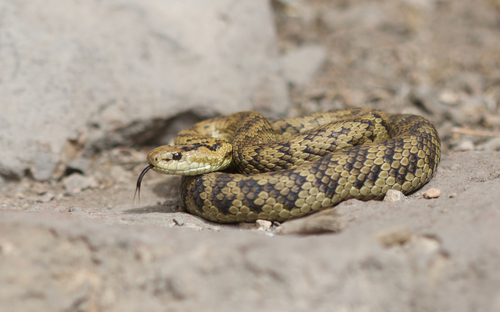
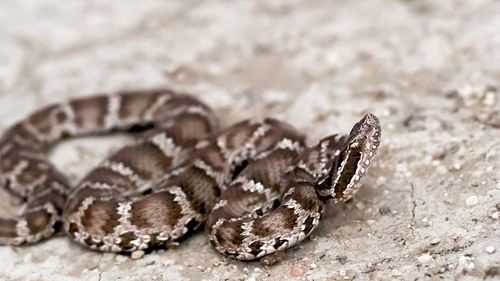
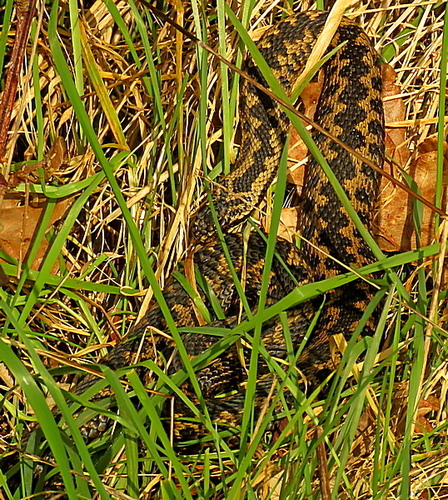
- Yes. 10 venomous snake species have verified records in Kazakhstan, including Steppe Viper, Gloydius variegatus, Halys Pit Viper, Karaganda pitviper. Most snakes in Kazakhstan, however, are harmless.
- How many snake species live in Kazakhstan?
- 20+ snake species have verified records in Kazakhstan, of which 10 are venomous.
- What is the most commonly seen snake in Kazakhstan?
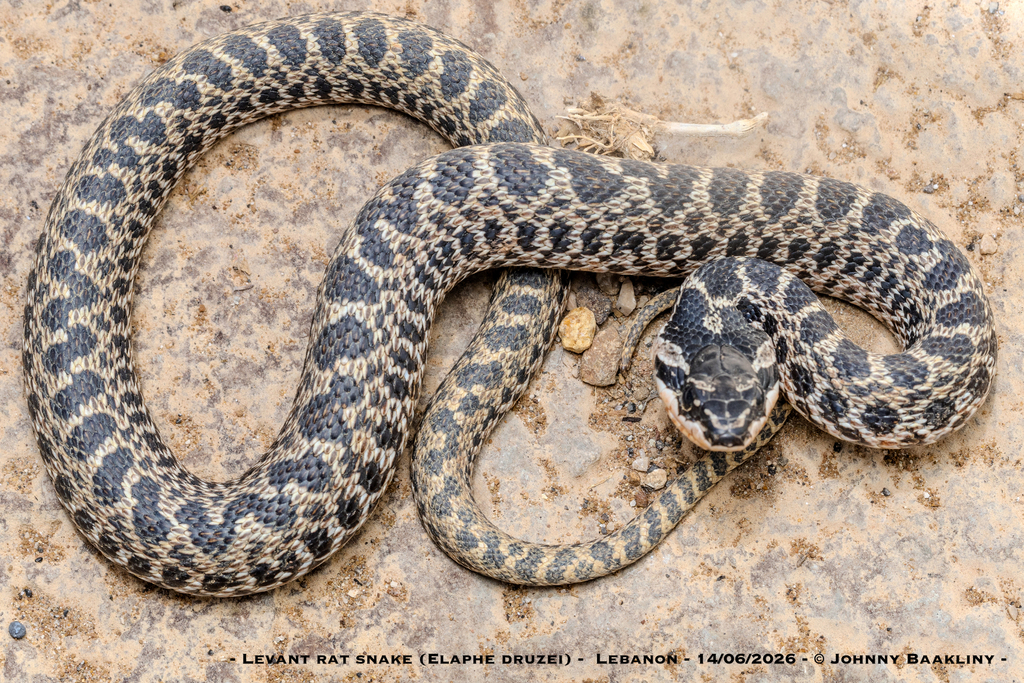
- The Levant Rat Snake is the most frequently reported snake in Kazakhstan, based on verified wildlife observations.
- What should I do if I see a venomous snake in Kazakhstan?
- Keep your distance and do not try to catch or kill it. Most bites happen when people handle or corner a snake. If someone is bitten, contact local emergency services or poison control immediately.
Venomous snakes in Kazakhstan
Every snake recorded in Kazakhstan
20+ species across 5 families, grouped by family. Venomous flagged.
Colubridae (10)
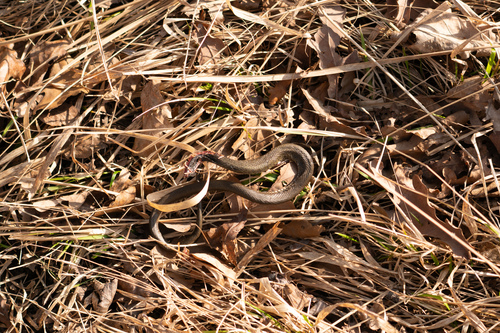
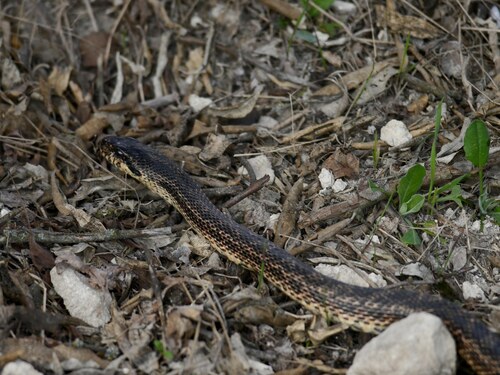
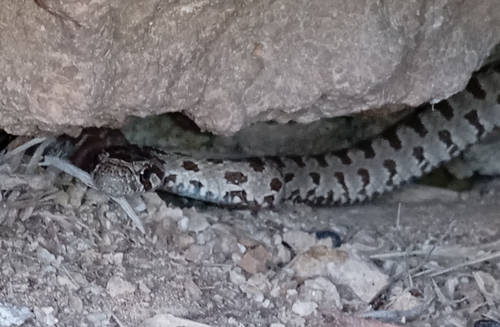
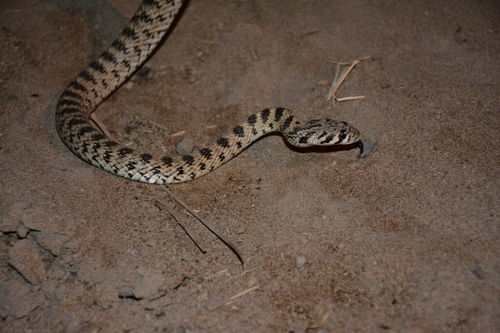
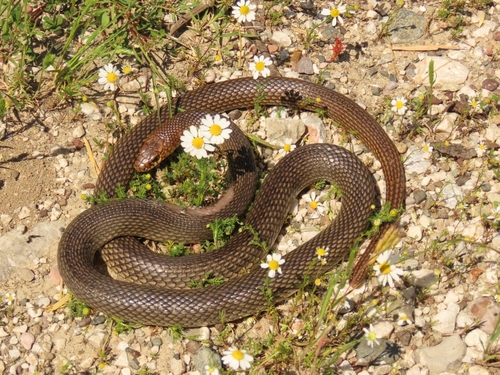
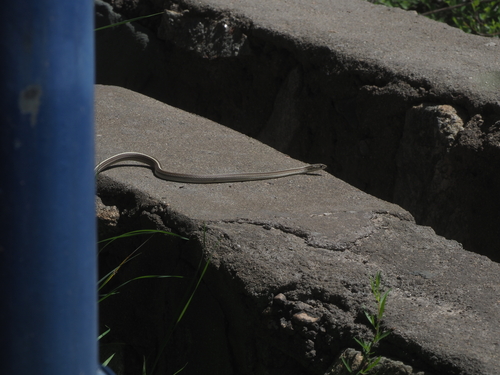
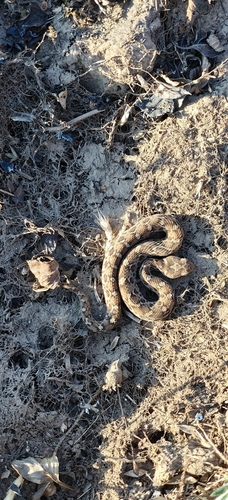
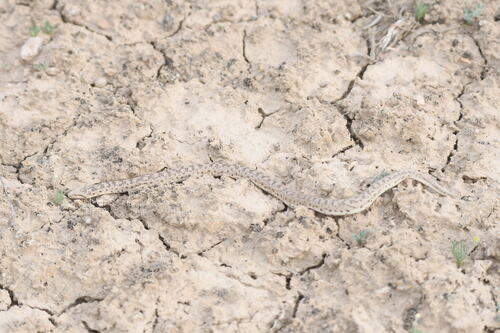
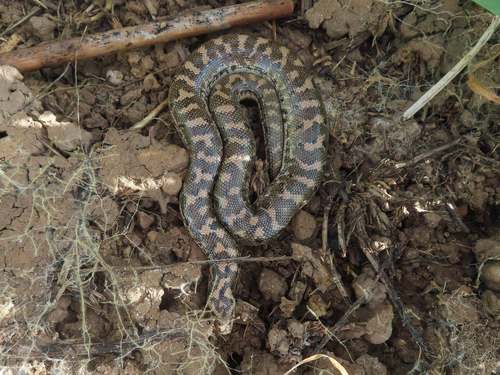
Viperidae (10)
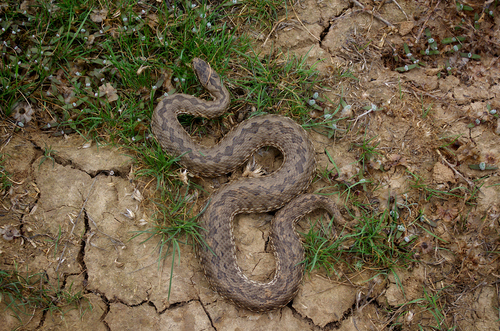
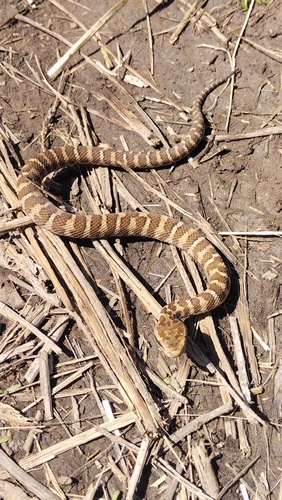
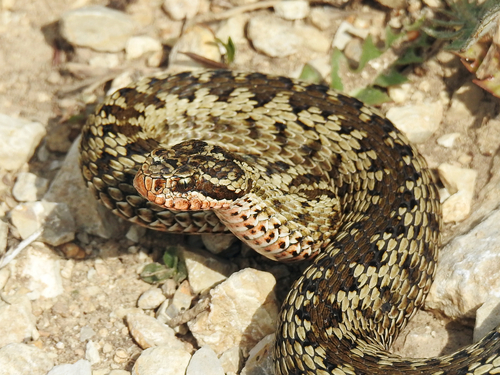
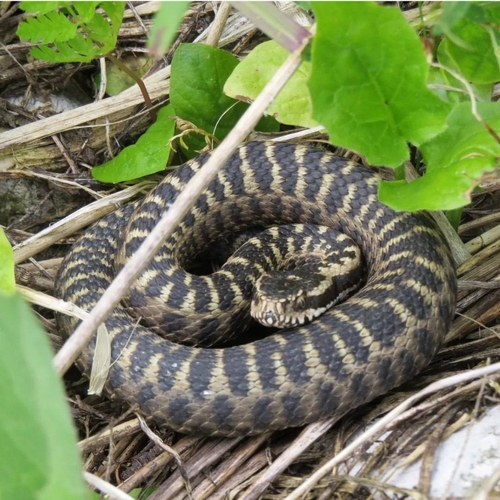
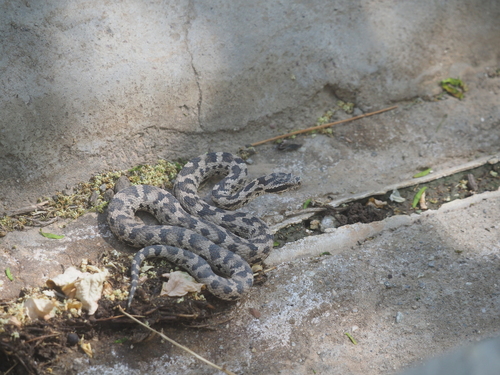
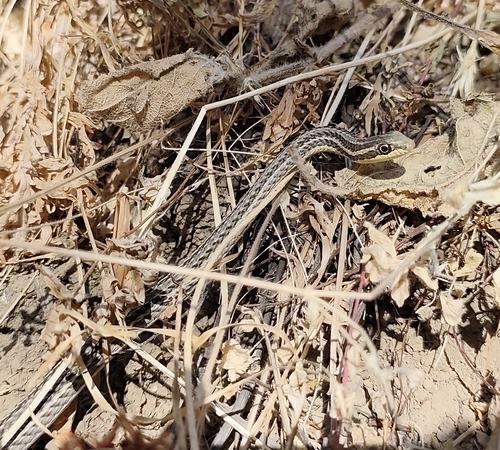
Psammophiidae (2)
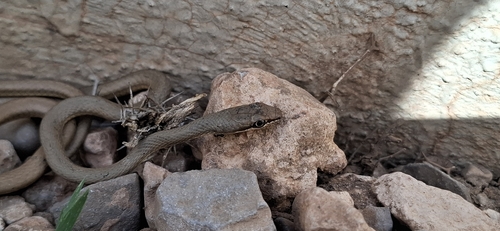
Pythonidae (1)
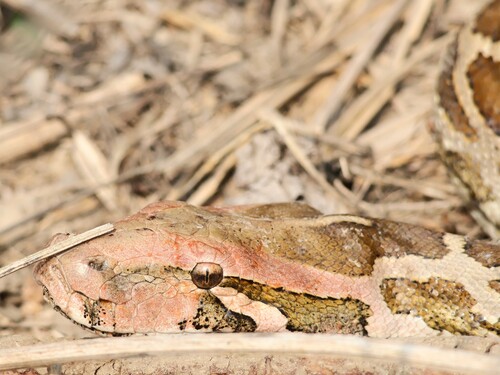
Compiled from verified GBIF & iNaturalist observations. "How often seen" reflects how frequently a snake is reported here, not how dangerous it is. Informational only.
Keep learning
- Are Snakes Dangerous? The Real Risk, in PerspectiveMost snakes are harmless and avoid people. Here is the honest picture of snakebite risk worldwide and how to lower your own.
- Snakebite First Aid: What to Do (and What Never to Do)A clear, CDC-based guide to snakebite first aid: the steps that help, the popular myths that hurt, and how to tell a serious bite from a minor one.
- Venomous vs Nonvenomous: How to Tell the DifferenceThe folk rules for telling venomous snakes apart, where each one fails, and why location-based identification beats guessing by sight.
- What to Do If You Find a SnakeFound a snake at home or on a trail? Here is how to stay calm, give it space, identify it safely, and know when to call a professional.