
Tajikistan
Snakes in Tajikistan
10+ snake species have been recorded in Tajikistan, 6 venomous.
Snakes of Tajikistan
Tajikistan is a mountainous, landlocked country in Central Asia, and its snake fauna is shaped by extreme terrain. The Pamir ranges, often called the Roof of the World, cover much of the east, while lower valleys, foothills, semi-deserts, and river corridors occupy the west and south. Our database records 10+ snake species here, a modest total that reflects how high elevation and cold limit reptile diversity. Most snakes concentrate in the warmer lowlands and mid-elevation slopes, along irrigated farmland, rocky outcrops, and the banks of rivers like the Vakhsh and Panj, where prey and basking sites are reliable.
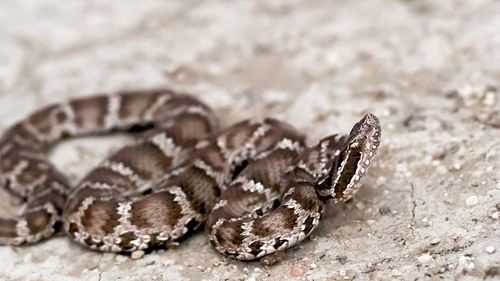
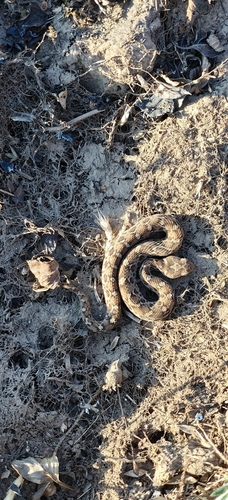
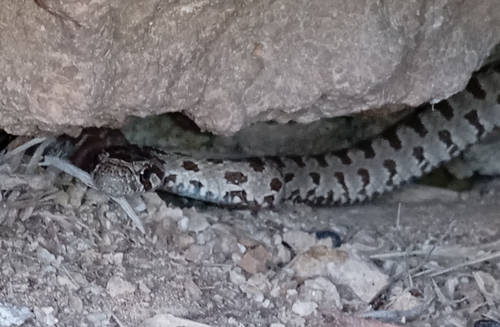
Of the 17 recorded species, 6 are venomous, so the great majority are not. The venomous snakes belong to a few well-established groups. True vipers of the genus Macrovipera and Gloydius-type pit vipers occur in suitable habitat, and these are the snakes most relevant to human safety because of their potent venom and tendency to occupy rocky, scrubby ground near where people live and farm. Tajikistan also lies within the range of cobras of the genus Naja in its southern lowlands, an elapid group whose bites are medically serious. Alongside these, small rear-fanged colubrids carry mild venom adapted for subduing small prey and pose little danger to people. Beyond family-level and regional context, exact local distributions of some taxa are not well documented, so the safe summary is that vipers are the most widespread venomous threat, with cobra-type elapids present in the warm south.
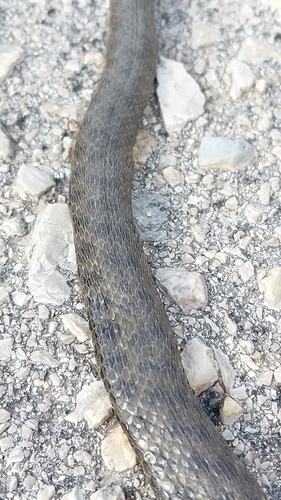
The harmless majority covers most of what you will actually encounter. These include various colubrids such as racers, whip snakes, dwarf and sand snakes, and water-associated species that hunt along streams and irrigation channels. Many are fast, slender, and active by day, while others are secretive and nocturnal. None of these constrictor and small-prey specialists produce venom dangerous to humans. They are a normal part of the landscape across gardens, fields, riverbanks, and rocky hillsides, and most people who see a snake in Tajikistan are looking at one of these non-venomous species.
Snakes are an important part of these ecosystems. They control rodents that damage crops and stored grain, keep insect and small-vertebrate numbers in check, and serve as prey for birds of prey and larger mammals. In a country where agriculture clusters in limited fertile valleys, the rodent control snakes provide has real value to farmers. Their presence is a sign of a functioning food web rather than a problem to be eliminated.
On safety, the honest picture is that most snakes in Tajikistan are harmless, and the main medical concern is bites from vipers, with cobra-type elapids a serious risk in the southern lowlands. The correct response to any venomous snakebite is professional medical care: get to a hospital quickly, because antivenom and supportive treatment are the established therapy. Do not attempt to handle, catch, or kill a wild snake, since most bites happen when people try to interact with one, and no wild venomous snake should be treated as safe to handle. Give snakes distance and they will almost always move away. In an emergency, contact local emergency services, and in the United States you can reach Poison Control at 1-800-222-1222.
Snakes in Tajikistan: FAQ
- Are there venomous snakes in Tajikistan?
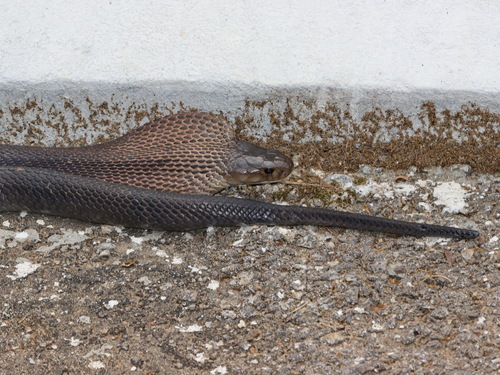
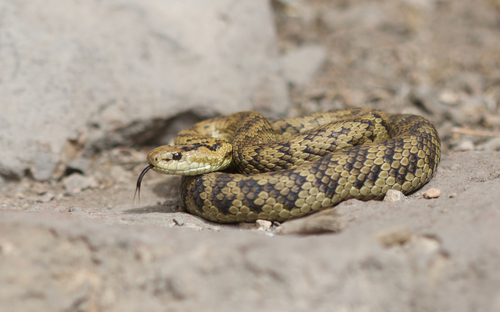
- Yes. 6 venomous snake species have verified records in Tajikistan, including Brown Banded Cobra, Central Asian Cobra, Gloydius variegatus, Karaganda pitviper. Most snakes in Tajikistan, however, are harmless.
- How many snake species live in Tajikistan?
- 10+ snake species have verified records in Tajikistan, of which 6 are venomous.
- What is the most commonly seen snake in Tajikistan?
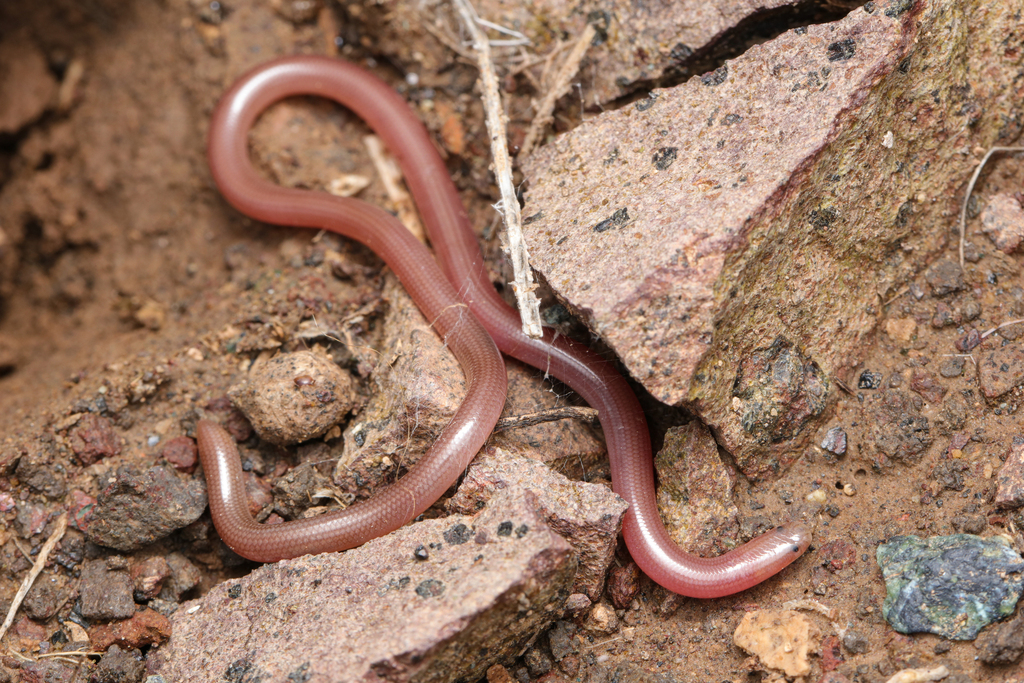
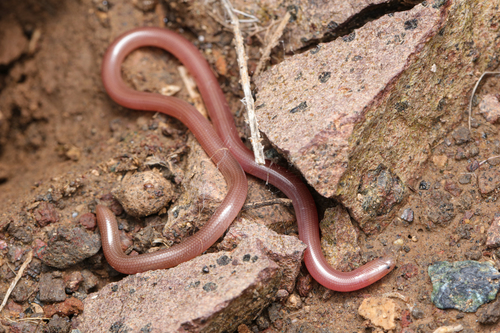
- The Eurasian Blind Snake is the most frequently reported snake in Tajikistan, based on verified wildlife observations.
- What should I do if I see a venomous snake in Tajikistan?
- Keep your distance and do not try to catch or kill it. Most bites happen when people handle or corner a snake. If someone is bitten, contact local emergency services or poison control immediately.
Venomous snakes in Tajikistan

Every snake recorded in Tajikistan
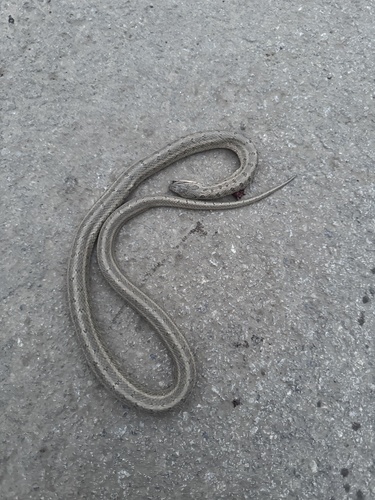
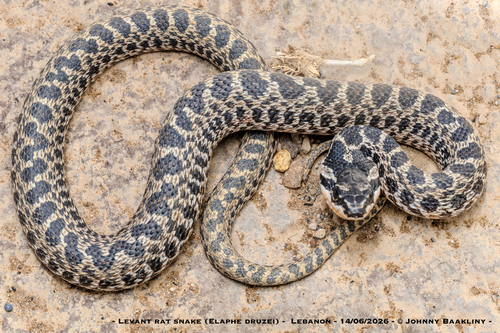
10+ species across 6 families, grouped by family. Venomous flagged.
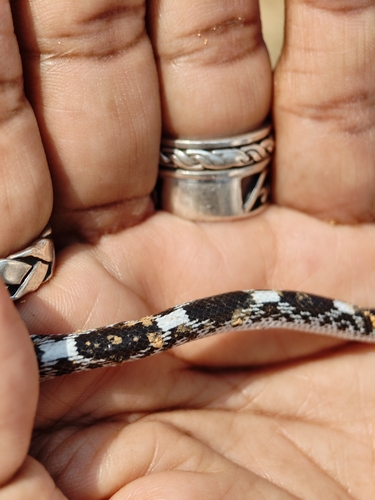
Colubridae (7)
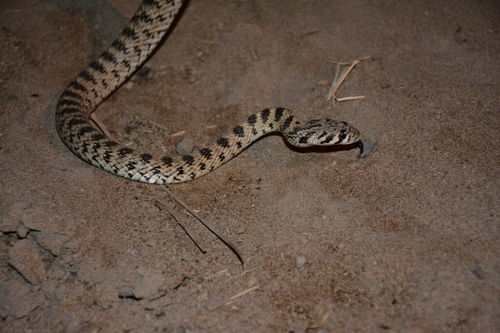
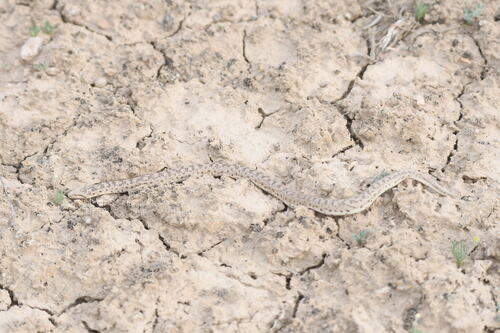
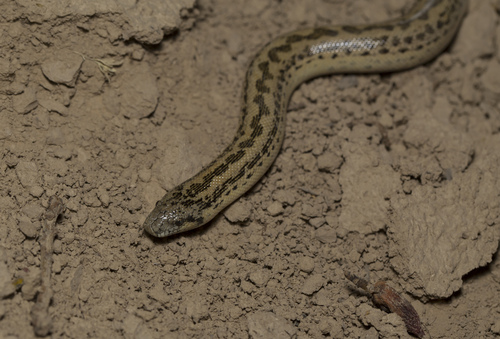
Viperidae (4)
Typhlopidae (1)
Psammophiidae (1)
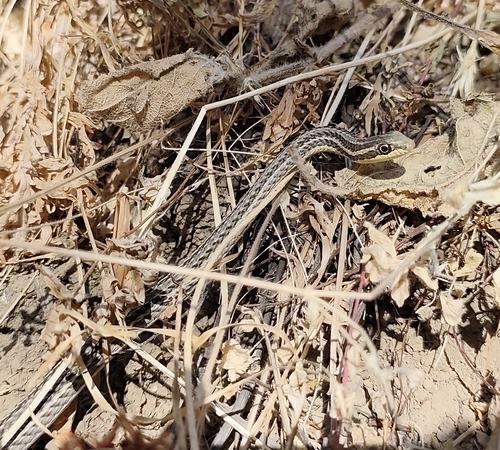
Compiled from verified GBIF & iNaturalist observations. "How often seen" reflects how frequently a snake is reported here, not how dangerous it is. Informational only.
Keep learning
- Are Snakes Dangerous? The Real Risk, in PerspectiveMost snakes are harmless and avoid people. Here is the honest picture of snakebite risk worldwide and how to lower your own.
- Snakebite First Aid: What to Do (and What Never to Do)A clear, CDC-based guide to snakebite first aid: the steps that help, the popular myths that hurt, and how to tell a serious bite from a minor one.
- Venomous vs Nonvenomous: How to Tell the DifferenceThe folk rules for telling venomous snakes apart, where each one fails, and why location-based identification beats guessing by sight.
- What to Do If You Find a SnakeFound a snake at home or on a trail? Here is how to stay calm, give it space, identify it safely, and know when to call a professional.