
Iraq
Snakes in Iraq
40+ snake species have been recorded in Iraq, 10 venomous.
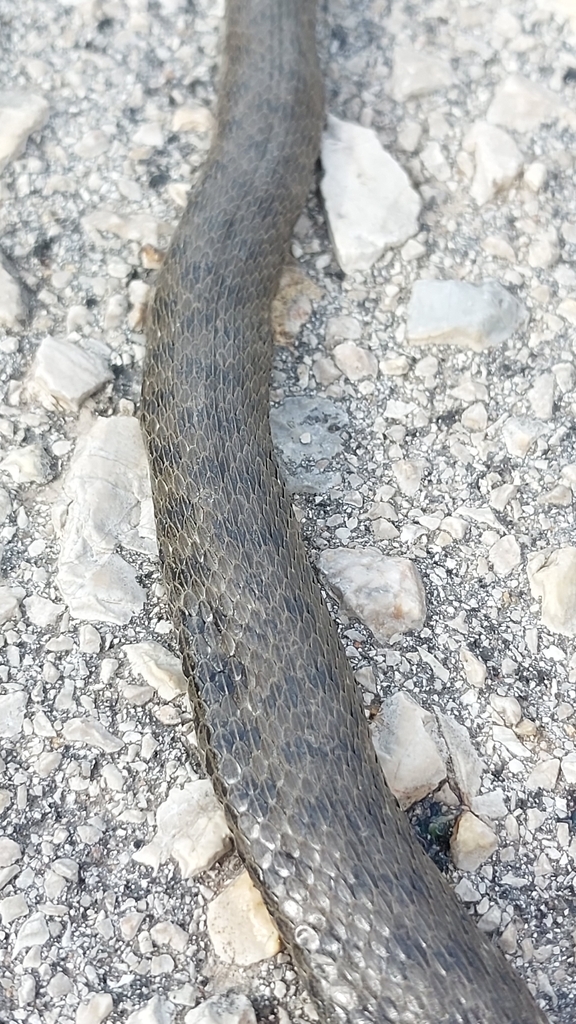
Snakes of Iraq
Iraq has 40+ snake species recorded in our database, 10 of them venomous. The great majority of the country's snakes are non-venomous and pose no medical threat to people. Iraq sits at a crossroads of Middle Eastern, Central Asian, and Saharo-Arabian fauna, and its snakes reflect that mix, ranging from small burrowing species to large constrictors and a handful of dangerous vipers and cobras.
The diversity is driven by the country's sharp range of habitats. The fertile floodplains and marshes of the Tigris and Euphrates support water-associated and rodent-rich environments, the central and western deserts and steppe hold arid-adapted species, and the Zagros foothills and mountains of the north and northeast bring cooler, rockier terrain with their own specialists. The Persian Gulf coast in the far south adds a marine element. This spread of wetland, desert, steppe, and montane zones is the main reason a relatively compact country supports so many kinds of snake.
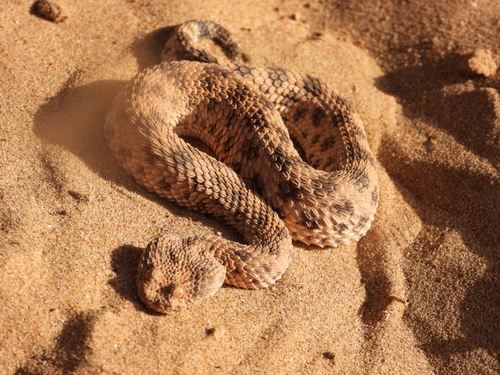
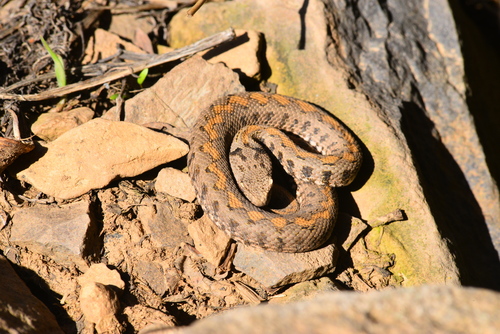
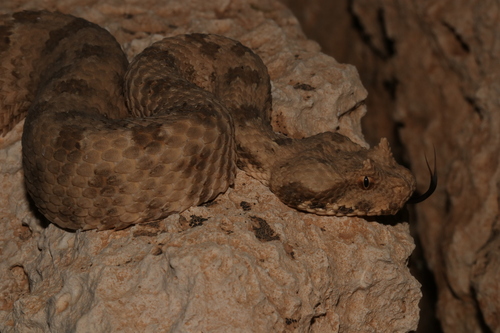
The medically important venomous snakes in Iraq fall into two main groups. The first is the vipers, which are the primary concern across most of the country. These include true vipers and the saw-scaled vipers of the genus Echis, which are small, fast, and responsible for serious bites in arid and rural areas, along with larger vipers found in the mountains and steppe. The second group is the cobras (genus Naja), elapids whose venom acts differently from viper venom. Off the southern coast, venomous sea snakes occur in the warm waters of the Persian Gulf. There are no mambas, no coral snakes, no pit vipers, and no rattlesnakes in Iraq, as those groups belong to other regions of the world.
Against that short list of dangerous species sits a large non-venomous majority. Iraq is home to many harmless colubrids, sand-dwelling and racer-type snakes, water snakes that hunt in and around the rivers and marshes, and several small burrowing and blind snakes that spend most of their lives out of sight. Among the most notable is the large, powerful non-venomous constrictor often seen near water and farmland, which controls rodents and is entirely harmless to humans despite its size. These common, non-venomous snakes are the ones people are most likely to encounter.
Snakes earn their place in Iraq's ecosystems mainly as predators of rodents and other pests. A single snake can take a steady number of rats and mice over a season, which protects stored grain, reduces crop loss in farming areas, and limits the spread of rodent-borne disease around villages and the river plains. Removing snakes from an area tends to let rodent populations climb, so the species most people want gone are often the ones doing quiet, useful work.
The honest safety picture is reassuring but not careless. Most snakes you meet in Iraq are harmless, and the main medical threat comes from the vipers, especially the saw-scaled vipers, with cobras and sea snakes as added risks in their ranges. A venomous bite is a medical emergency: the treatment is antivenom and supportive hospital care, delivered by trained clinicians, not anything attempted in the field. No wild snake should ever be picked up or handled, since even a calm or apparently dead snake can bite. If a bite happens, keep the person still and get to emergency medical care immediately. In the United States contact Poison Control at 1-800-222-1222; elsewhere call your local emergency services.
Snakes in Iraq: FAQ
- Are there venomous snakes in Iraq?
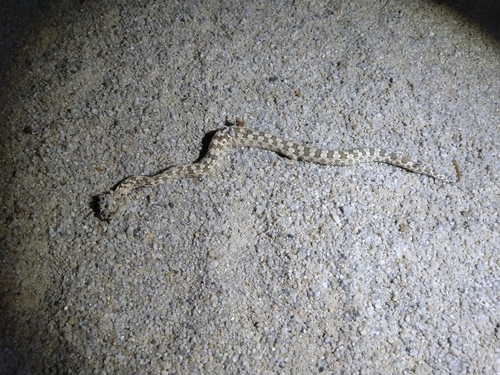
- Yes. 10 venomous snake species have verified records in Iraq, including Desert Horned Viper, Western Black Desert Cobra, Saw-scaled Viper, Arabian Horned Viper. Most snakes in Iraq, however, are harmless.
- How many snake species live in Iraq?
- 40+ snake species have verified records in Iraq, of which 10 are venomous.
- What is the most commonly seen snake in Iraq?
- The Tessellated Water Snake is the most frequently reported snake in Iraq, based on verified wildlife observations.
- What should I do if I see a venomous snake in Iraq?
- Keep your distance and do not try to catch or kill it. Most bites happen when people handle or corner a snake. If someone is bitten, contact local emergency services or poison control immediately.
Venomous snakes in Iraq
Every snake recorded in Iraq
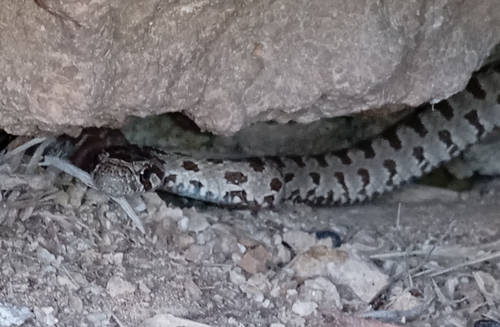
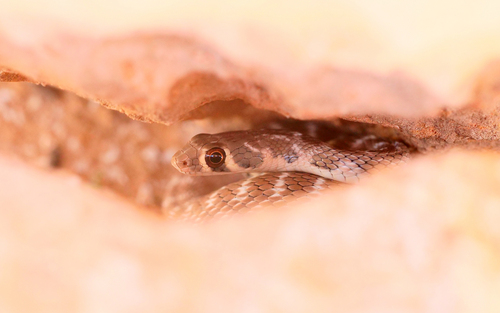
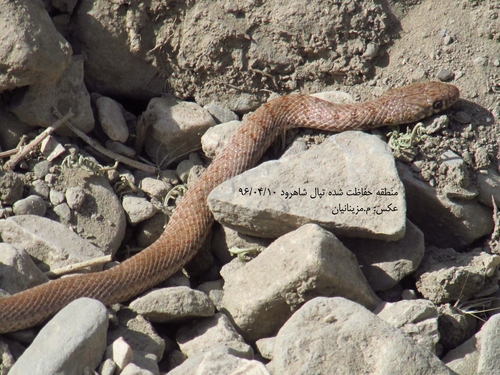
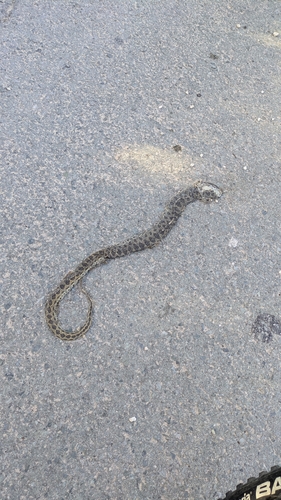
40+ species across 7 families, grouped by family. Venomous flagged.
Colubridae (29)
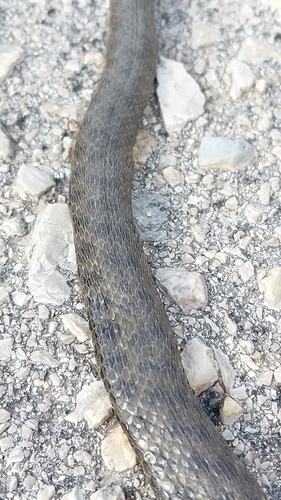
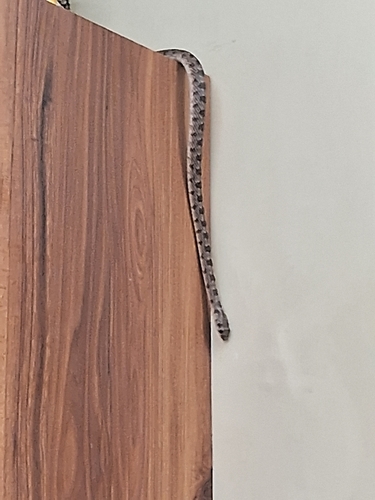
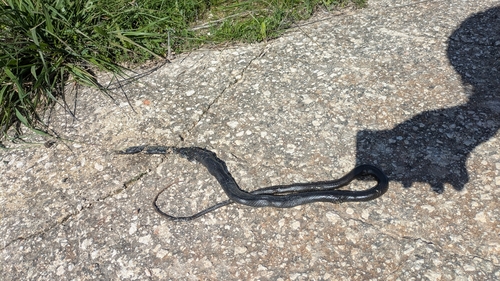
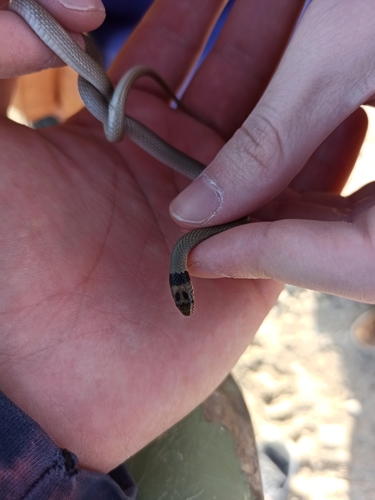
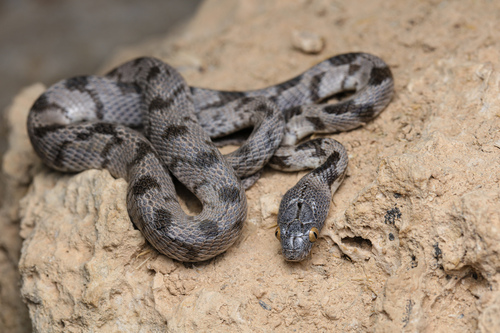
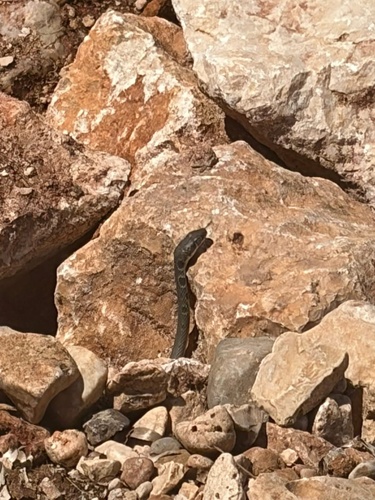
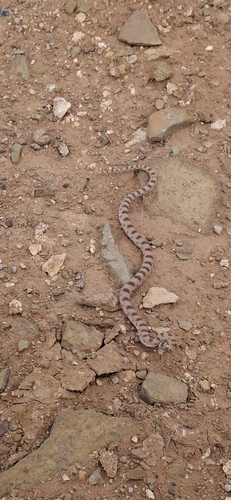
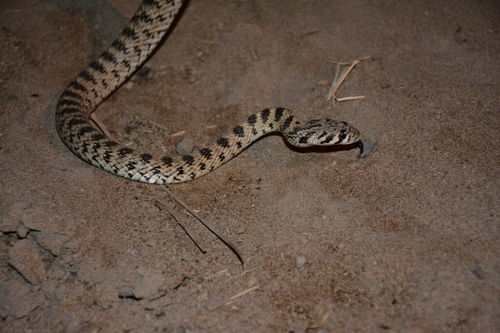

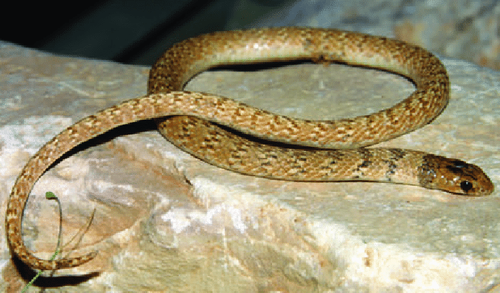
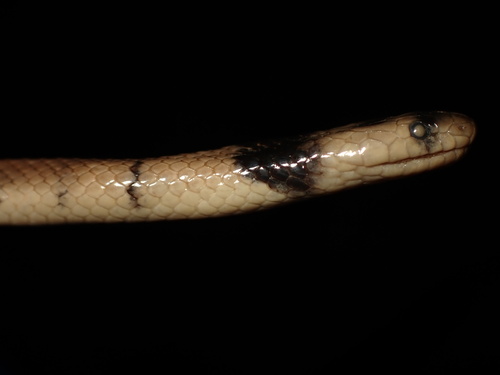
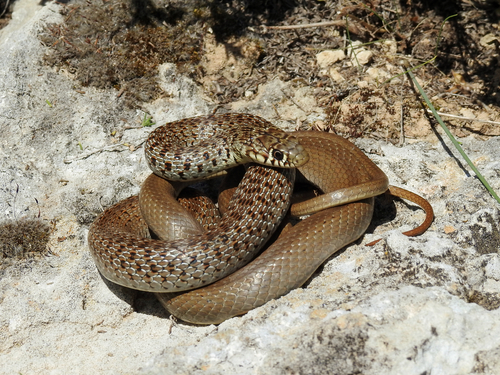
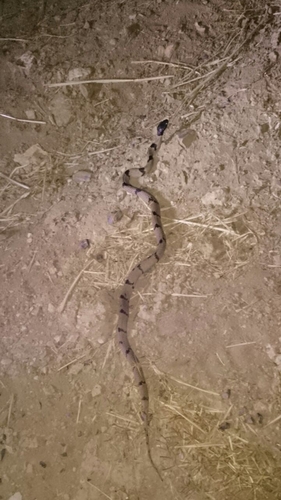
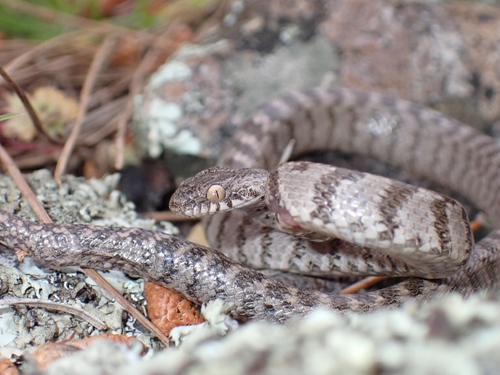
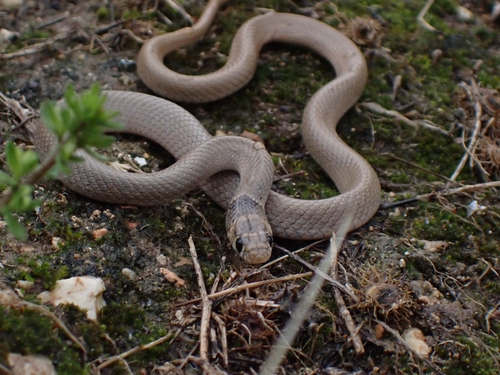
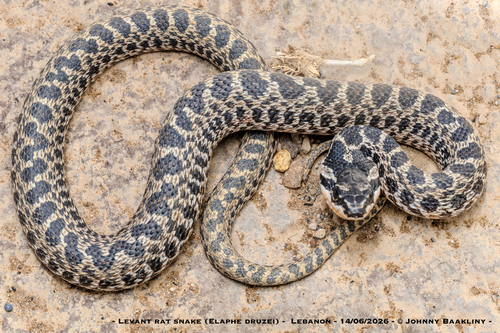
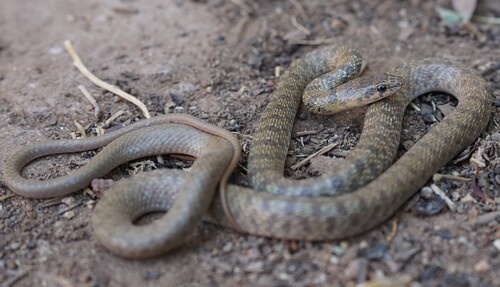
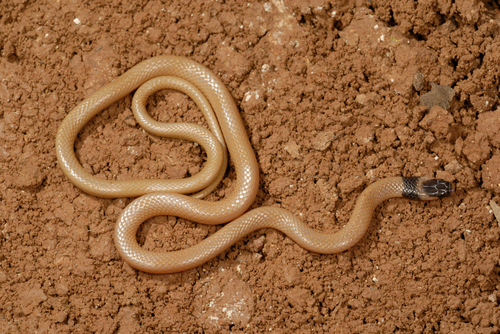
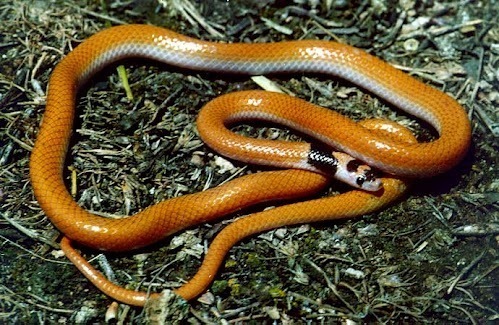
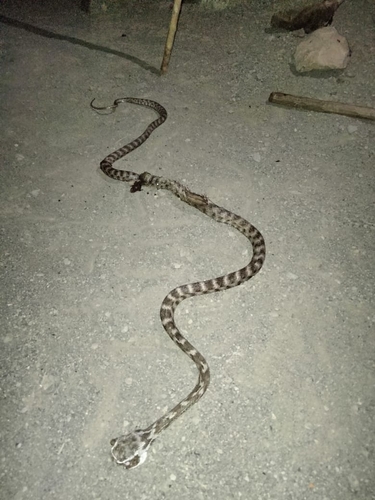
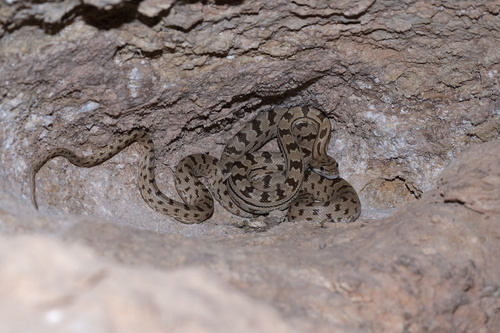

Viperidae (7)
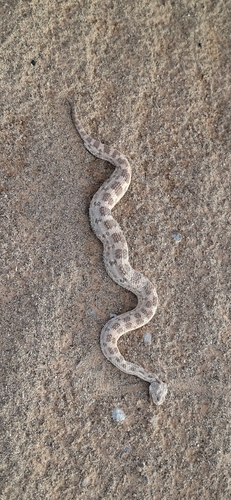
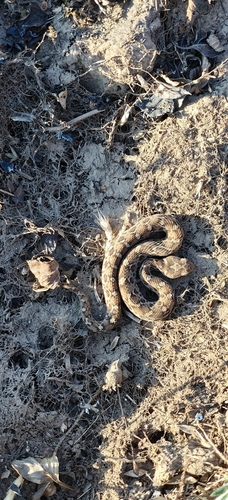
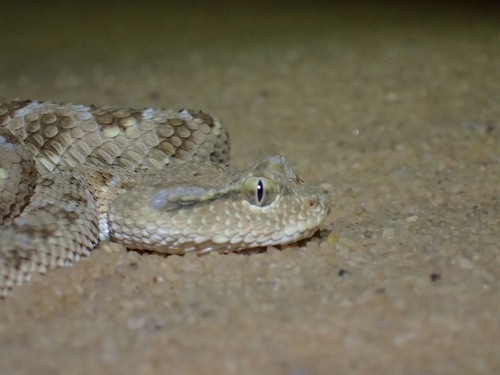
Psammophiidae (4)
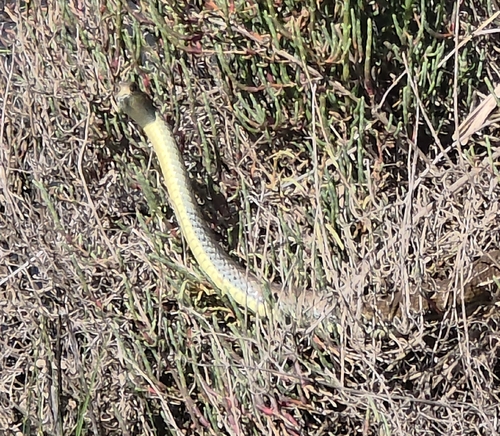
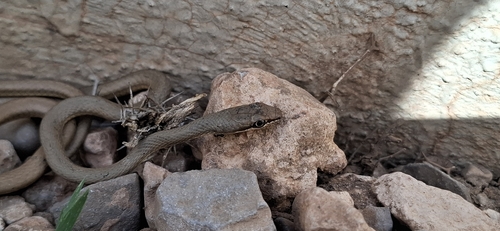
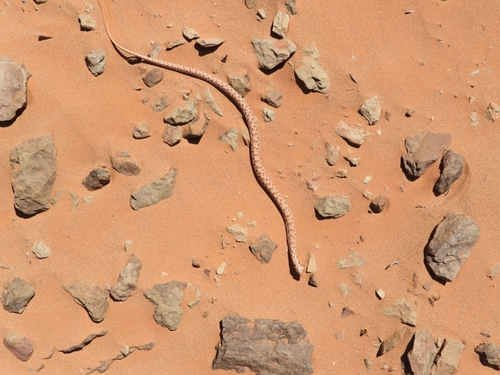
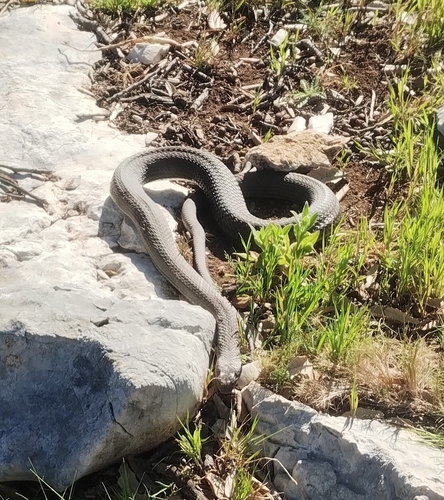
Elapidae (3)
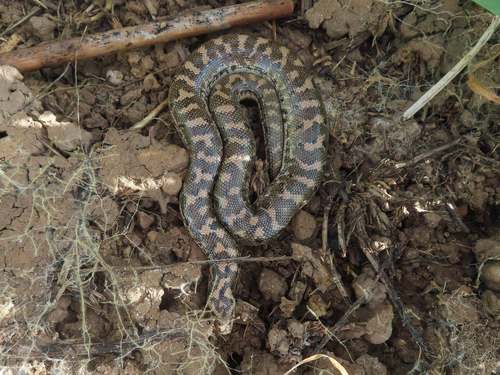
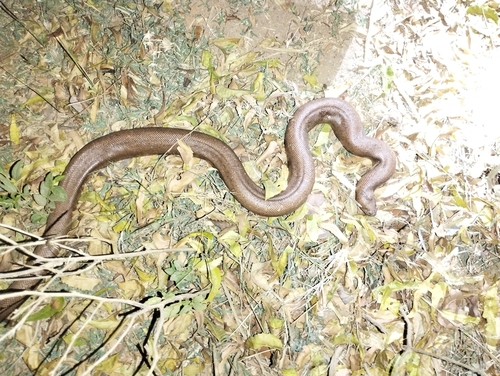
Typhlopidae (2)
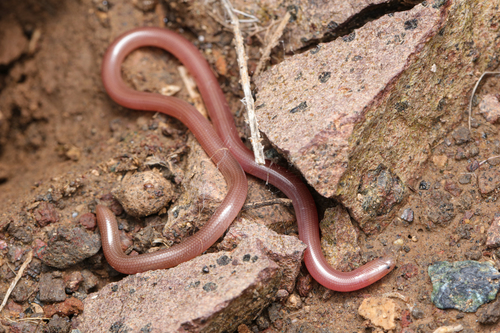
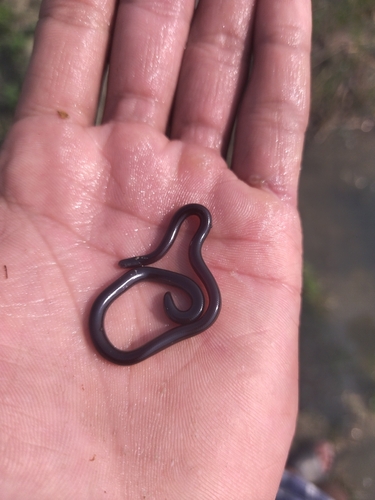
Leptotyphlopidae (1)
Compiled from verified GBIF & iNaturalist observations. "How often seen" reflects how frequently a snake is reported here, not how dangerous it is. Informational only.
Keep learning
- Are Snakes Dangerous? The Real Risk, in PerspectiveMost snakes are harmless and avoid people. Here is the honest picture of snakebite risk worldwide and how to lower your own.
- Snakebite First Aid: What to Do (and What Never to Do)A clear, CDC-based guide to snakebite first aid: the steps that help, the popular myths that hurt, and how to tell a serious bite from a minor one.
- Venomous vs Nonvenomous: How to Tell the DifferenceThe folk rules for telling venomous snakes apart, where each one fails, and why location-based identification beats guessing by sight.
- What to Do If You Find a SnakeFound a snake at home or on a trail? Here is how to stay calm, give it space, identify it safely, and know when to call a professional.