
Biology & behavior
Snake Venom Explained: How It Works and Why
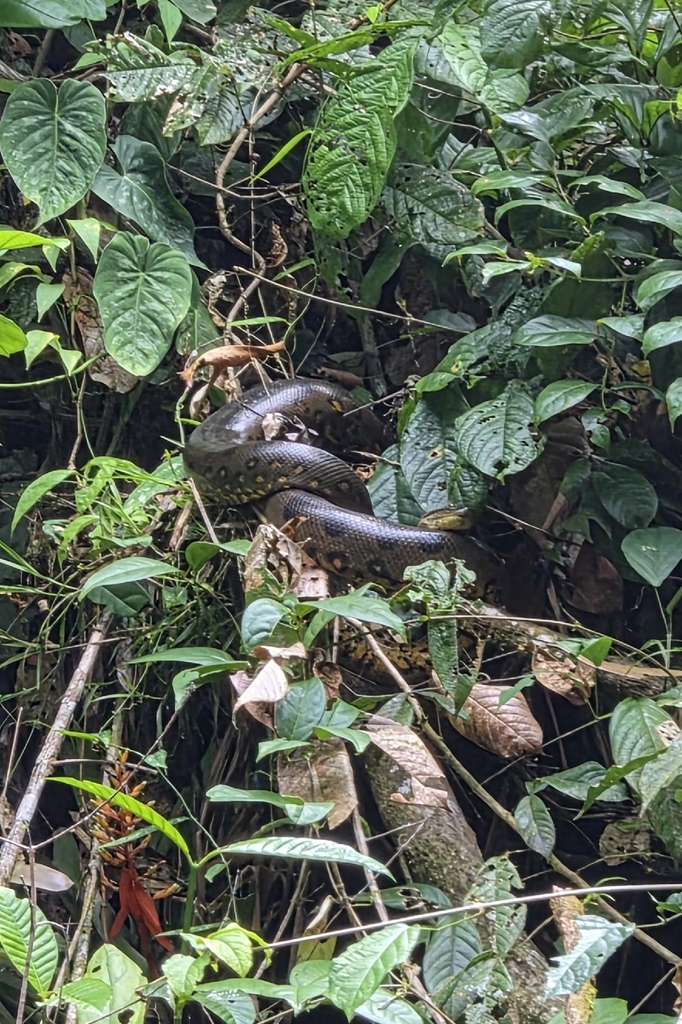
Snake venom is one of the most sophisticated chemical tools in the natural world, yet it is widely misunderstood. It is not a single substance but a complex cocktail of proteins, and it evolved first as a hunting tool, not a weapon of defense. This guide explains what venom is, how it works on the body, how it gets delivered, and how science neutralizes it.
What venom actually is
Snake venom is modified saliva. Over evolutionary time, glands that produced ordinary digestive saliva became specialized to produce a far more potent secretion. In most venomous snakes this is stored in a gland behind or below the eye and pushed through a duct to the fangs when the snake bites.
Chemically, venom is a complex mixture rather than a single poison. A typical venom contains dozens to hundreds of distinct proteins and peptides, including enzymes such as phospholipases and metalloproteinases, along with smaller toxins that target specific tissues. The exact recipe varies by species, by region, and sometimes even by the age of the individual snake.
Because venom is made of proteins, it is generally safe to swallow in a healthy mouth and gut, where it gets broken down like any other protein. It is dangerous when it is injected into tissue or the bloodstream, which is precisely what fangs are built to do.
Why venom evolved (hunting, not defense)
The primary evolutionary driver of venom was prey capture. A snake has no limbs to hold or strangle small, fast prey, and a struggling rodent can injure the snake or escape. Venom solves this by quickly immobilizing or killing prey after a single bite, often allowing the snake to release the animal and track it down once it has succumbed.
Venom also does double duty as a digestive aid. Many venom enzymes begin breaking down tissue from the inside before the snake has even finished swallowing, which helps a cold-blooded animal process a large meal more efficiently.
Defense is a secondary use. Snakes will bite to protect themselves, but most would rather flee or warn than waste venom, which is metabolically expensive to produce. This is part of why defensive bites are often less severe than predatory strikes.
The main types of venom and what they do
Toxinologists group venom effects into broad categories, though real venoms rarely fit just one. Hemotoxic venom acts on the blood and circulatory system, disrupting clotting, damaging blood vessels, and causing internal bleeding or dangerous clots. Many vipers, including rattlesnakes, lean heavily hemotoxic.
Neurotoxic venom targets the nervous system, interfering with the signals between nerves and muscles. The classic danger is progressive paralysis, including of the muscles used to breathe. Cobras, kraits, mambas, and many other elapids rely on neurotoxic components.
Cytotoxic venom destroys cells and tissue directly at the site of the bite, causing swelling, blistering, and in serious cases the death of skin and muscle tissue. Many spitting cobras and certain vipers produce strongly cytotoxic venom.
Most medically important snakes produce a mixture. A single species can carry neurotoxins, blood-acting toxins, and tissue-destroying components at the same time, which is one reason envenomation can be hard to treat and why the effects differ from bite to bite.
Fangs and venom delivery
How a snake injects venom depends on its fang anatomy, and there are three main arrangements. Vipers (the group that includes rattlesnakes, copperheads, and adders) have long hollow front fangs that fold back against the roof of the mouth when not in use and swing forward to strike. This lets them carry large fangs and deliver venom deep, almost like a hypodermic needle.
Elapids (cobras, mambas, kraits, sea snakes, coral snakes, and Australian species) have shorter, fixed fangs at the front of the mouth. Because the fangs do not fold, they are smaller, and some elapids chew or hold on briefly to work venom into the wound.
Rear-fanged colubrids carry enlarged grooved teeth toward the back of the upper jaw rather than hollow front fangs. Venom tends to run along the grooves as the snake chews, making delivery less efficient. Most rear-fanged species are harmless to humans, though a few, such as the boomslang, are genuinely dangerous.
Venomous versus poisonous
These two words are not interchangeable, and the difference is about delivery. Something is venomous if it injects its toxin into another animal, typically through a bite or sting. Something is poisonous if it causes harm when it is touched, eaten, or otherwise absorbed passively.
By that definition almost all dangerous snakes are venomous, not poisonous. A snake that injects venom through its fangs is venomous; you are not harmed simply by handling it or, in most cases, by it touching you.
There are rare exceptions that blur the line. Some garter snakes can store toxins from the toxic newts they eat, and a few snakes have been shown to be poisonous as well as venomous. These are unusual cases, and the general rule holds: snakes deliver harm by injection, which makes them venomous.
How antivenom is made and works
Antivenom is produced by harnessing an animal's immune system. Small, carefully controlled, non-lethal doses of venom are injected into a host animal, often a horse or sheep, over time. The animal's immune system responds by producing antibodies against the venom proteins.
Blood is then collected from the host animal, and the antibodies (or antibody fragments) are separated and purified into a treatment that can be given to a bite victim. Once administered, these antibodies bind to the venom proteins and neutralize them, slowing or stopping the damage the venom would otherwise cause.
Antivenom can be monovalent, made against a single species, or polyvalent, made to cover several species common to a region. This is why correct identification of the snake, or at least knowing the local species, matters so much for treatment. A venomous bite is a medical emergency, and antivenom should only ever be given by trained medical professionals in a clinical setting.
Why ranking the most venomous snake is hard
People love a single answer to which snake is most venomous, but the honest answer is that it depends on what you measure. The most common laboratory metric is the LD50, the dose required to kill half of a group of test animals. By LD50, certain species such as the inland taipan top the lists, but this is a lab measurement on rodents and does not capture real human risk.
Venom yield matters just as much. A snake with extremely potent venom that delivers only a tiny amount per bite can be less dangerous in practice than a snake with somewhat weaker venom that injects a large dose. Fang length and bite mechanics feed into this too.
Finally, real-world danger depends on behavior and overlap with people. The snakes responsible for the most human deaths are often not the ones with the highest LD50 scores but the ones that live near dense human populations, are easily encountered, and bite readily. By that measure, species such as the saw-scaled viper and certain cobras and kraits cause enormous harm despite not being the most toxic on paper.
Dry bites: when venom is not injected
Not every bite from a venomous snake delivers venom. A dry bite is one in which the snake's fangs make contact but little or no venom is injected. This happens because venom is costly to produce, and a snake biting in defense may not want to waste it on something it cannot eat.
Estimates vary by species, but a meaningful share of defensive bites from some venomous snakes are dry or deliver only a small amount of venom. This is one reason symptoms can be slow or absent at first.
A dry bite is never something to count on or self-diagnose. Because the early signs of envenomation can be subtle and can worsen over hours, any bite from a known or suspected venomous snake should be treated as a medical emergency until a professional confirms otherwise.
Frequently asked
- Is snake venom the same as poison?
- No. Venom is injected, usually through a bite, which makes a snake venomous. Poison causes harm when it is touched or eaten. Nearly all dangerous snakes are venomous rather than poisonous, with a few rare exceptions.
- Can you safely drink snake venom?
- Venom is made of proteins that are normally broken down by the digestive system, so swallowing it is generally not how it harms you. The danger comes from injection into tissue or blood. That said, any cut or sore in the mouth could allow venom into the bloodstream, so this is not something to test.
- Why did venom evolve if snakes mostly use it on prey?
- Venom evolved primarily as a hunting tool, letting a limbless predator quickly subdue fast or dangerous prey, and it doubles as a digestive aid that begins breaking the meal down. Defense is a secondary use that came along with the same equipment.
- What is a dry bite?
- A dry bite is when a venomous snake bites but injects little or no venom, often during a defensive strike. Because venom is costly to produce and symptoms can be delayed, a dry bite cannot be assumed. Any venomous bite should be treated as a medical emergency.
- Which snake is the most venomous?
- There is no single answer because it depends on the measure. By laboratory LD50 potency, species like the inland taipan rank highest, but real danger also depends on how much venom a snake delivers and how often it encounters and bites people. Snakes like the saw-scaled viper cause far more human deaths despite not being the most toxic on paper.
- How does antivenom work?
- Antivenom is made by injecting small doses of venom into a host animal such as a horse, collecting the antibodies its immune system produces, and purifying them into a treatment. Those antibodies bind to and neutralize venom proteins in a bite victim. It must be given by medical professionals.
Last reviewed June 22, 2026. Informational only, and not a substitute for professional medical or wildlife advice.