
Biology & behavior
How Snakes Move, Hunt, and Eat
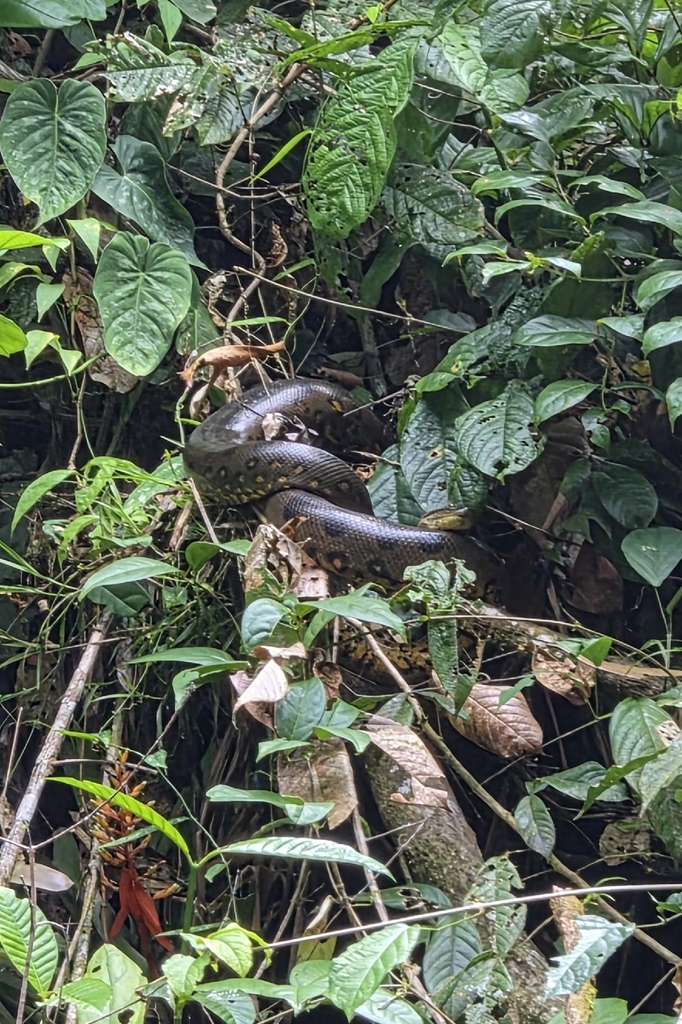
Snakes do everything other animals do with limbs, but with a single long body. They crawl, climb, swim, and a few even glide between trees. They catch prey by sitting still or by chasing it down, kill it by stopping its circulation or by injecting venom, and then swallow it whole using a skull built to stretch.
Moving without legs: four basic modes
A snake has no limbs, so it pushes against the ground using its body, its scales, and the way it distributes weight. Most species can switch between several distinct ways of moving depending on the surface and the situation.
The four widely recognized modes are lateral undulation (serpentine), rectilinear, concertina, and sidewinding. A snake on the move often blends them or shifts from one to another within seconds. Each mode trades speed, grip, and energy differently, which is why a snake on loose sand moves nothing like the same snake in a tight burrow.
Lateral undulation: the classic slither
Lateral undulation, often called serpentine motion, is the familiar S-shaped slither. The snake throws its body into waves that travel from head to tail, and each curve pushes sideways against rocks, plants, twigs, and small bumps in the ground.
This mode needs points to push against. On a smooth, featureless surface like glass or polished tile a snake using lateral undulation struggles, because the curves have nothing to brace against and just slide in place. In water the same wave pattern works well, since the body pushes against the fluid itself. It is the fastest and most common mode for most snakes on natural ground.
Rectilinear motion: the slow straight crawl
Rectilinear motion moves the snake in a straight line with no visible side-to-side waving. The belly scales are lifted, drawn forward, set down, and then the body is pulled up to them in overlapping waves, a little like a caterpillar but driven by the skin and ribs rather than legs.
This is a slow, deliberate, low-profile way to travel. Heavy-bodied snakes such as large pythons and boas use it often, and it is useful for creeping up on prey or moving through open ground without the obvious sideways motion that might give the snake away.
Concertina motion: bracing in tight spaces
Concertina motion is named for the squeezebox instrument because the snake bunches up and then extends, over and over. The animal anchors part of its body by pressing it against the walls of a tunnel or pushing into a surface, extends the front forward, then pulls the rear up behind it.
This mode is for places where there is nothing to slither against in the usual way, such as narrow burrows, crevices, and smooth-walled climbs. It is slow and demanding, but it lets a snake force its way through tight spaces and grip vertical or enclosed surfaces.
Sidewinding: moving across loose sand
Sidewinding is a specialized mode used mainly by snakes living on loose sand and other shifting surfaces. Instead of sliding forward, the snake throws loops of its body so that only two or three short sections touch the ground at any moment while the rest is lifted clear.
The contact points stay relatively still on the sand while the body rolls over them, so the snake leaves a series of separate J-shaped marks rather than a continuous track, and it advances at an angle to the direction its head is pointing. This keeps grip on a surface that would otherwise slip away and reduces how much hot sand the body has to touch.
Climbers, swimmers, and gliders
Snakes are far from limited to flat ground. Many are skilled climbers, gripping bark and branches with their belly scales and using concertina-style anchoring to haul themselves up tree trunks. Most snakes swim well, holding the body at the surface or just below and using lateral undulation against the water, and sea snakes have flattened, paddle-like tails for life in the ocean.
A few tree-dwelling snakes go further and glide. The flying snakes of Southeast Asia launch from a high branch, flatten their bodies into a wide, concave ribbon, and undulate in the air to control their descent. They do not have true powered flight, but they can steer and travel a surprising horizontal distance from tree to tree.
How snakes hunt: ambush versus active foraging
Hunting styles fall roughly into two strategies. Ambush predators stay hidden and motionless, sometimes for days, waiting for prey to wander within striking range. Many vipers and pythons hunt this way, relying on camouflage and patience, and some use heat-sensing pit organs to detect warm prey in total darkness.
Active foragers, by contrast, move through the environment searching out food, hunting down burrows, climbing after eggs and nestlings, or chasing fast prey. Many colubrids and racers forage actively. The two styles shape everything from a snake's body type to how often it needs to eat, and some species shift their tactics depending on what is available.
How snakes kill: constriction, venom, or just swallowing
There are three broad ways snakes subdue prey. Some simply grab the animal and swallow it alive, common with small or harmless prey such as eggs, insects, fish, and amphibians where overpowering it is not necessary.
Constrictors, such as pythons and boas, coil around the prey and tighten with each exhalation. Research has shown the lethal effect is mainly circulatory, not crushing or suffocation. The coils raise the prey's internal blood pressure and cut off circulation, which stops blood flow to the brain and heart and causes a rapid loss of consciousness, far faster than smothering would. The snake does not break bones or squeeze the breath out so much as shut the blood off.
Venomous snakes inject venom through fangs to immobilize, kill, or begin digesting prey. Some venomous species hold on after the bite, while others, especially many vipers, strike and release, then track the dying animal by scent and swallow it once it is subdued. Venom also starts breaking down tissue before the meal is even eaten.
The stretchy jaw: swallowing prey wider than the head
Snakes do not chew. They swallow prey whole, often something far wider than their own head, and the skull is built for exactly that. A common myth is that a snake dislocates or unhinges its jaw. It does not. The bones stay in their joints the whole time.
Instead, the snake's lower jaw is split into two halves at the front that are not fused together by bone. They are joined by a stretchy elastic ligament, so the two sides can spread apart and move independently. The lower jaw also connects to the skull through a free-floating quadrate bone that swings like a double-jointed hinge, adding more reach. Backward-curving teeth grip the prey, and the snake walks its jaws forward over the meal one side at a time, ratcheting the food inward. The flexible ribs and stretchy skin let the rest of the body expand to accommodate the bulge as it passes through.
Digestion and how rarely big snakes eat
Swallowing a large meal whole is metabolically expensive. After a big feed, a snake's digestive organs can ramp up dramatically to break down bone, tissue, and hide, and the animal may rest while digestion runs its course. Warmth speeds the process along, which is one reason a fed snake will seek a basking spot.
Because each meal can be so large, big snakes eat strikingly little for their size. A large constrictor that takes a sizable meal may not need to eat again for weeks, and after an exceptionally large meal some can go for months. This feast-and-wait pattern suits ambush hunters in particular, since they may go long stretches between opportunities anyway.
Frequently asked
- Do snakes really unhinge or dislocate their jaws to swallow big prey?
- No. The jaw bones stay in their sockets. The two halves of the lower jaw are connected at the front by a stretchy ligament rather than fused bone, so they can spread apart, and a free-swinging quadrate bone gives the jaw extra range. The snake works its prey in by moving each side of its jaw forward in turn, not by popping anything out of joint.
- How does constriction actually kill prey?
- By stopping blood flow, not by crushing bones or suffocating. The snake tightens its coils, which spikes the prey's internal blood pressure and cuts off circulation to the brain and heart. The animal loses consciousness quickly, much faster than smothering would explain. Studies measuring prey heartbeat and blood pressure confirm the cause is circulatory arrest.
- Why can't a snake move on smooth glass?
- The most common mode, lateral undulation, needs surface features to push against. The curves of the body brace against rocks, plants, and bumps to drive the snake forward. On a smooth, featureless surface the curves have nothing to grip, so they slide in place. The snake can still inch along using slower modes like rectilinear or concertina motion, but it cannot get its usual traction.
- Can snakes actually fly?
- Not with powered flight. The flying snakes of Southeast Asia glide. They launch from a high branch, flatten their body into a wide ribbon, and undulate in the air to steer and slow their fall, traveling a notable horizontal distance from tree to tree. It is controlled gliding, not true flight.
- How often do large snakes need to eat?
- Far less often than you might expect for their size. Because they swallow large prey whole, big constrictors can go weeks between meals, and after an unusually large meal some can go months. Their slow metabolism and feast-and-wait feeding pattern make long gaps between meals normal, especially for ambush hunters.
- What is the difference between an ambush hunter and an active forager?
- An ambush hunter stays hidden and motionless, sometimes for days, and waits for prey to come within strike range. Many vipers and pythons hunt this way. An active forager moves through the environment searching out food, hunting burrows, climbing after nests, or chasing prey, as many colubrids and racers do. The strategy shapes the snake's body type and how often it feeds.
Last reviewed June 22, 2026. Informational only, and not a substitute for professional medical or wildlife advice.