
Snake family · Stiletto snakes (burrowing asps)
Atractaspididae
Burrowing venomous snakes that stab sideways, and cannot be safely held.
About the Atractaspididae family
Stiletto snakes, or burrowing asps, are small fossorial snakes with one extraordinary fang on each side that can be swung out of a nearly closed mouth to stab sideways. This means there is no safe way to hold one, even behind the head. They spend most of their lives underground hunting other burrowing animals.
- Where they live
- Africa and the Middle East.
- How to recognize one
- Small, glossy, uniformly dark, with tiny eyes and a blunt head no wider than the neck. The side-stabbing strike is unique.
- Danger to people
- Venomous. Bites cause intense local pain and tissue damage; most are not life-threatening but require medical care. Never attempt to pick one up.
Venomous species (21)
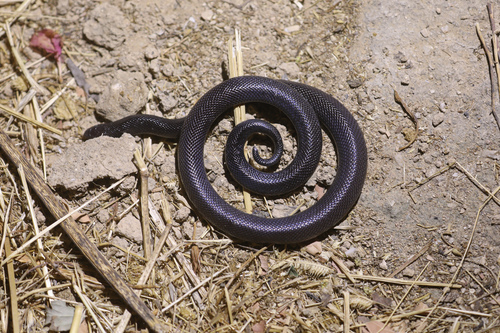 Anderson's Stiletto SnakeAtractaspis andersoniiVenomous
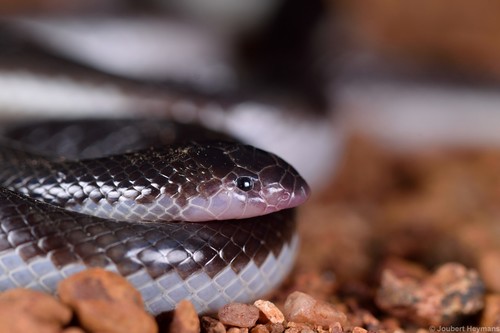 Beaked Burrowing AspAtractaspis duerdeniVenomous
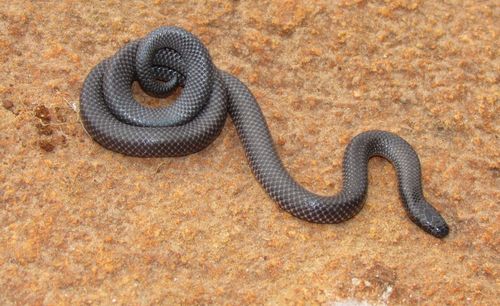 Black-headed MicrelapsMicrelaps vaillantiVenomous
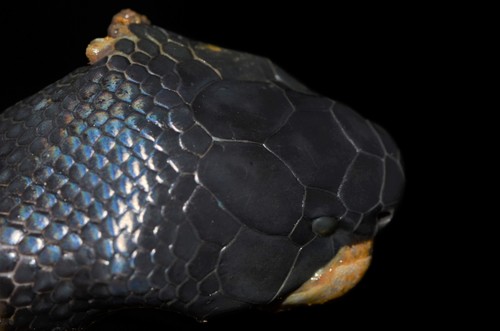 Boulenger's Burrowing AspAtractaspis boulengeriVenomous
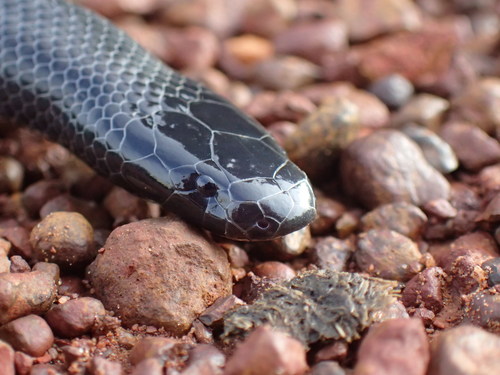 Congo Burrowing AspAtractaspis congicaVenomous
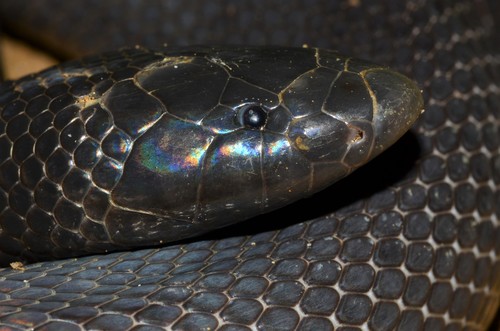 Fat Burrowing AspAtractaspis corpulentaVenomous
 Israeli Mole ViperAtractaspis engaddensisVenomous
 Kenya Two-headed SnakeMicrelaps bicoloratusVenomous
 Müller's SnakeMicrelaps muelleriVenomous
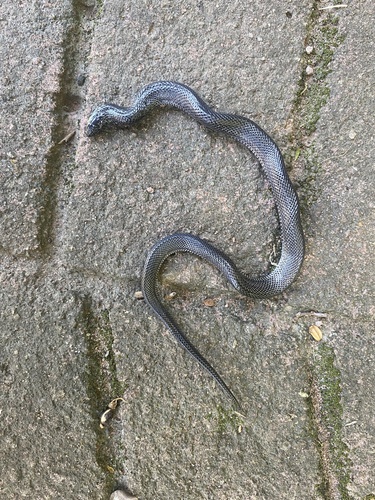 Natal Black SnakeMacrelaps microlepidotusVenomous
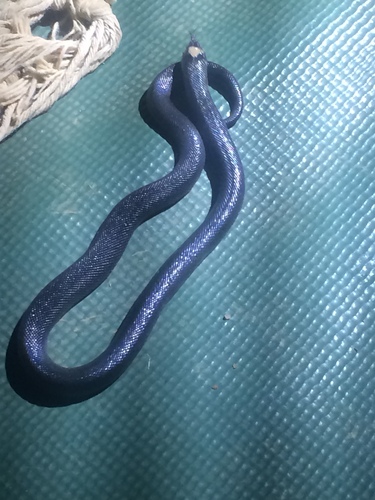 Peters' Burrowing AspAtractaspis fallaxVenomous
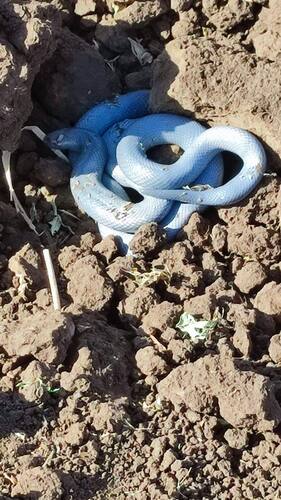 Phillips' Burrowing AspAtractaspis phillipsiVenomous
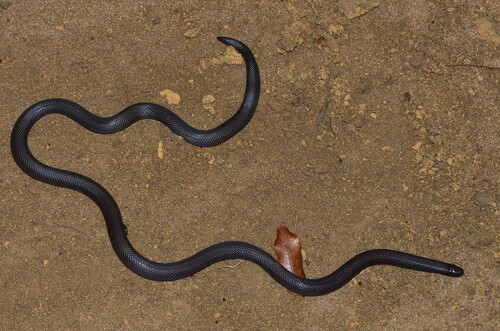 Reticulate Burrowing AspAtractaspis reticulataVenomous
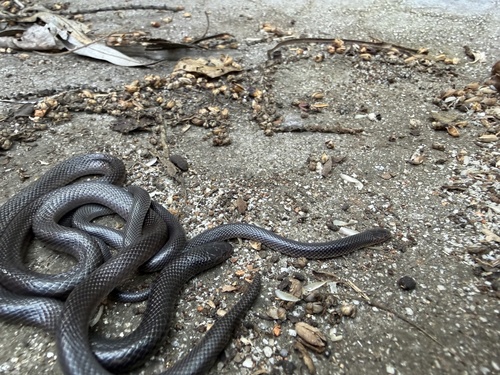 Southern Stiletto SnakeAtractaspis bibroniiVenomous
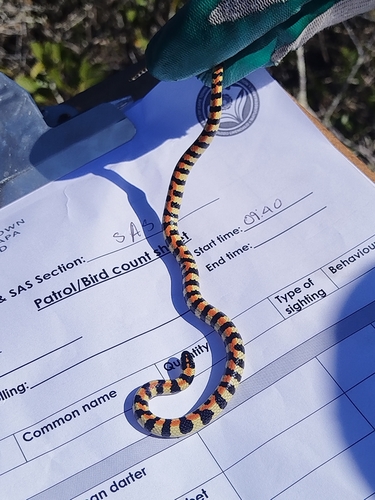 Spotted Harlequin SnakeHomoroselaps lacteusVenomous
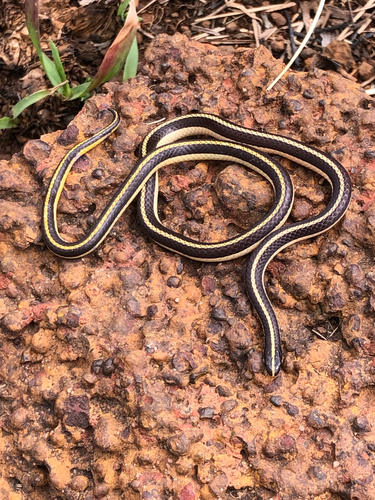 Striped Harlequin SnakeHomoroselaps dorsalisVenomous
 Variable Burrowing AspAtractaspis irregularisVenomous
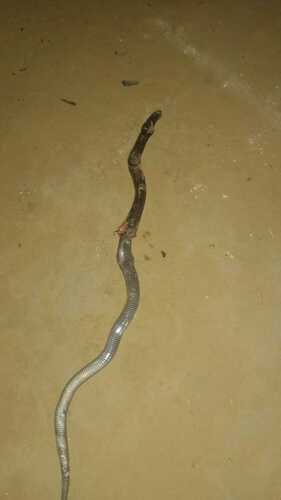 Watson’s Burrowing AspAtractaspis watsoniVenomous
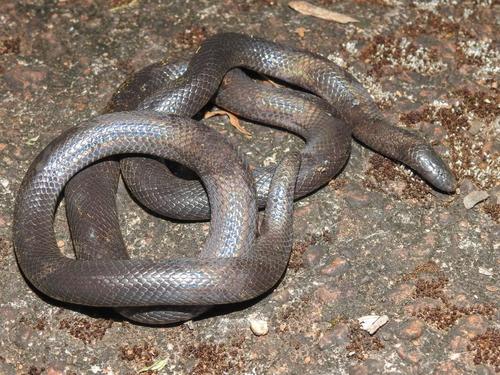 Western Forest Stiletto SnakeAtractaspis aterrimaVenomous
- No photoDahomey Burrowing AspAtractaspis dahomeyensisVenomous
- No photoSahelian Burrowing AspAtractaspis micropholisVenomous
Non-venomous species (23)
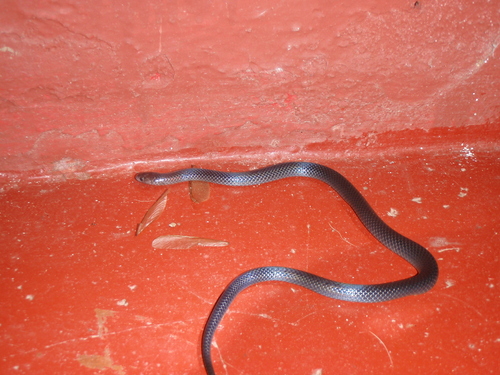 Black Centipede-EaterAparallactus guentheriHarmless
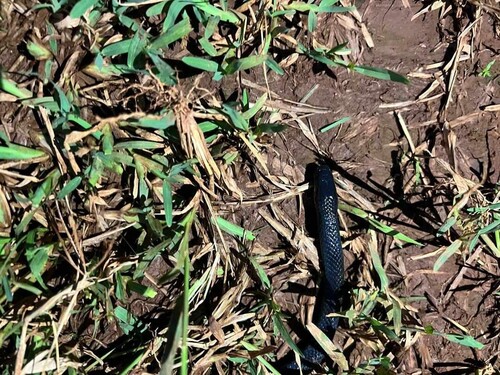 Black Snake-eaterPolemon aterHarmless
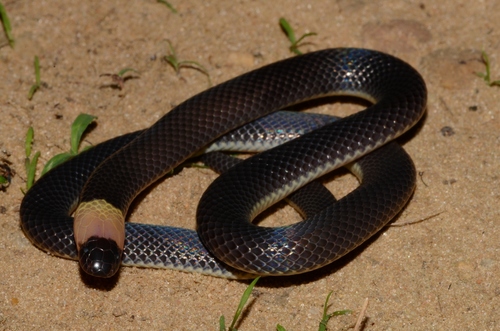 Bocourt's Snake-eaterPolemon bocourtiHarmless
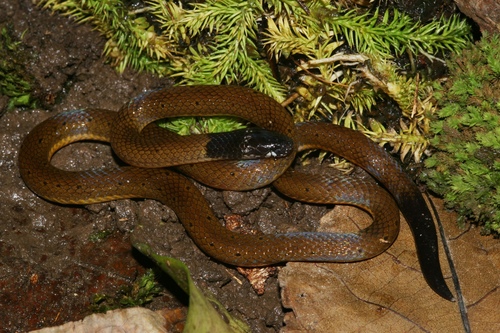 Cameroon Snake-EaterPolemon notatusHarmless
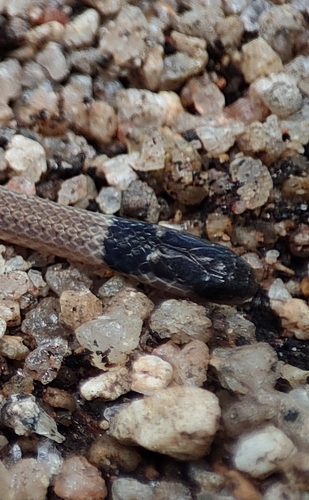 Cape Centipede-EaterAparallactus capensisHarmless
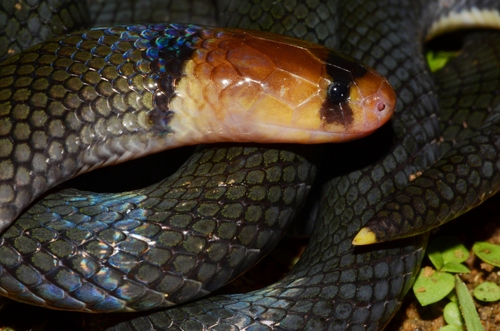 Collared Snake-eaterPolemon collarisHarmless
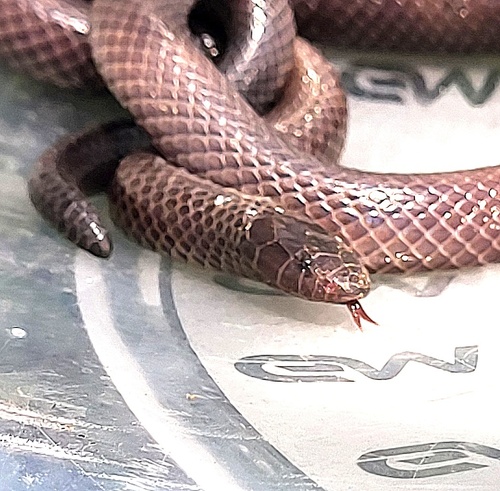 Common Purple-glossed SnakeAmblyodipsas polylepisHarmless
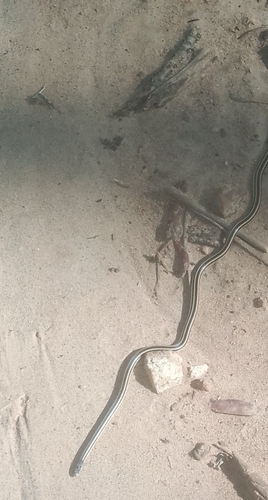 Congo Two-headed SnakeChilorhinophis gerardiHarmless
 Dull Purple-glossed SnakeAmblyodipsas unicolorHarmless
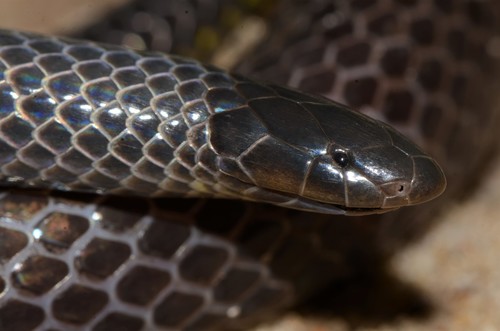 Eastern Purple-glossed SnakeAmblyodipsas microphthalmaHarmless
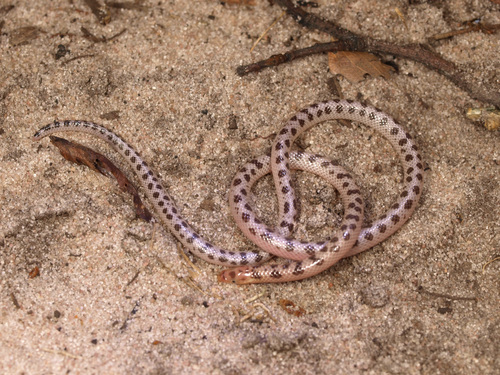 Elongate Quill-snouted SnakeXenocalamus mechowiiHarmless
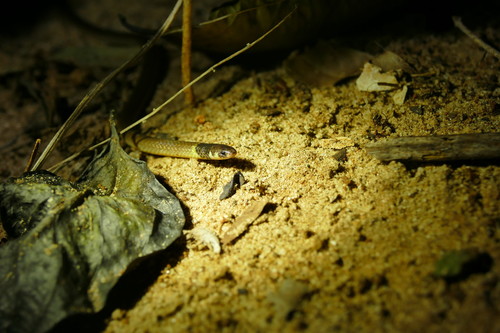 Jackson’s centipede-eaterAparallactus jacksoniiHarmless
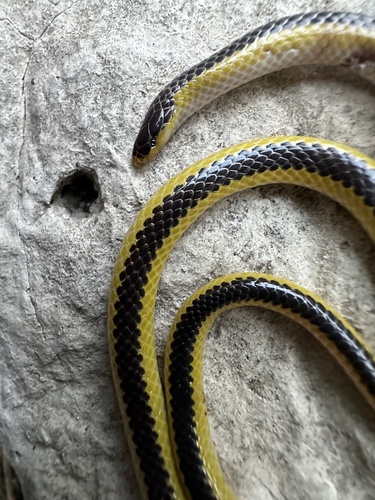 Kalahari Purple-glossed SnakeAmblyodipsas ventrimaculataHarmless
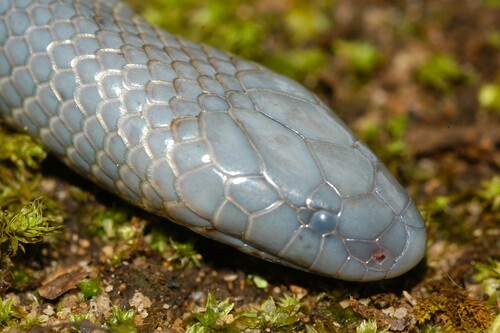 Natal Purple-glossed SnakeAmblyodipsas concolorHarmless
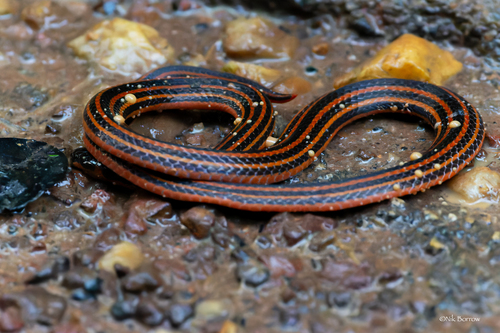 Reinhardt's Snake-eaterPolemon acanthiasHarmless
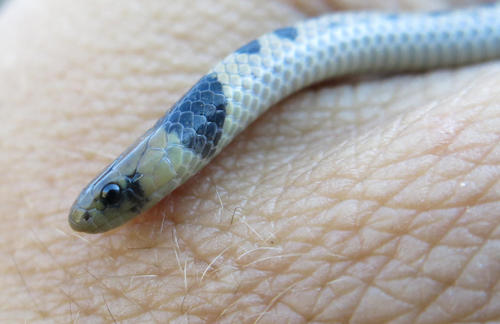 Reticulated Centipede-EaterAparallactus lunulatusHarmless
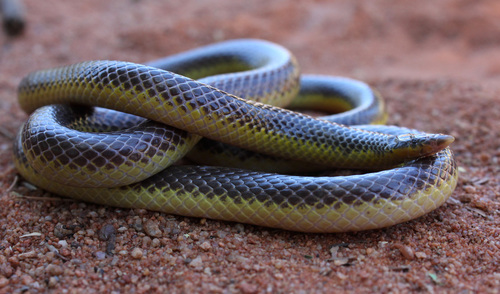 Slender Quill-snouted SnakeXenocalamus bicolorHarmless
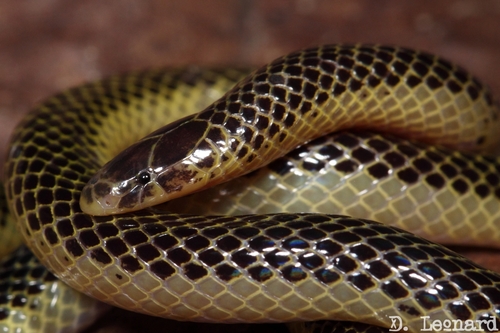 Transvaal Quill-snouted SnakeXenocalamus transvaalensisHarmless
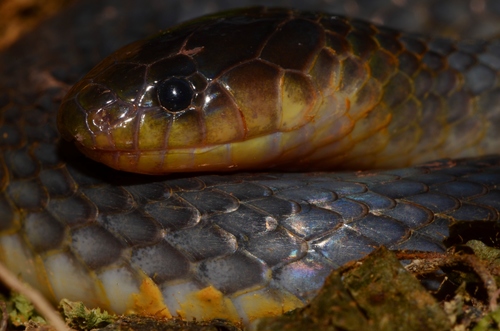 Western Forest Centipede-eaterAparallactus modestusHarmless
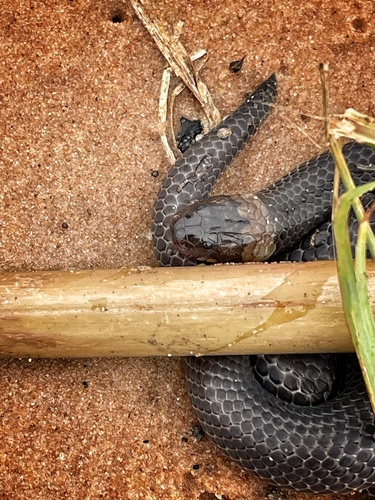 Zaire Snake-eaterPolemon robustusHarmless
- No photoMpwapwa Purple-glossed SnakeAmblyodipsas dimidiataHarmless
- No photoUsambara Centipede-eaterAparallactus werneriHarmless
- No photoYellow-necked Snake-EaterPolemon fulvicollisHarmless
Genera in the Atractaspididae family
7 genera with two or more species. Open one to read about the group and browse all its snakes.
Keep learning
- Venomous vs Nonvenomous: How to Tell the DifferenceThe folk rules for telling venomous snakes apart, where each one fails, and why location-based identification beats guessing by sight.
- Are Snakes Dangerous? The Real Risk, in PerspectiveMost snakes are harmless and avoid people. Here is the honest picture of snakebite risk worldwide and how to lower your own.
- Snake Venom Explained: How It Works and WhyWhat snake venom actually is, why it evolved, the main venom types, fang delivery, how antivenom works, and why ranking the most venomous snake is hard.
- What Is a Snake? Anatomy and the BasicsA clear overview of what makes a snake a snake: limbless body plan, anatomy, evolution from lizards, species diversity, and why they are ectothermic.