
Genus · Colubridae
Types of garter snakes
30+ species make up the genus Thamnophis, the snakes commonly called garter snakes. None are considered dangerous to humans.
About garter snakes
Garter and ribbon snakes are the small striped colubrids most North Americans meet first. They are widespread, harmless in any practical sense, and a familiar sight in gardens and near water.
Thamnophis is a genus of small to medium New World colubrids known as the garter and ribbon snakes. The name comes from the long light stripes that run the length of the body, which reminded early observers of the striped garters once used to hold up stockings. Most species are slender and carry three pale stripes set against a darker background, one running down the spine and one along each side, though the exact pattern and color vary widely between species and even between individuals.
These are the most widespread and commonly encountered snakes across much of North America, and for many people they are the first wild snake they ever see. The genus ranges all the way from Canada south through the United States and into Central America, and individual species turn up in backyards, gardens, parks, and especially in damp ground near ponds, streams, and wetlands. If you spot a slender striped snake gliding through grass or basking near water, a garter snake is the most likely answer.
An accurate nuance is worth getting right. Garter snakes have long been called harmless, and they are harmless in any practical sense, but they are technically rear-fanged and produce a mild saliva toxin. A bite from a large individual can in rare cases cause minor local swelling. They are not dangerous to people, and the database lists all 35 Thamnophis species here as non-dangerous. The realistic risk from a garter snake is a small scratch and a bad smell, not envenomation.
Ecologically these snakes are generalist hunters of soft-bodied and aquatic prey. They eat earthworms, slugs, amphibians, and fish, and some populations have evolved a striking tolerance for the toxins of newts that would sicken other predators. Garter snakes give birth to live young in large litters rather than laying eggs, and in places such as Manitoba they famously gather into enormous mating balls in spring, with many males coiling around a single female as they emerge from communal dens.
For safety the message is simple. Garter snakes are harmless, beneficial residents that help keep slugs and other garden pests in check, so the best response to finding one is to leave it alone and let it move on. If grabbed they often release a strong musky smell from glands near the tail as a defense, which is unpleasant but does no harm. As with any wild snake, observing without handling is the right call.
Thamnophis belongs to the Colubridae family (Colubrids). The largest snake family, and the one most snakes you meet belong to. Typically round pupils, a head only slightly wider than the neck, and no heat-sensing facial pit or rattle. Scales may be smooth and glossy or keeled and matte depending on the species.
Danger: Almost all colubrids are harmless. A small number are rear-fanged with medically significant venom, the boomslang and the twig (vine) snakes of Africa being the dangerous exceptions. Most colubrids will flee or bluff rather than bite.
All species (35)
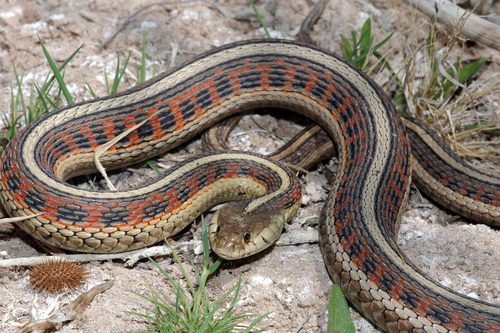 Common Garter SnakeThamnophis sirtalisHarmless
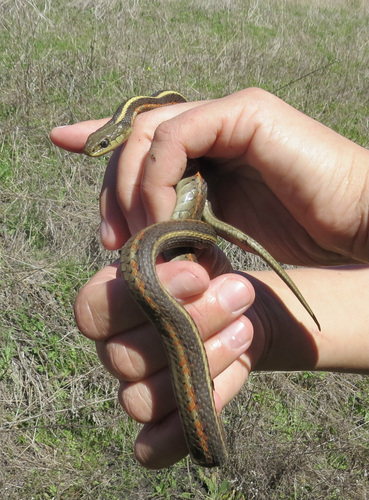 Western Terrestrial Garter SnakeThamnophis elegansHarmless
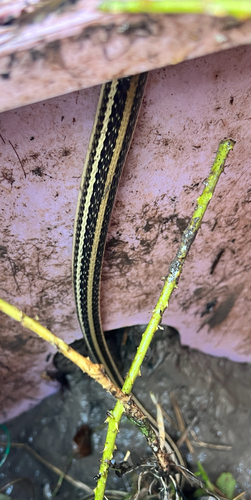 Western Ribbon SnakeThamnophis proximusHarmless
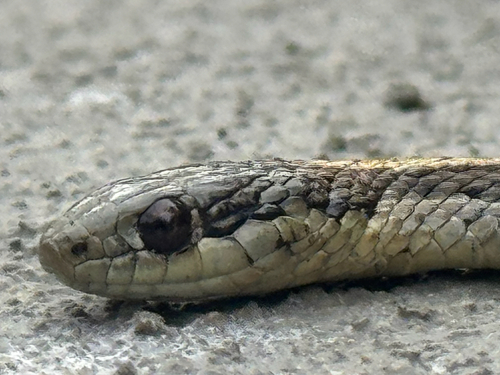 Northwestern Garter SnakeThamnophis ordinoidesHarmless
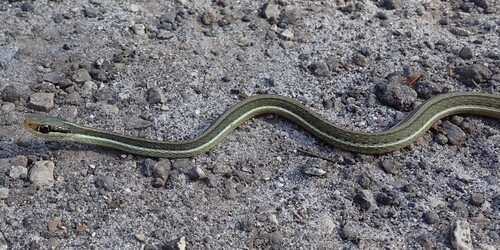 Common Ribbon SnakeThamnophis sauritaHarmless
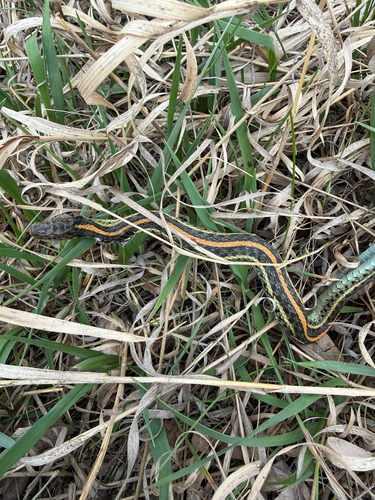 Plains Garter SnakeThamnophis radixHarmless
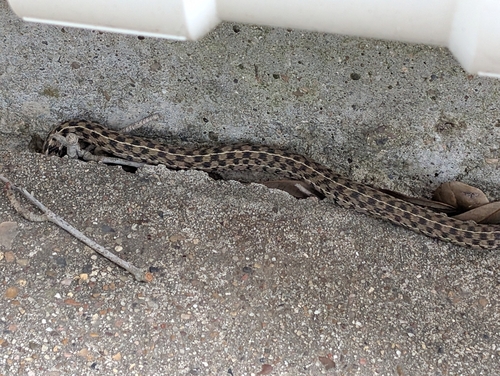 Checkered Garter SnakeThamnophis marcianusHarmless
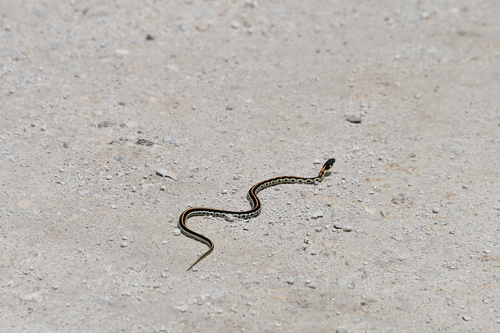 Black-necked Garter SnakeThamnophis cyrtopsisHarmless
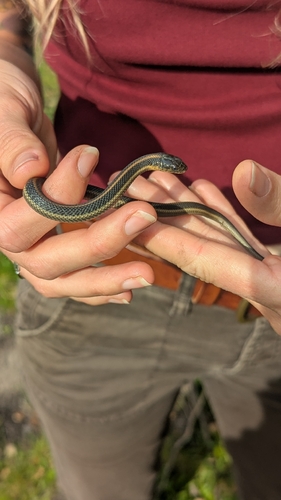 Aquatic Garter SnakeThamnophis atratusHarmless
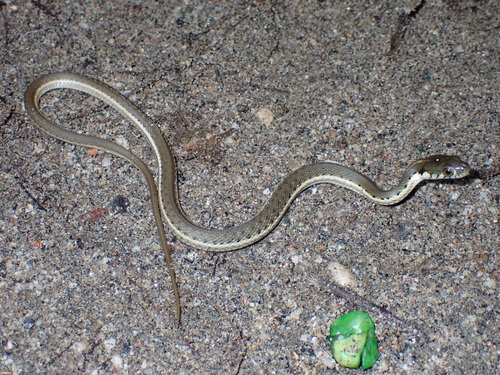 Two-striped Garter SnakeThamnophis hammondiiHarmless
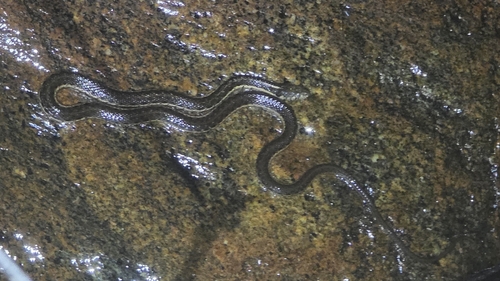 Sierra Garter SnakeThamnophis couchiiHarmless
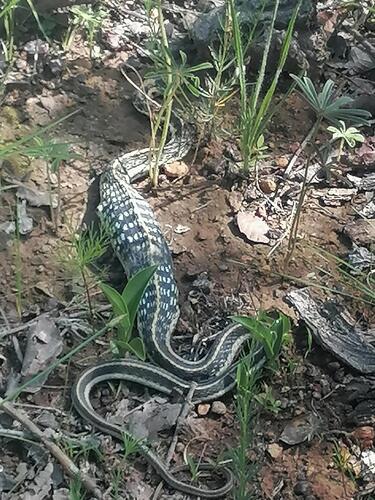 Mexican Garter SnakeThamnophis equesHarmless
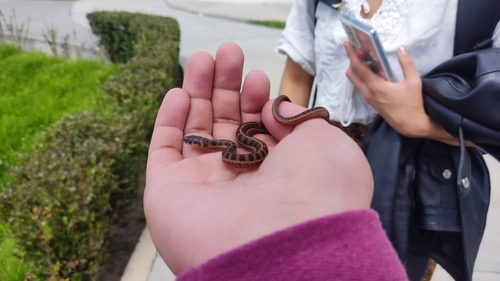 Longtail Alpine Garter SnakeThamnophis scalarisHarmless
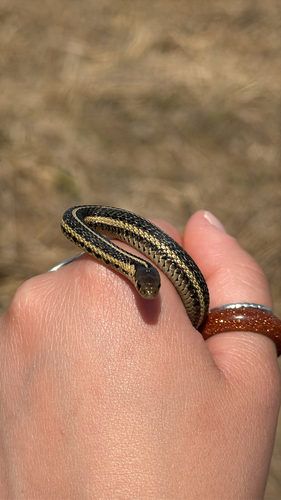 Butler's Garter SnakeThamnophis butleriHarmless
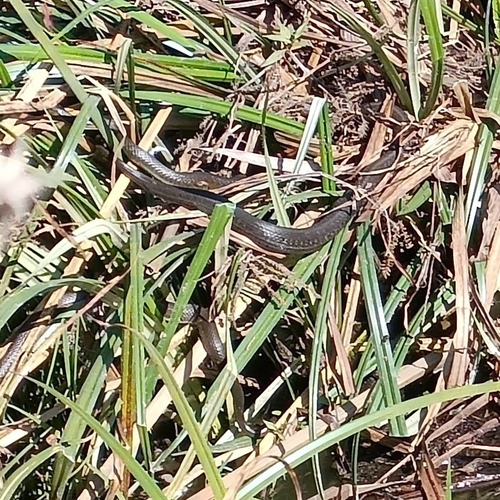 Blackbelly Garter SnakeThamnophis melanogasterHarmless
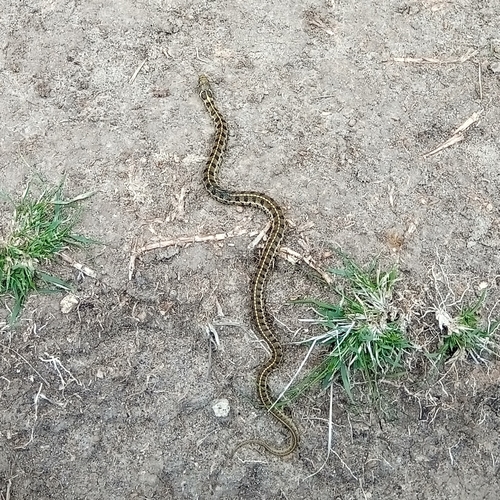 Short-tail Alpine Garter SnakeThamnophis scaligerHarmless
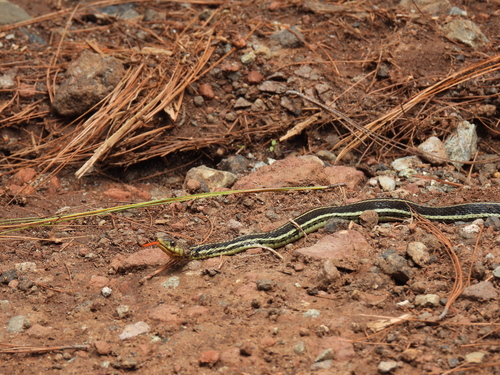 Yellow-throated Garter SnakeThamnophis pulchrilatusHarmless
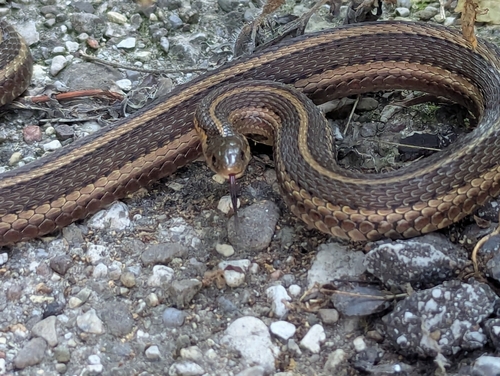 Short-headed Garter SnakeThamnophis brachystomaHarmless
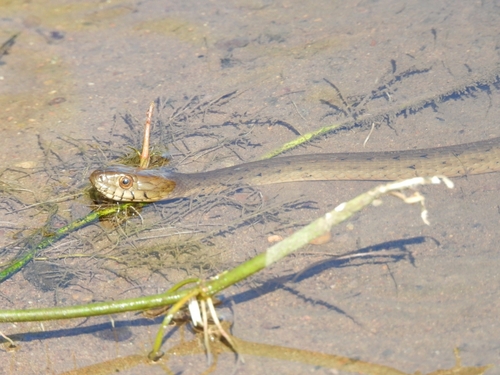 West Coast Garter SnakeThamnophis validusHarmless
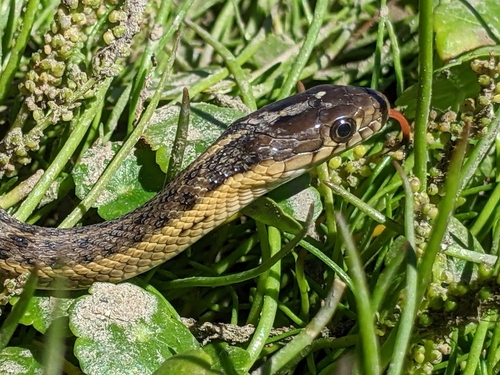 Giant Garter SnakeThamnophis gigasHarmless
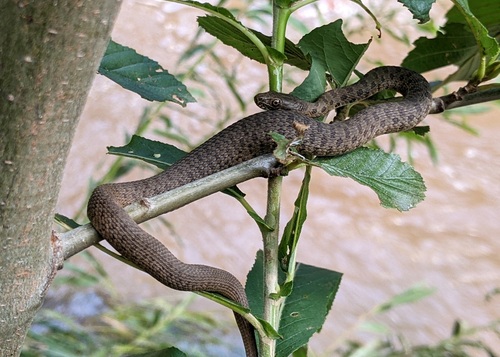 Narrowhead Garter SnakeThamnophis rufipunctatusHarmless
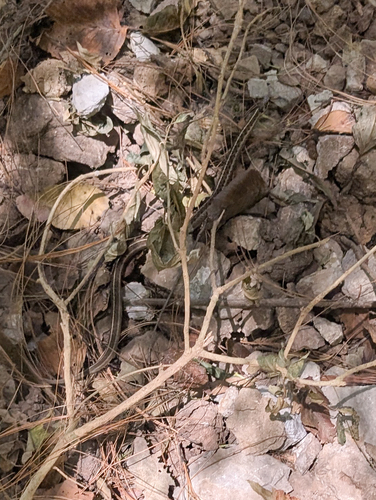 Bogert's Garter SnakeThamnophis bogertiHarmless
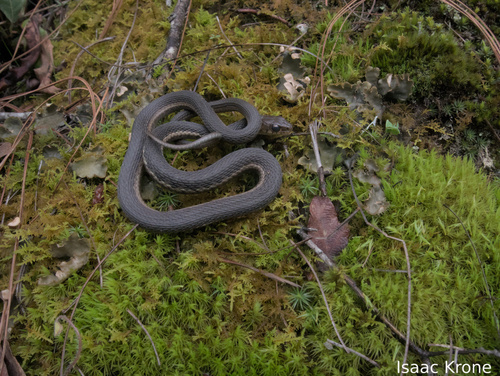 Goldenhead Garter SnakeThamnophis chrysocephalusHarmless
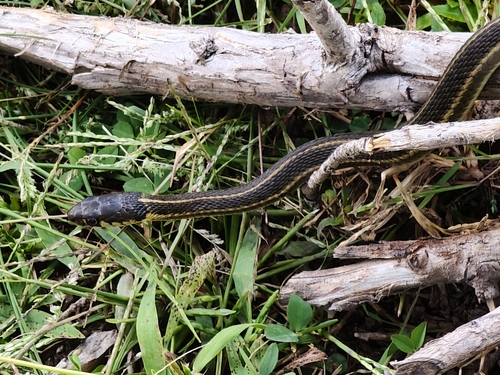 Mexican Wandering Garter SnakeThamnophis erransHarmless
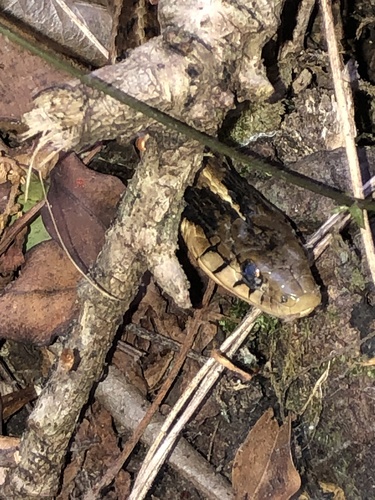 Highland Garter SnakeThamnophis fulvusHarmless
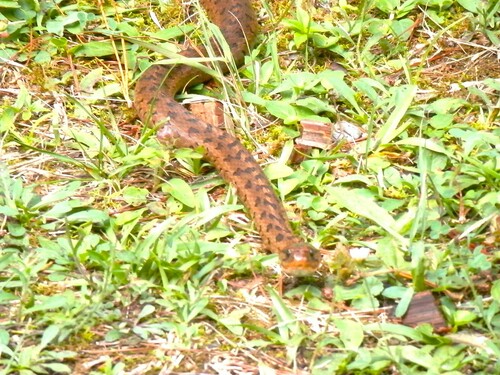 Sumichrast's Garter SnakeThamnophis sumichrastiHarmless
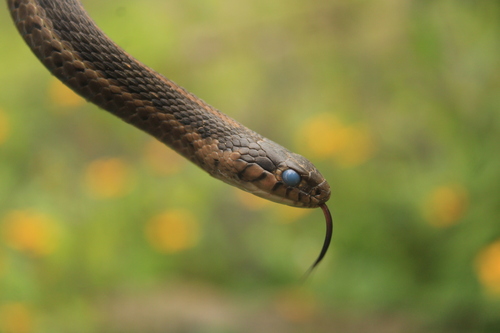 Ahumada’s Alpine Garter SnakeThamnophis ahumadaiHarmless
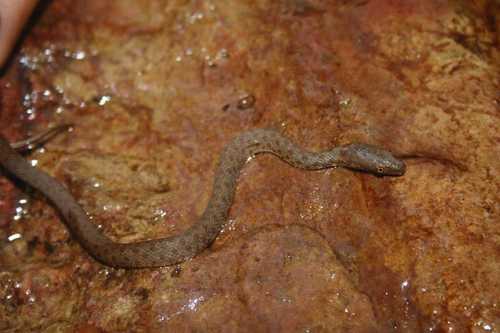 Madrean Narrow-headed Garter SnakeThamnophis unilabialisHarmless
 Cope's Mountain Meadow SnakeThamnophis copeiHarmless
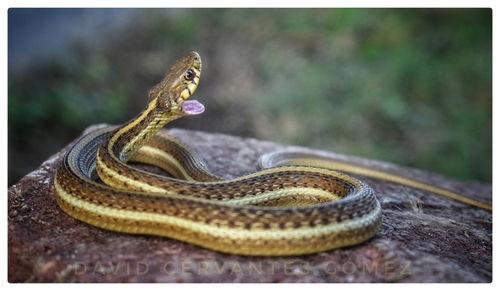 Rossman's Garter SnakeThamnophis rossmaniHarmless
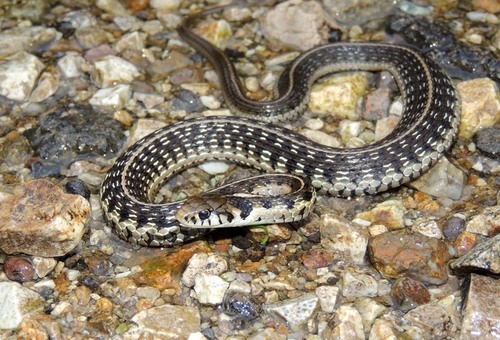 Godman's Garter SnakeThamnophis godmaniHarmless
 Tamaulipan Montane Garter SnakeThamnophis mendaxHarmless
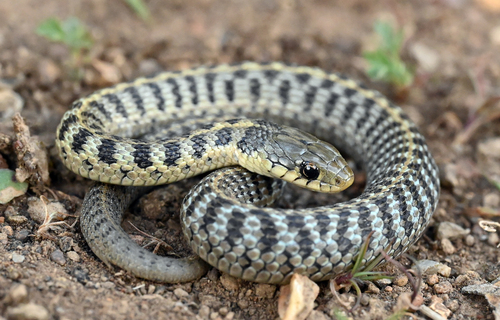 Montane Garter SnakeThamnophis exsulHarmless
- No photoSouthern Durango Spotted Garter SnakeThamnophis nigronuchalisHarmless
- No photoTepalcatepec Valley Garter SnakeThamnophis postremusHarmless
Keep learning
- What Is a Snake? Anatomy and the BasicsA clear overview of what makes a snake a snake: limbless body plan, anatomy, evolution from lizards, species diversity, and why they are ectothermic.
- How Snakes Move, Hunt, and EatHow snakes move without legs, hunt as ambushers or active foragers, kill by constriction or venom, and swallow prey wider than their head.
- What Do Snakes Eat?All snakes are carnivores. Learn what snakes eat, how diet changes with size and age, how often they feed, and how they hunt and swallow prey.
- Venomous vs Nonvenomous: How to Tell the DifferenceThe folk rules for telling venomous snakes apart, where each one fails, and why location-based identification beats guessing by sight.