
Biology & behavior
What Do Snakes Eat?
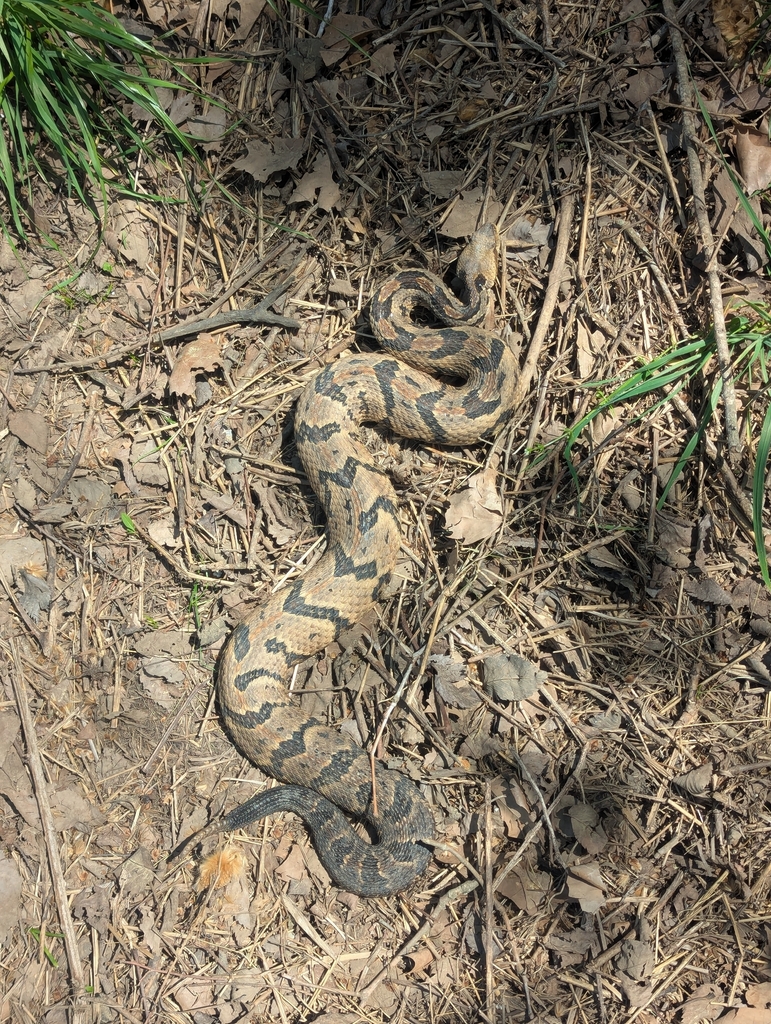
Every snake species on Earth is a carnivore, meaning snakes eat only other animals and never plants. What a given snake eats depends mostly on its size, its species, and the prey available where it lives. This guide covers the full range of snake diets, how feeding habits shift as a snake grows, how often snakes eat, and the part snakes play in keeping rodent populations in check.
All snakes are carnivores
There is no such thing as a vegetarian snake. Every one of the roughly 4,000 snake species is a strict carnivore that survives entirely on animal prey. Their bodies are built for it: snakes lack the flat grinding teeth and long digestive tracts that plant eaters use to break down fiber, and their stomachs produce strong acids suited to dissolving flesh, bone, and shell.
Because snakes cannot chew, they swallow prey whole. This single constraint shapes almost everything about what a snake can eat, since the size and shape of the prey must be something the snake can fit into its mouth and move down its body.
The range of snake diets
Snake diets are far more varied than most people expect. Many familiar snakes are rodent and bird specialists, taking mice, rats, voles, and ground-nesting birds. Rat snakes, gopher snakes, and many vipers fall into this group.
Other snakes target very different prey. Some are dedicated egg eaters. Water snakes, garter snakes, and many aquatic species eat fish, frogs, tadpoles, and salamanders. Smaller snakes such as ringneck snakes and many young snakes feed on insects, earthworms, slugs, and other invertebrates.
A number of snakes eat other reptiles, including lizards and even other snakes. Snakes that prey on other snakes are called ophiophagous. Kingsnakes are a well-known example, and they will eat venomous snakes such as rattlesnakes because they have resistance to their venom. The king cobra, whose name reflects this habit, feeds almost entirely on other snakes.
There are even specialists that eat slugs and snails. Snail-eating snakes have evolved jaws suited to pulling a snail's soft body out of its shell.
Egg-eating snakes and their adaptations
A few snakes have specialized so completely on bird and reptile eggs that they have lost most of their teeth. African egg-eating snakes of the genus Dasypeltis are the classic example. They swallow an egg far larger than their own head, helped by extremely flexible jaws and elastic skin around the neck.
Once the egg is inside the throat, sharp bony projections that extend down from the spine, called vertebral hypapophyses, slice or crush the shell. The snake squeezes out and swallows the liquid contents, then regurgitates the collapsed, emptied shell. This lets the snake extract a large, nutrient-rich meal without wasting energy digesting hard shell.
How diet changes with size and age
A snake's diet rarely stays the same throughout its life. Many species shift what they eat as they grow, simply because a larger mouth and body can handle larger prey. This is one reason a single species can play more than one role in an ecosystem over its lifetime.
Young snakes of many species start out eating small prey such as insects, earthworms, small lizards, or tiny frogs. As they grow, they graduate to mice, larger frogs, birds, or small mammals. A hatchling rat snake may eat insects and tree frogs, while a large adult takes full-grown rats and birds.
Large constrictors show this change most dramatically. A young python or boa eats rodents and small birds, but an adult of the largest species can take prey as big as deer, monkeys, or pigs.
How often snakes eat
Snakes eat far less often than mammals of similar size. As ectotherms, they do not burn energy to keep a constant body temperature, so their food requirements are low. A small or active snake may eat every week or two, while many adult snakes do well on a meal every couple of weeks.
Large constrictors can go remarkably long between meals. After swallowing a large animal, a big python or boa may not need to eat again for several weeks or even months, slowly digesting one substantial meal. During cooler months many snakes enter a dormant period called brumation and stop eating altogether for weeks or months.
How snakes find and swallow prey
Snakes locate food using a blend of senses. They flick the tongue to collect scent particles and pass them to the Jacobson's organ on the roof of the mouth, which gives them a detailed chemical picture of nearby prey. Many also rely on vibration sensed through the jaw and on keen, motion-sensitive vision. Pit vipers, pythons, and some boas have heat-sensing pits that detect the body warmth of nearby animals, letting them strike accurately in total darkness.
Once prey is caught, snakes use different methods to subdue it. Constrictors coil around the animal and tighten with each exhale until circulation stops. Venomous snakes inject venom through fangs and may release the prey, then track it down once it is incapacitated. Other snakes simply grab and swallow active prey alive.
Swallowing is possible because a snake's lower jaw is not fused at the chin and is connected to the skull by stretchy ligaments, so the two halves can spread wide and move independently. The snake walks its jaws over the prey one side at a time, drawing it inward with backward-curved teeth until the whole animal is inside.
Snakes as natural rodent control
Because so many snakes specialize in rodents, they are one of nature's most effective forms of pest control. A single rat snake or gopher snake can remove dozens of mice and rats from a property over a season, reducing crop damage, contamination of stored food, and the spread of rodent-borne disease.
This is a strong reason to leave harmless snakes alone when you find them near a home, barn, or garden. Removing snakes often leads to a rise in the rodent population they were keeping down, which can create a larger problem than the snake ever posed.
Frequently asked
- Do any snakes eat plants?
- No. All snakes are strict carnivores. Their teeth, jaws, and digestive systems are built for swallowing and breaking down animal prey, and no snake species eats fruit, leaves, or other plant material.
- How can a snake swallow prey bigger than its head?
- A snake's lower jaw is not fused at the chin and connects to the skull with stretchy ligaments, so the jaw halves spread wide and move one at a time. Combined with elastic skin and a flexible body, this lets a snake swallow prey much larger than its own head.
- How long can a snake go without eating?
- It depends on the species and size. Small snakes may eat every week or two, while large constrictors can go weeks or even months between meals after a big feeding. Many snakes also stop eating entirely during cold-weather dormancy.
- Do snakes really eat other snakes?
- Yes. Snakes that prey on other snakes are called ophiophagous. Kingsnakes eat other snakes, including venomous ones such as rattlesnakes, because they resist their venom. The king cobra feeds almost entirely on other snakes.
- What do baby snakes eat?
- Young snakes usually start with small prey such as insects, earthworms, small lizards, or tiny frogs. As they grow, they move on to larger prey like mice, birds, and bigger amphibians, depending on the species.
- Are snakes useful for controlling pests?
- Very. Many snakes specialize in rodents and can remove dozens of mice and rats over a season, cutting crop damage and disease risk. Leaving harmless snakes in place is usually better than removing them, since rodent numbers tend to climb when snakes are gone.
Last reviewed June 22, 2026. Informational only, and not a substitute for professional medical or wildlife advice.